Year One With a Cavalier From a Tested Litter
Bringing home a Cavalier King Charles Spaniel puppy, especially one from a health-tested litter, is an incredibly exciting time, full of dreams of cuddles and playful antics. Yet, the sheer joy can sometimes make us overlook the practical side: the financial commitment involved. Many new owners, despite their best intentions, find themselves a little overwhelmed by the costs that accumulate during that first year. This guide aims to prepare you for the typical expenses you’ll encounter, from the initial purchase to ongoing care, ensuring you can budget confidently and enjoy every moment with your precious new family member.
The Initial Investment: Bringing Your Cavalier Home
That moment when you first bring your Cavalier puppy through the door is unforgettable. But before that, and immediately after, there are some significant financial outlays that set the stage for your life together. It’s not just the puppy’s price tag; it’s everything that comes with making them feel safe, loved, and healthy from day one.
Understanding the Price of a Health-Tested Puppy
It’s no secret that a well-bred Cavalier King Charles Spaniel, particularly one from parents with extensive health clearances, comes with a higher price tag. This isn't just about the "cuteness factor"; it reflects the significant investment a responsible breeder makes in ensuring the health and future well-being of their puppies. They're spending on genetic testing for conditions like Episodic Falling Syndrome and Dry Eye Curly Coat Syndrome, as well as regular cardiac and eye exams for the parent dogs, often involving specialist veterinarians. This upfront cost is, in many ways, an investment in reducing potential heartache and expensive vet bills down the line, even though it never guarantees perfect health.
When you're considering a puppy, never hesitate to ask for verifiable documentation. You should be able to see proof of health clearances for both parents, covering conditions such as Mitral Valve Disease (MVD), Syringomyelia (SM), patellar luxation, and eye diseases. A reputable breeder will be transparent and proud to show you these papers, often explaining exactly what each clearance means. For a deeper dive into what kind of papers to expect, you might find guidance in an article about Reading a Cavalier Puppy's Health Certificates. This level of transparency is crucial and differentiates a responsible breeder from those cutting corners.
The higher initial cost can feel daunting, but it genuinely buys you peace of mind and significantly lowers the probability of dealing with severe, early-onset genetic conditions that can devastate both your emotions and your bank account. Think of it as purchasing a solid foundation. While no breeder can guarantee a dog will never have a health issue, choosing a puppy from extensively health-tested lines is the absolute best way to mitigate risks. For an idea of what to expect, read more about The Price Range Cavalier Breeders Actually Quote.
Essential Supplies for Your Cavalier's First Weeks
Once the puppy's journey home is sorted, the next wave of costs comes from setting up their new environment. You’ll need a comfortable crate or puppy pen, especially if you plan on crate training, as well as a soft bed or two. Food and water bowls are obvious, but remember to choose ones that are easy to clean and won't tip over easily. Stainless steel or ceramic are often good choices.
Beyond the basics, think about a good quality leash and a properly fitting harness (many prefer harnesses for Cavaliers to avoid neck strain). Toys are crucial for mental stimulation and to redirect puppy biting – get a variety of textures and sizes. Initial grooming tools, like a soft slicker brush and a metal comb, will also be necessary to start getting your puppy used to grooming routines. Puppy pads, stain removers, and enzymatic cleaners are also a must-have for those inevitable accidents, which will happen no matter how diligent you are.
You’ll find a huge range of these items available both online and in brick-and-mortar stores. Online retailers like Chewy offer incredible convenience, often delivering large bags of food and bulky items right to your door, and they have an extensive selection of toys and grooming tools. For immediate needs or to compare options in person, your local pet supply store is invaluable. Don't feel you need to buy everything at once; you'll quickly learn what your individual Cavalier truly needs and enjoys. You can read more about what to prepare in Setting Up for a Cavalier Puppy's First Weeks.
First Vet Visits and Vaccinations
Even if your puppy has received their initial vaccinations from the breeder, a visit to your own veterinarian within the first few days of bringing them home is non-negotiable. This initial "well-puppy check" confirms their health, allows your vet to establish a baseline, and ensures no issues developed during the transition. Expect costs for this exam, along with any necessary deworming or fecal tests to rule out parasites.
Your puppy will also need a series of follow-up vaccinations to complete their initial immunity against common canine diseases like distemper, parvovirus, and rabies. These are typically given in several rounds over a few weeks or months. Each visit will incur an exam fee and the cost of the vaccines themselves. It’s a significant expense in those early months, but absolutely vital for protecting your puppy’s vulnerable immune system.
Beyond vaccinations, microchipping is a smart investment, usually done during one of these early vet visits, to help ensure your Cavalier can be identified and returned to you if they ever get lost. Your vet will also advise on starting a regular schedule for flea, tick, and heartworm prevention, which will be an ongoing monthly cost. These early veterinary interventions are foundational to your Cavalier's long-term health and should be factored into your immediate budget. Read more about protecting your new addition in Vaccinating a Cavalier Puppy.
Ongoing Care: Monthly and Quarterly Expenses
Once your Cavalier has settled in and completed their puppy vaccinations, a different set of costs comes into play. These are the regular, predictable expenses that keep your companion happy and healthy throughout their first year and beyond.
Nutritional Needs and Food Costs
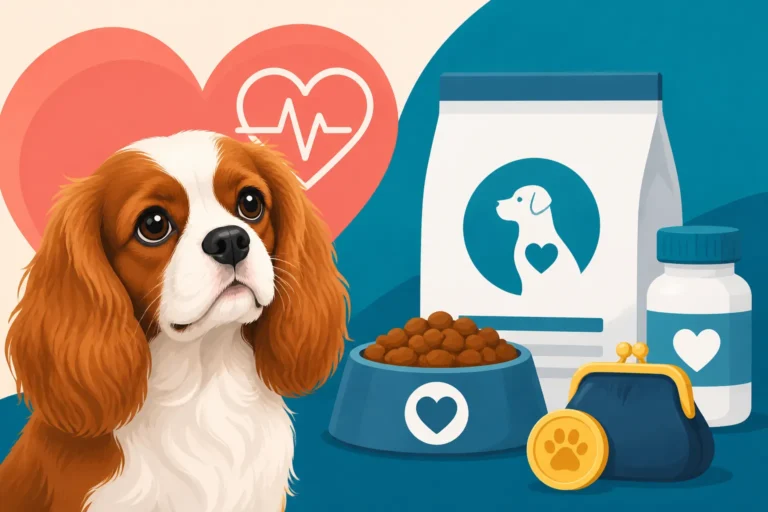
Feeding your Cavalier a high-quality, balanced diet is paramount for their health. Cavaliers are notorious for gaining weight easily, which can put extra strain on their hearts and joints later in life. So, choosing a reputable brand of dog food designed for small breeds, and carefully monitoring portion sizes, is crucial. You might initially go with the food your breeder used to ensure a smooth transition, then gradually switch to a formula you prefer. Read more about Feeding a Cavalier on Fifteen Pounds.
There's a wide spectrum of food types available, each with its own price point. Standard kibble is generally the most economical, but there are also wet food options, fresh refrigerated meals, and even raw diets. Services like Ollie deliver fresh, human-grade dog food right to your door, perfectly portioned for your dog's specific needs, which can be a convenient (though often pricier) option. Discussing your Cavalier’s dietary needs with your vet can help you make the best choice within your budget.
Don't forget to budget for treats! While they're wonderful for training and bonding, those calories add up, especially for a small dog. Opt for low-calorie, healthy options, and factor their cost into your monthly food budget. Chew toys, too, are an ongoing expense, as they help with dental hygiene and prevent destructive chewing on household items. It’s surprising how quickly these small expenses can accumulate, so knowing what What a Cavalier Eats in a Month will cost is helpful for your planning.
Grooming Essentials and Professional Services
Cavaliers are blessed with a beautiful, silky coat that requires regular attention. While they don't have an undercoat like some breeds, their feathering on the ears, chest, legs, and tail can mat easily if not maintained. Daily or every-other-day brushing is a must to prevent tangles from becoming painful mats. A good slicker brush and a metal comb are your best friends here. For techniques on keeping that gorgeous coat tidy, check out Brushing a Cavalier's Feathering Three Times a Week.
While daily brushing can be a DIY task, many Cavalier owners opt for professional grooming every 6 to 8 weeks. A professional groomer can give a sanitary trim, tidy up paw pads, clean ears, and ensure the coat is free of mats, all while keeping the breed’s natural look. These appointments are an ongoing expense, and their cost can vary depending on your location and the services included. For an idea of pricing, see Cavalier Grooming Costs Every Six to Eight Weeks.
Beyond professional grooming, you’ll need to routinely clean your Cavalier's ears (especially their long, floppy ears which can trap moisture and debris) and trim their nails. Some owners are comfortable doing these tasks at home with proper tools and instruction from their vet or groomer. Others prefer to have them done professionally during vet visits or grooming appointments. Either way, these are essential care components with associated costs, whether for supplies or services.
Routine Veterinary Care and Preventative Medicine
Even with a healthy puppy from a tested litter, routine veterinary care is crucial for monitoring their development and catching any potential issues early. After the initial puppy vaccine series, your Cavalier will need an annual check-up, which typically includes a physical exam, any booster vaccinations, and a discussion about their overall health and well-being. This is where your vet will listen to their heart for murmurs and check their joints, crucial for a breed like the Cavalier.
Beyond the yearly exam, don't forget the ongoing costs of preventative medications. This usually includes monthly heartworm preventative, often combined with intestinal parasite control, and flea and tick preventatives. These medications are not optional; they are vital for protecting your Cavalier from potentially deadly diseases and uncomfortable infestations. You can often purchase these from your vet, or sometimes from online pharmacies like Chewy with a prescription.
These routine visits and medications are predictable costs, but they are absolutely essential for maintaining your Cavalier's health and quality of life. Skipping them to save money in the short term often leads to much more expensive problems down the road. For more on what to expect at these appointments, read about Routine Vet Bills for a Cavalier.
Planning for the Unexpected: Health and Accidents
Even with all the best intentions and a health-tested puppy, life with a Cavalier can sometimes throw a curveball. Being prepared for unexpected health issues or accidents is a sign of responsible pet ownership.
The Importance of Pet Insurance from Day One
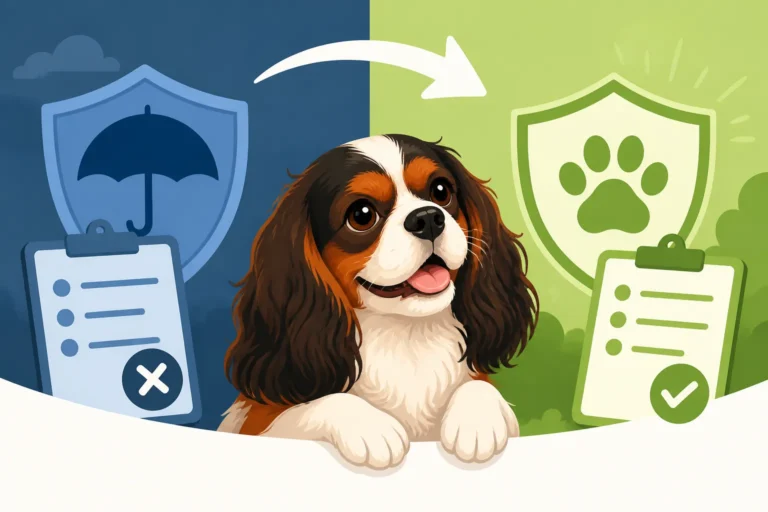
Cavalier King Charles Spaniels, despite diligent breeding efforts, are genetically predisposed to certain health conditions, most notably Mitral Valve Disease (MVD) and Syringomyelia (SM). While a puppy from health-tested parents significantly reduces the risk of early onset, it doesn't eliminate it entirely, and other conditions can always arise. This is where pet insurance becomes invaluable. Enrolling your Cavalier as a puppy, before any symptoms of any condition appear, is the smartest financial decision you can make. If a condition, like a heart murmur, is noted by a vet before insurance coverage begins, it will almost certainly be deemed a pre-existing condition and won't be covered.
Pet insurance acts as a financial safety net, helping to cover the costs of unexpected accidents, illnesses, surgeries, and emergency care. Providers like Healthy Paws offer comprehensive plans that can reimburse a significant percentage of eligible vet bills after your deductible is met. Imagine the peace of mind knowing that if your Cavalier suddenly needs an MRI for suspected Syringomyelia or develops an acute illness, you're not facing the entire bill alone. It allows you to make medical decisions based on what’s best for your dog, rather than solely on what you can afford at that moment. Don't wait until it's too late; consider Enrolling a Cavalier Puppy Before Any Symptoms.
While you'll pay a monthly premium, the potential savings in a catastrophic situation can be monumental. Many owners regret not getting insurance when their beloved Cavalier faces a serious health crisis. It’s an investment in your dog's future, ensuring they receive the best possible care without undue financial stress on your part. Take the time to research different plans and understand what they cover, deductibles, and reimbursement percentages.
Building an Emergency Fund
Even with pet insurance, there will always be out-of-pocket costs. Most insurance plans have deductibles, co-pays, and limits on certain conditions or annual payouts. There are also services that may not be covered, such as routine wellness care (though some policies offer wellness add-ons). This is why having a dedicated emergency fund, separate from your pet insurance, is incredibly important for any Cavalier owner.
An emergency fund can cover things like those deductibles, unexpected dental procedures, special prescription diets, or alternative therapies not covered by insurance. Imagine your Cavalier ingests something they shouldn't have and needs an emergency vet visit, or perhaps develops an ear infection that requires repeated visits and specialized medication. These events can quickly add up, and having readily available funds prevents you from dipping into your personal savings or going into debt.
Start small, even if it’s just setting aside a small amount each month. Over time, that fund will grow, providing a crucial buffer against the unforeseen. It’s not about anticipating disaster, but about being a responsible guardian who can provide for their Cavalier in any circumstance. You can learn more about this vital preparation in The Emergency Fund a Cavalier Owner Needs.
Dealing with Potential Health Concerns Even with Testing
It’s important to maintain a realistic perspective: "health-tested" means the breeder has done their due diligence to screen for known genetic issues in the parents, significantly reducing the likelihood of those problems in the offspring. However, it does not offer a 100% guarantee that your Cavalier will never face any health challenges. Dogs are living beings, and like humans, can develop illnesses or conditions unrelated to their genetic predispositions.
For example, while careful breeding reduces the chance of early-onset MVD, nearly all Cavaliers will eventually develop a murmur in their lifetime. Even with clear parents, a puppy could develop allergies, a sudden injury, or something like patellar luxation, which while screened for, can have environmental components or simply occur. Cavalier ears are also prone to infections due to their structure, which can be an ongoing expense. These things can happen even to the healthiest of puppies.
The key is vigilance. Pay close attention to any changes in your Cavalier's behavior, appetite, energy levels, or physical condition. Early detection of any health issue, regardless of its origin, is almost always easier and less expensive to treat. Regular vet check-ups, even between annual visits if you have concerns, are always a good idea. Being proactive and educated about your breed’s potential vulnerabilities, such as Why a Cavalier Gains Weight So Easily which impacts heart health, empowers you to advocate for your Cavalier’s best health outcomes throughout their life.
| Expense Category | Initial One-Time Costs (Estimate) | Ongoing Monthly/Annual Costs (Estimate) |
|---|---|---|
| Puppy Acquisition | Puppy price | – |
| Initial Supplies | Crate, bed, bowls, leash, harness, toys, grooming tools, puppy pads | – |
| Vet & Prevention (Year 1) | First vet check, puppy vaccines, microchip, initial deworming/parasite meds | Annual exam, booster vaccines, monthly heartworm/flea/tick prevention |
| Food & Treats | First bag of puppy food | Monthly food, treats, chew toys |
| Grooming | Initial brush & comb | Professional grooming (every 6-8 weeks), ear cleaner, nail trims |
| Pet Insurance/Emergency Fund | – | Monthly insurance premiums, emergency fund contributions |
| Miscellaneous | Training treats, enzymatic cleaners | Replacement toys, training classes, waste bags |
This article is for general informational purposes only and does not constitute professional advice. Laws, prices and regulations vary by location and change over time. Consult a qualified professional for guidance on your specific situation.