Low-Calorie Treats for a Cavalier That Gains Easily
It’s a tale as old as time for Cavalier King Charles Spaniel owners: those big, melting eyes fixate on your every move, especially when food is involved. It’s incredibly difficult to resist their charm, but the truth is, Cavaliers gain weight with surprising ease, and extra calories from treats can quickly add up, silently chipping away at their precious health. This guide is here to help you navigate the world of treats, offering practical, low-calorie options to keep your beloved Cavalier happy, engaged, and most importantly, at a healthy weight.
The Cavalier's Weight Challenge: Why "Just One Treat" Adds Up So Fast
If you own a Cavalier, you already know they have an uncanny ability to convince you they are starving, even moments after a full meal. Their gentle, pleading nature is part of their undeniable charm, but it's also why so many Cavaliers end up carrying a few extra pounds – or more. It feels harmless to offer a little nibble here and there, a small reward, a comfort. Yet, these seemingly insignificant morsels quickly accumulate, and because Cavaliers are small dogs, even a tiny amount of excess can have a big impact.
Understanding Their Predisposition to Portliness
Cavaliers are simply not built for heavy exercise, nor do they typically have the metabolism of a high-energy working breed. Their purpose historically was to be companion animals, lap warmers, and loyal friends. This means their caloric needs are relatively low compared to their often insatiable appetites. Many owners find their Cavaliers are prone to gaining weight easily, often just by looking at a bag of kibble, it seems! Add to this a natural inclination towards a more sedentary lifestyle if given the chance, and you have a recipe for rapid weight gain. We often talk about Why a Cavalier Gains Weight So Easily because it's such a common struggle for owners. It's not just about aesthetics; those extra pounds put unnecessary strain on their joints, heart, and overall well-being.
The Domino Effect of Extra Calories on Cavalier Health
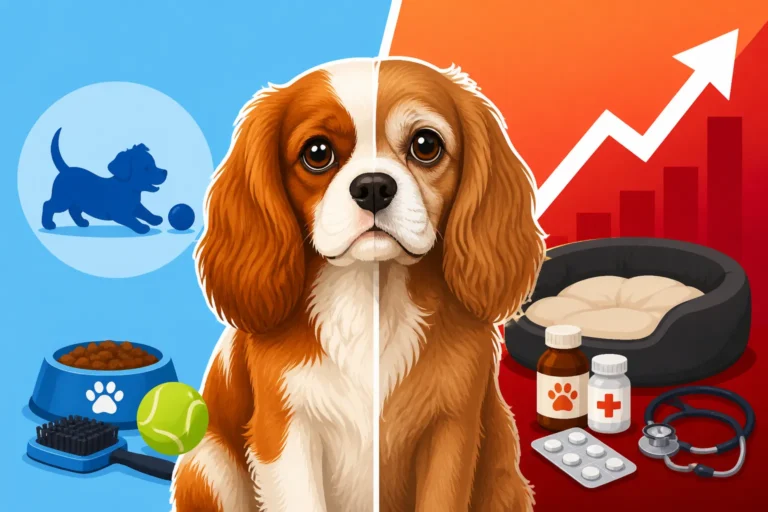
What might seem like a harmless extra treat can set off a chain reaction in your Cavalier’s body. Obesity in Cavaliers isn't just about looking a little chunky; it's a serious health concern that can exacerbate or even contribute to several breed-specific issues. Extra weight means more work for their already susceptible hearts, potentially accelerating the progression of Mitral Valve Disease in the Cavalier King Charles Spaniel. It places undue stress on their delicate joints, possibly worsening conditions like Loose Kneecaps in a Thirteen-Pound Cavalier or contributing to early arthritis. An overweight Cavalier might also struggle more with breathing, especially if they have any degree of brachycephalic tendencies, even though they are generally not considered a brachycephalic breed in the same way a Pug is. The goal isn't just to keep them trim; it's to protect them from a cascade of potential health problems that significantly reduce their quality of life and potentially shorten their Cavalier Lifespan and What Cuts It Short.
Decoding "Low-Calorie": How to Choose Wisely for Your Cavalier
When you're trying to manage your Cavalier's weight, the phrase "low-calorie" becomes your mantra, but it's not always as straightforward as it sounds. Many treats marketed for dogs can still pack a caloric punch, especially when given frequently. It's crucial to become a savvy label reader and to understand which ingredients truly serve your Cavalier's health goals.
Reading Labels and Understanding Ingredient Lists
Picking up a bag of dog treats can be overwhelming. The front might shout "natural" or "healthy," but the real story is in the fine print on the back. For your Cavalier, you want to focus on a few key things:
- Calorie Count: If available, this is your holy grail. Look for treats with the lowest calorie count per treat. Remember, a treat might look small, but if it's dense, it could still be surprisingly high in calories.
- First Few Ingredients: The ingredients are listed by weight. Look for whole, recognizable foods at the top of the list, like lean meats, vegetables, or fruits. Avoid treats where grains (especially corn, wheat, soy) or fats are the primary ingredients.
- Fillers and Artificials: Be wary of treats with excessive fillers, artificial colors, flavors, or preservatives. These add no nutritional value and can sometimes trigger sensitivities. A simpler ingredient list is often better.
- Fat Content: While some healthy fats are essential, high fat content in treats can quickly derail a weight management plan. Compare the crude fat percentage across different options.
It's astonishing how many "healthy" sounding treats are actually loaded with starches and fats. This is particularly important when you're trying to adjust The Ration a Cavalier Puppy Needs at Each Age or even an adult's food. For example, some dental chews, while beneficial for teeth, can be quite calorific. You might think you're doing good, but you're adding significant calories to their daily intake.
The Hidden Calories in Everyday Dog Treats
Even treats designed for dogs can be tricky. Think about popular crunchy biscuits or chewy sticks – they might be delicious for your Cavalier, but many are essentially canine cookies. A single medium-sized biscuit can easily contain 30-50 calories. For a small dog like a Cavalier, whose ideal daily calorie intake might only be a few hundred calories depending on their activity level and ideal weight (we often calculate Calorie Needs for an Eighteen-Pound Cavalier), those treats add up incredibly fast.
And what about those sneaky extras? Pieces of cheese to give medication, a lick of your ice cream, or a bit of table scrap when A Cavalier That Begs at the Table with such intensity. These human foods, even in small amounts, are often much higher in calories, fat, and sodium than dog-specific treats. It's especially important to be careful if your Cavalier is already on a Prescription Cardiac Diets for a Cavalier, where sodium intake is closely monitored. Even seemingly innocent pill pockets, while useful for Getting Pills Into a Cavalier at Mealtime, need to be factored into their daily calorie count, and it’s worth considering Whether Pill Pockets Suit a Cavalier's Calories carefully.
Your Cavalier's Treat Menu: Healthy, Low-Calorie Options
The good news is that "low-calorie" doesn't have to mean "low-excitement" for your Cavalier! There are plenty of fantastic, healthy options that will still get those tails wagging without expanding their waistline. The trick is to think outside the traditional dog biscuit box.
Fresh Fruits and Vegetables: Nature's Best Snacks
For many Cavaliers, fresh produce can be an absolute hit, and it's often the best low-calorie, nutrient-dense treat available. Always introduce new foods slowly and in small quantities to avoid upsetting their stomach. Here are some fantastic options:
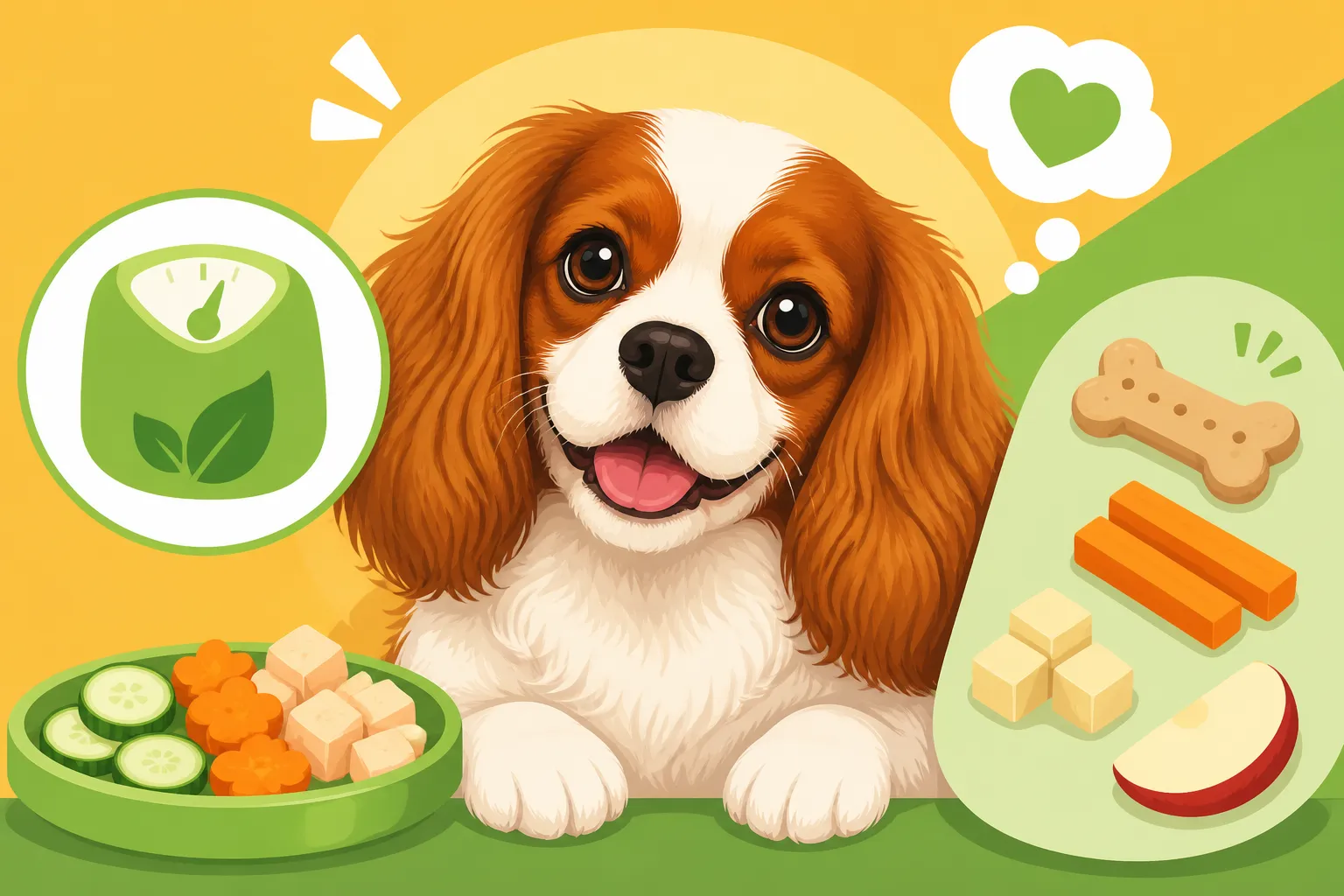
- Green Beans: My absolute go-to! Most Cavaliers adore them, and they are incredibly low in calories and high in fiber. You can feed them raw, steamed, or even frozen for a crunchy summer treat. They're a staple for many Cavalier owners trying to keep their pups trim.
- Carrots: Crunchy and satisfying, carrots are good for their teeth too. Offer small pieces or baby carrots. They’re a bit higher in natural sugars than green beans, so use them in moderation.
- Apple Slices: (without seeds or core!) A sweet, refreshing treat. Just make sure to remove the core and seeds, as apple seeds contain small amounts of cyanide.
- Cucumber Slices: Mostly water, making them super low in calories and hydrating.
- Blueberries: Small, burst of antioxidants, and great for training. A few go a long way.
- Broccoli Florets: Some dogs love the crunch. Offer small, steamed pieces to aid digestion.
- Pumpkin: Cooked, plain pumpkin (not pie filling!) is fantastic for digestive health and very low calorie. A spoonful can be a delightful treat.
Always check online lists of safe foods for dogs before introducing anything new, as some human foods can be toxic (Kitchen Foods That Put a Cavalier in the ER).
Smart Commercial Choices: When Packaged Treats are Okay
Sometimes, you need the convenience of a packaged treat, especially for training or when on the go. The key is to select wisely.
- Single-Ingredient Dehydrated Treats: Look for treats that are just one thing, like dehydrated chicken breast or sweet potato. These often have clearer calorie counts and no hidden nasties. Many excellent options can be found through online retailers like Chewy, offering convenience and a wide variety of choices to suit your Cavalier's palate.
- Small, Training-Specific Treats: Many brands now offer tiny, soft training treats designed to be very low in calories per piece. These are perfect for frequent rewards during training sessions, where you might give many treats in a short period.
- Weight Management Specific Treats: Some brands have entire lines dedicated to weight management. These are formulated to be lower in fat and calories, often with added fiber to help your Cavalier feel full.
- Dental Chews (Selectively): As mentioned, some dental chews can be high in calories. Research brands that offer low-calorie versions or consider them more of a meal replacement than a treat if your Cavalier is on a strict diet. It’s important to understand the full caloric impact if you’re trying to prevent Why a Bowl Left Down Makes a Cavalier Fat.
Remember that even with these "smart" choices, portion control is paramount. A low-calorie treat ceases to be low-calorie if you give half the bag!
DIY Delights: Homemade Low-Calorie Treats
If you enjoy baking, making your own low-calorie treats can be a rewarding and cost-effective way to control ingredients and calories precisely. You know exactly what’s going into your Cavalier's snack, which can be a huge comfort.
- Pumpkin & Oat Biscuits: Mix pureed pumpkin with a bit of oat flour and water, then bake. These are usually quite low in calories and can be cut into tiny Cavalier-sized pieces.
- Frozen Broth Cubes: Low-sodium chicken or beef broth frozen into ice cube trays makes a refreshing, flavorful treat, especially in warmer weather. Many owners appreciate the ability to control exactly what goes into their dog's food, much like the transparency offered by fresh food services like Ollie, which emphasize human-grade ingredients you can trust.
- Sweet Potato Chews: Slice sweet potatoes thinly and dehydrate them in a low oven until crispy. These are healthy, chewy, and satisfying.
- Plain Yogurt Drops: For a tiny, creamy treat, dollop small amounts of plain, unsweetened yogurt onto parchment paper and freeze.
Here's a quick comparison of some popular treat types:
| Treat Type | Calorie Impact (Relative) | Key Benefits | Considerations |
|---|---|---|---|
| Fresh Green Beans | Very Low | High fiber, hydrating, very satisfying | Must be plain, no salt or butter. |
| Fresh Apple Slices | Low | Vitamin C, fiber, crunchy | Remove seeds and core, moderation due to natural sugar. |
| Commercial Training Bits | Low (per piece) | Convenient, highly palatable, great for training | Check ingredients carefully for fillers, overall calorie count if given many. |
| Dehydrated Chicken | Moderate | High protein, appealing | Can be more calorific per ounce, portion strictly. |
| Plain Yogurt (Frozen) | Very Low (small amount) | Probiotics (if live cultures), cooling | Ensure unsweetened, plain. Use tiny amounts. |
| Standard Dog Biscuit | High | Crunchy, traditional | Often high in grains, fats, and calories. Best to avoid for weight management. |
| Cheesy Bites | Very High | Irresistible to some dogs | Extremely high in fat and calories. A definite no-go for weight loss. |
Beyond the Treat Bowl: Holistic Approaches to Cavalier Weight Management
While choosing the right treats is vital, it’s just one piece of the puzzle. Effective weight management for your Cavalier involves a comprehensive approach that looks at their entire diet, exercise routine, and overall lifestyle. Thinking holistically ensures that every aspect supports their health and longevity.
Integrating Treats into a Balanced Diet
The biggest mistake we often make is thinking of treats as extras. For a Cavalier prone to weight gain, every single calorie needs to be accounted for. Instead of being an addition, treats should be seen as a part of their daily caloric intake.
- Adjust Main Meals: If you plan to give treats, reduce the amount of kibble or wet food in their main meals accordingly. This requires knowing How Much to Feed an Adult Cavalier Daily precisely and being disciplined with portion sizes. This is where a kitchen scale becomes your best friend, allowing you to weigh their kibble accurately rather than relying on imprecise scoop measurements.
- Use Treats for Purpose: Make treats work for you. Use them for training, for positive reinforcement during vet visits, or as a distraction during grooming. Avoid giving treats just because your Cavalier is looking cute – that's when calories spiral out of control.
- Rotate Treat Types: Keep your Cavalier engaged by rotating different healthy treats. One day it might be green beans, the next a tiny piece of carrot. This prevents boredom and keeps them interested without relying on one high-calorie favorite.
- Consider Meal Toppers: Instead of extra treats, use a small amount of a very palatable, low-calorie ingredient as a meal topper to make their regular food more exciting. A sprinkle of freeze-dried liver (crumbled) or a spoonful of plain pumpkin can do wonders. This can also help if A Cavalier Puppy That Will Not Eat their kibble.
Remember, the goal is for your Cavalier to maintain an ideal body condition where you can easily feel their ribs without pressing hard, and they have a visible waist. This might mean adjusting Slimming a Cavalier Without Cutting Meals entirely, but rather by making smart swaps.
Exercise and Lifestyle for a Healthy Weight
Even the most carefully chosen treats won't compensate for a lack of activity. While Cavaliers aren't marathon runners, they still need regular, moderate exercise to burn calories, maintain muscle mass, and support their cardiovascular health.
- Daily Walks: Two brisk walks a day are generally a good baseline. The length and intensity will depend on your Cavalier's age, fitness level, and any existing health conditions, especially if they have a heart murmur. You might need to adjust Walk Length for a Cavalier With a Murmur.
- Playtime: Engage them in active play indoors or in a secure yard. Fetch, gentle tug-of-war, or even chasing a laser pointer (carefully, to avoid frustration) can get their heart rate up.
- Mental Stimulation: Mental exercise burns calories too! Puzzle toys that dispense a small amount of their regular kibble (not extra treats) can keep them engaged. Short training sessions using those low-calorie treats are also excellent for both body and mind.
- Regular Vet Check-ups: Your veterinarian is your best partner in weight management. They can help you determine your Cavalier's ideal weight, assess their body condition, and provide tailored advice on diet and exercise. They can also rule out any underlying medical conditions that might contribute to weight gain. Staying proactive with your Cavalier's health, including their weight, is a crucial step in ensuring they lead a full life. While a good pet insurance policy, perhaps from a provider like Healthy Paws, can certainly soften the blow of unexpected medical crises, preventing issues like obesity-related illnesses through smart treat choices and lifestyle is always the first and best line of defense.
Ultimately, keeping your Cavalier at a healthy weight is an act of love. It extends their years, improves their quality of life, and helps them remain that joyful, affectionate companion you adore. It takes discipline, especially when faced with those irresistible eyes, but seeing your Cavalier thrive makes every effort worth it.
Disclaimer
This article is for general informational purposes only and does not constitute professional advice. Laws, prices and regulations vary by location and change over time. Consult a qualified professional for guidance on your specific situation.