Whether Any Insurer Covers an Existing Cavalier Murmur
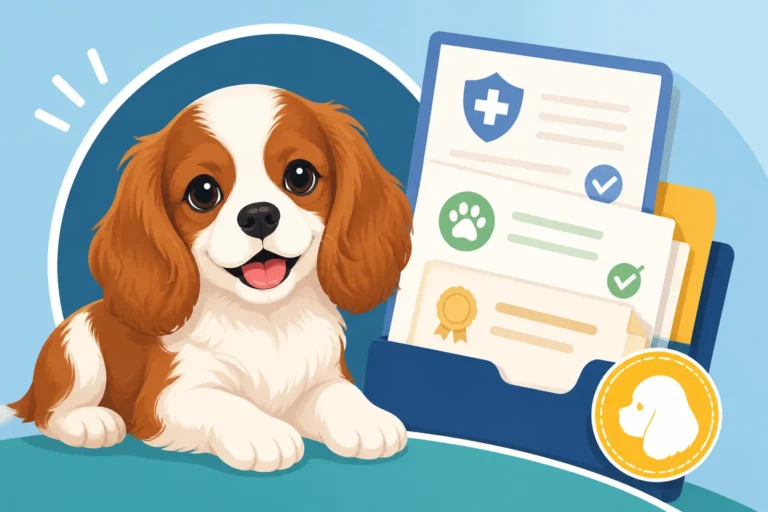
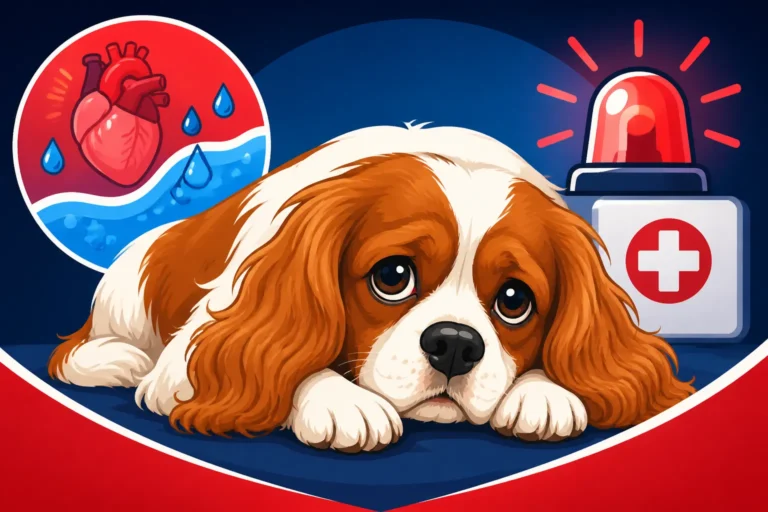
It's a gut-wrenching moment when you hear those words from your vet: "Your Cavalier has a heart murmur." Immediately, your mind races not just to your beloved dog's health, but also to the financial implications, and the burning question, "Will my pet insurance cover this?" The reality for many Cavalier owners, unfortunately, is often a harsh lesson in the intricate world of pet insurance and its stance on pre-existing conditions. This guide will help you understand why an existing murmur is typically excluded, what your options are, and how to navigate this challenging situation.
Understanding Pre-Existing Conditions in Pet Insurance
Navigating pet insurance can feel like deciphering a secret code, especially when it comes to chronic health issues that our beloved Cavaliers are so prone to. The term "pre-existing condition" is often the biggest hurdle, and it's something every pet owner needs to understand before a diagnosis occurs.
The Universal Rule of Pet Insurance
Here's the unfortunate truth that nearly all pet insurance providers adhere to: they do not cover conditions that existed before your policy's effective date or before any waiting periods have passed. This isn't just a quirk of one company; it's a foundational principle across the entire pet insurance industry. Think of it like human health insurance – you can't buy a policy after a cancer diagnosis and expect it to cover treatments for that specific cancer. Pet insurance works in much the same way. Companies like Healthy Paws, for instance, are fantastic for covering new conditions, but they, like others, have strict rules about what is considered pre-existing. It's a risk management strategy that allows them to keep premiums manageable for everyone.
This means that if your Cavalier had a documented heart murmur, even a very faint one, before you enrolled them in a policy or before your policy’s waiting period ended, then any costs associated with that mitral valve disease (MVD) will almost certainly be excluded from coverage. This can be a devastating blow for Cavalier owners, as MVD is so prevalent in the breed. Mitral Valve Disease in the Cavalier King Charles Spaniel is a serious concern, and preparing for it financially is key.
What Qualifies as a "Pre-Existing" Murmur?
Defining "pre-existing" might seem straightforward, but it can sometimes be a gray area, especially with conditions that develop subtly, like a heart murmur. Generally, a condition is considered pre-existing if it was identified, diagnosed, or treated by a veterinarian before your pet insurance policy began or before the end of your policy's waiting period. Even if your vet simply noted "heart murmur, likely benign" in your Cavalier's chart, that notation can be enough for an insurer to flag it as pre-existing.
Most policies also include a "look-back" period, which means they'll review your pet's veterinary records for a certain timeframe (often 6 to 12 months) prior to your enrollment. If a murmur, or even signs that could be related to a murmur, appeared in those records, it will likely be deemed pre-existing. This is why when a Cavalier puppy has its first vet visit, even if the vet doesn't hear a murmur, those initial notes are so crucial. The earliest a murmur appears can be quite young for Cavaliers. The Age a Cavalier Murmur Usually Appears varies, but it's often earlier than owners expect.
For Cavaliers, where a murmur can sometimes be heard and dismissed as innocent early on, only to progress into full-blown How Cavalier Heart Disease Progresses Stage by Stage later, this "pre-existing" clause can be particularly frustrating. The subtle nature of the condition's onset can make it difficult for owners to anticipate and secure coverage in time.
The Heartbreaking Reality for Cavalier Owners
For those who adore Cavaliers, the breed's predisposition to certain health issues, particularly heart disease, is a well-known, albeit painful, fact. This reality often collides head-on with the cold hard rules of pet insurance, leaving owners feeling frustrated and financially vulnerable.
When a Murmur Becomes "Pre-Existing"
The challenge for Cavalier owners is that mitral valve disease (MVD) is so widespread in the breed, often developing at a relatively young age. It's not uncommon for a murmur to be detected during a routine puppy check-up or a first annual exam, long before any symptoms like coughing or lethargy appear. Even if the murmur is low-grade—a What a Heart Murmur Grade Means in a Cavalier of 1 or 2, for example—and isn't causing any clinical signs, that single notation in your vet's records is usually enough to classify it as a pre-existing condition.
This means if you've waited until your Cavalier is a year or two old, or even older, and a murmur is detected, trying to enroll in a pet insurance policy afterward will almost certainly lead to the heart condition being excluded. The insurer will see that documented murmur and decline coverage for anything related to MVD, including diagnostics like echocardiograms What a Cavalier Echocardiogram Shows or future Medication for a Cavalier With Heart Disease. It’s a bitter pill to swallow, knowing you intended to protect your pet, but the timing just didn't align with the policy's terms.
The Impact on Your Wallet and Peace of Mind
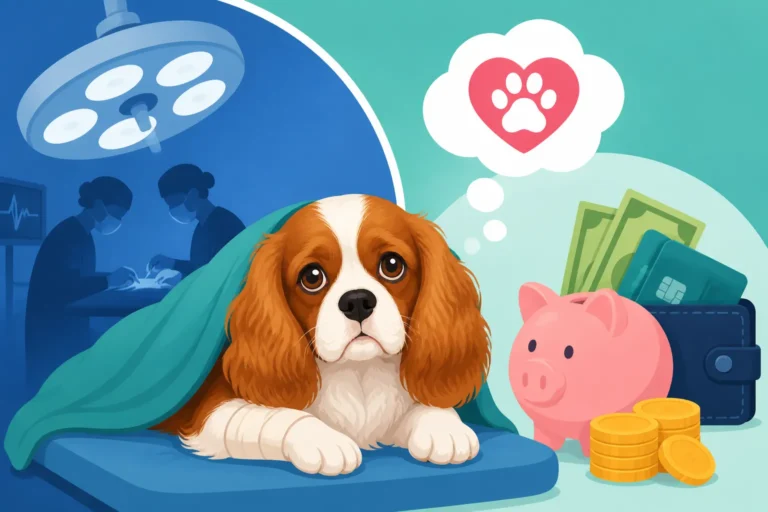
The financial burden of treating advanced MVD can be substantial. Regular cardiologist visits, yearly echocardiograms, chest X-rays, and daily medications like pimobendan and diuretics can quickly add up. Without insurance coverage for these expenses, owners are left footing the entire bill. This can lead to difficult decisions, financial strain, and immense emotional stress. The peace of mind that pet insurance typically offers – the comfort of knowing you can say "yes" to necessary treatments without hesitation – is often absent for those with a pre-existing murmur.
This situation can be particularly disheartening because Cavalier owners are often acutely aware of the breed's health challenges and want to do everything right. They may have chosen a reputable breeder who screens for heart disease, but MVD can still develop. Annual Cardiologist Exams for a Cavalier are highly recommended, but the costs become significant without insurance. This creates a heartbreaking dilemma: how do you provide the best care for your beloved companion when the financial support you hoped for isn't available?
Exploring Limited Options and Alternatives
While the news about a pre-existing heart murmur and traditional pet insurance can be disheartening, it doesn't mean you're entirely without options for managing your Cavalier's health costs. It's about shifting focus to what can be covered or finding alternative financial strategies.
Accident-Only Policies
One option that might still be available, even with a pre-existing heart murmur, is an accident-only pet insurance policy. These policies are generally much cheaper than comprehensive plans because they only cover costs related to accidents – think broken bones from a fall, ingestion of a toxic substance, or getting hit by a car.
What they won't cover, crucially, are illnesses, including anything related to your Cavalier's heart murmur. So, while it wouldn't help with MVD treatments, it could provide a safety net for unexpected emergencies that aren't tied to the heart condition. This might offer some small measure of relief, knowing that at least some unforeseen medical expenses could be covered. However, it's vital to understand the severe limitations and not mistake it for comprehensive illness coverage.
Wellness Plans vs. Insurance
It’s easy to confuse pet wellness plans with full pet insurance, but they serve very different purposes. Wellness plans, sometimes offered by insurers, vet clinics, or even retailers like Chewy, are designed to cover routine, preventative care. This can include annual check-ups, vaccinations, flea and tick prevention, and sometimes even dental cleanings.
What wellness plans don't do is cover unexpected illnesses or accidents. So, while a wellness plan could help budget for your Cavalier's annual vet visit – where a murmur might be monitored – it absolutely will not cover the cost of echocardiograms, specialist consultations, or heart medications like Pimobendan for a Cavalier With an Enlarged Heart. They are a proactive budgeting tool for predictable expenses, not a financial safety net for serious, unforeseen, or pre-existing medical conditions.
Managing Costs Without Full Insurance
If your Cavalier's heart murmur is already deemed pre-existing, you'll need to get creative with managing costs. This often involves a multi-pronged approach:
- Emergency Fund: This is paramount. Start building a dedicated savings account specifically for your Cavalier's medical needs. Even small, regular contributions can grow into a substantial fund over time. Think of it as self-insurance.
- Veterinary Payment Plans: Many veterinary clinics understand the financial strain of chronic conditions and offer in-house payment plans or work with third-party medical credit services. Don't be afraid to discuss your financial concerns with your vet's office. They often want to help you provide care as much as you do.
- Prescription Discount Programs: Ask your vet if generic versions of medications are available or if they recommend specific online pharmacies for better pricing. Sometimes, services from companies like Ollie, while primarily a fresh food delivery, might also offer certain perks or advice on managing overall pet health, but won't cover medication costs directly. For actual medication discounts, look into dedicated prescription programs.
- Fundraising and Breed-Specific Aid: In some cases, if you face a particularly dire situation, breed-specific rescue organizations or animal welfare groups might offer financial assistance or grants. While not a guaranteed solution, it's worth exploring if you're facing overwhelming bills.
- Careful Budgeting: Track all your Cavalier's expenses. Knowing exactly where your money goes can help you identify areas to trim or reallocate funds toward critical medical needs. Budgeting a Cavalier From Puppy to Senior requires careful planning.
Looking for Specific Disease Coverage (Rare Cases)
It's highly unlikely you'll find an insurer who will specifically cover a pre-existing heart murmur in a Cavalier. The entire premise of pet insurance is to cover unforeseen events and illnesses. However, it's always worth asking specific providers if they have any unique riders or specialized plans, especially if your Cavalier's murmur is extremely mild and hasn't progressed to disease. Be prepared for a "no," but a polite inquiry doesn't hurt. Some very specialized, niche plans might exist for certain conditions, but they are exceedingly rare for a common pre-existing condition like MVD in Cavaliers. Always read the fine print very carefully to understand any exclusions and waiting periods.
Proactive Steps for Future Cavaliers (or Those Without a Murmur Yet)
The best defense against the "pre-existing condition" dilemma for Cavaliers and their propensity for mitral valve disease is proactive planning. If you're bringing a new Cavalier into your life, or if your current Cavalier is still thankfully murmur-free, there are crucial steps you can take.
Insuring Your Cavalier Puppy Early
This is perhaps the single most important piece of advice for any prospective or new Cavalier owner. Enroll your Cavalier puppy in a comprehensive pet insurance policy as early as possible – ideally, as soon as they are old enough, which is typically around 8 weeks. Do this before their first vet visit if possible, or immediately after, assuming no issues are detected. The younger they are when you enroll, the less likely they are to have any documented health issues that could be flagged as pre-existing.
Even if your breeder has provided health clearances for the parents and the puppy seems perfectly healthy, MVD can develop later. Early enrollment ensures that if a murmur does appear at The Age a Cavalier Murmur Usually Appears, it will be considered a new condition under your policy, and therefore covered (after any initial waiting periods). Waiting even a few months can make all the difference. Insuring a Cavalier at Eight Weeks provides the best possible chance for future coverage.
Reading the Fine Print
Not all pet insurance policies are created equal, and the devil is truly in the details. Before committing to any provider, take the time to thoroughly read and understand the policy documents. Pay close attention to:
- Waiting Periods: All policies have waiting periods (e.g., 14 days for illness, shorter for accidents). Your Cavalier's condition must not be diagnosed or show symptoms within these periods to be covered.
- Exclusions: Look for specific exclusions. While pre-existing conditions are standard, some policies might have other breed-specific exclusions, though this is less common for MVD itself.
- Reimbursement Percentages, Deductibles, and Annual Limits: Understand how much you'll be reimbursed (e.g., 70%, 80%, 90%), your annual deductible, and the maximum amount the policy will pay out in a year.
- Bilateral Conditions: Some policies might treat conditions affecting both sides of the body (like patellar luxation, if it develops in both knees) differently if one side was pre-existing. This isn't usually an MVD issue, but it's good to be aware of for other breed predispositions.
Don't hesitate to call the insurance provider directly and ask specific questions about how they handle heart murmurs and MVD, especially if you're enrolling a young Cavalier. Get clarifications in writing if possible.
Choosing a Reputable Breeder Who Health Tests
While pet insurance helps manage costs after a diagnosis, choosing a reputable breeder is your primary line of defense against early-onset genetic health problems. A truly ethical Cavalier breeder will health test their breeding dogs extensively, including annual cardiologist exams by a board-certified veterinary cardiologist. They will wait until their breeding dogs are at least 2.5 years old, and ideally 5 years old, to breed them, specifically to mitigate the risk of early MVD. Why a Cavalier Should Not Be Bred Before Five is a critical protocol for MVD.
They should be transparent with all health clearances, including cardiac screening results for both parents, going back multiple generations if possible. While even the best breeding practices cannot guarantee a Cavalier will never develop MVD, they significantly reduce the likelihood of early or severe forms of the disease. A healthy start from a responsible breeder, combined with early pet insurance, gives your Cavalier the best possible chance at a long, healthy, and financially manageable life. Always ask for The Heart Testing a Cavalier Breeder Must Do to ensure you're making an informed choice.
Comparison of Pet Care Cost Management Options for a Cavalier
Here's a quick look at different ways to manage your Cavalier's healthcare costs, especially in light of a pre-existing heart murmur.
| Option | Covers Pre-Existing Murmur? | Covers New Illnesses/Accidents? | Covers Routine Care? | Pros | Cons |
|---|---|---|---|---|---|
| Comprehensive Pet Insurance | No (with rare exceptions) | Yes | Sometimes (with add-on) | Broad coverage for new issues; peace of mind. | Excludes pre-existing conditions; waiting periods; monthly premiums. |
| Accident-Only Pet Insurance | No | Only Accidents | No | Lower premiums; covers unforeseen injuries. | No coverage for any illness, including heart disease; very limited scope. |
| Wellness Plan / Package | N/A (not for illness) | No | Yes | Helps budget for routine vet visits, vaccines. | Does not cover illnesses, accidents, or specialty care; not insurance. |
| Emergency Fund (Self-Insurance) | Yes (you pay for it all) | Yes (you pay for it all) | Yes (you pay for it all) | Covers absolutely anything; complete control over funds. | Requires discipline to save; fund might not be enough for major illness. |
| Veterinary Payment Plans | Yes (covers immediate bills) | Yes (covers immediate bills) | Yes (covers immediate bills) | Breaks down large bills; immediate access to care. | Still accumulates debt; not all vets offer; interest may apply. |
Disclaimer
This article is for general informational purposes only and does not constitute professional advice. Laws, prices and regulations vary by location and change over time. Consult a qualified professional for guidance on your specific situation.