Overnight Oxygen for a Cavalier
It's heartbreaking to watch your beloved Cavalier King Charles Spaniel struggle for breath, especially when those quiet nights are interrupted by gasping or a persistent cough. When heart disease progresses to the point where even resting becomes an effort, the thought of them needing oxygen overnight can be incredibly scary and overwhelming. This guide is here to walk you through what overnight oxygen therapy entails for a Cavalier, what you can expect, and how to best support your furry family member through this challenging time.
Why a Cavalier Might Need Overnight Oxygen
Cavaliers are particularly prone to certain health issues, and unfortunately, Mitral Valve Disease in the Cavalier King Charles Spaniel is at the top of that list. As this condition advances, the heart becomes less efficient at pumping blood, leading to a cascade of problems that can eventually require oxygen support, especially during periods of rest or sleep.
The Progression of Cavalier Heart Failure
Initially, a Cavalier with MVD might just have a murmur, perhaps a quiet one. But over time, the leaky mitral valve forces the heart to work harder. This extra effort can cause the heart to enlarge, and eventually, fluid can start to back up into the lungs. This is what we call congestive heart failure.
When fluid accumulates in the lungs, it makes it incredibly difficult for your Cavalier to breathe properly. This struggle often becomes more noticeable at night. Gravity can cause fluid to pool more readily when lying down, and the body's natural respiratory drive can decrease during sleep, exacerbating the problem. You might notice your Cavalier becoming restless, shifting positions frequently, or Coughing at Night in a Cavalier. This cough isn't just an annoyance; it's often a sign that fluid is building up, irritating the airways, and making oxygen exchange difficult. This is a critical stage where your vet might discuss options like diuretics for a Cavalier in heart failure, and potentially, supplemental oxygen.
Signs Your Cavalier Needs Oxygen Support
Knowing when your Cavalier needs oxygen is crucial, and it's something your veterinarian will help you determine. However, being aware of the signs at home can help you act quickly. If your Cavalier's heart disease has progressed to the point of congestive heart failure, you might observe several key indicators that point to a need for oxygen:
- Increased Resting Respiratory Rate: One of the most telling signs is an elevated Counting a Cavalier's Resting Breaths. While a normal resting breath rate is typically between 15-30 breaths per minute, a dog in respiratory distress due to fluid in the lungs will often breathe much faster. Keep an eye on this, especially when they're truly resting or asleep.
- Obvious Labored Breathing: This isn't just fast breathing; it's hard breathing. You might see their chest and abdomen moving vigorously, their nostrils flaring, or their elbows sticking out from their body as they try to expand their chest.
- Restlessness or Anxiety: A Cavalier struggling to breathe will feel anxious. They might pace, be unable to settle, or try to find an elevated position with their head raised to ease breathing. This can often manifest as significant restlessness at night.
- Blue-Tinged Gums or Tongue: This is an emergency sign. If your Cavalier's gums or tongue appear bluish or purplish, it means they are not getting enough oxygen into their bloodstream. Seek immediate veterinary attention if you notice this.
- Weakness or Collapse: Extreme oxygen deprivation can lead to profound weakness or even collapse. If your Cavalier A Cavalier That Tires on Short Walks and this progresses to severe lethargy or inability to stand, it's a serious sign.
Your vet will assess the severity of these signs, often with diagnostic tools like chest X-rays to see the fluid in the lungs, and will then recommend the appropriate level of oxygen support. Sometimes, a short hospital stay with oxygen is enough to stabilize them, but for some, particularly in later stages of End-Stage Heart Failure in a Cavalier, overnight oxygen at home becomes a necessary part of managing their condition.
The Logistics and Reality of Overnight Oxygen at Home
Bringing oxygen therapy home for your Cavalier is a significant step that requires commitment, careful setup, and constant monitoring. It's not just about turning on a machine; it's about integrating this life-sustaining support into your daily (and nightly) routine while prioritizing your dog's comfort.
Setting Up a Home Oxygen Environment
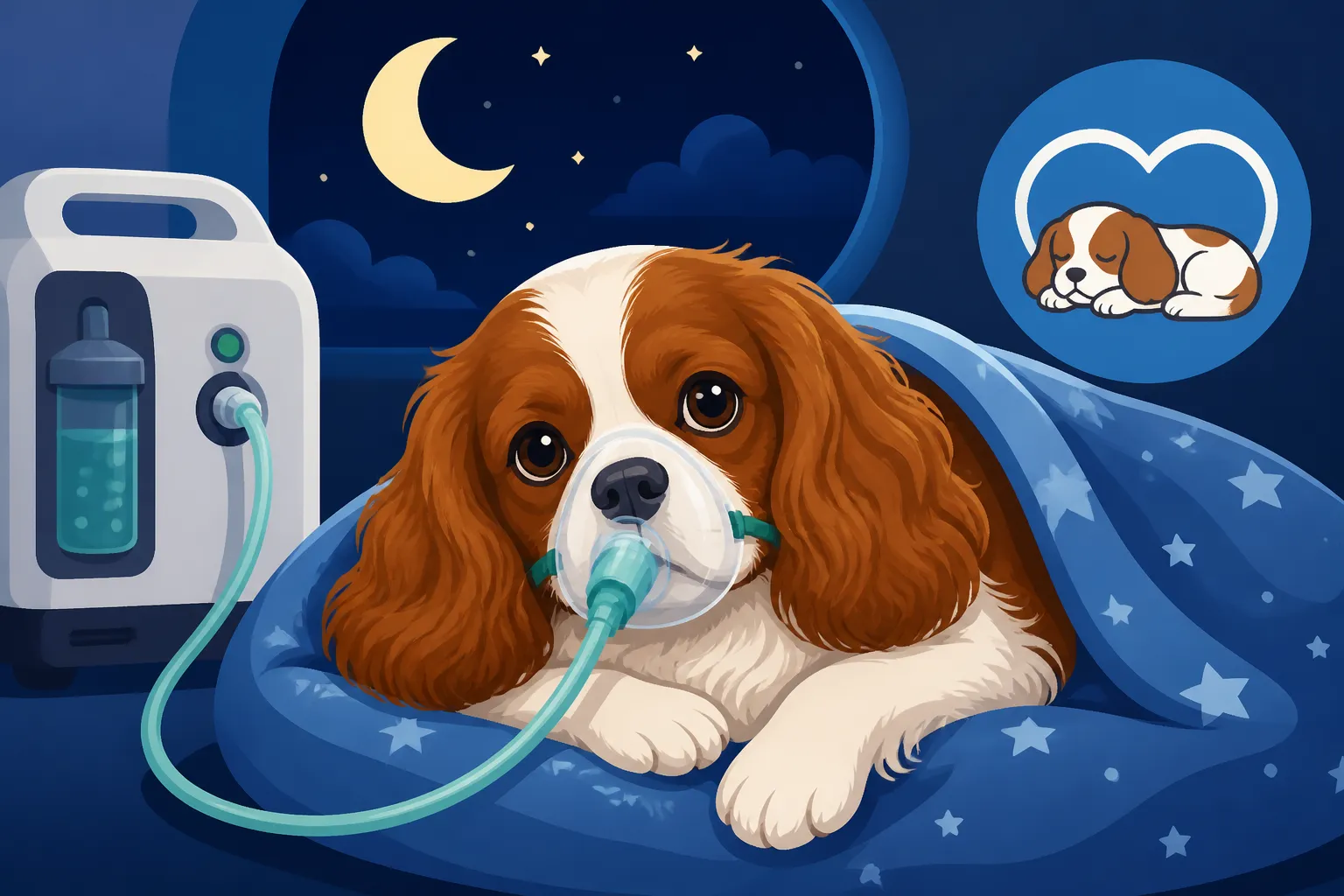
The most common option for home oxygen therapy is an oxygen concentrator. This machine takes in room air, filters out nitrogen, and delivers concentrated oxygen. Unlike oxygen tanks, which are finite and need refilling, a concentrator provides a continuous supply as long as it has power.
- Oxygen Concentrator: These units vary in size and output. Your vet will recommend the appropriate flow rate for your Cavalier. They can be rented or purchased, and it's essential to understand the maintenance requirements, like cleaning filters.
- Oxygen Delivery System: For a Cavalier, oxygen is typically delivered via a "flow-by" method within an enclosed space. This usually means an oxygen cage or a specialized tent. These are essentially small, enclosed environments where the oxygen can be maintained at a higher concentration around your dog. You can find options on sites like Chewy that are designed for small pets, though specialized medical equipment might need to be sourced directly from a vet supplier or rental company.
- Location, Location, Location: The oxygen environment needs to be set up in a quiet, low-stress area of your home, away from direct sunlight, drafts, and loud noises. Your Cavalier should be able to easily enter and exit (if it’s not a full-time cage) and feel safe and comfortable inside. Make sure it's near a power outlet for the concentrator, but also consider having a backup power source (like a portable generator) if you live in an area prone to power outages.
It’s not just about the equipment; it’s about creating a calm, supportive atmosphere. Remember, your Cavalier is already feeling unwell and possibly anxious, so a peaceful environment is paramount.
Administering Oxygen Safely and Effectively
Administering oxygen correctly is vital for its effectiveness and your Cavalier's safety. Your vet and their team will provide detailed instructions, but here are some general points to keep in mind:
- Veterinary Guidance is Key: Never guess the oxygen flow rate. Your vet will prescribe a specific rate (e.g., liters per minute) based on your Cavalier's size, condition, and the type of delivery system you're using. Too little oxygen won't help; too much can potentially be harmful, though less common with concentrators.
- Monitoring Your Cavalier: While they are receiving oxygen, you'll need to monitor their breathing, gum color, and overall demeanor. Are they calmer? Is their breathing easier? Are their gums pinking up? This is also where techniques like Counting a Cavalier's Resting Breaths become even more important. Some advanced home setups might even include pulse oximeters to measure blood oxygen saturation, but often, careful observation is your primary tool.
- Temperature and Humidity Control: Oxygen concentrators can sometimes dry out the air, which isn't comfortable for a struggling respiratory system. Some setups allow for humidifiers to be added, but always follow manufacturer and vet instructions. Also, ensure the enclosed space doesn't get too hot or stuffy. Proper ventilation (while maintaining oxygen levels) is a balance.
- Breaks and Routine: Depending on your vet's recommendation, your Cavalier may not need to be in the oxygen environment 24/7. Short breaks for potty, food, or a gentle cuddle might be allowed. Observe how they cope when outside the oxygen. If they immediately start struggling, it’s a clear sign they need to go back in. Consistency with their medication schedule, as outlined in Medication for a Cavalier With Heart Disease, is also critical during this time.
Managing Your Cavalier's Comfort and Routine
Oxygen therapy, especially overnight, can be disruptive and stressful. Your role is to minimize that stress and maximize their comfort.
- Comfort Inside the Cage/Tent: Ensure there's a soft, comfortable bed inside that's easy to clean. Add their favorite blanket or a toy that smells like you. Keep their water bowl easily accessible, but choose one that won't spill easily. Consider a snood to keep their long Cavalier ears out of the water if needed.
- Emotional Support: Your Cavalier will likely be scared or confused at first. Spend time sitting near the oxygen unit, talking to them calmly, and offering gentle reassurance. If safe and approved by your vet, offer gentle pets through openings in the enclosure. Your presence is incredibly calming.
- Feeding: Appetite can decrease when a dog is unwell. Offer highly palatable food. If your vet has prescribed a Prescription Cardiac Diets for a Cavalier, stick to it, but discuss options if your Cavalier is refusing to eat. Brands like Ollie offer fresh, human-grade food that can sometimes tempt a finicky eater, but always ensure it meets any dietary restrictions for heart disease.
- Potty Breaks: Frequent, short potty breaks outside the oxygen environment are essential. Monitor their breathing closely during these times. If they struggle, shorten the break or consider alternatives like puppy pads inside the enclosure (if space allows and hygiene can be maintained).
- Sleep: The goal of overnight oxygen is to facilitate restful sleep. If your Cavalier is still restless despite oxygen, communicate this to your vet. They may need adjustments to their medication or environment.
This period can be emotionally draining for owners. It's okay to feel overwhelmed. Remember you are doing everything you can to give your Cavalier the best possible quality of life.
Understanding the Costs Associated with Oxygen Therapy
When your Cavalier reaches the stage where overnight oxygen is a consideration, you're likely already facing significant veterinary bills for their ongoing heart condition. The reality is that oxygen therapy adds another layer of financial commitment. Being prepared for these costs can help alleviate some of the stress during an already difficult time.
Initial Setup and Ongoing Oxygen Supplies
The primary cost will be the oxygen concentrator and the delivery system.
- Oxygen Concentrator: These machines can be quite expensive to purchase outright. Prices vary widely depending on the brand, capacity, and features. Many veterinary hospitals and medical supply companies offer rental options, which can be a more manageable monthly expense, but these costs add up over time. Make sure you understand the rental terms, including maintenance and potential repair responsibilities.
- Oxygen Cage/Tent: A dedicated oxygen cage or tent for home use will be an additional purchase. Again, costs vary. You might also need to purchase humidifiers, air filters, and connection tubing.
- Backup Oxygen Tanks: While a concentrator provides continuous oxygen, having a small E-tank or two as backup is highly recommended in case of a power outage or concentrator malfunction. These tanks require refilling, and the cost will depend on local suppliers and frequency of use.
It's a stark reality that The Bills That Land Once a Cavalier's Heart Fails can quickly escalate, and home oxygen therapy is a significant part of that equation.
Veterinary Consultations and Monitoring
Even with home oxygen, your Cavalier will still need regular veterinary oversight.
- Follow-up Appointments: Your cardiologist or general vet will want to monitor your Cavalier's progress, adjust oxygen flow rates if necessary, and fine-tune their other heart medications. These follow-up visits are crucial.
- Diagnostic Tests: Periodic chest X-rays or even repeat echocardiograms may be recommended to assess fluid levels and heart function, ensuring the oxygen therapy and other treatments are still effective. These specialized tests can be costly. What a Cavalier Echocardiogram Shows is invaluable for monitoring progression.
- Emergency Visits: Despite your best efforts, Cavaliers in advanced heart failure can have acute crises. Emergency Visits for a Cavalier in Fluid Overload are common, and these often involve intensive oxygen therapy in the clinic, IV diuretics, and other emergency measures. The cost of these emergency visits, especially if they involve overnight stays, can be substantial. Understanding What a Cavalier Cardiology Referral Costs in your area can help you anticipate these potential expenses.
Financial Planning and Support
The financial burden of chronic illness, especially in a breed prone to complex conditions like the Cavalier, is something every owner should consider.
- Pet Insurance: If you enrolled your Cavalier in pet insurance like Healthy Paws before any signs of heart disease appeared, your policy might cover a significant portion of these costs. However, if the heart murmur or heart failure was diagnosed before you had insurance, it will likely be considered a pre-existing condition and not covered. This is why many advocate for Insuring a Cavalier at Eight Weeks.
- Emergency Fund: Having The Emergency Fund a Cavalier Owner Needs specifically set aside for veterinary emergencies can be a lifesaver. This fund can cover immediate costs that arise, allowing you to focus on your Cavalier's health rather than scrambling for funds.
- Payment Plans and Financial Aid: Discuss payment options with your veterinary clinic. Many offer payment plans or work with third-party financing services. There are also several charitable organizations that provide financial assistance for pets with serious medical conditions. Don't hesitate to ask your vet for resources.
It’s important to have an honest conversation with your vet about the projected costs and what is feasible for your family. This isn't about giving up on your Cavalier, but about making informed, sustainable decisions.
When to Consider Overnight Oxygen and What to Expect
Making the decision to start overnight oxygen therapy for your Cavalier is often a pivotal moment in their journey with heart disease. It comes with a mix of hope for improved comfort and the heavy realization of the disease's advancement. Navigating this period requires a clear understanding of your Cavalier's quality of life and preparing for the difficult choices that may lie ahead.
Quality of Life Considerations
The primary goal of any advanced treatment, including oxygen therapy, is to improve or maintain a good quality of life for your Cavalier. It's not just about prolonging life at any cost, but about ensuring that the days they have left are comfortable and happy.
- Open Communication with Your Vet: This is paramount. Your veterinarian, especially a veterinary cardiologist, can provide the most accurate assessment of your Cavalier's condition. They can help you understand How Long a Cavalier Lives in Heart Failure and discuss what realistic expectations are with oxygen therapy. Ask questions like: "Is this truly making them more comfortable?" "Are they able to rest and sleep peacefully?" "What are the potential side effects or limitations of home oxygen?"
- Monitoring Their Overall Well-being: Beyond just breathing, observe your Cavalier's demeanor. Are they still engaging with you? Do they still have an appetite (even if it's for special treats)? Do they enjoy short, gentle interactions? If they are constantly restless, anxious, or showing signs of pain despite medication and oxygen, their quality of life may be severely compromised. Sometimes, a dog that is simply unable to settle, even with oxygen, is experiencing distress that the therapy cannot fully alleviate.
- The Burden on You and Your Family: While your Cavalier's well-being is the priority, it's also important to acknowledge the emotional and physical toll that round-the-clock care, including overnight oxygen, takes on you. This demanding care often requires significant changes to your routine, sleep patterns, and financial resources. Be honest with yourself and your vet about what you can realistically sustain. Remember, a stressed owner can inadvertently add stress to their pet.
Preparing for Difficult Decisions
As dedicated Cavalier owners, we want to do everything we can for our furry companions. However, with progressive diseases like heart failure, there often comes a point where even the most advanced treatments only offer diminishing returns or prolong suffering.
- Knowing When It's Time: This is the hardest part of pet ownership. Overnight oxygen therapy can buy precious time and improve comfort, but it's not a cure for heart failure. There will likely come a day when even oxygen, coupled with other Medication for a Cavalier With Heart Disease, is no longer enough. Signs that quality of life is severely declining might include:
- Persistent, severe difficulty breathing even with oxygen.
- Refusal to eat or drink for extended periods.
- Inability to rest or sleep peacefully.
- Loss of interest in all previously enjoyed activities.
- Increasing pain or discomfort that cannot be managed with medication.
- Discussing End-of-Life Care: Having an open and honest conversation with your vet about end-of-life care before you reach a crisis point can be incredibly helpful. Talk about hospice care options, pain management, and when euthanasia might be the most compassionate choice. This allows you to make decisions from a place of love and logic, rather than panic and despair. Your vet can guide you on what signs to look for that indicate your Cavalier's time for a peaceful farewell is near.
Giving your Cavalier the gift of comfortable, oxygen-supported nights is an incredible act of love. But true love also means knowing when it's time to release them from their struggle. It's a journey no one wants to take, but one many Cavalier owners sadly face. Focus on making every moment count, and cherish the bond you share.
Disclaimer
This article is for general informational purposes only and does not constitute professional advice. Laws, prices and regulations vary by location and change over time. Consult a qualified professional for guidance on your specific situation.