Syringomyelia and Chiari Malformation in Cavaliers
It's heartbreaking to see your beloved Cavalier King Charles Spaniel in discomfort, especially when those baffling "air scratches" start, or when they yelp unexpectedly. Many Cavalier families face the daunting reality of Chiari-like Malformation (CM) and Syringomyelia (SM), complex neurological conditions that can cause significant pain and impact quality of life. This guide is here to walk you through understanding these conditions, how they're diagnosed, the treatment options available, and how to best care for your Cavalier, helping you navigate this challenging journey with confidence and compassion.
Understanding Chiari-like Malformation (CM) in Cavaliers
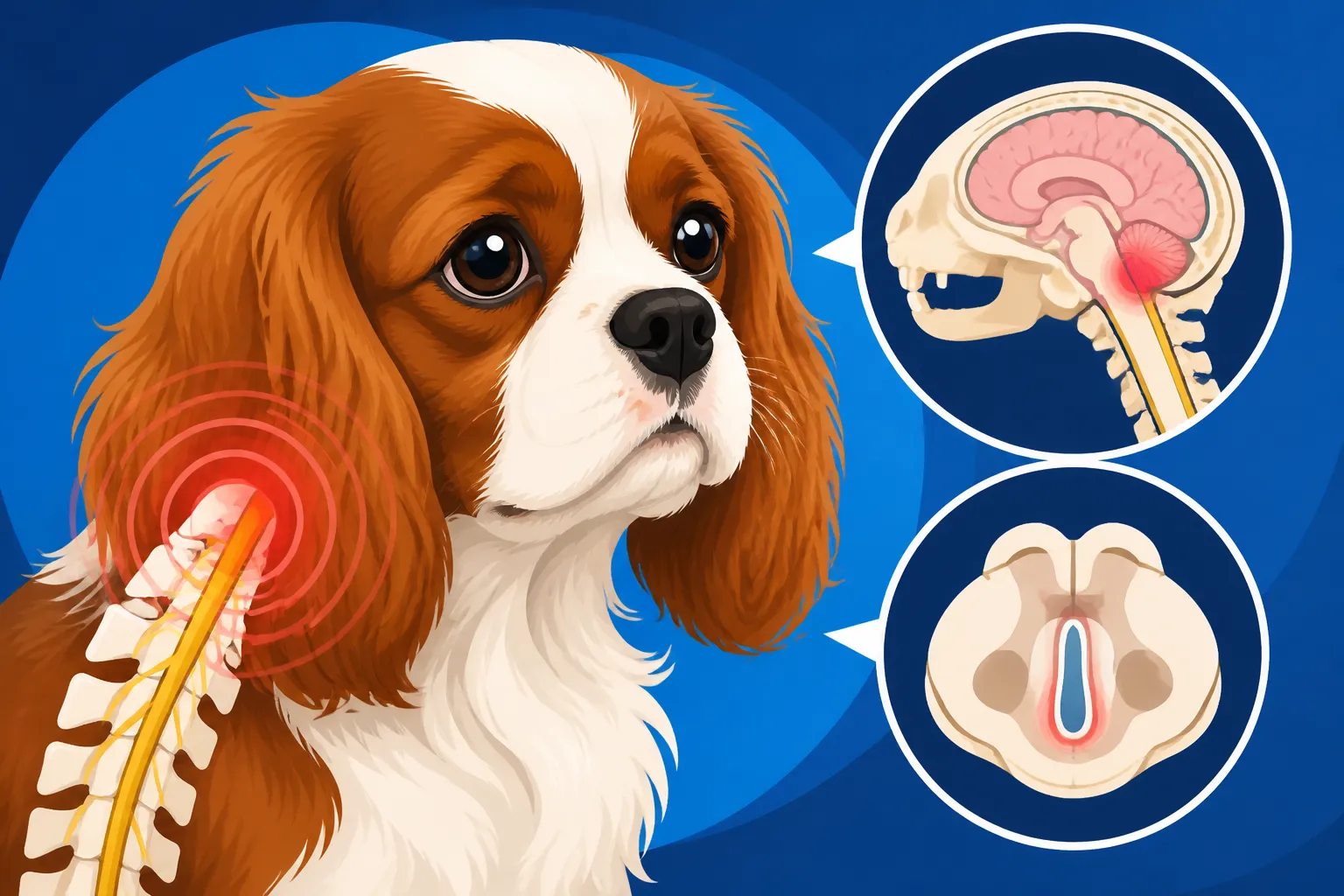
Chiari-like Malformation, often abbreviated to CM, is a congenital condition that’s alarmingly prevalent in our sweet Cavalier King Charles Spaniels. It’s a structural defect where the back part of the skull, the occipital bone, is too small for the brain, particularly the cerebellum. Imagine trying to fit a large brain into a skull that's just a bit too snug – it causes crowding, and that crowding pushes parts of the cerebellum out of its normal position and down into the spinal canal. This abnormal positioning obstructs the natural flow of cerebrospinal fluid (CSF), which is critical for cushioning the brain and spinal cord.
This isn't just a minor anatomical quirk; it’s a significant structural issue that sets the stage for more serious problems. The impact of this crowding can range from mild, almost unnoticeable effects, to severe neurological signs that dramatically reduce a dog's quality of life. The very characteristic dome-shaped head that some people adore in Cavaliers is actually a tell-tale sign of this potential skull malformation. It's a sobering thought that a feature so synonymous with the breed could be a root cause of such a debilitating condition.
What Exactly is CM and Why is it So Common in Cavaliers?
Chiari-like Malformation is fundamentally a mismatch between the size of the Cavalier's brain and its skull. Specifically, the caudal fossa, which is the rearmost part of the skull, is disproportionately small. This tiny space struggles to accommodate the cerebellum and brainstem, forcing these delicate structures to be compressed and herniated through the foramen magnum – the opening at the base of the skull where the spinal cord exits. This herniation is the hallmark of CM.
The high prevalence of CM in Cavaliers, estimated to affect nearly all of them to some degree, is a direct result of decades of selective breeding focused on specific aesthetic traits. Breeders historically sought to achieve a round, domed head, large eyes, and a flatter face. Unfortunately, these desirable "toy breed" features inadvertently led to a reduction in skull size without a corresponding reduction in brain size. This genetic predisposition means that CM isn't just a random occurrence; it's practically embedded in the breed's DNA. It's a harsh reality that the very traits we find endearing can contribute to such significant health challenges for these dogs.
When the cerebellum is compressed and pushed into the foramen magnum, it acts like a plug, disrupting the normal, pulsatile flow of cerebrospinal fluid. CSF is constantly produced, circulates around the brain and spinal cord, and then gets reabsorbed. This steady flow is vital for nutrient delivery and waste removal. When this flow is impeded, pressure builds up, and the fluid starts to seek alternative pathways. This altered pressure and flow dynamics are what ultimately lead to the development of fluid-filled cavities, known as syrinxes, within the spinal cord itself – a condition called Syringomyelia.
How CM Progresses and What it Does to Your Cavalier's Skull
The progression of Chiari-like Malformation isn't always linear or predictable, but it invariably involves the ongoing pressure and structural changes within the cranium and cervical spine. In the early stages, a Cavalier might show no outward signs, even if an MRI scan reveals significant herniation of the cerebellum. The brain and spinal cord are remarkably adaptable, and a dog can compensate for a certain degree of compression for quite some time. However, the mechanical forces at play continue to exert their influence.
Over time, the chronic compression can lead to actual deformation of the brainstem, which is the vital connection between the brain and the rest of the body. You can delve deeper into the specific anatomical changes by reading about What Chiari Malformation Does to a Cavalier Skull. This constant pressure also causes turbulence in the cerebrospinal fluid, leading to the formation and enlargement of syrinxes within the spinal cord. These syrinxes aren't just empty spaces; they expand, placing direct pressure on the delicate nerve fibers that transmit sensory and motor information, disrupting their function. This disruption is the direct cause of the pain, weakness, and other neurological signs we see in affected Cavaliers.
The bony structures themselves can also undergo subtle changes due to the constant stress. While the skull size issue is primarily congenital, the sustained pressure can exacerbate existing vulnerabilities or contribute to secondary issues in the surrounding tissues. It's a cascading effect, where one anatomical problem leads to a functional impairment, which then triggers a whole host of painful symptoms. Understanding this progression is key to appreciating why early diagnosis and management are so critical in trying to maintain a Cavalier's quality of life when living with CM.
Deciphering Syringomyelia (SM) – The Direct Consequence of CM
Syringomyelia (SM) is what most Cavalier owners worry about the most, and for good reason. It’s the condition where fluid-filled cavities, called syrinxes (plural of syrinx), develop within the spinal cord. These syrinxes form because the flow of cerebrospinal fluid (CSF), which bathes the brain and spinal cord, is disrupted due to the Chiari-like Malformation. Think of it like a dam in a river – when the normal flow is blocked, water can back up and create pools where it shouldn't be. In the case of SM, these "pools" of fluid exert pressure on the spinal cord's delicate nerve tissue, leading to a variety of neurological symptoms.
The severity of SM isn't always directly correlated with the size of the syrinx. A very wide syrinx might cause no pain in one dog, while a smaller one can cause excruciating discomfort in another. It depends on where the syrinx is located and which nerve pathways it’s affecting. This variability makes SM particularly frustrating for owners and vets alike, as there isn't a simple "syrinx size = pain level" equation. However, generally speaking, wider and longer syrinxes, especially those located in the dorsal horn (which processes sensory information), tend to be more associated with significant clinical signs.
The Formation of Syrinxes and Their Impact on the Spinal Cord
The formation of syrinxes is a complex process initiated by the abnormal CSF flow caused by CM. Normally, CSF flows smoothly around the brain and down the spinal cord, propelled by the pulsatile motion of the brain. With CM, the cerebellum obstructing the foramen magnum creates turbulence and pressure changes in this flow. This turbulent fluid is thought to be forced into the central canal of the spinal cord or into the spinal cord parenchyma itself, where it then accumulates and expands, forming the syrinx.
As these syrinxes enlarge, they literally stretch and compress the sensitive nerve tissue of the spinal cord. The spinal cord is like a superhighway for all the electrical signals traveling between the brain and the rest of the body. When a syrinx presses on these pathways, it can interfere with sensation, motor control, and even autonomic functions. This damage to the nerve fibers can result in neuropathic pain, which is a type of pain caused by nerve damage, often described as burning, tingling, or shooting pain. It’s a very different kind of pain than, say, a sore muscle, and often much harder to manage.
The exact location of the syrinx within the spinal cord dictates which symptoms a Cavalier will display. Syrinxes in the cervical (neck) region are most common and often lead to the classic "phantom scratching" or neck pain. If a syrinx extends into the thoracic (chest) or lumbar (lower back) regions, it might cause weakness in the hind limbs, stumbling, or even scoliosis (curvature of the spine) due to muscle weakness on one side. The impact on your Cavalier's daily life can be profound, making once-simple actions like walking or even sleeping a source of distress.
Common Symptoms and Early Warning Signs of Syringomyelia
Recognizing the signs of Syringomyelia can be incredibly challenging because Cavaliers are often stoic, and their symptoms can be subtle or easily mistaken for other issues like ear infections or allergies. However, there are some hallmark signs that every Cavalier owner should be aware of. The most well-known symptom is often called "phantom scratching" or "air scratching," where the dog scratches intensely at their neck or shoulder, often without actually making contact with their skin. They might scratch one side more than the other, or appear to scratch at nothing at all. This isn't an itch; it's a neuropathic sensation, a feeling of "pins and needles" or burning caused by the syrinx affecting the sensory nerves. You can read more about Air Scratching as a Cavalier's First Warning Sign.
Beyond scratching, pain is a primary symptom, though it can manifest in many ways. Your Cavalier might yelp or cry out unexpectedly, especially when picked up, cuddled, or when their neck is touched. They might become reluctant to jump on furniture, climb stairs, or even walk on a leash if it puts pressure on their neck. Some dogs will develop a preference for sleeping with their head raised, sometimes even resting it on a toy or a pillow, which can be a subtle attempt to relieve pressure. Behavioral changes are also common; a once-sociable dog might become withdrawn, irritable, or even snap if touched in a painful area.
Other signs can include sensitivity to touch around the head, neck, or shoulders, head rubbing against furniture, weakness in the limbs, an uneven gait, or even a sudden onset of head tilt. Some Cavaliers might show signs only during excitement, exercise, or changes in temperature. It's crucial to document any unusual behavior or discomfort you observe and share it thoroughly with your veterinarian. Early detection and intervention can significantly improve your Cavalier's comfort and prognosis, so don't dismiss even seemingly minor or intermittent signs.
The Age Syringomyelia Signs Typically Appear
One of the most frustrating aspects of Syringomyelia is the variability in when clinical signs begin to show. While the Chiari-like Malformation itself is congenital, the syrinxes can take time to develop and enlarge to the point of causing noticeable symptoms. For many Cavaliers, the first signs of SM typically emerge between six months and five years of age. This period of young adulthood is a common window, but it's not exclusive.
Some Cavaliers might show very early signs as puppies, sometimes as young as a few months old, particularly if they have very severe malformations and rapidly developing syrinxes. On the other end of the spectrum, some dogs might not exhibit any overt symptoms until they are much older, well into their senior years, even if they have had syrinxes present for a long time. These late-onset cases can be puzzling, sometimes triggered by an unrelated injury or illness that exacerbates the underlying neurological issue.
This wide range in symptom onset makes it challenging for owners, as a "clear" puppy without obvious signs might still develop SM later. It also complicates breeding decisions, as parents might pass on the genetic predisposition even if they themselves haven't shown symptoms by the time they are bred. This is why proper health testing and understanding of pedigrees are so incredibly important, not just for the immediate health of a puppy, but for the long-term health of the breed.
Getting a Diagnosis: The Importance of MRI Scans
When you suspect your Cavalier might be suffering from Chiari-like Malformation and Syringomyelia, the path to a definitive diagnosis can feel overwhelming. You might consult with your regular vet, who can perform a neurological exam and rule out other common issues. However, for a confirmed diagnosis of CM and SM, specialized imaging is absolutely essential. This is not a condition that can be diagnosed through blood tests, X-rays, or even a basic physical exam alone.
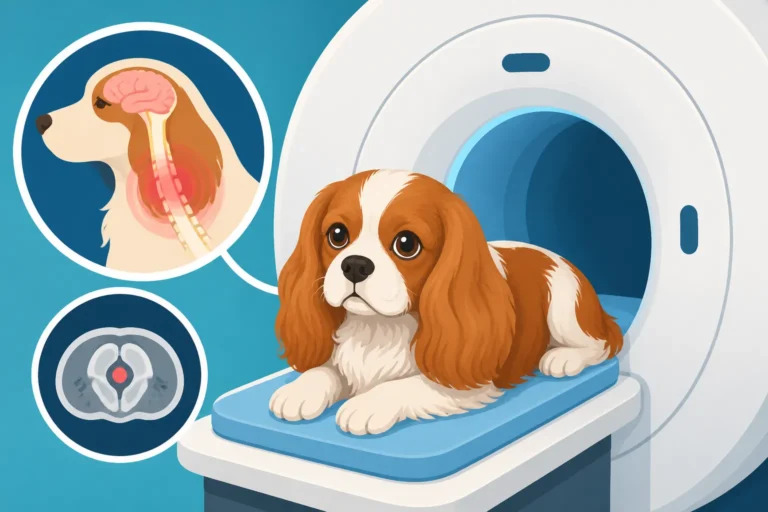
The absolute gold standard for diagnosing these complex neurological conditions is a magnetic resonance imaging (MRI) scan. There's simply no other way to visualize the brain, brainstem, spinal cord, and the flow of cerebrospinal fluid with the necessary detail. Trying to diagnose SM without an MRI is akin to trying to understand the intricate wiring of a computer without ever opening the casing – you simply won't have the full picture, or often, any picture at all.
Why an MRI is the Gold Standard for Diagnosing CM/SM
An MRI provides incredibly detailed images of soft tissues, making it uniquely suited to reveal the subtle anatomical abnormalities of CM and the fluid-filled syrinxes of SM. Unlike X-rays, which primarily show bones, an MRI uses a powerful magnetic field and radio waves to generate cross-sectional images of the brain and spinal cord in multiple planes. This allows veterinary neurologists to visualize the exact degree of cerebellar herniation, assess the compression of the brainstem, and, most critically, identify the presence, size, and location of any syrinxes within the spinal cord.
A neurological exam performed by your vet is an important first step, as it helps localize the problem to the nervous system and rule out other conditions. Your vet might observe abnormal reflexes, gait issues, or pain responses that point towards a neurological cause. However, a neurological exam alone cannot differentiate between, say, a spinal tumor, a disc extrusion, or Syringomyelia. Only an MRI can provide the definitive visual evidence needed to make that precise diagnosis. It shows the subtle structural issues that directly correlate with the symptoms your Cavalier might be experiencing.
Furthermore, an MRI can assess the flow of cerebrospinal fluid, which is crucial for understanding the dynamics of SM. Specialized MRI sequences can actually show areas of CSF obstruction and turbulence. This level of detail is paramount not just for confirming the presence of CM/SM but also for determining its severity and guiding treatment decisions. Without this diagnostic tool, owners are often left guessing, potentially pursuing treatments for misdiagnosed conditions, leading to unnecessary suffering and expense.
What a Cavalier MRI Scan Costs and Shows
Getting an MRI scan for your Cavalier is a significant undertaking, both emotionally and financially. These scans require general anesthesia because the dog must remain perfectly still for an extended period, typically 45 minutes to an hour, for the high-resolution images to be captured. The cost can vary quite a bit depending on your geographical location, the veterinary specialty hospital, and whether the scan includes just the head and neck or extends further down the spine. Generally, you can expect an MRI for CM/SM to cost anywhere from $2,500 to $5,000 or more. For more detailed information, you can read about The Price of a Cavalier MRI Scan. This cost usually includes the anesthesia, the scan itself, and the interpretation by a board-certified veterinary neurologist or radiologist.
The MRI scan will clearly show the extent of the Chiari-like Malformation, including how much of the cerebellum is herniated into the foramen magnum and if there's any compression of the brainstem. More importantly for Syringomyelia, it will reveal any fluid-filled syrinxes within the spinal cord. The neurologist will be able to tell you the number, size (width and length), and exact location of these syrinxes. The width of a syrinx is often discussed, as wider syrinxes are generally, though not always, associated with more severe clinical signs. A syrinx width of 2mm or more is often considered clinically significant.
The MRI results will also allow the neurologist to grade the severity of both the CM and SM, which helps in formulating a prognosis and treatment plan. This detailed information is vital. It can confirm whether your Cavalier's "air scratching" or pain is indeed due to SM, or if there's another underlying neurological issue at play. This knowledge empowers you to make informed decisions about your Cavalier's care. When considering the significant investment, remember that pet insurance like Healthy Paws, if acquired before any symptoms or diagnosis, could potentially help cover a substantial portion of these diagnostic costs, making this essential scan more accessible.
Should Every Cavalier Be Scanned for CM/SM?
This is a hotly debated topic among Cavalier owners, breeders, and even veterinarians. Given the high prevalence of CM and SM in the breed, it's tempting to think that every Cavalier should undergo an MRI scan. However, it's not a straightforward decision, largely due to the cost, the need for anesthesia, and the fact that a significant percentage of Cavaliers have CM and even SM but remain clinically asymptomatic throughout their lives. You can explore the nuances of this question by reading Whether Every Cavalier Should Be Scanned.
For Cavaliers showing clinical signs consistent with CM/SM, an MRI is unequivocally recommended to get an accurate diagnosis and guide treatment. Without it, you're treating symptoms without knowing the cause, which can be inefficient, ineffective, and potentially harmful. In these symptomatic cases, the benefits of diagnosis far outweigh the risks and costs.
The more contentious area is screening asymptomatic Cavaliers, particularly those intended for breeding. Many reputable breeders choose to MRI their breeding stock to assess the presence and severity of CM/SM. This is done in an effort to breed away from severe forms of the disease and improve the health of future generations. However, even with MRI screening, the genetics are complex, and it's not a guarantee that offspring will be clear. For pet owners with asymptomatic Cavaliers, routine MRI screening is not generally recommended due to the costs and risks of anesthesia unless there's a specific reason, such as participating in a research study. Instead, owners should be vigilant for any developing symptoms and consult their vet immediately if concerns arise.
Managing Life with CM/SM: Medical and Lifestyle Approaches
A diagnosis of Syringomyelia and Chiari-like Malformation can feel devastating, but it's important to remember that it's not an immediate death sentence. Many Cavaliers with SM can live comfortable, happy lives with proper management. The goal of treatment is always to reduce pain, minimize neurological deficits, and improve your Cavalier's quality of life. This often involves a multi-modal approach, combining medication with significant lifestyle adjustments.
The key is to work closely with a veterinary neurologist who has experience with CM/SM in Cavaliers. They can help tailor a treatment plan specific to your dog's individual symptoms, the severity of their condition, and their response to different therapies. It's a journey of trial and error sometimes, finding the right balance of medications and supportive care to keep your furry friend as comfortable as possible.
Medications for Pain and Fluid Pressure
Managing the pain associated with Syringomyelia is paramount, as neuropathic pain can be debilitating. The primary medication used for this is Gabapentin, which helps to modulate nerve pain. It's not a traditional painkiller, but rather an anticonvulsant that works by reducing the release of pain-signaling neurotransmitters. Your vet or neurologist will typically start at a lower dose and gradually increase it until a therapeutic effect is achieved or side effects become too pronounced. For more detailed information on this medication, refer to Gabapentin for a Cavalier With Neck Pain. It can take a few weeks to see the full effect, and some Cavaliers might experience sedation, especially in the initial stages.
In addition to Gabapentin, other medications are often used to address inflammation and reduce cerebrospinal fluid pressure. Non-steroidal anti-inflammatory drugs (NSAIDs) like carprofen or meloxicam might be prescribed for their anti-inflammatory and pain-relieving properties, although they need to be used cautiously, especially long-term, due to potential side effects. Corticosteroids, such as prednisone, are very potent anti-inflammatories that can rapidly reduce inflammation around the spinal cord and brain. However, they come with significant side effects with prolonged use and are usually reserved for acute flare-ups or severe pain.
To reduce the production of CSF and thus decrease pressure within the syrinxes, medications like omeprazole (a proton pump inhibitor) or cimetidine (an H2 blocker) are sometimes used. While commonly known for treating stomach acid, these drugs have been shown to have an off-label effect on CSF production. Your veterinarian can advise on Drugs That Reduce Fluid Pressure in a Cavalier and their appropriate use. It's a delicate balance of medications, and finding the right combination and dosage for your Cavalier often requires patience and close communication with your vet.
Lifestyle Adjustments to Improve Your Cavalier's Comfort
While medication is crucial for pain management, significant improvements in your Cavalier’s comfort can also come from simple, yet effective, lifestyle adjustments. Many of these changes are about minimizing anything that puts pressure on the neck or head, or that exacerbates nerve pain. One of the most important changes is switching from a neck collar to a well-fitting harness. A harness distributes pressure across the chest and shoulders, completely avoiding the delicate neck area, which is often the site of syrinx formation and pain. This simple switch can make a world of difference for a Cavalier with CM/SM. You can find more specific advice on this by looking at Harnesses Instead of Collars for a Cavalier.
Consider how your Cavalier eats and drinks. If they are bending their neck excessively to reach bowls on the floor, it could be causing discomfort. Elevated food and water bowls can help maintain a more neutral neck position during meal times. Furthermore, watch for behaviors that might trigger pain. Jumping on and off furniture can cause jarring impacts to the spine. Providing ramps or steps to access sofas and beds can reduce this strain. Limiting vigorous play or activities that involve roughhousing, sudden twists, or high jumps might also be necessary, especially during flare-ups.
Temperature changes can sometimes worsen symptoms, so keeping your Cavalier in a comfortable, consistent climate is important. Avoiding extreme heat or cold, and protecting them from sudden drafts, can be helpful. Pay attention to how your Cavalier sleeps; providing orthopedic beds or soft, supportive bedding can help them find a comfortable position. Remember, the goal is to create an environment that minimizes pain triggers and maximizes comfort, allowing your Cavalier to relax and enjoy their day-to-day life as much as possible.
The Role of Physical Therapy and Complementary Treatments
Beyond medication and environmental adjustments, various physical therapies and complementary treatments can play a valuable supportive role in managing CM/SM. These approaches aim to improve mobility, strengthen muscles, reduce stiffness, and further alleviate pain, often without the systemic side effects of drugs. Physical rehabilitation, under the guidance of a certified veterinary physical therapist, can be incredibly beneficial. This might include gentle range-of-motion exercises, massage to relieve muscle tension around the neck and shoulders, and controlled exercises to maintain muscle mass and prevent atrophy. Hydrotherapy, often performed on an underwater treadmill, is particularly effective as the buoyancy of the water reduces stress on joints and the spine while allowing for strengthening exercises.
Acupuncture is another complementary therapy that has shown promise for pain relief in dogs with chronic conditions, including SM. By stimulating specific points on the body, acupuncture can release endorphins and other natural pain-relieving substances, as well as improve blood flow and nerve function. Many veterinary neurologists are now incorporating acupuncture into their multi-modal pain management plans for SM. Some owners also explore chiropractic care, but this should only be done by a veterinary chiropractor with a thorough understanding of CM/SM, as improper manipulation could potentially worsen the condition.
Other supportive therapies include therapeutic laser treatments, which can help reduce inflammation and promote healing, and even simple, consistent gentle handling. Learning how to properly support your Cavalier when lifting them, avoiding pressure on the neck and chest, can make a big difference. Nutritional supplements, such as omega-3 fatty acids for their anti-inflammatory properties, or specific joint supplements, might also be recommended, though their direct impact on syrinxes is not well-established. Always discuss any complementary treatments with your veterinary neurologist to ensure they are safe and appropriate for your Cavalier's specific condition and won't interfere with existing medications.
Surgical Options for Severe Syringomyelia
For Cavaliers suffering from severe Syringomyelia that doesn't respond adequately to medical management, surgery can be an option. This is a complex decision, often made in consultation with a veterinary neurologist and a neurosurgeon, as it involves significant risks and costs. The primary surgical procedure performed for CM/SM is called foramen magnum decompression, or craniocervical decompression. The goal of this surgery is to relieve the pressure on the brainstem and cerebellum and restore normal cerebrospinal fluid flow, thereby hopefully reducing the size of the syrinxes and alleviating pain.
It's important to have realistic expectations about surgery. While it can be life-changing for some Cavaliers, it's not a guaranteed cure, and symptoms may not completely resolve or can even recur over time. The decision to pursue surgery is a deeply personal one, weighing the potential benefits against the inherent risks and the extensive recovery period.
Understanding Decompression Surgery for Cavaliers
Foramen magnum decompression surgery involves a delicate procedure where a section of the occipital bone at the back of the skull is carefully removed. This effectively enlarges the foramen magnum, creating more space for the cerebellum and alleviating the compression on the brainstem. In some cases, the surgeon may also remove some of the first cervical vertebrae (laminectomy) to further decompress the spinal cord. To help prevent scar tissue from re-compressing the area, a synthetic graft (duraplasty) is often placed over the exposed dura mater, the tough membrane covering the brain and spinal cord.
The goal is to restore normal CSF flow, which in turn is hoped to reduce the size of the syrinxes and decrease neuropathic pain. The surgery is extremely intricate, requiring a highly skilled veterinary neurosurgeon. It typically involves specialized equipment, including a surgical microscope, to navigate the delicate neural structures safely. Post-operatively, Cavaliers usually require several days of hospitalization for monitoring, pain management, and early rehabilitation.
Recovery from decompression surgery is a marathon, not a sprint. It can take several weeks to months for a Cavalier to fully recover, with a strict regimen of restricted activity, pain medication, and often physical therapy. Owners must be prepared for intensive post-operative care and follow-up appointments. Despite the complexity, for some dogs whose pain is debilitating and unresponsive to medication, this surgery offers the best chance at a significantly improved quality of life.
Weighing the Pros and Cons of Syringomyelia Surgery
Deciding on surgery for your Cavalier with SM is one of the toughest choices you might face. There are significant pros and cons to consider. On the positive side, for many Cavaliers, surgery can lead to a dramatic reduction in pain and improvement in neurological symptoms. Dogs that were constantly scratching, yelping, or showing weakness might regain much of their normal function and comfort. The procedure directly addresses the underlying anatomical problem, aiming to stop the progression of syrinx formation and reduce existing ones. This can lead to a marked improvement in their overall quality of life.
However, the cons are substantial. It’s a major neurosurgical procedure, and as with any surgery requiring general anesthesia, there are inherent risks. Complications can include infection, hemorrhage, damage to neural tissue, and complications related to the anesthesia itself. There's also the possibility that the surgery may not be entirely successful in relieving all symptoms, or that symptoms might recur over time due to scar tissue formation (fibrosis) or continued abnormal CSF dynamics. You may wish to read Whether Decompression Surgery Helps a Cavalier for more insight.
Furthermore, the recovery period is long and demanding, requiring dedicated home care and often significant financial investment in post-operative care, including medications and rehabilitation. The emotional toll on owners is also considerable, as they navigate their dog’s pain and recovery. It’s a decision that requires careful consideration of your Cavalier's current quality of life, their response to medical management, your financial capabilities, and your willingness to commit to the intense post-operative care.
What Decompression Surgery Runs
The cost of foramen magnum decompression surgery for a Cavalier with Syringomyelia is considerable, reflecting the specialized expertise, equipment, and intensive post-operative care required. Typically, you can expect the total cost for the surgery itself, including pre-surgical diagnostics like updated MRI scans and bloodwork, the neurosurgeon's fees, anesthesia, and initial hospitalization, to range from $5,000 to $10,000 or even higher. This is a significant investment, and it doesn't include the ongoing costs of pain medication, rehabilitation, and follow-up neurologist visits during the recovery period, which can add hundreds to thousands more over several months.
It's essential to get a detailed estimate from the veterinary specialty hospital before proceeding. This estimate should clearly break down the costs of each component of the procedure. Many owners find that enrolling in pet insurance before any signs of SM appear can be a lifesaver for managing these substantial veterinary bills. A policy from providers like Healthy Paws, for example, could cover a large percentage of the costs for a sudden, unexpected surgery like this, provided the condition isn't considered pre-existing at the time of enrollment. Without insurance, owners often explore financing options, such as CareCredit, or launch crowdfunding campaigns.
Beyond the financial aspect, the neurosurgeon will also discuss the prognosis, which can vary. While many dogs show improvement, some may only have partial resolution of symptoms, and some may have a recurrence over time. Understanding these outcomes and the associated costs helps owners make the most informed decision for their Cavalier and their family.
Living with Syringomyelia: Long-Term Care and Quality of Life
Living with a Cavalier diagnosed with Syringomyelia is an ongoing journey that requires dedication, patience, and a deep understanding of your dog's needs. It's not just about managing medication; it's about creating an environment where your Cavalier can thrive despite their condition. The focus shifts from curing the disease to maximizing comfort, minimizing pain, and enhancing their overall quality of life for as long as possible. Many Cavaliers with SM, even severe forms, can lead fulfilling lives with thoughtful, consistent care.
This long-term care often involves a flexible approach, adapting to your dog's changing needs and working closely with your veterinary team. You'll become an expert in observing subtle changes in behavior and recognizing signs of discomfort, advocating for your Cavalier every step of the way.
Providing Daily Comfort and Support for Your Cavalier
Creating a supportive daily routine and environment is paramount for a Cavalier living with SM. The first step is to stick to a consistent schedule for medications, meals, and gentle walks, as predictability can reduce stress. Ensure their living space is easy to navigate. This means providing ramps or steps for accessing furniture, using non-slip rugs on slick floors, and ensuring their bed is comfortable and supportive, especially if they prefer to sleep with their head elevated. Remember that avoiding pressure on the neck is key, so always use a harness for walks, never a collar. Many excellent resources are available to help you in Living With a Cavalier That Has Syringomyelia.
Pay close attention to grooming. While Cavaliers typically have long, silky coats, grooming can sometimes be uncomfortable for a dog with a sensitive neck. Use a soft brush and work gently, taking breaks if needed. Ensure bath times are calm and warm, as temperature changes can sometimes trigger pain. You might find that small, frequent meals are better tolerated than large ones, especially if they struggle with bending their neck.
Emotional support is just as important. Cavaliers are incredibly sensitive and thrive on companionship. Spend quality time with your dog, offering gentle cuddles (being mindful of their sensitive areas), quiet playtime, and reassurance. Their world might feel different now, and your consistent love and presence will be a huge comfort. Be their advocate; if something seems off, trust your gut and reach out to your vet.
Monitoring for Progression and Adjusting Care
Syringomyelia is a progressive disease in many Cavaliers, meaning the syrinxes can slowly enlarge, or new ones can develop over time, potentially leading to worsening or new symptoms. Therefore, vigilant monitoring is a critical aspect of long-term care. You'll become your Cavalier's most important observer. Keep a detailed log of their symptoms: when they occur, how long they last, what seems to trigger them, and what brings relief. Note any changes in their scratching behavior, pain levels, gait, coordination, or even temperament.
Regular check-ups with your veterinary neurologist are essential. These visits allow the specialist to assess your Cavalier's neurological status, evaluate their response to current medications, and make any necessary adjustments. Sometimes, medication dosages need to be increased, or new medications added, as the disease progresses or as your dog's pain thresholds change. This collaborative approach ensures that the treatment plan remains optimized for your Cavalier's current condition.
It's also important to consider that other health issues can develop concurrently. For example, many Cavaliers are also prone to Mitral Valve Disease in the Cavalier King Charles Spaniel, which can lead to a cough that might be confused with SM-related issues, or vice-versa. Keeping all your vets (primary care, neurologist, cardiologist) in the loop about your Cavalier's full health picture is vital for coordinated care. Being proactive and responsive to changes will allow you to quickly adjust their care, ensuring they remain as comfortable and happy as possible.
Emotional Impact on Owners and Finding Support
Caring for a Cavalier with a chronic, progressive neurological condition like Syringomyelia can take a significant emotional toll on owners. It's common to experience a range of feelings, including sadness, frustration, guilt, anxiety, and even anger. Watching your beloved pet suffer, even intermittently, is incredibly difficult. The financial strain of diagnostics and long-term medication can add another layer of stress, leading to difficult decisions. It’s also hard when symptoms are invisible or misunderstood by others who don’t grasp the complexity of SM.
It's crucial to acknowledge and validate your own feelings during this journey. You are not alone. Many Cavalier owners worldwide are navigating similar challenges. Seeking support from others who understand can be incredibly helpful. Online forums and social media groups dedicated to Cavaliers with CM/SM can provide a safe space to share experiences, ask questions, and receive encouragement. Local Cavalier meet-up groups, if available, might also offer a chance to connect with empathetic individuals in person.
Don't hesitate to reach out to your veterinarian or neurologist for emotional support as well. They often have resources or can connect you with pet bereavement or support services. Remember to take care of yourself too; caregiver burnout is real. Allow yourself moments of joy with your Cavalier, celebrate their good days, and give yourself grace during the challenging ones. Providing comfort and love to your Cavalier through SM is an incredible act of devotion, and your emotional well-being matters.
Breeding Considerations and Prevention
The high prevalence of Chiari-like Malformation and Syringomyelia in the Cavalier King Charles Spaniel breed presents significant ethical challenges for breeders. Because CM is a congenital condition with a strong genetic component, the responsibility falls squarely on breeders to make informed, health-conscious decisions to try and mitigate the disease in future generations. It's a complex issue, as eradicating CM/SM entirely from the gene pool of a breed where it's so widespread is an enormous task.
However, conscious breeding practices can certainly reduce the incidence and severity of the disease. This commitment to health goes beyond mere aesthetics or champion lines; it requires a deep understanding of genetics, health testing protocols, and a willingness to make difficult choices for the betterment of the breed.
The Ethical Imperative for Screening Breeding Stock
For any reputable Cavalier breeder, health testing for CM/SM should be a non-negotiable part of their breeding program. This means MRI scanning all potential breeding dogs to assess their CM grade and the presence and severity of any syrinxes. The Kennel Club (UK) and the American Cavalier King Charles Spaniel Club (ACKCSC) have established guidelines, often referred to as "breeding protocols," that recommend MRI screening for CM/SM at specific ages before a dog is bred. These guidelines suggest breeding dogs only after they are old enough to have a clearer picture of their CM/SM status, typically at two-and-a-half to five years of age.
The ethical imperative stems from the understanding that breeding two parents with severe CM/SM increases the likelihood of producing offspring with similar or worse conditions. While the genetics are polygenic (meaning multiple genes are involved) and complex, responsible breeding aims to at least avoid breeding affected dogs together and ideally to use dogs with better MRI clearances. The goal is not necessarily to achieve absolute SM-free status in every puppy, which may be impossible given the breed's genetic make-up, but to significantly reduce the risk of producing clinically affected offspring that will suffer from painful neurological symptoms.
Breeders who are truly committed to health will be transparent about their dogs' MRI results and will be able to explain their breeding choices in relation to these clearances. They understand that every breeding decision has long-term consequences for the health and well-being of the breed as a whole.
Debating Whether Cavalier Syringomyelia Can Be Bred Out
The question of whether Syringomyelia can be completely "bred out" of the Cavalier King Charles Spaniel is a subject of intense debate and considerable scientific research. Given that CM/SM is so deeply embedded in the breed's genetic makeup, with virtually all Cavaliers having some degree of CM and a significant percentage developing SM, completely eradicating it through selective breeding alone is an incredibly challenging, if not impossible, feat in the short term. The challenge is compounded by the fact that many dogs with CM are asymptomatic, and the clinical signs of SM can appear at varying ages.
Traditional selective breeding relies on identifying affected individuals and removing them from the breeding pool. However, if a large percentage of the breed carries the predisposition, removing too many dogs would severely narrow the gene pool, leading to other genetic health problems. This is the dilemma breeders face. Some researchers advocate for strict MRI screening protocols, breeding only from dogs with excellent clearances, and sometimes even introducing "outcrossing" programs where Cavaliers are bred to other breeds to introduce new, healthier genetics. However, outcrossing itself is controversial as it means losing some of the unique characteristics of the Cavalier breed.
Ultimately, while completely breeding out SM may not be feasible with current knowledge, responsible breeding practices focused on MRI screening and carefully selected pairings can absolutely reduce the incidence and severity of clinical SM. The goal is to produce Cavaliers who, even if they have some degree of CM, do not develop painful syrinxes or can manage them without significant suffering. This long-term effort requires ongoing research, dedicated breeders, and informed owners supporting these efforts.
What to Look for in a Reputable Breeder
Choosing a Cavalier from a reputable breeder is perhaps the single most important decision you can make to increase your chances of bringing home a healthy puppy, especially when it comes to complex conditions like CM/SM. A good breeder will be transparent, knowledgeable, and genuinely committed to the health and welfare of their dogs, not just profit. The first thing you should always ask for are health clearances for both parents. This means not just a vet check, but specialist certifications for heart, eyes, patellas, and crucially, MRI scans for CM/SM. Reputable breeders will follow the breeding protocols recommended by breed clubs, which typically means MRI scanning their breeding stock at appropriate ages, often starting at 2.5 years and ideally again at 5 years.
Ask to see copies of the MRI reports themselves, not just a certificate saying "clear." Understand that a completely "CM-free" or "SM-free" Cavalier is rare, especially for CM. Instead, look for parents with good CM grades (e.g., CM0 or CM1) and ideally no syrinxes (SM0) or very small, non-clinical syrinxes (SM1) that are not painful. A breeder should be able to explain these results to you and discuss their breeding strategy to minimize the risk of SM. Be wary of any breeder who dismisses CM/SM as "not a problem" in their lines or who cannot provide documentation for MRI scans on their breeding dogs. You may also want to ask Whether a Cavalier Breeder Should Show You Heart Papers, as this highlights their overall commitment to health.
Beyond health testing, a reputable breeder will welcome your questions, allow you to visit their premises (or conduct thorough virtual tours), and let you meet the puppy's mother and ideally the father. They will only breed a few litters a year, prioritize the health and temperament of their dogs above all else, and provide a comprehensive puppy contract. They should be a resource for you for the lifetime of your dog. Never buy a Cavalier from a pet store, online ad without verifiable health testing, or from someone who offers puppies without any questions asked. These sources are often linked to puppy mills, where health testing is non-existent, and you are almost certainly buying into a lifetime of heartache and expensive veterinary bills.
Disclaimer
The information provided in this article is for general informational purposes only and is not a substitute for professional veterinary advice. Always consult with a qualified veterinary professional, especially a board-certified veterinary neurologist, for any health concerns or before making any decisions related to your Cavalier's health or treatment.