Prescription Eye Drops for a Cavalier Every Day
If your beloved Cavalier has been diagnosed with a chronic eye condition, the thought of administering prescription eye drops every single day, perhaps for the rest of their life, can feel incredibly overwhelming. It's a commitment that weighs heavily, bringing worries about consistency, cost, and whether your sweet dog will ever truly get used to it. This guide is here to walk you through exactly what those daily drops mean for you and your Cavalier, offering practical advice, comfort, and a clear path forward to help manage their ocular health successfully.
Understanding Why Your Cavalier Might Need Daily Eye Drops
Cavalier King Charles Spaniels, with their famously large, soulful eyes, are unfortunately predisposed to a number of eye conditions. While these eyes add to their irresistible charm, their prominence and certain genetic factors can make them vulnerable to issues that require diligent, often daily, care. It’s not just about a temporary irritation; for many Cavaliers, daily eye drops become a vital part of their ongoing health regimen, much like a human taking medication for a chronic condition.
Common Conditions Requiring Daily Drops
One of the most frequent reasons a Cavalier might need daily eye drops is for Dry Eye, clinically known as Keratoconjunctivitis Sicca (KCS). This isn't just a mild discomfort; it's a serious condition where the eyes don't produce enough tears, leading to dryness, irritation, and eventually, damage to the cornea. Imagine having perpetually sandy, burning eyes – that's what a Cavalier with untreated dry eye experiences. Daily drops, often immune-modulating medications, are crucial to stimulate tear production and keep the eyes lubricated. Another condition can be glaucoma, where pressure builds up inside the eye, which can be incredibly painful and lead to blindness if not managed with daily medications to reduce that pressure. Less commonly, Cavaliers might need daily drops for certain types of chronic conjunctivitis, long-term allergy management affecting the eyes, or even as part of post-surgical care after an eye procedure to prevent infection and reduce inflammation. For some, it might be due to anatomical issues like Extra Eyelashes Rubbing a Cavalier's Eye causing constant irritation.
The Anatomy of a Cavalier's Eye
A Cavalier’s characteristic large, round, often dark eyes are one of their most endearing features. However, this prominent placement means their eyes are more exposed to the elements and potential trauma. They don't sit as deeply recessed in the skull as some other breeds, which can make them more susceptible to dust, wind, and even minor bumps. This prominence can also contribute to quicker tear evaporation, exacerbating conditions like KCS. Furthermore, certain genetic predispositions within the breed mean that conditions such as dry eye are more prevalent. It’s a delicate balance: those beautiful, expressive eyes require a bit more vigilance and care from us as owners. Understanding this unique anatomy helps us appreciate why they sometimes need that extra daily support.
Signs Your Cavalier Might Need Eye Drops
Recognizing the signs that your Cavalier might be experiencing eye discomfort is the first step towards getting them the help they need. They can't tell us in words, but their behavior and the appearance of their eyes speak volumes. Keep a close watch for changes like persistent redness in the white parts of their eyes or around the eyelids. You might notice excessive discharge, which can range from clear and watery to thick and pus-like, sometimes even accumulating crusts in the corners of their eyes. A Cavalier might start squinting or holding one eye partially closed, indicating pain or sensitivity to light. Frequent pawing at their face or rubbing their eyes on furniture are also clear signals of irritation. Some dogs might show a cloudy appearance to the eye, or their third eyelid might become more visible. Any of these signs warrant a prompt visit to your veterinarian. Early diagnosis and intervention, especially for conditions like dry eye, can make a huge difference in managing the condition and preserving your Cavalier's comfort and vision. If you notice your Cavalier frequently rubs their face, it could be a sign of Telling Syringomyelia From a Cavalier Ear Infection or an eye issue.
Navigating the World of Prescription Eye Drops
Once your vet has diagnosed an eye condition, they'll prescribe specific eye drops tailored to your Cavalier's needs. It's crucial to understand that not all eye drops are created equal, and using the wrong type can actually cause harm. This is where your veterinarian's expertise becomes invaluable.
Types of Medications
The world of veterinary eye drops is diverse, with each type serving a specific purpose. For conditions like Dry Eye and Curly Coat Syndrome in Cavaliers, you might find yourself administering immune-suppressant drops, such as cyclosporine or tacrolimus, which work by suppressing the immune system in the tear glands to stimulate tear production. These are often the cornerstone of long-term KCS management. Then there are artificial tears and lubricants, which provide symptomatic relief by moistening the eye and are often used in conjunction with other medications or as standalone support for mild dryness. If there's an infection, your vet will prescribe antibiotic drops. For inflammation, anti-inflammatory drops (corticosteroids or non-steroidal anti-inflammatories) might be used, but these need careful supervision as some can worsen corneal ulcers. For glaucoma, pressure-reducing drops are essential to prevent irreversible damage to the optic nerve. It's a complex landscape, and your vet will determine the precise cocktail your Cavalier needs.
The Importance of a Veterinary Diagnosis
It's tempting to think you can just grab some "redness relief" drops from the human pharmacy if your Cavalier's eyes look a bit irritated. However, this could be a grave mistake. Human eye drops are formulated for human eyes and often contain ingredients that are unsuitable or even toxic for dogs. More importantly, without a proper veterinary diagnosis, you have no idea what condition you're actually treating. For example, using a steroid-containing anti-inflammatory drop on an eye with an undiagnosed corneal ulcer can lead to severe complications, including rupture of the eye. Your vet will perform a thorough eye exam, which might include tests like a Schirmer tear test to measure tear production, fluorescein staining to check for ulcers, and tonometry to measure intraocular pressure. This comprehensive approach ensures an accurate diagnosis and the most effective, safest treatment plan. This is part of the Annual Cardiologist Exams for a Cavalier mindset – regular, professional check-ups are key to long-term health.
Understanding Your Cavalier's Prescription
When your vet hands you that tiny bottle, take a moment to understand everything about it. Pay close attention to the dosage (how many drops) and frequency (how often per day) – consistency is paramount for eye medications. For instance, some drops need to be given every 8 hours, others once a day. Missing doses or giving them inconsistently can hinder treatment effectiveness or even worsen the condition. Ask about the proper storage; some drops need refrigeration, others have a shelf life once opened. Make sure you know if there are any specific instructions, like shaking the bottle before use or avoiding touching the dropper to the eye. If your Cavalier is on multiple eye drops, clarify the order in which they should be administered, as sometimes waiting a few minutes between different medications is important. Don't hesitate to ask your vet or vet tech to demonstrate the application technique right there in the clinic. Knowledge is power when it comes to long-term care for conditions like Cavalier Eye Disease From Dry Eye to Cataracts.
| Drop Type | Primary Purpose | Common Conditions Treated | Administered By |
|---|---|---|---|
| Immune Suppressants | Stimulate natural tear production, reduce inflammation | Dry Eye (KCS) | Vet prescription |
| Artificial Tears | Lubrication, moisture, symptomatic relief | Mild dry eye, after surgery, general irritation | OTC or Vet-recommended |
| Antibiotics | Treat bacterial infections | Bacterial conjunctivitis, corneal ulcers (with care) | Vet prescription |
| Anti-inflammatories | Reduce swelling and discomfort | Allergic reactions, certain inflammations | Vet prescription (caution with ulcers) |
| Glaucoma Meds | Reduce intraocular pressure | Glaucoma | Vet prescription |
Making Daily Eye Drop Administration Stress-Free (for both of you!)
The idea of putting drops in your dog's eyes daily, perhaps multiple times a day, can feel daunting. Many owners worry about hurting their Cavalier, or that their dog will fight them every step of the way. But with the right technique, patience, and a positive attitude, it absolutely can become a routine part of your day that causes minimal stress for everyone involved. It’s all about building trust and making it a positive experience.
Step-by-Step Application Guide
Getting those drops in accurately takes a little practice, but you'll get the hang of it quickly.
- Prepare: Gather your supplies – the eye drops, a favorite high-value treat, and perhaps a soft towel if your Cavalier is wiggly. Make sure the dropper tip is clean.
- Position: Have your Cavalier sit or lie down in a comfortable position. If they are small enough, you can gently cradle them in your lap. Some owners find it easier to stand behind their dog, gently holding their head.
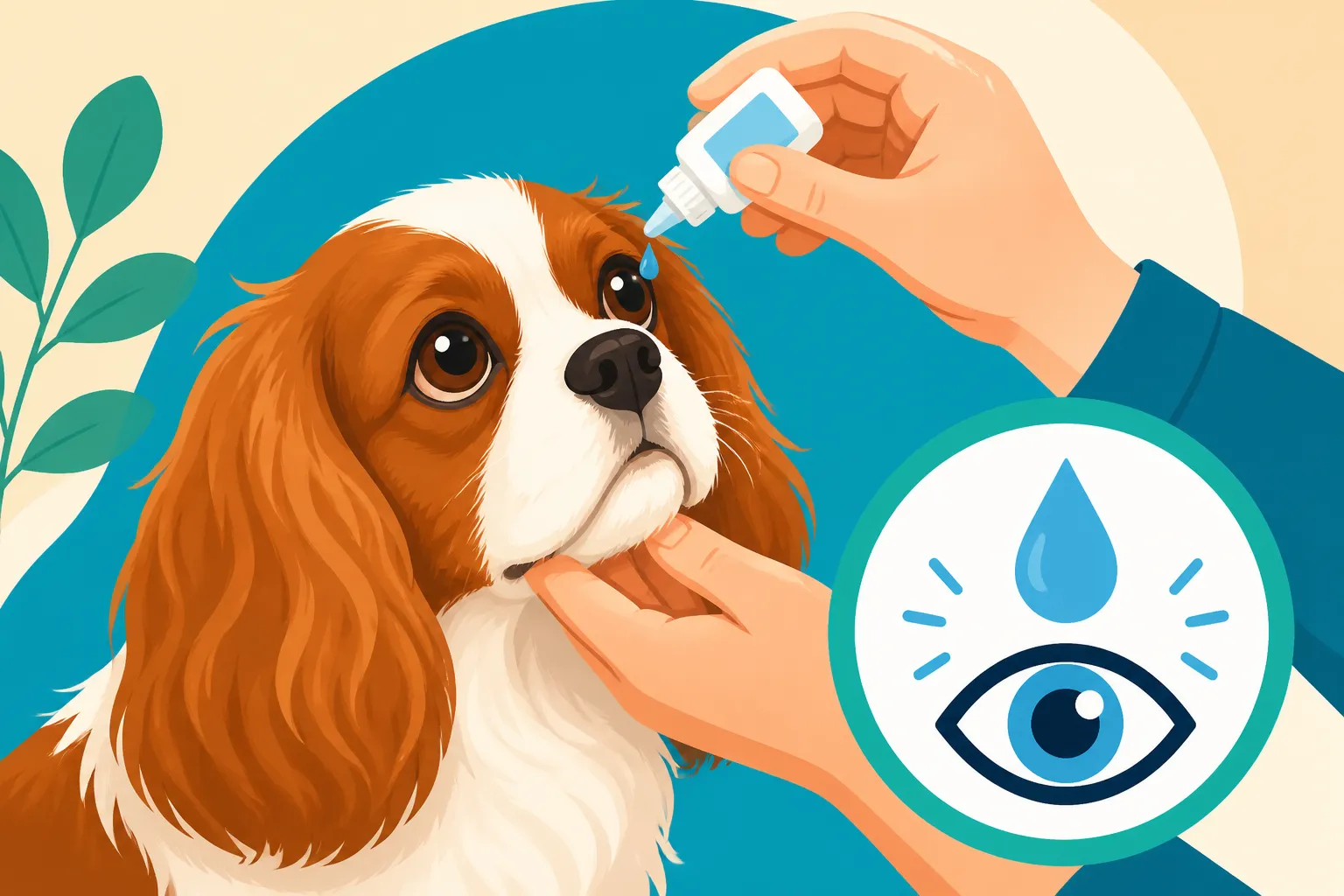
- Lift and Hold: Gently use one hand to lift your Cavalier's head, tilting it slightly upwards. With your thumb and forefinger, gently pull down the lower eyelid, creating a small "pocket." If the upper eyelid is covering the eye too much, you can gently lift it.
- Administer the Drop: Hold the dropper bottle about an inch away from the eye. Avoid touching the dropper to the eye itself, as this can introduce bacteria and contaminate the bottle. Squeeze the bottle to release the prescribed number of drops into the conjunctival sac (the pocket you created in the lower lid).
- Close and Blink: Release the eyelid and allow your Cavalier to blink naturally. This helps distribute the medication across the eye's surface. Do not rub the eye yourself.
- Reward: Immediately follow with praise, a cuddle, and that special high-value treat! This positive reinforcement is key to making the experience less stressful over time.
Repeat for the other eye if necessary. If your Cavalier needs multiple types of drops, wait about 5-10 minutes between each type to allow them to absorb properly and prevent them from washing each other out.
Tips and Tricks for a Reluctant Cavalier
Some Cavaliers are saints about eye drops, others… not so much. If your furry friend falls into the latter category, don't despair.
- Start Slow and Positive: Don't just spring the drops on them. First, simply bring out the bottle, show it to them, and give a treat. Gradually work up to touching their face, then lifting the eyelid, always pairing it with treats and praise.
- The "Treat Avalanche": Use incredibly delicious, tiny treats. Think soft cheese, cooked chicken, or even a dab of peanut butter. As soon as the drop is in, the treat should appear. The goal is for them to associate the drops with something wonderful. Brands like Chewy and Ollie offer a wide variety of high-value treats that might do the trick.
- Distraction is Your Friend: While you're preparing the drop, have someone else distract your Cavalier with a toy, a gentle ear rub, or a treat puzzle.
- The Towel Wrap (if needed): For very squirmy Cavaliers, a "burrito wrap" in a soft towel can help gently restrain their body, leaving just their head exposed. This is not meant to be punitive but to keep them still and safe.
- Consistency is Key: The more regularly you do it, the more accustomed they'll become. Don't skip days or go for long periods without practicing, even if they seem better.
- Get Help: If you have a partner or family member, a second pair of hands can be invaluable. One person can hold and comfort the dog, while the other administers the drops.
- Consult Your Vet: If your Cavalier is genuinely distressed, to the point of biting or extreme fear, talk to your vet. They might have additional techniques, or in rare cases, discuss mild calming medications to help during the initial adjustment period. Managing Dry Eye in a Cavalier often requires a long-term strategy, so making drop application a positive routine is essential.
Potential Side Effects and When to Call Your Vet
While prescription eye drops are designed to help, it's important to be aware of potential side effects and when to seek further veterinary advice. Immediately after application, your Cavalier might blink excessively, squint briefly, or rub their face, which can be a normal, temporary reaction to the sensation of the liquid. However, persistent or worsening signs are a red flag.
Look out for:
- Increased redness or irritation that doesn't subside.
- More discharge than before, especially if it changes color or consistency.
- Swelling around the eye or eyelids.
- Extreme pain or sensitivity to light.
- Changes in vision or your Cavalier becoming disoriented.
- Any signs of a systemic reaction, though rare with eye drops, such as lethargy, vomiting, or loss of appetite.
- If your Cavalier develops a corneal ulcer despite treatment, which might present as a cloudy spot on the eye or increased pain.
If you observe any of these concerning symptoms, or if you feel the medication simply isn't working as expected after a reasonable period, do not hesitate to contact your veterinarian. They can assess the situation, adjust the medication, or investigate if a new problem has arisen. It's always better to be safe than sorry when it comes to your Cavalier's precious eyesight.
Managing the Ongoing Cost and Care
Living with a Cavalier who needs daily prescription eye drops is a long-term commitment, not just of time and effort, but also financially. It’s important to factor these recurring costs into your budget and explore options like pet insurance to help alleviate the burden.
The Cost of Prescription Eye Drops
The cost of prescription eye drops for your Cavalier can vary quite a bit depending on the specific medication, its concentration, the size of the bottle, and where you purchase it. For instance, common immune-modulating drops for dry eye, like cyclosporine or tacrolimus, can be a significant monthly expense because they are specialist medications. Artificial tears, while often over-the-counter, can still add up if used frequently. Glaucoma medications might also be costly, given their specialized nature.
You might find that prices differ between your veterinarian's office, an online pet pharmacy, or even a local human pharmacy that fills veterinary prescriptions. It’s always a good idea to ask your vet if they have any recommendations for cost-effective options or if generic versions are available and appropriate for your Cavalier's condition. While I can't give specific figures, expect these to be a recurring part of your pet care budget. Some owners find the Eye Drop Costs for a Cavalier With Dry Eye to be a significant part of their overall monthly spend.
Insurance Considerations for Long-Term Eye Care
This is where pet insurance can truly be a lifesaver. If your Cavalier develops a condition requiring daily eye drops before you enroll them in a pet insurance policy, it will almost certainly be considered a "pre-existing condition" and will not be covered. This means you’ll be paying for all the medication, vet visits, and specialist consultations out of pocket.
However, if you have a policy in place before the diagnosis, a good comprehensive pet insurance plan, such as those offered by Healthy Paws or similar providers, can help significantly with the costs of prescription eye drops, vet visits, diagnostic tests, and even specialist referrals. Most policies will cover a percentage of eligible veterinary expenses after you meet your deductible. It's crucial to read the policy details carefully, understand what's covered (and what isn't), and pay attention to reimbursement percentages and annual limits. Enrolling a Cavalier puppy early, ideally at eight weeks old, is the best way to ensure coverage for future health issues, including long-term eye conditions. This is similar to considering Insuring a Cavalier Before the Murmur Arrives, where early enrollment saves you from pre-existing condition exclusions.
Sourcing Your Cavalier's Eye Drops
Once you have a prescription, you have a few options for where to fill it. Your veterinarian's office will often stock the most common eye medications, offering convenience and the assurance that you're getting the correct product. However, sometimes their prices might be higher than other sources.
Online pet pharmacies are another popular choice. Reputable sites often carry a wide range of veterinary medications, including prescription eye drops, and can sometimes offer competitive pricing. Brands like Chewy, for example, have a pharmacy service where you can submit your vet's prescription. Make sure you use a trusted and accredited online pharmacy to avoid counterfeit or improperly stored medications. While general pet supply companies like Ollie are excellent for food and treats, for prescription medications, you'll need a dedicated pharmacy service or your vet. Always ensure that the online pharmacy contacts your vet directly to verify the prescription, which is standard practice. Some human pharmacies are also able to fill veterinary prescriptions, especially for medications that have a human equivalent or are compounded. It’s worth checking with your local pharmacy to see if they can help, as this can sometimes be a cost-effective solution.
Creating a Comfortable Environment for Your Cavalier's Eyes
Beyond the daily drops, there are other aspects of care that contribute to your Cavalier's overall eye health and comfort. Creating a supportive environment can make a big difference, especially for dogs with chronic conditions.
Protecting Your Cavalier's Eyes Outdoors
Cavaliers, with their slightly prominent eyes, can be more susceptible to environmental irritants when outdoors. On windy days, dust, pollen, and debris can easily get into their eyes, causing irritation or exacerbating existing conditions. Consider taking walks in sheltered areas or during times when the wind is calmer. For some Cavaliers, especially those with severe dry eye or who spend a lot of time outdoors in dusty or sunny conditions, dog goggles can be a surprisingly effective solution. They might look a bit silly at first, but many dogs adapt well to them, and they offer excellent protection against wind, UV rays, and foreign objects. Always introduce goggles gradually and positively, pairing them with treats and praise, similar to how you’d introduce any new piece of equipment.
Regular Cleaning and Grooming Around the Eyes
Keeping the area around your Cavalier's eyes clean is vital, particularly if they have discharge. Gentle wiping with a soft, damp cloth (using only plain water or a vet-approved eye wash solution) can remove crusts and prevent irritation to the skin. Pay attention to tear staining, which is common in lighter-colored Cavaliers. While tear staining is often cosmetic, excessive staining can sometimes indicate an underlying issue like blocked tear ducts or persistent irritation. Tear Staining on a White Cavalier Face can be managed with daily cleaning to prevent bacteria buildup.
When grooming, be extremely careful around their eyes. Keep any long hair trimmed away from the eye itself to prevent it from irritating the cornea or trapping debris. A professional groomer who understands Cavalier care will know how to do this safely, but it's something you can also do at home with small, blunt-nosed scissors if you feel confident and your dog is cooperative. Cavalier Eye and Face Cleaning is more than just aesthetics; it's preventative health.
The Role of Diet and Hydration
While diet alone generally won't cure a chronic eye condition, good nutrition and ample hydration play a supportive role in overall health, which indirectly benefits eye health. Ensure your Cavalier is on a high-quality, balanced diet appropriate for their age and activity level. Adequate hydration is crucial for tear production and general bodily functions. Always have fresh water available. For Cavaliers with certain conditions, your vet might recommend specific dietary supplements, such as omega-3 fatty acids, which can have anti-inflammatory properties that may benefit ocular health. However, never add supplements without first discussing it with your veterinarian, as they can interact with medications or not be appropriate for all conditions. Remember that Whether Diet Slows a Cavalier's Heart Disease is a question sometimes asked, and similarly, diet plays a supporting, not curative, role in eye health.
Living a Full Life with a Cavalier on Daily Eye Drops
It might feel like a lot to manage, but with consistency and love, giving daily eye drops becomes just another part of your routine. Many Cavaliers live long, happy lives with chronic eye conditions, thanks to dedicated owners like you.
Consistency and Routine are Your Best Friends
Establishing a consistent routine is the single most important factor in managing your Cavalier’s eye condition successfully. Dogs thrive on routine, and knowing when to expect their drops (and the reward that follows!) can significantly reduce stress. Try to give the drops at the same time each day, perhaps first thing in the morning and last thing at night, or around meal times to make it easy to remember. Set reminders on your phone if needed. If you're going away, ensure anyone caring for your Cavalier understands the importance of the drops and is comfortable administering them correctly. Provide clear written instructions and demonstrate the technique. Caring for a Cavalier Past Nine often involves managing multiple medications, so building good habits now will serve you well in the future.
Celebrating Small Victories
There will be days when your Cavalier is a superstar about their drops, and days when they'd rather be anywhere else. Don't let the challenging days get you down. Celebrate every small victory – a willing sit, an easy application, a quick blink. This journey is about patience and perseverance. Your Cavalier relies on you for this vital care, and every drop you successfully administer contributes to their comfort and quality of life. The bond you share will deepen as you consistently provide this gentle care, reinforcing their trust in you.
When to Seek Specialist Care
While your primary veterinarian is your first line of defense and an excellent resource, there might be times when your Cavalier's eye condition requires the expertise of a veterinary ophthalmologist. These specialists have advanced training and equipment dedicated solely to eye health. Your vet might recommend a referral if:
- The diagnosis is unclear or particularly complex.
- The condition isn't responding to conventional treatment.
- Surgery is required, such as for advanced Cavalier Cataracts and Retinal Disease, severe corneal ulcers, or certain glaucoma cases.
- Your Cavalier has a rare or aggressive eye disease.
A veterinary ophthalmologist can provide a more in-depth assessment and explore advanced treatment options. Don't hesitate to ask your vet about a referral if you have concerns or if your Cavalier's eye condition seems to be progressing despite diligent care. They are part of the team dedicated to giving your Cavalier the best possible vision and comfort.
Remember, you are not alone in this. Many Cavalier owners manage daily eye drops, and with the right approach, it becomes a manageable part of life with your cherished companion.
Disclaimer
This article is for general informational purposes only and does not constitute professional advice. Laws, prices and regulations vary by location and change over time. Consult a qualified professional for guidance on your specific situation.