Episodic Falling Syndrome in a Cavalier
Watching your beloved Cavalier suddenly stumble, stiffen, and collapse can be one of the most frightening experiences a dog owner can face. It's natural to panic, imagining the worst, especially when the episode looks eerily like a seizure. This comprehensive guide is here to demystify Episodic Falling Syndrome (EFS), a condition unique to Cavalier King Charles Spaniels, helping you understand its causes, symptoms, diagnosis, and how to best care for your furry friend.
What Exactly is Episodic Falling Syndrome?
Episodic Falling Syndrome, often abbreviated as EFS, is a neurological disorder specific to the Cavalier King Charles Spaniel breed. It's not a true seizure disorder, though it can easily be mistaken for one, which often leads to initial confusion and anxiety for owners. Instead, EFS is characterized by episodes of muscle hypertonicity – meaning the muscles become overly stiff and contracted – leading to a loss of coordination and balance, causing the dog to fall over. These episodes are not painful, nor do they involve loss of consciousness, which is a key differentiator from epilepsy. Imagine your dog's muscles suddenly clamping up, making it impossible for them to move normally. That's essentially what happens during an EFS episode.
The Genetics Behind the Disorder
The root of Episodic Falling Syndrome lies deep within the Cavalier's genetic makeup. It's an inherited condition, meaning it's passed down from parents to their offspring. Specifically, EFS is an autosomal recessive disorder, which in simpler terms means a puppy must inherit two copies of the faulty gene – one from each parent – to develop the condition. If a dog inherits only one copy of the faulty gene, they are considered a "carrier." Carriers typically do not show any symptoms of EFS themselves, but they can pass the gene on to their puppies. This genetic basis is why responsible breeders place such a high emphasis on DNA testing, as it's the only way to truly understand a dog's genetic status regarding EFS before breeding. Without proper screening, the condition can unknowingly be perpetuated within breeding lines, leading to heartbreak for future puppy owners.
Why It's Often Mistaken for Seizures
It's completely understandable why many owners initially think their Cavalier is having a seizure when an EFS episode strikes. The sudden collapse, the uncontrolled movements, the distressed appearance – these are all hallmarks of what we typically associate with seizures. However, there are critical differences. During an EFS episode, the dog remains fully conscious. Their eyes are usually open and aware, and they might even try to respond to your voice or a treat, though they are physically unable to move normally. There's no foaming at the mouth, no urination or defecation, and typically no post-ictal phase (the period of confusion or disorientation that often follows a true seizure). Instead, after an EFS episode, a Cavalier will usually get right back up and act as if nothing happened, sometimes a little wobbly, but otherwise completely normal. This conscious awareness during the event is probably the most significant distinction from a grand mal seizure.
The Unique Muscle Contractions of EFS
The muscle contractions seen in EFS are quite distinct from the uncontrolled convulsions of a seizure. Instead of jerking or paddling, a Cavalier with EFS will typically exhibit extreme stiffness, particularly in the hindquarters, but it can affect all four limbs. Their back might arch, their head may be pulled back, and their legs can become rigidly extended or flexed. This rigidity can make them look like a "statue" for a brief period. The severity of these contractions can vary widely. Some Cavaliers might just show a slight wobble and then recover, while others might completely lose control, fall onto their side, and struggle to right themselves due to the intense muscle tension. The muscles, particularly those of the limbs and neck, become incredibly tight and contracted, preventing normal movement and coordination. This isn't a loss of muscle control in the flaccid sense, but rather an over-contraction that renders movement impossible until the episode passes.
Recognizing the Signs of Episodic Falling
Recognizing Episodic Falling Syndrome can be tricky, especially in its milder forms, or when you haven't seen an episode firsthand. However, there are some common patterns and characteristics that can help you identify if your Cavalier might be experiencing EFS. Being a vigilant owner and paying close attention to your dog's behavior, especially during excitement or stress, is crucial for early detection. Keeping a detailed log of any unusual incidents, including what your dog was doing beforehand and during the event, can be incredibly helpful for your veterinarian.
Early Onset and Typical Presentation
Episodic Falling Syndrome often presents itself early in a Cavalier's life, typically between 3 months and 7 months of age, though it can sometimes manifest later, even up to a year or two old. The first signs might be subtle – a slight unsteadiness, a brief moment of stiffness, or a stumble during play. As the condition progresses, the episodes tend to become more pronounced and frequent. Initially, owners might dismiss these as clumsy puppy behavior or a temporary loss of balance. A typical episode might involve a Cavalier running excitedly, then suddenly appearing to "cramp" up, struggling to keep their legs under them, and eventually falling. They might scuttle or crab-walk for a few moments before collapsing. The duration of these episodes is usually short, ranging from a few seconds to several minutes, and they are typically followed by an immediate return to normal behavior, which can be baffling for owners.
Triggers and Environmental Factors
While EFS is a genetic condition, its episodes are often triggered by specific stimuli. The most common trigger is excitement, especially during vigorous exercise, play, or greetings. Imagine your Cavalier, tail wagging, zooming around the yard, or bouncing with joy when you come home – these are prime moments for an EFS episode to occur. Stress, anxiety, and even fear can also bring on an episode. For instance, a trip to the vet, a loud unexpected noise, or being left alone for too long could potentially act as a trigger. Extreme temperatures, both hot and cold, have also been anecdotally reported by some owners as potential factors. It's important to remember that not every Cavalier with EFS will have the same triggers or frequency of episodes. Some dogs might only have an episode once every few months, while others might experience several a day. Observing and documenting these triggers can be a vital step in Managing a Cavalier with Episodic Falling.
Here's a small table outlining common EFS triggers versus general seizure triggers:
| Feature/Trigger | Episodic Falling Syndrome (EFS) | General Seizure (Epilepsy) |
|---|---|---|
| Consciousness | Fully conscious, aware of surroundings | Loss of consciousness, often dazed or unresponsive |
| Muscle Activity | Increased muscle tone (hypertonicity), rigidity, "cramping" | Uncontrolled jerking, paddling, convulsions |
| Triggers | Excitement, vigorous exercise, stress, anxiety, fear | Often spontaneous, can be triggered by lights, specific sounds, brain injury |
| Duration | Seconds to a few minutes | Minutes, often followed by a "post-ictal" phase |
| Post-Episode Behavior | Rapid return to normal, possibly wobbly | Confusion, disorientation, excessive thirst/hunger, temporary blindness |
| Urination/Defecation | Rare | Common |
The "Statue" Posture and Rigidity
One of the most defining characteristics of an EFS episode is the "statue" posture. During this phase, the Cavalier's muscles become so rigid and contracted that they can appear frozen in place, often collapsing onto their side, unable to move. Their limbs might be stiffly extended or tucked up against their body, and their head might be arched back. This isn't a limp, lifeless collapse; it's a profound stiffness. It's a truly unsettling sight, as your dog is clearly aware of what's happening but is utterly unable to control their body. This muscle rigidity is thought to be caused by a defect in the serotonin pathway in the brain, which affects muscle tone. The muscles simply cannot relax, leading to the dramatic physical manifestation. Once the episode passes, the muscles relax, and the dog can usually regain their footing and carry on as if nothing happened, which further emphasizes the non-seizure nature of the event.
Diagnosing Episodic Falling Syndrome
Receiving a diagnosis of Episodic Falling Syndrome can bring a mix of relief and anxiety. Relief, because you finally have a name for what's happening to your beloved pet and confirmation that it's likely not a more devastating seizure disorder. Anxiety, because it's still a chronic condition that requires management. The diagnostic process for EFS has become significantly more straightforward in recent years, largely thanks to advancements in genetic testing. However, it still requires careful veterinary examination and a methodical approach to rule out other potential causes for similar symptoms.
The Importance of Veterinary Consultation
The very first step if you suspect your Cavalier is experiencing EFS is an immediate consultation with your veterinarian. Even if you're quite sure it's EFS, it's crucial to have a professional evaluate your dog to confirm the diagnosis and rule out other conditions that can mimic EFS. Your vet will conduct a thorough physical and neurological examination. They'll ask you detailed questions about the episodes: when they occur, how long they last, what your dog looks like during them, and what happens afterward. If possible, videoing an episode on your phone can be incredibly helpful for your vet, as it provides a direct visual of the symptoms, which are often subtle or transient and hard to describe accurately. This initial visit lays the groundwork for further diagnostic steps and helps your vet understand the full picture of your Cavalier's health.
The Episodic Falling DNA Test for Cavaliers
Thanks to advancements in canine genetics, there is a specific DNA test available for Episodic Falling Syndrome. This test is a game-changer because it provides a definitive diagnosis or confirmation of carrier status. It's a simple, non-invasive cheek swab (buccal swab) that can be sent to a specialized veterinary genetics lab. The test identifies the specific gene mutation responsible for EFS. The results will typically categorize your dog as either Clear (meaning they don't have the gene and aren't a carrier), Carrier (meaning they have one copy of the gene and can pass it on, but won't develop the disease), or Affected (meaning they have two copies of the gene and will develop or already have EFS). This test is highly accurate and provides invaluable information for both diagnosis and responsible breeding practices. Reputable breeders should always be able to provide results from The Episodic Falling DNA Test for Cavaliers for their breeding dogs.
Ruling Out Other Neurological Conditions
While the DNA test for EFS is definitive, your veterinarian will still need to consider and often rule out other neurological conditions that can present with similar symptoms, particularly if the DNA test isn't immediately available or if the clinical signs are atypical. These can include:
- Epilepsy/Seizure Disorders: As mentioned, true seizures involve a loss of consciousness and different muscle activity. Your vet might discuss Telling Episodic Falling From a Cavalier Seizure in detail.
- Syringomyelia (SM): Another common Cavalier condition, SM can cause pain, phantom scratching, and sometimes weakness or neurological deficits that might lead to stumbling or collapse. However, the muscle rigidity of EFS is generally absent. For more on this, you might look into Syringomyelia and Chiari Malformation in Cavaliers.
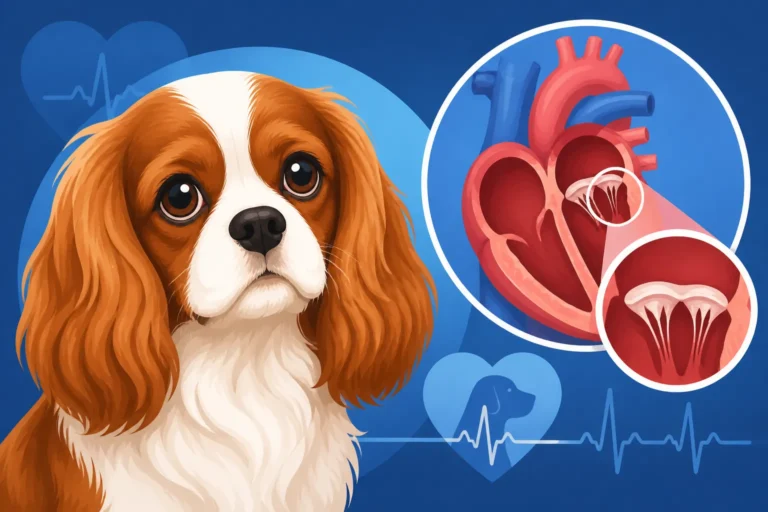
- Heart Conditions: A sudden collapse can sometimes be a sign of a cardiac issue, especially in Cavaliers prone to Mitral Valve Disease in the Cavalier King Charles Spaniel. A rapid drop in blood pressure or an arrhythmia could cause fainting. Your vet may recommend a cardiac workup to rule this out, especially if a heart murmur is detected.
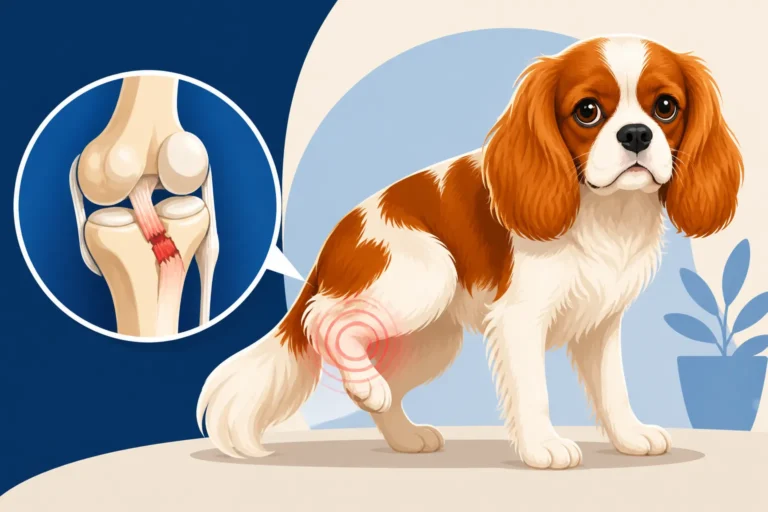
- Musculoskeletal Issues: Severe pain from conditions like patellar luxation or hip dysplasia could cause a dog to suddenly refuse to put weight on a limb and collapse, but this is distinct from the whole-body rigidity of EFS. For more on this, check out Cavalier Knees, Hips and Joint Problems.
- Metabolic Disorders: Rare cases of metabolic imbalances could lead to weakness or collapse.
To rule out these other conditions, your vet might recommend additional diagnostics such as blood tests, urinalysis, chest X-rays, or even an echocardiogram to check heart function. In some complex cases, a referral to a veterinary neurologist for advanced imaging like an MRI might be suggested, although this is usually more common for conditions like Syringomyelia. The goal is always to pinpoint the exact cause of your Cavalier's episodes so that the most appropriate and effective treatment plan can be put into place.
Managing a Cavalier with Episodic Falling
Discovering your Cavalier has Episodic Falling Syndrome can feel overwhelming, but it's important to remember that EFS is a manageable condition for many dogs. With the right approach, you can significantly reduce the frequency and severity of episodes, allowing your Cavalier to live a full and happy life. Management typically involves a combination of lifestyle adjustments, trigger avoidance, and, in some cases, medication. The key is to work closely with your veterinarian to develop a tailored plan for your specific dog.
Lifestyle Adjustments and Trigger Avoidance
The cornerstone of managing EFS is identifying and avoiding your Cavalier's specific triggers. Since excitement and stress are common culprits, modifying your dog's daily routine and environment can make a huge difference.
- Calm Environment: Try to maintain a calm and predictable home environment. Avoid sudden loud noises, chaotic play, or highly stimulating situations, especially during peak times for episodes.
- Controlled Play: Instead of allowing your Cavalier to zoom around unsupervised, engage in more controlled play sessions. Short, gentle walks are often better than intense, high-energy games that might over-excite them.
- Managing Greetings: While Cavaliers are famous for their exuberant greetings, these can be a major trigger. Work on training your Cavalier to greet visitors or family members more calmly. Perhaps ask guests to sit down before your dog approaches, or provide a distraction like a favorite chew toy.
- Stress Reduction: Identify sources of stress for your dog. Is it being left alone? Consider hiring a dog walker or exploring calming aids if you must be away. Does car travel trigger episodes? Work on desensitization or discuss anti-anxiety medications with your vet for travel days.
- Consistent Routine: Dogs thrive on routine. A predictable schedule for meals, walks, and rest times can help reduce overall anxiety and therefore potential EFS triggers.
- Harness Use: For walks, consider using a well-fitting harness rather than a collar. If your Cavalier pulls or gets over-excited, pressure on the neck from a collar could potentially exacerbate an episode or cause discomfort if they fall. A harness distributes pressure more evenly and offers better control.
These adjustments are about creating a safe and less stimulating world for your Cavalier without sacrificing their joy. It's a balance of protecting them while still letting them be a dog.
Medication and Treatment Options
For Cavaliers with more frequent or severe EFS episodes, medication can be a highly effective tool. The most commonly prescribed medication is Clonazepam, a benzodiazepine that works by acting on neurotransmitters in the brain to help regulate muscle tone and reduce excitability. It's often prescribed at a low dose and can be adjusted based on the dog's response. Clonazepam isn't a cure, but it can significantly reduce the frequency and intensity of the "falling" episodes.
Other medications that might be considered in some cases include:
- Gabapentin: While primarily used for pain management and as an anticonvulsant, Gabapentin can sometimes be helpful for its calming effects and in modulating nerve activity. It's occasionally used in conjunction with other medications or if pain is suspected to be contributing to overall stress.
- SSRIs/Tricyclic Antidepressants: In cases where anxiety or compulsive behaviors are strong triggers, certain behavioral medications might be considered under the guidance of a veterinary behaviorist.
It's crucial that any medication is prescribed and monitored by your veterinarian. They will determine the appropriate dosage and frequency, and regular check-ups will be necessary to ensure the medication is working effectively and to monitor for any potential side effects. Never attempt to medicate your dog without professional veterinary guidance.
Supporting Your Cavalier Through an Episode
While EFS episodes can be alarming to witness, it's important to remain calm and provide support to your Cavalier. Here's how you can help:
- Stay Calm: Your dog can sense your anxiety, which could potentially prolong or worsen the episode. Speak to them in a soothing voice.
- Ensure Safety: If your Cavalier is falling, gently guide them away from furniture, stairs, or other objects that could cause injury. You might consider placing a soft blanket or cushion nearby if they tend to fall in predictable spots.
- Don't Restrain: Avoid trying to hold them down or force their muscles to relax. This can increase their distress and potentially cause injury. Just let the episode run its course naturally.
- Minimize Stimulation: Dim lights, reduce noise, and keep other pets or children away during an episode.
- Offer Comfort Afterward: Once the episode passes and your Cavalier returns to normal, offer gentle reassurance. A quiet cuddle, a calming voice, or a small, low-value treat can help them feel safe and loved. Avoid over-exciting them immediately after.
- Document: Continue to note down the details of each episode – time, duration, triggers, and severity. This information is invaluable for your vet in adjusting treatment plans.
Remember, your Cavalier is fully conscious during these episodes and is likely as confused and distressed as you are. Your calm presence is the most important thing you can offer.
Living with a Cavalier with EFS Long-Term
Living with a Cavalier who has Episodic Falling Syndrome is a journey that requires patience, understanding, and ongoing commitment. While the initial diagnosis might feel daunting, many Cavaliers with EFS go on to lead incredibly fulfilling and happy lives. The key is to focus on quality of life, consistent management, and being a strong advocate for your furry companion. It's a partnership between you, your vet, and sometimes a specialist, all working towards the best possible outcome for your dog.
Prognosis and Quality of Life
The prognosis for Cavaliers with Episodic Falling Syndrome is generally very good, especially with proper management. EFS is not a degenerative disease, meaning it doesn't typically worsen over time, and it's not life-threatening. The episodes themselves are not painful and do not cause brain damage, unlike severe seizures. With effective medication and careful trigger avoidance, many dogs can experience a significant reduction in the frequency and severity of episodes, sometimes even achieving long periods without any falls at all. The goal is to maximize their quality of life, allowing them to participate in normal activities within safe limits. This might mean adjusting expectations for high-energy play or busy environments, but it certainly doesn't mean a life of confinement. Most Cavaliers with EFS remain the sweet, affectionate companions the breed is known for.
The Role of Diet and Supplements
While there's no specific diet or supplement that can cure EFS, nutrition plays an important supporting role in overall health and well-being. A high-quality, balanced diet is always recommended for Cavaliers. Some owners find that certain ingredients or additives might exacerbate their dog's sensitivity to triggers, though this is largely anecdotal. If you notice a correlation between specific foods and increased episodes, discuss it with your vet.
For supplements, some owners explore options like:
- Omega-3 Fatty Acids (Fish Oil): Known for their anti-inflammatory properties and benefits for neurological health, fish oil supplements are often recommended for overall canine wellness.
- L-Theanine or other calming supplements: These are often found in calming treats or chews and might help reduce overall anxiety levels, which in turn could potentially lessen the likelihood of an episode for some dogs. Brands like Zesty Paws or VetriScience offer popular options.
- Probiotics: A healthy gut microbiome is increasingly linked to overall health, including brain function. Good gut health can contribute to a reduction in stress.
Always discuss any dietary changes or supplements with your veterinarian before introducing them. They can ensure that the supplements are safe, won't interact with any medications, and are appropriate for your Cavalier's specific health needs. Remember, these are supportive measures, not primary treatments for EFS.
Emotional Support for Owners and Dogs
Caring for a dog with a chronic condition like EFS can take an emotional toll on owners. It's natural to feel worried, frustrated, or even guilty. Seek support from online communities, local Cavalier groups, or even your vet tech team who might connect you with other owners. Sharing experiences and tips can be incredibly validating and helpful.
For your Cavalier, consistent emotional support is vital. They are acutely aware of your feelings. Maintain a calm, reassuring demeanor, especially after an episode. Regular, gentle interaction, positive reinforcement, and a sense of security are paramount. Ensure they have a comfortable, safe space where they can retreat when feeling overstimulated. Remember, despite their condition, they are still the same loving dog, and their bond with you is their greatest source of comfort.
Breeding Considerations and Preventing EFS
For any conscientious Cavalier King Charles Spaniel enthusiast, understanding the genetic aspects of Episodic Falling Syndrome is paramount, especially if you are considering breeding or are looking for a puppy from a reputable source. EFS is a preventable disease through responsible breeding practices, and every effort should be made to eliminate it from future generations of Cavaliers. The health of the breed depends on informed decisions made by breeders.
Screening Breeding Stock
The most critical step in preventing EFS is the genetic screening of all breeding stock. Any Cavalier King Charles Spaniel being considered for breeding absolutely must be DNA tested for EFS. This isn't an optional extra; it's a fundamental responsibility. Breeders should be able to provide clear documentation of EFS test results for both the sire and the dam of any litter.
The ideal scenario is to breed only "Clear" dogs together, ensuring that no puppies will be affected by EFS and none will even be carriers. However, due to the limited gene pool in some breeds and the prevalence of certain genetic conditions, sometimes a "Carrier" dog might be considered for breeding, but only if carefully paired with a "Clear" mate.
The possible outcomes when breeding based on EFS status are:
- Clear x Clear: All puppies will be Clear.
- Clear x Carrier: Approximately 50% of puppies will be Clear, and 50% will be Carriers. None will be Affected.
- Carrier x Carrier: Approximately 25% of puppies will be Clear, 50% will be Carriers, and 25% will be Affected. This pairing should be avoided.
- Affected x Clear: All puppies will be Carriers.
- Affected x Carrier: Approximately 50% of puppies will be Carriers, and 50% will be Affected. This pairing should be avoided.
- Affected x Affected: All puppies will be Affected. This pairing should be avoided.
Responsible breeders understand this genetic matrix and make ethical choices to avoid producing affected puppies. This proactive approach is vital for the long-term health of the breed and prevents undue suffering for dogs and their owners.
Understanding Carrier Status
A "carrier" Cavalier, as determined by the DNA test, is a dog that carries one copy of the EFS gene but does not typically show any symptoms of the disease itself. For a pet owner, having a carrier Cavalier is generally not a concern, as they will lead a normal, healthy life without EFS. The main importance of carrier status is for breeding. A carrier dog should only ever be bred to a "Clear" dog. This mating will produce a litter where approximately half the puppies are carriers and half are clear. The resulting carrier puppies are perfectly healthy as pets, and the clear puppies can go on to be bred themselves, ensuring the gradual reduction of the EFS gene in the breeding population. This strategy allows breeders to maintain genetic diversity while still working towards eradicating the disease responsibly, especially if a carrier dog has other exceptional qualities that contribute positively to the breed standard.
The Ethical Responsibilities of Breeders
The ethical responsibility of a Cavalier breeder extends far beyond producing adorable puppies. It encompasses a deep commitment to the health and welfare of the breed. For EFS, this means:
- Mandatory Testing: All breeding dogs should be DNA tested for EFS prior to mating.
- Transparency: Breeders should be completely transparent about the EFS status of their breeding stock and the puppies they produce. This includes readily sharing test results with prospective buyers.
- Educating Buyers: Reputable breeders will take the time to explain EFS to potential puppy owners, discussing its genetic basis, symptoms, and management. They will also inform buyers if their puppy is a carrier, explaining what that means for the dog's future health (which is typically no impact for a pet).
- Responsible Pairings: Adhering to responsible breeding practices by avoiding pairings that could produce affected puppies (e.g., Carrier x Carrier, Carrier x Affected, Affected x any status).
- Long-Term Commitment: Good breeders are committed to the health of their lines for the long term and will participate in ongoing health initiatives within the Cavalier community.
By diligently following these guidelines, breeders play a crucial role in safeguarding the future health of the Cavalier King Charles Spaniel breed from the burden of Episodic Falling Syndrome. If you're looking for a puppy, always ask about the parents' EFS test results and choose a breeder who prioritizes health testing. This is part of The Heart Testing a Cavalier Breeder Must Do and other essential health screenings.
Common Misconceptions and Owner Experiences
When dealing with a condition as unique and sometimes startling as Episodic Falling Syndrome, it's easy for misconceptions to arise. Owners often navigate a steep learning curve, trying to differentiate EFS from more common neurological issues and seeking advice from various sources. Understanding these common pitfalls and learning from the collective experiences of other Cavalier owners can make the journey a little less isolating and a lot more informed.
EFS vs. Epilepsy: A Crucial Distinction
Perhaps the most significant and pervasive misconception is confusing Episodic Falling Syndrome with epilepsy or a generalized seizure disorder. This is completely understandable, given the dramatic nature of an EFS episode. However, as we've discussed, the distinction is crucial for both accurate diagnosis and appropriate treatment.
- Consciousness: The defining difference is that a Cavalier with EFS remains fully conscious during an episode. They are aware, their eyes are open, and they may track you, even if they can't move. A dog experiencing an epileptic seizure loses consciousness and is unaware of its surroundings.
- Muscle Activity: EFS involves muscle hypertonicity – extreme stiffness, rigidity, and cramping. Seizures involve uncontrolled, rhythmic convulsions – jerking, paddling, or full-body tremors.
- Post-Episode: After an EFS episode, the dog usually bounces back almost immediately, perhaps a little disoriented but otherwise normal. After an epileptic seizure, dogs typically enter a "post-ictal" phase characterized by confusion, disorientation, restlessness, temporary blindness, excessive thirst, or even aggression, which can last minutes to hours.
Mistaking EFS for epilepsy can lead to incorrect medication, which would not be effective for EFS and could have unnecessary side effects. It's why a definitive diagnosis via the DNA test is so important. Your vet will go over Telling Episodic Falling From a Cavalier Seizure in detail to help you understand this vital difference.
Anecdotal Evidence and Owner Communities
In the world of rare or breed-specific conditions like EFS, anecdotal evidence and owner communities play an invaluable role. While not a substitute for veterinary advice, connecting with other Cavalier owners who have experience with EFS can provide immense emotional support, practical tips, and shared understanding. Online forums, Facebook groups dedicated to Cavalier health, and local breed clubs are often vibrant hubs of information.
Through these communities, owners often share:
- Trigger Identification: What specific activities, foods, or stresses seem to bring on episodes for their dogs.
- Coping Strategies: How they've adapted their home environment, exercise routines, or managed specific situations (e.g., vet visits, travel).
- Medication Experiences: Insights into how different dosages or combinations of medications have worked for their dogs.
- Product Recommendations: Suggestions for calming aids, harnesses, or other products that have been helpful.
It's important to approach anecdotal advice with a critical eye and always cross-reference information with your veterinarian. What works for one dog might not work for another, and individual health situations vary. However, the emotional connection and shared knowledge within these groups can be a lifeline for owners feeling isolated by their Cavalier's diagnosis.
Advocating for Your Cavalier at the Vet
As an owner of a Cavalier with EFS, you are your dog's primary advocate, especially when interacting with veterinary professionals. While many vets are familiar with EFS, some general practitioners might have limited experience with this specific breed-specific condition.
Here are ways to be an effective advocate:
- Come Prepared: Keep a detailed log of your Cavalier's episodes, noting dates, times, triggers, duration, and what you observed. Have any video recordings ready to show.
- Share DNA Test Results: Always bring a copy of your Cavalier's EFS DNA test results to any veterinary appointment. This definitive proof is crucial.
- Ask Questions: Don't hesitate to ask your vet to explain things clearly. If you don't understand something, ask for clarification.
- Seek Referrals: If your general vet seems unsure or inexperienced with EFS management, don't be afraid to ask for a referral to a veterinary neurologist. Specialists often have the most up-to-date knowledge and experience with complex neurological conditions.
- Educate Gently: Sometimes, you might find yourself in a position to gently educate a vet or vet tech who is less familiar with EFS, especially regarding its distinction from seizures. You can say, "We had a scare when we first saw it, but learned it's Episodic Falling Syndrome, which is unique to Cavaliers and isn't epilepsy."
- Consider Pet Insurance: If your Cavalier is still young and doesn't yet have a diagnosis, enrolling in pet insurance before symptoms appear can be invaluable for covering future medical costs related to EFS management. Companies like Healthy Paws offer comprehensive plans.
Being an informed and proactive owner ensures your Cavalier receives the best possible care and that their unique needs are understood and addressed by their healthcare team.
Financial Aspects of EFS Care
Caring for a Cavalier with Episodic Falling Syndrome, while not typically as financially demanding as some other chronic conditions like advanced heart disease, still comes with its own set of costs. Understanding these potential expenses from diagnosis through long-term management can help you budget and prepare, ensuring your Cavalier receives consistent care without undue financial stress.
Diagnostic Costs
The initial phase of diagnosing EFS involves several steps, each with associated costs:
- Veterinary Consultation: The first visit to your general veterinarian for an examination and discussion of symptoms will incur a standard consultation fee, which can range from $60 to $150 depending on your location and clinic.
- DNA Testing: The genetic test for Episodic Falling Syndrome is relatively affordable and highly accurate. Labs like Embark or Wisdom Panel offer comprehensive genetic panels that include EFS, typically costing between $100 and $200. This is a one-time cost but provides invaluable information.
- Ruling Out Other Conditions: If your vet needs to rule out other conditions (e.g., heart issues, other neurological problems), additional tests might be recommended.
- Blood tests/Urinalysis: These can range from $100 to $300.
- Chest X-rays: If cardiac issues are suspected, these could cost $150 to $300.
- Echocardiogram (Heart Ultrasound): If a heart murmur is present or serious cardiac disease is suspected, a specialist cardiologist referral and echo could cost $500 to $1,000.
- Neurologist Consultation/MRI: While rare for EFS diagnosis specifically (since the DNA test is definitive), if the symptoms are highly unusual or other neurological conditions like Syringomyelia are being investigated, a neurologist consultation ($150-$350) and an MRI scan ($2,000-$3,500) would be significant expenses. This is often necessary for conditions like Getting a Cavalier Scanned for Syringomyelia.
Overall, the diagnostic phase can range from a couple of hundred dollars for the EFS DNA test and a basic vet visit, up to several thousand if extensive rule-out testing or specialist referrals are required.
Long-Term Medication and Vet Visits
Once EFS is diagnosed, long-term management primarily revolves around medication and regular veterinary check-ups.
- Medication (Clonazepam): The most common medication, Clonazepam, is generally affordable. The monthly cost will depend on the dosage and your dog's weight, but it typically ranges from $10 to $50 per month, especially if you can get it compounded or filled at a human pharmacy with a prescription. Over a year, this could be $120 to $600.
- Follow-up Vet Visits: Regular check-ups with your veterinarian are important to monitor the effectiveness of the medication, adjust dosages, and assess your Cavalier's overall health. These might be every 6-12 months, incurring standard consultation fees ($60-$150 per visit). If blood work is needed to monitor organ function with long-term medication, that would be an additional cost.
- Specialist Consultations: If your Cavalier's EFS is particularly challenging to manage, or if you opt for a specialist neurologist, follow-up visits with them could be more frequent and costly than with a general vet.
Over the lifespan of a Cavalier with EFS, these ongoing costs for medication and vet visits will add up, making responsible budgeting essential for Budgeting a Cavalier From Puppy to Senior.
Pet Insurance and Pre-Existing Conditions
Pet insurance can be a financial lifeline for many unforeseen veterinary costs, but its utility for EFS depends heavily on when you enroll your Cavalier.
- Enroll Before Symptoms: The golden rule for pet insurance is to enroll your pet before any symptoms or diagnoses appear. If you enroll your Cavalier as a puppy, before any EFS episodes are observed or diagnosed, the condition would likely be covered, assuming it's not excluded by the specific policy. This could cover a significant portion of medication costs and vet visits. Companies like Healthy Paws are known for comprehensive coverage, but it's vital to read their terms carefully.
- Pre-Existing Condition: If your Cavalier has already exhibited EFS symptoms or received a diagnosis before you enroll in pet insurance, it will almost certainly be considered a "pre-existing condition." This means the insurance company will not cover any costs related to EFS because the condition existed before your policy's start date or waiting period. This is why many owners looking at the breed consider Insuring a Cavalier Before the Murmur Arrives or any other potential health issue.
- Annual Limits and Deductibles: When considering pet insurance, pay close attention to the annual limits, reimbursement percentages (e.g., 80% or 90%), and deductibles. A higher deductible means lower monthly premiums but more out-of-pocket costs before coverage kicks in. For a chronic condition like EFS, a plan with high annual limits is generally preferable.
- Wellness Plans: Some pet insurance providers offer "wellness add-ons" that cover routine care like vaccinations and annual check-ups. While these don't cover EFS directly, they can help offset general veterinary costs, freeing up your budget for EFS-related expenses.
If you have a young Cavalier without a diagnosis of EFS, investing in pet insurance, potentially from a provider like Healthy Paws, is a wise decision to help manage unforeseen future health challenges, including chronic conditions.
Disclaimer
This article is intended for informational purposes only and does not constitute medical advice. Always consult with a qualified veterinarian for any health concerns or before making any decisions about your pet's health or treatment.