Why a Cavalier Follows You Room to Room
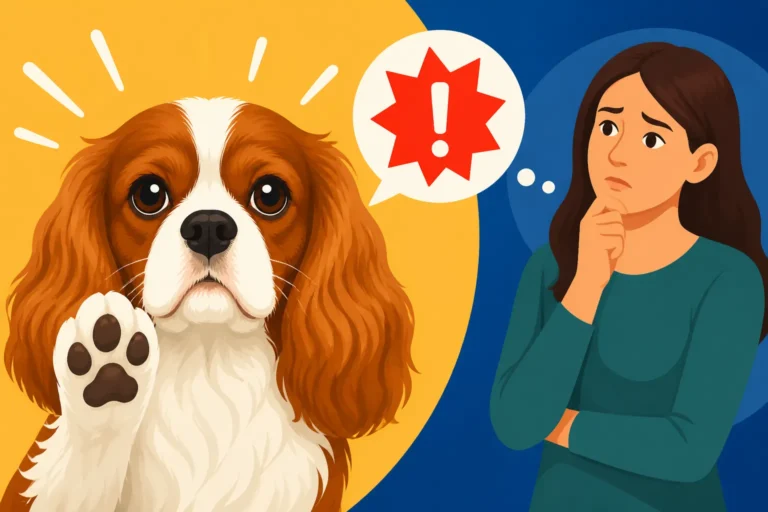
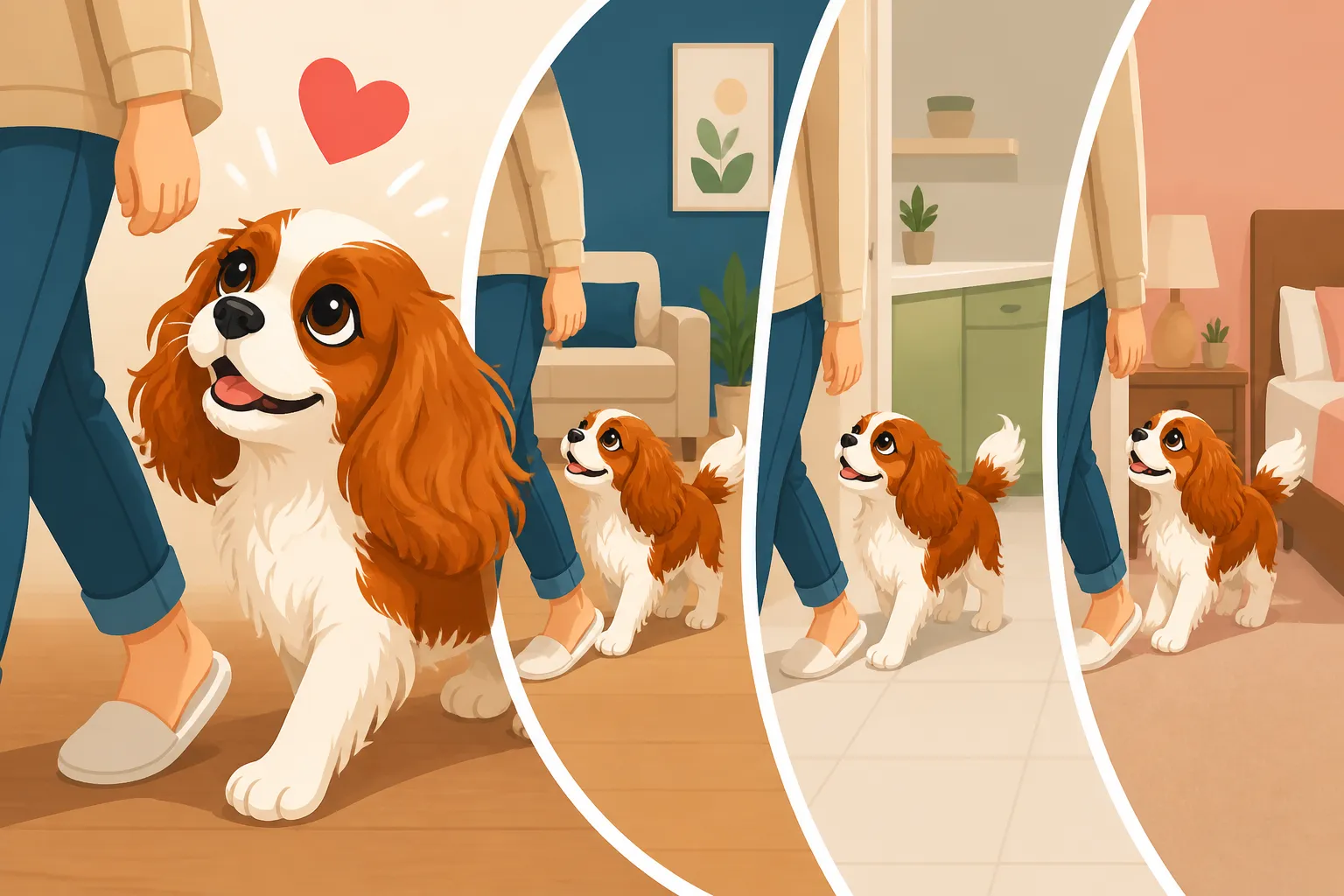
It's a familiar scene for any Cavalier King Charles Spaniel owner: you get up to grab a drink, and there they are, right behind your heels. You move to another room, and a little shadow trails faithfully. This constant companionship, while endearing, can sometimes leave you wondering if your sweet Cavalier will ever let you out of their sight. This comprehensive guide will delve into why Cavaliers become such devoted shadows, helping you understand their behavior and fostering a healthy balance of togetherness and independence.
The "Velcro Dog" Phenomenon: Why Cavaliers Stick So Close
Cavaliers are famous for their unwavering devotion, often earning them the affectionate moniker "Velcro dogs." It's not just a cute quirk; this intense desire for proximity is deeply embedded in their history, temperament, and even their physical makeup. Understanding these roots can help you appreciate why your Cavalier is always just a step behind.
A Deep Dive into Breed History and Temperament
To truly understand why your Cavalier follows you from room to room, we need to take a quick trip back in time. These aren't just any dogs; they are direct descendants of the toy spaniels cherished by European royalty for centuries. Think of King Charles II, who rarely went anywhere without his beloved little spaniels underfoot. Their primary purpose was to be companions, lap warmers, and loyal shadows. They weren't bred for hunting, guarding, or even complex tasks; their job was simply to be with their people. This historical role has shaped the very essence of the Cavalier temperament.
Today's Cavalier King Charles Spaniel carries that legacy forward. They are inherently gentle, affectionate, and people-oriented. They thrive on interaction and physical closeness. For a Cavalier, being near you isn't just a preference; it's practically a life's mission. They often seek to be involved in whatever you're doing, whether it's cooking dinner, watching TV, or even just puttering around the house. This constant presence isn't an act of defiance or neediness in the negative sense; it's their way of fulfilling their ancient purpose – to be your devoted companion. It's a hallmark of the breed, a trait that many owners cherish, and it's why they are so often called "Velcro dogs." You might even find yourself looking for more information on Why Cavaliers Are Called Velcro Dogs if you're curious about the origins of this endearing nickname.
The Instinct to Connect: Pack Mentality
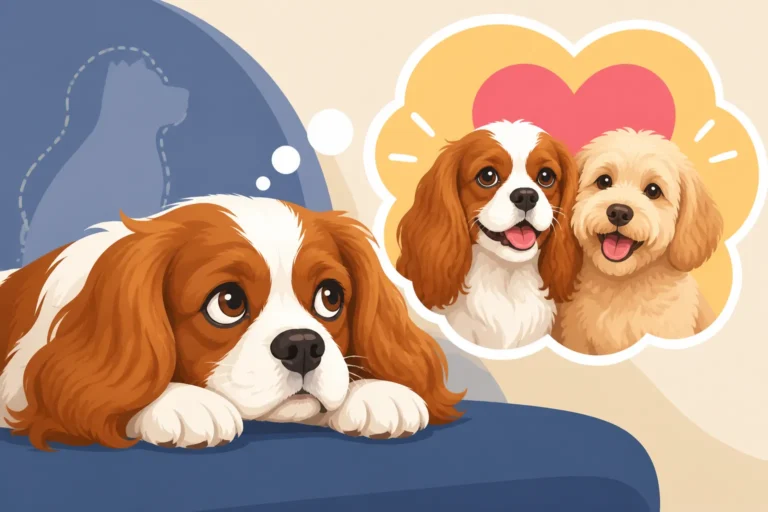
Beyond their historical role, Cavaliers also possess a strong pack instinct, like many domestic dogs. However, with Cavaliers, this instinct is often amplified due to their breeding as purely companion animals. In a wild canine pack, safety and survival depend on staying together. While our modern Cavaliers aren't facing the same threats, that deeply ingrained genetic programming still tells them that safety and comfort are found by remaining close to their "pack leaders"—which, of course, is you, their human family.
When you move from one room to another, your Cavalier sees this as a potential separation from the safety and warmth of the pack. They don't necessarily understand that you're just going to the kitchen for a snack and will be back in two minutes. Their instinct is to maintain cohesion. This isn't usually a sign of anxiety in a healthy, well-adjusted Cavalier, but rather a natural, primal desire to be part of the group. They want to know where you are, what you're doing, and to be included. It's their way of keeping tabs, ensuring the pack remains intact, and simply enjoying your presence. This strong desire for connection is part of what makes them such comforting and loyal family members, always ready to offer a soft head for a scratch or a warm body for a cuddle.
Early Experiences and Reinforcement
A Cavalier's propensity for following can also be significantly influenced by their early life experiences and the way we, as owners, inadvertently reinforce this behavior. From the moment a Cavalier puppy comes home, they are often showered with attention, cuddles, and praise when they are close to us. This positive reinforcement teaches them that being near their humans is a very good thing. If every time they follow you to the sofa, they get a pat or a kind word, they quickly learn that proximity equals reward.
Consider a typical scenario: a tiny Cavalier puppy tumbles after you as you walk, and you instinctively bend down, pick them up, and give them a big hug. This is lovely, of course, but it undeniably strengthens the association between following and positive attention. Over time, this consistent reinforcement molds their behavior. Furthermore, if a puppy is rarely left alone, even for short periods, they don't get the opportunity to develop a sense of independent comfort. They learn that the only truly safe and happy place is right by your side. While this creates an incredibly bonded pet, it can also lead to a dog who feels a genuine need to monitor your movements at all times. This isn't inherently bad, but understanding this dynamic can help you consciously shape behavior if the following becomes excessive or problematic.
Understanding Separation Anxiety vs. Affectionate Following
It’s crucial for Cavalier owners to differentiate between normal, breed-typical affectionate following and the more serious issue of separation anxiety. While both involve your dog wanting to be near you, their underlying motivations and the emotional state of your Cavalier are vastly different. Mistaking anxiety for simple clinginess can prevent you from addressing a genuine welfare concern.
Distinguishing Between Clinginess and Distress
The most important distinction between a Cavalier who loves to follow you and one suffering from separation anxiety lies in their emotional state when you are physically separated, even for a moment. An affectionately clingy Cavalier will often settle down and wait patiently if you step into the bathroom or go to another room, perhaps watching the door, but generally remaining calm. When you return, they might greet you happily, but it's not an explosion of relief. They might follow you around, but they don't seem panicked or stressed by your absence. They are simply enjoying your presence.
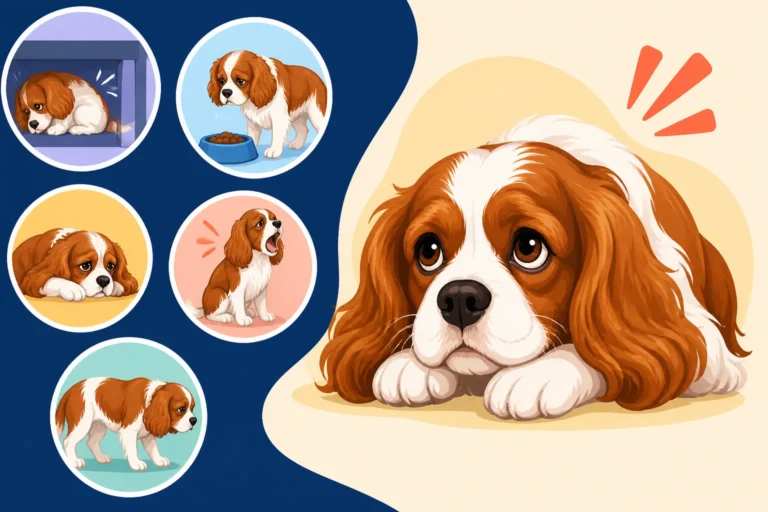
On the other hand, a Cavalier with separation anxiety will display clear signs of distress as soon as they perceive you're leaving, or even when you just move to another room where they can't follow. This distress is not about wanting to be with you; it's about a deep-seated fear and panic that sets in when they are alone. They might start pacing, panting excessively, drooling, whining, or even howling the moment they realize they're separated. Their body language will often convey tension, not contentment. It’s a profound emotional reaction, a fear of abandonment, rather than just a preference for company. Understanding this distinction is the first step in deciding how to address the behavior. If you're observing intense distress when you're gone, you might want to read Signs a Cavalier Is Distressed When Alone for more detailed indicators.
The Physical Manifestations of Anxiety
When a Cavalier is truly suffering from separation anxiety, their distress isn't just internal; it often manifests in a range of visible, and sometimes destructive, physical behaviors. These actions are not performed out of spite or naughtiness, but are desperate attempts to cope with overwhelming panic or to try and reunite with their absent human.
Common physical manifestations of separation anxiety include:
- Excessive vocalization: This can mean incessant barking, howling, or whining, often starting the moment you leave or even when you just close a door between you. A Cavalier that howls the moment you leave is a strong indicator of anxiety.
- Destructive chewing: Dogs may chew on doorframes, furniture, or personal items, particularly those that smell of you. This isn't just boredom; it's often a displacement behavior driven by stress, or an attempt to "escape" or get closer to you. You might see A Cavalier That Chews Doorframes When Alone.
- House soiling: Even perfectly house-trained Cavaliers might urinate or defecate indoors when left alone, particularly near exit points. This is not a spiteful act but a physiological response to extreme stress, where they lose control of their bodily functions.
- Pacing and panting: Restlessness, constant pacing back and forth, and heavy panting even when it's not hot, are strong indicators of anxiety. This often accompanies drooling, which can leave damp patches.
- Escape attempts: Some Cavaliers will scratch, dig, or chew at doors and windows, trying desperately to get out and find you. This can result in injuries to their paws, teeth, or gums.
These behaviors typically only occur when the dog is left alone or separated from their attachment figure. If your Cavalier exhibits these signs, especially intensely, it’s a clear signal that the following is driven by anxiety, not just affection, and requires intervention.
Why Extreme Following Can Be a Warning Sign
While a certain level of following is endearing and normal for Cavaliers, an extreme, pervasive, or sudden increase in clinginess can sometimes be a warning sign that something else is going on. It might not be full-blown separation anxiety yet, but it could be a precursor, or it could indicate an underlying issue that needs attention.
One significant concern is if the clinginess is coupled with a refusal to eat or drink when you're not present, or a general withdrawal from normal activities unless you initiate them. A Cavalier that refuses food until you return is often experiencing a level of stress that goes beyond simple preference. Additionally, if your Cavalier used to be more independent but has recently become glued to your side, it’s worth investigating. This change could signal:
- Pain or discomfort: Dogs, especially Cavaliers, are masters at hiding pain. An increase in clinginess can be a subtle plea for comfort and security if they are feeling unwell or in pain. They might be seeking your protection. This is especially true for senior Cavaliers; a sudden change in behavior could indicate a need for Pain Management for a Senior Cavalier or other veterinary attention.
- Age-related cognitive decline: Older Cavaliers might become more disoriented or anxious, leading them to stick closer to their primary caregiver for reassurance.
- Vision or hearing loss: As senses decline, a Cavalier might rely more on physical proximity to you to feel safe and navigate their environment.
- Changes in the household: A new baby, a move to a new home, a change in work schedule, or the loss of another pet can all make a Cavalier feel insecure and increase their need for your presence.
- Under-stimulation: A bored Cavalier might follow you around simply because you are the most interesting thing in the house.
If you observe an extreme or sudden shift in your Cavalier's following behavior, especially when paired with other subtle changes, it's always wise to consult your veterinarian to rule out any underlying medical causes. Behavioral changes are often the first, and sometimes only, indicator that a dog isn't feeling quite right.
| Symptom Category | Affectionate Following (Normal) | Separation Anxiety (Distress) |
|---|---|---|
| Vocalization | Minimal; occasional greeting sounds | Excessive barking, howling, whining when alone/separated |
| Destructive Behavior | Rare; perhaps curiosity-driven, but not panic-induced | Chewing, digging, scratching, especially near exits |
| House Soiling | Rarely, if ever, when left alone | Frequent urination/defecation indoors when alone |
| Body Language | Relaxed, calm, observant, content | Pacing, panting, drooling, trembling, tense, desperate |
| Reaction to Departure | May watch you leave, then settles | Panics at departure cues (keys, coat), tries to block you |
| Reaction to Return | Happy greeting, then settles quickly | Exaggerated, frantic greeting, takes time to calm |
| Eating Habits | Eats normally when alone | May refuse food/treats when alone/separated |
| Motivation | Desire for companionship, comfort, connection | Fear, panic, distress over perceived abandonment |
Creating Healthy Boundaries and Independence
While their devotion is truly one of the most charming Cavalier traits, fostering some independence is vital for their well-being, and for yours! You don't want them to be constantly stressed when you leave the room, and you certainly don't want them developing full-blown separation anxiety. Teaching them that it's okay, and even good, to be alone sometimes can prevent many future problems.
The Importance of Designated "Safe Spaces"
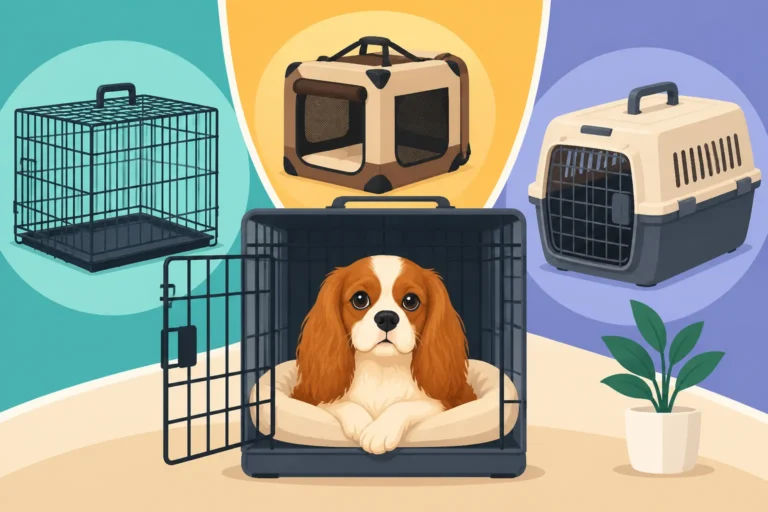
One of the most effective ways to encourage independence in a Cavalier who follows you room to room is by establishing a designated "safe space" that is exclusively theirs. This isn't a punishment zone; it's a comforting sanctuary where they can feel secure and relaxed, even when you're not right next to them. This space could be a comfortable dog bed in a quiet corner of a main living area, a soft crate, or even a pen if you have a puppy or a particularly anxious dog.
The key is to make this space overwhelmingly positive. Fill it with soft blankets, their favorite toys, and perhaps a long-lasting chew or a puzzle toy to keep them happily occupied. Teach them to associate this spot with good things, like treats and quiet time. Avoid sending them to their safe space as a consequence for misbehavior. Instead, encourage them to go there voluntarily with gentle cues like "Go to your bed" or "Place." When they are in their safe space, especially initially, make sure they are not disturbed. This helps them understand that it's a place for calm and rest. Over time, your Cavalier will learn that this personal retreat is a perfectly fine place to be, even if you’re momentarily out of sight. A cozy crate, for example, can become a den where they feel naturally secure. For crate training, resources like BAXTER & Bella can offer structured guidance, even if your Cavalier panics in a crate, there are methods to introduce it positively. Choosing a crate a Cavalier will rest in requires comfort and positive association.
Gradual Desensitization and Alone Time Training
Building your Cavalier's tolerance for being alone is a process of gradual desensitization, much like dipping your toe into cold water rather than jumping straight into the deep end. The goal is to slowly increase the duration and distance of your absences, always ensuring your Cavalier remains calm and comfortable. This isn't about ignoring them, but about systematically teaching them that your departures are temporary and not a cause for alarm.
Start incredibly small. The first step might be as simple as standing up and walking two steps away, then immediately returning and offering a calm "good dog" and a treat, before they even have a chance to follow. Gradually increase the distance – walk to the other side of the room, then into an adjacent room for just a second or two, then back. The key is to return before your Cavalier shows any signs of distress. If they start to follow or whine, you've gone too far, too fast. Reset and try a shorter duration.
As they become more comfortable, you can introduce very short periods of actual separation, like stepping out of sight for 10-20 seconds while they are happily engaged with a chew toy in their safe space. Practice departure routines that calm a Cavalier, avoiding big goodbyes. The idea is to make your exits and entries as low-key as possible. Don't make a fuss when you leave or when you return. This neutralizes the event and teaches them that it's just a normal part of life. Remember that Building from Thirty Seconds With a Cavalier is a good starting point for extending alone time. This systematic approach helps your Cavalier build confidence and understand that being alone doesn't mean being abandoned.
Engaging Toys and Chews for Independent Play
One of the most powerful tools in encouraging independence and managing a Cavalier who follows you room to room is to provide highly engaging, long-lasting toys and chews that they can enjoy independently. If your Cavalier is happily occupied with something delicious or mentally stimulating, they are less likely to notice, or care, that you’ve momentarily slipped out of sight.
Think beyond the basic squeaky toy. Puzzle feeders, for instance, are fantastic. You can stuff them with softened kibble, peanut butter, or specialized pastes, and freeze them to make the challenge last even longer. Your Cavalier will spend significant time focused on extracting the treat, providing both mental stimulation and a distraction from your movements. Chews, like dental chews or natural chews (choose appropriate sizes and types for your Cavalier's chewing style and supervise initially), can also keep them happily occupied for extended periods.
Introducing these special "alone time" toys before you leave the room or step out of sight makes the experience positive. They learn that your departure coincides with something wonderful. Reserve these high-value items specifically for moments when you want them to be independently occupied. You can find a fantastic selection of these types of toys on platforms like Amazon, from durable rubber feeders to mentally stimulating puzzles. Ensure the toys are safe and appropriate for your Cavalier's size and chewing strength. This strategy helps shift their focus from your presence to a rewarding, self-sufficient activity, fostering a sense of contentment even when they're not glued to your side.
Addressing the Underlying Causes of Excessive Following
Sometimes, a Cavalier's tendency to follow isn't just a breed trait or learned behavior; it can be exacerbated, or even caused, by underlying issues. It's crucial to consider these possibilities, as simply trying to train away the following without addressing the root cause might not be effective and could even increase their distress.
Health Concerns That Might Increase Clinginess
Dogs are incredibly stoic creatures, often masking pain or discomfort until it becomes severe. A sudden or increased tendency for your Cavalier to follow you relentlessly, especially if it's a change from their usual behavior, could be a subtle indicator of an underlying health problem. They might be seeking comfort, reassurance, or a sense of security from you because they don't feel well.
Conditions that could manifest as increased clinginess include:
- Pain: Whether it's chronic arthritis in an older Cavalier, a subtle back issue, or even something like neck pain often associated with Syringomyelia and Chiari Malformation in Cavaliers, discomfort can make a dog more anxious and reliant on their human. A Cavalier that yelps when picked up, for example, might be silently suffering.
- Sensory Impairment: As Cavaliers age, they can develop Deafness and Hearing Loss in Cavaliers or experience changes in their vision. If they can't see or hear you as well, they might stick closer to ensure they don't get lost or separated, or to rely on your presence for navigation and safety.
- Cognitive Dysfunction Syndrome (CDS): In senior Cavaliers, CDS (sometimes referred to as "doggy dementia") can cause disorientation, anxiety, and an increased need for proximity to their primary caregiver. They might follow you because they're feeling confused and you represent their anchor.
- Internal Illness: Less obvious illnesses, even something as common as dental pain from Cavalier Dental Disease in a Crowded Jaw, can make a dog feel vulnerable and seek constant companionship.
If you notice a sudden increase in clinginess, particularly if accompanied by other subtle changes like altered sleep patterns, reduced appetite, or reluctance to engage in once-loved activities, a visit to your veterinarian is highly recommended. Ruling out medical causes is always the first step in addressing any significant behavioral change.
Environmental Changes and Stressors
Dogs, including our adaptable Cavaliers, thrive on routine and predictability. Any significant change in their environment or daily schedule can be a source of stress, potentially leading to an increase in following behavior as they seek comfort and stability from you. When their world shifts, you become their constant.
Consider these common environmental changes or stressors:
- Moving to a new home: A new house means unfamiliar smells, sounds, and layouts. Your Cavalier might stick to you like glue as they try to navigate and feel secure in this new territory.
- Changes in household composition: The arrival of a new baby, a new pet, or even a houseguest can disrupt their sense of order. They might feel their place in the "pack" is threatened or simply become more anxious with the new dynamics.
- Changes in routine: A sudden shift in your work schedule, someone returning to the office after working from home, or even just a change in walk times can be unsettling. If their established daily rhythm is thrown off, they might become more dependent on your constant presence.
- Loud noises or construction: Ongoing construction nearby, frequent thunderstorms, or fireworks can create an anxious environment. Your Cavalier might follow you more closely, seeking reassurance during these stressful periods.
- Loss of a family member or another pet: The grieving process can manifest in increased clinginess, as they cope with the absence of a loved one and seek comfort from remaining family members.
Recognizing these stressors can help you provide extra reassurance and stability during transition periods. Sometimes, simply acknowledging their stress and maintaining as much routine as possible, while offering extra comfort, can help your Cavalier adjust and reduce their need to constantly shadow you.
Ensuring Their Needs Are Met: Physical and Mental Stimulation
A Cavalier who follows you room to room might sometimes be doing so out of sheer boredom or a lack of sufficient physical and mental stimulation. While Cavaliers aren't high-energy working dogs, they are still intelligent and playful, and they require more than just a couple of short walks a day to be truly content. An under-stimulated Cavalier might see you as their only source of entertainment and engagement, leading them to monitor your every move.
- Physical Exercise: Even if your Cavalier has a heart murmur and you need to be mindful of Whether Exercise Is Safe for a Cavalier With MVD, they still need regular, appropriate physical activity. This isn't just about walks; it can include short bursts of fetch in the yard, gentle play sessions, or even a sniffy walk in a new environment. Sufficient physical exercise helps burn off excess energy and promotes a calm demeanor.
- Mental Stimulation: This is often overlooked but is incredibly important. Cavaliers love to learn and solve problems. Incorporate short, positive training sessions throughout the day. Teach them new tricks, practice obedience cues like "sit," "stay," and "down" using Reward-Based Training With a Cavalier. Use puzzle toys that require them to figure out how to get a treat. Even simply rotating their toys or hiding treats for them to find can provide valuable mental engagement. Consider signing up for a virtual puppy class from a service like BAXTER & Bella, even for an older dog, as they often have great ideas for mental games.
- Enrichment: Provide a variety of textures, smells, and experiences. Allow them to sniff on walks, offer them safe chew items, or let them watch the world go by from a comfortable window perch. A dog with a rich, stimulating daily life is less likely to fixate solely on your movements.
When a Cavalier's needs for both physical exertion and mental engagement are consistently met, they often become more content and balanced, reducing the compulsive need to shadow your every step. They learn to be comfortable in their own skin, and in their own space, even when you're not immediately available.
Practical Strategies for Encouraging Independence
Once you’ve ruled out medical issues and understood the behavioral roots, you can implement practical, consistent strategies to encourage your Cavalier’s independence. These aren't about pushing them away, but about empowering them to feel secure and content even when you're not within arm's reach.
Structured "Stay" and "Place" Training
Teaching your Cavalier a solid "stay" or "place" command is incredibly valuable for encouraging independence. These commands teach your dog to remain in a designated spot, even when you move away, building their self-control and confidence in their ability to be separate from you.
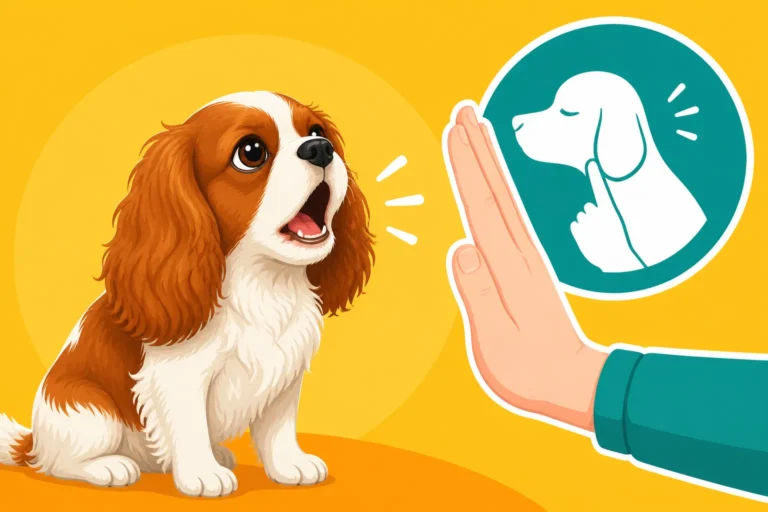
Start with your Cavalier on a comfy mat or dog bed. Lure them onto it and reward them for being there. Then, introduce the "place" or "stay" cue. Initially, only ask for a second or two, then release them with a cheerful "okay!" and a reward. Gradually, very gradually, increase the duration. Once they can hold the "stay" reliably for a few seconds, start adding small movements from your side. Take one step away and immediately return and reward. Then two steps. Then walk a circle around them. The key is to keep these sessions short, positive, and end them before your Cavalier fails.
The "place" command, in particular, teaches them that their designated safe space is a good place to be, even when you're busy elsewhere. You can use a long-lasting chew toy or a puzzle feeder to keep them engaged while they are on their "place." For instance, if you're working in your home office, you can send your Cavalier to their bed with a stuffed Kong. They learn that being on their "place" means good things happen, and they don't have to follow you. This creates a valuable mental anchor for them, fostering a sense of security in their own designated spot. Online training programs like BAXTER & Bella often provide step-by-step guides for teaching these foundational commands effectively.
Incorporating Short, Deliberate Departures
The goal here is to make your departures a non-event, breaking the association that your movement equals potential separation anxiety. This strategy involves incorporating many short, deliberate departures and returns throughout your day, keeping them low-key and unemotional.
Think of it as the "exit and entry" game. Instead of only leaving when you're heading out for hours, start leaving the room for tiny increments. Step into the bathroom, close the door, wait five seconds, then come back out as if nothing happened. Don't make eye contact, don't say goodbye, and don't make a big fuss when you return. Wait until your Cavalier is calm before giving any attention. Repeat this frequently throughout the day. Go into the kitchen for 10 seconds, then return. Step out to grab the mail, then come back in.
The idea is to desensitize your Cavalier to your movements. If they learn that you leaving a room or even the house for a minute isn't a big deal, and that you always come back, their anxiety around your departures will lessen. Over time, you can gradually increase the duration of these short absences. The less emotion you attach to your comings and goings, the more your Cavalier will understand that it’s just a normal part of life, and that you will always return. This technique works best when paired with making alone time a positive experience. You might also want to look at Departure Routines That Calm a Cavalier for more tips on making your exits smoother.
Making Alone Time a Positive Experience
One of the most crucial elements in fostering independence is to transform "alone time" from a potentially stressful event into a positive, even eagerly anticipated, experience for your Cavalier. This means associating your absence with special treats, engaging toys, and quiet relaxation.
Before you leave the room or the house, give your Cavalier a high-value, long-lasting chew or a favorite puzzle toy stuffed with treats. This could be a durable rubber toy filled with peanut butter and frozen, a treat-dispensing ball, or a chew stick that takes a while to get through. The trick is to give them this special item only when you are about to leave them alone. They will quickly learn that "human leaving" means "super yummy treat time!"
Ensure they are in their comfortable, safe space (like their crate or bed) with their special item. You can also leave a radio or TV playing softly to provide some white noise and mask outside sounds. Some owners find that a smart speaker playing calming dog music or a podcast can help. When you return, don't immediately grab the toy; let them finish it or take it away calmly. Again, keep your re-entry low-key and avoid an overly excited reunion initially. Wait until they are calm before offering praise or pets. This consistent routine teaches your Cavalier that your departures are actually rewarding and peaceful, rather than something to dread. For instance, Amazon offers a wide array of interactive puzzle toys that can keep your Cavalier engaged for longer periods.
When to Seek Professional Guidance
While many Cavaliers can learn greater independence with consistent training and environmental management, there are times when their following behavior is so deeply ingrained, or rooted in genuine anxiety, that professional help becomes essential. Knowing when to reach out can make a significant difference in your Cavalier's quality of life and your peace of mind.
Recognizing When You Need a Certified Trainer
If you've diligently applied the strategies mentioned above—creating safe spaces, practicing gradual desensitization, and making alone time positive—but your Cavalier's excessive following or signs of distress persist, it's a strong indicator that you need to bring in a certified professional dog trainer or a veterinary behaviorist. These experts have the knowledge and experience to assess complex behavioral patterns and tailor a plan specifically for your dog.
Look for trainers who are certified and use positive, force-free training methods. Avoid anyone who suggests harsh corrections or punishment, as this can exacerbate anxiety in sensitive breeds like Cavaliers. A professional trainer can observe your Cavalier's behavior in your home environment, help identify subtle triggers, and guide you through more advanced behavior modification techniques. They can also differentiate between mild clinginess and true separation anxiety, which requires a more intensive approach. For example, if you're struggling to teach specific commands or to manage your Cavalier when they're left, a program from a service like BAXTER & Bella can provide online support and resources, or help you locate an in-person trainer. Sometimes, an experienced eye can spot things you might miss and help you adjust your approach effectively. They can help you address What an Adult Cavalier Has to Unlearn if previous habits are hindering progress.
Consulting Your Veterinarian for Behavioral Concerns
Before embarking on any intensive behavioral modification plan, or if your Cavalier's clinginess has increased suddenly, your very first stop should always be your veterinarian. As discussed earlier, many medical conditions can manifest as behavioral changes, including increased anxiety, clinginess, or unusual following. Your vet can perform a thorough physical examination, run diagnostic tests if necessary, and rule out any underlying health issues that might be contributing to the behavior.
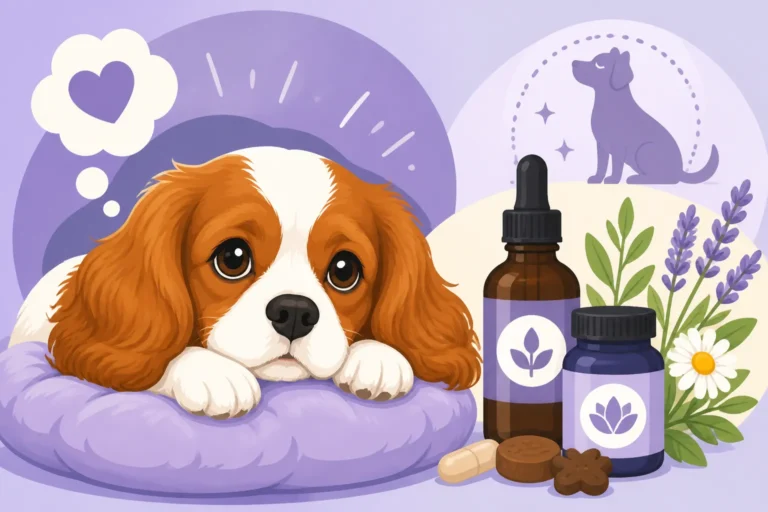
This step is critical because treating a behavioral problem without addressing a medical cause is often futile and unfair to your dog. For instance, if your Cavalier is in pain, even subtle pain, they will naturally seek comfort from you. If their hearing or eyesight is deteriorating, they will rely more heavily on your presence. Conditions like Syringomyelia and Chiari Malformation in Cavaliers can cause chronic pain and neurological symptoms that profoundly affect behavior. Your veterinarian can identify these issues and provide appropriate treatment or refer you to a specialist, such as a veterinary neurologist or cardiologist, if needed. They can also discuss whether medication for severe anxiety might be appropriate as part of a comprehensive treatment plan, often in conjunction with a veterinary behaviorist. For example, if your Cavalier is showing intense anxiety when left alone, your vet might discuss Medication for Cavalier Separation Anxiety.
The Benefits of Professional Support for Both You and Your Cavalier
Bringing in professional help for your Cavalier's excessive following or separation anxiety isn't a sign of failure; it's a sign of responsible pet ownership and a commitment to their well-being. The benefits extend to both you and your beloved companion.
For your Cavalier, professional support can provide:
- Tailored Solutions: A behaviorist or certified trainer can create a personalized plan that addresses your dog's specific triggers, personality, and severity of anxiety.
- Reduced Stress: Effective intervention can significantly reduce your Cavalier's distress, leading to a happier, calmer dog who feels more secure and independent.
- Improved Quality of Life: A dog who isn't constantly anxious about being alone can enjoy their life more fully, engaging in play, resting peacefully, and exploring their environment without panic.
For you, the owner, professional guidance offers:
- Peace of Mind: Knowing you're following an expert-backed plan can alleviate your own stress and guilt about your Cavalier's behavior.
- Effective Strategies: You'll learn proven techniques and gain confidence in implementing them, avoiding common pitfalls that can worsen the problem.
- Stronger Bond: When your Cavalier is more balanced and less anxious, your relationship deepens, built on trust and understanding rather than codependency.
- Long-term Success: Professional intervention helps set your Cavalier up for long-term success, equipping them with coping mechanisms that will serve them throughout their lives.
Ultimately, investing in professional support is an investment in your Cavalier's emotional health and the harmonious relationship you share.
Living Harmoniously with a Shadow Cavalier
Even with the best training, some degree of "velcro" behavior is inherent to the Cavalier King Charles Spaniel breed. The goal isn't to eradicate their devotion entirely, but to manage it so that it's a source of joy and companionship, not anxiety or frustration. Learning to embrace their natural inclinations while setting healthy boundaries creates a balanced and fulfilling life for both of you.
Embracing the Breed's Devotion (Within Reason)
It's important to remember that the Cavalier's desire for constant companionship is a feature, not a bug, of the breed. It's one of the primary reasons so many people fall in love with them! Their unwavering loyalty and affectionate nature are what make them such exceptional companion animals. Once you've established healthy boundaries and ruled out anxiety, a certain level of following and closeness is simply part of owning a Cavalier.
Embracing this means accepting that your Cavalier will likely always prefer to be in the same room as you, or at least within earshot. They might choose to nap at your feet while you work, or follow you into the bathroom (often called A Cavalier That Follows You to the Bathroom), or greet you with unbridled joy whenever you return, even from a short trip to the mailbox. These are expressions of their deep love and attachment. Instead of viewing this as an inconvenience, try to see it as the unique charm of the breed. Provide comfortable beds or mats in every room you frequent, so they have a designated spot to settle near you without always being right under your feet. Appreciate their presence, offer a gentle pat, and acknowledge their devotion without inadvertently reinforcing an unhealthy dependency. It’s part of the delight of having such a loving dog.
Maintaining Consistency and Patience
Training a Cavalier, especially when it comes to behaviors rooted in their deep-seated desire for companionship, requires an enormous amount of consistency and patience. There are no quick fixes, and setbacks are a normal part of the process. Every family member needs to be on board with the same rules and routines to avoid confusing your Cavalier.
Consistency means that every time you leave, even for a few seconds, you follow the same calm, low-key departure routine. It means consistently using their "place" command and rewarding them for independent behavior. It means not giving in to attention-seeking behaviors like whining or pawing, and only rewarding them when they are calm and settled. If one person allows the Cavalier to follow everywhere and another tries to enforce boundaries, your dog won't understand what's expected of them.
Patience is equally vital. Behavioral change, especially for a trait so integral to the breed, takes time. Your Cavalier won't become perfectly independent overnight. There will be days when they seem to regress, or when you feel like you're not making any progress. Don't get discouraged. Celebrate the small victories—the extra minute they spent in their bed, the time they didn't follow you when you walked away. Remember that you are slowly reshaping deeply ingrained instincts and habits, and that requires a gentle, persistent hand. Your Cavalier relies on you for clear guidance, and your calm, consistent approach will ultimately help them feel more secure.
The Joy of a Deeply Connected Companion
Despite the occasional humorous inconvenience of always having a shadow, the profound connection you share with a Cavalier King Charles Spaniel is truly one of life's great joys. Their "velcro" nature means you always have a warm, loving presence by your side, a comforting furry friend who makes every moment a little brighter. This breed epitomizes what it means to be a companion dog, and their devotion is a gift.
Think of the moments they curl up next to you on the sofa, a soft sigh escaping them as they settle. Or the way they greet you at the door, their entire body wiggling with pure happiness, reminding you that you are truly loved. This deep connection fosters a sense of security and well-being for both of you. They are constant, comforting companions, always ready to offer a soft head for a pet, a warm lap to nap on, or simply a quiet presence.
Once you’ve addressed any underlying anxiety and established healthy boundaries, you can fully embrace this unique aspect of the Cavalier personality. It’s not just a dog; it’s a living, breathing extension of your family, deeply intertwined with your daily life. The small inconveniences of a shadow dog are far outweighed by the immeasurable love, loyalty, and companionship they bring into your home. They remind us of the simple pleasures and the profound bond between humans and their canine friends. While it’s good for them to have some independence, the heart of a Cavalier beats strongest when they are close to their beloved human.
Disclaimer
This article is for general informational purposes only and does not constitute professional advice. Laws, prices and regulations vary by location and change over time. Consult a qualified professional for guidance on your specific situation.