Training a Cavalier With Praise Rather Than Pressure
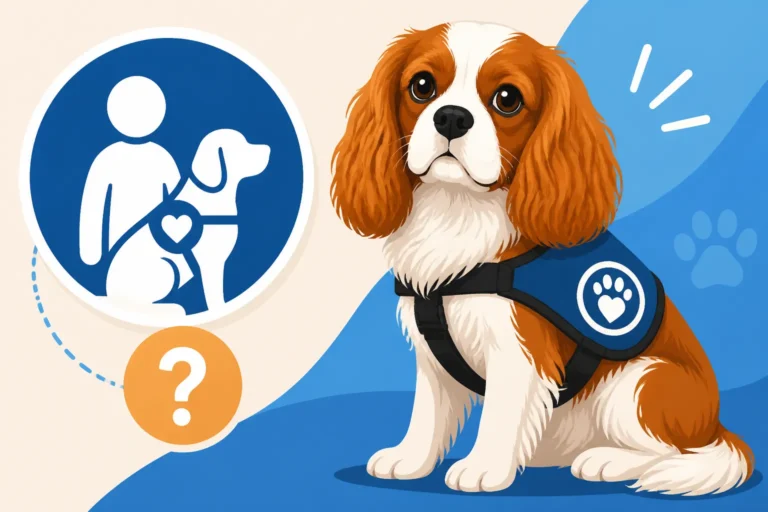
It's incredibly frustrating when you're trying your best to communicate with your beloved Cavalier, but traditional training methods just don't seem to click, often leaving both of you stressed and confused. Many owners inadvertently resort to outdated techniques that clash with the gentle, sensitive nature of these sweet dogs. This guide is all about embracing a compassionate, praise-based approach to training your Cavalier King Charles Spaniel, focusing on building a strong bond and achieving lasting results without a hint of pressure or fear.
Understanding the Cavalier Temperament for Training
Cavalier King Charles Spaniels are renowned for their loving, eager-to-please dispositions. They were literally bred to be companions, sitting on laps and charming their way into hearts for centuries. This rich history means they thrive on connection, affection, and positive interactions. Understanding this fundamental aspect of their temperament is the first, most crucial step in any successful training endeavor. Trying to force a Cavalier to comply through fear or intimidation goes against everything that makes them such wonderful pets, and it rarely yields the desired long-term results.
Why Cavaliers Thrive on Positive Reinforcement
Imagine a dog that lives for a kind word, a gentle stroke, and the sheer joy of making you happy. That's a Cavalier. Their sensitive souls mean they are exquisitely tuned into human emotions, and they respond dramatically to encouragement and praise. When you reward a behavior you like with something they value – be it a tasty treat, an enthusiastic "Good dog!", or a cherished cuddle – you're essentially telling them, "Yes! Do that again!" This builds their confidence and deepens their understanding of what you're asking. Positive reinforcement taps into their natural desire to please and their innate intelligence, making learning a joyful experience rather than a chore. It avoids the shutdown or fear-based behaviors that can arise from harsh corrections, which can manifest as a Cavalier who cowers, avoids eye contact, or even becomes reactive because they're constantly anticipating punishment rather than looking forward to praise.
A Cavalier's willingness to work for affection and food means they are highly malleable in the right hands. They aren't stubborn; they simply seek clarity and kindness. When training feels like a fun game where they win rewards for trying, they engage enthusiastically. This approach fosters a happier, more secure dog who trusts you implicitly, rather than one who might perform out of anxiety about what will happen if they don't. Think of it as investing in a relationship built on mutual respect and understanding, rather than a transactional one based on compliance.
The Pitfalls of Aversive Training with a Cavalier
Many traditional dog training methods unfortunately still advocate for techniques rooted in dominance theory, often involving physical corrections, harsh verbal reprimands, or equipment like choke chains and shock collars. While these methods might seem to produce quick results by suppressing unwanted behaviors, they come at a significant cost, especially for a sensitive breed like the Cavalier. A Cavalier subjected to aversive training is likely to become fearful, anxious, or develop a profound distrust in their handler. For example, a sharp leash correction for pulling might momentarily stop the pulling, but it teaches the dog that being near you on a leash is an unpleasant experience, potentially leading to a more reluctant walker or even reactivity towards other dogs or people because they associate those encounters with pain or fear.
Aversive methods can also lead to what's known as "learned helplessness," where the dog simply shuts down, offering no behaviors because they are afraid of doing the wrong thing. A Cavalier that rolls over and freezes, or actively tries to avoid interacting with you during a training session, is often a sign of a dog under immense pressure, not one who is learning effectively. These dogs might appear "obedient" on the surface, but their spirit is diminished, and their bond with their owner is compromised. Instead of strengthening the relationship, these methods erode trust, making the dog less likely to engage with you voluntarily and often leading to other behavioral issues down the line, such as anxiety, aggression, or resource guarding. You'll often find that even if an unwanted behavior is suppressed, the underlying emotion causing it, like fear or frustration, remains and might surface in other, less predictable ways. Consider Why Shouting Sets a Cavalier Back Weeks or A Cavalier That Rolls Over and Freezes for more insight into how these dogs react to pressure.
Building a Foundation of Trust and Communication
Before you even begin teaching specific cues like "sit" or "stay," the most important thing you can do for your Cavalier is to establish a strong foundation of trust. They need to know you are their safe harbor, their benevolent leader who will guide them with kindness and consistency. This isn't about being "alpha" or asserting dominance; it's about being a reliable, predictable source of good things and clear communication. A Cavalier that trusts you is eager to learn from you, confident in exploring the world with you, and generally a happier, more well-adjusted companion.
The Importance of Early Socialization and Gentle Exposure
Socialization isn't just about letting your puppy play with other dogs; it's about exposing them to a wide variety of sights, sounds, smells, people, and environments in a positive and controlled way. For a Cavalier puppy, this is crucial during their prime socialization window, typically up to 16 weeks of age, but it should continue gently throughout their lives. Introduce them to different surfaces, from carpet to concrete to grass. Let them hear various noises, from vacuum cleaners to doorbells (at a low volume at first) to city traffic. Invite vaccinated, calm dogs for supervised play dates, and expose them to friendly strangers of all ages and appearances. The key word here is gentle. You're aiming for positive associations, not overwhelming experiences. If your Cavalier shows any signs of fear or anxiety, back off and try again at a lower intensity, pairing the experience with high-value treats and praise.
Think of it as building a mental toolkit for navigating the world. A well-socialized Cavalier is more resilient, less prone to fear-based reactions, and generally more confident. Without proper, positive socialization, a Cavalier can become timid, anxious, or reactive, barking at anything new or retreating from unfamiliar situations. This is especially true for Socializing a Cavalier Puppy Gently, where careful introduction is key. Consider enrolling in a well-run puppy class that emphasizes positive reinforcement and offers supervised play, as this can be an invaluable resource for both socialization and foundational training.
Establishing Clear, Consistent Expectations Without Force
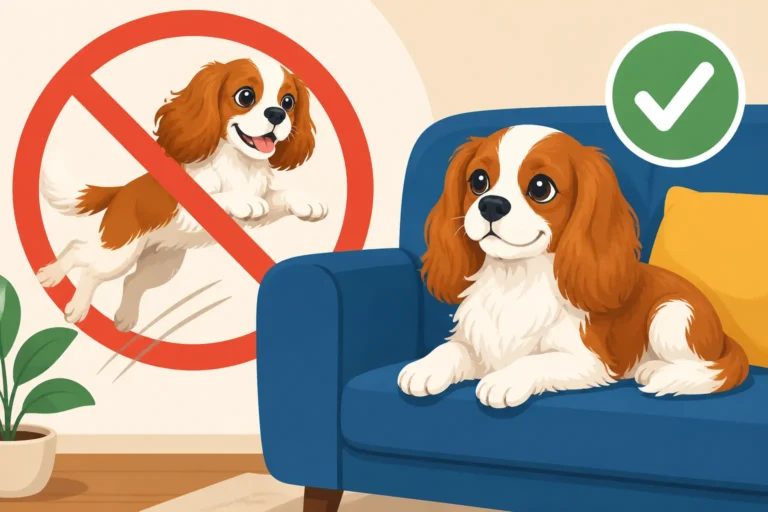
Dogs, especially intelligent ones like Cavaliers, thrive on consistency and predictability. They don't understand our complex human language immediately, but they are masters at picking up patterns. When you establish clear expectations for their behavior and consistently reinforce those expectations, you create a framework within which they feel secure and can learn effectively. This means that everyone in the household needs to be on the same page regarding rules and commands. For instance, if "off" means four paws on the floor when greeting, everyone must enforce it the same way, every time, rewarding the "off" behavior.
The "without force" part is paramount for a Cavalier. Instead of physically manipulating them into a "sit" or yanking them into position, you're going to lure them or capture the behavior when they offer it naturally. For example, to teach "sit," hold a treat near their nose and slowly move it towards their tail. As their nose follows, their rear naturally lowers to the ground. The moment their bottom touches, say "Yes!" or click, and give the treat. This is clear communication: "That action (sitting) earned you this reward!" Repeating this process consistently, with the same verbal cue, will quickly teach them what "sit" means. It builds a history of positive experiences, showing them that listening to you leads to good things, not unpleasant corrections.
Key Principles of Praise-Based Training
Praise-based training, often referred to as positive reinforcement training, is more than just giving treats. It's a philosophy built on rewarding desired behaviors and managing the environment to prevent unwanted ones, all while fostering a strong, joyful relationship between you and your Cavalier. It's about empowering your dog to make good choices because they learn that good choices lead to great outcomes. This approach respects your Cavalier's innate intelligence and their desire to engage with you, making learning a collaborative and fun experience.
The Power of Verbal Praise and Affection
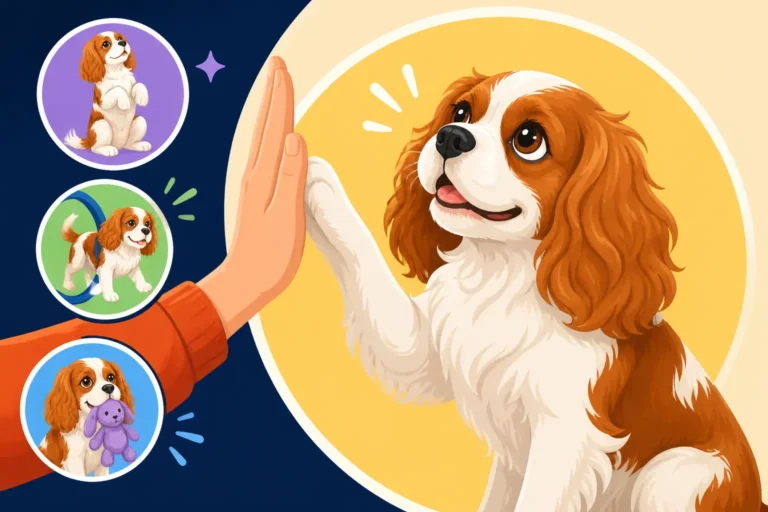
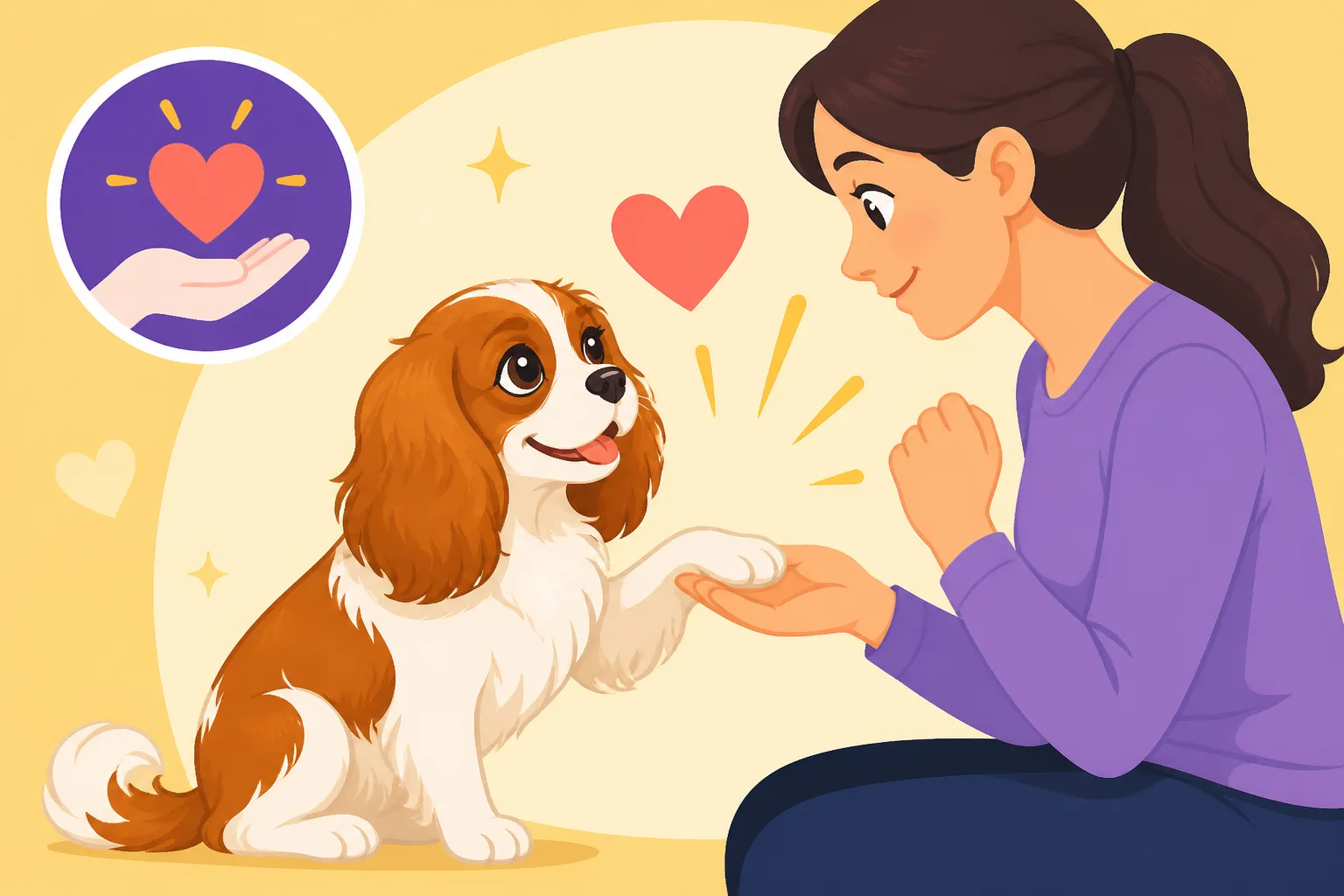
For a Cavalier, your voice is a powerful tool. Enthusiastic, high-pitched verbal praise like "Yes! Good dog!" or "What a clever boy!" can be just as reinforcing as a treat, especially once your Cavalier understands that your praise often predicts a tasty reward. The key is sincerity and excitement in your tone. Imagine how a Cavalier's tail wags and their whole body wiggles when you express genuine delight in their actions. This positive emotional feedback is incredibly rewarding for them and strengthens the bond between you. After all, they live to be loved!
Beyond verbal praise, physical affection is liquid gold for a Cavalier. A gentle scratch behind the ears, a loving rub on their chest, or a comforting snuggle on the sofa can be powerful motivators. Once your Cavalier reliably performs a behavior for a treat, you can start interspersing verbal praise and affection as rewards, gradually teaching them that your approval is a wonderful thing in itself. This doesn't mean stopping treats entirely, especially for new or difficult behaviors, but it diversifies their reward system. Always remember to deliver praise and affection immediately after the desired behavior, so your Cavalier clearly understands what they're being rewarded for. This immediate feedback is crucial for effective communication.
Using High-Value Rewards Effectively
Not all rewards are created equal, and understanding what truly motivates your individual Cavalier is vital. While some might be happy with their regular kibble, others need something a bit more enticing, especially when learning something new or working in distracting environments. These are "high-value" rewards – tiny, soft, smelly treats like cooked chicken, cheese, or hot dogs. The smellier and tastier, the better! The size is important too; keep them pea-sized so your Cavalier can eat them quickly and get back to learning without filling up too fast. This also makes Treats a Cavalier Will Trade Anything For a highly effective tool.
Beyond food, play can be a powerful reward. A quick game of tug with a favorite toy, a toss of a soft ball, or even a short chase can be incredibly reinforcing for some Cavaliers. The key is to match the reward to the behavior and the situation. For everyday behaviors in a low-distraction environment, regular kibble might suffice. But when you're teaching a vital recall command in a park, those cooked chicken pieces are going to be far more effective. Always be prepared with a variety of rewards, and watch your Cavalier's response to see what they find most motivating at any given moment. A treat pouch worn on your hip is an invaluable tool for keeping rewards readily accessible for instant delivery.
Marker Training: Clickers and Verbal Markers
Marker training is a fantastic way to communicate precisely with your Cavalier, telling them exactly the moment they did something right. The most common marker is a clicker – a small device that makes a distinct, consistent sound. You can also use a verbal marker, like a sharp, enthusiastic "Yes!" The principle is the same: the marker signal tells your dog, "That exact behavior you just did? That's what I want! And a reward is coming!"
The process is simple:
- Charge the clicker: In a quiet environment, click, then immediately give your Cavalier a high-value treat. Repeat this 10-20 times in short sessions over a few days until your Cavalier associates the click with good things (they might perk up or look for a treat after the click).
- Mark the behavior: When your Cavalier performs a desired action (even partially), click the instant it happens, then immediately follow with a treat. If you're teaching "sit," the moment their bottom touches the floor, click, then treat.
- Add the cue: Once your Cavalier is reliably offering the behavior for a click and treat, you can start adding your verbal cue just before they perform the action. Say "Sit," then as they start to sit, click, then treat.
- Fade the clicker: Eventually, your verbal cue and the reward will be enough, and you can gradually reduce your reliance on the clicker, using it primarily for teaching new, complex behaviors.
The consistency of the clicker sound makes it incredibly clear to your Cavalier what behavior earned the reward, speeding up their learning significantly. It's a truly powerful communication tool in positive reinforcement training.
Common Training Challenges and Low-Pressure Solutions
Even with the best intentions and the gentlest approach, Cavaliers, like all dogs, present their unique set of training challenges. From house-training hurdles to their infamous "Velcro" tendencies, understanding these common behaviors and applying low-pressure, praise-based solutions is key to a harmonious household. Remember, every challenge is an opportunity to teach and strengthen your bond, not a battle to be won.
Gentle Approaches to Potty Training
Potty training a Cavalier puppy requires patience, consistency, and a proactive approach, but never punishment for accidents. Your Cavalier isn't having accidents indoors to spite you; they simply haven't learned where the appropriate potty spot is yet, or they couldn't hold it. The cornerstone of successful potty training is frequent trips outside. Take your puppy out first thing in the morning, after every meal, after naps, after playtime, and right before bed. Always go to the same designated "potty spot" if possible.
When your Cavalier does their business outside, praise them enthusiastically and immediately offer a high-value treat. Make it a party! This teaches them that pottying outside is incredibly rewarding. If an accident happens indoors, clean it up thoroughly with an enzymatic cleaner to eliminate odors that might attract them back to the same spot. Never scold or punish your Cavalier for an indoor accident; they won't understand what they did wrong and will only learn to be afraid to relieve themselves in front of you, potentially leading to secretive peeing or pooping when you're not looking. Instead, interrupt them gently if you catch them in the act, quickly pick them up, and rush them outside to their designated spot. If they finish there, praise and reward. For deeper dives, consider Toilet Training a Cavalier in an Apartment or Cavalier Puppy Toilet Training Indoors.
Managing "Velcro Dog" Tendencies and Separation Anxiety
Cavaliers are famously known as "Velcro dogs" because of their intense desire to be close to their humans. While this is endearing, it can also lead to significant separation anxiety if not managed carefully from a young age. The goal isn't to make your Cavalier independent to the point of not caring about you, but to teach them that being alone for reasonable periods is safe and even rewarding. This requires a gradual, systematic approach.
Start by practicing short absences, literally seconds long. Leave the room, close the door, wait a few seconds, then return before your Cavalier shows any signs of distress. As you return, act calm and matter-of-fact, not making a big fuss. Gradually increase the duration of your absences. Provide mentally stimulating toys, like a Kong filled with frozen peanut butter or a puzzle feeder, to keep them occupied while you're away. Never make departures or arrivals a big emotional event. This simply highlights your absence. Over time, your Cavalier will learn that you always come back and that alone time isn't something to fear. For more detailed strategies, check out Why Cavaliers Are Called Velcro Dogs and Building a Cavalier's Tolerance for Being Left. If your Cavalier exhibits severe distress, like destructive chewing, howling, or frantic pacing, while you're gone, consider consulting with a professional behaviorist, as medication might be necessary alongside behavior modification.
Teaching Loose Leash Walking Without Jerking
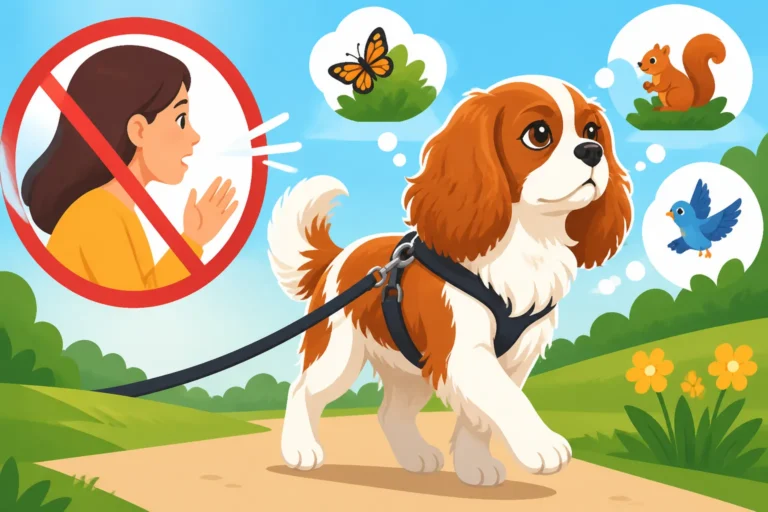
Few things are more frustrating than a dog that constantly pulls on the leash, and for a small Cavalier, this can even be a safety issue. Traditional methods often involve harsh leash corrections, which are not only ineffective for a sensitive Cavalier but can also cause physical harm or create a negative association with walks. The low-pressure approach focuses on rewarding a loose leash and teaching your Cavalier that walking nicely by your side earns them good things.
Start by using a comfortable, well-fitting harness, ideally a front-clip harness, which discourages pulling more effectively than a collar or a back-clip harness. When your Cavalier walks with a loose leash, consistently praise and reward them. If they start to pull, simply stop walking. Stand still, like a tree, until the leash slackens. The moment it goes slack, even for a second, praise them and start walking again. This teaches them that pulling gets them nowhere, but a loose leash keeps the walk going. You can also change direction frequently. If they're pulling forward, calmly turn around and walk the other way. This keeps them paying attention to you and realizing that staying close means more consistent forward motion and more rewards. It takes patience, but with consistency, your Cavalier will learn that a loose leash is the path to enjoyable walks. Investing in a good quality long line (available on Amazon or through pet supply stores) can also help you practice recall and loose leash skills in a safe, open environment without the stress of an unleashed dog.
Integrating Training into Daily Life
Training isn't just about structured sessions; it's a continuous conversation you have with your Cavalier throughout the day. By weaving training opportunities into your everyday routines, you not only reinforce learned behaviors but also strengthen your bond and keep your Cavalier mentally stimulated. This approach makes learning feel natural and enjoyable for both of you, rather than a separate, scheduled task.
Short, Frequent Sessions for Optimal Learning
Cavaliers, like most dogs, have relatively short attention spans, especially when they're young or new to training. Trying to force a long, drawn-out training session will quickly lead to frustration for both of you. Instead, aim for multiple short, engaging sessions throughout the day – think 2-5 minutes each. These bite-sized sessions are much more effective because your Cavalier stays focused, engaged, and eager to participate. End each session on a high note, even if it means asking for an easy cue they know perfectly, like "sit," and rewarding them generously. This leaves them feeling successful and happy, looking forward to the next session.
These short sessions can easily be integrated into daily life. Before feeding, ask for a "sit" and "stay" (even for a few seconds) before releasing them to their meal. Before going out for a walk, practice polite door manners. During commercials while watching TV, do a quick round of tricks. This constant, low-pressure reinforcement helps cement behaviors and makes training a natural part of your routine. Remember, consistency over intensity is the key to training a Cavalier. For more on this, consider Keeping a Cavalier Focused in a Short Session.
Making Training a Game for Your Cavalier
For a breed as playful and companion-oriented as the Cavalier, turning training into a game is an excellent way to keep them engaged and motivated. This makes learning fun and taps into their natural curiosity and desire to interact with you. Instead of drilling commands, think about how you can incorporate cues into play or problem-solving activities. For example, instead of just handing them a treat, you could hide it and have them "find" it after a "stay."
Puzzle toys (many great options are available on Amazon) are fantastic for mental stimulation and can be used to "train" your Cavalier to work for their food. Snuffle mats encourage their natural sniffing instincts and make mealtime a game. You can also play "hide and seek" with your Cavalier, hiding yourself and then calling them with an excited "come!" when they find you, rewarding them with praise and a treat. These games not only reinforce cues like "stay" and "come" but also build confidence and problem-solving skills. The BAXTER & Bella online puppy school, for instance, often integrates game-based learning into their curriculum, making training a joyful experience for both dog and owner.
Adapting Training for the Aging or Ailing Cavalier
As our Cavaliers age, or if they face health challenges like heart disease (Medication for a Cavalier With Heart Disease) or syringomyelia (Pain Relief for a Cavalier With Syringomyelia), their training needs may change. It's crucial to adapt your approach to accommodate their physical limitations and cognitive changes, always maintaining a praise-based, low-pressure environment. For a senior Cavalier, long walks or vigorous play might be out, but mental stimulation through training remains incredibly important for their well-being.
Consider switching to lower-impact activities. Instead of jumping for a toy, teach them scent work games where they use their nose to find hidden treats. This is mentally engaging but gentle on their joints. If they have trouble hearing, rely more on hand signals. If vision is an issue, increase verbal cues and tactile guidance. Short, frequent "brain games" are ideal. You might need to adjust the value of rewards; an older Cavalier with a diminished appetite might require even higher-value, softer treats. Be patient and understanding if they take longer to process commands or seem to "forget" things they once knew. The goal remains positive interaction and mental engagement, not strict adherence to performance. Training can be a wonderful way to keep your senior Cavalier feeling loved, included, and mentally sharp, even as their bodies slow down.
When to Seek Professional Guidance
While positive reinforcement is highly effective, there might be times when you encounter a behavioral issue that feels beyond your expertise, or you simply want to ensure you're on the right track. Recognizing when to seek professional guidance is a sign of a responsible and caring Cavalier owner, not a failure. A qualified, ethical trainer or behaviorist can offer tailored strategies and support, helping you navigate complex challenges with kindness and expertise.
Finding a Positive Reinforcement Trainer
When searching for a professional trainer, it's absolutely paramount to find one who adheres strictly to positive reinforcement methods. Look for certifications from reputable organizations that emphasize force-free, humane training. Ask about their philosophy and methodology. A good trainer will be happy to explain their techniques and how they work. They should focus on teaching you how to communicate with your Cavalier, not just "fix" a behavior by suppressing it. A clear indicator of a positive reinforcement trainer is their use of rewards (food, toys, praise) to build behaviors and their emphasis on managing the environment to prevent unwanted actions, rather than punishing them.
Avoid any trainer who suggests methods involving pain, fear, intimidation, or physical corrections, such as alpha rolls, scruff shakes, leash jerks, or the use of prong collars, choke chains, or shock collars. These methods are detrimental to your Cavalier's trust and well-being. A good trainer will observe you and your dog, ask detailed questions about your lifestyle and your Cavalier's history, and develop a customized plan. They should also be transparent about their fees and the expected duration of training. Online platforms or local pet stores often have lists of certified positive reinforcement trainers, and resources like the BAXTER & Bella online school can also provide structured, expert-led training from home.
Avoiding Trainers Who Use Aversive Methods
It can be difficult for new dog owners to distinguish between effective and harmful training advice, especially when many older, traditional methods are still widely promoted. However, for a sensitive breed like the Cavalier, avoiding trainers who advocate for aversive techniques is crucial for their mental and emotional health. Be wary of any trainer who uses terms like "dominance," "alpha," "pack leader," or suggests that you need to "show your dog who's boss." These concepts are outdated and have been largely disproven by modern animal behavior science.
If a trainer recommends equipment designed to inflict discomfort or pain, such as prong collars, choke chains, or electric collars, or if they suggest techniques like "corrections," "flooding" (overwhelming a fearful dog with the thing they fear), or physical punishment, walk away immediately. These methods can cause serious psychological and physical harm to your Cavalier, leading to increased fear, anxiety, aggression, or a complete breakdown of trust. Remember, a trainer's job is to build a better relationship between you and your dog, not to intimidate your dog into submission. Your Cavalier deserves a training approach that is as kind and gentle as they are.
| Training Method | Approach to Unwanted Behavior | Cavalier Outcome | Benefits | Risks (for Cavaliers) |
|---|---|---|---|---|
| Positive Reinforcement | Reward desired behavior, prevent unwanted through management. | Confident, happy, eager to please, strong bond. | Builds trust, promotes learning, enhances relationship, humane. | Requires patience, consistency, finding high-value rewards. |
| Aversive/Traditional | Suppress unwanted behavior through punishment/discomfort. | Fearful, anxious, may shut down or become reactive, damaged bond. | May offer quick suppression (not resolution) of symptoms. | Causes fear, stress, anxiety, aggression, learned helplessness, physical harm. |
Disclaimer
This article is for general informational purposes only and does not constitute professional advice. Laws, prices and regulations vary by location and change over time. Consult a qualified professional for guidance on your specific situation.