Whether Another Dog Fills the Gap for a Cavalier
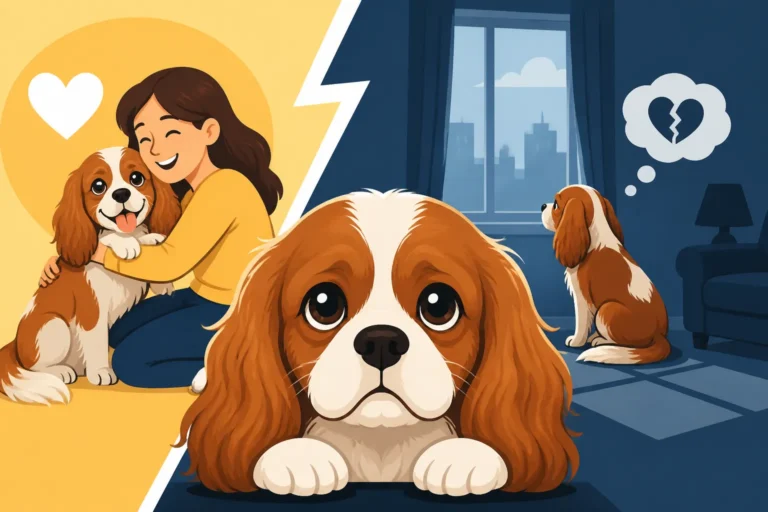
It's heartbreaking to see your beloved Cavalier King Charles Spaniel distressed when you leave the house. The howling, the destructive chewing, the frantic pacing – it all points to intense loneliness and anxiety. Many devoted Cavalier parents, witnessing this struggle, naturally wonder if the simple solution might be to get another dog. This comprehensive guide will explore the complex reality of whether a second dog truly "fills the gap" for a Cavalier suffering from separation anxiety, delving into the potential benefits, the often-overlooked downsides, and alternative strategies.
The Root of Cavalier Loneliness: Understanding Separation Anxiety
Before we even consider bringing another furry friend into the mix, it’s crucial to understand why your Cavalier might be struggling with being alone. Separation anxiety isn't just a dog being "naughty" or "stubborn"; it's a genuine panic response rooted deep in their breed's history and individual temperament.
Why Cavaliers Are Prone to Clinginess
Cavalier King Charles Spaniels were quite literally bred to be companions. For centuries, they adorned the laps of royalty, never far from their human counterparts. This history has etched a profound desire for close companionship into their very DNA. They are often described as "Velcro dogs" for a reason, sticking by your side, following you from room to room, and often preferring physical contact. This isn't just a cute quirk; it's a deep-seated need for connection. When that connection is suddenly severed, even for a short period, it can trigger a panic response. They don't just miss you; they feel genuinely abandoned and unsafe. It's a fundamental part of their being to be part of a human pack. You can read more about this in Why Cavaliers Are Called Velcro Dogs.
This intense bond, while wonderful for companionship, becomes a double-edged sword when it comes to alone time. Unlike some more independent breeds, a Cavalier often views solitude as a profound anomaly, a break in the natural order of their world. Their world revolves around you, and when you're not there, that world feels utterly destabilized. It's not about being bored; it's about feeling utterly lost without their primary attachment figure.
Recognizing the Signs of Separation Anxiety
Many owners might initially dismiss symptoms as "bad behavior," but true separation anxiety manifests in specific, often distressing ways. Common signs include excessive vocalization, like incessant barking, howling, or whining, the moment you leave or even before you're out the door. You might come home to chewed furniture, scratched doors, or even destroyed walls, particularly around exit points. House soiling, even in a perfectly house-trained Cavalier, can occur due to extreme stress, not a lack of training. Pacing, drooling, panting, and shaking are also tell-tale signs of a dog in distress. Some Cavaliers may refuse to eat treats or toys while alone, even if they normally love them, indicating their anxiety overrides their appetite. It's a stark contrast to a dog who might just nap peacefully until you return or chew on a favorite toy out of mild boredom. For a more detailed breakdown, refer to Signs a Cavalier Is Distressed When Alone.
Imagine trying to soothe a child who believes they've been abandoned. That's often the emotional state of a Cavalier grappling with severe separation anxiety. They aren't trying to be destructive; they're trying to cope with an overwhelming physiological response to fear and panic. This isn't a problem that can be "punished" away; it requires empathy, understanding, and a structured approach to help them feel safe and secure when left alone.
The Impact of Severe Separation Anxiety on a Cavalier
Living with severe separation anxiety takes a significant toll on a Cavalier's overall well-being. The constant state of alarm and panic can lead to chronic stress, which can suppress their immune system and exacerbate existing health issues. They may lose weight due to refusing to eat, or develop digestive upset from stress. The physical manifestations, like excessive drooling or chewing on inappropriate items, can also lead to dental problems or even blockages if they ingest non-food items. Beyond the physical, their quality of life is severely diminished. They spend hours in a state of terror, rather than resting or enjoying their environment.
For owners, the impact is equally profound. There's the financial cost of damaged property, the frustration of trying to manage the behavior, and, perhaps most painfully, the overwhelming guilt of knowing your beloved pet is suffering so deeply. It can restrict your ability to leave the house, travel, or even work, turning daily life into a series of compromises. Understanding this mutual suffering is the first step toward finding a compassionate and effective solution, rather than simply hoping another dog will magically fix things.
The Hopeful Solution: A Companion Dog's Potential Benefits
It's natural to think that if your Cavalier is lonely, another dog is the obvious answer. After all, two is company, right? In some very specific scenarios, bringing a second dog into the home can offer certain benefits that might alleviate some aspects of loneliness or boredom, though it rarely cures true separation anxiety.
Companionship and Distraction
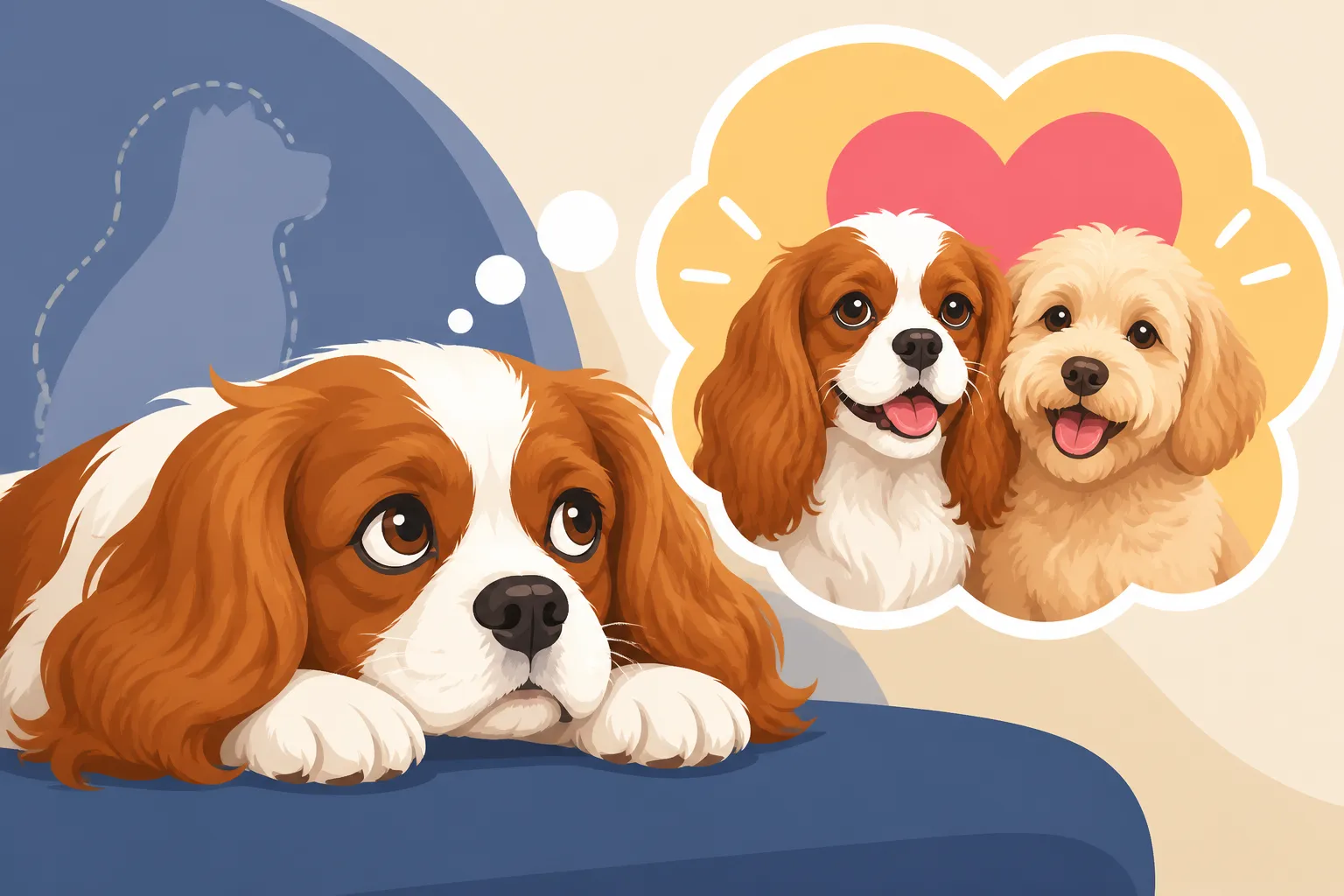
The most intuitive benefit of adding another dog is the immediate companionship. When you're gone, your Cavalier wouldn't be truly alone. They would have another living, breathing creature to interact with, even if it's just to share a nap on the sofa. This presence can sometimes provide a sense of security and reduce the feeling of utter isolation that exacerbates anxiety. The two dogs might play together, distracting them from your absence. Imagine them wrestling with a tug toy or chasing each other around the living room – these activities can fill the void of your departure, offering a mental and physical outlet that a solo dog might not have.
For Cavaliers that suffer more from boredom-induced destructive behavior or mild loneliness rather than full-blown panic, another dog could genuinely enrich their lives. They might curl up together for naps, explore the yard as a duo, or simply offer a comforting presence to one another. It's like having a sibling to weather a difficult situation with, which can certainly make the time pass more quickly and pleasantly for a dog who just dislikes being by themselves.
Learning by Example (or Not)
Another common hope is that a well-adjusted, confident second dog might model calm behavior for an anxious Cavalier. If you bring home a dog who is completely unfazed by your departures – who just settles down for a nap the moment you leave – your anxious Cavalier might observe this and gradually learn that being alone isn't something to panic about. This is often referred to as "social referencing," where one dog looks to another for cues on how to react to a situation.
For instance, if your new dog, a seasoned pro at alone time, calmly goes to their bed when you pick up your keys, your Cavalier might start to associate your departure with a routine rather than an emergency. However, this is a big "might." It’s highly dependent on the personalities of both dogs. If the new dog is also prone to anxiety, or even just high-strung, you could inadvertently create two anxious dogs instead of one calm one. The success of this approach hinges entirely on selecting a companion with a genuinely unflappable temperament.
Increased Activity and Mental Stimulation
Having two dogs often means increased opportunities for physical activity and mental engagement. Two dogs in a household often play more vigorously with each other than a single dog might play with toys alone. They might chase, wrestle, or engage in tug-of-war, burning off excess energy that could otherwise contribute to anxious pacing or destructive behaviors. Even just observing each other's movements and reacting can be mentally stimulating. This added activity can lead to a more tired, and therefore calmer, Cavalier when you are away.
Furthermore, shared experiences like walks, sniffing around the yard, or even just observing squirrels from the window can be more engaging when there's another dog to share the moment with. This isn't a substitute for human interaction or structured training, but it can certainly add a layer of enrichment to their daily lives. For a Cavalier whose biggest issue is simply a lack of things to do when you're not there, a compatible companion could very well provide a much-needed boost in their daily engagement. Whether Exercise Is Safe for a Cavalier With MVD is also a relevant read if you're planning on more activity.
The Hard Realities: Why a Second Dog Isn't a Guaranteed Fix
While the idea of a companion dog is appealing, it's crucial to approach this decision with a realistic understanding of its limitations, especially when dealing with genuine separation anxiety. Often, the hope for a quick fix can lead to more complications than solutions.
The "Band-Aid" Effect: Addressing Symptoms, Not the Cause
Here’s the tough truth: true separation anxiety is usually rooted in the Cavalier's intense attachment to you, their human. It’s not just about being alone; it's about the absence of their primary bond. Adding another dog can certainly make them feel less alone, but it doesn't fundamentally address the underlying panic that arises from your departure. Think of it like putting a band-aid on a broken bone – it might hide the injury, but it doesn't heal it. Your Cavalier might still fret, pace, or vocalize, just now with an audience. They might even redirect their anxiety onto the new dog, trying to control them or becoming agitated if the new dog isn't as stressed as they are.
This often means that while the outward signs of anxiety might lessen slightly, the internal distress remains, simply expressed differently. The core issue of teaching your Cavalier that your departures are temporary and safe, and that they can cope independently, still needs to be tackled through structured training and desensitization. You'll find helpful insights on this in Building a Cavalier's Tolerance for Being Left. A second dog cannot teach your first dog to be confident and secure in your absence; that is a training journey you must undertake with your anxious Cavalier.
Creating Two Anxious Dogs
One of the most disheartening outcomes is when the addition of a second dog inadvertently creates two anxious dogs. Anxiety can be contagious. If your original Cavalier is in a constant state of distress when you leave, the new dog, especially if they are young or impressionable, can pick up on those cues and start to develop their own separation anxiety. Suddenly, you're not dealing with one dog's issues but two, which can be exponentially more challenging to manage. Instead of finding comfort in each other, they might feed off each other's fear, escalating the overall stress in the household.
Furthermore, introducing a new dog to an already anxious one can create new stresses and conflicts. The anxious Cavalier might view the newcomer as a threat to their resources, including your attention, leading to jealousy, guarding behaviors, or even aggression. The new dog might be overwhelmed by the anxious dog's energy or demands. Instead of a harmonious duo, you could end up with a dynamic that actually increases the overall anxiety and tension for both pets, a scenario no pet parent wants to face.
Doubling the Work, Doubling the Expense
Let’s be honest: owning one Cavalier is a commitment, and owning two significantly increases that commitment across the board. Every aspect of pet care, from feeding to vet visits, grooming, and training, suddenly doubles. Your monthly food bill will increase, as will the cost of flea and heartworm prevention. Regular vet check-ups become two sets of appointments and two sets of bills. Should either dog develop a health issue, such as heart disease (which is unfortunately common in Cavaliers), those costs can quickly multiply. What a Healthy Adult Cavalier Costs Each Month provides a realistic look at the financial commitment.
Beyond the financial aspect, the time commitment is also substantial. You'll need to double your training efforts, ensure both dogs get adequate exercise and individual attention, and manage potential dynamics between them. If the separation anxiety issue persists despite the second dog, you might then face the expense and time investment of specialized training or even medication for both dogs. Medication for Cavalier Separation Anxiety gives an idea of what that can involve. It's vital to consider if you genuinely have the resources – time, energy, and finances – to properly care for two dogs, especially if one or both require extra help.
Before You Adopt: Critical Considerations for a Second Cavalier
Deciding to bring a second dog into your home, especially with an anxious Cavalier already there, is a monumental decision that requires careful thought, not impulsive action. Rushing this choice can have lasting negative consequences for all involved.
Assessing Your Current Cavalier's Personality
Before you even start looking for a new dog, you need to take a long, honest look at your current Cavalier. Is your dog truly dog-social? Do they genuinely enjoy the company of other dogs, or do they merely tolerate them? Think about their reactions during walks, at dog parks, or when meeting friends' dogs. A Cavalier who is reactive, fearful, or overly dominant with other dogs is unlikely to benefit from a live-in companion. Instead, it could lead to constant stress and conflict.
Consider their age and energy levels too. An older Cavalier, particularly one over nine years old, who is used to a quiet routine and perhaps has some joint stiffness or health concerns, might find a rambunctious puppy overwhelming and stressful. Caring for a Cavalier Past Nine details the changes that come with age. Conversely, a young, energetic Cavalier might do well with another playful companion. Observing your Cavalier's existing interactions with other dogs is the most crucial step in determining if they would welcome, rather than resent, a new housemate.
Choosing the Right Companion
If you decide to proceed, the choice of the second dog is absolutely paramount. This isn't a random pick; it's a careful matching process. You're looking for a dog whose temperament is likely to complement, rather than exacerbate, your Cavalier's existing anxiety. Generally, a calm, confident, and emotionally stable dog is a much better choice than another dog who shows signs of anxiety or excessive excitability. A dog who is already comfortable being left alone and displays independent traits can be a positive influence.
Consider their age, size, and sex. Often, introducing a dog of the opposite sex can reduce competition. A puppy might be more readily accepted by an older dog, as they pose less of a perceived threat, but puppies also require immense energy and attention. An adult dog with a known, stable temperament (perhaps from a reputable rescue organization, where foster parents can give you insights into their behavior in a home setting) can be an excellent choice. When considering adoption, always discuss your existing Cavalier's needs and challenges with the rescue group or breeder. Some rescue groups specialize in matching temperaments and can provide valuable guidance, especially if you're looking to adopt an older Cavalier with a known history, as discussed in Adopting an Older Cavalier With a Heart Diagnosis.
Gradual Introduction and Supervised Interactions
No matter how carefully you choose, a new dog should never be simply dumped into the home with your existing Cavalier. The introduction process needs to be slow, deliberate, and positive. Start with neutral territory meetings, perhaps a walk in a park, allowing them to sniff and observe each other without the pressure of sharing space. Keep initial interactions short and positive, ending on a good note before either dog becomes overwhelmed. Once at home, supervise all interactions closely. Don't leave them alone together until you are absolutely certain they are comfortable and safe with each other.
Having separate feeding areas, water bowls, and sleeping spaces initially is crucial to prevent resource guarding. Crates can be invaluable tools during this period, offering each dog a safe, private den to retreat to, and allowing you to manage supervised separation within the home. Choosing a Crate a Cavalier Will Rest In offers guidance on selecting the right one. Even with the best intentions, it can take weeks or even months for two dogs to truly settle into a harmonious relationship. Patience, vigilance, and a commitment to positive reinforcement throughout the introduction phase are non-negotiable. For structured help with new pet introductions, some online training platforms, like BAXTER & Bella, offer resources that can guide you through these crucial steps.
Alternative & Complementary Strategies for Separation Anxiety
While the idea of a second dog might seem like an immediate solution, it's often more effective to address the root causes of separation anxiety directly. There are many proven strategies, often used in combination, that can help your Cavalier learn to cope more confidently when you're away.
Structured Training and Desensitization
The most effective approach to separation anxiety involves systematic desensitization and counter-conditioning. This means gradually exposing your Cavalier to your departures in a way that doesn't trigger panic, and teaching them that being alone can be a positive, calm experience. It involves tiny steps: starting with you simply walking to the door and back, then touching the doorknob, then stepping out for a few seconds, gradually increasing the duration over time. The goal is to keep them under their anxiety threshold at all times, preventing them from ever reaching a state of panic.
This process requires immense patience and consistency. You'll teach your Cavalier a "stay" or "settle" cue, rewarding them for remaining calm as you move further away. Departure cues (like picking up keys or putting on shoes) also need to be desensitized. You might do these things randomly throughout the day, without actually leaving, to break the association with impending abandonment. For detailed, step-by-step guidance on this process, consider resources like BAXTER & Bella, an online dog training program that often includes modules on separation anxiety, or consult with a certified professional dog trainer specializing in anxiety. You can learn more about starting small in Building From Thirty Seconds With a Cavalier.
Enrichment, Exercise, and Mental Stimulation
A tired Cavalier is often a calmer Cavalier. Ensuring your dog gets adequate physical exercise and mental stimulation before you leave can make a significant difference. A brisk walk or a good play session can help burn off excess energy that might otherwise fuel anxious pacing. Mental enrichment is equally important. Puzzle toys, KONGs stuffed with frozen treats, snuffle mats, or LickiMats can keep your Cavalier engaged and focused on a positive activity while you're gone. These items can often be found readily available on Amazon, offering a wide variety of choices to suit your dog's preferences and chewing style.
These enrichment tools serve two purposes: they provide a positive association with your departure (they get a special treat when you leave!), and they give them something constructive to do. The mental effort involved in getting food out of a puzzle can be surprisingly tiring and satisfying. This strategy helps to shift their focus from the anxiety of your absence to the pleasure of a high-value activity, making alone time feel less like a punishment and more like an opportunity.
Medical and Holistic Approaches
For severe cases of separation anxiety, behavioral modification alone might not be enough. It's always wise to consult your veterinarian to rule out any underlying medical conditions that might be contributing to the anxiety, such as pain or cognitive dysfunction, especially in older Cavaliers. Your vet may also recommend a referral to a veterinary behaviorist or suggest anti-anxiety medication. Medications aren't a magic bullet; they are typically used in conjunction with a robust training plan to help lower your Cavalier's anxiety enough for them to be receptive to learning new coping mechanisms.
Beyond medication, some owners explore holistic approaches. Calming pheromone diffusers or collars can release synthetic dog-appeasing pheromones that mimic those produced by a lactating mother dog, creating a sense of security. Various calming supplements, often containing ingredients like L-theanine or tryptophan, are also available, though their effectiveness can vary. Always discuss any supplements with your vet before introducing them, especially for a Cavalier who might have other health concerns like heart disease. Calming Supplements for an Anxious Cavalier offers more insight into these options. These tools are meant to support the training process, not replace it, helping to create an environment where your Cavalier can feel safer and more relaxed during your absence.
| Aspect | Potential Benefits of a Second Dog | Potential Drawbacks of a Second Dog |
|---|---|---|
| Companionship | Reduces immediate feeling of being "alone" for the anxious dog. | Does not address the core issue of human absence anxiety. |
| Distraction & Play | Provides entertainment and energy outlet; less focus on door. | Play may escalate anxiety; new dog could also become anxious. |
| Modeling Behavior | A calm new dog might teach the anxious dog to relax. | Anxious dog might teach the new dog to be anxious; creates two problems. |
| Owner Effort | Less direct pressure on owner to be the sole source of comfort. | Doubles feeding, vet care, grooming, and training responsibilities. |
| Financial Cost | Minimal cost increase if anxiety is resolved quickly. | Doubles ongoing expenses; specialized treatment for two dogs is costly. |
| Long-Term Solution | Can be a positive addition if carefully chosen and integrated. | Rarely a standalone cure; often requires additional training. |
Disclaimer
This article is for general informational purposes only and does not constitute professional advice. Laws, prices and regulations vary by location and change over time. Consult a qualified professional for guidance on your specific situation.