The Recall Word a Cavalier Learns Fastest
It's incredibly frustrating when you call your sweet Cavalier, and they just… don't come back. You stand there, a little embarrassed, shouting their name while they gleefully chase a leaf or investigate a particularly interesting scent. This guide is all about helping you understand why your Cavalier might not be rushing back to you and how to teach them a reliable recall, focusing on the techniques and consistency that make any word work fastest for them.
Understanding the Cavalier's Recall Challenge
Let's be real, the Cavalier King Charles Spaniel is usually thought of as a cuddly lap dog, a true companion breed. And they are! But beneath that silky coat and those melting eyes is a spaniel, and that means a dog with a nose, a prey drive, and a natural curiosity that can often override their desire to stick by your side. This isn't a flaw in their character; it's simply who they are, and understanding this is the first step in building a successful recall.
The Cavalier's Instincts and Distractions
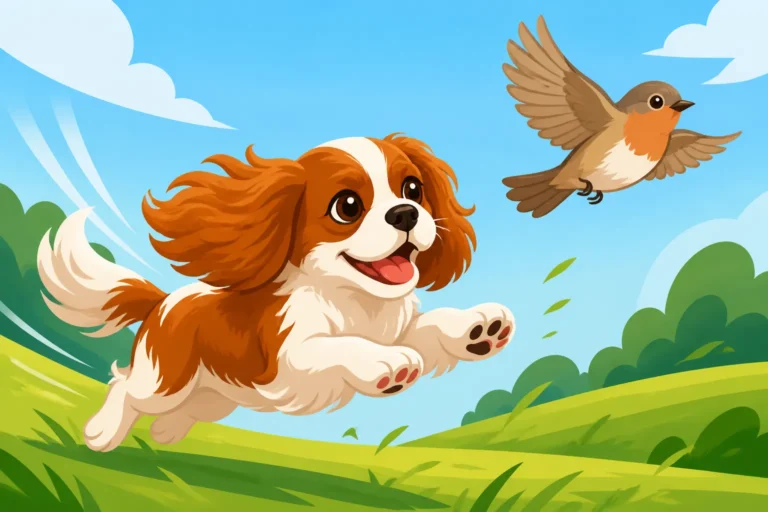
Cavaliers, like all spaniels, were originally bred to work alongside hunters, flushing out birds and small game. Even though they've been companion dogs for centuries, those instincts are still very much alive. A rustling bush, a darting squirrel, or the scent of another animal can become an irresistible siren song. For your Cavalier, these distractions aren't just background noise; they're an exciting, primal urge that makes coming back to you feel secondary, at best. Imagine you're engrossed in a thrilling novel, and someone casually calls your name from another room – are you going to drop everything instantly? Probably not. It's similar for your Cavalier; their "thrilling novel" is the smell of a rabbit trail. This means you're not just competing with a visual distraction; you're competing with an entire sensory experience that their genetics are wired to pursue. This is why many owners struggle, and it's not a reflection of your bond; it's just the nature of the breed. This instinct is why it feels like your Cavalier has The Bird Chase a Cavalier Cannot Resist.
Another layer to this challenge is the Cavalier's inherently friendly nature. Unlike some breeds that might be wary of strangers or new environments, most Cavaliers view the world as a giant party, and everyone is invited. This means if a friendly person or another dog approaches, your Cavalier is likely to greet them with open paws rather than sprint back to you. They aren't trying to be disobedient; they're simply being sociable. While this is one of their most charming qualities, it can make recall in busy parks or social settings incredibly difficult. You want them to be friendly, but you also need them to prioritize your call when it matters most. This balance requires careful training and exposure.
Early Experiences and the "Puppy Recall" Myth
Many Cavalier owners experience what I call the "puppy recall myth." When your Cavalier is a tiny pup, they often stick to you like glue. They're exploring a new, big world, and you are their safe haven. When you call them, they usually come trotting back, eager for comfort and reassurance. This often leads owners to believe their Cavalier has a naturally excellent recall, and they might not put in the consistent training efforts needed. However, as your Cavalier grows and gains confidence, their world expands. They become more independent, more adventurous, and those inherent spaniel instincts kick in with full force. What was once a reliable puppy trot back to you can quickly turn into a deaf ear or a dash in the opposite direction.
The problem is, if you don't actively and intentionally build a strong recall foundation during those crucial early months, you're essentially setting yourself up for struggles later on. The puppy phase is when you can instill the habit that "coming to mom/dad is the best thing ever!" before the world offers too many competing delights. Missing this window means you'll have to work harder to overcome established habits and stronger distractions later. It's not impossible to fix, of course, but prevention is always easier. This is precisely why a strong, positive Cavalier Recall and Its Limits needs to be taught, not assumed.
Choosing the Right Recall Word
You might wonder if there's a magic word that Cavaliers just know. The truth is, it's less about the specific word and more about how you use it. Any word can be a powerful recall cue, as long as it meets a few criteria and is taught consistently and positively. The "fastest" word is the one you make the most appealing to your individual dog.
Short, Sharp, and Unique Sounds
When choosing a recall word, think about clarity and distinctiveness. A short, sharp word or phrase tends to cut through distractions better than a long, rambling sentence. Imagine shouting "Come here, my lovely little fluffy Cavalier!" versus a concise "COME!" or "HERE!" The shorter phrase is easier for your dog to process, especially when they're focused on something else. Aim for one or two syllables. Common choices include "Come," "Here," "Front," or even something a bit more unique like "Zap," "Rocket," or "Touch."
The uniqueness of the word also plays a role. If you use a word that you frequently say in other contexts, like "Okay" or "Good," your Cavalier might get confused. Their recall word should be reserved only for recall. This helps them understand that when they hear that specific sound, it means one thing and one thing only: drop everything and return to you for an amazing reward. This distinctiveness helps to build a powerful association, ensuring there's no ambiguity about what you're asking them to do. You want it to be a special signal, not just another piece of conversation.
Consistency is Key, Not the Word Itself
I cannot stress this enough: consistency is far more important than the actual word you choose. Once you pick a recall word, stick to it. Everyone in the household should use the exact same word, every single time. If one person says "Come" and another says "Here" and a third says "Let's go," your Cavalier will quickly become confused about what you're actually asking for. They're smart, but they thrive on clear, predictable signals.
Beyond consistency in the word, you need consistency in your tone and the immediate reward. The word should always be delivered in an upbeat, happy, and inviting tone – never angry or frustrated, no matter how long it takes them to respond. If your Cavalier associates the recall word with negativity, they'll be less likely to come. And crucially, every single time they respond, even if it's a slow amble, they must receive a high-value reward. This consistent, positive reinforcement is what builds a reliable recall, turning the word into a predictor of something wonderful. The word itself is just a sound; your consistent actions give it meaning. This kind of Reward-Based Training With a Cavalier is paramount for building trust and enthusiasm.
Building a Bombproof Recall Foundation
Building a truly reliable recall isn't about shouting louder or demanding more; it's about making coming back to you the most reinforcing activity your Cavalier can possibly engage in. This starts indoors, in a distraction-free environment, and gradually expands.
The "Engage and Reward" Game Indoors
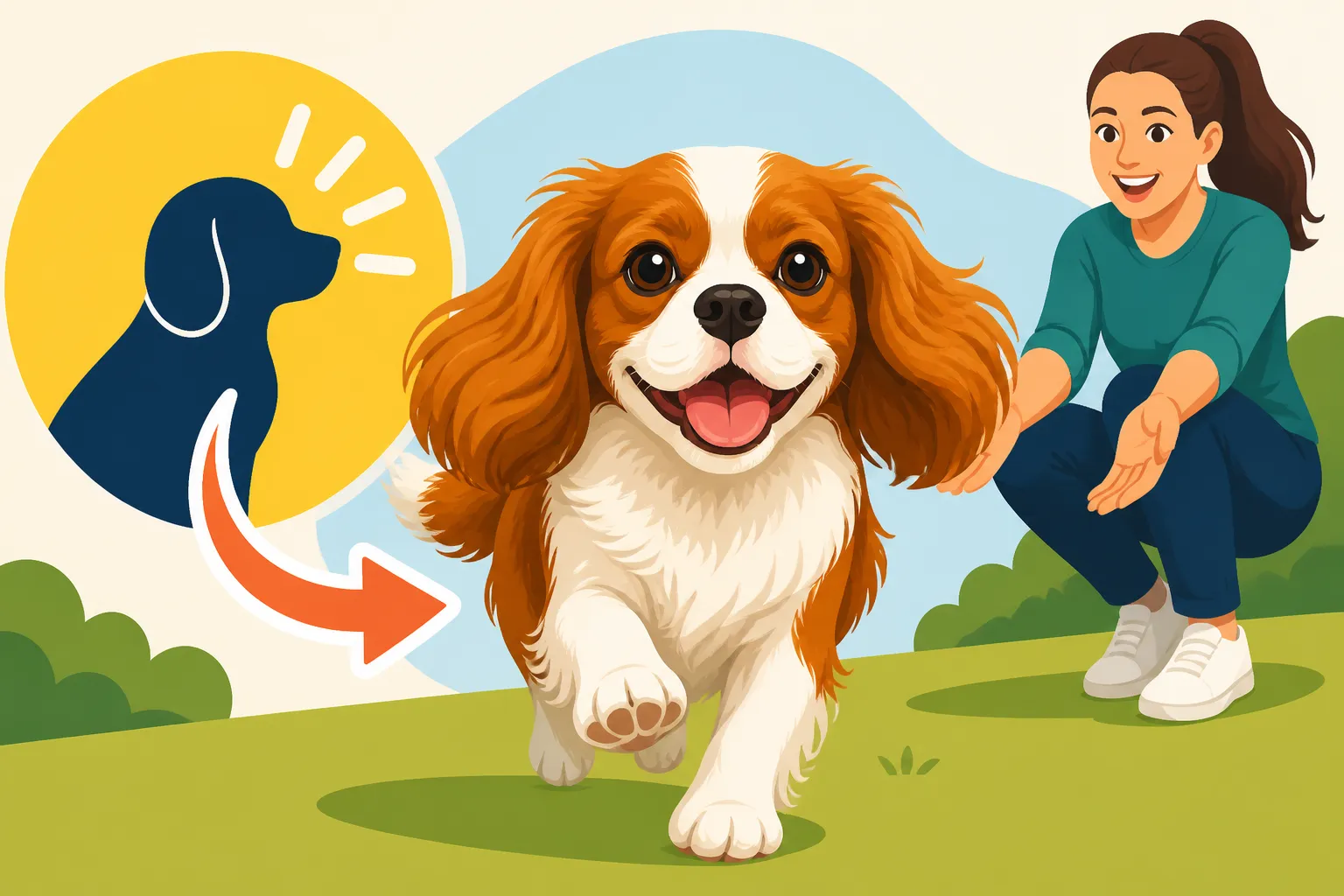
Start your recall training in a quiet, confined space like your living room or a hallway. This minimizes distractions and allows your Cavalier to focus entirely on you. The goal here is to make the recall word utterly fantastic. Have a handful of truly high-value treats – something your Cavalier absolutely adores, like tiny pieces of cheese, cooked chicken, or a special soft chew. Call your Cavalier by their chosen recall word in an excited, happy tone. As soon as they take even one step towards you, mark that behavior with a verbal "Yes!" or a clicker, and then immediately reward them with one of those amazing treats and enthusiastic praise. Don't wait for them to reach you; reward the intent to come.
Repeat this many, many times in short, fun sessions throughout the day. Don't always call them when they're already looking at you. Try calling them when they're sniffing something on the floor, or when they've just woken up. You want to practice the recall when they are mildly distracted so they learn to disengage from whatever they are doing. This consistent positive association, where the recall word always leads to something wonderful, is what builds value. You're teaching them that your call means "jackpot!" not "fun time over!" You can find many suitable high-value treats on platforms like Amazon, from soft jerky to training-specific morsels.
Once they reliably come when called from a few feet away, start increasing the distance. Move to different rooms in the house. Call them from around a corner. The key is to keep it fun, keep the rewards high-value, and never scold them if they don't respond immediately. Just reset, try again with less distraction, and make yourself even more enticing. Remember, this isn't a test; it's a game you're both playing, and they always win when they come to you.
Introducing the Long Line in a Safe Space
Once your Cavalier has a solid indoor recall, it's time to introduce the long line. This is a crucial step for safety and for bridging the gap between indoor practice and real-world freedom. A long line is essentially a very long leash, typically 15 to 30 feet, that allows your Cavalier to explore while still giving you control. You can find excellent options for long lines made from biothane or nylon on Amazon. Start in a securely fenced yard or a very quiet, low-distraction park where you know there won't be many unexpected encounters. Attach the long line to a comfortable harness – never a neck collar, as a sudden stop could injure their delicate neck. Many owners find Harnesses Suited to a Cavalier's Neck much safer for training.
Let your Cavalier wander and explore on the long line. When they're moderately distracted, call them with your recall word. If they respond and come back, give them the jackpot reward and praise, just like you did indoors. If they hesitate or ignore you, gently reel them in with the long line while repeating the recall word in your happy, encouraging voice. As soon as they start moving towards you, release the tension and praise them. The long line isn't for punishment; it's a safety net and a gentle guide. Never use it to yank them back forcefully or angrily. The goal is for them to associate the recall word with coming to you voluntarily, even if you have to give them a little physical cue to remind them in the beginning. This Long Line Practice for a Cavalier is fundamental for building confidence in both of you.
Continue these sessions, gradually increasing distractions. Always end on a positive note, making sure your Cavalier comes back successfully before putting them away. The long line ensures that you can always enforce the recall, even if you have to physically guide them back. This prevents them from learning that they can choose to ignore you.
Proofing Your Cavalier's Recall in Real-World Scenarios
A reliable recall isn't built in a day or in a single environment. It's a gradual process of generalization, teaching your Cavalier that "come" means "come" no matter where they are or what's going on around them. This is where patience and strategic training truly pay off.
Adding Distractions Incrementally
After mastering the long line in a quiet park, it's time to slowly dial up the distractions. Think of it like a ladder: each rung is a new level of challenge. Start by practicing in slightly busier areas, perhaps a park where other people are walking, but no other dogs are actively playing nearby. Let your Cavalier sniff around on the long line, and when they're engaged in something, give your recall word. Reward heavily when they return. If they struggle, go back to a less distracting environment for a few sessions.
Gradually introduce more complex scenarios. Perhaps a park where another dog is walking calmly in the distance. The key is control. Don't set your Cavalier up for failure by calling them when they're actively engaged in a full-speed chase with another dog. You want to call them before they're too far gone or too committed to the distraction. This is where observation skills come in: watch your Cavalier's body language. Catch them before they bolt, when they're just starting to notice the distraction. When they choose you over that budding distraction, that's where the real learning happens. Keep those rewards irresistible; make yourself more exciting than whatever has caught their eye.
Practicing in New Environments
Your Cavalier needs to understand that the recall cue isn't just for "our park" or "grandma's backyard." It needs to be universal. This means taking your training on the road. Visit different parks, trails, even quiet outdoor shopping areas if appropriate. Each new environment presents unique sights, sounds, and smells that will challenge their focus. Again, always start with the long line in unfamiliar places until you're confident in their response.
Think about practicing recall during different times of day, or in different weather conditions. A sunny day might bring more people and dogs out, while a quiet, misty morning offers fewer distractions. Exposure to various stimuli helps your Cavalier generalize the behavior. The goal is to build such a strong positive association with your recall word that it becomes an automatic response, a reflex, rather than a conscious choice they make after weighing options. Many online training programs, such as BAXTER & Bella, offer structured modules for proofing behaviors in diverse environments, which can be incredibly helpful for guided practice. Remember, every successful recall in a new, slightly more distracting environment strengthens the neural pathway that says, "Mom/Dad's call = best thing ever!"
| Training Stage | Environment | Distraction Level | Key Focus | Tools Recommended |
|---|---|---|---|---|
| Foundation | Home (quiet rooms) | Low | Build positive association with recall word | High-value treats, Clicker |
| Introduction to Freedom | Fenced yard, quiet park | Low-Medium | Practice recall on long line, introduce space | Long line, Harness, High-value treats |
| Generalization | Various parks, walking paths | Medium-High | Gradually increase distractions, new places | Long line, Harness, Variety of treats |
| Real-World Proofing | Dog park (leashed), busy areas | High | Practice before engagement with major distractions | Long line (optional for safety), High-value treats |
Troubleshooting Common Cavalier Recall Problems
Even with the best intentions and consistent training, Cavaliers can present unique challenges. It's not uncommon for them to seem to "forget" their training or become selectively deaf in certain situations. Understanding these hurdles is part of the journey.
When Your Cavalier "Selectively Hears" You
Ah, the infamous "selective hearing." You call your Cavalier, and they might glance at you, register your voice, and then decide that the sniff of that bush is far more interesting. This isn't defiance in a malicious way; it's often a sign that the distraction's value currently outweighs the perceived reward of coming to you. You might hear people say, "He knows what 'come' means, he just chooses to ignore me." They're not wrong, but the solution isn't to get angry; it's to make coming back a more compelling choice.
First, reassess your rewards. Are you still using the same old kibble they get every day? It's time to upgrade! Think super high-value: tiny bits of boiled chicken, cheese, hot dogs, or a really squeaky, exciting toy they only get for recall. Second, are you calling them too often when they're already too engaged? Instead of calling when they're nose-deep in an interesting scent or mid-chase, try to call them just as they're noticing the distraction, or just as they finish investigating something. Intercept them before they're fully committed. Thirdly, never chase your Cavalier if they ignore you. That turns it into a fun game for them, and you lose any leverage. Instead, try running away from them, making excited noises, or dropping to the ground with open arms. Many Cavaliers find this irresistible and will switch their focus to you. This is also where having The Emergency Word That Stops a Cavalier can be a game-changer for those truly urgent situations.
Dealing with High-Value Distractions
The ultimate challenge for many Cavalier owners is when their dog encounters a truly high-value distraction, like another dog they desperately want to play with, or a person who looks like they might offer pets. In these moments, your Cavalier's brain might simply go offline for anything else. This is where your long line training becomes indispensable. If you're in an area where such distractions are likely, keep your Cavalier on the long line. This way, if they bolt, you still have control and can prevent them from practicing the "running away" behavior.
When you see a high-value distraction approaching, start practicing "check-ins." Call your Cavalier, reward them heavily for coming, then release them to go back to exploring (if it's safe and appropriate). Do this several times before the distraction is too close. The idea is to build a pattern: "Distraction present = opportunity to get amazing treats from my human." You want them to associate the presence of other dogs or people with you being even more exciting. If your Cavalier is particularly dog-social, consider enrolling in a class focused on Getting a Cavalier Used to a Dog Walker or group obedience, where controlled exposure to other dogs can be part of the training. Remember, you're not trying to stop them from being friendly; you're teaching them to check in with you first before engaging. This takes immense patience and consistency.
Tools and Resources to Aid Cavalier Recall Training
You're not alone in this journey! There are many tools and resources available to help make recall training more effective and enjoyable for both you and your Cavalier.
Essential Training Gear
Having the right gear can make a huge difference in the safety and success of your recall training.
- Long Line: As mentioned, a long line (15-30 feet) is a game-changer. It allows your Cavalier to explore while giving you the security of control. Look for durable, weather-resistant materials like biothane, which is easy to clean. Many reputable pet supply stores and online retailers like Amazon offer a wide variety. Choose a lightweight line that won't drag down your smaller Cavalier.
- Harness: A well-fitting, comfortable harness is crucial, especially when using a long line. It distributes pressure across your Cavalier's chest and shoulders, preventing any strain on their delicate neck. Avoid harnesses that restrict shoulder movement or chafe under the armpits. A front-clip harness can also be helpful for managing pulling without causing discomfort.
- High-Value Treats and a Treat Pouch: Invest in treats that your Cavalier absolutely adores. These should be small, soft, and easy for them to swallow quickly so you can continue training. A treat pouch that clips to your waist is invaluable for quick access to rewards, ensuring you can deliver them immediately when your Cavalier responds to your recall.
- Whistle: Some trainers advocate for using a dog whistle for recall, especially over longer distances or in noisy environments. A whistle offers a consistent sound that won't vary with your mood or how hoarse you are. If you decide to use a whistle, introduce it to your Cavalier by pairing the sound with treats, just like you would your verbal recall word. Some Cavaliers respond very well to this clear, consistent sound. For more on this, you might check out Whether a Whistle Works on a Cavalier.
- Clicker: A clicker is a precise marker that tells your Cavalier the exact moment they performed the desired behavior. If you're using a clicker in other training, incorporate it into your recall. Click as they turn towards you or take their first step, then deliver the treat.
Online Courses and Professional Help
Sometimes, you need a little extra guidance, and that's perfectly normal! Recall can be one of the most challenging behaviors to teach.
- Online Training Platforms: Websites like BAXTER & Bella offer comprehensive online puppy and dog training programs, often including detailed modules on recall. These programs provide step-by-step instructions, video demonstrations, and support, allowing you to train at your own pace from the comfort of your home. They typically emphasize positive reinforcement methods, which are ideal for sensitive Cavaliers.
- Professional Dog Trainers: If you're truly struggling or facing specific behavioral challenges, consider hiring a certified professional dog trainer. Look for trainers who use positive reinforcement and force-free methods. A good trainer can observe your Cavalier's specific motivations and challenges, offering tailored advice and hands-on guidance. They can help you troubleshoot issues like Why a Cavalier Stops Listening Outdoors and develop a personalized plan.
- Group Classes: Obedience classes can be excellent for proofing recall in a controlled, distracting environment. Your Cavalier will learn to focus on you around other dogs and people, under the guidance of an experienced instructor. This can also be a fantastic way to bond with your Cavalier and socialize them further.
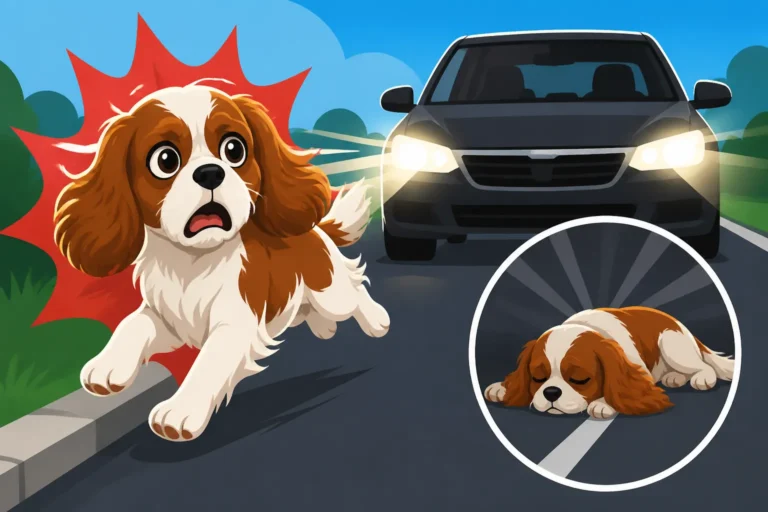
- Emergency Word Training: Beyond your standard recall, consider teaching an "emergency recall" word. This is a word you never use unless it's a truly critical situation (e.g., your Cavalier is heading towards traffic). It should be paired with the most high-value, irresistible treat or toy your dog has ever encountered, and practiced very rarely, perhaps once a month, to keep its power. This is an absolute failsafe that every Cavalier owner should consider.
Building a truly reliable recall with your Cavalier takes time, consistency, and a deep understanding of their unique personality and instincts. It's a journey, not a destination, but with patience and positive reinforcement, you can enjoy safe, off-leash adventures with your beloved companion.
Disclaimer
This article is for general informational purposes only and does not constitute professional advice. Laws, prices and regulations vary by location and change over time. Consult a qualified professional for guidance on your specific situation.