Cavaliers in Agility, Rally and Scent Work
It’s a common misconception that our beloved Cavalier King Charles Spaniels are solely destined for a life of luxurious lap-sitting and gentle strolls. While they certainly excel at being the most affectionate cuddle bugs, many Cavalier owners are surprised, and often delighted, to discover a vibrant, intelligent, and highly capable dog beneath that silky coat. This guide is here to shed light on how Cavaliers can thrive in dog sports like agility, rally obedience, and scent work, proving that they're much more than just pretty faces and showing you how to unlock their athletic and intellectual potential.
Debunking the Lap Dog Myth: The Cavalier's Hidden Drive
For centuries, Cavaliers have been cherished companions, warming laps and gracing royal courts. This history often leads people to believe they lack the drive or aptitude for more demanding activities. But if you look closely, you’ll find the heart of a sporting spaniel beating beneath that gentle exterior, eager for a challenge.
More Than Just a Pretty Face: Uncovering Their Sporting Roots
Before they became the quintessential lap dog, Cavaliers, or their ancestors, were working spaniels. They were bred to flush birds for hunters and were quite capable of a day's work in the field. This heritage means they possess an inherent intelligence, a keen nose, and a surprising amount of stamina and athleticism for their size. It's easy to forget this when they're curled up snoring on your sofa, but that instinct is still there, just waiting to be tapped. Many owners come to us asking if their Cavalier is "normal" for wanting to chase squirrels or investigate every interesting smell on a walk. Yes, absolutely! That's the spaniel coming through, and it's a wonderful foundation for dog sports. They might not be the fastest or the highest jumpers, but their willingness to engage and their intelligence make them formidable partners. This inherent drive can be channeled into enriching activities, leading to a happier, more fulfilled dog, and a stronger bond with you.
Temperament and Trainability: The Cavalier Advantage in Sports
Cavaliers are renowned for their gentle, eager-to-please nature. This temperament is actually a huge asset in dog sports. They generally respond wonderfully to positive reinforcement, thriving on praise, treats, and toys. They want to work with you, not just for you. Their biddability means they're often quick learners, picking up new cues and behaviors with enthusiasm. While some might think their soft nature makes them unsuitable for sports, it's quite the opposite. This eagerness to please, combined with their intelligence, makes them fantastic students. They approach new tasks with curiosity rather than trepidation, and their small size often means they're surprisingly agile and quick on their feet. When you train a Cavalier, you're not battling their will; you're nurturing their desire to connect and engage. It's a truly rewarding experience, whether you're teaching them a simple trick or an intricate rally course. You can explore Training a Cavalier With Praise Rather Than Pressure for more insights into effective, positive methods.
Agility: Navigating Obstacles with a Cavalier Charm
Agility is perhaps one of the most exciting dog sports, captivating audiences with its speed and precision. While it might seem like a sport for high-energy Border Collies or German Shepherds, Cavaliers can absolutely shine on the agility course, often surprising spectators with their grace and determination.
The Thrill of the Course: What Agility Involves for a Cavalier
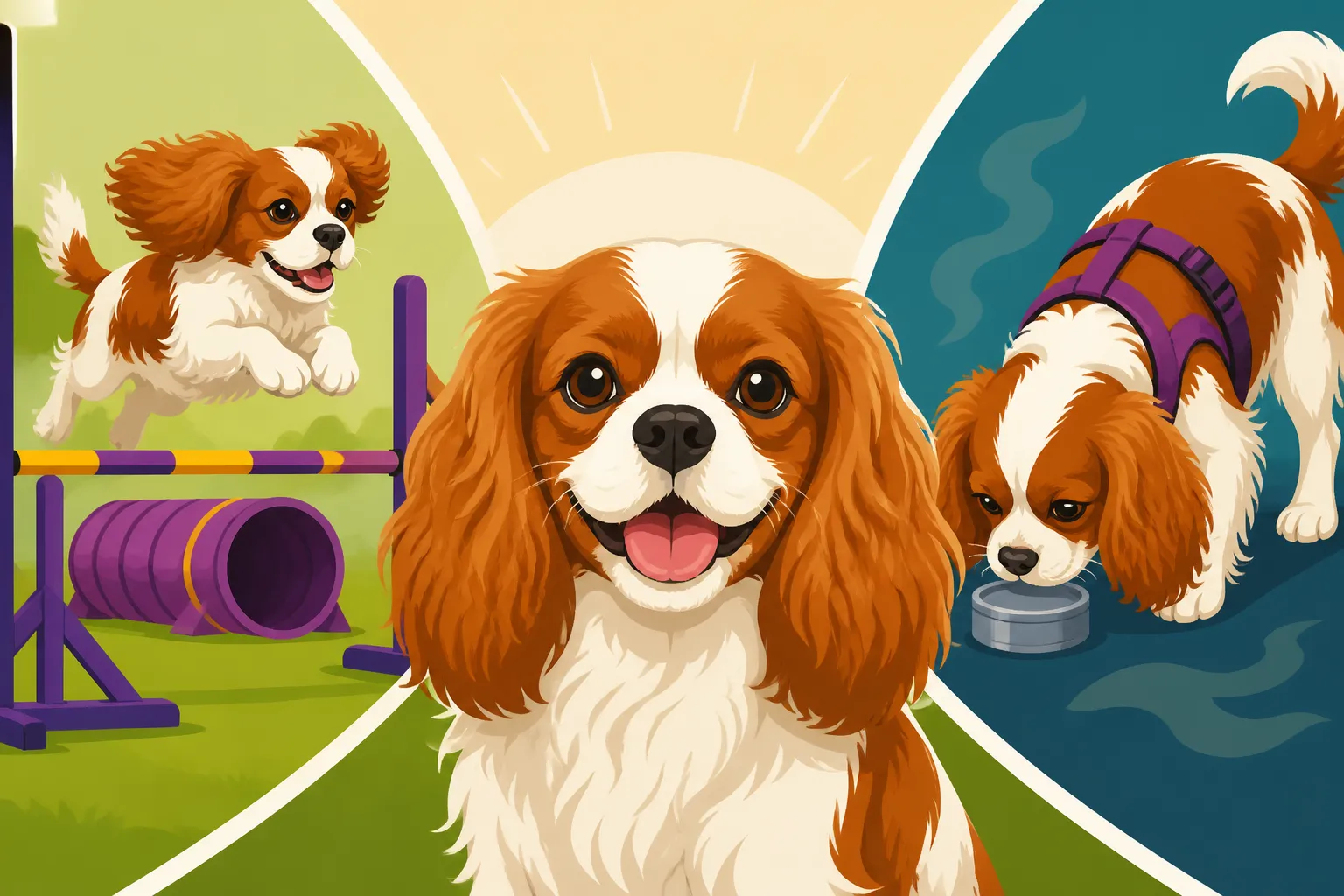
Agility involves guiding your dog through an obstacle course against the clock. This includes hurdles, tunnels, weave poles, dog walks, A-frames, and see-saws. For a Cavalier, agility is an incredible mental and physical workout. It requires them to think on their feet, follow complex sequences of commands, and navigate various terrains. Imagine your Cavalier zipping through a tunnel, leaping over a low jump, and then expertly weaving through poles – it’s a joy to watch, and even more joyful to experience with them! Beyond the competition, it builds their confidence, improves their coordination, and provides an unparalleled outlet for their energy. It's not about being the fastest, but about having fun, working as a team, and celebrating every successful run, no matter the speed. It's a wonderful way to burn off some steam for a dog that might otherwise struggle with just two short walks a day. If you're wondering Whether a Cavalier Copes on Two Short Walks, agility can offer that extra engagement.
Adapting Agility for Cavalier Health Considerations
It's crucial to acknowledge that Cavaliers, like many purebred dogs, come with certain health predispositions. Mitral Valve Disease in the Cavalier King Charles Spaniel and Syringomyelia and Chiari Malformation in Cavaliers are serious concerns. Also, joint issues like Cavalier Knees, Hips and Joint Problems can impact their ability to perform certain movements. Therefore, adaptation is key. This means low jump heights, ensuring proper warm-ups and cool-downs, and prioritizing safety over speed. A responsible agility trainer will always advocate for modifications based on your dog's breed and individual health. For example, instead of pushing for maximum height, focus on the joy of clearing a low bar. For Cavaliers, "low jump heights for a Cavalier in Agility" are often recommended to protect their delicate joints and backs. Always consult your veterinarian before starting any strenuous activity, especially if your Cavalier has any known health conditions or you suspect something might be amiss. A cardiac checkup is non-negotiable.
Getting Started in Cavalier Agility Training
Starting agility doesn't mean you need an expensive home course. Many basic skills can be practiced right in your living room or backyard. Begin with foundation work: teaching your Cavalier body awareness (e.g., stepping on objects, walking over different surfaces), impulse control, and responsiveness to your cues. Find a local training club that offers beginner agility classes, preferably one that emphasizes positive reinforcement and understands the unique needs of small breeds. Online resources, such as those offered by BAXTER & Bella, can also provide fantastic guidance for learning the basics from home, covering everything from luring techniques to introducing simple obstacles. You can even purchase small tunnels and low jumps relatively inexpensively from retailers like Amazon to get a head start. The most important thing is to make it fun and build your Cavalier's confidence with each small success.
Rally Obedience: A Dance of Communication and Teamwork
Rally obedience is often described as a more "user-friendly" version of traditional obedience, and it's a fantastic sport for Cavaliers. It focuses on teamwork and communication between dog and handler, making it a truly joyful experience for both.
The Flow of Rally: Understanding the Course and Stations
In rally obedience, you and your Cavalier navigate a course with numbered stations, each displaying a sign that indicates a specific exercise. These exercises might include "halt, sit, down," "left turn, normal pace," "spiral right," or "send over jump." Unlike traditional obedience, handlers are encouraged to talk to their dogs, offer encouragement, and provide multiple cues, making it much more interactive and less rigid. It's a partnership where constant communication helps you both flow through the course. The beauty of rally is that it's less about perfect precision and more about maintaining a happy, working relationship. It's a dynamic sport that requires focus and engagement from both ends of the leash, fostering an incredible bond.
Why Cavaliers Excel in Rally's Gentle Structure
Cavaliers, with their innate desire to please and their natural focus on their handler, are perfectly suited for rally obedience. They thrive on the positive reinforcement and continuous communication, often performing with wagging tails and bright eyes. The forgiving nature of rally, where handlers can talk to and praise their dogs throughout the course, plays right into the Cavalier's affectionate and eager temperament. It’s less intimidating than the strict silence of traditional obedience rings and allows their charming personalities to shine. This sport truly highlights Cavalier Temperament and the Sporting Spaniel Beneath It – their intelligence and biddability shine through, making them delightful partners to work with. They love having a job to do, and rally provides a clear, engaging set of tasks that they can master with their human partner right beside them.
Preparing Your Cavalier for Rally Success
A solid foundation in basic obedience is essential for rally. Your Cavalier should have a reliable "sit," "stay," "down," and a consistent heel. Practice maintaining attention while walking, even with distractions. Many dog training clubs offer specific rally classes, which are invaluable for understanding the signs and course flow. You can also set up a practice course at home using printed signs, which can be found online or purchased from retailers like Amazon. Start with just a few signs and gradually increase the complexity. Focus on making each station a positive experience, using high-value treats and enthusiastic praise. Building short, fun practice sessions into your daily routine is far more effective than long, grueling ones. Remember, it's about building confidence and enjoyment for your Cavalier.
Scent Work: Tapping into Their Natural Spaniel Noses
If agility seems too physically demanding or rally feels too structured, scent work might be the perfect fit for your Cavalier. This sport taps into their most powerful sense – their nose – and provides immense mental enrichment without putting strain on their bodies.
Unleashing the Nose: What Scent Work Is All About
Scent work, often called nose work, mimics the work of detection dogs. Your Cavalier learns to identify and locate specific target odors (like birch, anise, or clove) hidden in various environments: containers, interiors, exteriors, and vehicles. It’s essentially a sophisticated game of hide-and-seek where your dog is the seeker, and their reward is finding the hidden scent. This sport respects and channels a dog's natural instinct to sniff and investigate the world around them. For a Cavalier, whose spaniel ancestors were skilled at flushing game, using their nose is incredibly fulfilling and stimulating. They get to engage their brain and perform a task that feels inherently natural to them.
The Cavalier's Advantage in Scent Detection
Cavaliers possess an excellent sense of smell, a direct gift from their spaniel lineage. This makes them surprisingly adept at scent work. Because it is a low-impact activity, scent work is suitable for Cavaliers of all ages, including puppies, seniors, and those with physical limitations or health concerns that might preclude them from higher-impact sports. It’s also incredibly mentally stimulating, which can be just as tiring and satisfying as a long physical walk. This sport helps build confidence in shy dogs, provides an outlet for dogs with high energy or anxiety, and is a fantastic way to bond. You can read more about it in Scent Work as a Low-Impact Cavalier Sport. Imagine your Cavalier, once just a couch potato, now methodically searching a room, head down, tail wagging, completely absorbed in their "job." It's truly magical to witness.
Beginner Steps for Cavalier Scent Work
Starting scent work is remarkably simple. You can begin with a "food find" game: hide some high-value treats in a few boxes and let your Cavalier sniff them out. Once they understand the game, you can introduce a target odor. Many training facilities offer introductory scent work classes that guide you through the process, from teaching your dog to associate a specific scent with a reward to developing advanced search techniques. There are also many excellent online courses and books available. For example, you can buy starter scent kits (with essential oils and Q-tips) from places like Amazon to begin practice at home. The key is to make it fun, allowing your Cavalier to lead the search and celebrating their discoveries enthusiastically. The reward for finding the scent should always be high-value, making the experience incredibly positive.
Benefits Beyond the Ribbons: Why Dog Sports Matter
While winning ribbons can be exciting, the true value of engaging your Cavalier in dog sports extends far beyond competitive success. These activities offer a wealth of benefits that enhance their overall well-being and strengthen your relationship in profound ways.
Mental and Physical Enrichment for a Happy Cavalier
Our Cavaliers are smart, and like all intelligent beings, they need mental stimulation to truly thrive. Dog sports provide a fantastic outlet for their minds, challenging them to learn new skills, solve problems, and focus their energy. A bored Cavalier can sometimes develop undesirable behaviors, like excessive barking or destructive chewing, simply because they aren't getting enough appropriate engagement. Agility, rally, and scent work offer constructive channels for that mental energy. Physically, these sports provide controlled, purposeful exercise, which is particularly beneficial for keeping Cavaliers at a healthy weight—a crucial factor in managing conditions like heart disease. It helps maintain muscle tone and flexibility, contributing to a longer, healthier life. Giving your Cavalier a "job" boosts their confidence and overall happiness, leading to a much more mentally and physically enriched, happy Cavalier.
Strengthening the Bond: Partnership and Trust
There’s something incredibly special about working as a team with your dog. Dog sports are a unique opportunity to deepen your connection and build trust. When you're guiding your Cavalier through an agility course, cheering them on in rally, or silently observing them working a scent problem, you’re creating shared experiences that reinforce your partnership. Your Cavalier learns to rely on your cues, and you learn to read their body language and understand their unique way of thinking. This mutual understanding and cooperation translate into a more harmonious relationship at home, where your Cavalier is more attuned to you and more confident in your guidance. It's a wonderful way to foster a deeper level of communication and appreciation for each other.
Socialization and Community for Both Ends of the Leash
Joining a dog sport class or club opens up a world of socialization opportunities, not just for your Cavalier, but for you too! Your dog will learn to be comfortable and focused around other dogs and people in a controlled, positive environment. This is invaluable for building good manners and confidence in various situations. For owners, it's a chance to connect with like-minded individuals who share your passion for dogs. You'll find a supportive community where you can share stories, learn from experienced handlers, and celebrate each other's successes. This social aspect is incredibly enriching, helping to combat the isolation some dog owners can feel and fostering a sense of belonging for both you and your furry friend.
Important Considerations Before Diving In
Before you leap into the exciting world of dog sports with your Cavalier, there are a few critical factors to keep in mind. Prioritizing your dog's health and choosing the right training approach are paramount for a safe and enjoyable experience.
Prioritizing Health: Vet Clearance is Non-Negotiable
This cannot be stressed enough: always get a full veterinary check-up and clearance before starting any new dog sport. Cavaliers are prone to several genetic health conditions, especially Mitral Valve Disease in the Cavalier King Charles Spaniel and Syringomyelia and Chiari Malformation in Cavaliers. An annual cardiac exam by a board-certified veterinary cardiologist, as outlined in Annual Cardiologist Exams for a Cavalier, is essential, and often involves an echocardiogram. For agility, ensure their joints are sound. Your vet can advise on appropriate exercise levels and identify any potential issues that might require modifications to training. They might also recommend specific The Heart Testing a Cavalier Breeder Must Do if you've recently acquired your Cavalier. Starting a sport without this clearance could put your beloved companion at risk. Play it safe; your Cavalier's health is far more important than any ribbon.
Finding the Right Trainer: Positive and Cavalier-Friendly Methods
Choosing the right trainer is crucial. Look for instructors who prioritize positive reinforcement, force-free methods, and who understand the nuances of training small companion breeds like Cavaliers. Avoid any trainer who advocates for harsh corrections, intimidation, or punishment, as these methods can severely damage your Cavalier's confidence and willingness to work with you. Not only can such methods be physically harmful, but Why Harsh Corrections Break a Cavalier is a real phenomenon that can set back training by weeks or even months. A good trainer will tailor exercises to your dog's individual needs and physical capabilities, ensuring that the experience is always fun and rewarding. Ask about their philosophy, observe a class, and make sure you feel comfortable with their approach before committing.
Managing Expectations: It's About the Journey, Not Just the Destination
It’s easy to get caught up in the idea of competing and winning, but for most Cavalier owners, the real joy of dog sports comes from the shared experience and the journey itself. Focus on having fun, celebrating small victories, and strengthening your bond with your Cavalier. Not every dog will be a national champion, and that’s perfectly okay! Some Cavaliers might excel at agility, while others might find their true calling in the calm, focused world of scent work. Embrace your Cavalier's unique personality and talents, and let them guide you to the sport they enjoy most. The goal is a happy, engaged dog and a stronger, more fulfilling relationship with you, their devoted human.
Dog Sports Comparison for Cavaliers
To help you decide which sport might be the best fit for your Cavalier, here's a quick comparison of Agility, Rally Obedience, and Scent Work.
| Feature | Agility | Rally Obedience | Scent Work |
|---|---|---|---|
| Physical Demand | Moderate to High (with adaptations) | Low to Moderate | Very Low |
| Mental Demand | High | High | High |
| Equipment Needs | Jumps, tunnels, weave poles, contact obstacles | Signs, cones | Target odors, small containers, leashes |
| Health Suitability | Best for healthy, active Cavaliers; adaptations crucial for joint/heart concerns | Excellent for most Cavaliers; low impact | Excellent for all Cavaliers, including seniors or those with physical limitations |
| Pace of Sport | Fast-paced, dynamic | Moderate, flowing | Slow, methodical, focused |
| Primary Skill | Speed, coordination, handler communication | Handler communication, heel work, attention | Olfactory discrimination, focus, problem-solving |
| Indoor/Outdoor | Both | Both | Both |
Disclaimer
This article is for general informational purposes only and does not constitute professional advice. Laws, prices and regulations vary by location and change over time. Consult a qualified professional for guidance on your specific situation.