Shaping a New Behavior With a Cavalier
There’s a common frustration many Cavalier King Charles Spaniel owners experience when trying to teach their sweet, eager-to-please pups new tricks or behaviors. You might find yourself repeating commands, getting little response, or feeling like your Cavalier just isn't "getting it," despite their intelligence and desire to be close to you. This guide is all about embracing a different, more effective approach: shaping. We’ll explore how shaping can transform your training, leveraging your Cavalier’s natural inclinations to build new behaviors with patience, positivity, and tiny, achievable steps.
Understanding Why Traditional Methods Fall Short for Cavaliers
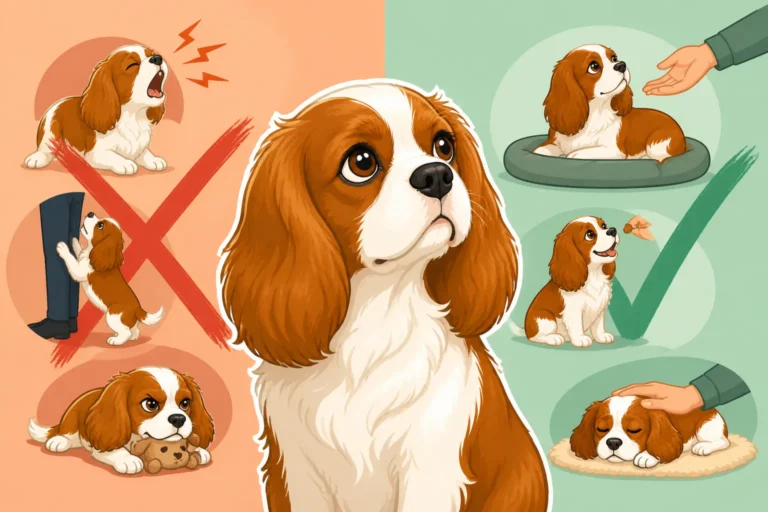
Cavaliers are unique little souls, known for their affectionate nature and desire for companionship. However, these very traits can sometimes make traditional, more forceful training methods counterproductive. If you've ever felt like you're battling your Cavalier in a training session, it's likely not because they're stubborn, but because the method isn't quite right for their sensitive spirit.
The Sensitive Nature of the Cavalier
Cavaliers are incredibly attuned to human emotions and can be quite sensitive to tone of voice and body language. They thrive on positive interaction and praise, wilting under harsh words or impatient corrections. Imagine trying to learn a new skill while someone is constantly correcting you loudly or making you feel like you're failing – it's demoralizing, right? Your Cavalier feels the same way. Their primary goal is often to please you and be near you, and if training becomes a source of stress or confusion, they're more likely to shut down or avoid the situation entirely. This sensitivity also means they can become easily overwhelmed by too much pressure or too many demands at once. They're not built for military-style obedience, but rather a gentle, cooperative partnership.
Why Force-Based Training Can Backfire
Using force, whether it's physical manipulation or strong verbal reprimands, might get a temporary result with some dogs, but with a Cavalier, it often damages the bond and erodes trust. A Cavalier who is forced into a position or scolded for not understanding might become fearful, withdrawn, or even learn to actively avoid training. Instead of happily engaging, they might start to hide when they see their leash or avoid eye contact. This is particularly true if you’re trying to teach something complex like Cavalier Recall and Its Limits where absolute trust in you is paramount. Force doesn't teach a dog why to perform a behavior; it only teaches them to avoid punishment. For a Cavalier, who yearns for connection, this can be truly heartbreaking and counterproductive to their well-being and your relationship. Moreover, it can stifle their natural enthusiasm for learning, turning what should be a fun, enriching experience into a dreaded chore for both of you.
The Art of Shaping: Breaking Down the Behavior
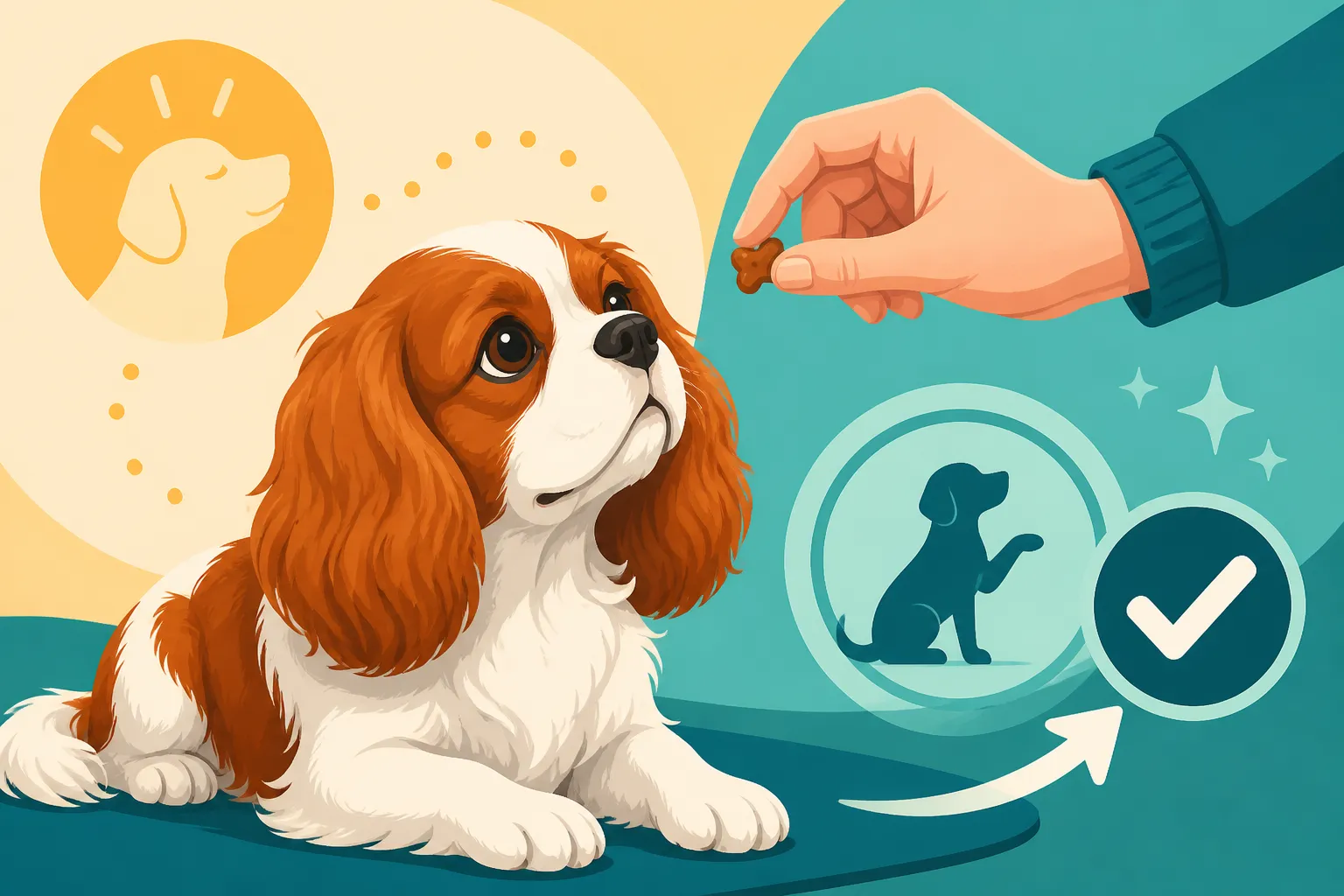
Shaping is a fantastic tool for training a Cavalier because it's entirely positive and builds confidence. Instead of forcing your dog into a position or waiting for them to offer the perfect behavior, you reward successive approximations of that behavior. Think of it like a game of "hot and cold," where your Cavalier gets "hotter" with each step closer to the desired action. It’s a method that truly respects your dog's intelligence and their learning process.
Defining Your End Goal in Tiny Steps
The core of shaping lies in deconstructing a complex behavior into its smallest, most manageable components. If your end goal is for your Cavalier to fetch a specific toy, you wouldn't just expect them to grab it and bring it back on the first try. Instead, you'd break it down: look at the toy, move towards the toy, sniff the toy, touch the toy, pick up the toy, hold the toy for a second, take a step with the toy, bring it closer to you, and finally, drop it in your hand. Each of these is a tiny, achievable step. The key is to be incredibly specific about what each "step" looks like. The more precisely you can define these micro-behaviors, the easier it will be for your Cavalier to understand what you're asking and for you to reward them at the right moment. This meticulous breakdown eliminates confusion and ensures your Cavalier is always succeeding, building momentum and excitement for the next step.
Marking and Rewarding Progress (Even the Smallest Bits!)
Once you've defined your steps, the magic happens with marking and rewarding. A "marker" is a distinct signal – often a clicker or a specific word like "yes!" – that tells your Cavalier the exact moment they performed the desired action correctly. This is immediately followed by a high-value treat. The timing of your marker is crucial; it must happen during the behavior or the instant it's completed.
For example, if you're shaping your Cavalier to lie down, you might start by marking and treating just for a head lowering. Then, only for their rear touching the ground. Then, only for a full lie down. You increase your criteria gradually. The "reward" isn't just a treat; it’s confirmation that they're on the right track. This positive feedback loop is incredibly powerful for a Cavalier. They learn that experimenting with behaviors can lead to good things, making them active participants in their own learning. Many trainers, including those on platforms like BAXTER & Bella, emphasize the importance of high-value treats to keep your Cavalier engaged, especially during Five-Minute Training Sessions With a Cavalier. You can find excellent clickers and treat pouches on Amazon to help with your timing and delivery.
Luring vs. Shaping: When to Use Which
It’s important to understand the difference between luring and shaping, as both are positive reinforcement techniques but serve different purposes.
-
Luring: Luring involves using a treat to guide your dog physically into a position or through an action. For instance, holding a treat to your Cavalier's nose and moving it over their head to get them to sit, or drawing it in an arc to get them to lie down. Luring is excellent for teaching initial behaviors quickly, especially simple ones like "sit," "down," or "stay." It gives your dog immediate clarity on what their body should do.
-
Shaping: Shaping, as discussed, is about rewarding successive approximations without direct physical guidance. You wait for the dog to offer a behavior that is close to your goal, then mark and reward it. This is ideal for more complex behaviors that might be difficult to lure, or for encouraging your Cavalier to think and problem-solve independently. It builds confidence and creativity.
While luring can be a great jump-start, especially for a puppy learning Cavalier Puppy Toilet Training Indoors, relying solely on it can sometimes lead to your Cavalier only performing the behavior when they see the treat. Shaping, on the other hand, encourages a deeper understanding and a more independent performance of the behavior, because they are figuring it out for themselves. Often, a combination of both is effective: lure the initial behavior, then fade the lure quickly and start shaping for duration, speed, or precision.
Practical Steps for Shaping a New Behavior
Successfully shaping a new behavior with your Cavalier takes more than just understanding the theory; it requires a practical approach and a commitment to consistency. Setting the stage correctly can make all the difference, transforming a potentially confusing experience into an enjoyable learning game.
Setting Up for Success: Environment and Tools
Before you even start, take a moment to set up your training environment. For a sensitive Cavalier, minimizing distractions is paramount, especially in the initial stages of learning a new behavior. A quiet room, free from other pets, loud noises, or interesting smells, is ideal. As your Cavalier gains proficiency, you can gradually introduce more distractions.
Next, gather your tools. You'll need high-value treats that your Cavalier absolutely adores – think small, soft, and easy-to-eat pieces of cooked chicken, cheese, or specialized training treats. The value of the treat directly correlates with your Cavalier's motivation. A clicker is also highly recommended, as its distinct, consistent sound provides clear, precise feedback. If your Cavalier is sensitive to sounds, consider a soft-clicker or simply use a verbal marker like "yes!" which you can practice to ensure it's always delivered with consistent tone. Many owners find a good treat pouch helpful, easily found on Amazon, to keep rewards accessible and prevent fumbling. Make sure you're comfortable and your Cavalier isn't overly tired or hungry, but not so full they're uninterested in treats. A slightly hungry Cavalier is often a highly motivated one!
Consistency is Key: Short, Frequent Sessions
Cavaliers, like many dogs, benefit immensely from consistency. This means not only being consistent in what you're asking for, but also in how you deliver your marker and reward. Your sessions should be short, frequent, and fun. Aim for 3-5 minute sessions, two to three times a day, rather than one long, exhausting session. These shorter bursts keep your Cavalier engaged and prevent them from getting bored or frustrated.
Think about it: learning is hard work! A Cavalier can only focus for so long before their attention drifts. Ending on a high note, even if it's after just a few successful repetitions, will leave them eager for the next session. If you find your Cavalier struggling or getting frustrated, simplify the step, make it easier, and end the session on a success. It’s far better to make progress slowly and positively than to push too hard and create negative associations with training. This approach is fundamental to Reward-Based Training With a Cavalier and helps reinforce the idea that training is a positive interaction with you.
Troubleshooting Common Shaping Challenges
Even with the best intentions, you might encounter some bumps in the road when shaping new behaviors. Don't get discouraged – these are learning opportunities for both you and your Cavalier.
- Your Cavalier isn't offering any behavior: If your Cavalier is just looking at you expectantly, you might be waiting for too much. Lower your criteria significantly. Reward the smallest movement in the right direction, even if it's just a glance towards the target or a shift in weight. Sometimes, starting with a simple lure for the very first step can kick-start the process.
- Your Cavalier gets "stuck": This happens when your dog keeps offering the same behavior you just rewarded, but isn't progressing. This means you raised your criteria too quickly. Go back a step, reward the easier action a few times, then try to incrementally raise the bar again, but in a tinier increment.
- Frustration (yours or theirs): If either of you is getting frustrated, it's time to take a break. End the session on an easy success (perhaps a behavior your Cavalier already knows well), and try again later. Sometimes a change of scenery or even just a few minutes of play can reset the mood. Remember, a Cavalier's sensitive nature means they pick up on your stress, so keeping a calm and positive demeanor is vital.
- "Clicker Addiction": Ensure your clicker isn't the only thing motivating your Cavalier. Once they understand the behavior, start pairing the click with verbal praise, a cheerful "good dog!" This helps transition them to performing the behavior for your praise and attention, not just the promise of a click and treat.
By being observant, patient, and flexible, you can navigate these challenges and ensure shaping remains a positive and productive experience for your Cavalier. It’s all part of building that wonderful bond and communication with your furry companion.
Real-World Examples of Shaping in Action
Shaping isn't just for impressive circus tricks; it's a powerful tool for everyday behaviors that can make living with your Cavalier even more harmonious. Let’s look at a couple of common scenarios where shaping can truly shine.
Shaping a "Place" Command
Teaching your Cavalier to go to a designated "place" (like a mat, bed, or crate) and stay there is incredibly useful. It provides them with a safe haven during busy times, helps with managing excited greetings at the door, or simply allows them to settle quietly while you're busy. Here's how you might shape it:
| Step | Action to Mark & Reward | Example Scenario | Why it's Important |
|---|---|---|---|
| 1: Interest | Your Cavalier looks at the mat. | You've placed the mat a few feet away. Your Cavalier glances at it. Click & Treat. | Establishes the mat as relevant and rewarding. |
| 2: Proximity | Your Cavalier takes a step towards the mat. | They walk towards the mat. Click & Treat. | Encourages movement in the right direction. |
| 3: Touch | Your Cavalier touches the mat with their nose or paw. | They sniff the mat's edge. Click & Treat. | Direct interaction with the "place." |
| 4: One Paw On | One paw lands on the mat. | Their front left paw steps onto the fabric. Click & Treat. | Builds commitment to the location. |
| 5: Both Front Paws On | Both front paws are on the mat. | They shift their weight to put both front paws on. Click & Treat. | Increases body engagement. |
| 6: All Four Paws On | All four paws are on the mat. | Your Cavalier steps fully onto the mat. Click & Treat. | Full commitment to being on the "place." |
| 7: Lying Down | Your Cavalier lies down on the mat. | Once all paws are on, they naturally settle into a lie-down. Click & Treat. | Achieves the core "place" behavior. |
| 8: Duration (1 sec) | Your Cavalier stays lying down for one second. | They lie down, you wait a brief moment. Click & Treat. | Introduces the concept of staying. |
| 9: Duration (2+ sec) | Increase duration incrementally. | Gradually increase the time they must stay before the click. | Builds reliability and settles them. |
| 10: Release | Add a release cue ("Okay," "Free"). | After a stay, say "Okay" and toss a treat off the mat. | Teaches them when the behavior is over. |
Remember to keep sessions short and fun. If your Cavalier gets off the mat before you click, simply reset and try again from the previous successful step. Over time, you can add a verbal cue like "Place" as they are performing the action, associating the word with the behavior. This command is fantastic for helping a Cavalier learn to Get a Cavalier to Switch Off Indoors.
Teaching a Calm Greet to Visitors
Cavaliers are typically thrilled to meet new people, which can lead to exuberant jumping or frantic circling when guests arrive. While adorable, this can be overwhelming for visitors and potentially unsafe for a small dog. Shaping a calm greeting means teaching your Cavalier that good things happen when all four paws are on the floor. This ties into Teaching a Cavalier to Greet Guests Calmly.
First, simulate a "visitor" scenario with a family member or friend. Start by having them just walk into the room without acknowledging your Cavalier. The moment your Cavalier keeps all four paws on the ground (even if they’re wiggling with excitement), Click & Treat. If they jump, the "visitor" immediately turns their back, removing all attention. The instant your Cavalier's paws touch the floor, the "visitor" turns back and offers the click and treat.
Slowly increase the criteria:
- Reward for four paws on the floor when the "visitor" walks in.
- Then, for four paws on the floor when the "visitor" stops in the room.
- Next, for four paws on the floor when the "visitor" speaks to them quietly.
- Finally, for four paws on the floor when the "visitor" offers a gentle pet.
It’s crucial that the "visitor" only interacts when the Cavalier is calm and on the floor. This teaches your Cavalier that the desired attention (pets, soft words) comes only when they are exhibiting the desired behavior. For more advanced training, consider a structured online program from a provider like BAXTER & Bella, which can walk you through complex scenarios like this with detailed video instructions and personalized support. By consistently shaping this behavior, your Cavalier will learn that a calm, polite greeting is far more rewarding than a frantic jump.
Disclaimer
This article is for general informational purposes only and does not constitute professional advice. Laws, prices and regulations vary by location and change over time. Consult a qualified professional for guidance on your specific situation.