The DNA Tests Every Cavalier Should Have
The constant worry about inherited health conditions can cast a shadow over the joy of owning a Cavalier King Charles Spaniel. From heart murmurs that appear too young to neurological quirks that leave you baffled, these beloved dogs are unfortunately predisposed to a host of genetic issues. This comprehensive guide will walk you through the essential DNA tests every Cavalier owner should consider, helping you understand their significance, interpret the results, and make informed decisions for your furry family member's long-term health and well-being.
Why DNA Testing is a Game-Changer for Cavalier Health
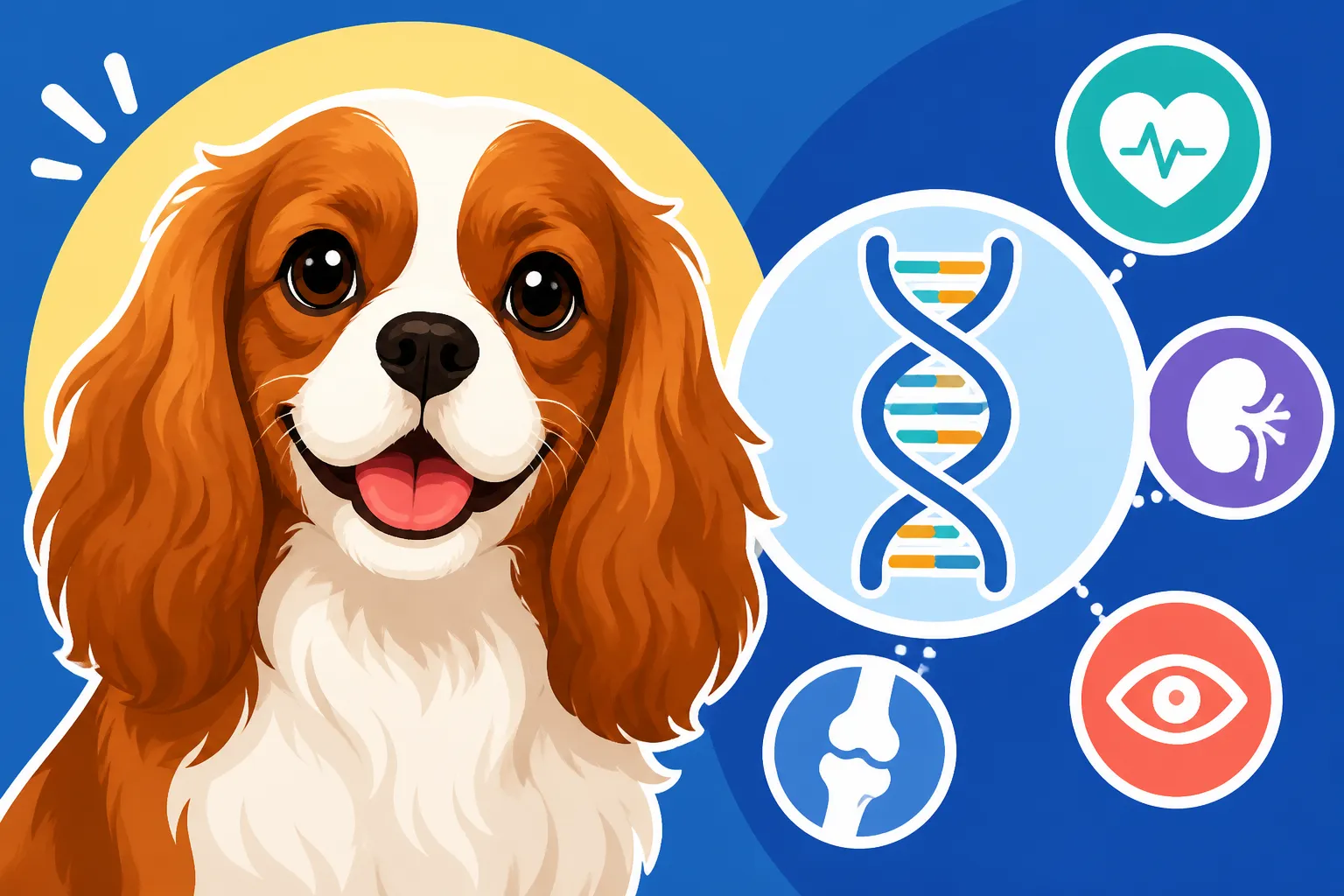
For anyone who cherishes a Cavalier King Charles Spaniel, the breed's reputation for certain health challenges is an ever-present concern. It's a sad reality that while their sweet dispositions and charming personalities win our hearts, their genetic blueprint often carries predispositions to serious conditions. DNA testing isn't just a trend; it's a powerful tool that allows us to peek into that blueprint, giving us an unprecedented advantage in protecting our dogs.
Moving Beyond Reactive to Proactive Care
Historically, managing Cavalier health has often felt like a constant game of whack-a-mole – waiting for symptoms to appear and then reacting to them. This can be incredibly stressful, expensive, and sometimes, heartbreakingly, too late. Think about the agony of watching your otherwise vibrant Cavalier suddenly exhibit strange gait changes or unexplained episodes of collapse. Without prior knowledge, you're scrambling for answers, enduring multiple vet visits, and facing uncertainty. DNA testing flips this script entirely. It allows us to identify genetic risks before any signs emerge. This proactive approach means we can implement preventative strategies, monitor more closely for early symptoms, and even make lifestyle adjustments that might delay or mitigate the severity of certain conditions. It shifts the power dynamic from helpless observer to informed advocate, giving you a tangible way to take charge of your Cavalier's future health.
Understanding Inherited Conditions in Cavaliers
Cavaliers, like many purebred dogs, carry genetic legacies that can be both beautiful and burdensome. Over generations, certain genes, some beneficial and others detrimental, have become concentrated within the breed's population. Conditions like Syringomyelia and Chiari Malformation in Cavaliers are widely known, as is the devastating prevalence of Mitral Valve Disease in the Cavalier King Charles Spaniel. While not all conditions are directly detectable by a single gene test, many significant ones are. These tests pinpoint specific mutations known to cause disease. For instance, knowing if your dog carries the gene for Episodic Falling Syndrome in a Cavalier can explain peculiar episodes of stiffness and collapse without requiring a battery of expensive, invasive diagnostics later on. This deep genetic insight helps us understand why certain issues might arise, rather than just treating the symptoms, allowing for more targeted and often more effective care plans.
Empowering Responsible Breeding Decisions
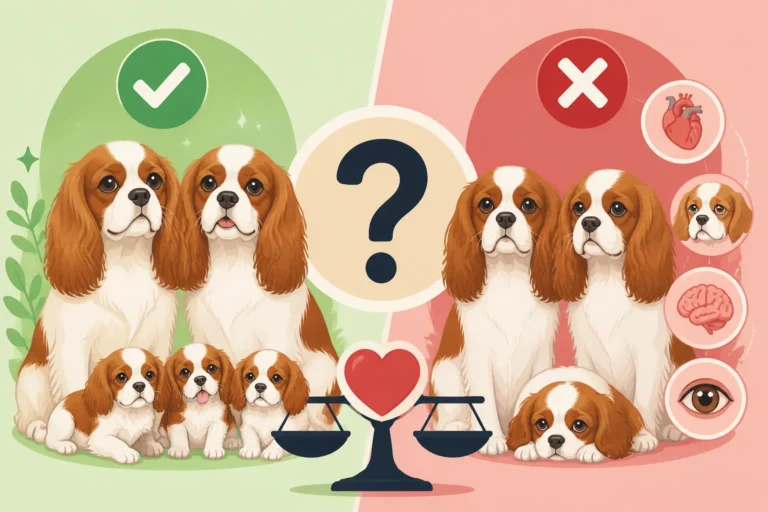
For breeders, DNA testing isn't merely beneficial; it's absolutely crucial for the future health of the breed. Reputable breeders recognize that their responsibility extends beyond producing beautiful puppies; it involves actively working to reduce the incidence of inherited diseases. By DNA testing their breeding stock, they can identify carriers of genetic conditions, even if those dogs never show symptoms themselves. This knowledge allows them to make informed decisions about pairings, ensuring that two carriers of the same recessive gene are never bred together, which would produce affected offspring. This careful, ethical approach helps gradually weed out problematic genes from the gene pool, leading to healthier generations of Cavaliers. When you're looking for a puppy, seeing clear evidence of parental DNA testing, alongside other critical screenings like The Heart Testing a Cavalier Breeder Must Do, is a huge green flag, indicating a breeder who truly prioritizes health above all else.
Essential DNA Tests for Cavalier King Charles Spaniels
While the list of potential genetic conditions in any breed can feel overwhelming, there are a few cornerstone DNA tests that every Cavalier owner and breeder should be acutely aware of. These tests target the most prevalent and impactful inherited diseases specific to our beloved Cavaliers, offering invaluable insights into their genetic health.
Episodic Falling Syndrome (EFS)
Episodic Falling Syndrome, often abbreviated as EFS, is a neurological condition unique to the Cavalier King Charles Spaniel. It's characterized by episodes of muscle rigidity, often triggered by excitement, exercise, or stress, leading to an awkward, crouched posture or a complete inability to move. Unlike epilepsy, the dog remains fully conscious throughout these episodes. As you can imagine, witnessing your beloved Cavalier stiffen and fall after a moment of pure joy can be terrifying and deeply confusing. The good news is that EFS is caused by a single recessive gene mutation, making it perfectly detectable with a DNA test. Identifying if your Cavalier is clear, a carrier, or affected by EFS allows for appropriate management. If your Cavalier is affected, understanding the triggers can help prevent episodes, and in some cases, medication might be prescribed to reduce their frequency or severity. For breeders, testing is paramount to eradicate this condition from their lines. For more detailed information, exploring The Episodic Falling DNA Test for Cavaliers is a great next step.
Dry Eye and Curly Coat Syndrome (CKCSID)
Another genetically inherited condition that can cause significant discomfort and health issues for Cavaliers is Dry Eye and Curly Coat Syndrome, sometimes referred to as CKCSID or Cavalier King Charles Spaniel Ichthyosis Dry Eye. This is a severe, debilitating condition that presents with two primary, distinct components. The "dry eye" aspect involves a chronic, severe lack of tear production, leading to painful, dry, and often ulcerated eyes. Imagine living with eyes that constantly feel like sandpaper – it's a truly miserable experience for a dog. The "curly coat" part manifests as a rough, excessively curly, and often greasy coat that is prone to matting and skin infections, even with diligent grooming. Affected puppies are typically recognizable very early on due to their abnormal coat texture. Sadly, affected dogs often face a lifetime of intensive medical management and significant pain. Like EFS, CKCSID is caused by a recessive gene mutation, meaning a simple DNA test can identify clear, carrier, and affected dogs. This test has been a tremendous leap forward in preventing the breeding of affected puppies and significantly reducing the incidence of this heartbreaking condition. Learning more about Dry Eye and Curly Coat Syndrome in Cavaliers can help you understand the symptoms and genetic basis more thoroughly.
Degenerative Myelopathy (DM) and Other Neurological Concerns
While Episodic Falling Syndrome is distinctly Cavalier, other broader neurological conditions can also impact the breed, and some are detectable through DNA testing. Degenerative Myelopathy (DM) is one such condition. DM is a progressive disease of the spinal cord in older dogs, leading to weakness in the hind limbs and eventually paralysis. While not as prevalent in Cavaliers as in some larger breeds like German Shepherds, it's a serious condition that can be screened for via DNA. The DM gene test helps identify dogs at risk, allowing owners to prepare for potential future challenges and discuss management strategies with their veterinarian.
Beyond DM, other genetic tests for conditions like Macrothrombocytopenia are often included in comprehensive Cavalier DNA panels. While Macrothrombocytopenia doesn't typically cause clinical disease in Cavaliers (it affects the size, not necessarily the function or count, of platelets), it's important for diagnostic accuracy during routine blood work, as a vet unfamiliar with this breed-specific trait might misinterpret a low platelet count. These broader panels often include tests for several other conditions that, while rare, are good to know about for comprehensive health planning. For instance, some panels might screen for certain forms of progressive retinal atrophy, though these are much less common than the eye issues associated with CKCSID. The more information we have, the better we can understand our specific dog's potential health trajectory.
The Nuances of Mitral Valve Disease MVD and Genetic Screening
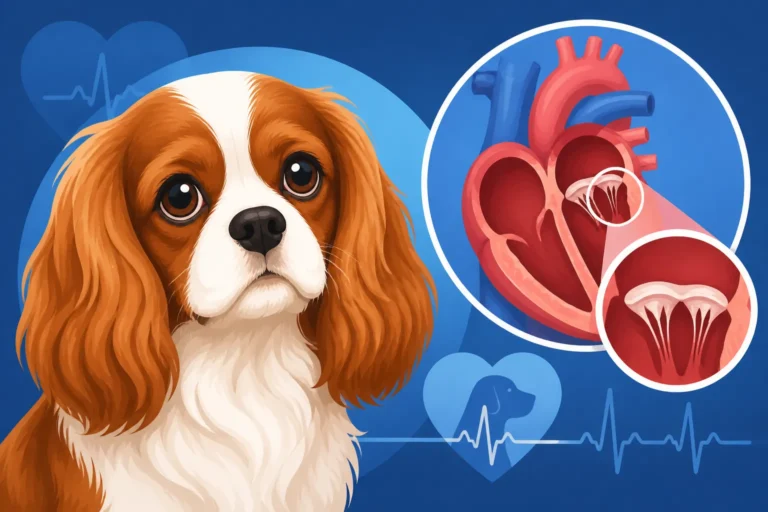
When discussing Cavalier health, it's impossible to avoid the elephant in the room: Mitral Valve Disease (MVD). This heartbreaking condition affects a staggering number of Cavaliers, often at alarmingly young ages. While DNA testing offers incredible promise for many inherited diseases, MVD presents a more complex genetic challenge.
Why There Isn't a Simple DNA Test for MVD (Yet)
Unlike conditions like EFS or CKCSID, which are typically caused by a single gene mutation (or a very small number), Mitral Valve Disease is a polygenic condition. This means it's influenced by multiple genes working in combination, as well as environmental factors. Think of it like a complex recipe with many ingredients, rather than just one problematic spice. Because of this intricate genetic interplay, scientists haven't yet been able to identify a single, simple DNA test that can definitively predict whether a Cavalier will develop MVD or how severe it will be. This can be frustrating for owners who yearn for a clear-cut genetic answer. Research is ongoing, and breakthroughs could happen, but for now, we rely on different, albeit crucial, diagnostic tools and careful breeding practices to combat this pervasive disease. The complexity of MVD is why so many breeders and owners are deeply invested in understanding its progression, as detailed in articles like How Cavalier Heart Disease Progresses Stage by Stage.
The Importance of the MVD Breeding Protocol
Given the lack of a direct DNA test, the primary method for battling MVD in Cavaliers through responsible breeding relies heavily on a strict breeding protocol focused on age and cardiac health clearances. This protocol, often referred to as the "MVD Protocol" or "Cavalier Heart Protocol," is advocated by breed clubs and cardiology specialists worldwide. It dictates that breeding Cavaliers should be a certain age (ideally five years or older) and have clear heart examinations by a board-certified veterinary cardiologist, not just a general vet. The idea is that if a Cavalier lives to an older age without developing a murmur, they are statistically less likely to pass on genes for early-onset MVD.
For breeders, adhering to The Cavalier MVD Breeding Protocol is a hallmark of responsibility and dedication to the breed's future. It’s a long-term commitment, often requiring breeders to hold back dogs from breeding until they are past the age when early murmurs typically appear, which can mean investing more time and resources. When researching a puppy, always ask for documented evidence of both parents' cardiac clearances by a board-certified cardiologist, specifically mentioning the age they were last screened. This is, currently, the most powerful tool we have in fighting MVD at a genetic level through selective breeding.
Complementary Heart Health Screenings
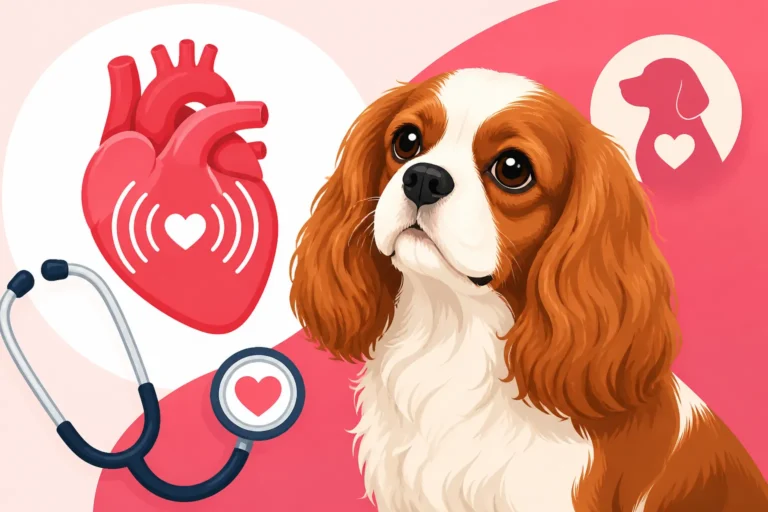
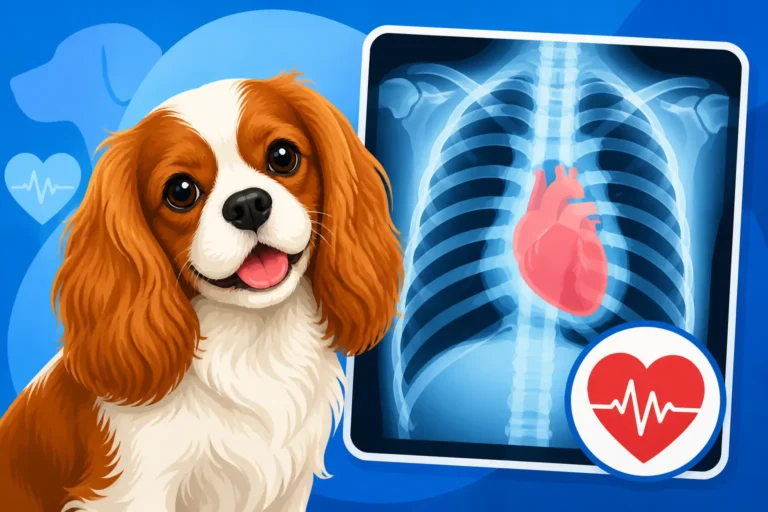
Since DNA tests for MVD aren't available, other diagnostic tools become absolutely essential for monitoring heart health in Cavaliers. Regular veterinary check-ups are a given, but annual cardiology exams are vital, especially as your Cavalier ages. During these specialized exams, a board-certified veterinary cardiologist will perform a thorough auscultation (listening to the heart with a stethoscope) to detect any murmurs. If a murmur is detected, further diagnostics, such as an echocardiogram, will be recommended.
An echocardiogram is essentially an ultrasound of the heart that allows the cardiologist to visualize the heart's structure, valve function, and blood flow. This non-invasive test is crucial for diagnosing MVD, assessing its severity, and determining if and when medication, such as Pimobendan, might be necessary. It can also detect other less common, but equally serious, congenital heart defects. These screenings are not just reactive; they're an integral part of proactive health management, allowing for early detection and intervention, which can significantly improve a Cavalier's quality of life and potentially extend their lifespan. For a deeper dive into these crucial appointments, consider reading about Annual Cardiologist Exams for a Cavalier.
| Test Type | Purpose | How It Works | Typical Results | Current Availability for Cavaliers |
|---|---|---|---|---|
| DNA Test (Genetic) | Identifies specific gene mutations for inherited diseases | Cheek swab or blood sample analyzed for known genetic markers | Clear (no mutation), Carrier (one copy), Affected (two copies) | EFS, CKCSID, DM, Macrothrombocytopenia |
| Echocardiogram (Echo) | Evaluates heart structure, valve function, and blood flow | Ultrasound waves create real-time images of the heart | Assesses MVD severity, heart chamber size, blood leakage | Essential for MVD diagnosis & monitoring |
| Auscultation | Detects heart murmurs or abnormal rhythms | Veterinarian listens to heart with a stethoscope | Identifies presence/grade of murmur, suggesting potential MVD or other issues | Routine part of vet and cardiologist exams |
| NT-proBNP Blood Test | Measures a hormone released when heart muscle stretches due to disease | Blood sample analyzed for NT-proBNP levels | Elevated levels can indicate cardiac stress or heart failure | Increasingly used as a screening tool |
Understanding the Results of Cavalier DNA Panels
Receiving your Cavalier's DNA test results can feel a bit like reading a foreign language at first glance. There are terms like "Clear," "Carrier," and "Affected," and understanding what each of these means is crucial for interpreting the information and making informed decisions about your dog's health and potential role in future breeding. It's not just about a simple pass or fail; there's a spectrum of genetic possibilities.
Deciphering Clear, Carrier, and Affected Status
When you get your Cavalier's DNA panel back, for each tested condition, you'll typically see one of three classifications:
- Clear: This is the most straightforward result. A "clear" dog does not possess the specific gene mutation associated with the disease. This means your Cavalier will not develop that particular genetic condition and cannot pass it on to any offspring. It offers significant peace of mind for that specific ailment.
- Carrier: A "carrier" dog has one copy of the gene mutation but also one normal copy. For most recessive genetic diseases (like EFS and CKCSID), a carrier dog will not develop the disease themselves because the normal gene copy compensates. However, they can pass that gene mutation on to their offspring. This is incredibly important for breeders, as breeding two carriers together creates a 25% chance of producing affected puppies. For pet owners, knowing your dog is a carrier typically means they are healthy, but it's vital information if you ever consider breeding (though for pet Cavaliers, this is often less of a direct concern).
- Affected: An "affected" dog has two copies of the gene mutation (one from each parent) and, therefore, is highly likely to develop the disease, or may already be showing symptoms. For some conditions, "affected" means they will develop it; for others, it means a significantly increased risk or predisposition. This result requires careful consultation with your veterinarian to understand the prognosis, potential management strategies, and implications for your dog's quality of life.
Understanding these classifications is the first step in making sense of your Cavalier's genetic profile. Many laboratories provide detailed explanations of what each status means for the specific conditions they test for, and it's always a good idea to discuss the results with your vet, especially if you have an "affected" or "carrier" status for a major condition. For a broader understanding of how these results are presented, consider reviewing an article like Reading a Cavalier DNA Panel Result.
What a "Carrier" Result Means for Your Cavalier
Finding out your Cavalier is a "carrier" for a genetic condition can be a bit alarming at first, especially if you're new to genetic testing. The immediate concern for most pet owners is, "Will my dog get sick?" For the vast majority of conditions screened for in Cavaliers, particularly those with a simple recessive inheritance pattern like EFS and CKCSID, a carrier dog will live a normal, healthy life and will not develop the disease itself. The presence of one normal gene copy prevents the expression of the disease. So, for your pet Cavalier, a carrier status typically doesn't impact their daily health or well-being.
However, the "carrier" status becomes profoundly important in breeding. If a carrier dog is bred to another carrier, there's a risk of producing affected puppies. Therefore, responsible breeders use this information to make wise mating choices. They might breed a carrier to a "clear" dog, ensuring that all offspring will be either clear or carriers themselves, but none will be affected. This thoughtful approach helps preserve valuable genetics in a breeding program while preventing the birth of puppies destined to suffer from preventable diseases. For a deeper dive into these complex decisions, you might want to look into Whether Two Cavalier Carriers Should Be Bred.
How Results Impact Daily Life and Future Breeding
The impact of DNA test results extends far beyond just knowing a status. For a pet owner with an "affected" Cavalier, the results become a critical piece of their dog's health puzzle. It guides discussions with the vet about symptom management, potential preventative measures, and ongoing monitoring. For instance, if your Cavalier is affected by EFS, understanding potential triggers like excitement might prompt you to manage their environment more carefully.
For breeders, these results are foundational. They inform which dogs are suitable for breeding and, if so, which pairings are genetically safe. The goal is always to improve the health of the breed, which means consciously reducing the prevalence of these undesirable genes. Beyond direct breeding decisions, comprehensive DNA panels, often offered by labs like Embark or Wisdom Panel, contribute valuable data to canine genetic research, potentially leading to new breakthroughs. This shared genetic knowledge helps the entire Cavalier community work towards a healthier future. Furthermore, having this documentation can be really helpful when you're looking to insure your pet. Companies like Healthy Paws often consider a pet's health history when determining coverage and premiums, and demonstrating a proactive approach to genetic health can be beneficial down the line, especially for conditions that might not yet be symptomatic.
Choosing a Reputable DNA Testing Laboratory
Deciding to DNA test your Cavalier is a fantastic step towards proactive health management, but choosing where to send those precious cheek swabs or blood samples is just as important. Not all labs are created equal, and ensuring accuracy and reliability should be your top priority. You want to trust the results, whether for your beloved pet or for critical breeding decisions.
Key Factors in Lab Selection
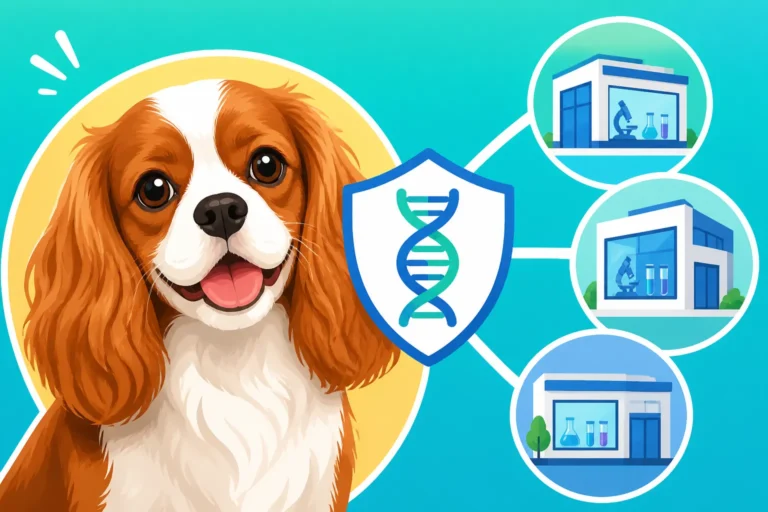
When evaluating DNA testing laboratories, several factors should guide your decision. First and foremost, look for labs that specialize in canine genetics and have a strong reputation within the veterinary and breeding communities. Accreditation and certification by recognized bodies (if applicable) can also be a good indicator of quality control and scientific rigor. You want a lab that uses peer-reviewed science and robust testing methods.
Secondly, consider the breadth of their Cavalier-specific panels. While some labs offer basic tests for common conditions, others provide comprehensive panels that cover a wider array of genetic predispositions relevant to the Cavalier King Charles Spaniel, including those less common but still impactful, like Macrothrombocytopenia. Look for a lab that explicitly tests for EFS and CKCSID, as these are critical for the breed. Don't be afraid to compare the number of markers tested and the specific diseases included.
Finally, consider customer support and ease of understanding the reports. A good lab will provide clear, concise, and easy-to-understand results, along with resources to help you interpret them. They should also be available to answer any questions you might have. For a broader look at which labs are trusted in the industry, you can refer to resources like Which Labs Run Cavalier Genetic Tests.
The Process: From Swab to Results
The process of DNA testing your Cavalier is generally quite straightforward and minimally invasive. Most commonly, it involves a simple cheek swab. The lab will send you a kit containing sterile swabs, instructions, and return packaging. You'll gently rub the swabs along the inside of your dog's cheek for a specified amount of time to collect epithelial cells, which contain their DNA. Some kits might require a small blood sample taken by your veterinarian, especially for specific tests or if a larger DNA yield is needed.
Once you've collected the sample, you'll register your kit online, provide any necessary information about your dog, and mail the sample back to the lab. The waiting period for results can vary, typically ranging from a few weeks to a couple of months, depending on the lab and the complexity of the panel. When the results are ready, you'll usually receive an email notification to access your personalized online report. This report will detail your Cavalier's genetic status for each condition tested, often with explanations and recommendations.
Integrating DNA Testing with Comprehensive Health Records
Once you have your Cavalier's DNA results, they become an invaluable part of their overall health record. It's crucial to share these results with your primary veterinarian. This information empowers your vet to provide more tailored and preventative care. For example, if your Cavalier is a carrier for a condition, your vet might recommend specific monitoring or discuss prophylactic measures, even if your dog isn't affected. If your Cavalier is affected, it helps solidify their diagnosis and informs treatment plans.
For breeders, maintaining meticulously organized records of all DNA test results for their breeding stock is paramount. These records, along with other health clearances like OFA (Orthopedic Foundation for Animals) certifications for hips and knees, and cardiology evaluations, demonstrate a commitment to health and transparency. When potential puppy buyers inquire, being able to readily provide these comprehensive records builds trust and assures them they are choosing a puppy from a health-conscious program. Companies like Healthy Paws, which offers pet insurance, also appreciate comprehensive health records as they help in understanding a pet's health history, making it easier to process claims for future conditions.
The Financial and Emotional Investment in DNA Testing
Let's be real, owning a Cavalier King Charles Spaniel is a significant financial commitment, even without unforeseen health issues. When we talk about advanced diagnostics like DNA testing, it's natural to wonder about the cost. However, it's essential to view DNA testing not as an expense, but as an investment – an investment in peace of mind, proactive care, and potentially, long-term savings.
Cost of a Cavalier DNA Panel
The price of a DNA panel for your Cavalier can vary quite a bit depending on the laboratory you choose and the comprehensiveness of the panel itself. Basic panels that screen for just a few of the most common breed-specific conditions might range from $80 to $150. More extensive panels, which can test for dozens or even hundreds of genetic conditions, coat colors, and trait markers, often fall in the $150 to $300 range. Premium services, sometimes including genetic counseling or advanced reporting, might push the cost slightly higher.
While it might seem like a lump sum upfront, compare this to the potential costs of diagnosing a genetic condition once symptoms appear. The battery of tests, specialist consultations, and emergency visits could quickly climb into the thousands of dollars. An MRI scan to investigate neurological symptoms, for instance, can cost well over $1,500 just for the scan itself, not including consultation or anesthesia. Investing in a DNA panel early on can save you significant diagnostic expenses down the road, especially for conditions like Syringomyelia and Chiari Malformation in Cavaliers, which require expensive imaging for diagnosis.
Long-Term Savings and Peace of Mind
The financial benefits of DNA testing extend beyond avoiding diagnostic fees. For breeders, it means making informed decisions that prevent the birth of puppies with debilitating genetic conditions, saving them and future owners from immense heartache and financial burden. For pet owners, knowing your Cavalier's genetic predispositions allows for proactive health management. For example, if your Cavalier is genetically predisposed to a certain joint issue, you might implement specific supplements, manage their weight carefully, or adjust their exercise regimen, potentially delaying or reducing the severity of the condition, and thus, the associated veterinary costs over their lifetime.
Beyond the monetary aspect, the peace of mind that comes with DNA testing is invaluable. Knowing your dog is clear of major genetic diseases can relieve a significant source of worry. If they are a carrier, you have the knowledge to avoid unknowingly passing on genes if you were considering breeding. If they are affected, you have a head start on managing their condition with your vet, providing the best possible quality of life. This proactive approach significantly reduces anxiety and allows you to simply enjoy your Cavalier, knowing you've done everything you can to understand and protect their health. This foundational knowledge also makes it much easier to plan for broader expenses, contributing to sound financial planning, as highlighted in guides like Budgeting a Cavalier From Puppy to Senior.
How Insurance Can Support Diagnostic Testing
Pet insurance plays a vital role in managing the overall costs of owning a Cavalier, especially given their predispositions to certain health issues. While standard DNA screening tests often aren't covered by pet insurance, if a DNA test is recommended by a veterinarian as a diagnostic tool after symptoms have appeared (e.g., to confirm a suspected genetic condition causing observed symptoms), some policies might offer coverage. It’s always crucial to review your specific policy details or speak with your insurance provider directly.
Leading pet insurance companies like Healthy Paws offer comprehensive coverage for accidents and illnesses, which can be a lifesaver when unexpected health issues arise. While genetic screening to identify predispositions might not be a direct claim, the treatments, medications, and specialist visits that become necessary if a genetic condition manifests are typically covered, provided the condition isn't pre-existing. This is why insuring your Cavalier as early as possible – ideally as a puppy before any symptoms or murmurs appear – is so important. Proactive steps, like getting DNA testing done early, can support your overall health strategy, ensuring that if a genetic condition does manifest later in life, you're better prepared to handle the associated veterinary bills. For more information on securing coverage, understanding Insuring a Cavalier Before the Murmur Arrives is a crucial read.
Beyond DNA: A Holistic Approach to Cavalier Health
While DNA testing provides an incredible window into your Cavalier's genetic predispositions, it's just one piece of the puzzle. A truly healthy and happy Cavalier thrives on a comprehensive, holistic approach that integrates genetics with excellent veterinary care, appropriate nutrition, regular exercise, and a nurturing environment. Understanding your dog's genetic blueprint should empower you to optimize these other crucial aspects of their life.
Regular Veterinary Check-ups and Specialist Consultations
No amount of DNA testing can replace the importance of consistent, high-quality veterinary care. Regular annual check-ups are fundamental, allowing your primary vet to monitor your Cavalier's overall health, listen to their heart, check their joints, and discuss any changes you might have noticed. These routine visits are where potential issues are often first identified, leading to further investigation.
Beyond general practice, Cavaliers often benefit from specialist consultations. Given the breed's prevalence of heart disease, regular visits to a board-certified veterinary cardiologist become increasingly important as they age, even if initial DNA tests are clear. Similarly, if neurological symptoms arise, a veterinary neurologist would be the specialist to consult. These specialists have advanced training and equipment to diagnose and manage complex conditions that a general practitioner might not. Establishing relationships with these specialists early, or at least knowing when to seek their expertise, ensures your Cavalier receives the most informed and cutting-edge care possible. This integrated approach means your vet, specialists, and you, the owner, are all working together based on the fullest possible picture of your Cavalier's health.
Nutrition, Exercise, and Environmental Factors
Even with a pristine genetic profile, a Cavalier's health can be significantly impacted by their lifestyle. A balanced, high-quality diet appropriate for their age, activity level, and any specific health needs (such as a low-sodium diet for a Cavalier with developing heart disease) is paramount. Avoiding overfeeding and maintaining a healthy weight is critical, as excess weight puts undue strain on the heart, joints, and overall system, exacerbating many breed-specific issues.
Regular, moderate exercise tailored to your Cavalier's individual capabilities helps maintain muscle tone, cardiovascular health, and mental well-being. This might mean gentle walks for an older Cavalier with a heart murmur, or more active play for a younger, healthy dog. Understanding your dog's limits, especially if they have conditions like EFS, is key. Environmental factors also play a role. A safe, stimulating home environment, protection from extreme weather, and consistent mental engagement through play and training all contribute to a robust immune system and a happy, well-adjusted dog. These lifestyle choices work synergistically with genetic information to maximize health outcomes.
Advocating for Health in the Cavalier Community
As Cavalier owners, we are also advocates for the breed. By understanding and utilizing DNA testing, we contribute to a broader movement towards improving Cavalier health. Sharing your experience with responsible breeders, local breed clubs, and fellow owners helps raise awareness and promote best practices. Insisting on seeing health clearances, including DNA panel results, from any breeder you consider sends a strong message that health is paramount.
Supporting ethical breeders who prioritize comprehensive health testing, including those following stringent MVD protocols, reinforces positive breeding practices. You can also support research initiatives aimed at identifying genetic markers for complex conditions like MVD or better treatments for conditions like Syringomyelia. Every informed decision you make, from choosing a puppy from health-tested parents to sharing your own Cavalier's genetic profile with your vet, helps build a stronger, healthier future for this wonderful breed. By being proactive and informed, we collectively work to ensure that future generations of Cavaliers are as healthy as they are beloved.
Disclaimer
This article is intended for informational purposes only and does not constitute veterinary advice. Always consult with a qualified veterinarian or veterinary specialist for any health concerns or before making any decisions about your Cavalier King Charles Spaniel's health or treatment. DNA test results should be interpreted in conjunction with a veterinary professional.