Toilet Accidents in an Elderly Cavalier
It's incredibly frustrating and often heartbreaking when your once perfectly house-trained Cavalier King Charles Spaniel starts having accidents indoors. You feel a mix of confusion, sadness, and sometimes even a little exasperation, wondering why your beloved senior friend seems to have forgotten their training. This guide aims to unravel the many reasons behind these changes, from subtle health shifts to cognitive decline, and provide you with practical, empathetic strategies to manage and support your elderly Cavalier through this challenging stage of life.
The Complex Web of Causes: Why Our Senior Cavaliers Have Accidents
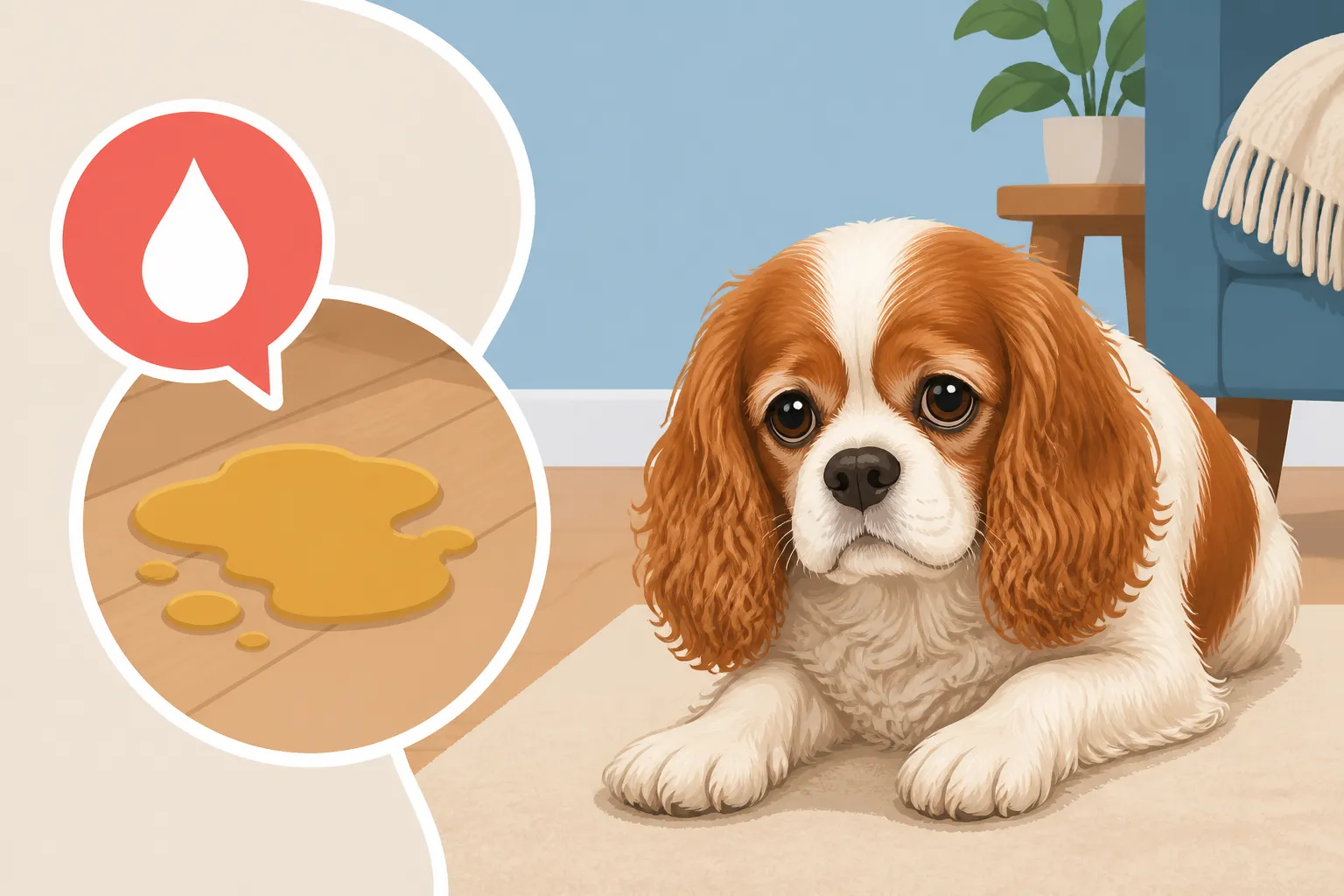
When your sweet, elderly Cavalier starts having accidents in the house, it's natural to feel a pang of worry and perhaps even a bit of bewilderment. After years of reliable house-training, these lapses can seem to come out of nowhere. But it's crucial to understand that these aren't typically acts of defiance; they're almost always a sign that something has changed in your dog's world, whether it's their physical health, cognitive function, or even their environment. As our Cavaliers gracefully enter their golden years, their bodies and minds don't function with the same youthful vigor, and this can manifest in ways that impact their ability to control their bladder and bowels.
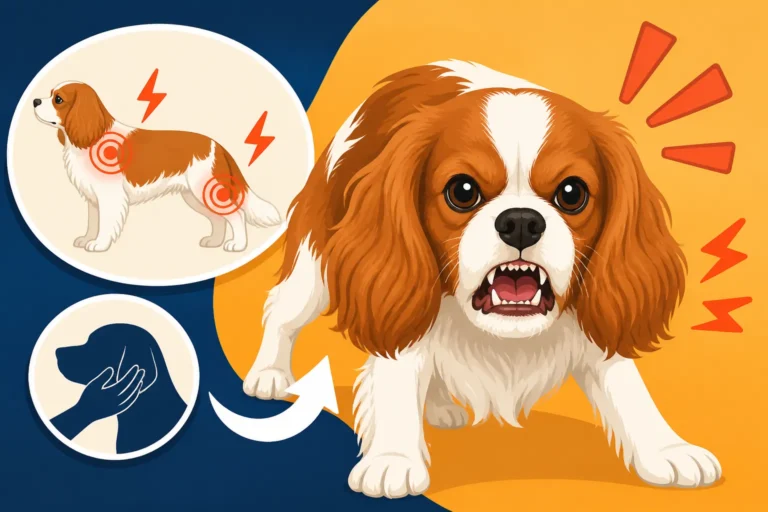
One of the first things to consider is that their physical capabilities might be declining. Imagine trying to hold it when your joints ache, or you can't quite move as quickly as you used to. A senior Cavalier might have arthritis, especially in their hips or knees, making the effort to stand up, walk to the door, or even squat outside painful and slow. This pain can lead them to relieve themselves where it's easier, or simply closer. Pain Management for a Senior Cavalier is a critical aspect of their comfort. They might also be experiencing reduced bladder or bowel control due to weakening muscles, a common part of aging. Their internal "plumbing" just isn't what it used to be. Sometimes, it's not even about holding it, but simply knowing when they need to go. Sensory changes mean they might not feel the urge as strongly or as quickly, giving them less time to react and get to their designated spot.
Beyond the physical, there's the equally important aspect of cognitive decline. Just like humans, dogs can experience changes in brain function as they age, often referred to as Canine Cognitive Dysfunction (CCD), or "doggy dementia." A Cavalier with CCD might forget their house-training rules entirely, become disoriented in familiar surroundings, or even forget to signal you that they need to go outside. They might stare blankly at the door they once pawed at, or simply wander into a corner and squat without any forethought. This isn't them being naughty; it's a neurological change that truly impacts their memory and awareness. Recognizing these subtle shifts in behavior is key, as managing CCD often requires a different approach than managing purely physical incontinence. It can be heartbreaking to watch your once sharp and responsive companion seem to lose their way, even in their own home.
Navigating Medical Solutions and Veterinary Care for Incontinence
When your elderly Cavalier starts having accidents, the very first and most important step is a trip to your veterinarian. It’s absolutely vital to rule out any underlying medical conditions, as many causes of incontinence are treatable or manageable with proper veterinary care. Don't assume it's "just old age" and resign yourself to endless cleanup. Your vet will conduct a thorough physical exam, often including blood tests, urine analysis, and possibly imaging like X-rays or ultrasound, to get a full picture of what's going on. They're looking for everything from simple urinary tract infections (UTIs) to more complex issues that require specific medications or management strategies.
Urinary tract infections are a surprisingly common culprit in older dogs, especially females. They cause discomfort and a frequent, urgent need to urinate, often leading to accidents. Bladder stones or even certain types of tumors can also irritate the bladder, causing similar symptoms. Beyond the urinary system, conditions like kidney disease or diabetes can increase thirst and urination, meaning your Cavalier's bladder simply fills up faster than usual, making it harder for them to hold it for long periods. Your vet might also want to check for signs of Mitral Valve Disease in the Cavalier King Charles Spaniel, as some heart medications, particularly diuretics for fluid retention, can increase urination. It's a cascade effect: manage one condition, and another symptom might arise.
One of the most common medical causes for incontinence in spayed female dogs is Sphincter Mechanism Incompetence (SMI), often called "hormone-responsive incontinence." This is where the muscles around the urethra weaken, leading to urine leakage, especially when resting or sleeping. Thankfully, this condition often responds very well to medication, such as Phenylpropanolamine (PPA) or Estriol, which helps strengthen the urethral sphincter. For male dogs, prostatic issues or even specific neurological problems can lead to incontinence. If your vet suspects a neurological issue, they might refer you to a specialist, especially if signs like A Cavalier That Yelps When Picked Up or other mobility changes accompany the accidents. It’s about tailoring the treatment to the exact cause, which can significantly improve your Cavalier's quality of life and reduce accidents.
Here's a quick overview of common medical causes and potential interventions:
| Cause | Symptoms | Potential Veterinary Intervention |
|---|---|---|
| Urinary Tract Infection (UTI) | Frequent urination, straining, blood in urine, strong odor, squatting repeatedly | Antibiotics, pain relief |
| Bladder Stones/Tumors | Similar to UTI, pain, difficulty urinating, recurrent infections | Dietary changes, medication, surgery |
| Kidney Disease | Increased thirst, increased urination, lethargy, poor appetite | Prescription diet, fluid therapy, medications |
| Diabetes Mellitus | Increased thirst, increased urination, weight loss despite good appetite | Insulin therapy, dietary management |
| Sphincter Mechanism Incompetence (SMI) | Urine leakage, especially when resting or sleeping (common in spayed females) | Medications (e.g., PPA, Estriol) |
| Arthritis/Mobility Issues | Difficulty standing, slow movement, reluctance to go outside, limping | Pain medication, joint supplements, physical therapy, ramps |
| Canine Cognitive Dysfunction (CCD) | Disorientation, anxiety, altered sleep-wake cycles, forgotten house-training | Medications (e.g., Selegiline), cognitive support supplements, environmental enrichment |
| Neurological Issues | Weakness, paralysis, changes in gait, loss of coordination | Diagnostic imaging (MRI), medication, surgery, physical therapy |
Practical Home Management and Support for Your Senior Cavalier
Once medical causes are addressed or ruled out, or if you're managing conditions like CCD or severe arthritis, practical home management becomes your daily routine. The goal is to minimize accidents, maintain hygiene, and ensure your Cavalier's comfort and dignity. This stage often requires patience, consistency, and a little creativity to adapt your home and routine to their changing needs.
Firstly, increasing the frequency of potty breaks is paramount. Even if your Cavalier used to hold it for eight hours, an older dog might only manage two or three. Take them out first thing in the morning, last thing at night, after every meal, after waking from naps, and periodically throughout the day. It might feel like you're constantly ushering them outside, but it drastically reduces the chance of indoor accidents. Consider setting an alarm for middle-of-the-night potty breaks if nocturnal accidents are an issue. Remember, even if A Cavalier That Will Not Go Out in Rain was once a challenge, you might need to make it more appealing with a covered area or a doggy umbrella.
Managing the clean-up is another significant part of this journey. Invest in high-quality enzymatic cleaners (many available on Amazon) specifically designed to break down pet odors and stains. These are crucial because if a dog can still smell previous accidents, they're more likely to repeat them in the same spot. For bedding and furniture, waterproof covers and washable pads are lifesavers. Consider doggy diapers or belly bands, which can be particularly helpful for managing minor leaks or marking behaviors. Brands like Simple Solution and Pet Parents offer reusable options, also easily found on Amazon. These aren't a substitute for frequent potty breaks but can prevent messes and protect your home.
Beyond the immediate management of bodily functions, remember to adapt your home environment to support your senior Cavalier's mobility and cognitive changes. If getting up and down stairs is hard, consider blocking access or providing ramps. If they struggle with slippery floors, lay down rugs or runners. Ensure their bed is easily accessible and supportive, perhaps an orthopedic bed for aching joints. Continue to engage their minds with gentle play and short, positive training sessions – even an older dog can learn new tricks or reinforce old ones, which can help with cognitive function. Companies like BAXTER & Bella, while focused on puppy training, emphasize positive reinforcement, which is always valuable for keeping a dog engaged and confident, no matter their age. While their program isn't designed for senior dogs, the principles of clear communication and reward-based learning can be adapted to reinforce desired behaviors, like teaching a Cavalier to ask outside, even if the asking is now a slow wander to the door instead of an enthusiastic bark. Regular grooming, especially around their hindquarters, is also essential for hygiene, especially if they have some fecal incontinence. Keeping an Old Cavalier's Coat Comfortable will be important to prevent skin irritation. This commitment to care for What Changes in a Cavalier After Eight solidifies the incredible bond you share.
Disclaimer
This article is for general informational purposes only and does not constitute professional advice. Laws, prices and regulations vary by location and change over time. Consult a qualified professional for guidance on your specific situation.