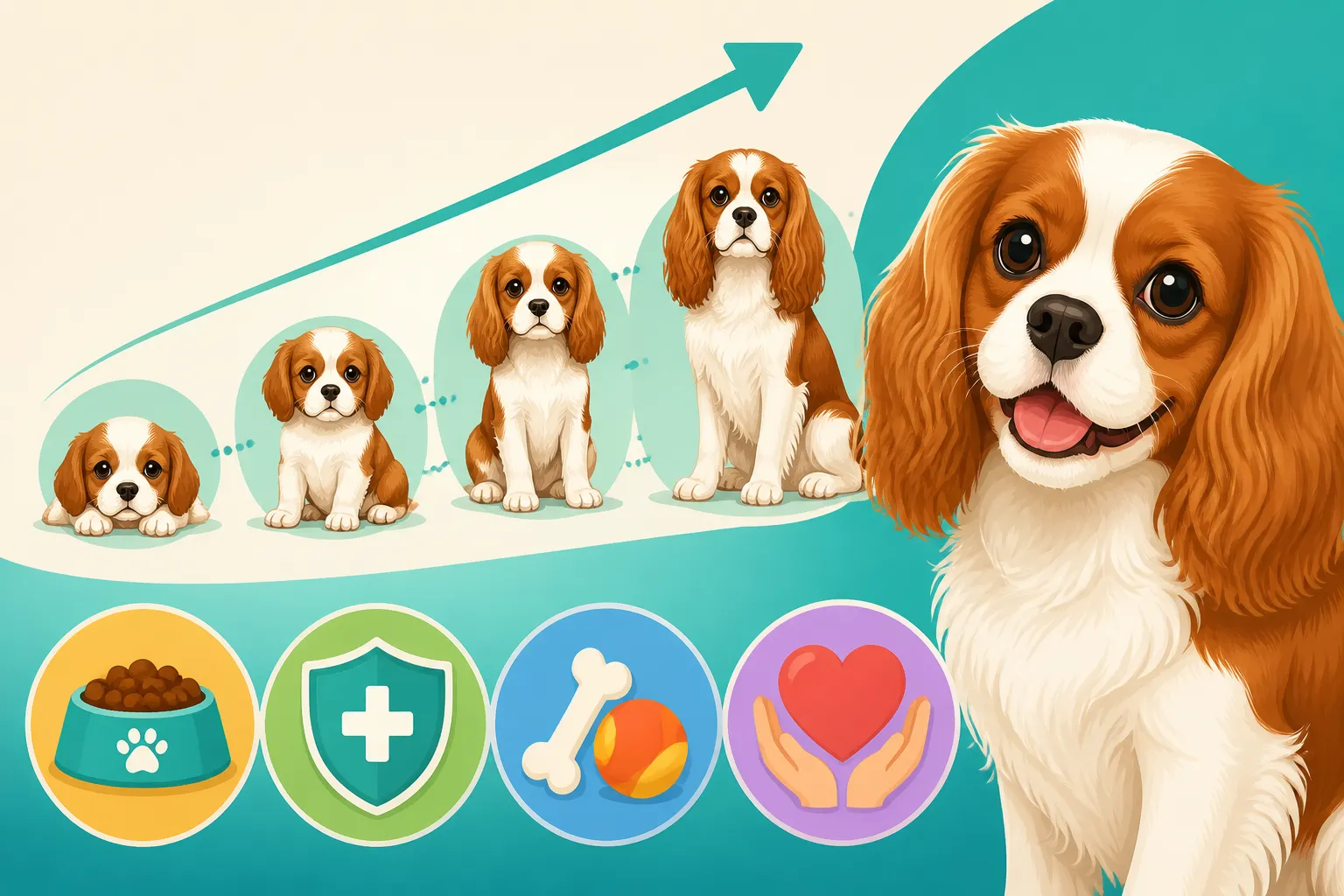
Getting a Cavalier Puppy to Full Size Safely
Bringing a Cavalier King Charles Spaniel puppy home is a whirlwind of joy, adorable antics, and a fair bit of worry. You want to make sure your little bundle of fluff grows into a healthy, happy adult, but it can be overwhelming to know if you're doing everything right. This guide is here to walk you through the essential steps to ensure your Cavalier puppy reaches its full adult size safely and robustly, laying a strong foundation for a long, healthy life.
Understanding the Cavalier Growth Timeline
Watching your tiny Cavalier puppy grow is one of life's true delights, but it's not a linear journey. There are distinct stages, and understanding them helps you know what's normal and when to keep a closer eye on things. It's not just about getting bigger; it's about developing strong bones, healthy organs, and a balanced temperament. Every growth phase has its own considerations, from nutrition to exercise, and being informed helps you support your puppy perfectly.
What to Expect in the First Few Months
During the first few months, your Cavalier puppy will experience rapid growth. From eight weeks to about four or five months, they're essentially miniature sponges, absorbing nutrients and growing at an incredible rate. You'll notice changes almost daily in their size, shape, and coordination. This period is crucial for bone and joint development, so what they eat and how they play really matters. Many new owners are surprised by how quickly those tiny paws and floppy ears fill out, seemingly overnight! It's also a time when they're exploring the world, so ensuring a safe environment is key to preventing accidental tumbles or overexertion that could impact their developing body.
Their weight can sometimes feel like it's shooting up, then plateauing, then shooting up again. Don't panic if it's not a perfectly smooth curve, as long as they are generally gaining weight and looking healthy. A good breeder will often provide a growth chart or at least tell you what weight range to expect from the parents, giving you a ballpark idea of what "full size" might look like. This early phase is also when their immune system is still developing, making nutrition and a clean environment even more critical. Think of it as building the strongest possible framework for their adult body.
The Adolescent Months: Puberty and Growth Spurts
Once your Cavalier hits around five or six months, they enter their adolescence. This is often where the growth slows down slightly compared to the initial burst, but they're still maturing, both physically and mentally. You might notice them getting leggy or gangly, as different parts of their body grow at different rates. Their coordination might even seem to regress a little as they navigate their changing body proportions. This is also the time when they might start showing signs of puberty, with males developing more "masculine" features and females potentially experiencing their first heat cycle.
During this period, their personality will also be evolving, becoming more independent (sometimes stubbornly so!) but still very much a puppy at heart. While their height might be approaching its adult level, they'll often continue to fill out and gain muscle mass until they're about a year to eighteen months old. It's a tricky balance, as they have boundless energy but their bones and joints are still vulnerable. Many owners struggle with finding the right balance of activity – they need to burn off steam, but you don't want to overdo it and risk injury to their still-developing growth plates. Keeping their mind engaged with training and puzzles can be just as important as physical exercise during these months.
When Does a Cavalier Reach Full Size?
The common question every Cavalier owner asks is, "When will they stop growing?" Generally speaking, most Cavaliers will reach their full height by around 9-12 months of age. You might notice that they stop gaining much vertical height around this time, but that doesn't mean they're entirely finished. They will typically continue to fill out, gain muscle, and mature in terms of body mass until they are about 18 months to two years old. This "filling out" phase is less dramatic than the initial puppy growth spurts but is still an important part of achieving their adult physique.
It's common for a Cavalier to look a bit lean or lanky between one and two years old before they fully develop their adult chest and musculature. Don't rush this process by overfeeding, thinking it will make them "fill out" faster, as this can lead to unhealthy weight gain. Instead, continue with a high-quality diet and appropriate exercise. The Age a Cavalier Reaches Full Size details more about what to expect. Patience is truly a virtue here, as your beautiful Cavalier will naturally mature into their graceful adult form.
Here's a general table outlining the typical growth milestones for a Cavalier King Charles Spaniel puppy:
| Age | Approximate Weight Range (pounds) | Key Developmental Milestones |
|---|---|---|
| 8 Weeks | 2-5 | Rapid initial growth, weaning from mother, vaccinations begin. |
| 3-4 Months | 4-9 | Continued rapid growth, teething, increased energy, learning basic commands. |
| 5-6 Months | 8-12 | Growth rate may slightly slow, adolescence begins, sexual maturity signs (though not fully grown). |
| 7-9 Months | 10-15 | Approaching adult height, filling out, more confident and independent. |
| 10-12 Months | 12-18 | Often at full height, continues to fill out, nearing adult weight. |
| 18 Months – 2 Years | 13-18+ | Reaches full adult weight and muscle mass, body fully matures. |
Note: These are general ranges; individual Cavaliers can vary based on genetics, gender, and diet. Always consult your vet for personalized advice.
The Critical Role of Proper Nutrition
Nutrition is, without a doubt, one of the most fundamental pillars of your Cavalier puppy's healthy development. Just like a house needs a strong foundation, your puppy needs the right building blocks from their food to grow robust bones, strong muscles, and a healthy immune system. This isn't just about giving them any puppy food; it's about providing a carefully balanced diet tailored to the unique needs of a rapidly growing small breed. The choices you make now will have lasting impacts on their overall health and longevity.
Choosing the Right Puppy Food for Cavaliers
Selecting the right food for your Cavalier puppy can feel like navigating a minefield of options at the pet store or online, whether you're browsing Chewy or looking at subscription services like Ollie. You'll see endless brands claiming to be the best, and it's easy to get overwhelmed. For Cavaliers, you want a high-quality puppy food specifically formulated for small or toy breeds, or an "all life stages" food that meets the AAFCO nutritional guidelines for growth. These formulations are designed with a smaller kibble size to suit their mouths and a higher caloric density to fuel their fast metabolism and growth without requiring massive meal portions.
Look for a food where a quality animal protein (like chicken, lamb, or fish) is listed as the first ingredient. Beyond protein, a balanced puppy food should contain appropriate levels of fat for energy and healthy skin/coat, carbohydrates for sustained energy, and essential vitamins and minerals, including calcium and phosphorus in the correct ratio for bone development. Avoid foods with excessive fillers, artificial colors, or vague ingredient lists. Many reputable brands offer specific "small breed puppy" formulas that hit all these marks. Don't be afraid to ask your breeder what they've been feeding the puppies, as consistency in the initial weeks can help avoid stomach upset. When in doubt, a quick chat with your veterinarian can help you cut through the marketing noise and pick a truly beneficial food.
Avoiding the Dangers of Overfeeding a Growing Cavalier
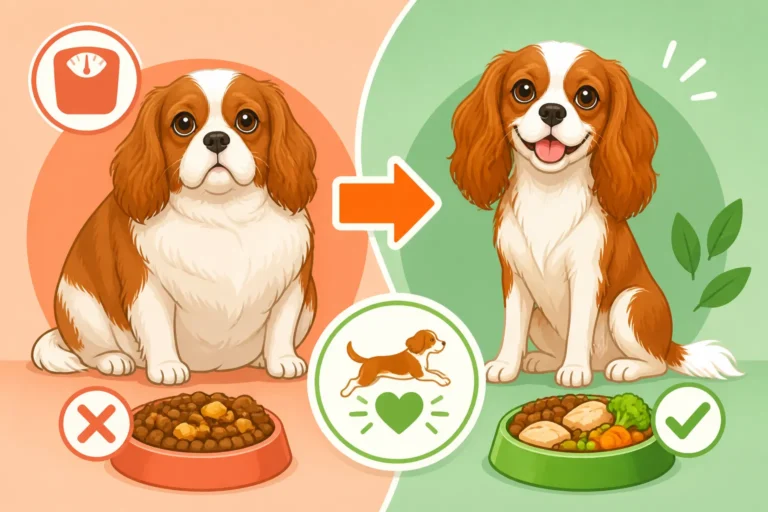
While it might seem counterintuitive, one of the biggest dangers to a growing Cavalier puppy is overfeeding, not underfeeding. It's so tempting to give in to those pleading puppy eyes, especially when they seem to gobble down their meals and still look hungry. However, feeding too much, or too many treats, can cause them to grow too quickly, putting undue stress on their developing bones and joints. Rapid growth can predispose them to orthopedic issues later in life, particularly if they are already genetically prone to conditions like patellar luxation or hip dysplasia.
Manufacturers provide feeding guidelines on the bag, but these are just starting points. Every puppy's metabolism and activity level are different. It's crucial to measure your puppy's food precisely using a kitchen scale or a standard measuring cup, rather than just "eyeballing it." Divide their daily ration into two or three smaller meals throughout the day to help with digestion and maintain energy levels. Regularly assess your puppy's body condition – you should be able to easily feel their ribs without seeing them, and they should have a discernible waist when viewed from above. If you're struggling to control their intake, consider using puzzle feeders or slow-feeder bowls to make mealtime more engaging and prevent them from eating too quickly. Remember, a lean puppy is a healthy puppy, particularly during their rapid growth phase.
Supplementation: Are They Necessary for Puppy Growth?
Many new Cavalier owners, wanting to give their puppy the absolute best start, often wonder if supplements are necessary for healthy growth. The general consensus from veterinary professionals is that if you are feeding a high-quality, complete, and balanced puppy food that meets AAFCO standards, additional supplements are usually not needed and can even be harmful. These commercial puppy foods are meticulously formulated to contain all the necessary vitamins, minerals, proteins, and fats in the correct ratios for a growing puppy.
Adding extra calcium, for example, might seem like a good idea for bone development, but it can actually disrupt the delicate calcium-phosphorus balance in a rapidly growing puppy, potentially leading to skeletal deformities. Similarly, over-supplementing with vitamins can lead to toxicity issues. The only time supplements might be recommended is if your veterinarian diagnoses a specific deficiency or health condition that requires targeted nutritional support. Don't fall for marketing claims that promise miracle growth or health benefits from generic supplements. Always consult with your vet before introducing any supplements into your Cavalier puppy's diet. Whether Heart Supplements Help a Cavalier is a good read if you're thinking about future health, but for puppy growth, stick to what's proven.
Smart Exercise for Developing Bones and Joints
Just like nutrition, exercise plays a monumental role in shaping your Cavalier puppy's physical development. However, it's a delicate balance. Too little exercise, and they won't develop proper muscle tone and coordination. Too much, or the wrong kind, and you risk irreparable damage to their still-forming bones and joints. Cavaliers are naturally playful and energetic, but their small size and specific breed predispositions mean you need to be particularly mindful of how and when they get their zoomies out.
Appropriate Play and Activity Levels for Young Cavaliers
It’s completely natural to want to play with your adorable Cavalier puppy all day long, and they’ll certainly encourage it! However, their developing bodies aren't built for endurance or high-impact activities just yet. Think of "appropriate" play as short, controlled bursts of activity rather than marathon sessions. Several short playtimes throughout the day, maybe 5-10 minutes each, are far better than one long, strenuous session. This could include gentle tug-of-war (without jerking or lifting them), chasing a soft toy, or exploring a safe, fenced yard.
Leashed walks should also be kept short in the early months. A good rule of thumb often suggested is five minutes of exercise per month of age, twice a day. So, a four-month-old puppy would get two 20-minute walks. This guideline helps prevent overexertion and impact on their joints. Focus on exploring new sights and smells, which provides mental stimulation without excessive physical strain. Games that involve too much jumping, repetitive running on hard surfaces, or intense twisting motions should be avoided until they are fully mature, generally around 12-18 months. Remember, the goal is to build stamina and strength gradually, not to wear them out completely every time you play.
Protecting Delicate Growth Plates from Injury
One of the most critical aspects of safe growth in a Cavalier puppy is protecting their growth plates. These are areas of cartilage located near the ends of long bones in puppies and young dogs, where new bone tissue forms, allowing the bones to lengthen. They remain open and soft until the puppy reaches skeletal maturity, which usually occurs between 12 and 18 months of age for a Cavalier. While open, these growth plates are incredibly vulnerable to injury. A seemingly minor fall, jump, or twist that an adult dog might shrug off could cause significant damage to a puppy’s growth plate, potentially leading to abnormal bone growth, pain, and arthritis later in life.
This is why you'll often hear advice against excessive jumping, running up and down stairs, or high-impact activities for puppies. Things like jumping off furniture, diving off beds, or even roughhousing with much larger dogs can be risky. Provide ramps or steps for access to sofas and beds if your puppy is a jumper. Keep them on leash in unfenced areas to prevent sudden sprints or hard stops. For more information, read Whether a Cavalier Puppy Can Climb Stairs and Whether a Cavalier Puppy's Knees Can Take Jumping. The key is mindful supervision and preventing situations where they might exert sudden, intense force on their developing limbs. Prevention during these crucial months is paramount for long-term joint health.
The Importance of Rest and Recovery
Just as crucial as appropriate exercise for a growing Cavalier puppy is adequate rest and recovery. Puppies, especially Cavaliers, can be bundles of energy, but they also need a surprising amount of sleep – often 18-20 hours a day! Sleep is when their bodies do the most healing, growing, and processing of new information. Without sufficient rest, a puppy can become overtired, cranky, and even more prone to accidents or injuries. Think of a toddler who's missed their nap; puppies are no different.
Ensure your puppy has a safe, comfortable, and quiet space where they can retreat for undisturbed naps throughout the day. A cozy crate (like those you might find on Amazon or at your local pet store) or a designated puppy-proofed area works perfectly. Don't constantly wake them for play or attention. Learning to respect their need for rest is a vital part of their development. This balance of play, learning, and plenty of sleep will not only support their physical growth but also help them develop into a well-adjusted, calm adult. Choosing a Crate a Cavalier Will Rest In can offer guidance on setting up the perfect snooze zone.
Monitoring Your Cavalier's Weight and Body Condition
Beyond just watching them get taller, actively monitoring your Cavalier puppy’s weight and overall body condition is one of the most proactive things you can do to ensure healthy growth. It’s not just about hitting a certain number on the scale, but rather about ensuring they’re developing an appropriate physique for their breed and genetic background. This diligence helps you catch potential issues early, whether it's an unexpected growth spurt that needs dietary adjustment or a lack of gain that warrants a vet visit.
How to Assess Your Puppy's Ideal Weight
Assessing your Cavalier puppy's ideal weight isn't as simple as checking a breed standard chart, especially since individual genetics play a huge role. While the AKC standard suggests 13-18 pounds for an adult Cavalier, your puppy might be destined to be on the smaller or larger end of that spectrum. Instead of focusing solely on the number on the scale, which can fluctuate, learn to evaluate their body condition score (BCS). This involves a hands-on approach.
First, you should be able to easily feel your puppy's ribs with minimal fat covering, without them being visibly prominent. Next, look at them from above: they should have a noticeable waistline that tapers in after their rib cage. Finally, from the side, their abdomen should tuck up slightly, rather than hanging low. If you have to press hard to feel the ribs, or if they lack a waist, they might be carrying too much weight for their age. Conversely, if their ribs, hip bones, or spine are easily visible, they might be underweight. Regular, consistent checks will give you the best picture of their progress. For more specific guidance, What a Cavalier Weighs at Six Months can offer insights into mid-growth expectations.
Recognizing Signs of Under or Overweight in a Growing Cavalier
Being able to recognize the subtle signs of your Cavalier puppy being either underweight or overweight is crucial for their long-term health. It’s easy to get accustomed to how your puppy looks day-to-day, so regular, objective assessment is key. For an underweight puppy, you might notice their ribs, backbone, and hip bones are very prominent, even without much palpation. Their coat might appear duller, and they might have lower energy levels or seem lethargic. While a lean puppy is good, bony prominence is a red flag. This could indicate insufficient food, malabsorption issues, or an underlying health problem.
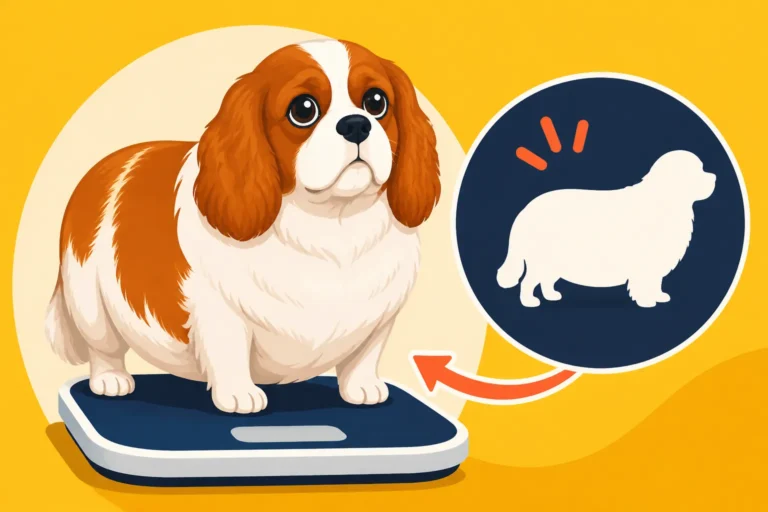
On the flip side, an overweight puppy will show less defined ribs, a rounder body shape, and a nonexistent waistline. You might see a "barrel" shape from above and no abdominal tuck from the side. They may seem to tire more easily during play. The concern with an overweight puppy, especially a Cavalier, is the increased strain on their developing joints and heart. Cavaliers are prone to Mitral Valve Disease in the Cavalier King Charles Spaniel, and excess weight only exacerbates cardiac strain. If you suspect your puppy is either underweight or overweight, the first step is always a vet visit. They can rule out medical issues and help you adjust their diet and exercise plan appropriately. It's much easier to manage weight when they're young than trying to reverse obesity in an adult dog. Knowing how to feel for their body condition under all that lovely feathering is essential; Finding a Cavalier's Waist Under the Feathering offers helpful tips.
Common Mistakes That Hinder Healthy Growth
It's completely normal for new Cavalier owners to make a few missteps along the way; after all, raising a puppy is a learning curve! However, some common mistakes can actually hinder healthy growth and set your Cavalier up for problems down the road. Being aware of these pitfalls allows you to proactively avoid them and ensure your puppy gets the best possible start in life. It's often born of good intentions, but understanding the potential consequences can guide your choices.
Pushing Too Much, Too Soon: The Risks of Over-Exercise
One of the most common and well-intentioned mistakes is over-exercising a young Cavalier puppy. Because they are often so enthusiastic and seem tireless, owners can be tempted to let them play for extended periods, join long walks with adult dogs, or engage in intense activities like jumping. However, as we discussed, their growth plates are still soft and vulnerable. Pushing them too hard, too fast, can lead to stress fractures, sprains, and even permanent damage to their joints, potentially exacerbating breed-specific orthopedic issues like patellar luxation.
It's not just physical injury you need to worry about. An overtired puppy can also become overstimulated, leading to behavioral issues like nipping, excessive barking, or destructive chewing because they haven't learned to self-regulate. They might also become withdrawn or anxious. Remember that five-minute rule per month of age. If your puppy is panting excessively, lagging behind, or suddenly refusing to play, it's a clear sign they've had enough. Prioritize quality over quantity when it comes to puppy exercise, focusing on enriching experiences rather than strenuous physical feats. Their developing muscles and bones need careful, gradual conditioning.
The Temptation of Table Scraps and Extra Treats
Those big, soulful Cavalier eyes are masters of manipulation, especially when you're eating dinner! It's incredibly tempting to share a little piece of your meal or give an extra treat for being cute. However, this is a significant pitfall for healthy growth. Table scraps and human foods are often too high in fat, salt, and calories for a growing puppy and can quickly lead to an unbalanced diet and unwanted weight gain. Even small amounts can add up. As discussed in Why a Cavalier Gains Weight So Easily, Cavaliers are prone to weight gain, and starting bad habits early is tough to break.
Beyond the weight gain, many human foods are outright toxic to dogs (like chocolate, grapes, onions, and xylitol), and others can cause severe digestive upset. Even seemingly benign foods can lead to pancreatitis, a painful inflammation of the pancreas. Extra treats, while fine in moderation for training, should be healthy, low-calorie options, and always factored into their daily calorie intake. Stick to their balanced puppy food as the primary source of nutrition and use treats sparingly and wisely. Your puppy won't understand why they can't have your food, but protecting their health is far more important than succumbing to guilt.
Ignoring Early Signs of Joint or Bone Discomfort
One of the most dangerous mistakes is to ignore or dismiss early signs of discomfort related to your Cavalier puppy's bones or joints. Puppies are often very resilient and may try to hide pain, or their symptoms might be subtle. Limping, favoring a limb, reluctance to jump or play, unusual stiffness after rest, or a change in gait (like a "bunny hop" when running) are all red flags. Sometimes, a puppy might yelp unexpectedly when picked up or touched in a certain spot. It's easy to assume they're just clumsy or bumped themselves, but these could be indicators of serious underlying issues.
Conditions like patellar luxation (loose kneecaps), hip dysplasia, or even early signs of Syringomyelia and Chiari Malformation in Cavaliers can manifest during puppyhood. The sooner these issues are identified, the better the prognosis and the more options available for management or treatment. Always err on the side of caution. If you notice any persistent or recurring signs of pain or lameness, schedule a vet visit promptly. Don't wait, hoping it will resolve on its own. Early intervention can make a world of difference in your Cavalier's long-term comfort and mobility.
Your Vet's Role in Guiding Healthy Development
Your veterinarian is your most important partner in ensuring your Cavalier puppy grows safely and healthily. While you’ll be handling the day-to-day care, your vet provides the professional oversight, medical expertise, and objective assessment that’s crucial during these formative months. Think of them as the quality control expert, ensuring all the systems are developing as they should and catching any deviations early. Building a strong relationship with your vet now will serve you and your Cavalier well throughout their life.
Routine Check-ups and Growth Assessments
Regular veterinary check-ups are non-negotiable for a growing Cavalier puppy. These visits aren't just for vaccinations, though those are certainly a critical component for building their immunity as detailed in Vaccinating a Cavalier Puppy. During each visit, your vet will perform a thorough physical examination, assessing everything from their eyes and ears to their heart and joints. They will monitor your puppy's weight gain, comparing it against previous visits and breed-specific growth curves. This allows them to identify if your puppy is growing too fast, too slowly, or if there are any signs of skeletal abnormalities.
Your vet will also check their teeth for proper development, listen to their heart for any early murmurs (something Cavaliers are unfortunately prone to), and palpate their joints to check for stability and comfort. These routine assessments are invaluable for establishing a baseline of health and catching any developmental issues before they become serious problems. Don't hesitate to write down any questions or concerns you have before your appointment, no matter how small they seem. These regular touch-points are fundamental to ensuring your Cavalier's healthy trajectory. Routine Vet Bills for a Cavalier outlines the cost of these essential visits.
Discussing Concerns About Your Cavalier's Development
Even with the best intentions and diligent care, sometimes a puppy's development doesn't go exactly as expected, or you might simply have a nagging worry. This is precisely when your veterinarian becomes your most valuable resource. Don't ever hesitate to discuss any concerns you have about your Cavalier puppy's growth, behavior, or general health. Perhaps you've noticed a slight limp, an unusual bump, or they seem to be gaining weight too rapidly despite careful feeding. Maybe their ears always seem itchy, or their eyes have excessive discharge.
Your vet is there to listen, assess, and guide you. They can perform diagnostic tests, offer referrals to specialists if needed (such as an orthopedic vet or a cardiologist), and provide tailored advice on diet, exercise, or lifestyle adjustments. For instance, if you're worried about potential heart issues, your vet can advise on the timing for Annual Cardiologist Exams for a Cavalier as they get older. Early detection and intervention are often key to successfully managing many health conditions that can affect Cavaliers. Remember, you know your puppy best, and your observations are crucial pieces of the puzzle for your veterinary team. They’d much rather you call with a minor concern than wait until a problem becomes advanced.
Transitioning Your Cavalier to Adult Food
The transition from puppy food to adult food is an important milestone in your Cavalier's development, signaling that they are nearing physical maturity. It's not a decision to be rushed, nor is it a sudden switch. Doing it correctly ensures their digestive system adjusts smoothly and they continue to receive appropriate nutrition for their changing metabolic needs. Get ready to swap those puppy bags for something a little different!
When is the Right Time to Make the Switch?
Deciding when to transition your Cavalier from puppy food to adult food is a common question. Generally, most small breed dogs are ready for adult food between 9 and 12 months of age. For Cavaliers, who can continue to fill out until 18 months or even two years, this guideline typically holds true. The main reason to switch is that puppy food is much higher in calories, protein, and certain nutrients like calcium to support rapid growth. Once that rapid growth phase slows down, these high levels become unnecessary and can even contribute to unwanted weight gain, especially since Cavaliers are prone to it.
However, individual puppies mature at slightly different rates. Some may be ready closer to nine months, while others might benefit from a few extra months on puppy food if they are still quite lean or haven't quite reached their full height. Factors like their current body condition, activity level, and overall health status should also be considered. If you're unsure, a quick consultation with your veterinarian can help you determine the ideal timing for your specific Cavalier. They can assess your puppy's current development and advise based on their professional judgment.
The Gradual Process of Changing Diets
Once you've decided it's time to switch to adult food, the golden rule is to do it gradually. A sudden change in diet can lead to digestive upset, including diarrhea, vomiting, or a lack of appetite. Your Cavalier's sensitive digestive system needs time to adjust to the new ingredients, kibble shape, and nutrient balance. The transition period typically spans about 7 to 10 days, but some sensitive puppies might need even longer.
Start by mixing a small amount of the new adult food with their current puppy food. A common approach is to begin with about 25% new food and 75% old food for the first 2-3 days. If your puppy tolerates this well, increase the proportion to 50% new and 50% old for another 2-3 days. Continue this pattern, moving to 75% new and 25% old, until you are feeding 100% adult food. Monitor your Cavalier closely for any signs of digestive upset during this period. If you notice soft stools or vomiting, slow down the transition and maintain the current ratio for a few more days before increasing the new food again. There are many excellent adult small-breed formulas available from brands you might find on Amazon, Chewy, or specialty pet stores that offer great nutrition for your maturing Cavalier.
What if Your Cavalier Is Still Growing Past the Switch?
It’s not uncommon for a Cavalier to transition to adult food around 9-12 months but still continue to "fill out" or mature physically until they are 18 months or even two years old. This is perfectly normal and doesn't mean you made the switch too early. The rapid skeletal growth primarily occurs in puppyhood, and by the time they hit 9-12 months, the majority of that intense bone development has already happened. The subsequent "growth" is more about muscle development, widening of the chest, and general maturation of their adult physique.
Adult dog food, particularly a high-quality small breed formula, provides all the necessary nutrients to support this slower, more subtle maturation process without over-calorizing them. Continue to monitor their body condition score regularly. If your Cavalier seems to be losing weight or muscle mass after the switch, or if they appear exceptionally thin, consult your vet. Conversely, if they start gaining too much weight, you might need to slightly reduce their portion size or increase their appropriate exercise. The key is to respond to their individual needs as they continue their journey to full, healthy adulthood.
Disclaimer
This article is for general informational purposes only and does not constitute professional advice. Laws, prices and regulations vary by location and change over time. Consult a qualified professional for guidance on your specific situation.