What a Cavalier Should Eat Once the Heart Enlarges
When your sweet Cavalier King Charles Spaniel receives the difficult diagnosis of an enlarged heart, often due to Mitral Valve Disease (MVD), it feels like your whole world shifts. You're suddenly overwhelmed with questions: what can I do, what should I change, and what does this mean for their future? One of the most immediate and impactful areas you can address is their diet. This guide is here to walk you through the crucial dietary adjustments necessary to support your Cavalier's heart health once it has begun to enlarge, helping you feel empowered and informed in their care.
Understanding MVD and How Diet Plays a Role in Heart Health
Receiving the news that your Cavalier's heart is enlarged is truly heartbreaking. We know how much these little dogs mean to us, and the thought of them struggling with a progressive condition like Mitral Valve Disease can be terrifying. It's a journey many Cavalier owners sadly face, and understanding the role diet plays isn't about finding a miracle cure, but about giving your beloved companion the best possible quality of life and supporting their vital organ as much as you can.
The Basics of Mitral Valve Disease in Cavaliers
Mitral Valve Disease (MVD) is incredibly common in Cavalier King Charles Spaniels. It’s a degenerative disease where the mitral valve, located on the left side of the heart, gradually thickens and becomes leaky. Instead of creating a tight seal when the heart beats, blood is allowed to flow backward into the left atrium. This backward flow means the heart has to work much harder to pump blood effectively to the rest of the body. Over time, this extra effort causes the heart muscle, particularly the left atrium and ventricle, to enlarge as it tries to compensate. It's a slow, progressive condition, and typically, the first sign most owners hear is a heart murmur during a routine vet visit. For a deeper dive, you can learn more about Mitral Valve Disease in the Cavalier King Charles Spaniel. When the heart starts to enlarge, it’s a sign that the disease has progressed to a point where the heart's structure is noticeably impacted, and this is where focused dietary management becomes incredibly important.
Why Diet Becomes So Important as the Heart Changes
Think of your Cavalier's enlarged heart like a marathon runner who's constantly pushing harder than they should. The heart is trying to maintain normal blood flow, but it's less efficient because of the leaky valve. This leads to a cascade of effects throughout the body. The kidneys, sensing a decrease in blood flow, might try to retain more sodium and water, which in turn increases blood volume and puts even more strain on an already struggling heart. This can lead to fluid buildup in the lungs (congestive heart failure), which is what causes that distressing cough many owners eventually notice.
Diet doesn't magically fix the valve, but it can significantly reduce the workload on the heart and help manage these secondary effects. By carefully controlling certain nutrients, we can help prevent excessive fluid retention, manage blood pressure, and provide the heart muscle with optimal support. This isn't just about prolonging life; it's about improving daily comfort and minimizing symptoms like coughing or lethargy. It’s about giving their heart the gentlest environment to work in, allowing them to enjoy their golden years as much as possible, even with their condition. Understanding How Cavalier Heart Disease Progresses Stage by Stage can help you visualize the changes and why each intervention matters.
The Cornerstone: Sodium Restriction for an Enlarged Heart
When your Cavalier's heart is enlarged due to MVD, one of the most critical dietary changes you can make revolves around sodium. This might feel like a big shift, especially if you're used to feeding commercial kibble or giving occasional human treats, but it's arguably the single most impactful adjustment you can make nutritionally.
Why Less Sodium is More for a Cavalier's Heart
The relationship between sodium and heart health in dogs with MVD is quite direct. Sodium, often found as salt, causes the body to retain water. For a healthy heart, this isn't usually an issue. But for an enlarged, struggling heart, increased blood volume from water retention means the heart has to pump even harder. Imagine trying to run a race with ankle weights on – that's what extra fluid feels like to an already compromised heart. This increased workload elevates blood pressure and exacerbates fluid buildup, particularly in the lungs, leading to that worrying cough and difficulty breathing.
Reducing sodium helps prevent this excessive water retention, lightening the load on the heart. It's a proactive step to delay the onset of congestive heart failure symptoms and improve your Cavalier's overall comfort. It's tough because so many commercial dog foods and treats are surprisingly high in sodium, often for palatability. You might feel frustrated by how many common dog foods are suddenly off-limits, but remember, every little bit of sodium reduction makes a difference. If you're wondering just how much sodium can impact them, a look at Salt Levels a Cavalier Heart Patient Should Avoid can be very illuminating.
Navigating Commercial Diets: Low-Sodium Options
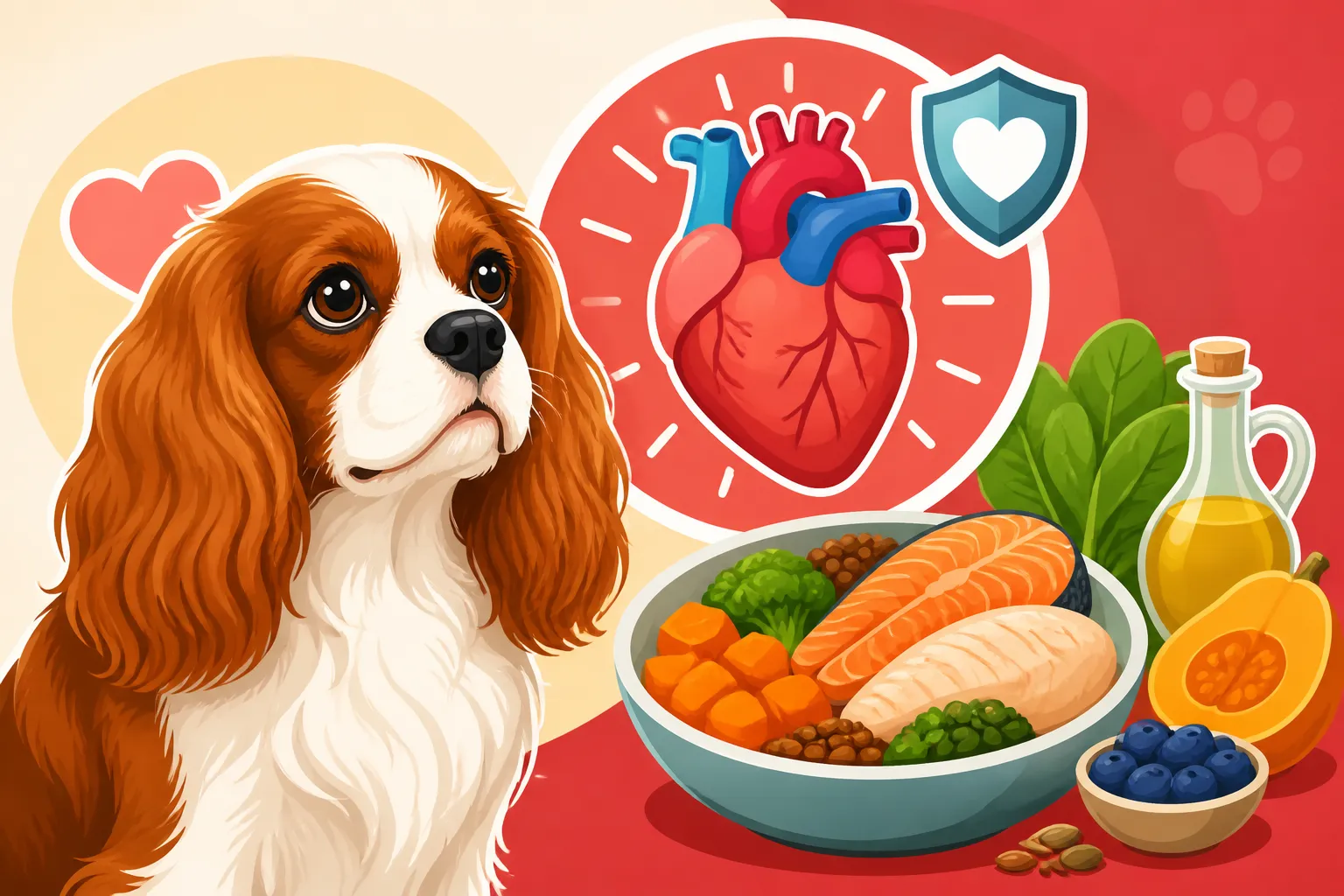
The good news is that veterinary science has come a long way, and there are excellent low-sodium options available. Your veterinarian will likely recommend a prescription cardiac diet. These diets are specifically formulated with controlled sodium levels, along with other beneficial nutrients for heart health. Brands like Hill's Prescription Diet k/d, Royal Canin Veterinary Diet Cardiac, and Purina Pro Plan Veterinary Diets Cardiac have formulations designed for this very purpose. These aren't just "low salt" foods; they are balanced to meet all your Cavalier's nutritional needs while supporting their heart.
If a prescription diet isn't immediately an option, or you're transitioning, carefully reading the labels of over-the-counter foods is paramount. Look for terms like "low sodium" or "reduced sodium" – but don't just take the marketing at face value. Check the guaranteed analysis for sodium content. What constitutes "low" can vary, so always aim for the lowest possible. Reputable online retailers like Chewy often have filters that allow you to search specifically for low-sodium dog foods, which can be a real time-saver. You'll want to compare percentages on a dry matter basis, or better yet, ask your vet for specific sodium targets to aim for. Be wary of foods that rely heavily on salt as a flavor enhancer; often, simpler ingredient lists are better.
Essential Nutrients and Supplements to Consider
Beyond sodium restriction, several other nutrients play a vital role in supporting your Cavalier's heart health once it has enlarged. It's not just about what to take out, but what beneficial components you can include to give their heart the best possible fighting chance.
The Role of Protein and Fat in a Cardiac Diet
When a dog has an enlarged heart, especially in later stages, they can sometimes experience a condition called cardiac cachexia – an involuntary weight loss and muscle wasting. This is why the quality and quantity of protein are still important. You don't want to overdo protein, as some older thinking suggested, but you certainly don't want a deficiency that leads to muscle loss. Lean, high-quality protein sources are crucial for maintaining muscle mass without adding unnecessary strain on the kidneys, which can sometimes be affected by heart disease. Chicken, turkey, and fish are often good choices.
Fats, specifically healthy fats, are a dense source of energy. For a dog that might be struggling with appetite or needs to maintain weight without eating a huge volume of food, healthy fats can be beneficial. They also contribute to palatability, which is important for picky eaters. However, you'll want to avoid excessive saturated fats, opting instead for sources rich in omega fatty acids, which we'll discuss next. The goal is to provide enough energy to prevent weight loss without adding excess calories that could lead to obesity, which is a significant burden on an already compromised heart. If your Cavalier is indeed showing signs of muscle loss, understanding Feeding a Cavalier That Is Losing Muscle can offer more targeted guidance.
Antioxidants, Taurine, and Omega-3 Fatty Acids
These aren't just buzzwords; they are powerful allies in cardiac support.
- Antioxidants: Ingredients like Vitamin E, Vitamin C, and beta-carotene help combat oxidative stress, which can damage heart cells. Fresh vegetables and fruits (dog-safe ones, of course) can provide these naturally, or they are often added to high-quality cardiac diets.
- Taurine: This amino acid is critical for heart muscle function. While a deficiency is more commonly associated with certain breeds (like Doberman Pinschers and Cocker Spaniels) or specific grain-free diets, ensuring adequate taurine levels is always a good idea for a Cavalier with MVD. Some prescription cardiac diets supplement taurine, or your vet might recommend a separate supplement. There's a lot of discussion around Whether Taurine Helps a Cavalier's Heart, and it's generally considered a safe and potentially beneficial addition.
- Omega-3 Fatty Acids (EPA and DHA): These are perhaps one of the most well-researched and recommended supplements for heart disease. Found abundantly in fish oil, omega-3s have anti-inflammatory properties and can help reduce cardiac cachexia, improve appetite, and support overall heart health. They can also help reduce the production of certain inflammatory chemicals that might exacerbate heart disease. High-quality fish oil supplements are widely available on platforms like Amazon, but always consult your vet for the correct dosage based on your Cavalier's weight and condition. Learning more about Fish Oil for a Cavalier With Heart Disease is highly recommended.
Remember, always discuss any supplements with your veterinarian or a veterinary cardiologist. They can help you determine the appropriate dosage and ensure there are no interactions with existing medications.
Managing Meal Schedules and Portions for a Cavalier with Heart Disease
Beyond what they eat, how your Cavalier eats also makes a difference when their heart is enlarged. It’s not just about the ingredients; it’s about optimizing their feeding routine to support their overall well-being and minimize stress on their system.
The Importance of Consistent Feeding Times
Establishing a consistent feeding schedule might seem like a small detail, but it can be profoundly beneficial for a Cavalier with heart disease. Regular mealtimes help to regulate their metabolism, which in turn can make it easier for their body to process nutrients and maintain stable blood sugar levels. This stability can reduce sudden demands on the cardiovascular system.
Furthermore, if your Cavalier is on heart medication, which many with enlarged hearts will be, consistent mealtimes make it much easier to administer these drugs on a predictable schedule. Some medications are best given with food, others a certain time before or after. Having set mealtimes ensures these medications are delivered effectively and consistently, which is crucial for managing their condition. Instead of one or two large meals, your vet might recommend breaking their daily ration into several smaller meals throughout the day. This reduces the "post-meal" strain on the digestive and circulatory systems that can come with a single, heavy meal. It also helps manage hunger, making them less likely to beg for unauthorized (and likely high-sodium) snacks.
Portion Control and Avoiding Weight Gain
This is a big one. Even a few extra pounds can put significant additional strain on a Cavalier's already enlarged heart. Excess weight means more tissue for the heart to pump blood to, more work, and often, more inflammation in the body. It can also exacerbate breathing difficulties, especially for a dog whose lungs might already be compromised by fluid buildup. You can read more about Cavalier Weight Gain and What It Costs the Heart to understand the severity of this issue.
Precise portion control is absolutely vital. Don't just eyeball it; use a kitchen scale to measure their food accurately every single day. The recommended feeding guidelines on dog food bags are often too generous for the average Cavalier, especially a less active one or one with a slower metabolism due to age or illness. Your veterinarian will calculate the appropriate caloric intake for your Cavalier based on their ideal weight, activity level, and the severity of their heart disease. Stick to this number diligently. If you find your Cavalier is still gaining weight, it’s not about cutting meals entirely, but about adjusting the daily calorie intake slightly downwards in consultation with your vet. Small, consistent efforts here can make a world of difference for their comfort and longevity. Using a simple tool like a Weighing a Cavalier's Ration on a Kitchen Scale can become a game-changer in managing their weight effectively.
Treats and Table Scraps: What's Safe and What's Not
It's hard to resist those soulful Cavalier eyes, especially when they're asking for a treat or a little bite of your dinner. But when your Cavalier has an enlarged heart, what you offer as a treat or table scrap becomes even more critical. Many common human foods and even regular dog treats are simply too high in sodium, fat, or contain ingredients that could be detrimental to their heart health.
Choosing Heart-Healthy Treats
The good news is that "no treats" isn't the answer. There are plenty of heart-healthy options that can still bring joy to your Cavalier. The key is seeking out low-sodium, low-fat choices. Think single-ingredient, natural options.
Here are some ideas:
- Fresh Vegetables: Small pieces of plain, raw carrots, green beans, or cucumber slices are often big hits. Many Cavaliers adore crunchy carrots! These are naturally low in sodium and calories.
- Plain Air-Popped Popcorn: Without butter or salt, plain popcorn can be a fun, low-calorie, low-sodium crunch. Just ensure no kernels remain that could be a choking hazard.
- Small Fruit Pieces: Blueberries, apple slices (without seeds), or a tiny piece of banana can be sweet treats. Remember, moderation is key due to sugar content.
- Homemade Liver Bites: If you're ambitious, you can bake or dehydrate thin slices of lean liver (chicken or beef) at home without any added salt. This makes for a highly palatable and healthy treat.
- Prescription Cardiac Treats: Some brands that make prescription cardiac diets also offer low-sodium treats formulated to complement their specific diets. Ask your vet if these are available for your Cavalier's specific needs.
Remember, even healthy treats contribute to their daily calorie intake, so factor them into their overall portion control. You can explore Treats That Fit a Cavalier's Small Ration for more specific examples and considerations.
The Dangers of "People Food" for a Cardiac Cavalier
This is where tough love comes in. Most human foods are simply not suitable for a Cavalier with an enlarged heart. The biggest culprit is sodium. Processed meats (like deli slices, bacon, hot dogs), cheese, many baked goods, and even seemingly benign items like bread or crackers are packed with salt. A single bite can contain a significant portion of their daily allowance.
Beyond sodium, you must also be vigilant about other dangers:
- High Fat: Fatty meats, fried foods, and rich sauces can lead to pancreatitis, a painful and serious condition that can be especially dangerous for a dog already compromised by heart disease.
- Toxic Foods: Onions, garlic (in large quantities, even if cooked), chocolate, grapes, raisins, and artificial sweeteners like xylitol are absolute no-gos for any dog, but especially a sick one.
- Spices and Seasonings: Many spices contain sodium or can cause digestive upset. Stick to plain, unseasoned ingredients.
It's incredibly difficult to resist giving in when your Cavalier looks at you with those pleading eyes, but imagine the strain that a high-sodium snack puts on their heart. The momentary joy of the treat isn't worth the potential health setback. Consistency is paramount. Educate everyone in the household about what is and isn't allowed, and store forbidden foods out of reach.
Here's a quick table to summarize common treat choices:
| Treat Type | Safe for Cardiac Cavaliers? | Why or Why Not? |
|---|---|---|
| Plain, raw carrot sticks | Yes | Low calorie, low sodium, good fiber. |
| Cooked lean chicken (plain) | Yes (small amount) | Good lean protein, if cooked without salt, skin, or bones. |
| Cheese | No | High in sodium and often fat; can cause digestive upset. |
| Deli meats | No | Extremely high in sodium and preservatives. |
| Blueberries | Yes (small amount) | Antioxidant-rich, low calorie, but sweet, so use sparingly. |
| Peanut butter | Caution | Often high in sodium, sugar, and fat. Choose unsalted, xylitol-free only, very sparingly. |
| Store-bought dog biscuits | Caution | Many are high in sodium, fat, and artificial ingredients. Read labels carefully. |
| Plain air-popped popcorn | Yes (small amount) | Low calorie, low sodium if unsalted and unbuttered. |
Hydration and Monitoring Your Cavalier's Appetite
Beyond the solid food, how much your Cavalier drinks and whether they continue to eat their meals are vital aspects of their care when managing an enlarged heart. These seemingly simple elements can give you crucial insights into their overall health and the effectiveness of their treatment plan.
Ensuring Adequate Water Intake
Hydration is always important, but it takes on a specific nuance for a Cavalier with an enlarged heart, especially if they are on diuretic medications. Diuretics, often prescribed to help reduce fluid buildup in the lungs (a common consequence of MVD), work by encouraging the kidneys to excrete more water and sodium. While essential for preventing congestive heart failure, this means your Cavalier will be urinating more frequently and potentially losing more fluids.
Therefore, access to fresh, clean water at all times is non-negotiable. Monitor their water intake – are they drinking significantly more or less than usual? A sudden increase could indicate kidney issues or other underlying problems, while a decrease could lead to dehydration. If they are on diuretics, staying well-hydrated helps their kidneys function properly without becoming overly concentrated. Keep their water bowl spotless and refilled frequently. For Cavaliers with their beautiful long ears, a narrower, deeper bowl or a specialized snood can help keep their ears dry while drinking, preventing dampness and potential ear infections, though this is secondary to the primary goal of good hydration.
Addressing Picky Eaters and Appetite Changes
It's incredibly stressful when your Cavalier, usually a food-motivated little Hoover, starts turning their nose up at meals, especially when they need those calories and medications. Loss of appetite or becoming a picky eater can be a sign of many things: nausea from medication, progression of their heart disease, or simply not feeling well.
Here are some strategies to encourage eating, always cleared by your vet first:
- Warm it Up: Gently warming their food (wet food, or kibble moistened with warm, low-sodium broth) can enhance its aroma and make it more appealing.
- Add Low-Sodium Broth: A splash of plain, unsalted chicken or beef broth can make dry kibble much more enticing. You can find low-sodium broths at most grocery stores or even make your own at home by boiling plain chicken or beef.
- Try Different Textures: If they're usually on kibble, try a cardiac-appropriate wet food. Sometimes the change in texture is all it takes. Brands like Ollie offer fresh, human-grade food that can be very palatable, and you can portion it out carefully. Always check the sodium content for any new food.
- Hand-Feeding: Sometimes, the personal touch of hand-feeding a few bites can stimulate their appetite.
- Rule Out Other Issues: Ensure there isn't any dental pain or other discomfort making eating difficult. Cavalier Dental Disease in a Crowded Jaw is a common issue that could impact their willingness to eat.
If your Cavalier's appetite dramatically decreases or they refuse to eat for an extended period (more than 24 hours), it's a serious concern and warrants an immediate call to your veterinarian. They may need anti-nausea medication or further investigation into why their appetite has waned. Don't hesitate to seek professional advice; their nutritional intake is too important.
Working with Your Vet and Nutritionist for a Tailored Plan
While this guide provides a wealth of information, it’s absolutely crucial to remember that it’s general advice. Every Cavalier is an individual, and their heart disease will progress at its own pace. This is why having a strong partnership with your veterinary team is non-negotiable.
Why Professional Guidance is Non-Negotiable
When it comes to a condition as serious and complex as an enlarged heart due to MVD, internet advice simply cannot replace the expertise of a qualified veterinary professional. Your primary veterinarian is your first line of defense and will monitor your Cavalier's overall health, prescribe medications, and track the progression of their heart disease through regular check-ups, chest X-rays, and potentially blood tests. For a deeper understanding of what these visits might entail, reading What a Cavalier Cardiologist Visit Involves is a good idea.
Often, your vet will recommend consulting with a veterinary cardiologist. These specialists have advanced training in heart conditions and can provide the most precise diagnosis, staging of MVD, and tailored treatment plan, including specific dietary recommendations. They will know the latest research and most appropriate prescription cardiac diets for your dog's specific stage of disease.
In some cases, your vet or cardiologist might also recommend consulting with a board-certified veterinary nutritionist. These professionals can formulate custom diets, especially if your Cavalier has other health issues or strong dietary preferences. They can ensure that any home-cooked diet is perfectly balanced for cardiac support, which is incredibly difficult to do on your own. Trying to navigate this alone is like trying to fix your car engine based on YouTube videos; you need a professional!
Discussing Homemade Diets and Commercial Options
The decision between a prescription commercial diet and a home-cooked diet for a Cavalier with an enlarged heart is a significant one, and it's best made in close consultation with your veterinary team.
Prescription Commercial Diets:
- Pros: These diets are scientifically formulated, extensively tested, and balanced to meet specific nutritional needs for cardiac patients, including controlled sodium, appropriate protein, and added supplements like taurine and L-carnitine. They are convenient and consistent.
- Cons: They can be more expensive than regular kibble, and some dogs might be picky eaters, initially refusing them. The ingredients are set, so there's less flexibility.
Home-Cooked Diets:
- Pros: You have complete control over ingredients, which can be beneficial for Cavaliers with allergies or very sensitive stomachs. Many dogs find home-cooked meals highly palatable, which is crucial for maintaining appetite in a sick dog.
- Cons: This is where it gets tricky. Formulating a nutritionally complete and balanced home-cooked diet for a dog with heart disease is incredibly complex. Simply "cooking chicken and rice" will almost certainly lead to nutrient deficiencies or imbalances (especially in calcium, phosphorus, and other minerals) that can cause more harm than good in the long run. Achieving the correct low-sodium level while maintaining palatability is also a challenge. This absolutely requires consultation with a board-certified veterinary nutritionist. Without their guidance, you risk causing more problems than you solve.
Services like Ollie, which deliver fresh, custom-portioned meals, can be an interesting middle ground. They offer human-grade ingredients and can often be customized, but you would still need to work with them and your vet to ensure the specific formulation meets the strict requirements of a cardiac diet, particularly regarding sodium levels. Always ask for a detailed nutrient analysis for any food you're considering.
Ultimately, your goal is to find a diet that your Cavalier will readily eat, that meets all their nutritional requirements, and that actively supports their heart health, all while being approved and monitored by your trusted veterinary professionals.
Disclaimer
This article is for general informational purposes only and does not constitute professional advice. Laws, prices and regulations vary by location and change over time. Consult a qualified professional for guidance on your specific situation.