Hair Between a Cavalier’s Pads
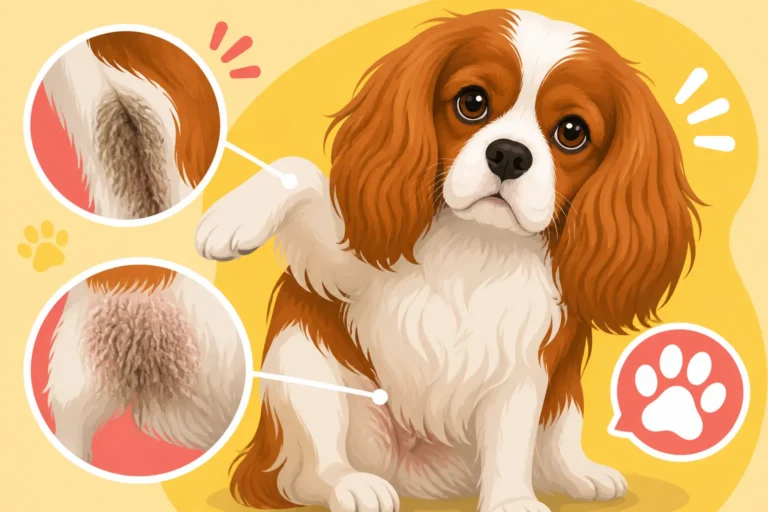
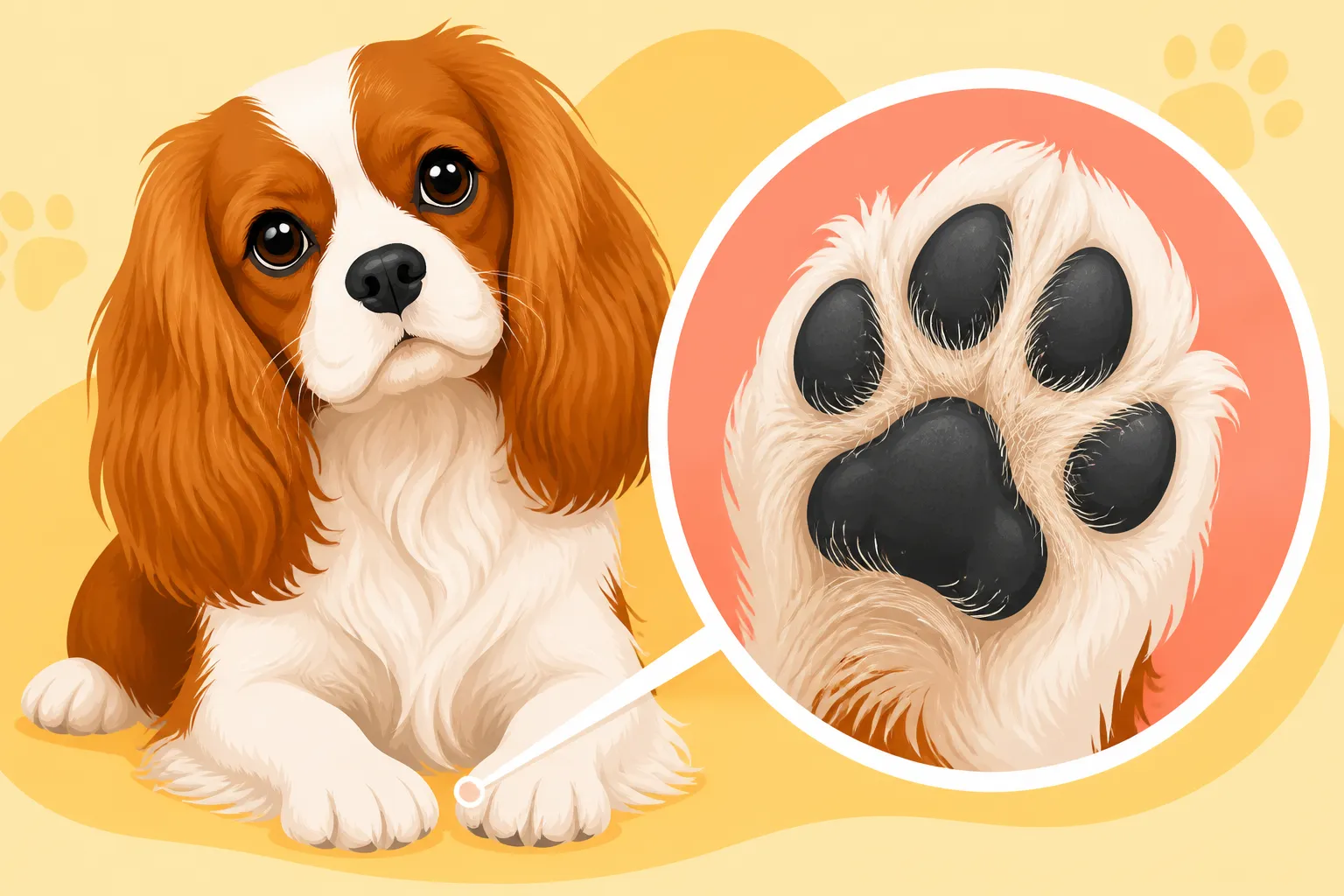
Oh, those adorable little Cavalier feet! They're so sweet and precious, aren't they? But if you're like many Cavalier owners, you've probably noticed a common issue that can quickly turn those cute paws into a bit of a hairy mess: the ever-growing tufts of hair that sprout seemingly endlessly between their paw pads. It might seem like a small, cosmetic detail, but trust me, neglecting this seemingly minor grooming task can lead to a whole host of discomforts and even serious health problems for your beloved companion. This guide will walk you through why that extra paw hair is problematic, the tools you'll need, a step-by-step approach to safely trim it, and when it’s wise to call in a professional.
Why That Paw Hair is More Than Just a Hairy Nuisance
It's easy to overlook the hair between your Cavalier's paw pads. After all, they’re so fluffy everywhere else, a little extra floof on the feet seems perfectly in character. However, this seemingly innocuous growth can turn into a real pain point, both literally and figuratively, for your sweet-natured companion. Understanding the potential issues is the first step toward proactive paw care.
The Trouble with Trapped Debris and Dirt
Imagine for a moment walking around all day with tiny pebbles or sticky burrs constantly jabbing between your toes. That's precisely what your Cavalier might experience when the hair between their paw pads grows too long and dense. These lengthy strands act like miniature magnets, picking up everything from everyday dust and lint indoors to outdoor culprits like small stones, stickers, burrs, tiny twigs, and even those notoriously irritating grass seeds.
This accumulation isn't just unsightly; it's a constant source of irritation. With every step, your Cavalier presses this trapped debris deeper into their delicate paw pads and between their toes. Over time, this can lead to uncomfortable abrasions, tender spots, and even small cuts. It’s not uncommon to see a Cavalier constantly licking or chewing at their paws in an attempt to dislodge these irritants, sometimes creating even more problems in the process.
Furthermore, environmental factors like mud, snow, or sand become much harder to remove when caught in a dense thicket of paw hair. Mud cakes on, creating heavy, uncomfortable clumps. Snow and ice can form painful "ice balls" that pull at the hair and skin, leading to frostbite risk in cold climates. Sand can be abrasive and difficult to shake free, continually rubbing against sensitive skin. All these scenarios highlight why keeping that paw hair tidy is crucial for your Cavalier's daily comfort.
Slipping and Sliding: A Safety Hazard
Those luxurious, silken Cavalier coats are certainly a joy, but when that same texture extends too far between their paw pads, it poses a significant safety risk, particularly on smooth indoor surfaces. The paw pads themselves are designed to provide traction, acting almost like the treads on a tire, giving your dog grip as they move. When overgrown hair covers these pads, it effectively negates their natural anti-slip function.
Think of trying to walk on a freshly polished hardwood floor or slick tile while wearing fluffy socks. You’d be sliding all over the place, wouldn't you? That’s exactly what happens to a Cavalier with excessive paw hair. This reduced traction can lead to frequent slips, trips, and falls, which can be alarming and potentially injurious. For younger, more boisterous Cavaliers, a hard fall could mean a sprain or muscle strain. For older Cavaliers, or those already managing conditions like Cavalier Knees, Hips and Joint Problems or Early Arthritis in a Cavalier's Elbows, a slip could result in a much more serious injury, exacerbating existing joint pain or leading to fractures.
Beyond the physical danger, constant slipping can also impact your Cavalier's confidence. They might become hesitant to walk on certain indoor surfaces, limiting their movement and enjoyment of your home. It’s a silent, subtle issue that can significantly affect their quality of life, making a simple walk across the kitchen an anxious endeavor rather than a joyful trot.
A Breeding Ground for Bacteria and Yeast
Our Cavaliers love to explore, whether it's through damp grass, after a rain shower, or even just during their regular bath. While getting wet is a normal part of dog life, excessive hair between the paw pads creates an ideal, hidden environment for moisture to get trapped. This isn't just a minor inconvenience; it's a perfect storm for the proliferation of unwelcome guests: bacteria and yeast.
The combination of warmth, darkness, and trapped moisture creates a damp, enclosed space that fungi and bacteria absolutely adore. When these microorganisms multiply unchecked, they can lead to uncomfortable and often smelly infections. You might start to notice a distinct, yeasty odor coming from their paws, or perhaps a brownish-red staining on the fur, which is often a tell-tale sign of a yeast infection. This can lead to intense itching, redness between the toes and on the pads, and your Cavalier may begin to lick or chew their paws incessantly, further irritating the skin and perpetuating the cycle of infection. It's a similar principle to how Recurrent Ear Infections in a Cavalier can plague those beautiful drop ears if moisture and debris are allowed to build up.
Ignoring these early signs can allow the infection to become chronic, leading to discomfort that impacts your Cavalier's overall well-being. Regular trimming ensures that the paw pads can breathe, dry out properly, and reduces the risk of these common, preventable infections.
Gathering Your Arsenal: Tools for Paw Perfection
Before you embark on your paw-trimming adventure, it's essential to have the right tools at hand. Trying to tackle delicate paw hair with oversized human scissors or dull clippers is a recipe for frustration and potential injury. Investing in the proper equipment makes the job safer, more efficient, and far less stressful for both you and your Cavalier.
Essential Trimming Tools
When it comes to trimming the delicate hair between your Cavalier's paw pads, precision and safety are paramount. You'll need specialized tools designed for this specific task, as opposed to general grooming shears or nail clippers. The most common choices are small, blunt-nosed scissors or compact electric clippers.
Blunt-nosed scissors are often favored by beginners because they offer a good degree of control and are completely silent, which can be a huge benefit for sound-sensitive Cavaliers. The blunt tips significantly reduce the risk of accidentally poking or cutting your dog's delicate paw pads. When using scissors, always ensure they are sharp; dull blades can pull at the hair, making the experience unpleasant. You can find excellent quality blunt-nosed grooming scissors on platforms like Amazon or Chewy.
For a quicker and often more precise trim, many experienced owners and professional groomers opt for small, battery-operated electric clippers. These are typically quiet, lightweight, and designed with a narrow blade that can easily navigate the tight spaces between paw pads. The blunt or rounded nature of clipper blades, especially those specifically made for paw pads, further minimizes the risk of nicks compared to sharp scissor points. When selecting clippers, prioritize models that advertise low noise and vibration, as this will help keep your Cavalier calm. Some pet supply retailers offer small, cordless trimmers that are perfect for this detail work.
The Importance of Good Lighting and Positioning
Attempting to trim paw hair in dim lighting is like trying to thread a needle in the dark—it's frustrating and significantly increases the chance of error. Good lighting is not just a convenience; it's a non-negotiable safety measure. You need to clearly see the hair you're cutting, as well as the pink paw pads beneath, to avoid accidental nicks. A well-lit room, ideally with natural light, is a great starting point. For even better visibility, consider using a headlamp or a task light directed specifically at your Cavalier's paw. This allows you to keep both hands free for holding the paw and the trimming tool.
Equally important is proper positioning. You want your Cavalier to be as comfortable and still as possible. For smaller Cavaliers, this might mean having them lie on their side on your lap, or gently cradling them on a grooming table if you have one. For larger or more active Cavaliers, having a second person gently hold them can be incredibly helpful. The goal is to create a stable, relaxed environment where sudden movements are minimized.
Above all, patience is key. Don't rush the process. Make it a positive experience by offering calm reassurance and plenty of treats. Associating paw handling and trimming with good things will build trust and make future sessions much easier. Think of it as a small training session, reinforcing positive behaviors. Reward-Based Training With a Cavalier is incredibly effective here, even for grooming tasks.
Cleaning and Post-Trim Care Supplies
Trimming the hair is just one part of comprehensive paw care. Having a few additional supplies on hand will ensure you can address any minor issues and keep those paws in top condition. After trimming, it’s a good idea to clean the paws to remove any loose hair clippings and to prevent irritation.
Gentle paw wipes are excellent for a quick clean-up. Look for unscented, alcohol-free varieties designed for pets. Alternatively, a damp cloth with a mild antiseptic or soothing solution, like dilute chlorhexidine, can be used if there’s any redness or a risk of infection. You can easily find these types of wipes and cleansers on platforms like Chewy or Amazon, often specifically formulated for sensitive canine skin.
If your Cavalier's paw pads tend to get dry or cracked, especially after trimming or during harsh weather, a paw balm or wax can be incredibly beneficial. These products help to moisturize and protect the pads, preventing discomfort and further cracking. Always choose a pet-safe balm, as your Cavalier will undoubtedly try to lick it off.
Finally, while not a direct post-trim supply, consider non-slip mats for areas of your home with smooth flooring if your Cavalier is prone to sliding. Even with trimmed paw hair, some Cavaliers might still struggle for traction, especially as they age or if they have underlying joint conditions. These mats provide extra grip and can reduce the risk of falls between trimming sessions.
The Step-by-Step Guide to Trimming Cavalier Paw Hair
Now that you're armed with the right tools and a clear understanding of why this task is so important, let's walk through the actual process of trimming the hair between your Cavalier's paw pads. Remember, calm and confidence from you will go a long way in making this a stress-free experience for your furry friend.
Preparing Your Cavalier and the Workspace
Before you even pick up your clippers or scissors, take a few moments to prepare both your Cavalier and your workspace. Choose a time when your dog is relaxed, perhaps after a short walk or a cuddle session, rather than when they're full of energy or feeling anxious. A calm environment is crucial; turn off loud music, minimize distractions, and make sure you won't be interrupted. Have all your tools—clippers, scissors, treats, and any cleaning wipes—within easy reach on a clean, stable surface.
If your Cavalier is new to paw trimming, or if they've had a negative experience in the past, start with very short, positive sessions. Begin by simply handling their paws gently, praising them, and offering high-value treats. You want them to associate paw handling with good things. This desensitization process, which you can start when they are a puppy through Handling Exercises for a Cavalier Puppy, is invaluable. Touch their paws, spread their toes slightly, and then reward them. Gradually introduce the sound of the clippers (if using electric ones) by turning them on nearby for a second or two, then offering a treat. Build up to touching the back of the clippers to their paw without turning them on, then with them on, always rewarding stillness and calm.
Don't expect to get all four paws done perfectly in the first session. Aim for one paw, or even just a few toes, and end on a positive note. Consistency and patience will make future trims much easier and less stressful for everyone involved.
The Trimming Technique: Precision and Safety First
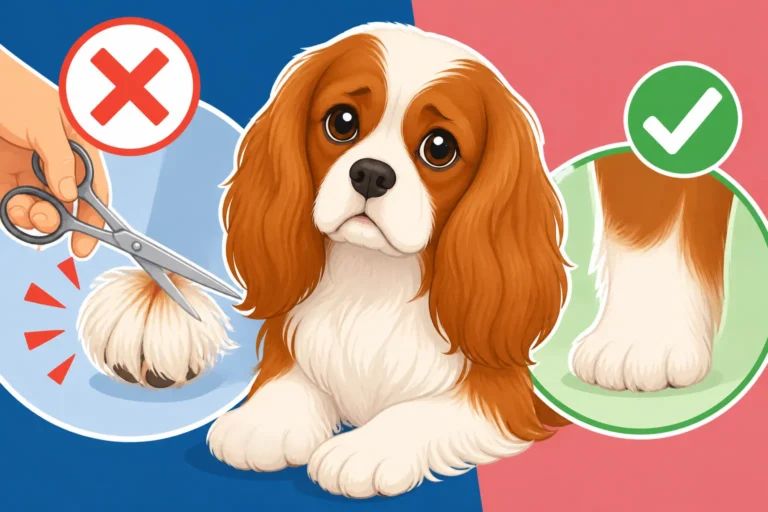
This is the most crucial part, so take your time and be deliberate. The goal is to trim the hair flush with the paw pads, not to cut into the pads themselves. Hold your Cavalier's paw gently but firmly in your non-dominant hand. With your thumb on top of the paw and your fingers supporting the pads from underneath, gently spread the paw pads apart a little. This helps to splay the toes and expose the hair you need to remove.
If using small electric clippers, turn them on and allow your Cavalier to get used to the vibration against their paw briefly before starting to trim. Always keep the clipper blade parallel to the paw pad, moving from the heel towards the toes. Never point the blade directly into the paw pad or between the toes; this dramatically increases the risk of nicks. Work slowly and in small sections, guiding the clippers over the hair until it’s flush with the pads. For very dense hair, you might need to make a few passes.
If you’re using blunt-nosed scissors, the principle is similar. Gently comb the long hair up between the pads, away from the skin, and then carefully snip it level with the pads. Again, keep the scissor blades parallel to the pads, never pointing into them. Be extra vigilant about your Cavalier’s movements; a sudden twitch could lead to a cut. Always err on the side of caution and cut less rather than more. Remember, you are tidying, not shaving. The natural texture of the pad needs to be exposed for optimal traction and hygiene.
What if you nick them? Even the most careful owners can have an accident. Don't panic. Apply gentle pressure with a clean cloth, and if you have styptic powder (a must-have in any pet first-aid kit), apply a pinch to the cut. The bleeding should stop quickly. Keep an eye on the area for any signs of infection over the next few days.
Finishing Touches and Positive Reinforcement
Once you've carefully trimmed the hair on one paw, take a moment to inspect your work. Look for any missed tufts, especially around the edges of the pads and between the very ends of the toes. You want a clean, even finish that allows the paw pads to make full contact with the ground. Some Cavaliers have thicker feathering around their entire foot; the focus here is just on the hair that protrudes between the pads, but if you're comfortable, you can also gently tidy up any long strands that trail on the ground around the paw, being careful not to cut too short. Whether to Trim a Cavalier's Foot Feathering is a separate consideration for aesthetics and sometimes hygiene, but the pad hair is about function.
After each paw is complete (or after each short session, especially for a new or nervous Cavalier), lavish your dog with praise and their favorite high-value treats. Make it a celebration! The more positive an association they have with paw handling and trimming, the easier future sessions will be. A little game of fetch, a special chew, or some focused cuddle time can help solidify that good feeling.
How often does this need to be done? Like How Often a Cavalier Needs Brushing or other grooming tasks, the frequency depends on your individual Cavalier's hair growth rate and lifestyle. For most Cavaliers, a paw trim every two to four weeks is sufficient to keep the hair in check. If your dog spends a lot of time outdoors in messy conditions or if their hair grows particularly fast, you might find yourself doing it a little more frequently. Regular checks are key; if you start seeing hair peeking out from between the pads again, it's time for a trim.
When to Call in the Professionals (and What to Expect)
While learning to trim your Cavalier's paw hair yourself can be a rewarding skill, there are definitely times when enlisting the help of a professional groomer or your veterinarian is the wisest course of action. It's important to recognize your limits and prioritize your Cavalier's comfort and safety above all else.
Recognizing When DIY Isn't Working
There's no shame in admitting that some grooming tasks are just too challenging to do at home. If your Cavalier becomes highly anxious, struggles violently, snaps, or even shows signs of aggression when you try to handle their paws, it's a clear signal that DIY might not be the best route. Forcing the issue can create a lasting negative association, making future attempts even harder and potentially damaging your bond. It's far better to seek professional help than to create a traumatic experience.
Similarly, if you've tried to trim the paw hair yourself and consistently find that you're missing spots, leaving uneven patches, or worse, accidentally nicking your Cavalier's pads, it's time to step back. The small amount of money saved by doing it yourself isn't worth the risk of injury or the discomfort it causes your dog. A confident, skilled hand can make a world of difference.
Finally, if you suspect there's already an underlying issue—such as redness, swelling, a foul odor, excessive licking, or limping—do not attempt to trim the paws yourself. These are signs of a potential infection, foreign body, or injury that requires veterinary attention, not a home grooming session. Trying to trim an already sore or infected paw will only cause more pain and can worsen the condition. Your vet can properly diagnose and treat the problem before any grooming takes place.
What a Professional Groomer Offers
Professional groomers are trained and experienced in handling dogs of all temperaments and managing various coat types, including the delicate paws of a Cavalier. They come equipped with specialized, well-maintained tools and an understanding of canine anatomy that allows them to perform paw trims safely and efficiently. Many groomers use high-quality clippers designed for precision work, minimizing noise and vibration, which can be less stressful for sensitive dogs. What a Groomer Charges for a Cavalier for a full groom or even just a "paw-dicure" often includes this essential service.
Beyond just trimming the hair, a professional groomer can also provide a comprehensive paw check. They often spot minor issues like ingrown nails, dry or cracked pads, or early signs of skin irritation that you might overlook at home. They can offer advice on maintaining paw health between visits and recommend specific products.
Many owners choose to combine paw trims with their Cavalier's regular full grooming appointments. This ensures that the paw hair is consistently managed as part of an overall grooming routine, which might also include bathing, drying, brushing, and tidying The Cavalier Feet the Standard Says Not to Trim (which are the top-side feathers). Discussing your Cavalier's specific needs with the groomer ensures they understand your priorities. What a Cavalier Grooming Appointment Covers generally includes this detail work.
Communicating Your Needs to the Groomer
When you take your Cavalier to a professional groomer, clear communication is key to ensuring you get the results you want. Don't assume they know exactly what you're looking for, especially if it's your first visit or if your Cavalier has specific sensitivities.
Be very specific about what you want trimmed. You can say something like, "I'd like the hair between his paw pads trimmed flush, so his pads are completely exposed. Please don't trim the feathering on top of his feet unless it's just a light tidy." Showing them a picture of how you'd like the paws to look can also be incredibly helpful.
It's also crucial to mention any known sensitivities or past issues your Cavalier has had. If they are nervous about their paws being handled, have a history of paw infections, or are reactive to certain sounds, let the groomer know upfront. This information allows the groomer to adjust their approach, use quieter tools, or take extra precautions to ensure a positive experience.
Finally, don't hesitate to ask your groomer for advice on at-home maintenance. They can often provide tips on how to keep your Cavalier's paws clean, what kind of paw balm might be beneficial, or how to make your own at-home checks more effective between professional visits. They are a valuable resource for maintaining your Cavalier's overall health and well-being.
Preventing Future Paw Hair Problems and Maintaining Healthy Feet
Successfully trimming your Cavalier's paw hair is a big step, but maintaining healthy feet is an ongoing process. Just like regular dental care or ear cleaning, paw maintenance requires consistency and a proactive approach. By incorporating a few simple habits into your routine, you can prevent future problems and ensure your Cavalier’s paws stay comfortable and sound.
Regular Inspection and Cleaning
Making a habit of regularly inspecting your Cavalier's paws is perhaps the most important preventative measure you can take. Aim for a quick check daily or every other day, especially after walks or outdoor adventures. Gently spread their toes, look between the paw pads, and feel for any tenderness, bumps, cuts, or foreign objects. This routine allows you to catch small issues before they escalate into bigger, more painful problems. It's akin to performing Daily Ear Checks on a Cavalier to catch infections early.
After walks, particularly if it's been muddy or wet, use paw wipes or a damp cloth to clean their paws. This removes surface dirt, allergens, and any potential irritants, preventing them from being tracked into the house or from causing skin issues if left to fester. Products like Earthbath or Burt's Bees paw wipes, available on Chewy, are excellent for this. For a deeper clean, a quick rinse in a shallow basin of water followed by thorough drying between the pads is beneficial.
Pay close attention to any excessive licking or chewing of the paws. While occasional grooming is normal, incessant licking is almost always a sign that something is bothering them. It could be trapped debris, an allergic reaction, dry skin, or the beginning of a yeast or bacterial infection. Addressing this promptly can prevent a minor irritation from turning into a full-blown medical issue.
Protecting Paws from the Elements
Your Cavalier's paw pads are tough, but they're not invincible, especially against extreme temperatures or harsh environments. In summer, hot pavement can cause painful burns. In winter, ice, snow, and de-icing chemicals (like rock salt) can be equally damaging.
Consider using dog booties when the weather is extreme. While some Cavaliers might resist them at first, many learn to tolerate them, and the protection they offer is invaluable. They create a barrier against hot surfaces, sharp ice, and corrosive chemicals, helping to prevent injury and irritation. You can find a variety of styles on Amazon.
Alternatively, or in conjunction with booties, paw balms or waxes can provide an invisible layer of protection. Products like Musher's Secret or Bag Balm can create a semi-permeable barrier that protects against environmental irritants while keeping the pads moisturized and pliable. These balms can also help prevent dryness and cracking, particularly in cold, dry weather.
Finally, be mindful of the surfaces your Cavalier walks on, even indoors. Avoid using harsh chemical cleaners on your floors if your Cavalier spends a lot of time on them, as residues can irritate their paw pads. Opt for pet-safe cleaning solutions whenever possible.
Nutritional Support for Skin and Coat Health
While external care is vital, don't underestimate the role of nutrition in maintaining overall paw health. A high-quality diet provides the essential nutrients that contribute to strong skin, healthy coat, and resilient paw pads. Just like with humans, what goes into your Cavalier's body impacts their external health.
Look for dog foods that list a high-quality animal protein as the first ingredient and contain a balanced blend of vitamins and minerals. Some high-quality fresh food brands, like Ollie, offer carefully balanced recipes that can contribute to overall skin and coat health. Omega-3 and Omega-6 fatty acids, often found in fish oil or flaxseed supplements, are particularly beneficial for skin barrier function and can help reduce inflammation, which can manifest as paw irritation.
If your Cavalier experiences chronic paw issues that aren't resolved by regular grooming and cleaning, discuss their diet with your veterinarian. Sometimes, food allergies or sensitivities can manifest as skin problems, including itchy, irritated paws. Ensuring your Cavalier is on an appropriate and nutritionally complete diet is a foundational element of their overall well-being, influencing everything from their energy levels to the health of their tiny, important paws. Remember, managing What a Healthy Adult Cavalier Costs Each Month includes investing in good nutrition.
| Feature | Blunt-Nosed Scissors | Small Electric Clippers |
|---|---|---|
| Ease of Use | Good for beginners if dog is still, requires steady hand | Easier for precision, less risk of nicks with blunt tips |
| Noise Level | Silent | Low hum, can be startling for sensitive dogs (choose quiet models) |
| Speed | Slower, more meticulous | Faster for experienced users |
| Safety | High risk of accidental nicks if dog moves, requires extreme care | Lower risk of nicks with rounded/blunt tips, but still requires focus |
| Effectiveness | Good for tidying longer hairs, harder for very dense mats | Excellent for dense hair and getting a close, even trim |
| Cost | Generally less expensive | Wider range, can be a higher initial investment |
Disclaimer
This article is for general informational purposes only and does not constitute professional advice. Laws, prices and regulations vary by location and change over time. Consult a qualified professional for guidance on your specific situation.