Mats Under a Cavalier’s Collar
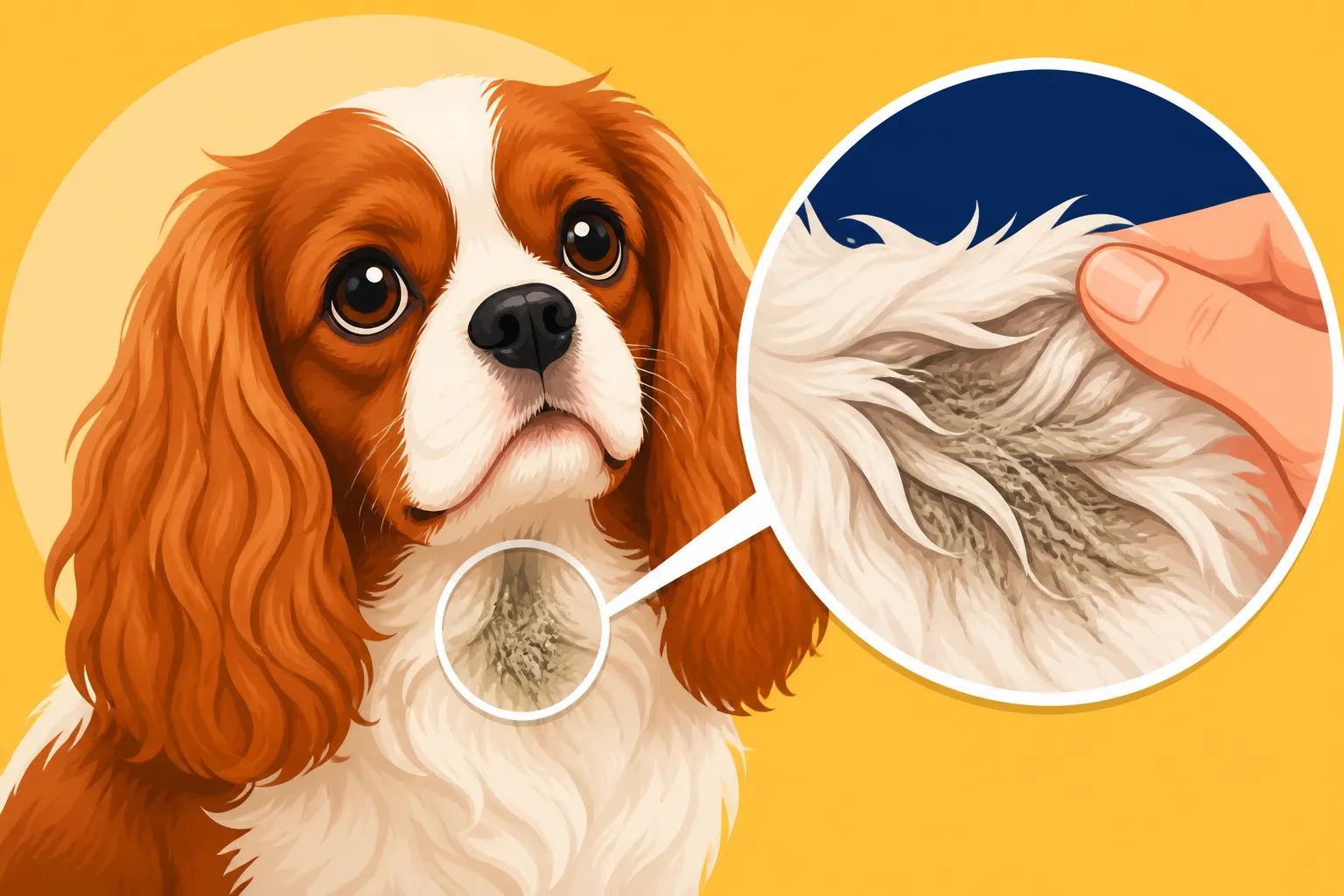
It's a familiar sight for many Cavalier owners: you reach down to give your sweet pup a loving scratch behind the ears, and your fingers snag on a dense, uncomfortable mat right under their collar. It’s frustrating, painful for your dog, and often feels like it comes out of nowhere, but it’s a really common issue with their beautiful, flowing coats. This guide is all about tackling those tricky collar mats, understanding why they happen, and arming you with the best strategies to prevent and gently resolve them, keeping your Cavalier's neck healthy and happy.
Understanding Why Cavalier Collars Create Mats
Cavalier King Charles Spaniels are renowned for their absolutely gorgeous, silky coats, complete with abundant feathering around their ears, chest, and of course, their necks. While this luxurious fur is part of their charm, it's also a magnet for tangles and mats, especially in high-friction areas like where a collar sits. It's not a flaw in their coat, but rather a characteristic that requires a little extra care and understanding from us, their devoted companions.
The Delicate Nature of Cavalier Feathering
A Cavalier's coat isn't like a rougher, double-coated breed. It's a single coat, often described as silky or soft, with long feathering that can range from straight to slightly wavy. This fine texture, while beautiful to touch, is incredibly prone to knotting. Imagine trying to brush a very fine human hair that's been constantly rubbed: it snarls easily. Now, consider that same delicate hair being constantly compressed and rubbed by a collar, often against other layers of fur and skin. It's a recipe for disaster. This delicate nature is why even a small amount of friction can quickly turn soft strands into a tight, uncomfortable felt.
When we talk about the feathering, particularly around the neck, we're looking at longer hair that flows and moves with your dog. This movement, combined with the pressure and rubbing from a collar, creates the perfect storm for mat formation. The strands intertwine, and without regular, thorough brushing, they quickly tighten into a dense clump that can pull at the skin, causing discomfort or even skin irritation.
Friction, Moisture, and Dirt: A Matting Trifecta
The primary culprit behind collar mats is friction. Every time your Cavalier moves their head, scratches an itch, or even lies down, their collar rubs against their neck fur. This constant rubbing causes the individual hairs to twist and knot together. Think about how a piece of yarn gets tangled when you rub it between your hands – it’s a similar principle at play with your Cavalier’s delicate coat.
Adding to the friction factor are moisture and dirt. If your Cavalier loves to play outside, gets wet in the rain, or even just gets damp from drinking water and then their collar isn't completely dry, that moisture can make mats form even faster. Wet fur clumps more easily and, as it dries, can shrink around existing tangles, tightening them into painful, hard mats. Likewise, dirt, dust, and even tiny bits of food can get trapped under the collar, acting like microscopic Velcro to bond the hair strands together, making the mat harder to remove. This is why vigilance is key, especially after outdoor adventures or a particularly sloppy drink from the water bowl.
Common Collar Types That Exacerbate the Issue
Not all collars are created equal when it comes to preventing mats in a Cavalier's coat. Some materials and designs are far more likely to contribute to the problem than others. Generally, rougher materials, very wide collars, or collars with a lot of seams or embellishments tend to cause more friction and snagging.
Flat nylon or canvas collars, while durable, can be quite abrasive against the fine hairs. Leather collars, if not soft and supple, can also cause issues. Buckles, tags, and adjustment slides can also get caught in the feathering, pulling and starting knots. Choke chains or prong collars, while not typically recommended for Cavaliers due to their delicate necks and friendly nature, are particularly damaging as they apply intense pressure and friction. Even a simple, everyday ID collar can be a problem if it's too tight, too loose, or made of a material that constantly rubs. Choosing the right kind of neckwear is truly the first step in prevention.
Preventing Collar Mats: Your First Line of Defense
Prevention is always easier than cure, especially when it comes to mats under a Cavalier's collar. A proactive approach involves a combination of careful collar selection, a diligent grooming routine, and sometimes, a little help from professional groomers. It’s all about creating an environment where those silky hairs can stay smooth and free-flowing, rather than getting caught and tangled.
Selecting the Right Collar Material and Fit
The type of collar your Cavalier wears makes a significant difference. For everyday wear, a flat, lightweight collar made of a smooth, rounded material is often best. Rolled leather collars or satin-lined nylon collars are excellent choices because they minimize friction against the delicate neck fur. Some owners even opt for braided or softer silicone materials. The key is to avoid anything with rough edges, prominent seams, or stiff textures that can rub and pull at the hair. You can find a wide selection of these types of collars on Chewy or Amazon, often with descriptions highlighting their gentle nature on sensitive coats.
Beyond material, the fit is absolutely critical. A collar that's too tight will press the fur against the skin, increasing friction and making it impossible for air to circulate, which can lead to skin irritation beneath the mat. A collar that's too loose, on the other hand, will slide and chafe, creating a broader area of friction and allowing the collar to twist and snag more hair. The general rule of thumb is that you should be able to comfortably slip two fingers between the collar and your Cavalier's neck. Remember that a growing puppy will need their collar adjusted frequently, and even adult dogs can fluctuate in weight, so regular checks are a must. For a comprehensive guide on selecting the right tools, you might find The Combs That Reach Cavalier Feathering helpful.
Daily Brushing Routines and Specific Tools
A consistent daily brushing routine is the single most effective way to prevent collar mats. Even if your Cavalier’s coat looks smooth, a quick brush around the neck and behind the ears can dislodge tiny tangles before they have a chance to tighten into full-blown mats. This isn't a long, arduous task; often, five minutes a day can make all the difference. For more insights into daily care, consider Brushing a Cavalier's Feathering Three Times a Week.
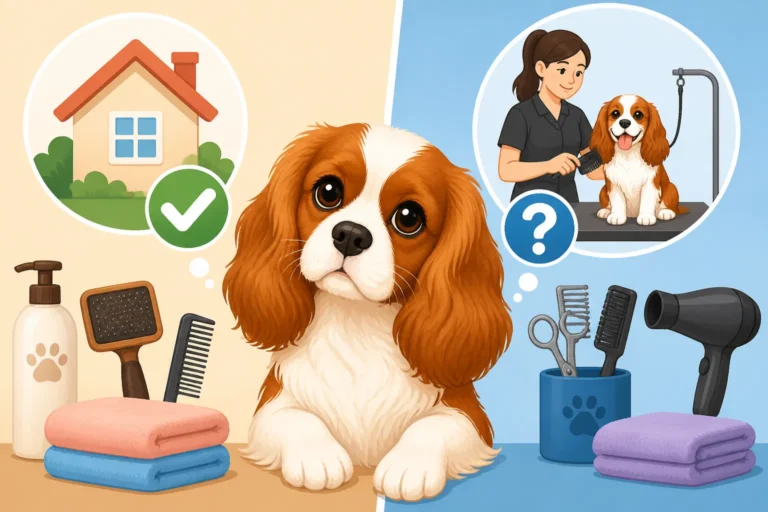
You'll need the right tools for this delicate work. A good quality slicker brush with flexible pins is essential for getting through the feathering gently, followed by a metal comb with both wide and fine teeth. Use the comb to thoroughly check the areas prone to matting, especially directly under and behind the collar. Always brush in sections, gently working through the hair rather than dragging the brush or comb through the entire coat at once. A detangling spray can also be a godsend, making the brush glide more smoothly and helping to prevent static which can also contribute to tangles. You can easily find these specialized grooming aids on platforms like Amazon.
The Role of Regular Professional Grooming
Even with the most diligent home grooming, sometimes a professional touch is needed, especially for breeds with coats as challenging as the Cavalier's. Regular appointments with a professional groomer, typically every six to eight weeks, can be invaluable. These professionals have specialized tools and techniques to thoroughly de-shed (though Cavaliers don't have an undercoat, their shedding can still create tangles), brush, and trim the coat, ensuring any nascent mats are caught and addressed before they become problematic.
A groomer can also provide advice tailored to your specific dog's coat type and lifestyle. They might recommend specific shampoos or conditioners, or suggest a light trim of the neck feathering if your dog is particularly prone to mats and you're not planning on showing them. This professional oversight can not only keep your Cavalier looking their best but also ensure their skin and coat health are maintained, reducing the risk of uncomfortable and potentially painful matting. For more on the costs and benefits, see Cavalier Grooming Costs Every Six to Eight Weeks and What a Groomer Charges for a Cavalier.
Dealing with Existing Collar Mats: Gentle Detangling
Discovering a mat under your Cavalier's collar can be disheartening, but don't panic. The key is to approach it with patience, gentleness, and the right tools. Trying to rip or pull a mat out will only cause pain and distress to your dog, potentially making them fearful of future grooming sessions. Our goal is to loosen and separate the tangled hairs without causing discomfort.
Assessing the Severity of the Mat
Before you begin, take a moment to assess the mat. Is it a small, loose tangle or a dense, tight clump matted close to the skin? Gently feel around the mat to determine its size and how close it is to the skin. If the mat is very tight and pulls the skin, or if there are multiple large, hard mats, it might be best to consult a professional groomer or your veterinarian. They have specialized tools and techniques to safely remove severe matting without causing injury or excessive pain.
You should also check for any skin irritation, redness, or tenderness under and around the mat. Mats can restrict air circulation and trap moisture, leading to hot spots or skin infections. If you notice any signs of skin problems, or if your Cavalier yelps or pulls away in pain when you gently touch the mat, it's definitely time to let a professional handle it. Your dog's comfort and health are paramount.
Essential Tools for Detangling
Having the right arsenal of tools will make the detangling process much smoother and less stressful for both you and your Cavalier. Here’s what you’ll typically need:
- Slicker brush: For general brushing and to start loosening outer layers.
- Metal comb: A sturdy comb with both wide and fine teeth is crucial for working through tangles.
- Detangling spray or conditioner: This is your best friend! It lubricates the hair, making it easier to separate. Look for sprays specifically designed for dogs.
- Blunt-nosed scissors or a mat splitter: Use with extreme caution! These are for cutting into a mat, not cutting it out. Only use if you can clearly see the skin beneath the mat and are confident you won't cut your dog.
- Patience and treats: Seriously, these are non-negotiable.
You can typically find high-quality detangling sprays and specialized combs at pet stores or online retailers like Chewy and Amazon. Always ensure any product you use is safe for dogs.
Step-by-Step Detangling Process
Once you have your tools ready and a calm Cavalier, you can begin the detangling process. Remember, slow and steady wins the race here.
- Spray the Mat: Liberally spray the mat with your detangling spray or a dilute leave-in conditioner. Make sure the mat is damp, but not soaking wet. Allow it to sit for a few minutes to penetrate the hair.
- Isolate the Mat: Gently hold the hair at the base of the mat, close to your Cavalier's skin. This prevents tugging on the skin as you work and minimizes discomfort. Use your fingers to separate the surrounding loose hair from the matted section.
- Tease Apart: Using the wide-toothed end of your metal comb or even just your fingers, start at the very edge of the mat and gently pick at it, working small sections of hair free. Think of it like unknotting a shoelace, not ripping it. Work from the outside edges inwards, and from the tip of the hair towards the skin.
- Brush and Repeat: Once a small section is loosened, use your slicker brush to gently brush it out. Then, move to another small section of the mat. Continue spraying, picking, and brushing in tiny increments. Take frequent breaks and offer treats to keep your Cavalier calm and cooperative.
- Cutting (Only if Necessary and Safe): If the mat is particularly stubborn, you can try using blunt-nosed scissors or a mat splitter to carefully cut into the mat, creating smaller sections. Never cut straight across a mat as you are highly likely to cut your dog's skin, which can be very thin and fragile under tight mats. Instead, make small, vertical snips into the mat, parallel to the skin, to break it up. This makes it easier to comb out the smaller pieces. If you're not 100% confident, please skip this step and seek professional help. For insights into safe mat removal, Cutting a Mat Out of a Cavalier Safely is a valuable resource.
- Final Brush: Once the mat is completely gone, use your slicker brush and then the fine-toothed side of your comb to ensure all the hair is smooth and free of any remaining tangles. Reward your Cavalier generously!
This process can take time, especially for larger mats. Don't rush it, and prioritize your dog's comfort over getting it done quickly.
Long-Term Collar Care and Coat Health
Preventing collar mats is an ongoing commitment, not a one-time fix. Establishing good habits and making smart choices about your Cavalier's care will ensure their beautiful coat remains healthy and mat-free for years to come. This includes considering alternatives to traditional collars, ensuring their diet supports coat health, and being mindful of seasonal changes.
Considering Alternative Neckwear
For many Cavaliers, especially those prone to heavy matting or with very long neck feathering, a harness can be a fantastic alternative to a traditional collar for walks and outdoor adventures. A well-fitting harness distributes pressure across the chest and shoulders, leaving the delicate neck fur undisturbed. This completely removes the friction point that causes collar mats. When choosing a harness, look for one that is soft, well-padded, and doesn't rub in other areas, such as the armpits.
While harnesses are great for walks, you might still need a lightweight, flat collar for ID tags if you prefer. However, this collar can be much looser and made of a very smooth material, or even removed when your dog is safely indoors and supervised. The less time a collar is actively rubbing against the neck, the less chance there is for mats to form. You can explore various comfortable harness options on Chewy or Amazon, often specifically designed for smaller breeds like the Cavalier. For a deeper dive into this topic, refer to Harnesses Suited to a Cavalier's Neck.
Nutrition for Optimal Coat Health
Believe it or not, your Cavalier's diet plays a significant role in the health and manageability of their coat. A well-nourished coat is typically stronger, shinier, and less prone to breakage and matting. Look for high-quality dog foods that list a named meat source as the first ingredient and contain essential fatty acids like Omega-3 and Omega-6. These fats are crucial for skin health and promoting a lustrous coat. Many premium brands, including some options you'd find from Ollie, focus on these nutritional benefits.
If your Cavalier's coat seems dull, dry, or unusually prone to matting despite your best grooming efforts, speak with your vet about potential dietary supplements. Fish oil or flaxseed oil, for example, can often be added to their food to boost fatty acid intake and improve coat condition. Hydration is also vital; ensure your Cavalier always has access to fresh, clean water. A well-hydrated dog with healthy skin and coat is inherently more resistant to matting.
Seasonal and Lifestyle Considerations
Your Cavalier's coat can change with the seasons and their lifestyle. In wetter months, more frequent checks are needed if they get damp during walks. Similarly, if they've been swimming, ensure their collar area is thoroughly dried to prevent mats from tightening as the fur dries. During warmer months, some owners opt for a light professional trim, often called a "summer cut," to help manage the feathering and reduce the risk of matting, though this isn't part of the traditional breed standard. Whether a Cavalier Should Be Clipped in Summer offers more information on this.
Additionally, consider your Cavalier's activities. If they love rolling in dirt or burrs, be extra diligent with post-play brushing. If they're prone to certain health issues, their coat might reflect that. For example, some older Cavaliers might struggle with grooming themselves or standing for long periods, which means you'll need to step up your home grooming game. Grooming an Older Cavalier That Cannot Stand Long provides helpful tips for this scenario. Keeping an eye on these factors and adjusting your grooming routine accordingly will go a long way in keeping those pesky collar mats at bay.
| Collar Type | Matting Potential | Best For | Considerations |
|---|---|---|---|
| Flat Nylon/Canvas | Moderate to High | Temporary use, dogs with short coats | Can be abrasive, edges can rub. |
| Rolled Leather | Low | Everyday wear, long-coated breeds | Smooth surface minimizes friction. Requires conditioning to stay supple. |
| Satin-Lined Nylon | Low | Everyday wear, delicate coats | Smooth lining glides over fur, reducing friction. |
| Chain/Choke/Prong | Very High | Not recommended for Cavaliers | Causes extreme friction, can damage fur and delicate necks. |
| Martingale | Moderate | Dogs who slip collars, supervision required | While it tightens, it's typically used for walks and removed when unsupervised. |
| Harness (Chest Plate) | Very Low | Walks, outdoor activities, anti-matting | No neck friction. Ensure proper fit to avoid rubbing in other areas (e.g., armpits). |
Disclaimer
This article is for general informational purposes only and does not constitute professional advice. Laws, prices and regulations vary by location and change over time. Consult a qualified professional for guidance on your specific situation.