The Smell That Means a Cavalier Ear Infection
If you're a Cavalier King Charles Spaniel owner, you know the pure joy these sweet, affectionate dogs bring. But sometimes, alongside those soulful eyes and wagging tails, comes a less-than-pleasant surprise: a distinct, often pungent smell emanating from their ears. This guide is here to help you identify that tell-tale odor, understand what causes it, and most importantly, what steps to take to get your beloved Cavalier comfortable and healthy again.
That Distinctive Aroma: Identifying the Smell of a Cavalier Ear Infection
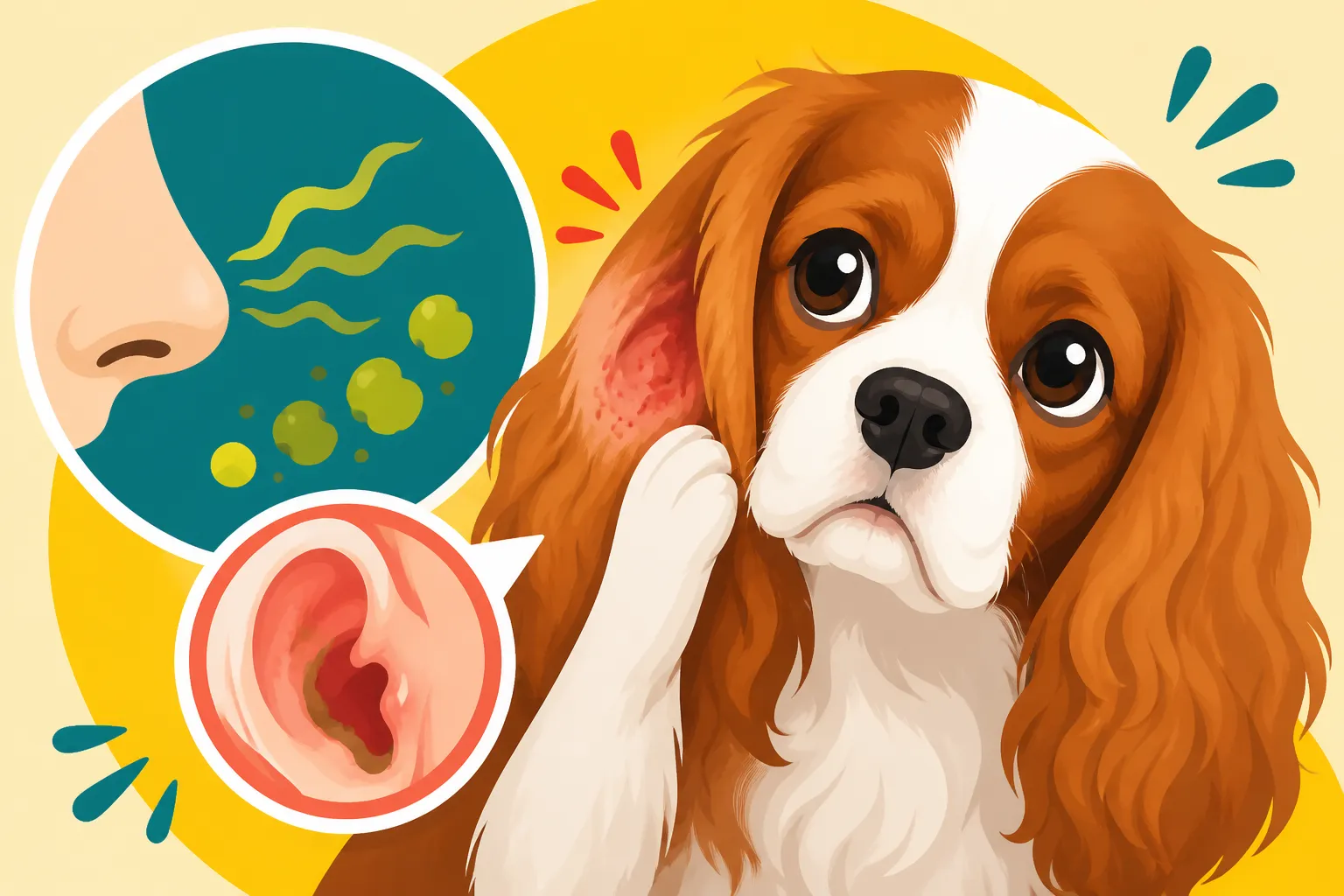
The moment you catch a whiff of a foul odor coming from your Cavalier's ears, it's often your first clue that something isn't quite right. This isn't just a general "dog smell"; it's a very specific, often unmistakable scent that points directly to an ear infection. Many owners describe it in different ways, but there are some common descriptors that might ring true.
The Unmistakable Odor: What Does It Actually Smell Like?
For many, the smell of a Cavalier ear infection is often described as yeasty or musty. Imagine the smell of old bread, sour dough, or even something akin to stale popcorn. This particular aroma often points towards a yeast overgrowth, which is incredibly common in a dog's ear canal. Sometimes, it can be a bit sweeter, a bit more pungent, or even like a sickly-sweet cheese. It's not usually a light, airy scent; it tends to be quite strong and can become more potent the closer you get to your dog's ears, or if they shake their head and dislodge some of the debris. If you're petting your Cavalier and notice your hand now carries this scent, it's a huge indicator.
However, a bacterial infection can sometimes present with a different kind of odor – often more foul, fetid, or even putrid. This can be a very strong, unpleasant smell that might even make you recoil. It's less "yeasty" and more just plain "bad," often accompanied by a thicker, more colored discharge. The key is that once you've smelled it, you usually don't forget it, and it immediately registers as abnormal for your otherwise sweet-smelling companion. This distinct odor is usually the reason owners first become aware that there might be an issue.
It's Not Just "Dog Smell": Differentiating From Normal Dog Odor
Let's be clear: all dogs have a natural scent. Some might have a slightly stronger "doggy" smell than others, especially after a romp outside or between baths. Your Cavalier, with its lovely long coat and feathered ears, might carry a faint, pleasant dog scent. But an ear infection smell is different. It's localized, intense, and distinct from their overall body odor. It doesn't dissipate with a quick brush or a fresh bandana. Instead, it seems to emanate specifically from the ear area and persists, sometimes growing stronger over time if left unaddressed.
Think of it this way: your Cavalier might naturally smell like fresh laundry if they just had a bath, or a bit earthy after playing in the garden. An ear infection smell, however, is a clear, unwelcome intruder to that normal palette of scents. It's a sign from their body screaming, "Hey, something's not right in here!" and it's important not to dismiss it as just part of being a dog. Pay attention to how the smell changes or intensifies over days; this can give you an idea of how rapidly the infection might be progressing.
The Source of the Stink: Bacteria and Yeast Overgrowth
The science behind the smell is straightforward: it's caused by an overgrowth of microorganisms within the warm, moist, and dark environment of the ear canal. The most common culprits are yeast (specifically Malassezia pachydermatis) and bacteria. These organisms are often present in small numbers in a healthy ear, but when conditions are just right – or rather, just wrong – they can multiply rapidly, leading to infection and that tell-tale odor.
Yeast infections commonly produce that yeasty or sweet smell, often with a brownish, waxy discharge. Bacterial infections, on the other hand, can create a much fouler, stronger stench, and might be accompanied by yellow, green, or even pus-like discharge. Sometimes, both yeast and bacteria can be present, creating a combined assault on your Cavalier's ear health and leading to a particularly unpleasant odor. The odor is essentially the waste product and metabolic activity of these multiplying microbes. Understanding this helps you appreciate why simply cleaning the ear with water won't fix the problem; you need targeted treatments to address the specific type of organism thriving in there.
Why Cavaliers Are So Prone to Ear Troubles
It often feels unfair that our Cavaliers, with their gentle dispositions and sweet faces, are so susceptible to common health issues, and ear infections are definitely high on that list. It's not just bad luck; there are several anatomical and physiological reasons why these beautiful dogs seem to battle ear problems more frequently than many other breeds.
The Anatomy of Trouble: Long, Floppy Ears and Narrow Canals
The primary reason Cavaliers are so prone to ear infections comes down to their magnificent, long, floppy ears. Unlike dogs with upright, open ears, the Cavalier's ear leather hangs down, effectively covering the ear canal. This creates a perfect storm: a warm, dark, and poorly ventilated environment. Air circulation is drastically reduced, trapping moisture and heat inside the ear canal. This moist, humid pocket is an ideal breeding ground for yeast and bacteria to flourish. You can really see Why a Cavalier's Drop Ears Trap Infection when you consider how little air actually gets to the opening of the ear.
Furthermore, many Cavaliers also have relatively narrow ear canals compared to some other breeds. A narrow canal makes it harder for debris, wax, and moisture to naturally escape, further exacerbating the problem. It's like trying to drain a bathtub through a tiny, blocked plughole – everything just sits there and festers. This anatomical predisposition means Cavalier owners need to be extra vigilant about ear care.
Moisture, Heat, and Darkness: The Perfect Breeding Ground
Beyond just the floppy ears, several environmental factors contribute to the perfect conditions for infection. Any moisture that enters the ear – from baths, swimming, or even humid weather – gets trapped easily. If not thoroughly dried, this moisture becomes a welcome mat for microbes. Imagine sweating inside a sealed container; that's a bit what a Cavalier's ear can be like on a warm, humid day.
The combination of trapped moisture, the body's natural heat, and the darkness of the covered ear canal creates an anaerobic (low oxygen) environment that many problematic bacteria and yeast thrive in. This is why regular ear checks and proper drying are not just good practice, but absolutely essential for Cavaliers. Skipping this vital step after a swim or bath can quickly lead to an uncomfortable situation for your dog.
Underlying Allergies and Sensitivities: A Common Culprit
While anatomy plays a huge role, many recurrent ear infections in Cavaliers aren't just about moisture; they're often a symptom of an underlying allergy. Just like people, dogs can suffer from environmental allergies (like pollen, dust mites) or food allergies. When a Cavalier's immune system reacts to an allergen, one of the most common ways it manifests is through skin inflammation, which often includes the lining of the ear canal. This inflammation creates an even more favorable environment for yeast and bacteria to take hold.
If your Cavalier experiences Recurrent Ear Infections in a Cavalier, especially if they also have itchy skin, paw licking, or digestive upset, it's highly likely that allergies are playing a significant role. Your vet might even suggest exploring Whether Cavalier Ear Infections Are Allergic as part of the diagnostic process. Treating the ear infection alone without addressing the underlying allergy will often lead to the infection returning again and again, trapping your Cavalier in a frustrating cycle of discomfort.
Other Contributing Factors: Wax Buildup, Foreign Bodies
Beyond the main issues, other factors can also contribute to ear infections. Some Cavaliers naturally produce more ear wax than others. While wax offers some protection, excessive buildup can trap moisture and debris, creating blockages and an environment ripe for infection. Think of it as a sticky buffet for bacteria and yeast.
Occasionally, foreign bodies can also be a culprit. A grass seed, a tiny burr, or even a small insect can enter the ear canal and cause irritation, inflammation, and introduce bacteria. These can be incredibly painful and difficult for owners to spot without proper tools. While less common than yeast or bacterial infections, they are certainly something to consider if your Cavalier suddenly develops a severe, painful ear issue, especially after spending time in long grass or wooded areas. A vet will always check for foreign bodies during an ear examination.
More Than Just a Stink: Recognizing Other Signs of Ear Infection
While the smell is often the first red flag, it's rare for an ear infection to present only with an odor. Your Cavalier will usually give you other clues that they're feeling uncomfortable. Learning to recognize these additional signs is crucial for early intervention, which can prevent the infection from worsening and causing more pain for your beloved pet.
Behavioral Clues: Head Shaking, Scratching, Rubbing
One of the most obvious signs that your Cavalier is dealing with an ear infection is a change in their behavior, particularly related to their head and ears. You might notice them shaking their head frequently, often quite vigorously. It's their attempt to dislodge whatever is irritating them or to alleviate the pressure and itchiness. If you've ever heard the distinctive flap-flap-flap of their long ears hitting their head as they shake, it's a strong indicator. You can read more about A Cavalier That Shakes Its Head Constantly and what it means.
Along with head shaking, excessive scratching at the affected ear is another common sign. Your Cavalier might use a back paw to furiously scratch, sometimes even causing redness or irritation on the outside of the ear flap or the skin around it. They might also rub their head along furniture, the carpet, or even your leg, trying to get some relief from the persistent itch. These behaviors are not just annoying; they're a clear signal of discomfort and pain within the ear. Observing which ear they are consistently bothering can help pinpoint the problem side.
Visual Indicators: Redness, Swelling, Discharge
A quick visual inspection of your Cavalier's ears can often confirm your suspicions. Gently lift their ear flap and look inside the ear canal entrance. In a healthy ear, the skin should be a pale pink, clean, and free of any noticeable discharge or redness, similar to What a Healthy Cavalier Ear Looks Like. If you see redness or inflammation around the opening or deeper into the canal, that's a sign of irritation.
Swelling might also be present, making the ear canal appear narrower than usual. And then there's the discharge. This is perhaps the most visible indicator.
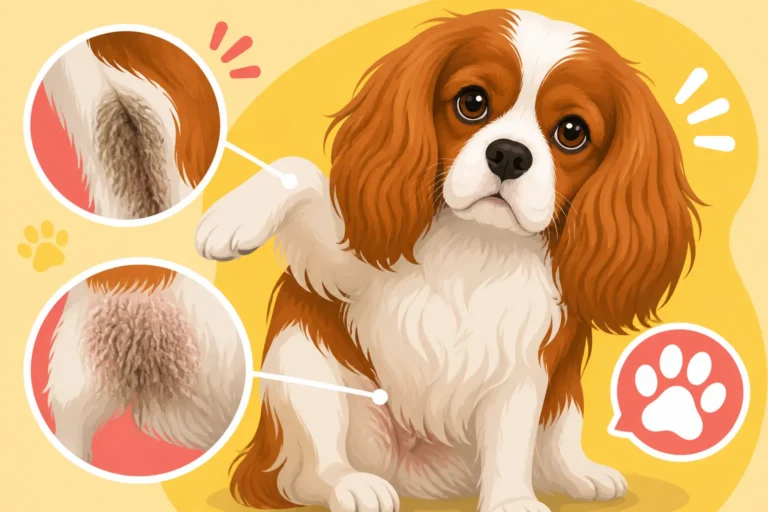
- Yeast infections often produce a dark, brownish, waxy, sometimes crumbly discharge. It might look like coffee grounds or just very dirty wax. You might even spot Yeast Under a Cavalier's Ear Flap.
- Bacterial infections can result in yellow, green, or even pus-like discharge, which can be thick and smelly. This discharge can sometimes be copious, even seeping out of the ear and onto the fur around the ear flap. The type and color of discharge can give your vet important clues about the type of infection present.
Pain and Sensitivity: Yelping When Touched
Ear infections, especially bacterial ones or those that have been present for a while, can be incredibly painful. Your Cavalier might shy away or even yelp if you try to touch their ear or lift the flap. They might become withdrawn or irritable, especially if the pain is severe. Some dogs will even hold their head tilted to one side in an attempt to alleviate pressure on the affected ear.
Imagine having a throbbing earache yourself; that's likely what your dog is experiencing. This pain can also impact their willingness to play, eat, or even sleep comfortably. They might become restless at night, constantly shifting to find a comfortable position. If your once-cuddly Cavalier suddenly becomes head-shy or snaps when you approach their head, it's a strong indicator that they are in pain and need immediate veterinary attention. Don't assume they're just being grumpy; assume they're hurting.
Changes in Ear Leather: Hot to the Touch, Thickened
Beyond what you see inside the ear, pay attention to the external ear flap itself. If you gently feel your Cavalier's ear leather, it should normally feel cool or neutral to the touch, much like the rest of their skin. However, an infected ear might feel noticeably warm or even hot, particularly at the base of the ear where the inflammation is most active. This warmth is due to increased blood flow to the area as the body's immune system tries to fight off the infection.
In cases of chronic or severe infections, the ear leather itself can become thickened and leathery, a condition called lichenification. This is a sign of long-term inflammation and irritation and usually indicates that the infection has been present and unresolved for some time. It's a physical manifestation of Chronic Ear Disease and Cavalier Hearing Loss, and it's something your vet will notice during an examination. This change in texture means the ear has undergone significant tissue changes, making it even harder for medications to penetrate effectively.
| Symptom Category | Yeast Infection Indicators | Bacterial Infection Indicators |
|---|---|---|
| Smell | Yeasty, musty, sweet, sour, cheesy | Foul, fetid, putrid, very strong |
| Discharge | Dark, brownish, waxy, crumbly | Yellow, green, pus-like, thick |
| Appearance | Redness, mild swelling, greasy feel | Intense redness, significant swelling |
| Behavior | Moderate scratching, head shaking | Severe pain, head tilt, reluctance to be touched |
| Ear Texture | Warm to touch | Hot to touch, potentially thickened |
Taking Action: What to Do When You Suspect a Cavalier Ear Infection
Discovering that your Cavalier has an ear infection can be worrying, but the good news is that most cases are highly treatable, especially when caught early. The most important step you can take is to seek veterinary attention promptly. Resisting the urge to self-treat and getting a proper diagnosis will ensure your Cavalier receives the most effective and safest treatment.
Resist the Urge to Self-Treat: Why a Vet Visit Is Crucial
It's tempting to reach for an old ear cleaner you have lying around or try a home remedy you found online when you notice the smell. However, this is one of the biggest mistakes an owner can make. Without a proper diagnosis from a veterinarian, you won't know if the infection is caused by yeast, bacteria, or a combination of both. Different types of infections require different medications. Using the wrong medication, or one that's expired, can not only be ineffective but could also worsen the problem, cause irritation, or lead to antibiotic resistance if it's a bacterial infection.
Moreover, if there's a ruptured eardrum – which can happen with severe infections – putting certain ear drops into the canal can cause serious damage to your Cavalier's hearing or inner ear structures. Only a vet can safely examine the eardrum. Save yourself and your Cavalier unnecessary discomfort, time, and potentially more expensive future treatments by making that vet appointment as soon as you suspect an issue. You're trying to solve the problem, not guess at it.
The Veterinary Examination: What to Expect
When you take your Cavalier to the vet for a suspected ear infection, the examination will be thorough. The vet will first take a detailed history, asking about the duration of symptoms, any recent activities (like swimming or grooming), and whether your Cavalier has had ear infections before. They will then visually inspect both ears, looking for redness, swelling, discharge, and any signs of trauma or foreign bodies.
Using an otoscope, a specialized instrument with a light and magnifying lens, the vet will carefully look deep into the ear canal to check its condition and, most importantly, to assess the eardrum. This is a critical step to ensure the eardrum is intact before any medications are prescribed. The process is usually quick and minimally uncomfortable for your dog, though some very painful ears might require gentle handling or even mild sedation if the dog is too distressed. This careful visual inspection helps determine the severity and potential underlying causes.
Diagnostic Steps: Swabs, Cytology, Cultures
After the visual exam, the vet will almost certainly take a sample of the discharge from your Cavalier's ear. This involves gently inserting a sterile cotton swab into the ear canal and collecting some of the material. This swab is then used for two primary diagnostic tests:
- Cytology: A small amount of the discharge is smeared onto a microscope slide, stained, and examined under a microscope. This allows the vet to identify the type and quantity of microorganisms present – yeast, bacteria (rods or cocci), white blood cells (indicating inflammation), and even mites. This test provides immediate results and guides the initial treatment plan.
- Culture and Sensitivity (C&S): If the infection is severe, recurrent, or not responding to initial treatment, the vet might also send a swab to an external lab for a culture and sensitivity test. This test grows the bacteria present and then determines which antibiotics are most effective at killing them. This ensures the most targeted and potent treatment is prescribed, especially important for stubborn or Recurrent Ear Infections in a Cavalier.
These diagnostic steps are fundamental to getting the right diagnosis and therefore the right treatment. Without them, you're just guessing, and that's not fair to your furry friend.
Treatment Options: Medications, Cleaning Protocols
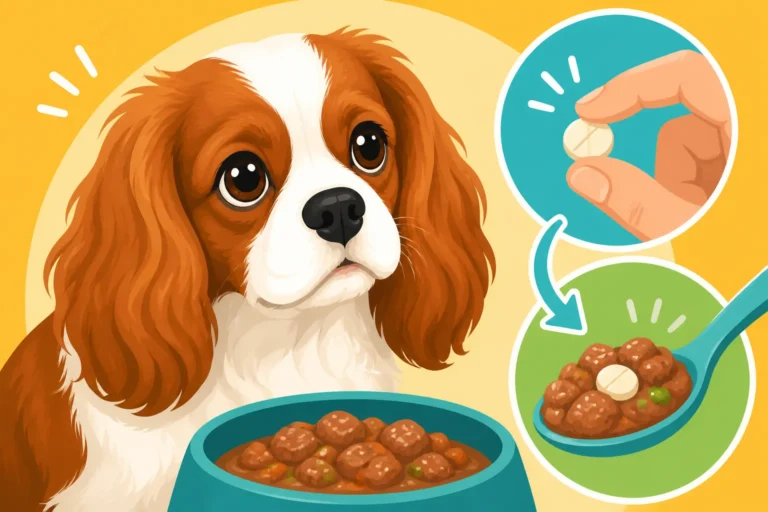
Once the vet has a diagnosis, they will prescribe appropriate medication. This typically involves ear drops that contain a combination of ingredients to address the specific issue:
- Antifungals: For yeast infections.
- Antibiotics: For bacterial infections.
- Anti-inflammatories/Steroids: To reduce swelling and pain, making the ear more comfortable and allowing the medication to penetrate better.
You'll be shown how to administer the drops, which usually involves gently pulling the ear flap up and back, squeezing the prescribed number of drops into the ear canal, and then gently massaging the base of the ear to distribute the medication. This might feel a bit awkward at first, but with practice, it becomes second nature.
In addition to medication, the vet will likely prescribe a specific ear cleaner. This isn't just any old cleaner; it's often formulated to complement the medication, remove debris, dry the canal, and create a less hospitable environment for microbes. Ear Cleaner Worth Using on a Cavalier will be one recommended by your vet. The cleaning frequency will depend on the severity of the infection, but it's crucial for clearing out the gunk so the medication can reach the infected tissues effectively. Many specialized veterinary products can be purchased from online retailers like Chewy or Amazon, making it convenient to restock your supplies.
Follow-Up Care: Why It's Important
Even if your Cavalier's ear looks and smells completely normal after a few days of treatment, it's vital to complete the full course of medication as prescribed by your vet. Stopping early can lead to a relapse, and the infection might come back stronger and more resistant.
Your vet will usually schedule a follow-up appointment, typically after 7-14 days. During this visit, they will re-examine the ear, and often perform another cytology to ensure the infection has truly cleared. It's not uncommon for an ear to look better but still have lingering bacteria or yeast. Getting the all-clear from your vet means the infection is properly resolved, reducing the chances of recurrence. This follow-up also allows the vet to check on the progress if there's an underlying cause like allergies that needs ongoing management.
Proactive Ear Care: Keeping the Funk Away
Once you've dealt with an ear infection, your primary goal becomes preventing another one. For Cavalier King Charles Spaniels, proactive and consistent ear care is not just a suggestion; it's a necessity due to their unique ear anatomy. Establishing a routine can save you and your furry friend a lot of discomfort and vet visits in the long run.
Regular Cleaning Routine: How Often, Proper Technique
A consistent ear cleaning routine is the cornerstone of preventing infections in Cavaliers. How often depends on your individual dog – some might need it weekly, others every two weeks, especially if they are prone to Yeast Under a Cavalier's Ear Flap. Your vet can advise on the ideal frequency for your Cavalier.
When it comes to technique, less is more, but thoroughness is key. Start by gathering your supplies: a vet-approved ear cleaner (again, Chewy or Amazon can be great for convenient refills of these specialized products) and cotton balls or soft gauze squares. Avoid cotton swabs (Q-tips) for cleaning inside the ear canal, as these can push debris further down and potentially damage the eardrum. You can learn more about Cleaning a Cavalier's Ear the Right Way by asking your vet for a demonstration.
Here's a simplified approach:
- Lift the ear flap: Gently hold your Cavalier's ear flap up to expose the ear canal opening.
- Apply cleaner: Squeeze a generous amount of ear cleaner directly into the ear canal until it's full.
- Massage: Gently but firmly massage the base of the ear for 20-30 seconds. You should hear a squishing sound as the cleaner loosens debris.
- Wipe: Allow your Cavalier to shake their head (it's natural for them to want to). Then, use a cotton ball or gauze wrapped around your finger to gently wipe away any visible cleaner and debris from the outer part of the ear canal and ear flap. Never go deeper than your finger can comfortably reach.
Regularity is crucial. Making it a positive experience with treats and praise will make your Cavalier more cooperative.
Choosing the Right Ear Cleaner: Importance of pH Balance
Not all ear cleaners are created equal, and choosing the right one for your Cavalier is important. Many over-the-counter cleaners contain alcohol, which can be irritating, especially for sensitive or already inflamed ears. Look for vet-recommended, non-irritating, pH-balanced solutions. Many good cleaners contain ingredients that help dry the ear canal, dissolve wax, and have antiseptic properties to discourage microbial growth.
If your Cavalier is prone to yeast infections, your vet might recommend a cleaner with antifungal properties, such as those containing salicylic acid or chlorhexidine. For waxy ears, a ceruminolytic (wax-dissolving) cleaner might be appropriate. Always consult your vet for their recommendation, as they know your dog's specific ear health history. Don't just grab the cheapest option; investing in a good quality cleaner is an investment in your Cavalier's comfort.
Drying Those Floppy Ears: Post-Bath and Swimming Care
Because Cavaliers' floppy ears trap moisture so effectively, thorough drying after baths or swimming is non-negotiable. This is often an overlooked step, but it's critical for preventing the humid environment that bacteria and yeast adore. You might think a quick towel dry is enough, but often moisture lingers deep within the canal. Read more about Drying a Cavalier's Ears After a Bath to understand the proper technique.
After any exposure to water, gently blot the inside of the ear flap and the entrance to the canal with a soft, clean towel or cotton ball. You can also use a small piece of cotton placed loosely just inside the ear canal (never pushed deep) for about 15-20 minutes to absorb residual moisture. Alternatively, a gentle breeze from a hairdryer on a cool setting, held at a safe distance, can help evaporate moisture. Just be mindful of the noise, as some dogs are sensitive to it. The goal is to ensure the ear is completely dry before lowering the ear flap.
Dietary Considerations: Managing Allergies
If allergies are suspected to be an underlying cause of your Cavalier's recurrent ear infections, addressing their diet can be a game-changer. Certain food ingredients can trigger inflammatory responses that manifest as itchy ears and skin. Your vet might recommend a limited ingredient diet or a prescription hypoallergenic diet trial to identify and eliminate potential allergens.
Brands like Ollie, for instance, offer fresh, human-grade food options that can be customized to your dog's specific needs, which might include novel proteins or limited ingredients that could reduce allergic reactions. Discussing dietary changes with your vet is crucial before making any switches, especially for sensitive dogs, to ensure nutritional completeness and efficacy. Sometimes, simply finding a food that agrees with your Cavalier's system can significantly reduce their ear troubles.
Addressing Underlying Issues: Dealing with Allergies or Wax
Beyond routine cleaning, it’s crucial to address any identified underlying issues. If allergies are the root cause, your vet might suggest long-term allergy management strategies, which could include antihistamines, omega-3 fatty acid supplements, immunotherapy (allergy shots), or specialized diets. Treating the allergy is treating the source of the ear inflammation, which in turn reduces the likelihood of infection.
For Cavaliers prone to excessive wax, your vet might recommend a specific ceruminolytic ear cleaner used regularly to keep buildup at bay. In rare cases of severe, chronic wax production or anatomical abnormalities, a vet might discuss more invasive options, but these are typically last resorts. The key is consistent, targeted management based on your vet's diagnosis of the root problem. Don't just treat the symptom; treat the cause. A consistent routine of Daily Ear Checks on a Cavalier can help you spot problems before they escalate.
When to Seek Professional Grooming Help: For Deeper Cleaning or Difficult Dogs
While home care is essential, sometimes professional help is invaluable. A professional groomer who is experienced with Cavaliers can help keep the hair around and inside the ear opening neatly trimmed, which can improve air circulation. They can also assist with routine cleaning if you find your Cavalier uncooperative or if you're not confident in performing the task yourself.
For very waxy ears or dogs that are particularly difficult to manage, your veterinarian might recommend a "deep ear flush" under sedation. This allows them to thoroughly clean the ear canal, remove stubborn wax plugs, and properly visualize the eardrum without causing stress or pain to your dog. This isn't a routine procedure but can be incredibly helpful for breaking the cycle of severe, chronic infections that home care struggles to manage.
Disclaimer
This article is for general informational purposes only and does not constitute professional advice. Laws, prices and regulations vary by location and change over time. Consult a qualified professional for guidance on your specific situation.