Why a Bowl Left Down Makes a Cavalier Fat
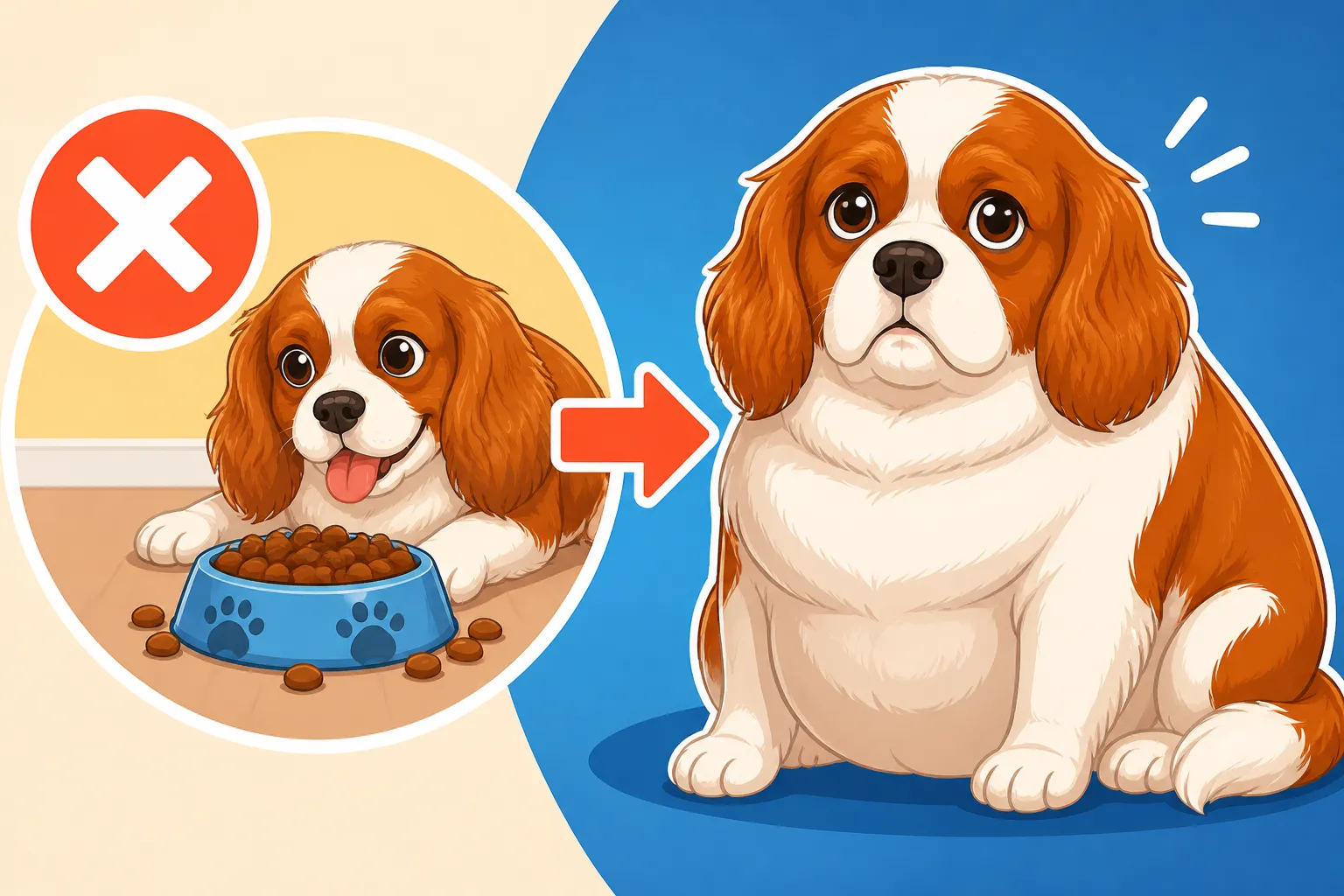
It’s a scenario many of us Cavalier parents know all too well: we leave a bowl of kibble down, thinking our sweet dog will just graze throughout the day, eating only what they need. We imagine it's simpler, more relaxed, and perhaps even what they prefer. But here’s the tough truth that catches so many of us off guard: leaving a food bowl down often leads directly to an overweight Cavalier, and that extra weight is far more detrimental to their health than we might realize. This guide will dive deep into why this seemingly harmless practice can make your beloved Cavalier King Charles Spaniel fat and, more importantly, what you can do about it.
Why Cavaliers Are Particularly Prone to Weight Gain
Cavaliers are simply not built like some other breeds when it comes to metabolism and body size. Their history as pampered lapdogs, combined with their relatively small stature and often low activity levels, means they can pack on pounds with surprising ease. It’s not just a matter of aesthetics; this tendency makes controlled feeding crucial for their long-term health.
The Sedentary Lifestyle and Low Caloric Needs
Unlike a working breed or even a more active terrier, many Cavaliers are perfectly content with a couple of short walks a day and plenty of couch time. While they certainly can be active and enjoy sports like agility or rally, their natural inclination often leans towards being a devoted companion right by your side. This delightful trait, however, means their caloric needs are significantly lower than you might assume for a dog of their size. A tiny extra portion or a few too many treats can quickly push them past their daily requirement. Their small body mass means that even a pound or two of excess weight represents a much higher percentage of their overall body weight compared to a larger dog, creating a disproportionately greater health risk. It’s easy to misjudge how much to feed an adult Cavalier daily when you see those big, pleading eyes.
A Love Affair with Food
Let’s be honest, most Cavaliers are absolute food hounds. They live to eat, and they are incredibly charming about it! Their soulful eyes and gentle nudges make it very hard to resist sharing a little something extra, or simply refilling a bowl that looks less than full. This eagerness isn't a flaw; it's part of their endearing nature. However, it also means they rarely "self-regulate" when food is always available. If there’s kibble in the bowl, many Cavaliers will simply keep eating until it’s gone, or until they physically can’t eat anymore. This instinct, a leftover from their ancestral need to gorge when food was scarce, is a major contributing factor when a bowl is constantly accessible.
The Silent Creep of Calories from an Always-Available Bowl
The biggest culprit in free-feeding isn't necessarily the type of food, but the sheer, untracked volume. When food is left out all day, it's incredibly difficult for us as owners to truly understand how much our Cavalier is consuming. This leads to a silent, steady accumulation of calories that builds up over weeks and months.
Impossibility of Accurate Tracking
Think about it: when you fill a bowl in the morning and it's mostly gone by the evening, do you truly know if your Cavalier ate it all at once, or grazed on it? Did your other dog sneak a bite? Did the cat take a few pieces? When food is constantly available, the precise measurement of daily intake goes completely out the window. This makes it impossible to adjust portions based on their activity levels or to determine if they're eating too much or too little. It becomes a guessing game, and with a breed as prone to weight gain as the Cavalier, guessing is almost always going to lead to overfeeding. You might assume your dog is only eating a cup a day, but in reality, they might be consuming a cup and a half, day after day, week after week. That extra half-cup adds up.
Constant Grazing and the "Boredom Snacker"
Just like humans, dogs can eat out of boredom. If there's nothing else exciting happening, and a readily available food bowl is within reach, a Cavalier might just amble over and take a few bites. These aren't necessarily hunger-driven meals; they're more like snack breaks. This constant grazing keeps their digestive system working almost non-stop and prevents them from truly feeling "hungry" for their next meal, or "full" after a proper meal. It also doesn't allow for proper digestive rest. For a breed that loves to be close to their people, being alone even for short periods might lead them to the food bowl as a comfort mechanism, turning them into a boredom snacker, which quickly leads to weight gain.
The Serious Health Consequences of Obesity in Cavaliers
Putting an adorable little Cavalier on a diet is tough, but the alternative is far worse. Excess weight doesn't just make them look less trim; it exacerbates many of the health issues they are already predisposed to, and introduces new ones. This is where the emotional "aww, just one more treat" can lead to genuine suffering.
Exacerbating Heart Disease
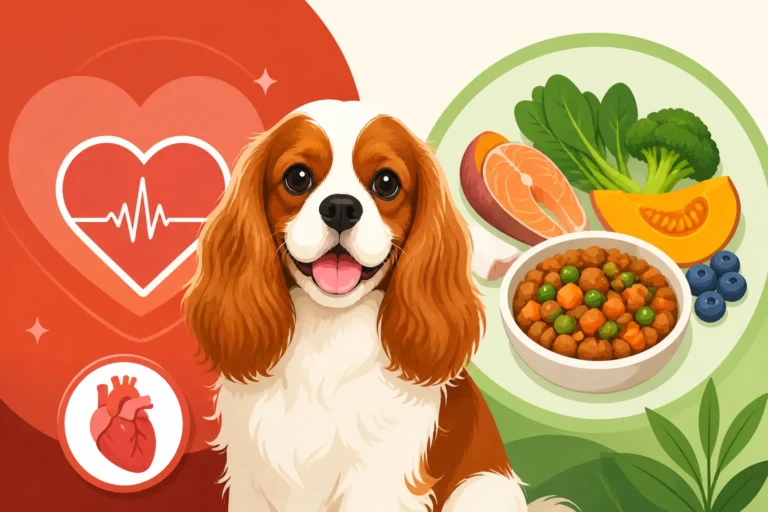
This is perhaps the most critical concern for Cavalier owners. Mitral Valve Disease in the Cavalier King Charles Spaniel is alarmingly common, with many developing a heart murmur by middle age. When a Cavalier carries extra weight, their heart has to work even harder to pump blood through a larger body mass. This puts immense strain on an already vulnerable organ, potentially speeding up the progression of MVD and shortening their lifespan. An overweight Cavalier's heart simply "fails faster" under this increased workload. You want to do everything you can to protect that precious little heart, and weight management is a huge part of that. Discussing How Cavalier Heart Disease Progresses Stage by Stage highlights how every factor contributes.
Increased Strain on Joints and Mobility
Cavaliers are prone to certain orthopedic issues, such as patellar luxation (loose kneecaps) and hip dysplasia. Even minor amounts of extra weight significantly increase the stress on these delicate joints. Imagine carrying a heavy backpack all day, every day – that's what excess weight feels like to your Cavalier's knees, hips, and spine. This added strain can lead to earlier onset of arthritis, increased pain, reduced mobility, and a lower quality of life. For a dog that might already have Loose Kneecaps in a Thirteen-Pound Cavalier, just a pound or two extra can mean the difference between comfortable movement and chronic pain. Their small frame isn't designed to carry extra baggage.
Other Health Risks
Beyond heart and joint problems, obesity in Cavaliers contributes to a host of other health issues:
- Diabetes: Just like in humans, excess weight can lead to insulin resistance and type 2 diabetes in dogs.
- Pancreatitis: An inflamed pancreas can be excruciatingly painful and even life-threatening for dogs, and obesity is a known risk factor.
- Respiratory Problems: While Cavaliers aren't classified as brachycephalic in the same way as Pugs or Bulldogs, their shorter muzzles can still be affected by obesity, making breathing more labored, especially in warm weather. You might notice them Coughing at Night in a Cavalier more frequently.
- Reduced Heat Tolerance: With a thicker layer of fat, Cavaliers struggle more to regulate their body temperature, making them more susceptible to overheating.
- Decreased Energy and Quality of Life: An overweight Cavalier will tire more easily on walks, be less inclined to play, and generally have less zest for life. This means fewer happy zoomies and more sedentary days, creating a vicious cycle of weight gain and inactivity.
| Factor | Free-Feeding (Bowl Always Down) | Meal-Feeding (Portioned Meals) |
|---|---|---|
| Control Over Intake | Low; difficult to track exact consumption | High; precise measurement of every meal |
| Risk of Obesity | High; constant grazing, boredom eating, overconsumption | Low; controlled portions, easier to manage calories |
| Digestive Health | Constant work for digestive system, less rest | Allows for digestive rest between meals |
| Hunger Cues | Less clear; dog may not truly feel hunger | Clearer; dog learns to anticipate and appreciate meals |
| Training Opportunities | Limited; food has less value as a reward | High; food becomes a powerful motivator for training |
| Interaction | Less direct owner involvement in feeding | More structured interaction during meal times |
| Cost | Potentially higher due to overfeeding | Controlled usage, potentially more cost-effective over time |
Practical Strategies for Managed Feeding
So, if leaving a bowl down isn't the answer, what is? The good news is that implementing a managed feeding routine is straightforward and quickly becomes second nature. It's one of the most powerful steps you can take for your Cavalier's health.
Embrace Meal Feeding and Portion Control
The golden rule for Cavalier weight management is meal feeding. This means offering specific, pre-measured portions of food at set times each day, typically two to three meals.
- Consult Your Vet: Start by discussing your Cavalier's ideal weight and their specific caloric needs with your veterinarian. Every dog is different, and factors like age, activity level, and health conditions (like their heart status) will influence their daily requirement. Your vet can give you a target calorie range or a starting point for daily kibble amount.
- Use a Kitchen Scale: Don't rely on measuring cups alone, as the density of kibble can vary wildly. Invest in a simple kitchen scale (readily available on Amazon or Chewy) and weigh out your Cavalier's daily kibble ration. This ensures absolute accuracy. For instance, a small handful of kibble can easily be an extra 50-100 calories, which for a 15-pound Cavalier is a significant portion of their daily intake. Weighing a Cavalier's Ration on a Kitchen Scale is truly eye-opening.
- Divide and Conquer: Divide that measured daily amount into two or three meals. If your Cavalier is a fast eater, consider using a slow-feeder bowl or a puzzle toy to extend mealtime and prevent them from gulping it down too quickly. This can also provide some mental enrichment.
- Scheduled Feeding: Stick to a consistent meal schedule. For example, breakfast at 7 AM and dinner at 5 PM. This helps regulate their digestive system and teaches them when to expect food, reducing anxiety or constant begging.
Choosing the Right Food and Healthy Treats
The type of food you offer also plays a crucial role. Not all dog foods are created equal in terms of calorie density and nutritional content.
- High-Quality, Appropriate Food: Select a high-quality dog food formulated for small breeds or "all life stages" that provides balanced nutrition. Be mindful of calorie content; some foods are surprisingly calorie-dense. If your Cavalier has specific health concerns, such as heart disease, your vet might recommend a specific diet, like one with Low-Sodium Feeding for a Cavalier Heart Patient. Brands like Ollie offer fresh, portioned meals that can be a great option for precise calorie control, though always check with your vet first to ensure it's suitable for your individual dog's needs.
- Treats as Part of the Ration: Treats are often the stealthy calorie culprits. Many of us forget that treats contribute to overall daily intake. Instead of extra treats, consider deducting a small portion of their daily kibble allowance to use as rewards for training. If you do give treats, choose low-calorie options like small pieces of carrot, green bean, or commercial treats specifically designed to be low in calories (again, check options on Chewy or Amazon). Break larger treats into tiny pieces to make them last longer and reduce overall intake. Remember, Treats That Fit a Cavalier's Small Ration are key.
- Avoid Table Scraps: This is a big one! Those seemingly tiny bites of human food can be packed with calories, fat, and sodium that are completely inappropriate for a Cavalier's delicate system and small size. A single bite of cheese or a piece of chicken skin, while small to us, is equivalent to a significant portion of their daily calories. It's a hard habit to break, especially with a begging Cavalier, but it’s vital for their health.
Monitoring Weight and Adjusting as Needed
Regularly checking your Cavalier's weight and body condition is essential for ongoing management.
- Weekly Weigh-Ins: For Cavaliers, even small fluctuations matter. Weigh your Cavalier once a week, ideally on the same scale at the same time of day. A simple digital pet scale can be purchased online. Keep a log of their weight to track trends.
- Body Condition Score (BCS): Learn to assess your Cavalier's body condition by touch. You should be able to easily feel their ribs when running your hands along their sides without pressing hard. They should have a visible waist tuck when viewed from above, and their belly should tuck up when viewed from the side. Feeling a Cavalier's Ribs Under Feathering takes practice, but it's invaluable. If you can't feel ribs or see a waist, it's time to talk to your vet about a diet plan.
- Adjust Portions: If your Cavalier is gaining weight, slightly reduce their daily ration (after consulting your vet). If they are losing weight or seem too lean, you might need to slightly increase it. These adjustments should be gradual, typically by 10-20% at a time, and monitored carefully.
- Exercise is Key: Alongside diet, regular exercise is crucial. Even though Cavaliers aren't endurance athletes, consistent daily walks and play sessions help burn calories and maintain muscle mass. Adjust exercise duration and intensity based on your Cavalier's age and health, especially if they have heart issues; always discuss Whether Exercise Is Safe for a Cavalier With MVD with your cardiologist.
Taking control of your Cavalier's feeding routine by switching from free-feeding to measured meals is one of the kindest things you can do for their long-term health and happiness. It shows you love them enough to help them live their longest, most vibrant life possible.
Disclaimer
This article is for general informational purposes only and does not constitute professional advice. Laws, prices and regulations vary by location and change over time. Consult a qualified professional for guidance on your specific situation.