Grooming a Cavalier That Hates the Table
Oh, the battle of the grooming table! If you're a Cavalier owner, you probably know this struggle all too well. Trying to get your sweet, cuddly companion to stand still and calmly accept a brush or a nail trim on that elevated surface can feel like wrestling a greased pig. It's a common frustration, believe me, and it leaves many of us feeling utterly defeated, guilty, and worried about our pup's comfort. This guide is here to walk you through gentle, positive ways to turn grooming from a dreaded chore into a more peaceful (and even enjoyable!) bonding experience for you both.
Understanding Why Your Cavalier Hates the Grooming Table
It’s easy to feel like your Cavalier is just being stubborn or difficult when they resist grooming, but there’s almost always a deeper reason for their aversion. Understanding the root cause is the first step toward finding a solution that works for everyone. These little dogs are sensitive souls, and what seems like a small detail to us can be a huge source of stress for them.
The Fear of Heights or Instability
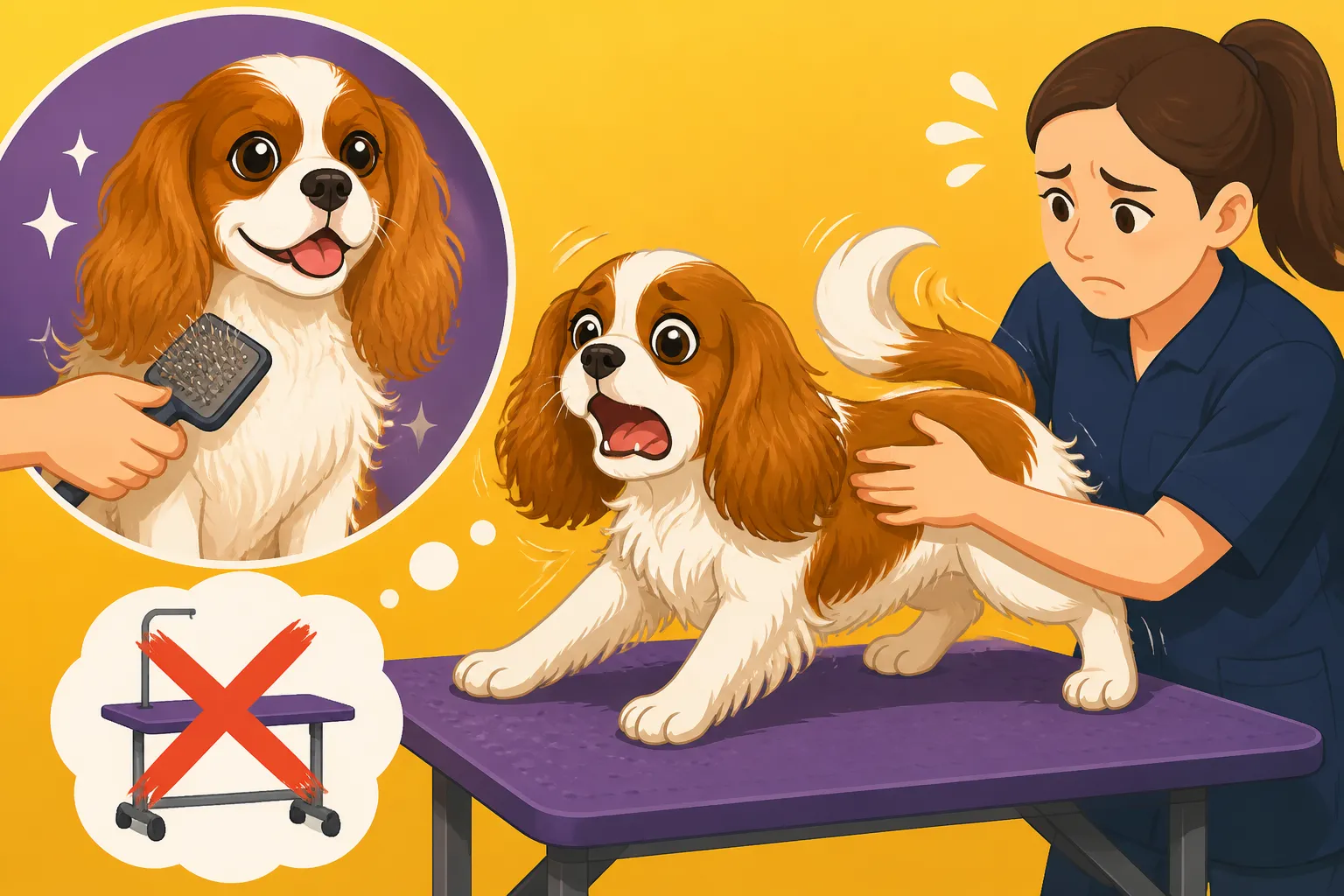
Imagine being hoisted onto a wobbly, unfamiliar surface that feels high off the ground, with no easy way to get down. That's often what a grooming table feels like to a small dog like a Cavalier. They might perceive it as unstable, even if it's perfectly sturdy. Their instincts tell them to seek solid ground, and being elevated can trigger a natural fear of falling or losing control. Add to that a potentially slippery surface, and it’s a recipe for anxiety. Many tables, especially older ones or those without proper rubber matting, can be quite slick, making them feel insecure on their paws.
This feeling of insecurity is amplified by their small size. A human standing on a chair feels very different from a tiny dog standing on a table. Their center of gravity is different, and the sheer drop to the floor can be truly frightening. A Cavalier might shake, try to sit or lie down, or attempt to jump off because they feel trapped and unsafe. It's not about being naughty; it's about feeling vulnerable in a situation that instinctively screams "danger!" This is why starting early with positive associations, even with just a sturdy box, can make all the difference. Cavalier Puppy Toilet Training Indoors might seem unrelated, but early positive training builds confidence in new situations.
Previous Negative Experiences
Our dogs remember everything, especially if it was scary or painful. A single bad experience on a grooming table can create a lasting negative association. Perhaps a nail trim went too far and nicked the quick, or their delicate feathering got tugged painfully by a brush. Maybe they were accidentally dropped or handled roughly in the past. It could even be something as simple as feeling overly restrained during a long, uncomfortable session. These memories don't just fade away; they manifest as resistance and fear the moment they even see the table.
Even if you've always been gentle, a prior groomer or even a vet visit where they were put on an examination table could have left a lasting impression. Their little brains don't always distinguish between your grooming table and that other table. The sight, smell, or even the sound of the grooming tools can trigger that memory, causing them to tense up, try to escape, or even snap out of fear. It’s crucial to acknowledge that these past experiences, real or perceived, are valid for your Cavalier and need to be addressed with patience and understanding.
Lack of Early Desensitization
Many of us don't think to introduce our puppies to a grooming table until grooming becomes a necessity, which is often too late for an easy transition. When a Cavalier puppy isn't gradually exposed to being handled, brushed, and placed on elevated surfaces from a young age, the grooming table can become a big, scary unknown. Ideally, a reputable breeder would have already started this process, handling the puppies frequently and getting them used to various sensations. However, if this step was missed, your adult Cavalier might be completely unprepared for the experience.
Without that foundational positive exposure, the grooming table becomes a place of novelty and potential threat rather than a routine part of their life. Imagine never having stepped onto an escalator and suddenly being expected to navigate it perfectly. It's similar for a Cavalier. They need time, patience, and consistent positive reinforcement to learn that the grooming table is a safe place. Early Handling Exercises for a Cavalier Puppy can be incredibly beneficial, even if not specifically on a table, as they build general tolerance to being touched and manipulated.
Creating a Positive Grooming Environment (Off the Table)
Before you even think about the grooming table, you need to build a strong foundation of positive associations with grooming itself. This means starting small, in a comfortable, low-stress environment. Think of it as grooming boot camp, but with lots of cookies and cuddles!
Starting on the Floor or a Low, Stable Surface
Forget the table for now. Begin your grooming sessions in a place where your Cavalier already feels secure, like on the floor, on a favorite rug, or even snuggled on your lap if they're small enough. The key is stability and familiarity. You can even use a sturdy, non-slip ottoman or a low coffee table if you want a slight elevation without the intimidating height of a full grooming table. Lay down a non-slip mat or towel to ensure they feel solid underfoot. The goal here is to make grooming feel like a gentle interaction, not a scary performance.
As you work, pay close attention to their body language. Are they relaxed? Are they yawning, licking their lips, or turning their head away? These are all signs of stress. If they show any signs of discomfort, stop, reassure them, and try again later or with a different approach. Building comfort takes time, and rushing the process will only reinforce their aversion. Focus on touch and brief sessions first, gradually adding grooming tools once they are truly relaxed. You might find a simple Harnesses Instead of Collars for a Cavalier helps with control without adding pressure to their sensitive neck.
The Power of Positive Reinforcement and High-Value Treats
This is your secret weapon! Every single interaction with a brush, comb, or nail clipper should be paired with something incredibly positive. High-value treats are your best friend here – think tiny pieces of cooked chicken, cheese, or specialized training treats they rarely get otherwise. Don't just give one treat at the end; continuously reward them for tolerating each step. For example, if you touch them with the brush, treat. If they stand still for two seconds, treat. If they let you brush one stroke, treat. The treats need to be small and frequent to keep their attention and maintain the positive association.
Verbal praise in a happy, calm tone, gentle petting, and even a favorite toy can also be powerful reinforcers. The idea is to create an equation in their mind: "Grooming = yummy treats and good things!" Brands like Chewy and Amazon offer a vast selection of high-value training treats, from soft and chewy options to freeze-dried proteins that many Cavaliers go absolutely wild for. Even pet food companies like Ollie, known for fresh, human-grade ingredients, often have treat options that can be incredibly motivating for a discerning Cavalier. The more positive experiences you stack up, the faster their negative associations will fade. This method is incredibly effective and can even help with other challenging behaviors, like those addressed in Training a Cavalier With Praise Rather Than Pressure.
Short, Frequent Sessions
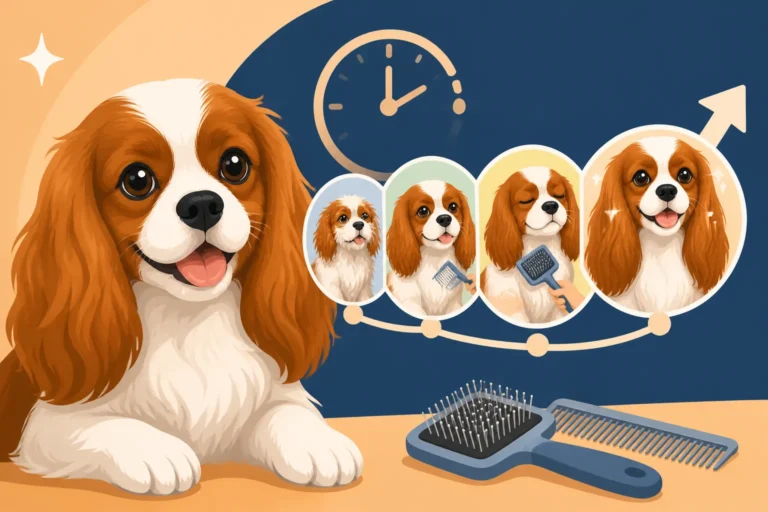
Instead of trying to do a full groom once a week, break it down into tiny, manageable sessions that last only a few minutes each day. On Monday, maybe you just brush their back for 30 seconds and give treats. Tuesday, you might focus on one ear. Wednesday, you might touch their paw with the nail clippers without actually clipping. The goal is to end each session on a positive note, before your Cavalier becomes stressed or agitated. This builds up their tolerance and teaches them that grooming isn't a long, scary ordeal.
Consistency is key here. A few minutes every day is far more effective than one long, stressful session once a week or once every two weeks. These short sessions prevent them from reaching a point of overwhelm, which is when they're most likely to act out or try to escape. It also gives you more opportunities to reinforce good behavior with those high-value treats and praise. Remember, you're not trying to achieve perfection in one go; you're building a habit and positive mindset step-by-step.
Introducing and Desensitizing to the Grooming Table
Once your Cavalier is comfortable with being groomed on the floor or a low surface, it’s time to slowly and carefully introduce the grooming table. This is where patience truly becomes a virtue.
Choosing the Right Table and Equipment
Investing in the right equipment can make a world of difference. A professional grooming table, even a small one, will be more stable and secure than a makeshift setup. Look for a table with:
- Adjustable height: This allows you to work comfortably and can be lowered for your dog's entry and exit, reducing the perceived height.
- Non-slip surface: Many tables come with a rubber matting, but if yours doesn't, you absolutely must add one. This prevents slips and makes your Cavalier feel much more secure. You can often find durable non-slip mats on Amazon or Chewy.
- Grooming arm and noose: This is essential for safety, allowing you to keep your Cavalier safely on the table. It should be used to support and steady them, not to hang or punish them. We'll talk more about proper use shortly.
Beyond the table, ensure your brushes and combs are comfortable for their delicate coat. A slicker brush and a metal comb are usually sufficient for a Cavalier's feathering. Brushes and Combs a Cavalier Coat Needs discusses these in more detail. Make sure nail clippers are sharp to ensure quick, clean cuts. Dull clippers can pinch or splinter the nail, making the experience unpleasant.
Making the Table a "Happy Place"
This step involves associating the table with overwhelmingly positive things before any grooming even begins.
- Introduce the table on the floor: Let your Cavalier sniff and explore the table while it's on the ground. Place treats on it. Let them step on it voluntarily.
- Elevate slowly: Once they're comfortable with it on the floor, raise it to its lowest height. Repeat the treat exercise. If your Cavalier is small enough, simply placing them on it for a second and immediately giving a jackpot of treats can start the positive association.
- Mealtime on the table: Consider feeding them a portion of their meals on the table. If they associate the table with delicious food, their perspective will start to shift.
- Playtime: Engage in a short play session on the table. Make it fun, exciting, and rewarding. The more positive experiences you can create that have nothing to do with actual grooming, the better.
The goal is that when your Cavalier sees the table, their first thought is "yum!" or "play!" rather than "oh no, a scary brush!" This process might take days, or even weeks, but it's an investment in a much calmer grooming future.
Gradual Introduction to Grooming Tasks on the Table
Once your Cavalier is happy to stand on the table for a few minutes, even without being restrained, you can start reintroducing grooming tasks, using the same "short, frequent sessions" method from before.
- Start with just touch: Place your hand on their back, give a treat. Remove your hand, give a treat.
- Introduce the brush: Touch them with the brush, treat. One stroke, treat. Build up to a few strokes.
- Work in sections: Don't try to brush their whole body at once. Focus on one small area, like their back, then their side, then a leg. Always reward generously for cooperation.
- Nail trims: This is often the most dreaded part. Start by just touching their paw, treat. Then touch a nail with the clippers, treat. Eventually, clip one nail, treat, and then stop the session for the day. You can slowly build up to more nails. This slow desensitization is key for sensitive tasks like nail care. Trimming a Cavalier's Nails Without a Fight offers more specific guidance.
Always keep sessions brief and positive. If your Cavalier starts to get antsy or tries to get off the table, immediately stop the grooming activity, offer a high-value treat, and then let them off the table. You want them to learn that they can "ask" for a break without having to struggle.
Handling Techniques for a Reluctant Cavalier
Even with the best desensitization, some Cavaliers will still be nervous on the table. Proper handling techniques can make them feel more secure and prevent stress for both of you.
Gentle Restraint and Support
The key here is gentle and supportive restraint, not force. Never yank, pull, or hold your Cavalier down aggressively. Instead, use your body and hands to create a sense of security.
- One hand on their chest/shoulder: This helps prevent them from stepping off the table or backing away.
- Keep them close to your body: Leaning in slightly can make them feel safer, as if they're not quite so exposed on the table.
- Use a firm but not tight grip: Your hold should be secure enough that they can't easily slip away, but never so tight that it causes pain or restricts their breathing. Your goal is to guide and steady them.
- Comforting touch: Stroke their fur, scratch their favorite spot, and speak in a calm, reassuring voice. This is especially important for Grooming an Older Cavalier That Cannot Stand Long, who might also have aches and pains.
If they try to sit or lie down, gently encourage them to stand. If they resist too much, pause, offer a treat, and try again. Sometimes, a short break off the table, followed by a quick reintroduction, can reset their mindset. Remember, a grooming arm and noose are designed to assist with this, not to do all the work.
The Grooming Noose and Belly Band
A grooming noose, when used correctly, is a vital safety tool. It prevents your Cavalier from jumping off the table and injuring themselves. It should never be tight around their neck, and they should never be left unsupervised with it on.
- Proper Fit: The noose should be snug enough to prevent escape but loose enough for two fingers to slip underneath. It should connect to the grooming arm so that your Cavalier's head is comfortable, not stretched upwards or pulled down.
- Belly Band (Optional but Recommended): For very squirmy or fearful Cavaliers, a belly band attached to the grooming arm can offer extra stability and prevent them from sitting or lying down during critical parts of the groom. It goes around their belly, just in front of their back legs, and attaches to the same grooming arm (or a second one) that the noose is on. This gives them additional support and makes them feel more secure.
- Supervision is key: Always remain with your Cavalier when they are on the table with a noose or belly band. These are tools for controlled situations, not for tying them up and leaving them.
The combination of a well-fitted noose and a belly band can significantly reduce anxiety for dogs who feel unstable on the table, as it provides a feeling of being held and supported, rather than just being "tied."
When to Seek Professional Help
Sometimes, despite your best efforts, a Cavalier's fear of the grooming table might be too deeply ingrained for you to manage alone. Don't feel like a failure if this happens; it's a sign that your dog needs specialized support.
- Fear-Free Certified Vets or Groomers: Look for professionals who are "Fear Free Certified." These individuals are trained in methods that reduce fear, anxiety, and stress in pets during veterinary and grooming visits. They understand how to use positive reinforcement, calming techniques, and sometimes even gentle sedation to make the experience as trauma-free as possible.
- Professional Dog Groomers: A skilled groomer experienced with anxious dogs can be a godsend. They often have specialized equipment, techniques, and the sheer volume of experience to work through a dog's fears patiently. Many will even offer "happy visits" where your Cavalier just comes in for treats and cuddles, slowly building positive associations with the salon environment.
- Certified Professional Dog Trainers or Behaviorists: If your Cavalier's fear is extreme, leading to aggression or panic attacks, a certified professional dog trainer or a veterinary behaviorist can provide tailored strategies. They can help identify the root causes of the behavior and develop a modification plan that might include medication in severe cases, alongside behavioral training. They can guide you through systematic desensitization and counter-conditioning protocols specific to your dog's needs.
Remember, the goal is always your Cavalier's well-being and comfort. If you're struggling, getting professional help is a responsible and loving choice. Sometimes, even simple tasks like Getting Drops Into a Cavalier's Ear Canal can be impossible without expert guidance.
Comparison of Grooming Surfaces for a Reluctant Cavalier
Here's a quick look at different options for grooming surfaces and how they might suit a Cavalier who isn't a fan of the traditional grooming table.
| Surface Type | Pros | Cons | Best For |
|---|---|---|---|
| Floor/Mat | Very familiar and stable, low-stress | You have to bend/kneel, harder to get full view/access to all areas | Initial desensitization, very anxious dogs, quick brush-outs, senior dogs |
| Low Stool/Ottoman | Slightly elevated, more comfortable for handler than floor, still relatively stable | Still requires bending, may not be high enough for complex grooms | Transitioning from floor, small tasks, dogs with mild table aversion |
| Kitchen Counter | Good height, usually sturdy, easily accessible | Can be slippery, not dedicated for pets, risk of jumping if not secured | Short, quick tasks (e.g., face clean), only if dog is secured and supervised |
| Dedicated Grooming Table | Adjustable height, non-slip surface, grooming arm for safety/stability | Can be intimidating initially, requires purchase, space commitment | All-around grooming, once dog is desensitized, prevents back strain for owner |
| Lap/Couch | Very comforting, close contact, warm and secure | Limited mobility for handler, easy for dog to squirm away, can make dog overly dependent | Small touch-up tasks, very early puppy handling, comforting anxious dogs |
It really boils down to finding the surface where your Cavalier feels the most confident and secure. Start there, build positive associations, and then gradually introduce them to more functional surfaces like a dedicated grooming table.
Grooming a Cavalier that despises the table is definitely a challenge, but it's far from impossible. It truly is a marathon, not a sprint, and requires a generous dose of patience, consistency, and positive reinforcement. Focus on making every step a tiny, rewarding experience, and remember that even small victories—like your Cavalier tolerating one brush stroke without a fuss—are huge progress. With time, understanding, and perhaps a whole lot of treats, you can help your sweet companion overcome their fears and even come to enjoy their spa days.
Disclaimer
This article is for general informational purposes only and does not constitute professional advice. Laws, prices and regulations vary by location and change over time. Consult a qualified professional for guidance on your specific situation.