Removing Tear Stains From a Blenheim Cavalier
If you're a proud owner of a Blenheim Cavalier, you're probably already intimately familiar with those reddish-brown streaks that can appear under their beautiful, expressive eyes. It's a common, often frustrating, issue that can make our otherwise immaculate pups look a little less than pristine. This guide is here to walk you through exactly why these tear stains develop on a Blenheim Cavalier, what you can do at home to gently and effectively remove them, and when it’s time to call in the professionals to tackle any underlying health concerns that might be contributing to the problem.
Understanding Why Blenheim Cavaliers Get Tear Stains
It feels like one day your Blenheim Cavalier's face is spotless, and the next, those tell-tale rusty streaks have appeared, marring their lovely white fur. It's a universal struggle for owners of light-colored dogs, but for Cavaliers, especially those with extensive white on their faces like many Blenheims, it can seem particularly pronounced. There's a science behind those stains, and understanding it is the first step toward clearer eyes.
The Role of Porphyrins and Yeast
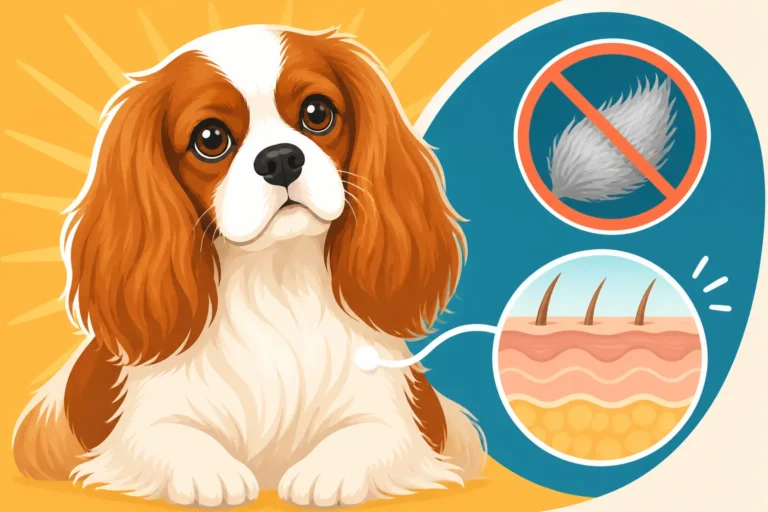
The primary culprit behind those reddish-brown tear stains is something called porphyrins. These are iron-containing waste products, naturally present in your dog's tears, saliva, and urine, resulting from the breakdown of red blood cells. When porphyrins are exposed to sunlight, they oxidize, turning that distinct reddish-brown color we see on the fur. Every dog produces porphyrins, but on white or light-colored coats, they're simply far more visible.
Beyond porphyrins, sometimes a secondary issue can exacerbate the staining: yeast. If the area under your Cavalier's eyes remains damp for extended periods, it creates a perfect breeding ground for yeast and bacteria. This can lead to a darker, almost blackish-brown stain, and often comes with a noticeable odor. This isn't just an aesthetic problem; chronic dampness and yeast can lead to skin irritation and discomfort for your dog, making it even more important to address.
Cavalier Anatomy and Tear Production
Cavalier King Charles Spaniels, with their famously sweet and prominent eyes, can be particularly susceptible to tear staining due to their unique facial structure. While charming, these features can sometimes lead to practical challenges.
Firstly, their large, often slightly protruding eyes mean that their eyelids may not close as tightly or as completely as in other breeds. This can lead to increased exposure to air and irritants, causing more tear production than normal. Think of it like a human constantly getting dust in their eye – more tears are produced to flush it out.
Secondly, many Cavaliers have shallow eye sockets or slight conformational issues with their eyelids, which can prevent tears from draining properly through the tear ducts. Normally, tears drain into tiny ducts at the inner corner of the eye, flow down a small canal, and eventually end up in the nasal cavity. If these ducts are even slightly blocked, kinked, or simply unable to handle the volume of tears, the overflow spills onto the face. This constant moisture is what contributes to the porphyrin oxidation and can encourage yeast growth. You might be interested in reading A Cavalier Born Without Tears or Managing Dry Eye in a Cavalier for more on eye health.
Daily Cleaning Regimen for Blenheim Cavaliers
Once you understand why the stains appear, the next step is to get proactive with a regular cleaning routine. Consistency is key here. It's not about scrubbing aggressively once a week; it's about gentle, diligent care daily or every other day.
Gentle Wiping Techniques
For effective tear stain removal, you need the right tools and a gentle hand. The goal is to keep the area clean and dry, preventing porphyrins from setting and yeast from thriving.
Start with soft, lint-free pads or cotton balls. You'll want a dedicated eye-cleaning solution – avoid harsh chemicals or human eye makeup removers. There are many excellent products designed specifically for pet tear stains, often available on sites like Chewy or Amazon. Some common ingredients to look for include boric acid (mild antiseptic), witch hazel (astringent), or colloidal silver (antimicrobial). Always check the label to ensure it's safe for use around a dog's eyes.
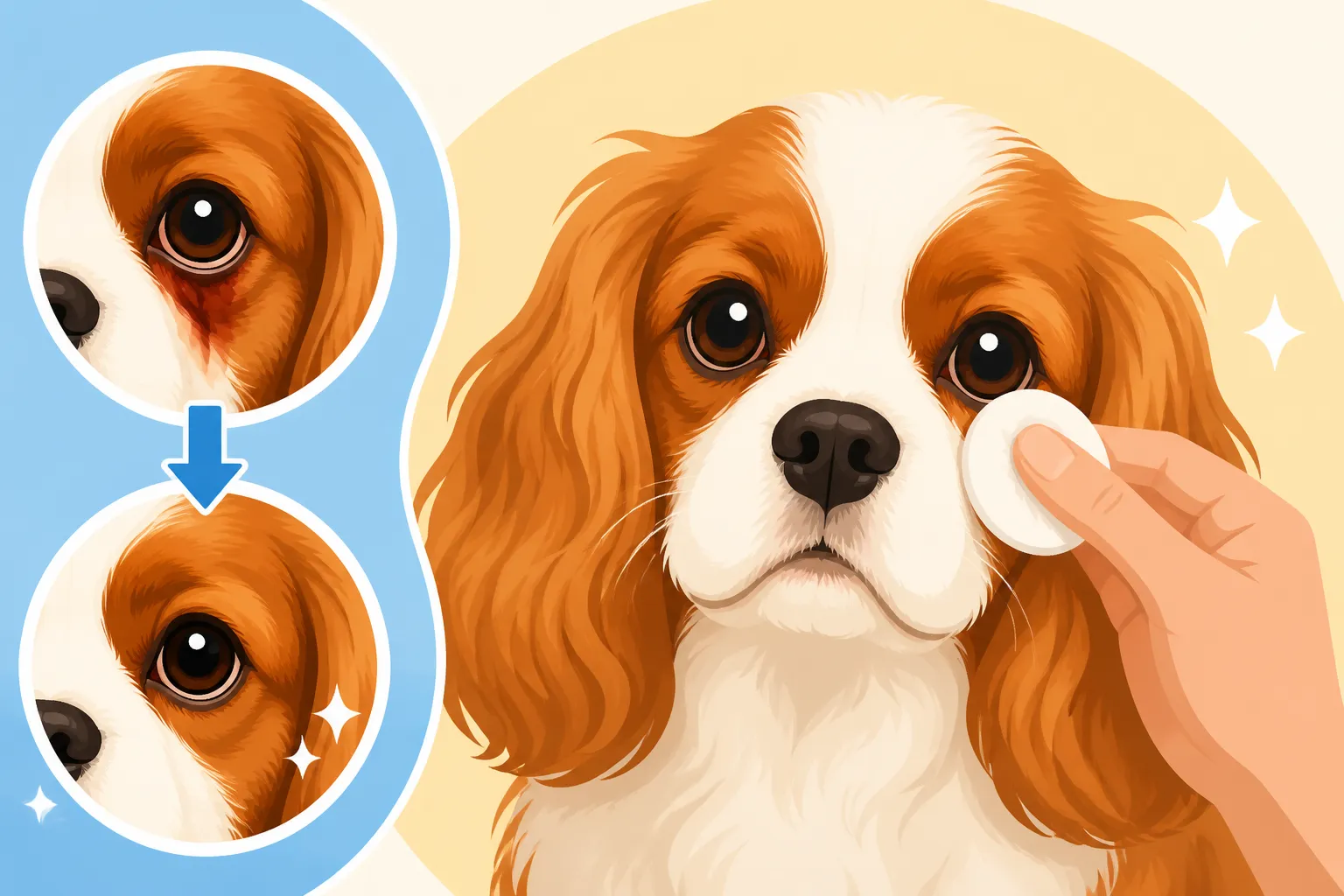
To clean, gently hold your Cavalier's head steady. With a fresh pad soaked in the solution, lightly wipe the stained area, moving away from the eye. Don't press hard or rub directly into the eye itself. Focus on the fur beneath the eye, trying to lift away the stained residue. Use a separate clean pad for each eye to prevent cross-contamination if one eye has any minor irritation. After applying the cleaning solution, follow up with a dry pad or soft cloth to ensure the area is completely dry. This step is crucial to prevent further yeast growth. You'd be surprised how much of a difference even a simple, consistent wipe can make. For more general advice, consider Cleaning Around a Cavalier's Prominent Eyes.
Choosing the Right Tear Stain Products
The market is flooded with various tear stain removers, and it can be overwhelming to choose. Here's a breakdown to help you navigate:
- Topical Wipes and Solutions: These are your most common and often first line of defense. They are applied directly to the stained fur. Many contain mild cleansing agents and often a drying agent to keep the area less hospitable for yeast. Brands like Angels' Eyes (topical solutions), Eye Envy (two-step system), or TropiClean (wipes) are popular choices and can often be found on Chewy or Amazon. Read reviews to find what works best for other Cavalier owners, as results can vary.
- Internal Supplements: Some products aim to tackle tear stains from the inside out. These typically come in powder or chew form and often contain ingredients like cranberry extract, probiotics, or natural antibiotics (though the latter should be used with caution and veterinary guidance). The idea is that by addressing factors within the dog's system, they can reduce the porphyrin content or minimize yeast overgrowth. While some owners swear by these, it's essential to understand that they aren't a quick fix and might take several weeks to show results, if any. Always discuss internal supplements with your vet first, especially if your Cavalier is on other medications.
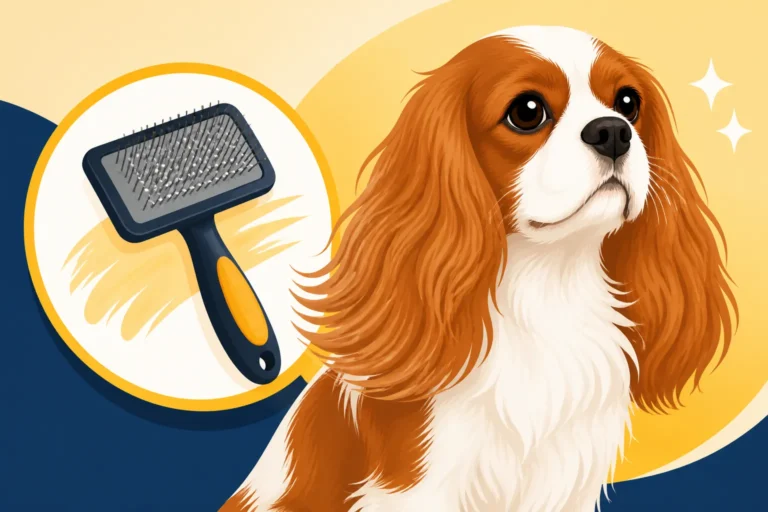
- Grooming Tools: Beyond solutions, having the right physical tools helps. A fine-toothed comb, often called a flea comb or a dedicated tear stain comb, can be incredibly useful. After applying a solution and letting it sit for a moment (if directed), gently comb through the stained fur. This helps to break up and remove the dried, stained crust that accumulates. Be very careful around the delicate eye area.
| Product Type | Pros | Cons | Best For |
|---|---|---|---|
| Topical Wipes/Solutions | Quick, easy to use, direct application, good for maintenance | Requires daily consistency, may not address underlying causes, can be costly over time | Regular maintenance, mild to moderate staining, quick touch-ups |
| Internal Supplements | Addresses root cause (if related to internal factors), long-term solution | Slow results, potential drug interactions, can be expensive, veterinary consultation needed | Persistent staining, suspected internal issues (e.g., diet), as a preventative measure |
| Fine-Toothed Comb | Physical removal of crust, inexpensive, complements other methods | Requires careful handling, can irritate skin if used too aggressively, not a standalone solution | Removing crusted stains, enhancing efficacy of topical solutions |
Addressing Underlying Health Issues Contributing to Tear Stains
Sometimes, no matter how diligently you clean, those tear stains just keep coming back. This is a sign that there might be more to the story than just normal porphyrin production. Persistent or severe tear staining often points to an underlying health issue that needs a veterinarian's attention.
When to Consult Your Veterinarian
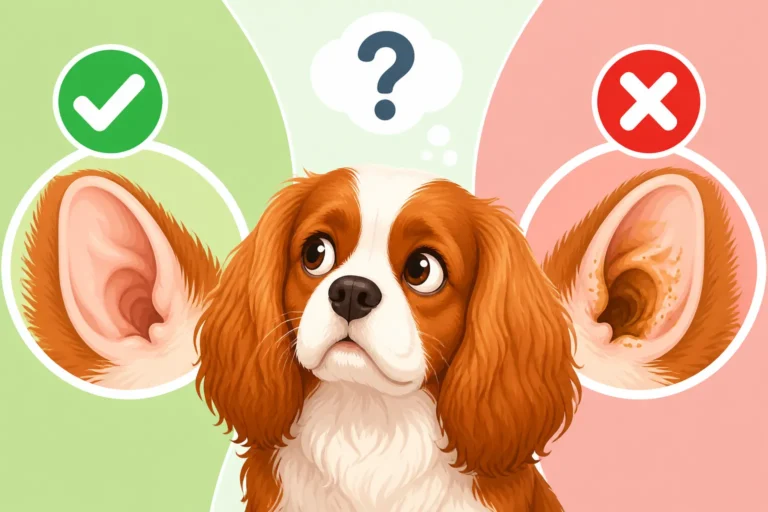
If your Cavalier's tear stains are suddenly worse, accompanied by redness, swelling, squinting, excessive pawing at the face, or a thick discharge, it's time for a vet visit. These could be signs of an infection or a more serious eye problem. Even without these acute symptoms, if the staining is relentless despite your best efforts, a trip to the vet is warranted.
Your vet will likely perform a thorough eye exam to check for common issues. They'll look for:
- Blocked Tear Ducts: Sometimes a tear duct can be partially or fully blocked, preventing proper drainage. This might require flushing the duct under light sedation.
- Ingrown Eyelashes (Distichiasis or Ectopic Cilia): Extra eyelashes growing from abnormal places can irritate the eye, causing increased tearing. Surgical removal might be necessary.
- Entropion or Ectropion: These are conditions where the eyelid rolls inward (entropion) or outward (ectropion), causing irritation or improper tear drainage. Again, surgery is often the solution.
- Corneal Ulcers: A scratch or injury to the surface of the eye can cause pain and excessive tearing.
- Allergies: Environmental allergens (pollen, dust mites) or food allergies can manifest as itchy, watery eyes, leading to staining.
- Infections: Bacterial or yeast infections in or around the eye can cause staining and discharge.
- Dental Issues: Believe it or not, dental problems, especially infections in the upper jaw teeth, can sometimes affect tear duct drainage due as their roots sit close to the ducts. A good dental checkup is part of overall health. You can find more about Cavalier Dental Disease in a Crowded Jaw here.
A vet can properly diagnose these conditions and recommend the appropriate treatment, which might involve medication, a simple procedure, or a referral to a veterinary ophthalmologist.
Dietary Considerations and Allergies
What your Cavalier eats can sometimes play a significant role in tear staining. High-quality nutrition supports overall health, which in turn can reduce inflammatory responses that might contribute to excessive tearing.
Some owners report a reduction in tear stains when switching to a diet with fewer artificial additives, colors, or fillers. The theory is that these ingredients might trigger a mild inflammatory response, including increased tear production. Consider looking into fresh food options like Ollie, which often have limited, whole ingredients, or high-quality kibble brands available on Chewy that emphasize natural components. It’s worth noting that Whether Diet Slows a Cavalier's Heart Disease is a common question among owners, highlighting the general interest in nutrition.
Food allergies are another common culprit. If your Cavalier is allergic to an ingredient (most commonly chicken, beef, dairy, or wheat), one of the symptoms can be watery eyes, leading to more staining. An elimination diet, done under veterinary guidance, can help identify specific food sensitivities. This involves feeding a novel protein source (one your dog hasn't eaten before, like duck or venison) for several weeks, then slowly reintroducing old ingredients to see what triggers a reaction.
Filtered water might also make a difference. Tap water in some areas contains high mineral content, which some believe can contribute to porphyrin staining. Switching to filtered or distilled water for your dog can be an easy, harmless experiment to see if it helps.
Preventative Measures to Keep Tear Stains at Bay
While daily cleaning and addressing underlying issues are crucial, there are also long-term strategies you can implement to minimize the recurrence of tear stains and keep your Blenheim Cavalier looking their best.
Regular Grooming and Trimming
Keeping the fur around your Cavalier's eyes neatly trimmed is a simple yet effective preventative measure. Longer hair around the eyes can wick tears onto the face, creating a constantly damp environment. This not only encourages staining but can also irritate the eyes themselves.
While the Cavalier breed standard generally discourages excessive trimming, a very light, careful trim of the stray hairs directly around the inner corner of the eye can make a world of difference. You can gently use blunt-nosed scissors (specifically designed for pet grooming) or a small, electric trimmer, but extreme caution is paramount. It’s often best to have a professional groomer handle this delicate task, as they have the expertise and specialized tools to do it safely. They can ensure the hair is short enough to prevent wicking but not so short it pokes the eye. Regular brushing of the face and beard can also help keep the area tidy. You can learn more about general grooming in Brushing a Cavalier's Feathering Three Times a Week.
Environmental Factors and Bowl Choices
Believe it or not, your home environment and even your dog's eating habits can impact tear staining.
Dust, smoke, strong cleaning chemicals, or even fragranced candles can be irritants for sensitive Cavalier eyes, leading to increased tear production. Keeping your home clean, well-ventilated, and free of airborne irritants can help. Consider using an air purifier, especially in rooms where your Cavalier spends a lot of time.
The type of food and water bowls you use can also contribute. Plastic bowls, especially if they have scratches, can harbor bacteria and yeast. Over time, these microorganisms can transfer to your dog's face as they eat and drink, potentially exacerbating tear stains and even causing skin irritation. Switching to stainless steel or ceramic bowls, which are easier to keep clean and sanitize, is a good idea. Always wash your dog's bowls daily with hot, soapy water.
Finally, consider the depth of your Cavalier's water bowl. Some Cavaliers, with their long ear feathering, tend to get their ears wet when drinking. While not directly related to tear stains, having a shallower bowl or a fountain where they drink more carefully can keep their faces and ears drier overall. Additionally, Snoods That Keep Cavalier Ears Out of Dinner can protect their lovely long ears from getting saturated with food or water, keeping them cleaner and drier.
By combining consistent cleaning, addressing any underlying health issues with your vet, and implementing these preventative measures, you can significantly reduce and even eliminate tear stains on your beautiful Blenheim Cavalier, letting their bright, expressive eyes shine through.
Disclaimer
This article is for general informational purposes only and does not constitute professional advice. Laws, prices and regulations vary by location and change over time. Consult a qualified professional for guidance on your specific situation.