Grass Seeds in Cavalier Paw Feathering
If you've ever owned a Cavalier King Charles Spaniel, you know that their glorious, silky feathering is one of their most charming features. But that beautiful coat, especially around their paws, can become a real magnet for trouble, particularly from the insidious invasion of grass seeds. These tiny, barbed menaces can cause significant discomfort, pain, and even serious health problems for our furry friends. This guide will walk you through understanding why grass seeds are such a particular issue for Cavaliers, how to spot the signs of a problem, safe removal techniques, and crucial preventative measures to keep your beloved companion comfortable and healthy.
The Sneaky Threat of Grass Seeds to Your Cavalier
Cavaliers are perfectly built for cuddling on laps, but their low stature and abundant feathering also make them incredibly susceptible to picking up all sorts of things from the ground, and grass seeds are among the worst culprits. These aren't just annoying little bits of plant matter; they're designed by nature to embed and travel.
What Exactly Are These Seeds?
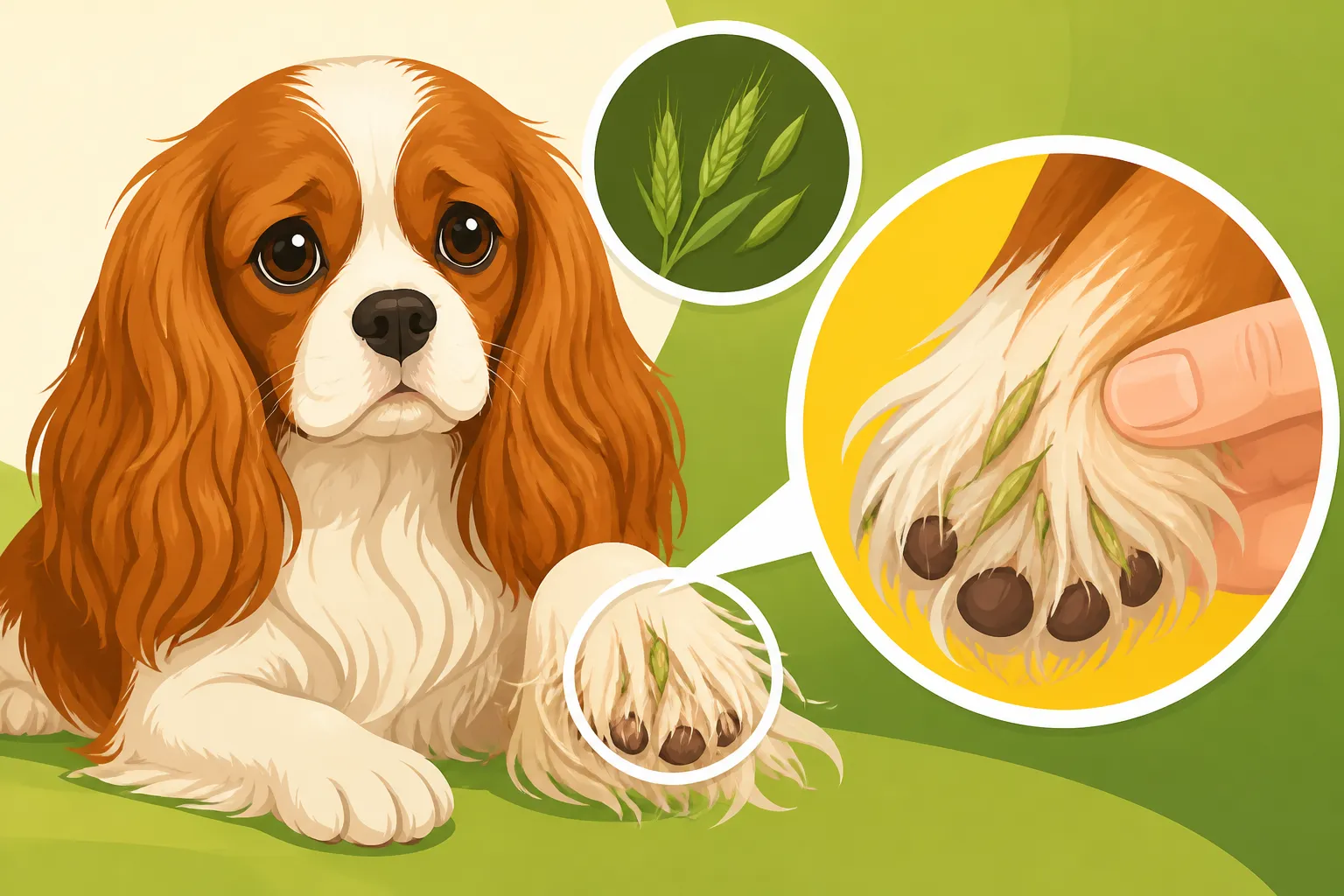
When we talk about "grass seeds," we're generally referring to the seeds of various wild grasses that have a sharp, arrow-like shape and often feature tiny, backward-facing barbs. Think of them like miniature harpoons. Common problematic varieties include foxtail, wild oats, and certain brome grasses. They're typically quite small, ranging from a few millimeters to a couple of centimeters in length, and their color can vary from light green to brown or tan, often blending in perfectly with your Cavalier's fur and the surrounding environment.
The real danger lies in their structure. Once they get caught in fur, those barbs act like one-way hooks, making it almost impossible for the seed to come out on its own. Instead, any movement, like your dog walking or licking, pushes the seed deeper. They can pierce the skin with surprising ease and then continue to migrate through soft tissue.
Why Cavaliers Are Particularly Vulnerable
Our Cavaliers are simply stunning with their long, flowing feathering on their ears, chest, tail, and of course, their adorable "slippers" of fur on their paws. This lush coat, while beautiful, is essentially a giant net for collecting debris. When they're trotting through fields or even just overgrown park areas, these seeds latch on.
The specific vulnerability around their paws is multi-faceted. First, Cavaliers naturally have quite a lot of hair between their paw pads and long feathering extending over their feet. This creates countless nooks and crannies for seeds to snag. Second, their inquisitive nature means they're constantly sniffing and exploring low to the ground, increasing their exposure. A quick dart into a patch of seeding grass, a curious sniff, or even just a walk through a mown field where seeds have dropped can lead to a problem. Unlike some breeds with shorter coats, a Cavalier's fur provides ample opportunity for these seeds to bury themselves and start their journey. It's a constant battle, and one that requires vigilant owners to stay on top of.
The Dangers Beyond Just Annoyance
The thought of a tiny seed causing major issues might seem overblown, but for a Cavalier, these seeds can be incredibly dangerous. Their barbed design means they don't just sit on the skin; they actively try to burrow.
- Skin Penetration and Abscesses: The most common scenario is a seed piercing the skin, usually between the toes, in the armpit, or even in the ear canal. Once under the skin, it can travel, causing inflammation, infection, and often leading to a painful abscess. These can be incredibly difficult to locate once embedded and may require surgical removal.
- Ear Canal Invasions: Cavalier's gorgeous drop ears, with their long feathering, are unfortunately perfect traps for grass seeds. A seed making its way into the ear canal can cause intense irritation, head shaking, ear infections, and even rupture the eardrum if it travels deep enough. This can be excruciatingly painful for your dog. If your Cavalier starts showing signs of ear discomfort, it's not always Recurrent Ear Infections in a Cavalier; a grass seed could be the culprit.
- Eye Problems: Less common, but equally serious, grass seeds can get under the eyelid, causing severe irritation, corneal ulcers, and intense pain. Your Cavalier might squint, paw at their eye, or have excessive tearing.
- Nostril and Respiratory Issues: Inhaled seeds can lodge in the nasal passages, leading to sneezing, nosebleeds, and discomfort. In rare, truly alarming cases, a seed can travel further down the respiratory tract into the lungs, causing severe pneumonia or lung abscesses.
- Other Areas: While paws and ears are most common, grass seeds can also get stuck and burrow into armpits, groin areas, and even under the tail, anywhere with dense fur or skin folds. The possibilities, while varied, all share the common thread of potential pain and infection for your Cavalier.
Spotting the Signs and How to Check Your Cavalier
Knowing what to look for and establishing a routine inspection is your first line of defense against the silent menace of grass seeds. Cavaliers are generally stoic, but even they can't hide the discomfort these seeds cause forever.
Behavioral Clues Your Dog is Uncomfortable
Your Cavalier will often give you subtle, and sometimes not-so-subtle, hints that something is amiss. Learning to recognize these cues can prevent a minor irritation from becoming a major problem.
- Excessive Licking or Chewing: If your Cavalier is suddenly obsessed with licking or chewing a particular paw, especially between the toes, it's a huge red flag. This obsessive behavior is often their attempt to dislodge the foreign object or soothe the irritation. Don't dismiss it as just a nervous habit.
- Limping or Favoring a Paw: If a grass seed has burrowed into a paw, it will cause pain and inflammation, leading your Cavalier to limp, hop, or avoid putting weight on the affected foot. This can be mistaken for other joint issues, but always check for a seed first. A Cavalier Limping After Play might be more than just a sprain.
- Head Shaking or Pawing at Ears: For seeds in the ear, constant head shaking, tilting the head to one side, or pawing vigorously at the ear are classic signs. You might also notice a discharge or a foul smell if an infection has set in.
- Redness, Swelling, or Discharge: Visibly inflamed skin, swelling, or any pus or fluid oozing from a spot on their body, particularly between toes, could indicate an embedded seed and a developing infection or abscess.
- General Lethargy or Irritability: While less specific, a dog in pain from an embedded seed might become withdrawn, less playful, or even snappish when touched near the affected area. Always consider pain if your Cavalier's temperament suddenly changes.
A Step-by-Step Guide to a Thorough Paw Check
Making paw checks a part of your daily routine, especially after walks, is essential. This is a hands-on job, so get comfortable!
- Find a Quiet Spot: Choose a calm environment where your Cavalier is relaxed. A treat or two doesn't hurt!
- Position Your Dog: For smaller Cavaliers, you might sit them on your lap or a table. For larger ones, kneeling beside them on the floor works.
- Examine Each Paw Systematically: Start with one paw and work your way around all four. Gently hold the paw in your hand.
- Spread the Toes: Carefully spread each toe to inspect the skin between them. Look for any redness, swelling, small holes, or the seed itself.
- Inspect the Paw Pads: Check the surface and edges of each paw pad for cuts, punctures, or embedded seeds.
- Feel for Lumps or Bumps: Run your fingers over and between the paw pads. Embedded seeds can sometimes feel like a tiny, hard lump under the skin, often sensitive to the touch.
- Check the Feathering: Lift and separate the long feathering that grows over and around the paws. Seeds can get tangled here and migrate towards the skin. It helps to have a Brushes and Combs a Cavalier Coat Needs tool nearby, like a fine-toothed metal comb, to gently part the hair.
- Repeat for All Paws: Be thorough! Don't skip any paw, even if only one seems to be bothering them.
What You're Looking For (and What it Feels Like)
When you're doing your inspection, you're trying to find a few key things:
- The Seed Itself: Sometimes, if you catch it early, the grass seed will still be partially visible, sticking out from the fur or skin. It will look like a tiny, bristly dart, often with a pointed end.
- A Puncture Mark or Small Hole: If the seed has already burrowed, you might see a tiny, reddish pinprick or a small, scabbed-over hole in the skin, often surrounded by a bit of inflammation. This is the entry point.
- Swelling and Redness: The area around an embedded seed will often be swollen, red, and warm to the touch due to inflammation.
- Sensitivity or Pain: When you press gently on the affected area, your Cavalier might flinch, pull their paw away, or even yelp, indicating pain.
- Pus or Discharge: If an infection has developed, you might notice a small amount of pus or clear fluid oozing from the entry point.
It's important to differentiate between a simple mat in the paw feathering and a potentially painful embedded seed. Mats are usually just tangled fur, though they can be uncomfortable. A grass seed, on the other hand, presents as a foreign body actively trying to push its way deeper.
Safe Removal and When to Call the Vet
Finding a grass seed can be alarming, but acting calmly and knowing when to intervene yourself versus when to seek professional help is key to your Cavalier's well-being.
Removing Surface Seeds at Home
If you catch a grass seed early, before it has fully embedded, you might be able to remove it yourself. This typically applies to seeds that are still largely visible and just tangled in the fur or barely pierced the outermost layer of skin.
- Gather Your Tools: You'll need good lighting, a pair of fine-tipped tweezers (the kind used for splinters work well), and ideally, a magnifying glass if the seed is very small. Having a dog-friendly antiseptic wipe or spray on hand is also wise. Many of these supplies can be easily found on platforms like Chewy or Amazon.
- Secure Your Cavalier: Have a helper gently hold your Cavalier still, or use a calm, reassuring voice. Some Cavaliers are quite good about having their paws handled if they're used to regular grooming. If your Cavalier hates having their paws touched, it might be worth practicing Handling Exercises for a Cavalier Puppy or an older dog to make these situations less stressful.
- Locate the Seed: Use your fingers to gently part the fur around the seed. If it's still sticking out, grasp the body of the seed firmly with the tweezers, as close to the skin as possible.
- Pull Gently and Straight Out: With a steady hand, pull the seed straight out in the direction it entered. Avoid twisting or yanking, which could break the seed or push it further in. Those backward barbs mean you might feel a slight resistance, but it should come out.
- Inspect the Seed: Once removed, check the seed to ensure it's intact and no pieces have broken off and remained in your dog's paw.
- Clean the Area: Wipe the area with an antiseptic wipe or apply a pet-safe antiseptic spray to prevent infection. Keep an eye on the spot for a few days to ensure it heals cleanly.
Important Note: Never try to dig for a seed that has disappeared under the skin. This can cause more trauma, push the seed deeper, and introduce infection.
When a Grass Seed Becomes a Veterinary Emergency
There are clear instances where a grass seed situation moves beyond home care and requires immediate veterinary attention. Ignoring these signs can lead to much more serious complications.
- Deeply Embedded Seeds: If you cannot see the seed or it appears to have burrowed completely under the skin, it's time to call the vet. As mentioned, digging yourself can cause more harm.
- Signs of Infection or Abscess: Redness, significant swelling, warmth, pain when touched, or the presence of pus or discharge are all indicators of infection. An abscess, a painful pocket of pus, needs professional drainage and antibiotics.
- Persistent Limping or Licking: If your Cavalier continues to limp for more than a day, or if their obsessive licking and chewing persist despite your best efforts, it's a strong sign the seed is still there and causing problems. This could also be a sign of Early Arthritis in a Cavalier's Elbows or other joint issues, but checking for a foreign body is crucial.
- Difficulty Breathing, Coughing, or Nasal Discharge: If your Cavalier is struggling to breathe, coughing, sneezing excessively, or has discharge from their nose after being in grassy areas, a seed might be in their respiratory system. This is a genuine emergency.
- Eye Problems: Any sudden squinting, pawing at the eye, redness, or discharge from the eye warrants an immediate vet visit. Eye injuries can escalate quickly.
- Ear Problems: If your Cavalier is constantly shaking their head, pawing at an ear, crying, or if you see redness or discharge from the ear canal, get them to the vet. A grass seed deep in the ear can cause severe damage.
The Vet's Approach to Embedded Seeds
When you bring your Cavalier to the vet for an embedded grass seed, they will typically follow a systematic approach:
- Thorough Examination: The vet will carefully examine the affected area, often using magnification, to try and locate the entry point or any visible portion of the seed. They might need to clip away some of your Cavalier's beautiful Whether a Cavalier Needs a Full Groom feathering around the site to get a clear view.
- Sedation or Anesthesia: If the seed is deep or the area is very painful, your Cavalier will likely need mild sedation or even full general anesthesia for removal. This allows the vet to thoroughly explore the area without causing your dog distress. Anesthesia for a Cavalier With Heart Disease is a consideration, so your vet will discuss any pre-existing health conditions.
- Surgical Removal: Using a scalpel and fine instruments, the vet will make a small incision to locate and extract the seed. Sometimes, flushing the wound can help. They'll also check the cavity created by the seed to ensure no pieces are left behind.
- Antibiotics and Pain Medication: After removal, your Cavalier will likely be sent home with a course of antibiotics to prevent or treat infection, and possibly pain medication to manage any discomfort during healing.
- Follow-up Care: You'll be given instructions for wound care, which might include cleaning the site and preventing your dog from licking it (often with an Elizabethan collar, or "cone of shame").
It's important to remember that diagnosing and locating an embedded grass seed can sometimes be tricky, even for experienced veterinarians. These seeds don't always show up on X-rays, and their migratory nature means they can move from their initial entry point.
Proactive Measures to Protect Your Cavalier's Paws
Prevention is always better than cure, especially when it comes to the painful saga of grass seeds. With a Cavalier, being proactive is part of responsible ownership.
Regular Grooming and Trimming Feathering
Your Cavalier's long, silky coat is gorgeous, but it's also a grass seed magnet. Regular grooming is your best defense.
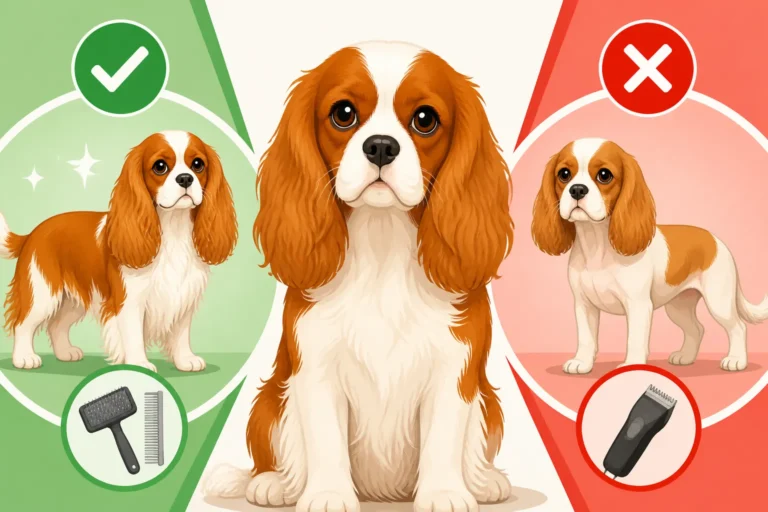
- Daily Brushing: Make it a habit to brush your Cavalier thoroughly after every walk, focusing especially on their paws, legs, and underbelly. Brushing a Cavalier's Feathering Three Times a Week is a minimum, but daily during grass seed season is ideal. A slicker brush followed by a metal comb can help dislodge seeds before they have a chance to burrow.
- Trimming Paw Feathering: This is perhaps the single most effective preventative measure for paws. While the breed standard calls for untrimmed feet, keeping the hair between and around your Cavalier's paw pads short can significantly reduce the surface area available for seeds to latch onto. You can carefully trim this yourself with blunt-nosed scissors or ask your professional groomer to do a "sanitary trim" on the paws. Discuss with them What a Cavalier Groomer Should and Should Not Cut to ensure they understand your desire to protect from seeds while maintaining the overall coat aesthetic.
- Other Problem Areas: Don't forget to keep the feathering around their ears and under their armpits trimmed, too. A quick trim with clippers or scissors (use extreme caution) in these areas can minimize attachment points.
Post-Walk Routines That Save Headaches
What you do immediately after a walk can make all the difference in catching seeds before they cause trouble.
- The "Sweep" Check: As soon as you come indoors, before your Cavalier has a chance to shake or sprawl on the carpet, give them a quick visual scan. Run your hands over their legs, paws, and underbelly. Look for anything clinging to their fur.
- Wiping Down Paws and Legs: Keep a towel or damp cloth by the door. Gently wipe down your Cavalier's legs and paws, paying attention to the feathering. This can help dislodge any loose seeds or debris.
- Detailed Paw Inspection: Implement the step-by-step paw check described earlier. This daily routine, especially during the spring and summer months when grass seeds are most prevalent, is non-negotiable for a Cavalier owner. It only takes a few minutes but can save you countless hours of worry and vet bills.
Choosing Walking Environments Wisely
Sometimes, the best prevention is avoidance.
- Avoid Overgrown Areas: During peak grass seed season (typically late spring through late summer, depending on your climate), try to avoid walking your Cavalier in areas with long, seeding grasses. Stick to mown paths, pavements, or areas with low-cut vegetation.
- Mow Your Own Yard: If you have a yard, keep your lawn well-mown to prevent grasses from going to seed.
- Be Mindful in Parks: Even well-maintained parks can have patches of wild grasses along fences or in less-trafficked areas. Stay vigilant and steer your Cavalier away from these zones.
Protective Gear for Adventurous Cavaliers
While not every Cavalier will tolerate them, protective boots or paw protectors can be an option for dogs who regularly walk in high-risk areas or those with a history of grass seed problems.
- Paw Boots: Dog boots cover the entire paw and lower leg, preventing seeds from contacting the fur or skin. They come in various sizes and materials. Finding a pair that fits a Cavalier's dainty paws securely without restricting movement can be a challenge, and some dogs absolutely detest wearing them. However, for a short walk through a known problem area, they can offer excellent protection. You might find a good selection on Chewy or Amazon, along with reviews from other small dog owners.
- Paw Balms/Waxes: While not a complete barrier, applying a protective paw balm or wax can create a smoother surface on the paw pads and sometimes make it harder for seeds to adhere, or easier to brush off. This is more of a secondary measure for general paw health and minor protection.
By combining meticulous grooming, diligent post-walk checks, and smart choices about where you walk your Cavalier, you can significantly reduce the risk of painful and dangerous grass seed incidents. Your Cavalier's health and comfort are worth every bit of effort!
| Symptom Category | Likely Cause: Grass Seed | Other Possible Causes |
|---|---|---|
| Paw Licking/Chewing | Intense irritation from embedded seed | Allergies, dry skin, fungal infection, anxiety, injury (thorn, cut) |
| Limping | Pain from embedded seed/abscess | Sprain, arthritis, broken nail, cut pad, Loose Kneecaps in a Thirteen-Pound Cavalier |
| Head Shaking | Seed in ear canal | Ear infection (bacterial/yeast), ear mites, foreign object other than seed |
| Redness/Swelling | Inflammation/infection around seed | Insect bite, allergic reaction, bacterial skin infection, bruise |
| Discharge/Pus | Abscess from embedded seed | Deep wound, severe bacterial infection, ruptured cyst |
| Eye Pawing/Squinting | Seed under eyelid, corneal irritation | Conjunctivitis, allergies, scratch on eye, dry eye, ingrown eyelash |
| Nasal Discharge/Sneezing | Seed in nostril/nasal passage | Allergies, upper respiratory infection, kennel cough, polyp |
Disclaimer
This article is for general informational purposes only and does not constitute professional advice. Laws, prices and regulations vary by location and change over time. Consult a qualified professional for guidance on your specific situation.