The Court Spaniels the Cavalier Descends From
Have you ever looked at your sweet Cavalier King Charles Spaniel and wondered about the history behind those big, soft eyes? It’s easy to assume they’ve always been the gentle lapdogs we know today, but their story is a rich tapestry woven through European royalty and fashion, a journey that saw their very appearance shift dramatically over centuries. This guide will take you on a deep dive into the fascinating lineage of the Cavalier, uncovering the court spaniels they descended from and the captivating history that shaped this beloved breed.
The Royal Origins of Companion Spaniels
Long before the specific breed we recognize as the Cavalier King Charles Spaniel existed, small, affectionate spaniels were cherished companions throughout Europe, especially among the nobility. These were not working dogs in the traditional sense, flushing game or retrieving birds. Instead, their primary "job" was to offer warmth, comfort, and companionship to their aristocratic owners, often spending their days nestled in laps or tucked into sleeves. It’s a job description many modern Cavaliers still excel at!
Early European Lap Spaniels
Across the courts of Europe, from France to Italy and England, these delightful little dogs were the height of fashion. They were seen as symbols of status and luxury, often depicted in paintings alongside their regal owners. Think of them as the original "it" accessory, though with far more love and personality. These early spaniels weren't standardized breeds with strict conformation rules like today; rather, they were a type of small, long-haired dog known for their gentle disposition and eagerness to please.
They served as much more than just pretty faces. In drafty castles and manor houses, these little dogs provided a living, breathing hot water bottle, warding off chills. They were also believed to attract fleas away from their owners – a rather charming, if somewhat unsanitary, perk in an era without modern pest control. Imagine the daily life of a noblewoman, always accompanied by her devoted little spaniel, a constant source of comfort and a furry friend in an often rigid world.
Spaniels in Tudor and Stuart England
The popularity of these small spaniels reached a fever pitch in England during the Tudor and Stuart dynasties. Mary, Queen of Scots, was famously devoted to her small spaniel, who was found hidden beneath her skirts after her execution. This poignant story speaks volumes about the deep bond between these dogs and their owners. They were more than pets; they were confidantes, sources of unconditional love, and often, the only creatures privy to the inner thoughts and feelings of monarchs and their courtiers.
These dogs were integral to daily life, attending court, traveling with their masters, and even sharing their beds. Their presence was a given, an accepted part of the aristocratic landscape. This deep integration into the lives of the powerful meant they were well-fed, well-cared for (by the standards of the time), and largely protected, ensuring their lineage continued to flourish within the royal circles.
Charles II: The King Who Loved His Spaniels Best
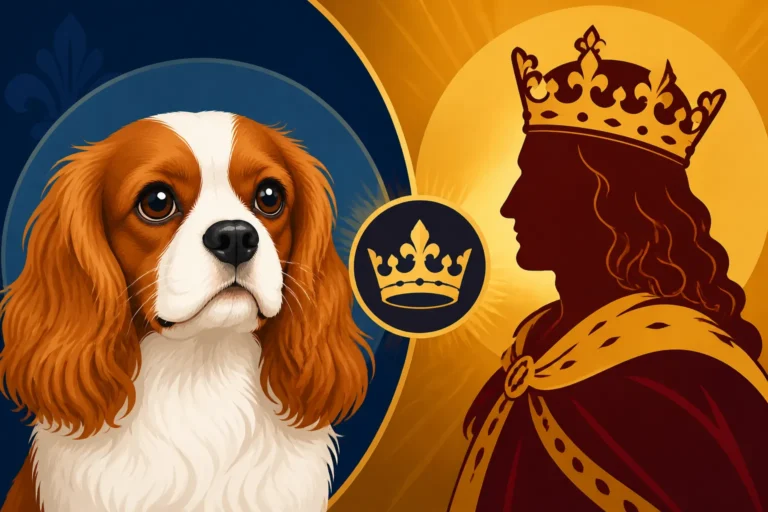
When we talk about the Cavalier King Charles Spaniel, one name immediately springs to mind: King Charles II. His passion for these little dogs was legendary, so profound that the breed eventually bore his name. He was utterly inseparable from his spaniels, taking them everywhere and prioritizing their well-being in a way that was quite remarkable for a monarch.
The Cavalier King's Devotion
Charles II’s love for his spaniels was not just a passing fancy; it was a defining characteristic of his reign. He was often seen walking the palace grounds accompanied by a pack of his beloved dogs, and they were permitted to wander freely throughout the royal apartments, even during official state business. There are countless anecdotes about his spaniels taking precedence, even over matters of state. It's said that he would pay more attention to his dogs tumbling on the carpet during council meetings than to his ministers' pleas.
This unbridled affection cemented the breed's status as a royal dog. They weren't merely pets; they were an extension of the king's personality, a visible symbol of his relaxed, albeit sometimes indulgent, court. This period truly laid the foundation for the "King Charles" name becoming synonymous with these charming little spaniels. For more about this specific connection, read Why Charles II Kept Cavalier Ancestors in His Bedchamber.
The Unofficial Royal Decree
While there isn't a formally signed decree preserved in the Royal Archives, legend has it that King Charles II declared that these small spaniels should be allowed in any public place, including Parliament. Whether an actual written law or merely a widely accepted understanding born from the king's fervent love, this "decree" speaks volumes about their esteemed position. Imagine a bustling parliamentary session, with little spaniels weaving between the legs of statesmen, completely unfazed by the gravity of the discussions!
This unique privilege underscored the profound bond between the monarch and his canine companions. It wasn't just about allowing pets; it was about acknowledging their inherent right to be wherever their king was. This historical allowance is still a delightful anecdote that Cavalier owners share with pride, imagining their own furry companions asserting their royal right to accompany them anywhere.
The Shift in Fashion: From "Old Type" to Flat-Faced Spaniels
The glorious reign of the original "King Charles Spaniels" as we might imagine them — lively little dogs with longer muzzles and a distinct spaniel look — was not destined to last forever. As dynasties changed and new aesthetic preferences emerged, the appearance of these beloved court companions began to transform dramatically.
The Influence of the Pug and Oriental Breeds
With the arrival of William III and Mary II, and later the Hanoverian succession, new tastes swept through the English court. The Dutch house brought with them a fondness for short-nosed, oriental breeds like the Pug. This fashion for flatter faces and more dome-shaped skulls began to influence the breeding of the English toy spaniel. Breeders, ever keen to cater to the prevailing trends and royal preferences, started to select for these new features, gradually altering the traditional spaniel look.
Over generations, the longer-nosed, flatter-skulled spaniels cherished by Charles II gave way to dogs with much shorter muzzles, more prominent domed heads, and larger, rounder eyes. This deliberate shift was driven purely by aesthetics, a desire to create a dog that fit the new "fashionable" silhouette. It's a stark reminder of how human preferences can rapidly reshape animal breeds. For more on this, check out The Pug Crosses That Shortened the Cavalier's Face.
The Rise of the English Toy Spaniel (King Charles Spaniel)
By the Victorian era, the transformation was complete. The dogs commonly known as "King Charles Spaniels" were distinctly different from their 17th-century ancestors. They were much smaller, with dramatically shortened faces, undershot jaws, and rounded, apple-domed heads. These were the dogs that captivated Queen Victoria, who was famously devoted to her King Charles Spaniel, Dash. This "new type" became the darling of dog shows and remained highly popular.
It's important to understand that what was then called a "King Charles Spaniel" is today recognized by the American Kennel Club as the English Toy Spaniel (or simply King Charles Spaniel in the UK). This breed is a direct descendant of those short-faced dogs. This period marked a clear divergence from the original look that Charles II so adored. The "old type" of spaniel, with its longer nose and more moderate features, had largely disappeared from public view, almost becoming a forgotten lineage.
Roswell Eldridge's Vision: The Quest to Revive the "Old Type"
For many years, the short-faced King Charles Spaniel reigned supreme. But in the early 20th century, a fascinating individual named Roswell Eldridge embarked on a mission that would ultimately bring back the beloved "old type" of spaniel and give us the Cavalier King Charles Spaniel we know today.
The 1926 Crufts Advertisement
Roswell Eldridge, an American, traveled to England in 1926 with a specific vision. He was an admirer of the historical paintings of Charles II's era, which depicted spaniels with flatter skulls and longer muzzles than the popular short-faced King Charles Spaniels of his time. He was determined to find dogs that still resembled these historical depictions. To achieve this, he placed an extraordinary advertisement in the catalog for Crufts, the world-famous dog show.
The advertisement offered a generous prize of 25 pounds (a substantial sum at the time) for "Blenheim Spaniels of the old type, as shown in the pictures of Charles II's time, long face, no stop, flat skull, not inclined to be domed, with spot in centre of skull." This bold move challenged the prevailing trends and sparked an interest in reviving the forgotten look. For more on this, you can look up Who Roswell Eldridge Was to the Cavalier.
Searching for the Lost Lineage
Eldridge's advertisement created a buzz, and though initially met with some skepticism by breeders accustomed to the short-faced ideal, it certainly got people talking. Breeders and enthusiasts began to examine their own lines, or to seek out dogs in more remote areas that might have retained the "old type" features. It was like a treasure hunt, seeking out the genetic blueprints of a bygone era. The task wasn't easy; after generations of selective breeding for shortened faces, finding dogs that genuinely fit Eldridge's description was a considerable challenge.
The dogs that first emerged and fit this description were often called "straight-faced" King Charles Spaniels to differentiate them from the more common short-faced variety. This distinction was crucial in beginning the slow, deliberate process of breeding back to the original form. Eldridge's initiative wasn't just about recreating a look; it was about reclaiming a piece of canine history that had been lost to changing fashions.
The Establishment of the Cavalier King Charles Spaniel
The journey from Roswell Eldridge's ambitious quest to the formal recognition of the Cavalier King Charles Spaniel as a distinct breed was a gradual one, requiring dedication and careful breeding practices from a pioneering group of enthusiasts.
Forming the First Breed Club
Inspired by Eldridge's vision, a small group of devoted breeders and fanciers came together to form a club dedicated to the "old type" spaniel. This was a critical step, as it provided a structure for their efforts, allowing them to define a breed standard and work collectively towards a common goal. They aimed to preserve and promote the characteristics that set these longer-muzzled spaniels apart from their flat-faced cousins. It was a true labor of love, requiring meticulous record-keeping and a deep understanding of genetics to steer the breed back towards its historical appearance.
The formation of the first breed club in 1928 marked the official beginning of the modern Cavalier King Charles Spaniel's story. These passionate individuals were committed to ensuring that the efforts to revive the original type were not just a fleeting trend but a lasting legacy. For insight into the early recognition, you can read Ann's Son and the First Cavalier Standard.
Distinguishing the Cavalier from the King Charles Spaniel
Initially, these "old type" spaniels were shown under a "King Charles Spaniel (Cavalier type)" designation. However, as their numbers grew and their distinct characteristics became more established, it became clear they needed their own identity to avoid confusion with the existing short-faced King Charles Spaniel (English Toy Spaniel). The word "Cavalier" was added to the name, directly referencing the Royalists who supported King Charles I during the English Civil War, symbolizing their connection to the original court spaniels.
This naming convention definitively separated the two breeds, highlighting the Cavalier's unique lineage and its direct link to the spaniels of the Stuart kings. It acknowledged their historical roots and celebrated the successful revival of the longer-muzzled, softer-featured companion dog. The journey from being almost forgotten to becoming a globally beloved breed was complete.
The Iconic Cavalier Colors and Their History
One of the most charming aspects of the Cavalier King Charles Spaniel is their beautiful variety of coat colors. Each color has its own historical resonance, often tied directly to the royal courts and estates where their ancestors were cherished.
Blenheim: The Duchess's Mark
The Blenheim color, a pearly white with chestnut markings, is perhaps the most famous and historically significant of the Cavalier colors. It is directly associated with Blenheim Palace, the seat of the Dukes of Marlborough. Legend has it that Sarah Churchill, Duchess of Marlborough, was anxiously awaiting news from the Battle of Blenheim (1704) while her pregnant spaniel rested on her lap. In her distress, she continuously pressed her thumb onto the dog's head. When the puppies were born, one had a chestnut thumb-shaped spot on its white head, and simultaneously, news arrived of her husband's victory.
This charming story, whether entirely factual or embellished over time, firmly links the Blenheim color and its distinctive "lozenge" or "Duchess's thumb print" to a specific historical event and family. Today, the Blenheim Cavalier remains incredibly popular, a living piece of history with every perfectly marked puppy. You can explore this further in The Story Behind the Blenheim Cavalier's Spot.
Tricolor: The Black, White, and Tan Beauty
The Tricolor Cavalier, with its striking black and white markings and tan points over the eyes, on the cheeks, inside the ears, and under the tail, also boasts a long lineage. This coloration was very common among the court spaniels of Charles II's time and can be seen in many paintings from that era. It offers a sophisticated contrast of colors, making for a truly eye-catching dog.
The tan points are a hallmark of many spaniel breeds, and their presence on the Tricolor Cavalier connects them visually to their sporting spaniel cousins. While their primary role shifted to companionship, these markings are a subtle nod to the broader spaniel family from which they evolved. The crisp delineation of the black and white, accented by the warm tan, creates a balanced and elegant appearance.
Ruby and Black and Tan: The Whole Colors
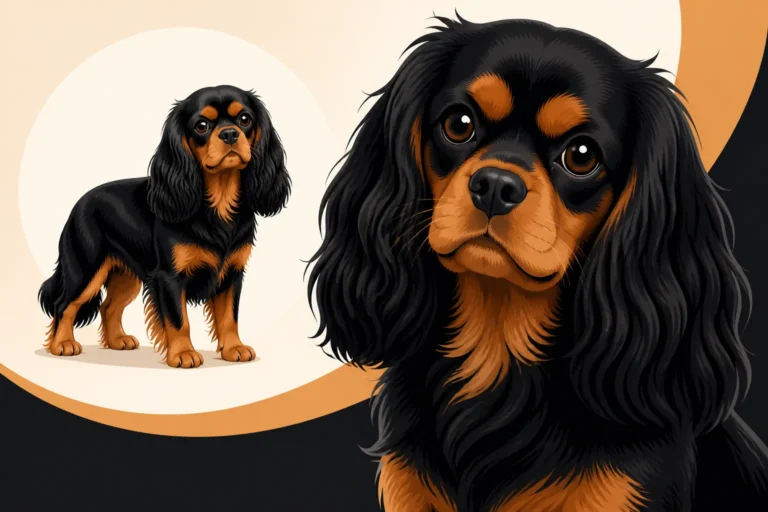
Rounding out the standard Cavalier colors are the "whole colors": Ruby and Black and Tan. Ruby Cavaliers are a rich, solid red, often described as a vibrant chestnut. They embody a singular elegance with their unbroken coat color. The Black and Tan Cavaliers, on the other hand, feature a solid black coat with specific tan markings, similar in placement to the Tricolor, but without the white.
These whole colors are also historically accurate and present in the ancestral spaniels. While perhaps less famously anecdotal than the Blenheim, they represent equally cherished variations that have been present in the breed's genetic makeup for centuries. Each color, whether particolor or whole color, adds to the Cavalier's rich tapestry of visual appeal, ensuring there's a shade to capture every owner's heart.
Here's a quick overview of the Cavalier's standard colors and their key characteristics:
| Color | Description | Historical Significance |
|---|---|---|
| Blenheim | Pearly white with well-broken-up chestnut red patches; a clear white blaze between the ears with the distinctive "lozenge" spot. | Associated with Blenheim Palace and the Duchess of Marlborough; a classic "King Charles" color. |
| Tricolor | Black and white with tan markings over the eyes, on cheeks, inside ears, and under the tail. | Common among court spaniels during Charles II's reign, seen in historical portraits. |
| Ruby | Whole-colored rich red; no white markings. | A traditional color for small spaniels; pure and unadulterated. |
| Black & Tan | Raven black with tan markings over the eyes, on cheeks, inside ears, on chest, legs, and under the tail. No white. | Another historically present whole color, embodying an aristocratic elegance. |
The Enduring Temperament: A Legacy of Companionship
Beyond their charming appearance and regal history, the most celebrated aspect of the Cavalier King Charles Spaniel is undoubtedly their temperament. This gentle, affectionate, and outgoing nature is not a modern development; it's a deeply ingrained trait, a direct legacy from their ancestors, the court spaniels. They were bred for companionship, and they continue to excel at it.
The Velcro Dog Phenomenon
If you own a Cavalier, you know exactly what "Velcro dog" means. They are notorious for wanting to be wherever you are, following you from room to room, often preferring to be touching you if possible. This isn't clinginess in an unhealthy sense, but rather a profound desire for closeness and interaction, a characteristic that was actively encouraged and valued in their royal predecessors. These dogs were literally "lap warmers" and constant shadows to their human companions.
This inherent need for connection means Cavaliers thrive on human interaction and can struggle if left alone for extended periods. It’s important for prospective owners to understand this deeply woven aspect of their personality. They are not dogs content to be left in a backyard or ignored; they truly want to be part of the family's daily rhythm. You might find a cozy dog bed from Chewy in every room, just so your Cavalier has options for where to be "near you." Read more about this in Why a Cavalier Follows You Room to Room.
Gentle and Adaptable Nature
Cavaliers are renowned for their gentle disposition, making them wonderful pets for families with children and other animals. They are typically calm and patient, rarely showing aggression. This placid nature was essential in court dogs, who needed to be trustworthy around dignitaries, children, and other pets without causing a fuss. Their adaptability also stems from their history; they had to be comfortable in bustling court environments, traveling carriages, or quiet private chambers.
This doesn't mean they don't have a playful side! Cavaliers love a good game of fetch or a romp in the yard, but they are equally content to curl up on the sofa for a long cuddle session. Their balanced temperament makes them versatile companions, fitting into a wide range of lifestyles as long as they receive plenty of love and attention. It’s this even-keeled nature that makes them such a joy to live with.
The Cavalier King Charles Spaniel vs. The King Charles Spaniel
The historical journey of the Cavalier King Charles Spaniel can be confusing due to the existence of another breed with a very similar name: the King Charles Spaniel. While they share a common ancestry, they are distinct breeds with noticeable differences, a direct result of the breeding decisions made after the time of Charles II.
Understanding the Key Differences
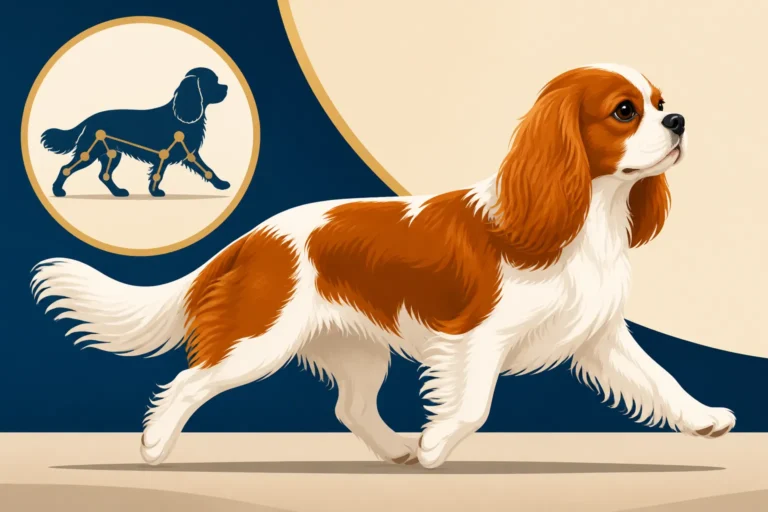
The primary difference between the Cavalier King Charles Spaniel and the King Charles Spaniel (known as the English Toy Spaniel in the United States) lies in their head structure and overall appearance. The Cavalier, thanks to Roswell Eldridge's efforts, was specifically bred to resemble the longer-nosed, flatter-skulled spaniels seen in historical paintings of the Stuart era. Their muzzle is moderate in length, their stop (the indentation between the eyes) is gentle, and their skull is relatively flat between the ears. Their eyes are large, round, and expressive, but not bulging.
In contrast, the King Charles Spaniel (English Toy Spaniel) retains the features that became fashionable in the Victorian era: a distinctly shorter, pushed-in muzzle, a more pronounced stop, and a very domed, "apple-head" skull. Their eyes are larger, often giving them a more "bug-eyed" appearance. They are also typically smaller in stature than Cavaliers. This distinction is not merely academic; it represents two separate evolutionary paths stemming from the same ancestral stock.
Common Ancestry, Divergent Paths
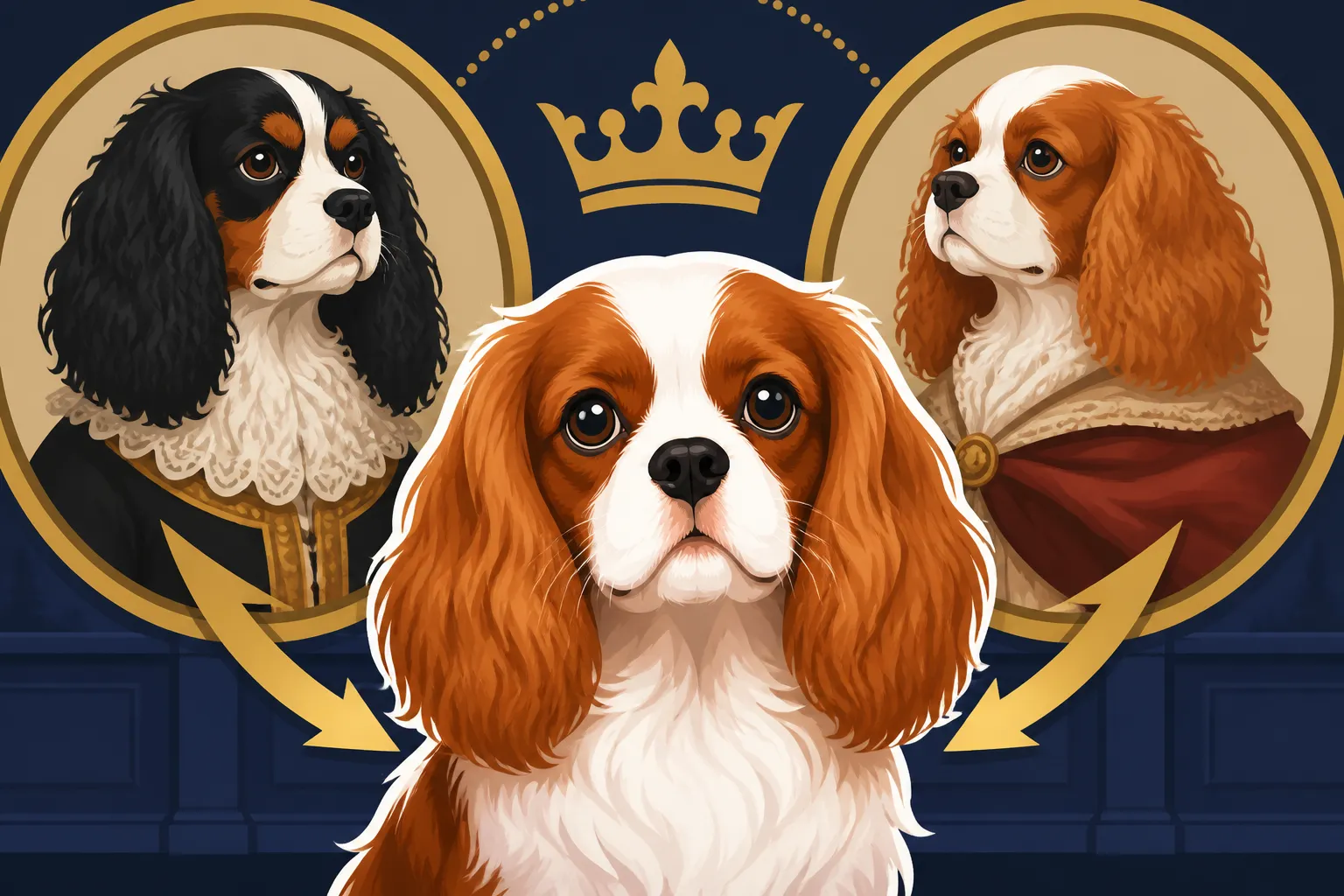
Both breeds undoubtedly share common ancestors in the court spaniels loved by royalty. However, the King Charles Spaniel evolved through continued selective breeding for the short-faced aesthetic, while the Cavalier King Charles Spaniel represents a deliberate "breeding back" effort to revive an older, less modified type. It’s a fascinating example of how breed standards and popular opinion can shape canine genetics.
Think of it like two branches growing from the same tree, but then one branch is pruned to a different shape entirely, while the other is carefully cultivated to reflect the tree's original form. If you're looking for dog supplies online, knowing the specific breed you have is helpful when selecting things like correctly sized harnesses or specialized dental chews from retailers like Chewy, as their head shapes will require different considerations.
Modern Health and the Weight of History
While the Cavalier King Charles Spaniel's rich history of companionship is undeniably charming, it also carries a significant responsibility. The breed's popularity, combined with past breeding practices, has led to certain health challenges that responsible owners and breeders must acknowledge.
Understanding Inherited Conditions
Unfortunately, Cavaliers are predisposed to several significant inherited health conditions, primarily affecting their hearts, brains, and joints. Mitral Valve Disease (MVD) is incredibly common, with a high percentage of Cavaliers developing a heart murmur by middle age. Mitral Valve Disease in the Cavalier King Charles Spaniel is a critical read for any owner. Another serious concern is Syringomyelia (SM), a neurological condition where the brain is too large for the skull, leading to fluid-filled cavities in the spinal cord, causing pain and other symptoms. Syringomyelia and Chiari Malformation in Cavaliers delves deeper into this complex issue.
These conditions aren't just minor inconveniences; they can significantly impact a Cavalier's quality of life and lifespan. It’s crucial for owners to be aware of these predispositions, to choose reputable breeders who prioritize health testing, and to work closely with their veterinarians for early detection and management. Ignorance is definitely not bliss when it comes to Cavalier health.
The Importance of Responsible Breeding and Health Testing
Given the breed's health challenges, the role of responsible breeders is more vital than ever. Good breeders are transparent about the health history of their breeding dogs, conducting extensive health tests such as cardiac evaluations by board-certified cardiologists, MRI scans for Syringomyelia, and DNA tests for other inheritable conditions like Episodic Falling Syndrome and Dry Eye/Curly Coat Syndrome. They use this information to make informed breeding decisions, aiming to reduce the incidence of these diseases in future generations.
If you are considering adding a Cavalier to your family, researching breeders thoroughly is paramount. Ask to see health certificates for both parents, understand their breeding protocol (e.g., The Cavalier MVD Breeding Protocol), and inquire about the health history of the wider lineage. While no breeder can guarantee a puppy will never develop a health issue, a responsible breeder significantly reduces the risk and demonstrates a commitment to the breed's long-term well-being. This proactive approach helps ensure that these historically cherished companions continue to grace our lives with joy for many years to come. When looking for breeders, make sure to read Buying a Cavalier From a Health-Testing Breeder to know what to look for.
Daily Care Reflecting Their Heritage
Cavaliers, for all their royal history, are relatively low-maintenance in terms of exercise needs, preferring short, enjoyable walks followed by plenty of couch time. However, their beautiful, silky coats do require regular grooming to prevent matting, especially their abundant feathering around the ears, chest, and legs. A good slicker brush and metal comb, easily found on a site like Chewy, are essential tools. Brushing a Cavalier's Feathering Three Times a Week is a good guide.
Their long, drop ears, while adorable, also require consistent cleaning and checking to prevent infections. Cavalier Ear Care Under a Heavy Drop Ear outlines important steps. And because they are prone to weight gain, particularly as they age or if their heart health becomes a concern, maintaining a healthy weight is crucial. Keeping a Cavalier at a Weight Its Heart Can Carry emphasizes how important proper nutrition is. It's about providing thoughtful care that honors their heritage while meeting their modern needs.
Conclusion
The Cavalier King Charles Spaniel truly is a breed with a story to tell, a living link to the grandeur of European courts and the specific affections of kings. From their beginnings as pampered companions for royalty to their dramatic transformation and eventual revival, their history is as rich and captivating as their temperament. Understanding their lineage helps us appreciate not just their physical traits, but also the deep-seated desire for companionship that makes them such exceptional family members today. They carry the weight of centuries of devotion, and in return, they offer us boundless love and joy, continuing their royal tradition of being the most cherished of companions.
Disclaimer
This article is for general informational purposes only and does not constitute professional advice. Laws, prices and regulations vary by location and change over time. Consult a qualified professional for guidance on your specific situation.