How Low a Cavalier’s Ears Should Sit
It's a common observation that a Cavalier King Charles Spaniel's adorable, silky ears are one of their most defining features. However, many new Cavalier owners, and even some seasoned ones, might find themselves wondering: are my dog's ears "right"? What does the breed standard actually say about how low a Cavalier's ears should sit? This guide will dive deep into the nuances of Cavalier ear placement, explaining why it matters, how it impacts their health, and how to best care for these beautiful, yet sometimes troublesome, floppy ears.
Understanding the Cavalier King Charles Spaniel Ear Standard
When you look at a Cavalier, one of the first things that strikes you, after those soulful eyes, are their long, pendulous ears. They frame that sweet face perfectly. But there's a specific "look" that breed standards aim for, and it directly relates to where those ears are set on their head. It's not just about aesthetics; ear placement is intrinsically linked to the overall type and even health predispositions of the breed.
What "Low Set" Truly Means for a Cavalier
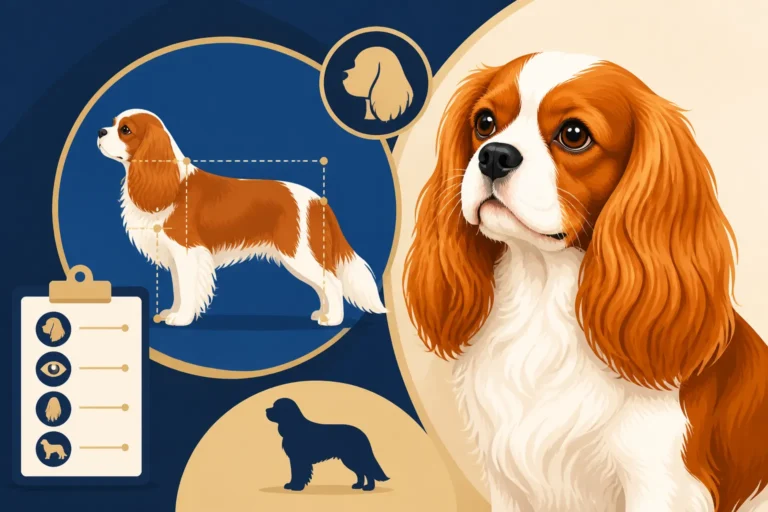
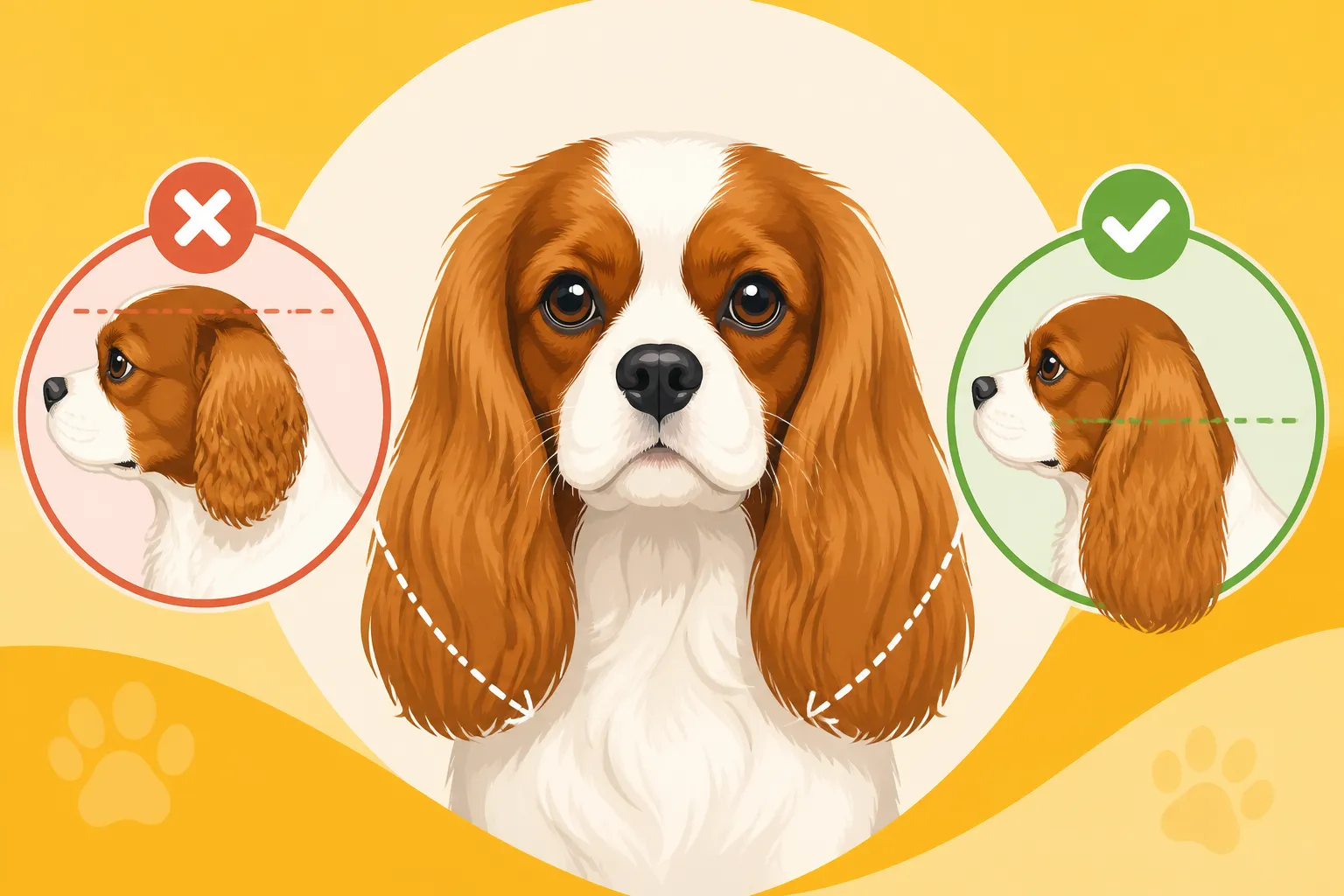
The breed standard for the Cavalier King Charles Spaniel explicitly calls for ears that are "set high, but not too close on the head." Wait, did I say high? Ah, the phrasing can be confusing! While many might interpret "low set" as sitting physically low on the skull, the standard means that the base of the ear, where it attaches to the head, should be high enough to allow the ear leather (the actual floppy part) to drop down gracefully, framing the cheek and blending seamlessly with the neck. They shouldn't be set so low that they appear to hang from the side of the jaw, nor so high that they perch on top of the head like an alert terrier. The desired placement is high on the skull, but far enough apart to give that characteristic broad, slightly rounded head shape. It's about proportion and how the ears complement the overall head and expression.
Think of it this way: imagine drawing a line from the corner of the eye to the base of the ear. On a well-set Cavalier ear, this line should generally be level or slightly above the eye line. If the ear base is significantly below the eye line, it's often considered too low set. Conversely, if it's very high and close together, giving a pinched look to the skull, that's also not ideal. The ears are large in proportion to the head, and they should appear to be an extension of the skull, hanging forward to frame the face rather than sticking out or appearing too small.
The Importance of Ear Leather and Feathering Length
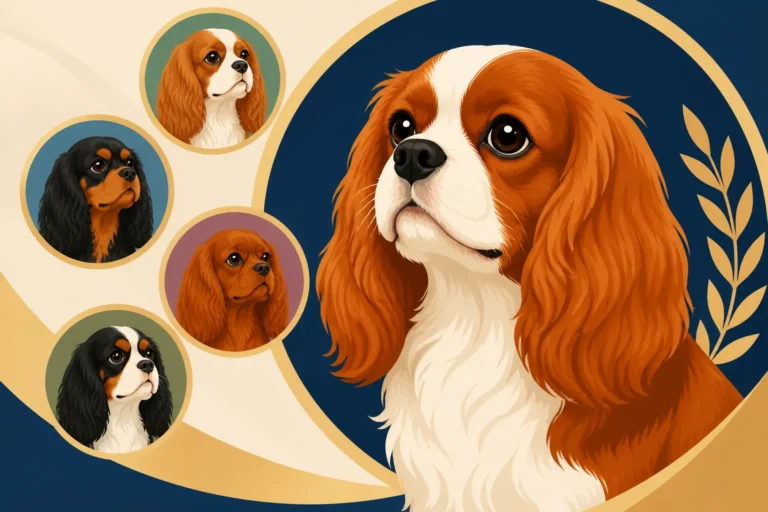
Beyond the set, the length and quality of the ear leather and its feathering are equally important for that quintessential Cavalier look. The standard specifies that the ears should be "long, set high, with plenty of feathering." This isn't just a fluffy detail; it contributes to the expression and the balance of the dog's head. The ear leather itself should be substantial enough to reach down to at least the shoulder, if not slightly beyond, when relaxed. This generous length gives them that soft, comforting drape.
The feathering – those beautiful, long silky hairs – should be abundant and flow naturally. It adds to the elegance and softness of their appearance. Imagine a Cavalier with sparse ear feathering or ears that are too short; it would completely change their characteristic sweet, melting expression. It's the combination of the correct set, the substantial ear leather, and the luxurious feathering that truly creates the iconic Cavalier head. This luxurious feathering, while beautiful, also means regular care is needed. Many owners find a good detangling spray and a wide-toothed comb, perhaps from a brand like Chewy, are indispensable for keeping these long locks pristine.
How a High Ear Set Can Impact Breed Type
An ear set that is too high or too close together on the head can subtly, but significantly, alter the overall "type" of a Cavalier. Instead of the desired broad, slightly rounded skull and soft expression, a high, close set can make the head appear narrower or more apple-domed. This can create a more "terrier-like" or even "toy spaniel" (referring to the King Charles Spaniel, not the Cavalier) look, which deviates from the Cavalier standard. The Cavalier's head is meant to be well-cushioned under the eyes and have a gentle, melting expression, not a sharp or abrupt stop.
The ears play a huge role in framing this expression. If they are placed incorrectly, they can distort the perceived width of the skull, change the angle of the cheeks, and ultimately impact the dog's overall look. Breeders striving for the ideal "type" pay close attention to ear set, as it contributes to the total picture of the Cavalier's head, which is one of the most recognizable and beloved features of the breed. The AKC Standard for the Cavalier King Charles Spaniel provides even more detail on these specific breed characteristics.
| Feature | Ideal Cavalier Ear Set | Less Ideal Cavalier Ear Set |
|---|---|---|
| Placement on Skull | High enough to allow drape, framing the face, wide apart | Too low (hanging from jawline) or too high/close together |
| Angle/Drape | Lays close to head, flowing down to frame cheeks | Ears stick out, appear "flappy" or too rigid |
| Length of Leather | Reaches at least to the shoulder, often longer | Appears noticeably short for the head size |
| Feathering | Abundant, long, silky, blending with neck feathering | Sparse, coarse, or insufficient feathering |
| Overall Impact | Contributes to a soft, sweet, well-balanced expression | Can make head appear narrow, harsh, or unbalanced |
Beyond Appearance: Practical Implications of Ear Set
While the aesthetics of ear set are vital for show ring enthusiasts and breeders, for the average Cavalier owner, the practical implications are far more pressing. Those beautiful, long, floppy ears, regardless of their precise placement, require specific care and attention. Their very structure can predispose Cavaliers to certain health issues, making understanding their care paramount.
The Link Between Ear Set and Ear Health
Cavaliers, like many breeds with pendulous or "drop" ears, are particularly prone to ear infections. This isn't necessarily about how low the ear is set on the head, but rather the fact that the ear canal is covered by a heavy flap of ear leather and dense feathering. This creates a warm, moist, and poorly ventilated environment – essentially, a perfect breeding ground for bacteria and yeast. Regardless of whether the ears are perfectly "set high" or slightly lower, the basic structure means ventilation is naturally limited.
This trapped moisture and warmth can lead to recurrent ear infections, causing discomfort, pain, and a lot of frustration for both the dog and the owner. Cavaliers with particularly heavy ear leather or exceptionally dense feathering might be even more susceptible, as these features further seal off the ear canal. Regular cleaning and vigilance are not just good practice; they are essential preventive measures. Owners often find themselves routinely checking for redness, discharge, or an unusual smell. Why a Cavalier's Drop Ears Trap Infection delves deeper into this common problem.
Grooming Considerations for Cavalier Ears
The generous feathering on a Cavalier's ears, while beautiful, is a magnet for dirt, debris, and mats. Because the ears hang so low, they often dip into food and water bowls, drag on the ground during walks, and pick up everything from leaves to burrs. This means daily grooming isn't just a suggestion; it's a necessity to prevent painful tangles and skin irritation underneath. Without regular brushing, the delicate hair can quickly become matted, pulling on the skin and creating a breeding ground for skin infections.
Many Cavalier owners use a snood to keep their dog's ears out of their food and water bowls, a simple yet effective tool that helps tremendously. Brands like Chewy offer a variety of grooming tools, from slicker brushes to metal combs, all essential for maintaining that silky coat. Beyond preventing mats, keeping the feathering clean also helps prevent bacteria from migrating into the ear canal. A matted, dirty ear flap isn't just an aesthetic problem; it’s a health risk. Snoods That Keep Cavalier Ears Out of Dinner has some excellent tips on this.
Protecting Those Precious, Low-Slung Ears
The long, floppy nature of Cavalier ears also makes them more vulnerable to injury. They can get stepped on, caught in doors, or accidentally tugged during play, especially with other dogs. A Cavalier's ear tips can also be prone to "ear tip necrosis" or bleeding if they constantly bang against things, particularly if the dog is prone to shaking its head vigorously due to an underlying ear infection or irritation.
For this reason, it's wise to be mindful of your Cavalier's surroundings. Teaching children how to handle a dog gently, supervising play with other animals, and being aware of their ears when opening and closing doors can prevent many unnecessary accidents. After all, these beautiful ears aren't just for show; they're a vital part of your dog's sensory system and comfort. A quick check of the ears during Daily Ear Checks on a Cavalier can also help spot any minor scrapes or issues before they become major.
Common Ear Variations and What They Mean
While the breed standard describes the ideal, not every Cavalier will fit that description perfectly. There can be natural variations in ear set, size, and even the amount of feathering. Understanding these variations can help owners appreciate their individual dog's unique characteristics and know when a deviation might warrant a closer look from a health perspective.
When a Cavalier's Ears Appear Too High or Too Small
Sometimes, a Cavalier's ears might appear to be set higher on the head than the standard suggests, or they might seem proportionally smaller. This isn't uncommon, especially in Cavaliers from less stringent breeding programs or those with more diverse ancestral lines. A "higher set" ear might give the dog a more alert or even mischievous expression, compared to the typically soft, melting look. In some cases, the ear leather itself might be shorter, contributing to the perception of smaller ears.
While these variations don't necessarily indicate a health problem, they do mean the dog's appearance deviates from the breed ideal. For most pet owners, this is purely cosmetic. However, it's worth noting that if the ears appear unusually small or are held very stiffly, it could sometimes be a subtle sign of underlying discomfort or pain, such as an ear infection making them hold their ears in an unnatural way. This is why paying attention to how your Cavalier carries its ears normally is so important.
The Role of Genetics in Ear Placement
Just like coat color, size, and temperament, ear set is a genetic trait passed down from a Cavalier's parents. A reputable breeder will carefully consider the ear set of their breeding stock, striving to produce puppies that conform as closely as possible to the breed standard. They understand that correct ear set, along with other physical traits, contributes to the overall health and type of the breed. For example, specific genes influence the development of the skull and cartilage, which in turn dictate where the ears attach and how they drape.
It's a complex interplay of multiple genes, which is why even within a litter from two well-bred parents, you might see slight variations. While you can't change your Cavalier's genetics, understanding this can help you appreciate that some variations are simply natural expressions of their inherited traits. If you're considering a puppy, looking at the parents and their ear set can give you a good indication of what to expect in their offspring. Whether a Cavalier Breeder Should Show You Heart Papers also emphasizes asking about health clearances, which are another crucial genetic consideration.
Age-Related Changes in Ear Appearance
As a Cavalier puppy grows into adulthood and then gracefully into its senior years, you might notice subtle changes in the appearance of its ears. Puppy ears can sometimes seem disproportionately large or small compared to their developing head, and their feathering might not be as abundant or long as an adult's. As they mature, their skull develops, and the ear leather and feathering fill out, achieving that classic look.
In older Cavaliers, while the ear set itself won't change, the feathering might become a bit thinner or coarser. They might also be more prone to mats if their activity levels decrease and grooming becomes less frequent, or if they develop health issues that make them less tolerant of brushing. It’s also common for older dogs to have some benign growths or skin tags on their ear flaps, which are usually harmless but should be monitored by your vet. Regular Grooming an Older Cavalier That Cannot Stand Long sessions become even more crucial as they age to maintain comfort and hygiene.
Living with and Caring for Those Signature Cavalier Ears
No matter if your Cavalier’s ears are perfectly aligned with the breed standard or have their own charming variations, proper care is non-negotiable. Their long, floppy nature means they require a dedicated routine to stay clean, healthy, and mat-free. Neglecting their ears can lead to discomfort, infections, and costly vet visits.
Daily Care Routine for Healthy Cavalier Ears
A consistent daily ear care routine is the best defense against common Cavalier ear problems. This doesn't need to be an arduous task, but rather a quick check and brush. Start by gently lifting each ear flap and visually inspecting the inside. Look for any redness, swelling, unusual discharge (like dark brown, waxy build-up or pus), or any foul odor. A healthy ear canal should be pale pink and relatively clean, with minimal light brown earwax.
After the visual check, gently brush the feathering on the outside and underneath the ear flap with a soft slicker brush or a wide-toothed metal comb. This prevents mats from forming and removes any debris picked up during walks. If you notice any small tangles, use a detangling spray and work them out gently with your fingers or a comb, taking care not to pull the sensitive skin. Making this a pleasant experience with treats and praise can make your Cavalier more cooperative. Cleaning a Cavalier's Ear the Right Way provides step-by-step guidance on how to keep those canals pristine.
Products to Keep Cavalier Ears Clean and Comfortable
Having the right tools and products on hand makes ear care much easier. For external grooming, a good quality slicker brush and a metal comb are essential for the feathering. Many owners also find a fine-toothed comb helpful for the hair directly behind the ear, where mats often form first. A detangling spray can make brushing out knots less painful for your dog. For internal ear cleaning, your vet can recommend a gentle, pH-balanced ear cleaner designed for dogs. Avoid using cotton swabs deep inside the ear canal, as this can push debris further in or damage the eardrum. Instead, use cotton balls or gauze pads moistened with the cleaner to wipe the visible parts of the outer ear and the entrance to the canal.
Snoods are another incredibly useful product for Cavaliers. These fabric tubes slip over your dog's head, holding their ears back and out of their food and water bowls. This keeps the feathering clean and dry, reducing the need for constant brushing and preventing bacterial growth from dampness. You can find all these essentials, from grooming tools to snoods and ear cleaners, readily available through retailers like Chewy. Having these items on hand means you're always prepared to maintain your Cavalier's ear health. Ear Cleaner Worth Using on a Cavalier offers more specific product recommendations.
When to Consult a Vet About Ear Concerns
Despite your best efforts, Cavaliers can still develop ear problems. It’s crucial to know when to seek professional veterinary advice. If you notice any of the following signs, it's time to call your vet:
- Persistent head shaking or scratching at the ears: This is often the first and most obvious sign of discomfort.
- Redness, swelling, or pain: The ear flap or inside the ear canal looks inflamed.
- Unusual discharge: Yellow, green, or black discharge, especially if accompanied by a strong, foul odor.
- Sensitivity to touch: Your Cavalier yelps or pulls away when you try to touch their ears.
- Changes in behavior: Lethargy, loss of appetite, or becoming withdrawn, which can indicate pain.
- Holding one ear down or tilting their head persistently: This can be a sign of deeper discomfort.
These symptoms could indicate an ear infection, ear mites, an allergic reaction, or even a foreign body lodged in the ear canal. Early intervention is key to preventing the problem from becoming more severe or chronic. Your vet can accurately diagnose the issue and prescribe the appropriate treatment, which might include medicated ear drops, oral antibiotics, or anti-inflammatories. Remember, those beautiful, low-slung ears are a key part of your Cavalier's health and happiness, so don't hesitate to give them the attention they deserve! What a Cavalier's Ear Infections Cost Each Year reminds us that early attention is also more affordable.
Disclaimer
This article is for general informational purposes only and does not constitute professional advice. Laws, prices and regulations vary by location and change over time. Consult a qualified professional for guidance on your specific situation.