Cavaliers Against the Other Small Companion Breeds
Choosing a new furry family member is such an exciting time, but let's be honest, it can also be incredibly overwhelming! With so many adorable small companion breeds out there, all vying for your heart, how on earth do you decide which one is truly the best fit for your life? It's easy to fall in love with a picture, but the reality of living with a dog is so much more than just their looks. This comprehensive guide is here to cut through the confusion, offering a realistic look at the Cavalier King Charles Spaniel alongside other popular small breeds, helping you understand their unique needs and personalities so you can make a truly informed decision.
Understanding the Cavalier King Charles Spaniel at a Glance
Before we dive into direct comparisons, let's take a moment to really get to know the Cavalier King Charles Spaniel. Many people are drawn to their sweet faces and gentle demeanor, often imagining them as perfect little lap warmers. While that's certainly a big part of their charm, there's more to these delightful dogs than meets the eye. Understanding their core characteristics is crucial for a fair comparison.
Cavalier Temperament: The "Velcro Dog" Charm
The Cavalier is famously known as a "Velcro dog," and believe me, this isn't an exaggeration! They absolutely thrive on companionship and want to be involved in whatever you're doing, whether that's binge-watching a show on the sofa, pottering around the garden, or following you from room to room. This intense desire to be with their people is both their greatest strength and, for some lifestyles, a potential challenge. They are incredibly affectionate, sweet-natured, and generally very tolerant, making them wonderful family pets. They rarely meet a stranger they don't like, greeting most people and other animals with a wagging tail and an eager sniff.
However, this deep attachment means they can struggle profoundly with being left alone. If you work long hours outside the home or have a demanding social life that often takes you away, a Cavalier might develop separation anxiety. This isn't just a bit of whining; it can manifest as destructive chewing, inappropriate urination, or persistent barking and howling, causing distress for both the dog and their owners. It's vital to consider your daily routine and if you genuinely have the time and flexibility to integrate a dog that needs constant interaction. For more on this, you might find our article Living With a Cavalier That Panics When Alone helpful.
Cavalier Size and Physical Traits: Small but Sturdy
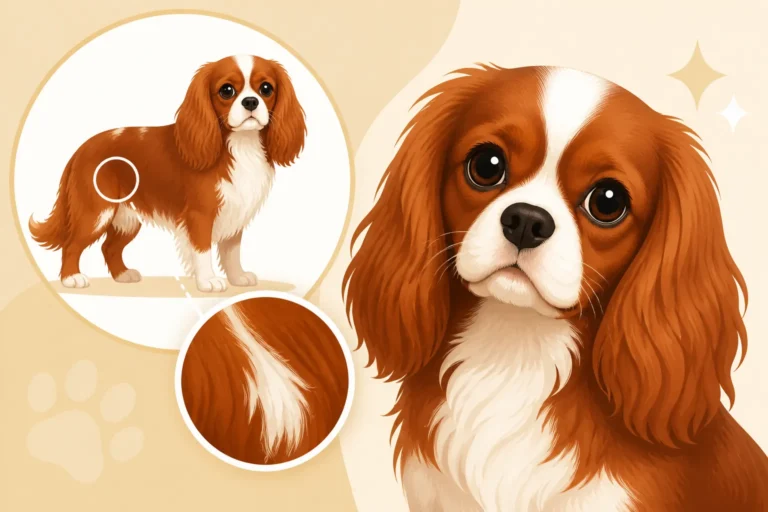
Cavaliers are firmly in the toy breed category, typically weighing between 13 to 18 pounds and standing about 12 to 13 inches tall at the shoulder. They possess a silky, medium-length coat that can be straight or slightly wavy, with charming feathering on their ears, chest, legs, and tail. Their expressive, dark, round eyes and soft, floppy ears are hallmarks of the breed, giving them that irresistible, gentle expression. While small, they are surprisingly sturdy and not overly fragile, which is a common concern with some toy breeds. They enjoy walks and playtime but aren't typically high-energy dogs that need intense, long runs every day. Two moderate walks, coupled with indoor play and cuddle sessions, usually suffice.
Their long, drop ears are beautiful but do require regular care to prevent ear infections, and their prominent eyes can be prone to issues like dry eye. Their coat, while lovely, is prone to matting, especially the feathering, and requires consistent brushing. We'll delve deeper into grooming comparisons later, but suffice it to say, if you're not keen on regular brushing, this might be a consideration.
Cavalier Health Considerations: The Realities to Face
This is a critical point that any prospective Cavalier owner must confront head-on. Unfortunately, Cavaliers are predisposed to several significant health issues, most notably Mitral Valve Disease (MVD). This heart condition affects a very high percentage of the breed, often appearing as a heart murmur by middle age. While many Cavaliers live fulfilling lives with MVD, it's a progressive disease that requires careful monitoring and often expensive medication later in life. Our pillar post Mitral Valve Disease in the Cavalier King Charles Spaniel covers this extensively.
Beyond MVD, Cavaliers are also prone to Syringomyelia (SM), a neurological condition where the brain is too large for the skull, leading to fluid-filled cavities in the spinal cord. This can cause chronic pain, phantom scratching, and significant discomfort. Other concerns include certain eye conditions, patellar luxation (slipping kneecaps), and certain genetic conditions. Reputable breeders work tirelessly to screen for these issues, but potential owners must be prepared for the possibility of significant vet bills and dedicated care. Cavalier Lifespan and What Cuts It Short offers a frank discussion on their health realities.
Cavaliers vs. Bichon Frise: Playful Puffs of Personality
The Bichon Frise, with its cheerful disposition and cloud-like white coat, is another popular small companion breed. At first glance, both seem like happy-go-lucky lapdogs, but there are distinct differences in their energy, grooming, and health profiles.
Temperament and Trainability Differences
Both Cavaliers and Bichons are known for being affectionate and friendly. However, a Bichon often possesses a more vivacious and playful energy than a Cavalier. They are little clowns, eager to entertain and delight their families with antics and a bouncy gait. While Cavaliers are content to snuggle for hours, a Bichon might prefer a lively game of fetch or a romp in the yard before settling down. This higher energy means they often require more consistent mental and physical stimulation to prevent boredom, which can lead to destructive behaviors if not met.
When it comes to training, both breeds are intelligent and generally eager to please, responding well to positive reinforcement. However, some Bichons can have a stubborn streak, particularly during house-training. Cavaliers, with their strong desire to be near their people, often pick up commands quickly, especially if it means earning praise and a cuddle. The "Velcro" nature of the Cavalier means they are often easier to manage off-leash in secure areas, as their recall is strongly tied to not wanting to be separated from you.
Grooming Needs: The High-Maintenance White Coat
Here's where a significant divergence lies. The Bichon Frise boasts a beautiful, curly double coat that, crucially, is low-shedding and often considered hypoallergenic. This makes them a fantastic choice for individuals or families with allergies. However, "low-shedding" absolutely does not mean "low-maintenance." Their dense, soft coat mats incredibly easily and requires daily brushing to prevent painful tangles. Without diligent care, a Bichon can quickly become a matted mess, necessitating a full shave-down.
Cavaliers, by contrast, have a single, silky coat with feathering that, while it does shed moderately, is generally easier to manage than a Bichon's dense curls if brushed regularly. A Cavalier will still need frequent brushing, especially the feathering on their ears, legs, and tail, perhaps every other day to three times a week. However, their coat doesn't tend to felt up as quickly or densely as a Bichon's. Professional grooming for both breeds is often a necessity, but a Bichon might need it more frequently to keep their coat in top condition. If you're looking for durable grooming tools, you can often find good quality slicker brushes and metal combs on sites like Chewy that cater to both coat types.
Health Profiles: What to Watch For
The Bichon Frise is generally considered a fairly healthy breed, with a typical lifespan of 12 to 15 years. They are prone to some health concerns, but typically not to the same degree or prevalence as Cavaliers. Common Bichon issues include patellar luxation, dental disease (common in many small breeds with crowded jaws), bladder stones, and occasionally allergies. Eye conditions can also occur.
Comparing this to the Cavalier's high incidence of MVD and SM, the overall health outlook for a Bichon might appear less daunting for some prospective owners. However, it's essential for both breeds to purchase from a reputable breeder who performs all recommended health screenings. Don't skip asking for health clearances, regardless of breed. For Cavaliers, this means verifiable heart and MRI screenings, among others.
Cavaliers vs. Havanese: Cuban Charms and Clever Minds
The Havanese, the national dog of Cuba, brings a different flavor to the small companion breed table. Known for their long, flowing coats and engaging personalities, they are often compared to Cavaliers due to their affectionate nature, but they too have their unique characteristics.
Sociability and Energy Levels
Both the Cavalier and the Havanese are incredibly sociable dogs who bond deeply with their families. They thrive on human companionship and are generally excellent with children and other pets. However, the Havanese often displays a more mischievous and playful side. They are known for their intelligence and quick wit, often delighting in learning tricks and engaging in interactive games. While a Cavalier is content to lie at your feet, a Havanese might be more inclined to bring you a toy or initiate play. This means they often need more mental stimulation to prevent boredom.
Havanese tend to have moderate energy levels, similar to Cavaliers, enjoying walks and playtime but not requiring intense athleticism. They are adaptable and can do well in apartments as long as their exercise and mental needs are met. Like Cavaliers, they can be prone to separation anxiety if left alone for extended periods due to their strong attachment to their people. For advice on managing anxiety, you might check out resources for calming aids available on Chewy.
Coat Care and Hypoallergenic Claims
The Havanese sports a stunning double coat that is long, soft, and wavy, resembling silk. Like the Bichon, they are considered low-shedding and often touted as hypoallergenic, making them another good option for allergy sufferers. But again, "low-shedding" translates directly to "high-maintenance" in the grooming department. Their long coat requires daily brushing to prevent mats and tangles, especially if kept long. Many Havanese owners opt for a shorter "puppy cut" to make daily care more manageable, but even then, regular brushing is essential.
The Cavalier's coat, as mentioned, is medium length with feathering, and while it sheds, it typically requires less intensive daily grooming than a full-coated Havanese. A Cavalier will shed more noticeable hair around the house, whereas a Havanese's shed hair tends to get caught in its coat, creating mats if not brushed out. So, you're trading off visible shedding for intensive brushing frequency. Brushing a Cavalier's feathering three times a week is a good routine to aim for, which is still less demanding than a daily full-body brushing a Havanese often needs.
Activity Requirements: More Than Just a Lapdog
While both breeds are happy to snuggle, the Havanese often has a slightly higher drive for activity and mental engagement. Their intelligent and curious nature means they excel in dog sports like agility, obedience, and rally. They love to learn and respond well to consistent, positive training. A Havanese might be better suited for an owner who enjoys active training sessions and wants a dog that can participate in more than just walks.
Cavaliers, while trainable and often enjoying gentle activities, are generally less driven by "work" or intense sports. They are more focused on being with their human. While they can participate in some low-impact activities, their physical structure and common health issues (like patellar luxation or heart concerns) might limit their endurance or suitability for high-impact sports. Whether Exercise Is Safe for a Cavalier With MVD is an important read in this context.
Cavaliers vs. Shih Tzu: Royal Roots and Distinctive Looks
The Shih Tzu, with its ancient lineage as a companion to Chinese royalty, is another popular small breed. Their distinctive "chrysanthemum face" and flowing locks make them instantly recognizable, and they share the Cavalier's primary purpose: to be a devoted companion.
Affection Levels and Independence
Both Cavaliers and Shih Tzus are bred purely for companionship, meaning they are inherently affectionate and enjoy being close to their people. However, there can be a subtle difference in their independence. Cavaliers are typically the quintessential "Velcro dogs," rarely wanting to be out of sight. A Shih Tzu, while very loving, might have a touch more independent streak. They are happy to cuddle on the sofa but might also be content to snooze peacefully in their own bed for a bit, rather than being constantly underfoot. This isn't to say they don't love their families intensely; they simply might tolerate alone time a bit better than the most clingy Cavaliers, though separation anxiety is still a possibility for any companion breed.
They are both generally good with children and other pets, provided they are socialized appropriately. Shih Tzus can sometimes be a little feistier or more opinionated than the typically placid Cavalier, but this varies greatly by individual personality and early training.
Brachycephalic Concerns and Breathing
This is a major point of differentiation. The Shih Tzu is a brachycephalic breed, meaning they have a shortened snout and flattened face. While undeniably cute, this physical characteristic comes with significant health implications. Brachycephalic dogs often struggle with Brachycephalic Obstructive Airway Syndrome (BOAS), which can lead to breathing difficulties, snoring, snorting, and reduced exercise tolerance, especially in warm weather. They are more prone to heatstroke due to their inefficient cooling system. Their prominent eyes are also more susceptible to injury and conditions like dry eye or corneal ulcers.
Cavaliers, by comparison, have a longer, more moderate muzzle, which generally allows for much better breathing. While some Cavaliers might have a slightly shorter muzzle than the historical type, they are not considered a brachycephalic breed in the same way a Shih Tzu is. This difference is vital for quality of life, exercise capacity, and overall health. Owners of Shih Tzus often need to be very careful with exercise in heat, monitor their breathing, and be prepared for potential surgeries to improve their airways. Whether a Cavalier Is a Brachycephalic Breed clarifies this for Cavaliers.
Grooming the Flowing Coat
The Shih Tzu's coat is a showstopper – long, flowing, and dense. It's beautiful, but it requires an immense amount of grooming. Daily brushing is absolutely non-negotiable to prevent mats, which can quickly become painful and lead to skin infections. Many Shih Tzu owners keep their dogs in a "puppy cut" to make management easier, but even then, regular grooming appointments and at-home care are crucial. Their facial hair also needs special attention, often requiring a topknot or regular trimming to keep it out of their eyes, which can cause irritation and ulcers.
A Cavalier's coat, while also requiring regular brushing to prevent mats, particularly in the feathering behind the ears and in the armpits, is less demanding than the full show coat of a Shih Tzu. Cavaliers typically don't require daily full-body brushing to the same extent, and their facial hair usually isn't an issue. However, their long ear feathering is prone to getting food and water on it, which is where snoods can become a very useful tool, readily available from pet supply retailers like Chewy.
Cavaliers vs. Miniature Poodle: Intelligence and Elegance
The Miniature Poodle stands in stark contrast to the Cavalier in many ways. Known for their intelligence, elegance, and distinct curly coat, they offer a different experience of small dog ownership.
Trainability and Problem-Solving Skills
This is where Poodles truly shine. Miniature Poodles are renowned for their exceptional intelligence and eagerness to learn. They are highly trainable and excel in obedience, agility, and a wide array of dog sports. They thrive on mental stimulation and can quickly become bored and destructive if their clever minds aren't put to good use. For owners who enjoy advanced training, dog sports, or even just teaching a vast repertoire of tricks, a Miniature Poodle is an outstanding choice.
Cavaliers are intelligent and trainable too, but perhaps not to the same driven extent as a Poodle. They respond beautifully to positive reinforcement and can learn basic obedience and a few tricks. However, their primary motivation is often pleasing their person and receiving affection, rather than the intrinsic joy of learning complex tasks. A Cavalier might get bored with repetitive drills faster than a Poodle. Their strong people-focus means they thrive on interactive games that involve you, not just independent problem-solving tasks.
Exercise Needs: More Than Meets the Eye
Don't let the "Poodle" name fool you into thinking they're just pretty show dogs. Miniature Poodles have surprising stamina and energy. They love to run, play, and engage in vigorous exercise. Daily walks are a must, but they also benefit greatly from off-leash play in a secure area, fetch sessions, and mental challenges like puzzle toys. They are athletic and agile, making them excellent partners for active individuals or families.
Cavaliers have moderate energy. They enjoy their walks and a good romp, but they are generally less demanding in terms of sustained physical activity. They are often happy with two good walks a day and plenty of indoor play and cuddle time. Their shorter legs and sometimes underlying health conditions (like heart murmurs or joint issues) mean they aren't built for endurance activities like a Poodle. It's important to find the right balance for your Cavalier; A Cavalier That Tires on Short Walks might indicate an underlying issue.
Grooming and Allergy Friendliness
Poodles are famous for their non-shedding, hypoallergenic coats. This is a huge advantage for allergy sufferers, as their curly single coat traps dander. However, this magnificent coat demands significant grooming. It grows continuously and will quickly mat if not brushed regularly – often daily – and professionally clipped every 4-6 weeks. The classic Poodle cuts require expert hands, but even a simpler "sporting clip" still necessitates diligent at-home care.
The Cavalier's coat sheds, meaning it won't be suitable for those with moderate to severe dog allergies. While it requires regular brushing (two to three times a week for maintenance), it's generally less intensive than a Poodle's coat, and professional grooming can be spaced out a bit more. However, the feathering on a Cavalier's ears and legs can still get quite tangled without consistent care. Brushing a Cavalier's Feathering Three Times a Week is a good guideline.
Cavaliers vs. Papillon: Dainty and Agile Companions
The Papillon, distinguished by its elegant "butterfly" ears, offers a vibrant and intelligent companionship experience that stands apart from the Cavalier's softer, more laid-back nature. They are both toy breeds, but their temperaments and activity levels are quite different.
Energy and Activity Requirements
Papillons are surprisingly energetic and athletic for their small size. They are often described as "big dogs in little bodies," possessing a keen mind and a zest for activity. They love to run, jump, and play, excelling in dog sports such as agility and flyball. Daily, vigorous exercise is important for a Papillon, not just short strolls around the block. They thrive on mental challenges and will appreciate opportunities to learn new tricks and engage in puzzle games.
Cavaliers, in contrast, have a much more moderate energy level. While they enjoy play and walks, they are generally content with a more relaxed pace of life. They are more likely to prefer a quiet evening on the sofa than an intense training session. This difference in energy means that a Papillon might be a better fit for an active owner who wants a small dog to participate in more energetic endeavors, while a Cavalier suits a more sedentary lifestyle or someone looking for a constant, calm presence.
Grooming the Butterfly Ears
The most striking feature of the Papillon is, of course, their large, fringed ears that resemble a butterfly's wings. Their coat is long and silky, similar in texture to a Cavalier's, and generally low-shedding, though they are not considered hypoallergenic. The long hair on their ears does require regular, gentle brushing to prevent mats, as do the feathering on their legs and tail.
The Cavalier's drop ears, while beautiful, require a different type of care. Their ears are heavier and trap moisture and dirt, making them prone to ear infections. Regular cleaning and checking beneath the ear flap are essential for Cavaliers. The Papillon's upright ears allow for better air circulation, generally making them less susceptible to internal ear problems, though external ear feathering still needs careful grooming. Cavalier Ear Infections and Why They Recur highlights the challenges specific to the Cavalier's ear type.
Temperament: More Independent and Active
Both breeds are affectionate, but the Papillon tends to be a bit more independent and assertive than the Cavalier. They are confident, curious, and can be quite spirited. While they love their families deeply, they are less likely to be the constant "shadow" that a Cavalier typically is. They enjoy exploring their surroundings and engaging with the world around them.
Cavaliers are generally more docile, eager to please, and their primary focus is almost always on their human. They often lack the "street smarts" or self-preservation instincts of a Papillon, making them more vulnerable to dangers like traffic if not securely leashed or fenced. Why a Cavalier Chases Birds Into the Road illustrates this lack of awareness. A Papillon's alertness and quickness, while making them better watchdogs than Cavaliers, also means they might be more prone to barking.
Key Considerations When Choosing Your Small Companion
With all these lovely breeds, making a decision can feel like a huge responsibility. It's not just about which one is cutest, but which one truly aligns with your life, your home, and your capacity to provide the care they need. Let's break down the crucial factors.
Lifestyle Match: Are You Ready for a Cavalier?
This is perhaps the most critical question. If you're looking for a dog that will be your constant companion, who thrives on affection and can adapt to a relatively relaxed home life, a Cavalier might be your perfect match. They are ideal for individuals or families who are home often, who can provide consistent attention, and who appreciate a calm, gentle presence. They are generally good with children and other pets, making them excellent family dogs. However, if your lifestyle involves frequent long absences from home, or if you're looking for a highly independent dog that can entertain itself for extended periods, the Cavalier's "Velcro" nature and propensity for separation anxiety could become a significant challenge.
Consider your daily routine: Do you work from home? Are you retired? Do you have family members who are consistently present? A Cavalier needs to be a part of your daily life, not just an accessory. Conversely, if you're an avid hiker, marathon runner, or highly active person seeking a canine partner for intense sports, a Papillon or Miniature Poodle might be a more suitable fit due to their higher energy and athletic capabilities.
| Trait | Cavalier King Charles Spaniel | Bichon Frise | Havanese | Shih Tzu | Miniature Poodle | Papillon |
|---|---|---|---|---|---|---|
| Temperament | Affectionate, gentle, "Velcro dog," low independence | Cheerful, playful, mischievous, moderately independent | Outgoing, intelligent, playful, slightly more independent | Affectionate, calm, can be stubborn, moderate independence | Highly intelligent, active, eager to please, good independence | Lively, intelligent, energetic, confident, higher independence |
| Energy Level | Moderate, happy with walks and cuddles | Moderate to high, needs consistent mental/physical stimulation | Moderate, enjoys mental challenges and games | Low to moderate, prefers short walks | High, requires regular vigorous exercise and mental work | High, very athletic, thrives on activity and training |
| Grooming Needs | Medium-length, silky coat; moderate shedding; 2-3x/week brush | Curly double coat; low shedding; daily brush; professional trims | Long, silky double coat; low shedding; daily brush; professional trims | Long, flowing double coat; low shedding; daily brush; professional trims | Curly single coat; non-shedding; daily brush; professional trims | Long, silky coat; low shedding; 2-3x/week brush, ear care |
| Allergy Friendly? | No | Yes (low-shedding) | Yes (low-shedding) | Yes (low-shedding) | Yes (non-shedding) | No (low-shedding, but still produces dander) |
| Brachycephalic? | No | No | No | Yes (prone to breathing issues) | No | No |
| Key Health Risks | MVD, SM, Patellar Luxation, Eye issues | Patellar Luxation, Dental Disease, Bladder Stones, Allergies | Patellar Luxation, Eye disorders, Chondrodysplasia, Deafness | BOAS, Eye issues, Dental disease, Patellar luxation, Hip dysplasia | Patellar Luxation, Eye diseases, Luxating Patellas, Legg-Calve-Perthes | Patellar Luxation, Eye diseases, Hydrocephalus |
| Likely Vet Costs | Potentially high due to MVD/SM | Moderate, routine vet care | Moderate, routine vet care | Potentially high due to BOAS | Moderate, routine vet care | Moderate, routine vet care |
| Children/Pets | Excellent with both | Excellent with both, can be boisterous | Excellent with both | Excellent with both | Excellent with both, can be sensitive | Good with both, but might be too fragile for very young children |
Grooming Commitment: Beyond the Cute Fluff
As you've seen, every small breed comes with its own grooming demands. It's easy to underestimate the time, effort, and financial commitment required to maintain a beautiful coat. For instance, those lovely long ears and feathering on a Cavalier need daily attention, especially after meals or walks in damp weather. A simple meal can leave their ears covered in food, which if not cleaned, can lead to mats and even infections. Keeping their coat healthy involves more than just a quick brush; it means getting combs that reach Cavalier feathering and having good quality shampoos and conditioners, all items you can reliably source from places like Chewy.
If you are not prepared for daily or every-other-day brushing, frequent ear checks, and regular professional grooming, you need to be honest with yourself. A matted coat isn't just unsightly; it's painful and can lead to skin issues. Breeds like the Bichon, Havanese, and Shih Tzu require even more intensive daily care than a Cavalier if their coats are kept long, or very regular professional grooming if kept in a shorter style. Consider which level of commitment fits into your schedule and budget. Cavalier Grooming Costs Every Six to Eight Weeks provides a look at the financial side of professional care.
Health and Longevity: Long-Term Responsibilities
This is perhaps the most significant differentiator among these breeds, especially when considering the Cavalier. While all purebred dogs have predispositions to certain genetic conditions, the prevalence and severity of MVD and SM in Cavaliers are notably high. This isn't to say other breeds don't have their challenges; for example, the Shih Tzu's brachycephalic nature carries its own set of risks and daily management needs.
When choosing any breed, it's crucial to research their common health issues thoroughly. Be prepared for potential vet bills and the emotional toll of managing chronic conditions. For a Cavalier, this means being aware of the possibility of heart disease and neurological issues. This is why buying from a reputable, health-testing breeder is paramount for any breed, but especially for Cavaliers. Understand that even with the best breeding practices, genetic conditions can sometimes still appear. Knowing what to expect allows you to budget for potential costs and prepare for the kind of dedicated care an unwell dog might need. Our article The Heart Testing a Cavalier Breeder Must Do offers essential information for finding a responsible breeder.
Training and Socialization: Setting Them Up for Success
Every dog, regardless of breed, benefits from early socialization and consistent, positive training. While Cavaliers are generally eager to please and relatively easy to train, their strong bond with humans means that techniques focusing on praise and rewards work best. They are sensitive souls and can shut down with harsh corrections. Training a Cavalier With Praise Rather Than Pressure delves into this. Other breeds, like the Poodle or Havanese, may thrive on more complex training challenges, while the Shih Tzu might have a more independent streak that requires patience.
Socialization, exposing your puppy to a variety of sights, sounds, people, and other friendly dogs in a positive way, is key to developing a well-adjusted companion. Even the sweetest Cavalier needs to learn how to navigate the world calmly. For all these breeds, consistent house-training, basic obedience, and teaching good manners are essential to integrating them successfully into your home and community.
Ultimately, the "best" small companion breed isn't universal; it's the one that aligns perfectly with your individual circumstances, expectations, and capacity for love and care. Take your time, do your research, and choose wisely.
Disclaimer
This article is for general informational purposes only and does not constitute professional advice. Laws, prices and regulations vary by location and change over time. Consult a qualified professional for guidance on your specific situation.