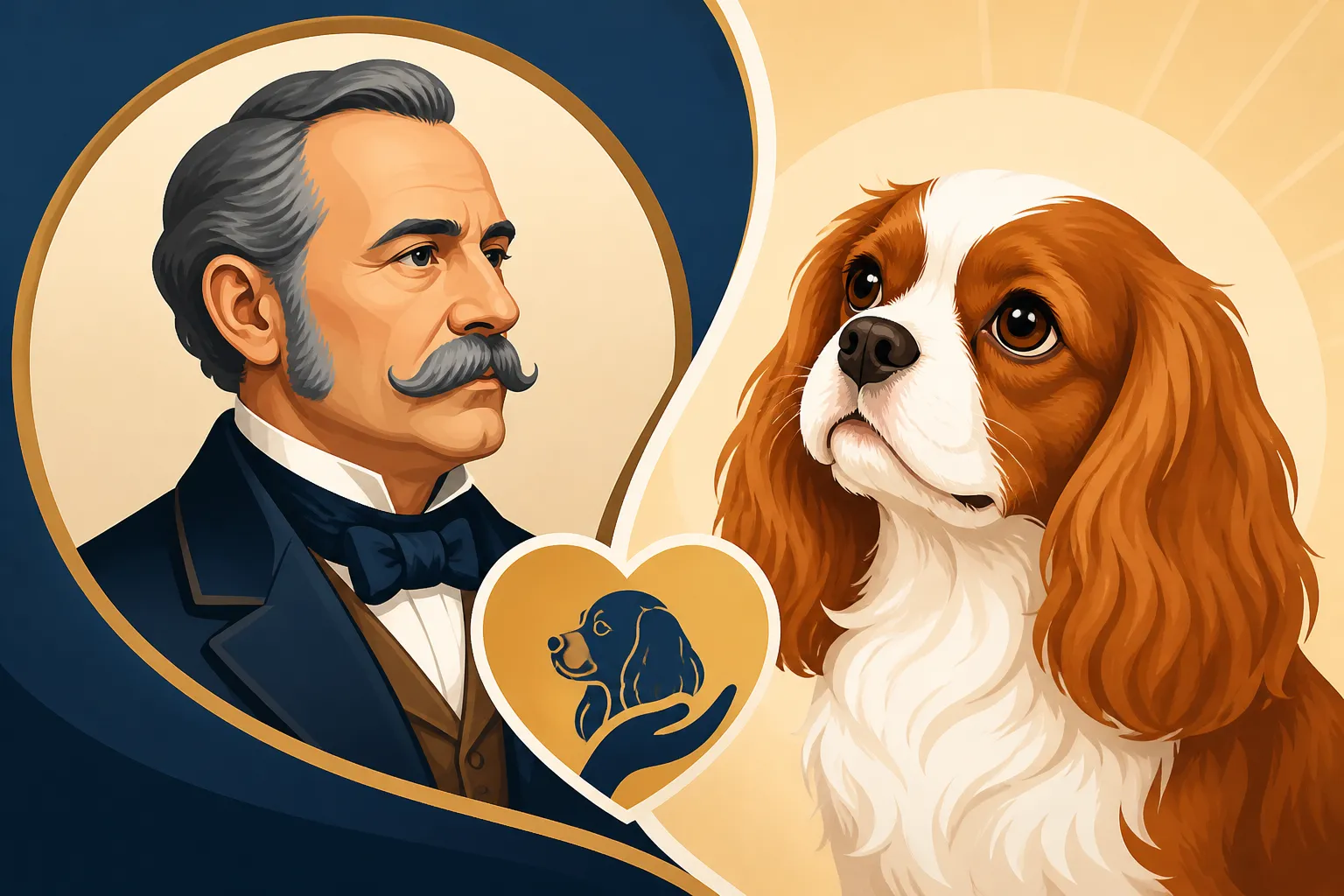
Who Roswell Eldridge Was to the Cavalier
We all love our Cavalier King Charles Spaniels, those sweet, gentle souls who seem to have stepped right out of a painting. But have you ever wondered how they truly came to be in their current form? It’s a story of passion, preservation, and one man’s unwavering vision in the face of changing fashions. Understanding who Roswell Eldridge was to the Cavalier helps us truly appreciate the unique history of our cherished companions and the remarkable journey to bring back a look many feared was lost forever.
The Shifting Sands of Spaniel Popularity Before Eldridge
Before we dive into Roswell Eldridge's monumental contribution, it's important to understand the landscape of toy spaniels in the early 20th century. The dogs descended from the beloved The Court Spaniels the Cavalier Descends From had undergone a significant transformation in the 1800s.
The Popularity Shift Towards Flat-Faced Breeds
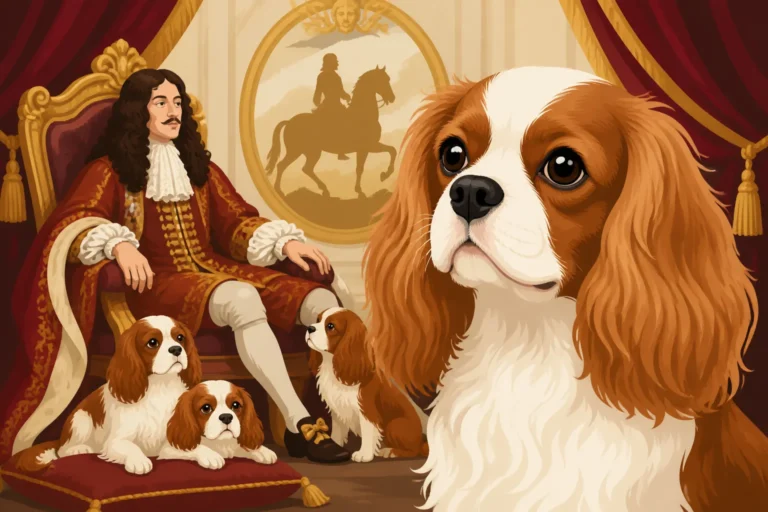
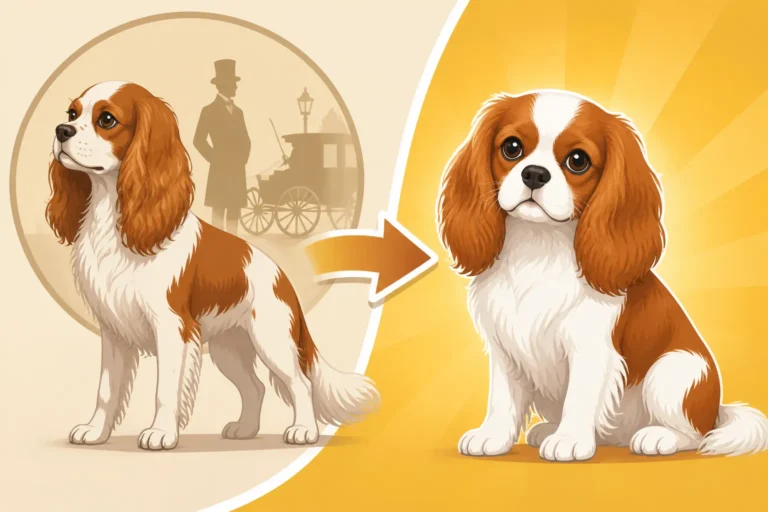
By the turn of the 20th century, the preference in dog breeding, particularly for companion breeds, had shifted dramatically. The original King Charles Spaniels, those long-nosed, flat-skulled dogs so famously depicted alongside their royal namesakes, had largely fallen out of favor. In their place, a new aesthetic had emerged: shorter muzzles, domed skulls, and more prominent eyes. This look was actively bred for, leading to the development of what became known as the English Toy Spaniel (or King Charles Spaniel in the UK, creating much of the historical confusion).
It's a common story in the world of purebred dogs – what's fashionable dictates breeding choices, and sometimes, a historical type can almost vanish. Imagine a beloved painting slowly being retouched and altered until the original subject is barely recognizable. That's essentially what was happening to the King Charles Spaniel. Many people at the time might not have even realized what was being lost, simply accepting the new, shorter-faced style as "progress" or the preferred look.
Losing the Muzzle and the Long Nose
The physical changes were profound. The longer, more elegant muzzle that allowed for better breathing and a distinct head profile was steadily shortened. The flat skull, a hallmark of the older type, became increasingly domed. These changes, driven by fashion and selective breeding, pushed the original King Charles Spaniel to the brink of extinction as a distinct type. If you were looking for a toy spaniel, what you would predominantly find were dogs with very short, almost pushed-in faces.
This alteration was not just about aesthetics; it also brought about certain conformational changes that would impact the health of future generations, though that was not fully understood at the time. The challenge, as Roswell Eldridge saw it, was that the very essence of the "King Charles Spaniel" as depicted in historical art and described by early enthusiasts was fading into memory. He deeply admired the elegance and unique charm of these dogs from an earlier era and simply couldn't bear to see their specific characteristics disappear entirely.
Roswell Eldridge's Vision and the Legendary Challenge
This is where Roswell Eldridge, an American dog fancier with a keen eye for history and a deep love for the older type of King Charles Spaniel, stepped onto the scene. He wasn't content to let a piece of canine history simply vanish.
A Reward for the "Old Type"
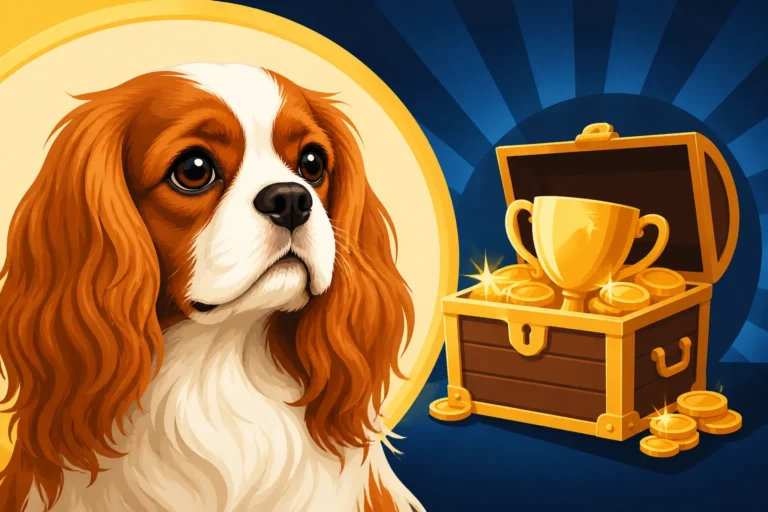
In 1926, Eldridge made a truly bold move that would change the course of the breed forever. He published an advertisement in the catalog for Crufts, the world-renowned dog show, offering a substantial prize. He offered 25 pounds sterling (a very significant sum at the time, equivalent to thousands of dollars today) for five consecutive years to the dog and bitch judged to be "of the old type of King Charles Spaniel." This wasn't just a casual interest; it was a deliberate, public challenge to the dog breeding community. You can delve into the specifics of The 1926 Advertisement That Revived the Cavalier to see just how impactful this single ad was.
Eldridge wasn't asking for just any King Charles Spaniel; he was specifically calling for a return to the dogs seen in the portraits from the time of Charles II, dogs with longer noses and flat skulls. He felt that the breed had deviated too far from its original form. His frustration was palpable: why had the breeders allowed such a distinct and beautiful historical type to be overshadowed by a different aesthetic? His prize wasn't just money; it was a plea for preservation, a beacon for those who also yearned for the return of the original King Charles Spaniel.
What the "Old Type" Entailed
Eldridge's advertisement didn't just offer money; it also laid out a clear description of what he was looking for. He described dogs with a longer muzzle, a relatively flat skull (as opposed to the domed head that had become fashionable), and eyes that were set normally, not overly prominent. This was the blueprint for what he considered The Old Type of Cavalier Eldridge Wanted Back. He wanted dogs that resembled their ancestors, those graceful companions depicted in the laps of royalty and gentry.
The breeders of the day, focused on the short-nosed English Toy Spaniels, initially found Eldridge's challenge puzzling, or even anachronistic. Why go backward? But Eldridge's vision was clear: he wasn't trying to create a new breed, but to resurrect an old one. His description was specific enough to guide those few dedicated individuals who shared his passion. This meticulous detail in The Cavalier Description Eldridge Put in Print proved crucial in laying the groundwork for the future Cavalier King Charles Spaniel. He recognized that without clear guidelines, even well-intentioned efforts could falter, and the distinct characteristics he sought could easily be misinterpreted.
The Slow but Sure Revival of the Cavalier
Eldridge's challenge didn't immediately spark a revolution, but it planted a seed that would eventually blossom into the breed we know and love today.
Initial Resistance and Gradual Acceptance
As often happens when challenging established norms, Eldridge's proposition initially met with a fair degree of resistance and skepticism. Many breeders were deeply invested in the short-faced English Toy Spaniel type and saw no reason to change direction. Others simply didn't believe enough of the "old type" dogs even existed to meet the challenge. It’s understandable; dog breeding is a labor of love, time, and significant investment, and altering course based on a single advertisement was a big ask. Some people even found the idea insulting to their current breeding programs. It's a classic example of Why Breeders Ignored the Cavalier Revival at First for a period.
However, a small but dedicated group of enthusiasts began to search. They scoured kennels, looking for dogs that still carried the traits Eldridge described. This was not an easy task, as these characteristics were no longer mainstream. It took patience and a deep belief in Eldridge's vision to seek out the scattered remnants of the longer-nosed spaniel. These early pioneers were truly committed to the historical accuracy and unique charm of the older type, recognizing that they were preserving a piece of living history.
Ann's Son and the Foundation of the Modern Cavalier
Among the dogs eventually brought forward to meet Eldridge’s challenge, one stands out: Ann's Son. This dog became a pivotal figure, a true embodiment of the "old type" Eldridge championed. Ann's Son, shown at Crufts, perfectly matched the description of the longer-nosed, flatter-skulled spaniel. He wasn't just a winner; he became an icon, demonstrating that these dogs still existed and could be brought back into prominence.
The success of Ann's Son and others eventually led to the formation of the Cavalier King Charles Spaniel Club in 1928, just two years after Eldridge's initial advertisement. This club was dedicated solely to preserving and promoting the "old type." They adopted the first breed standard, which was, naturally, heavily influenced by Eldridge's clear description and the physical traits exemplified by dogs like Ann's Son and the First Cavalier Standard. This official recognition was a crucial step, giving structure and direction to the nascent revival movement.
Distinguishing the Cavalier from the King Charles Spaniel
While Eldridge's prize money ceased with his death in 1928, the movement he started continued to gain momentum. Breeders worked tirelessly to consistently produce dogs that met the new (or rather, old) standard. Eventually, it became clear that these longer-nosed dogs were distinct enough from the existing short-nosed King Charles Spaniels to warrant separate recognition. This led to the official split, with the longer-nosed variety becoming the Cavalier King Charles Spaniel.
This separation was vital because it allowed both types of spaniel to thrive without genetic mixing or confusion over breed standards. The key distinguishing features were primarily the head structure: The Cavalier's Longer Muzzle and Flatter Skull compared to the domed head and shorter face of the King Charles Spaniel. It ensured that Roswell Eldridge's vision for a distinct, historically accurate spaniel could be maintained and developed independently. This formal recognition marked a true turning point, solidifying When the Cavalier Became a Separate Breed.
The Enduring Legacy and Modern-Day Cavaliers
Roswell Eldridge may have passed away shortly after initiating his grand experiment, but his legacy lives on in every Cavalier King Charles Spaniel we see today.
A Breed Reborn, but Not Without Challenges
The story of the Cavalier King Charles Spaniel is a triumph of breed preservation, directly attributable to Eldridge's foresight and generosity. He effectively engineered the comeback of a cherished historical dog. However, the journey didn't end there. Like many purebred dogs, Cavaliers face specific health challenges, something that dedicated breeders and owners are constantly working to address. The Health Debate Around Breeding Cavaliers is an ongoing conversation within the community.
Modern Cavalier owners are incredibly proactive about their dogs' health, seeking out veterinary specialists and ensuring their pets receive the best possible care. This includes carefully chosen nutrition, regular exercise, and prompt medical attention when needed. For instance, many owners routinely order specialized foods, supplements, or even grooming supplies suited for their Cavalier's specific needs from convenient online retailers like Chewy, ensuring their beloved companions are as comfortable and healthy as possible.
How Eldridge's Vision Shaped Today's Companion
Every time a Cavalier owner gazes at their dog's gentle, expressive eyes and admires its flowing coat and distinct muzzle, they are, in a way, looking at Roswell Eldridge's enduring contribution. He didn't just bring back a breed; he helped ensure that a piece of canine history, a living link to the past, could continue to grace our homes and hearts. His love for the "old type" was so strong that he put his money where his heart was, directly influencing generations of breeders and setting the stage for the Cavalier's journey to becoming one of the most beloved companion dogs in the world.
Today, whether you're welcoming a new Cavalier puppy into your home and stocking up on essentials from Chewy, or simply enjoying a quiet evening with your senior dog, remember that the specific charm and appearance you adore were painstakingly brought back from the brink, all thanks to one man's dedicated vision.
The table below provides a quick overview of the key milestones in the Cavalier's revival:
| Year | Event | Significance |
|---|---|---|
| Early 1900s | English Toy Spaniel's Popularity Surges | Longer-nosed King Charles type starts to fade |
| 1926 | Roswell Eldridge's Crufts Advertisement | Offers prize for "old type" King Charles Spaniels |
| 1928 | Cavalier King Charles Spaniel Club Formed | Dedicated to promoting and breeding the revived type |
| 1928 | First Breed Standard Adopted | Based on Eldridge's desired characteristics |
| 1945 | Separate Breed Recognition in the UK | Formal separation from the King Charles Spaniel |
| 1950s | Cavaliers Arrive in the United States | Foundation for the American breed club and AKC recognition |
Disclaimer
This article is for general informational purposes only and does not constitute professional advice. Laws, prices and regulations vary by location and change over time. Consult a qualified professional for guidance on your specific situation.