The Cavalier Description Eldridge Put in Print
Understanding the origins of your beloved Cavalier King Charles Spaniel often means looking back in time to the early 20th century, a period when the "old type" of these charming little dogs was on the brink of vanishing. This guide delves into the crucial description penned by Roswell Eldridge, a wealthy American, whose passion not only rescued the breed from obscurity but also fundamentally shaped the Cavalier we know and love today.
The Historical Quest for the "Old Type" Cavalier
Imagine a time when the delightful little spaniels adored by royalty like King Charles II had undergone a significant transformation. By the early 1900s, the breed, then commonly known as the King Charles Spaniel (or English Toy Spaniel in the US), had evolved considerably, largely due to breeding trends favoring a much shorter nose and a domed skull, reminiscent of Pugs and other brachycephalic breeds. This new look, while fashionable, drifted far from the long-nosed, flatter-headed dogs seen in historical paintings. It was a change that saddened many who cherished the original appearance, but few had the means or the conviction to do anything about it.
Who Was Roswell Eldridge and Why Did He Care?
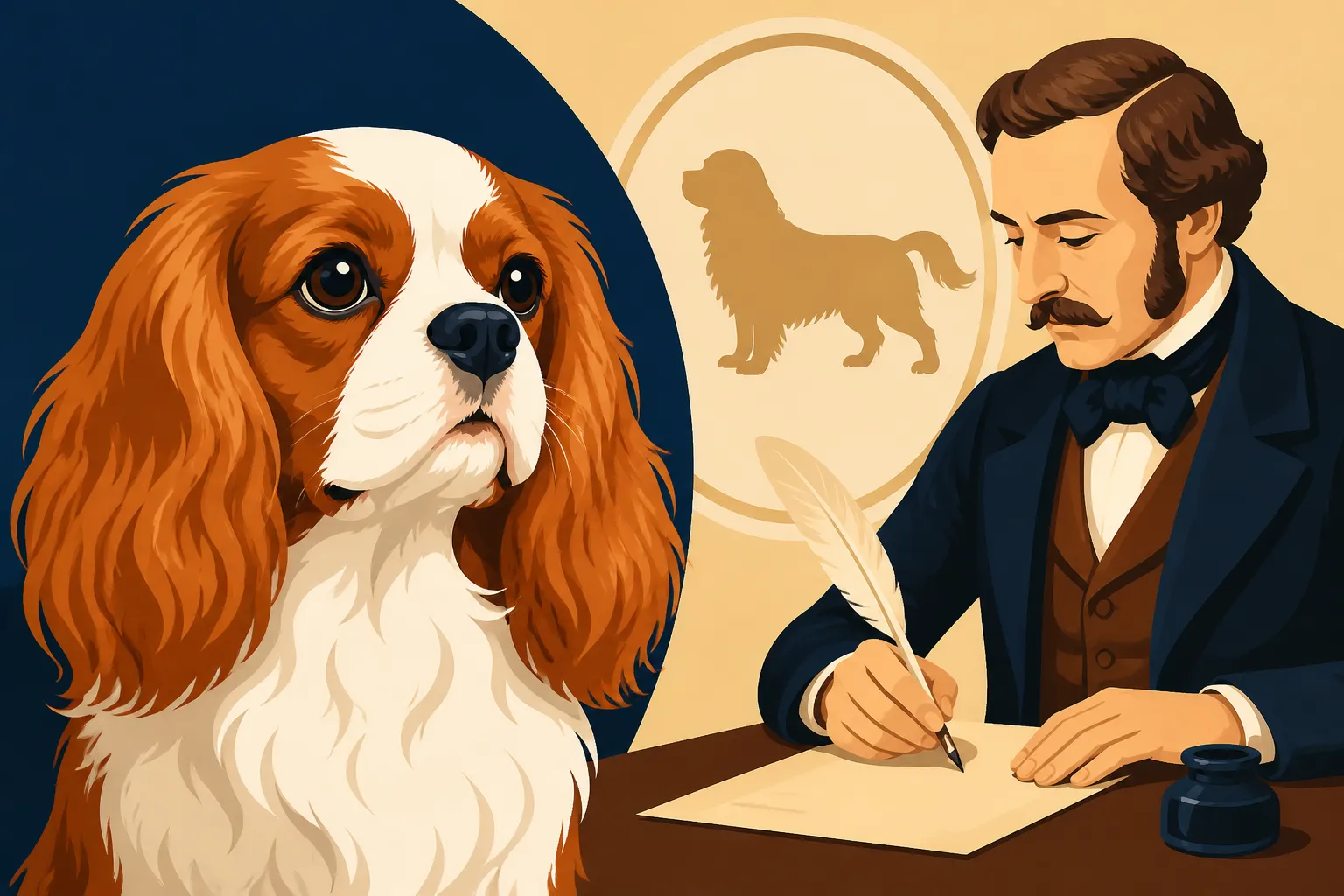
Roswell Eldridge was an American art collector and enthusiast who traveled to England in 1926, attending the Crufts dog show – a massive event for dog lovers. He observed the King Charles Spaniels being shown and realized that the "old type" he admired from 17th and 18th-century paintings was almost entirely gone. He saw the shift away from the dogs depicted alongside King Charles II and felt a deep desire to reverse this trend. Eldridge wasn't just a casual observer; he was a man with a vision and the resources to back it up. He understood that without a clear directive and a strong incentive, breeders would likely continue on the path they were on, and the long-muzzled, flat-skulled spaniel would be lost forever. His concern wasn't just aesthetic; he saw a piece of history disappearing.
The Shift in King Charles Spaniel Appearance
To truly appreciate Eldridge's intervention, it helps to understand what the King Charles Spaniel looked like before and during his time. Over the centuries, these dogs, originally valued for their companionship and rodent-catching abilities, underwent various selective breeding phases. By the Victorian era, breeders began to favor dogs with extremely short, pushed-in faces, prominent domed heads, and large, round eyes. This "new type" was distinctly different from the long-nosed dogs often depicted in historical art, a characteristic that had been bred out in favor of the more fashionable, 'toy' dog appearance.
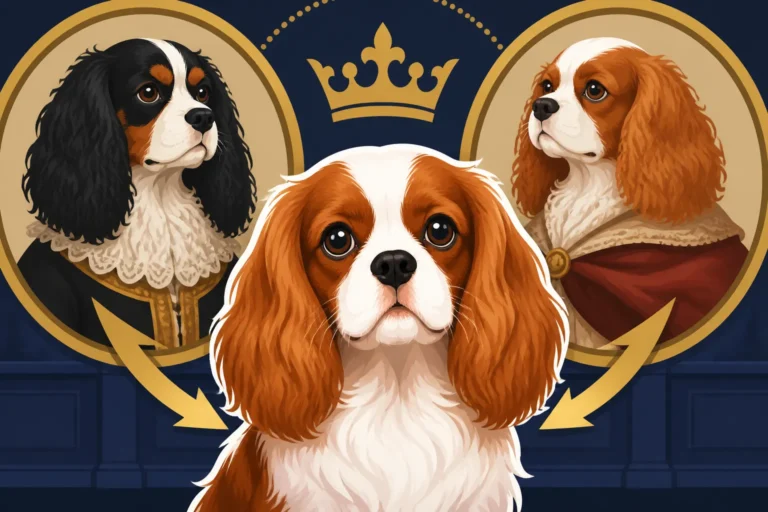
Think of it this way: if you were to look at a portrait from the court of King Charles II, you'd see a small spaniel with a relatively flat skull and a noticeable, albeit short, muzzle. Fast forward to the early 20th century, and the prevailing King Charles Spaniel had a head that resembled a small dome, with a barely perceptible muzzle, almost flat to its face. This transformation was a deliberate breeding choice, but it also meant losing some of the defining features that many associated with the breed's rich heritage. It's the kind of thing that makes you scratch your head and wonder how a breed can change so much over time. This evolution ultimately led to the official split between the King Charles Spaniel (English Toy Spaniel) and the Cavalier King Charles Spaniel, a fascinating story explored further in Why the Cavalier Split From the King Charles Spaniel.
Eldridge's Defining Advertisement and Its Key Points
Frustrated by the absence of the dogs he sought, Roswell Eldridge decided to take matters into his own hands. He didn't just complain; he acted. At the 1926 Crufts show, he placed a powerful advertisement in the catalogue, one that would echo through the history of the breed and directly lead to the Cavalier we cherish today. This wasn't just a classified ad; it was a rallying cry for a forgotten ideal.
The Specific Traits Eldridge Sought
Eldridge's advertisement was specific, clear, and unambiguous. He offered prize money for the "best dog and bitch of the old type King Charles Spaniel, as shown in the pictures of Charles II's time, long face, no stop, flat skull, not inclined to be domed, and with a spot in the centre of the skull." This description was revolutionary because it directly challenged the prevailing breed standards of the time.
Let's break down those key phrases:
- "Long face" / "Long muzzle": This was a direct counter to the fashion for very short, almost absent muzzles. He wanted a dog whose face had definite length, allowing for proper breathing and the classic soft expression. This is a characteristic that defines The Cavalier's Longer Muzzle and Flatter Skull today.
- "No stop": The "stop" is the indentation between the eyes, where the muzzle meets the forehead. A pronounced stop was characteristic of the "new type." Eldridge wanted a smooth, gentle incline from the forehead to the nose, much like many working spaniels.
- "Flat skull, not inclined to be domed": This was another critical point. The fashionable King Charles Spaniel had a distinctly domed head. Eldridge was looking for a skull that was flatter on top, without the pronounced curve.
- "With a spot in the centre of the skull": This refers to the "Blenheim Spot" or "Kiss of Buddha," a thumb-shaped chestnut mark often found on the white blaze of a Blenheim Cavalier's forehead. While not strictly a structural trait, it was a romantic nod to the historical Blenheim Spaniels and was a clear indicator of the specific lines he wished to promote.
These precise instructions gave breeders a tangible goal. It wasn't about subjective beauty; it was about measurable physical characteristics that aligned with historical depictions.
The Financial Incentive and its Impact
Eldridge didn't just offer an opinion; he offered a compelling reason for breeders to listen: money. He promised a cash prize of £25 each for the best dog and bitch conforming to his description, to be awarded at Crufts for five years. In the 1920s, £25 was a substantial sum, enough to make breeders sit up and pay attention. This financial incentive was crucial because it motivated breeders to actively seek out and breed dogs that embodied these forgotten traits, even if it meant going against the dominant show ring trends.
The prize money acted as a catalyst. While initially, few dogs truly met the description, the consistent offering of the prize encouraged serious breeders to look for older lines, to selectively breed for these characteristics, and to begin laying the groundwork for what would eventually become the Cavalier King Charles Spaniel breed. It was a clear demonstration that he was serious about this revival, and it lit a fire under those who shared his vision. If you've ever tried to find specific items or even food for your Cavalier, like a unique toy or a special diet from Chewy, you know how powerful a direct request and a clear incentive can be!
From Advertisement to Breed Standard: How the Description Evolved
Roswell Eldridge's initial advertisement in 1926 was merely the spark. The real work began as a small group of dedicated breeders took up his challenge, scouring old pedigrees and making careful breeding choices to resurrect the "old type." This wasn't an overnight success; it was a meticulous, multi-year endeavor.
Early Breeders Embracing the Vision
The initial response to Eldridge's challenge was understandably limited. Most King Charles Spaniels of the era didn't fit his description. However, a small, dedicated group of breeders, already feeling a similar nostalgia for the historical spaniels, rose to the occasion. They began to select dogs with longer muzzles and flatter skulls from existing lines, often those not favored in the mainstream show ring. These early pioneers faced skepticism, even ridicule, from those who championed the short-nosed variety.
It took time, patience, and careful planning. The earliest dogs to win Eldridge's prize were often still a compromise, but they represented a clear step in the right direction. One notable early winner was a dog named Ann's Son, whose characteristics greatly influenced the development of the breed. You can learn more about this foundational dog in Ann's Son and the First Cavalier Standard. These breeders were not just chasing prize money; they were driven by a genuine passion to restore a historical breed and ensure its future. They knew they were laying the groundwork for something truly special.
The Lasting Legacy of Eldridge's Words
Although Roswell Eldridge passed away in 1928, before his five-year prize period was complete, his vision lived on. His explicit written description became the de facto blueprint for the nascent breed. By 1945, the Kennel Club in the UK officially recognized the "Cavalier King Charles Spaniel" as a separate breed, distinguishing it definitively from the existing King Charles Spaniel. The name "Cavalier" was chosen to harken back to the Royalist supporters of King Charles I during the English Civil War, a group famously devoted to their spaniels.
Eldridge's description, with its emphasis on a longer muzzle and flat skull, directly informed the first official breed standard for the Cavalier King Charles Spaniel. This standard, which has seen minor refinements over the years, still echoes his original words. It means that every time a judge assesses a Cavalier in the show ring, or when a breeder plans a litter, they are indirectly referencing the vision of Roswell Eldridge. His dedication ensured that the characteristics we adore in Cavaliers today – their sweet, soft expression, their ability to breathe easily, and their classic profile – were preserved and codified. It's truly a testament to how one person's foresight can change the course of an entire breed's history. When you look at the official The AKC Standard for the Cavalier King Charles Spaniel, you can almost hear Eldridge's words resonating through the lines.
Why Eldridge's Vision Was So Important for Cavalier Health
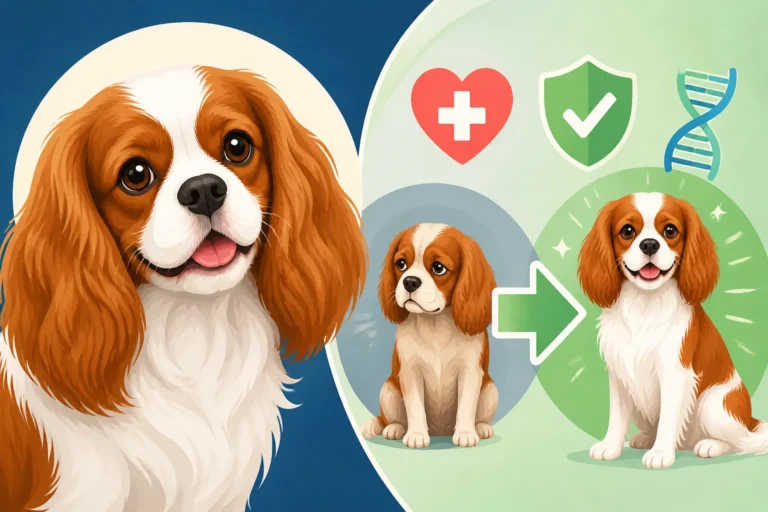
Beyond aesthetics and historical accuracy, Eldridge's insistence on specific physical traits had profound, albeit perhaps unintended, implications for the long-term health of the Cavalier King Charles Spaniel. His preference for a longer muzzle and flatter skull was a subtle but crucial departure from the brachycephalic (short-nosed) features that had become popular, and these choices offered certain advantages.
Avoiding the Pitfalls of Extreme Brachycephaly
The "new type" King Charles Spaniels, with their extremely flattened faces, often faced significant health challenges. Brachycephalic breeds are prone to a host of respiratory issues, including Brachycephalic Obstructive Airway Syndrome (BOAS), due to their compressed upper airways. They can struggle to breathe, especially in heat or during exertion, and are more susceptible to overheating. Their anatomy can also lead to dental problems, with crowded teeth in a too-small jaw, and eye issues such as proptosis (eyeball bulging) or corneal ulcers due to their prominent eyes.
By advocating for a longer muzzle, Eldridge was essentially pushing for a healthier respiratory structure. A longer muzzle means more space for airways, better cooling mechanisms (as dogs cool themselves by panting), and generally fewer breathing difficulties. It also provides a better foundation for the eyes, reducing some of the risks associated with extreme prominence. While Cavaliers can still experience some brachycephalic tendencies, especially if bred without careful attention to muzzle length, Eldridge's early directive undoubtedly mitigated some of the more severe issues seen in their shorter-faced cousins. Even when looking for simple things like puzzle feeders or dental chews on Chewy, considering a Cavalier's mouth structure helps inform decisions.
Impact on Skull Structure and Neurological Health
Eldridge's call for a "flat skull, not inclined to be domed" was also prescient. While he likely didn't understand the neurological implications at the time, we now know that a domed skull, especially one disproportionate to the brain size, can contribute to serious conditions like Syringomyelia (SM) and Chiari Malformation (CM). Why a Cavalier Skull Is Too Small for Its Brain explains this complex issue in detail. These conditions involve the brain being too large for the skull, leading to herniation and fluid-filled cavities within the spinal cord, causing severe pain and neurological deficits.
While Cavaliers still face significant challenges with CM and SM, Eldridge's early emphasis on a flatter skull, rather than the domed variety, set the breed on a path that, ideally, would reduce skull compression. It steered the breed away from an extreme anatomical feature that, in other breeds, has been directly linked to neurological disease. His descriptive words, intended for outward appearance, had a ripple effect on the internal structure, making the breed's eventual path to health slightly less arduous than it might have been otherwise. It’s a remarkable piece of serendipitous foresight that truly benefited the breed.
| Trait | Eldridge's "Old Type" Vision | Contemporary King Charles Spaniel (Early 1900s) | Modern Cavalier King Charles Spaniel |
|---|---|---|---|
| Muzzle Length | Long face, distinct muzzle | Very short, "pushed-in" muzzle | Moderate length, tapering muzzle |
| Stop | No stop (gentle incline) | Pronounced stop | Moderate stop (gentle incline) |
| Skull Shape | Flat skull, not domed | Domed skull | Flat between ears, gently rounded |
| Eyes | Normal eye set | Large, prominent, sometimes bulging | Large, dark, round, but not prominent |
| Blenheim Spot | Sought specifically in Blenheims | Less emphasis on specific markings | Cherished in Blenheims, but not mandatory |
| General Expression | Sweet, gentle | Sometimes "pained" or "bug-eyed" due to extreme features | Sweet, soft, melting expression |
How You Can Honor Eldridge's Legacy in Your Cavalier
Today, as Cavalier owners, we continue to benefit from Roswell Eldridge's vision. His detailed description laid the foundation for the breed's standard and, in many ways, for its health. As guardians of these wonderful dogs, we have a role to play in upholding that legacy.
Supporting Ethical Breeding Practices
One of the most significant ways to honor Eldridge's initial quest is to support breeders who are dedicated to the health and welfare of their Cavaliers, adhering to the breed standard that his description inspired. This means seeking out breeders who prioritize comprehensive health testing, not just for heart disease (which is rampant in the breed) but also for Syringomyelia, eyes, and hips. Responsible breeders will be transparent about their dogs' health clearances, like those detailed in The Heart Testing a Cavalier Breeder Must Do or The Cavalier MVD Breeding Protocol.
Ask to see MRI scans for Syringomyelia, cardiac clearances from board-certified cardiologists, and ophthalmologist reports. A good breeder isn't just selling a puppy; they're upholding a legacy of health and proper conformation. They understand that a Cavalier's structure contributes to its quality of life, including its ability to breathe comfortably and move without pain. When researching breeders, look for those who are actively trying to improve the breed's health, rather than just perpetuating popular lines without critical health considerations.
Understanding and Advocating for Cavalier Health
Beyond breeding, understanding the common health challenges that still face Cavaliers is key. Even with Eldridge's influence towards a healthier structure, genetic predispositions remain. Mitral Valve Disease in the Cavalier King Charles Spaniel is a prime example of a challenge the breed faces. Early awareness of conditions like MVD, Syringomyelia, and Episodic Falling Syndrome, and their symptoms, allows you to advocate effectively for your dog's health with your veterinarian. Being informed helps you ask the right questions and ensure your Cavalier receives the best possible care.
Regular veterinary check-ups are paramount, and proactive screening can make a huge difference in managing potential health issues. For instance, knowing The Age a Cavalier Murmur Usually Appears can help you stay vigilant. Always ensure your vet conducts a thorough cardiac auscultation, and if a murmur is detected, a referral to a veterinary cardiologist for an echocardiogram is highly recommended. For any neurological symptoms like phantom scratching or neck pain, exploring an MRI scan, as outlined in What a Cavalier MRI Scan Costs and Shows, could be life-changing. Empowering yourself with knowledge is the best way to be a responsible Cavalier owner.
Appreciating the Cavalier's Unique Traits
Finally, simply appreciating your Cavalier for the wonderful dog it is, a direct result of Eldridge's dedicated effort, is a way to honor his contribution. Their sweet, gentle nature, their eager-to-please attitude, and their beautiful, silky coats are all part of the package. Provide them with a loving home, a balanced diet (perhaps from a selection on Chewy designed for small breeds), regular exercise that respects their capabilities, and plenty of companionship.
The Cavalier King Charles Spaniel is a breed known for its adaptability and its devotion to its family. Whether they're curled up on your lap, accompanying you on a gentle walk, or simply gazing up at you with those soulful eyes, they embody the companionable spirit that Eldridge admired centuries ago. By recognizing the historical efforts that shaped this breed, we gain a deeper appreciation for the unique characteristics that make Cavaliers such cherished members of our families.
Disclaimer
This article is for general informational purposes only and does not constitute professional advice. Laws, prices and regulations vary by location and change over time. Consult a qualified professional for guidance on your specific situation.