Whether a Cavalier Copes on Two Short Walks
It’s a common scenario for many busy Cavalier King Charles Spaniel owners: you’re juggling work, family, and life, and you wonder if the two short walks you manage each day are truly enough to keep your sweet, devoted companion happy and healthy. This guide will dive deep into a Cavalier's exercise requirements, explore the nuances of what "enough" really means, and offer realistic ways to ensure your furry friend thrives, even with a demanding schedule.
The Cavalier's Exercise Needs: More Than Just a Walk
When you look at a Cavalier King Charles Spaniel, you see an adorable, cuddly lap dog, right? It’s easy to assume their exercise needs are minimal – a quick potty break, a leisurely stroll, and then back to the sofa for snuggles. And while they certainly excel at the art of snuggling, there’s a deeper, more active side to their nature that often gets overlooked. These dogs are spaniels, after all, bred for companionship, yes, but also for flushing birds and being active companions. That heritage means they have an innate desire for engagement that goes beyond just a couple of short leash walks.
Understanding the Cavalier's Energy Level
Many people are surprised to learn that beneath that calm, gentle exterior, a Cavalier has the heart of a little sporting dog. Their ancestors were active hunters, even if they mostly served as foot-warmers and comforters for royalty. This dual nature means that while they can adapt beautifully to a quieter, indoor lifestyle, they still possess a surprising amount of energy and curiosity. A young Cavalier, especially, can have bursts of puppy exuberance, tearing around the house or yard. Even an adult Cavalier, if healthy, often enjoys a brisk walk, a good game of fetch, or a session of chasing squirrels in the park.
Their energy isn't typically high-octane like a Border Collie, but it's consistent. They thrive on routine and benefit from activities that engage both their body and their mind. Some Cavaliers are naturally more laid-back than others, preferring to be a "velcro dog" at your side. Others might be more adventurous, eager to explore every new smell. It’s important to observe your own Cavalier's unique personality and energy level, as what works for one might not be ideal for another. They are individuals, and their needs will reflect that.
The Importance of Mental Stimulation
Physical exercise, like walking, is crucial for a Cavalier's health, but it's only one piece of the puzzle. Just like humans, dogs need mental stimulation to prevent boredom, reduce stress, and promote overall well-being. A dog that is physically tired but mentally under-stimulated can still exhibit behavioral issues. Think of it this way: you might be exhausted after a long day of physical labor, but if your brain hasn't been engaged, you might still feel restless or unfulfilled.
For a Cavalier, mental stimulation can come in many forms. This might include short training sessions where they learn new tricks, puzzle toys that dispense treats, or even simple scent games around the house. Hiding treats and encouraging them to find them (a "sniffari" indoors!) can be incredibly rewarding and tiring for a dog. Interactive toys you can find at places like Chewy that require them to figure out how to get a reward are excellent. These activities tap into their natural instincts and satisfy their innate curiosity, burning mental energy in a way that physical exercise alone cannot. Incorporating even just 10-15 minutes of dedicated mental play or training each day can make a huge difference in their contentment.
What "Short Walk" Really Means
The term "short walk" can be very subjective. For some, it might mean a quick five-minute trip to the end of the driveway and back for a potty break. For others, it could be a twenty-minute stroll around the block. When we talk about whether a Cavalier "copes" on two short walks, we need to define what those walks entail.
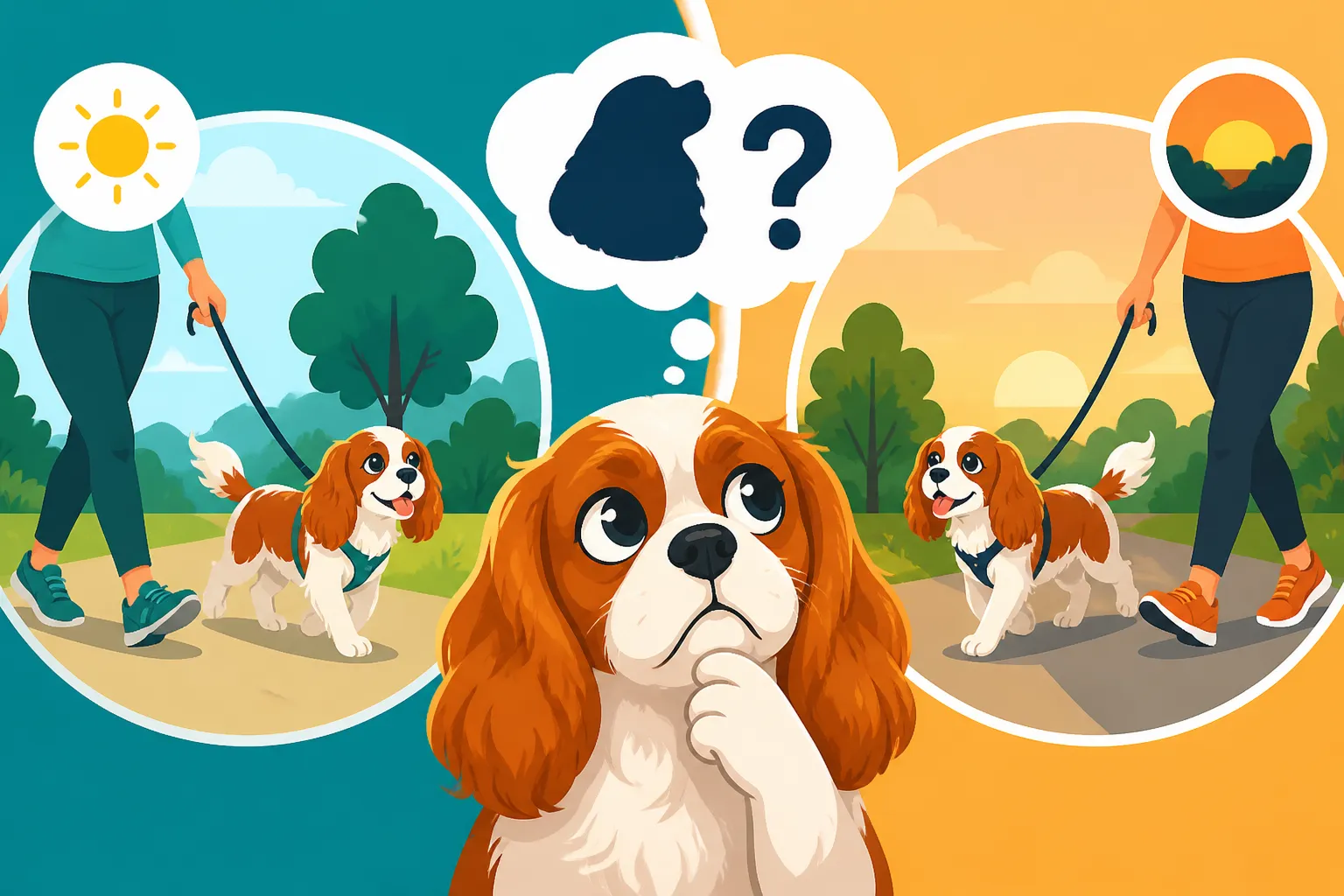
A true "short walk" for a Cavalier should ideally be more than just a functional potty break. It should offer opportunities for sniffing, exploring, and engaging with the world, even if it's just your neighborhood. A 15-20 minute walk where your Cavalier can really sniff lampposts, investigate interesting patches of grass, and greet a friendly neighbor (if they're a social butterfly) is far more enriching than a rushed five-minute dash. If your two "short walks" are genuinely brief, purely functional trips, then it's highly likely your Cavalier isn't getting enough. However, if those two walks each offer a solid 15-20 minutes of active exploration and movement, then they form a much better foundation, especially when combined with other forms of activity.
The Downsides of Insufficient Exercise for a Cavalier
Under-exercising a Cavalier, while seemingly benign due to their smaller size and perceived "lap dog" nature, can lead to a cascade of problems. It's not just about keeping them physically fit; it's about their entire well-being. Ignoring their need for activity can manifest in ways that are frustrating for you and detrimental to them.
Physical Health Ramifications
One of the most immediate and visible consequences of insufficient exercise is weight gain. Cavaliers are notoriously good eaters, and their small stature means that even a few extra pounds can put significant strain on their bodies. Obesity exacerbates existing health conditions and can even trigger new ones. For a breed already prone to Mitral Valve Disease in the Cavalier King Charles Spaniel, maintaining a healthy weight is paramount. Extra weight means their heart has to work harder, accelerating the progression of heart disease.
Beyond their heart, inadequate exercise can also affect their joints. Cavaliers are susceptible to conditions like Cavalier Knees, Hips and Joint Problems, and while genetic predisposition plays a huge role, weak muscles and excess weight due to inactivity certainly don't help. Imagine trying to move around with aching joints while carrying an extra backpack of bricks – that’s what it can feel like for an overweight Cavalier. Regular, moderate exercise helps to strengthen muscles supporting the joints, maintain flexibility, and keep their metabolism humming. Without it, you might find your Cavalier struggling more on walks or becoming more prone to injury.
Behavioral Challenges
A bored Cavalier is often a mischievous Cavalier. When their physical and mental energy isn't properly channeled, they'll find their own outlets, and those often aren't behaviors we appreciate. Common behavioral issues stemming from lack of exercise and mental stimulation include:
- Destructive Chewing: Those beautiful sofa legs or your favorite pair of shoes become prime targets when a Cavalier has pent-up energy and nothing better to do. Chewing is a natural stress reliever and boredom buster for dogs.
- Excessive Barking: A Cavalier who barks at every leaf blowing past the window or every sound in the hallway might simply be signaling boredom or frustration. They might also be seeking attention, knowing that barking usually gets a reaction. Why a Cavalier Announces Everyone Who Walks Past is often tied to this, as they look for ways to engage.
- Anxiety and Restlessness: You might notice your Cavalier pacing, whining, or generally seeming unsettled. This restlessness isn't a sign of naughtiness; it's a sign they need an outlet.
- Increased Separation Anxiety: While Cavaliers are often predisposed to being "velcro dogs," a lack of stimulating activity can worsen separation anxiety. A dog that is truly tired and content is more likely to settle calmly when left alone, whereas an under-stimulated dog might fret and panic. Living With a Cavalier That Panics When Alone covers this in more detail.
These behaviors aren't about a "bad dog"; they're about an unmet need. Addressing the root cause, which often involves adjusting their activity levels, is far more effective than trying to simply punish the symptoms.
Impact on Overall Well-being and Lifespan
Ultimately, consistent lack of appropriate exercise affects a Cavalier's overall quality of life and can even impact their Cavalier Lifespan and What Cuts It Short. A dog that is physically healthy and mentally engaged is a happy dog. They have better muscle tone, stronger immune systems, and are more resilient to stress. Conversely, a Cavalier that is sedentary and bored is more prone to health issues, both physical and mental.
They might become withdrawn, less playful, or develop a dull coat. Their zest for life diminishes. While genetics and veterinary care play significant roles, the daily choices we make about their activity and engagement are critical determinants of how vibrantly they live and how long they stay healthy by our sides. Providing a stimulating environment and sufficient exercise isnates not just about preventing problems, but about actively fostering a joyful and fulfilling life for your Cavalier.
Creative Ways to Meet a Cavalier's Needs Beyond Long Hikes
Let's be real: not everyone has the time or ability to take their Cavalier on hour-long treks through the wilderness every day. Life happens. But that doesn't mean your Cavalier has to suffer! There are so many wonderful, creative ways to ensure your furry friend gets the exercise and mental stimulation they need, even if your walks are genuinely "short." The trick is to think beyond just leash walking and embrace a broader definition of activity.
Incorporating Play and Training into Daily Routines
The beauty of Cavaliers is that they are generally eager to please and love spending time with their humans. This makes them fantastic candidates for incorporating play and training into short bursts throughout the day. You don't need a dedicated hour; five to ten minutes here and there can add up to a significant impact.
Consider indoor games:
- Fetch or Tug: Even in a small living room or hallway, a quick game of fetch with a soft toy can get their heart rate up and release some energy. Tug-of-war is another great way to engage them physically and mentally, teaching them impulse control if you ask for "drop it."
- Hide-and-Seek: This is a fantastic mental exercise. Have your Cavalier 'stay' (or have someone hold them) while you hide in another room. Call their name and reward them with praise and a treat when they find you. This hones their listening skills and sense of smell.
- Puzzle Toys and Snuffle Mats: These are brilliant for independent mental stimulation. Fill a Kong with peanut butter or wet food and freeze it for a longer-lasting challenge, or hide kibble in a snuffle mat for a satisfying scent-work session. Chewy offers a wide range of these, suitable for various challenge levels. These are perfect for when you're busy with dinner or working from home.
- Short Training Sessions: Dedicate a few minutes, several times a day, to practice basic commands like sit, stay, down, or come. You can also teach them fun new tricks like 'spin' or 'shake a paw'. Keeping a Cavalier Focused in a Short Session is key here. The mental effort required for learning is surprisingly tiring for dogs, and it strengthens your bond.
Exploring Alternative "Outings"
While traditional walks are great, they're not the only way to get your Cavalier out and about. Sometimes, a change of scenery or a different kind of activity can be even more enriching.
- Garden Time with a Purpose: If you have a secure yard, don't just let them out to wander aimlessly. Turn it into an adventure! Hide treats for them to find, play a short game of fetch, or simply sit with them and let them explore new smells. Supervision is key to ensure they don't get into anything harmful or try to escape.
- "Sniffaris" in New Locations: Sometimes, a new environment, even if it's not a long walk, offers a wealth of sensory input. Taking your Cavalier to a friend's house, a quiet pet-friendly store, or even just a different block in your neighborhood can provide a fresh array of smells and sights that are incredibly stimulating. Let them sniff to their heart's content; their nose is their window to the world.
- Car Rides (if enjoyed): For some Cavaliers, a short car ride can be a delightful outing, especially if it leads to a fun destination like a park or even just a drive-thru for a "puppuccino." Just ensure they are safely restrained with a seatbelt harness or in a secure crate.
- Social Visits: If your Cavalier is well-socialized, visiting friends or family (who are dog-friendly, of course!) can be a wonderful form of mental and social engagement. They get to meet new people, explore a different house, and enjoy novel experiences.
Enlisting Help and Resources
There's no shame in admitting you need a little help! Many people rely on external resources to ensure their Cavaliers are well-exercised and happy.
- Dog Walkers: If your schedule is unpredictable or you're simply too busy on some days, hiring a professional dog walker, even just a few times a week, can be a game-changer. A good walker will ensure your Cavalier gets a proper outing, not just a quick break. They can also provide a midday break that helps with Building a Cavalier's Tolerance for Being Left.
- Doggy Daycare: For social Cavaliers, a few hours at a reputable doggy daycare can provide ample exercise, mental stimulation, and socialization. Make sure to choose a daycare that understands small breeds and has separate play areas if needed. This isn't for every Cavalier, especially those prone to anxiety, but for others, it's a blast.
- Friends, Family, or Neighbors: Don't hesitate to ask a trusted friend or family member if they'd be willing to take your Cavalier for an extra walk or play session occasionally. It could be a mutually beneficial arrangement, especially if they love dogs but can't commit to full-time ownership.
- Pet Sitters: If you travel, finding a pet sitter who understands the unique needs of a Cavalier, especially concerning their activity levels and potential for separation anxiety, is crucial. They can help maintain your routine. Pet Sitters Who Can Give Cavalier Medication would be an important consideration for many.
By combining these creative approaches, you can easily exceed the baseline of "two short walks" without needing to carve out huge blocks of time, ensuring your Cavalier remains a joyful, well-adjusted member of your family.
Tailoring Exercise to Your Cavalier's Age and Health
Just like people, a Cavalier's exercise needs aren't static; they evolve throughout their life. What's perfect for a bouncing puppy might be too much for a wise senior, and a dog with health concerns will have very different requirements than a perfectly healthy one. Understanding these shifts and knowing how to adjust is key to providing optimal care.
Puppy Energy vs. Senior Slowness
Cavalier puppies are bundles of boundless energy, often engaging in zoomies and enthusiastic play sessions. Their bodies are still developing, however, so while they need frequent bursts of activity and socialization, it’s crucial to avoid over-exercising them. Long, strenuous walks or repetitive jumping can put undue stress on their growing joints, potentially contributing to problems later in life. Short, frequent play sessions, exploring new safe environments, and lots of gentle socialization are ideal. Think multiple short bursts of activity rather than one long, intense period. Walk Length for a Cavalier With a Murmur doesn't apply to a puppy, but the principle of moderation is key for growing joints.
As Cavaliers mature into adulthood (typically around 1-2 years), their energy levels tend to stabilize. They still enjoy walks, playtime, and mental challenges, but their overall intensity might mellow slightly. This is when you can really establish a consistent routine that includes a good balance of physical and mental stimulation.
Then comes the golden years. As a Cavalier ages, usually past eight or nine years old, their stamina naturally decreases. They might develop arthritis, muscle weakness, or start showing signs of Mitral Valve Disease in the Cavalier King Charles Spaniel. Their walks might become shorter and slower, and they might prefer more frequent, gentle strolls over one long outing. Caring for a Cavalier Past Nine involves recognizing these changes. Mental stimulation remains incredibly important, perhaps even more so, as physical activity diminishes. Soft puzzle toys, scent games, and gentle interaction can keep their minds sharp and spirits high without overtaxing their bodies. Listen to your senior Cavalier; they’ll tell you what they can manage.
Adjusting for Health Conditions
One of the most critical aspects of tailoring exercise is understanding how common Cavalier health conditions impact their capacity. This breed is known for several hereditary issues, and careful management of activity is a big part of their care.
- Mitral Valve Disease (MVD): This is prevalent in Cavaliers, and once a murmur is diagnosed, your vet or cardiologist will advise on appropriate activity levels. In the early stages, normal exercise might be fine, but as the disease progresses and the heart enlarges (especially if they start developing a cough or tiring easily), strenuous activity may need to be reduced. Whether Exercise Is Safe for a Cavalier With MVD depends heavily on the stage of the disease. Overexertion can put dangerous strain on an already compromised heart.
- Syringomyelia (SM): This neurological condition, caused by the skull being too small for the brain, can lead to severe neck and head pain. Dogs with SM might find certain movements, like jumping, pulling on a leash, or even turning their head quickly, excruciating. For these Cavaliers, low-impact activities are essential. Gentle, leash-guided walks, avoiding stairs if advised, and using a harness instead of a collar are crucial modifications. Harnesses Instead of Collars for a Cavalier are often recommended to prevent pressure on the neck.
- Joint Problems (Patellar Luxation, Hip Dysplasia): Cavaliers can suffer from kneecap issues or hip dysplasia. For these dogs, high-impact activities like jumping, running on hard surfaces, or sudden stops can aggravate their condition. Swimming, gentle walks on soft surfaces, and physical therapy exercises can be beneficial to build muscle support without excessive impact. Loose Kneecaps in a Thirteen-Pound Cavalier means careful exercise is paramount.
Always consult your veterinarian or a specialist (like a cardiologist or neurologist) to get specific exercise recommendations for your Cavalier if they have a diagnosed health condition. They can provide tailored advice based on the severity and progression of the disease.
Monitoring Your Cavalier's Cues
Your Cavalier is constantly communicating their needs, if you know how to listen. Paying close attention to their behavior before, during, and after exercise is vital.
- Before: Are they eager to go for a walk, or do they seem reluctant? A healthy Cavalier should generally be excited about an outing.
- During: Are they lagging behind, panting excessively, or stopping frequently? These could be signs they're tiring or in discomfort. Conversely, are they still pulling ahead and exploring enthusiastically?
- After: Do they crash for hours, seeming unusually exhausted? Or do they settle happily but still seem ready for another activity later? A healthy level of tired is good; utter exhaustion might mean you overdid it.
- Long-term: Watch for changes in gait, limping, reluctance to jump onto furniture they once easily scaled, or changes in their overall demeanor. A Cavalier That Tires on Short Walks definitely needs a vet check. Subtle changes in behavior can often be the first indication of pain or illness, especially in a breed as stoic as the Cavalier.
By staying observant and flexible, you can ensure your Cavalier receives an exercise routine that is perfectly suited to their individual needs at every stage of their life.
| Cavalier Age/Health Status | General Exercise Needs | Recommended Activities (Examples) | Considerations |
|---|---|---|---|
| Puppy (up to 12 months) | Frequent, short bursts of play and exploration. | Short walks (10-15 min, 3-4x/day), indoor play, puppy classes, supervised garden time. | Avoid long strenuous walks, excessive jumping, hard surfaces to protect developing joints. Focus on socialization. |
| Adult (1-8 years, healthy) | Moderate daily exercise, varied stimulation. | 2-3 walks (20-30 min each), fetch, training sessions, puzzle toys, sniffaris, dog park (if social). | Monitor for weight gain. Ensure both physical and mental needs are met. |
| Adult (1-8 years, MVD-diagnosed early stage) | Moderate daily exercise, often similar to healthy adults. | Gentle walks, indoor play, training. Consult vet for specific guidance. | Avoid extreme exertion or overheating. Watch for coughing or tiring easily. |
| Senior (8+ years, healthy) | Gentle, consistent activity, more rest. | Shorter, more frequent walks (10-20 min, 2-3x/day), gentle indoor games, scent work, soft chew toys. | Monitor for arthritis, stiffness. Ensure warm, comfortable resting places. |
| Senior (8+ years, MVD/SM/Joint Issues) | Tailored, low-impact activity, vet-guided. | Very short, gentle walks (5-10 min, 2-3x/day), passive range of motion, hydrotherapy (if advised), soft puzzle toys. | Strict adherence to vet/specialist advice. Avoid stairs, jumping. Use harness for neck support. Monitor pain signs. |
So, can a Cavalier cope on two short walks a day? The honest answer is: it depends. If those "short walks" are genuinely brief, purely functional potty breaks, then probably not. Your Cavalier will likely be under-stimulated, potentially leading to weight gain, joint issues, or behavioral challenges like destructive chewing or excessive barking. They need more than just physical movement; their bright minds and spaniel instincts crave engagement.
However, if those two walks each provide a solid 15-20 minutes of sniffing, exploring, and moving, and if you consistently supplement that with other forms of enrichment – think indoor games, puzzle toys (easy to grab from Chewy!), short training sessions, or focused garden time – then yes, it's absolutely possible for your Cavalier to lead a happy, healthy, and fulfilling life. The key is balance and understanding your individual Cavalier's unique needs, adjusting as they age or if health concerns arise. It's about quality and variety of activity, not just the clock time spent on a leash.
Disclaimer
This article is for general informational purposes only and does not constitute professional advice. Laws, prices and regulations vary by location and change over time. Consult a qualified professional for guidance on your specific situation.