How Many Cavaliers Develop a Murmur by Ten
One of the most heartbreaking worries for any Cavalier King Charles Spaniel owner is the inevitable conversation about heart disease. It's a looming cloud over our beloved companions, and the question of when a murmur will appear, rather than if, often feels like a cruel twist of fate. This guide is dedicated to shedding light on the prevalence of heart murmurs in Cavaliers, particularly as they approach their tenth year, and to equip you with realistic expectations and proactive strategies.
The Unsettling Reality of Cavalier Heart Murmurs
If you own a Cavalier, you've likely heard the statistics, and perhaps they’ve kept you up at night. The sheer prevalence of mitral valve disease (MVD) in this breed is something no owner can ignore, and it’s a burden we all share. The thought of your sweet, affectionate companion developing a heart murmur is genuinely distressing, and it’s a journey many Cavalier families will unfortunately embark on.
Understanding Mitral Valve Disease MVD in Cavaliers
Mitral Valve Disease, or MVD, is the single most common cause of death in Cavalier King Charles Spaniels, and it affects them at a rate far higher than almost any other breed. In simple terms, MVD is a progressive degenerative condition where the mitral valve, one of the heart's four valves, thickens and becomes leaky. This valve is crucial; it separates the left atrium from the left ventricle, ensuring blood flows in the correct direction. When it starts to fail, blood regurgitates back into the atrium with each heartbeat, causing a turbulence that your vet hears as a heart murmur.
The tragic reality is that this condition isn't just common; it's practically endemic. Cavaliers are genetically predisposed to MVD, meaning it's hardwired into their breed, an unfortunate legacy that breeders are tirelessly trying to address. This leakiness means the heart has to work harder to pump blood effectively, which over time, leads to enlargement of the heart and eventually congestive heart failure. The murmur is typically the first audible sign of this insidious process, a subtle whisper that signals the beginning of a long and often challenging journey. Understanding Mitral Valve Disease in the Cavalier King Charles Spaniel is crucial for every owner to be prepared.
Statistics: The Hard Truth About Murmur Prevalence by Age Ten
Now, let's get to the numbers, which can be sobering but are vital for managing expectations. It's widely recognized within the veterinary community and among Cavalier breeders that an overwhelming percentage of Cavaliers will develop a heart murmur by a certain age. While the exact figures can vary slightly depending on the study and population sampled, the general consensus is stark:
- By age five, approximately half of all Cavaliers will have a detectable heart murmur. This number alone highlights the early onset of MVD in the breed, often catching owners by surprise when their seemingly healthy, energetic dog receives such a diagnosis during a routine check-up. This early appearance is precisely why an article like Why Half of Cavaliers Have a Murmur by Five is so relevant.
- By age ten, the percentage skyrockets to well over 90% and often approaches 100%. Yes, you read that right. It's a grim reality that nearly every Cavalier alive will develop a heart murmur by their tenth birthday. This isn't to say every murmur will immediately progress to severe disease or heart failure, but the structural changes to the mitral valve will almost certainly be present and audible to a veterinarian's stethoscope.
What these statistics truly mean is that owning a Cavalier involves a high probability of managing heart disease at some point in their life. It means that annual vet visits are not just about vaccinations but about meticulously listening for that tell-tale whoosh. It also underscores the importance of having a plan in place. This is where thinking ahead about pet insurance can really make a difference. Companies like Healthy Paws, when policies are taken out before any symptoms or murmurs are detected, can be a godsend in helping to manage the significant costs associated with ongoing cardiac care, from cardiologist visits to daily medications.
Why Cavaliers Are So Susceptible to MVD
It’s easy to feel frustrated and even angry about the high incidence of MVD in Cavaliers. Why this breed? Why our sweet, gentle companions? The answers lie in a complex interplay of genetics and historical breeding practices that have unfortunately left the breed vulnerable.
The Genetic Component and Early Onset
The primary culprit behind the staggering MVD rates in Cavaliers is undeniably genetic. This isn't just a random occurrence; it's a deeply rooted inherited condition. While specific genes responsible for MVD in Cavaliers haven't been fully isolated and understood with the same clarity as, say, the gene for Episodic Falling Syndrome, the familial patterns are undeniable. It's passed down through generations, and the "polygenic" nature of the disease (meaning multiple genes contribute) makes it incredibly challenging to breed out.
What this means for an individual Cavalier is that they are born with a predisposition. Their mitral valves are simply more likely to degenerate faster and earlier than in other breeds. While a ten-year-old mixed-breed dog might develop a murmur due to age, a Cavalier often starts showing signs much younger, sometimes as early as three or four years old. This early onset is what makes MVD so particularly devastating in Cavaliers, as it can significantly shorten their lifespan and diminish their quality of life during what should be their prime years. It's why ethical breeders follow a strict protocol, such as The Cavalier MVD Breeding Protocol, to try and delay the onset of the disease in future generations.
Breed Standard and Its Unintended Consequences
The history of the Cavalier King Charles Spaniel also plays a role in their susceptibility. The breed was essentially "recreated" in the early 20th century, seeking to restore the look of the spaniels favored by King Charles II, which had largely been replaced by the flat-faced, domed-skulled King Charles Spaniel (English Toy Spaniel). This effort, while successful in bringing back a beloved historical type, inadvertently narrowed the gene pool significantly.
When a breed's genetic diversity is reduced, and specific traits are heavily selected for—such as the Cavalier's lovely, slightly flatter face compared to many other spaniels, though not nearly as flat as a pug or bulldog—it can unfortunately concentrate undesirable genetic traits, including those predisposing to MVD. While the breed standard itself doesn't explicitly cause MVD, the intense selection for appearance over health, especially in the early days, meant that the genetic factors for heart disease were unknowingly perpetuated and amplified. Breeders are now more aware than ever of these unintended consequences and are working diligently to prioritize health, understanding that a sound heart is far more important than any show ring accolade. This includes strict adherence to health clearances, which are thankfully becoming more common and transparent.
What a Murmur Diagnosis Means for Your Cavalier
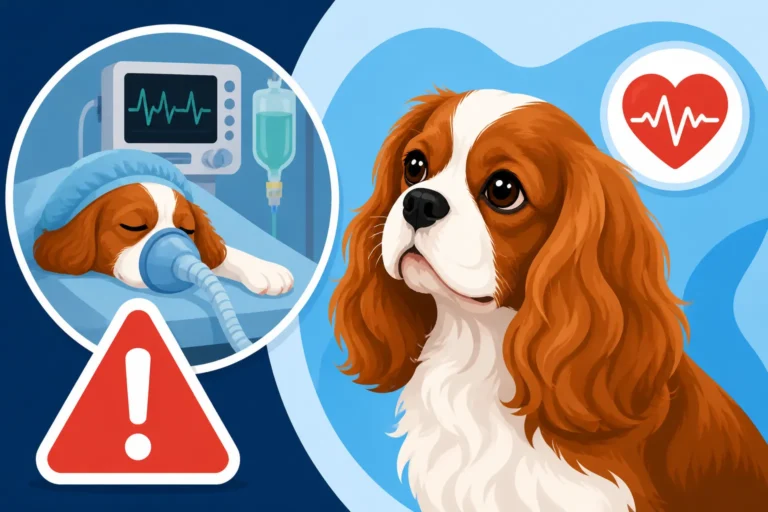
Hearing that your beloved Cavalier has a heart murmur is a moment that can make your stomach drop. It’s a diagnosis that carries a lot of emotional weight, but it's important to remember that it's a starting point for management, not an immediate death sentence. Many Cavaliers live full, happy lives for years after a murmur is first detected, especially with proper care and monitoring.
The Importance of Early Detection and Monitoring
The initial murmur is often detected during a routine annual check-up with your general veterinarian. They'll listen to your dog's heart with a stethoscope, and if they hear the characteristic "whooshing" sound of a murmur, they'll usually grade it on a scale of I to VI. Understanding What a Heart Murmur Grade Means in a Cavalier is helpful, but remember that the grade doesn't always directly correlate with the severity of the disease; it indicates how easily the murmur can be heard. A low-grade murmur can still signify significant valve degeneration, while a loud one might not yet mean advanced disease.
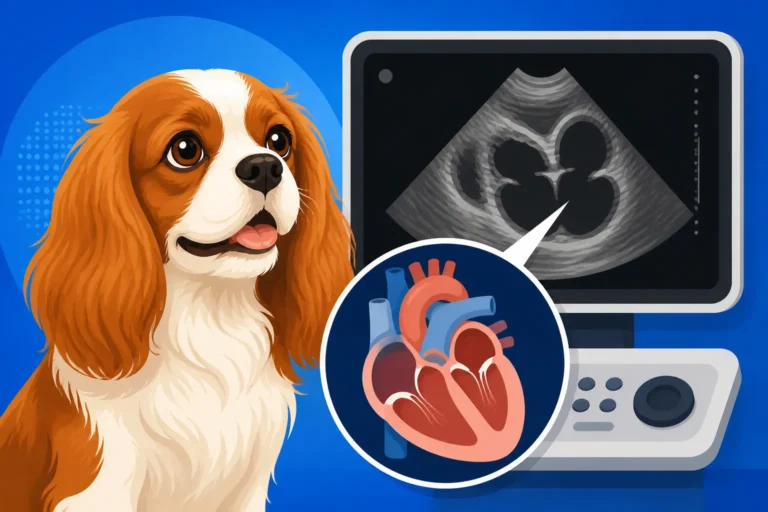
Once a murmur is detected, your vet will likely recommend a referral to a veterinary cardiologist. This is a critical step. A specialist will perform more advanced diagnostics, primarily an echocardiogram (an ultrasound of the heart). This non-invasive test allows them to visualize the heart's structure, measure the chambers, assess valve function, and confirm the presence and severity of MVD. They might also recommend Chest X-Rays in a Cavalier Heart Workup to check for fluid buildup in the lungs or enlargement of the heart silhouette. These tests provide a baseline and allow the cardiologist to stage the disease and recommend appropriate monitoring or treatment. Many pet insurance policies, including those from Healthy Paws, are invaluable for covering the costs of these specialist visits and diagnostic tests, which can be substantial.
Managing Life with a Cavalier with a Murmur
Receiving a murmur diagnosis can be incredibly upsetting, bringing with it a torrent of worry about your dog's future. It's a completely valid reaction. However, it's also a call to action. While MVD cannot be cured, its progression can often be managed effectively for a considerable period.
Management often involves lifestyle adjustments. Your cardiologist will advise on appropriate exercise levels; generally, moderate, consistent activity is good, but intense, prolonged exertion might need to be re-evaluated. If you're wondering Whether Exercise Is Safe for a Cavalier With MVD, your vet or cardiologist is the best source of tailored advice. Diet also plays a role. While it won't "cure" MVD, certain dietary considerations, such as a low-sodium diet, can help reduce the strain on the heart, especially as the disease progresses. Exploring Whether Diet Slows a Cavalier's Heart Disease is a common and important question for owners.
Perhaps the most significant aspect of managing life with MVD is medication. Once the disease progresses to a certain stage, medications like Pimobendan and diuretics become vital. These drugs can significantly improve heart function, reduce fluid accumulation, and enhance your Cavalier's quality of life. Regular follow-up appointments, often every 6-12 months, are crucial for monitoring the disease's progression and adjusting medications as needed. This ongoing care, which includes Annual Cardiologist Exams for a Cavalier, helps to ensure your Cavalier stays as comfortable and happy as possible for as long as possible.
Proactive Steps and Support for Cavalier Owners
Even with the stark statistics, there's a lot you can do as a Cavalier owner to give your dog the best chance at a long, healthy life, and to cope effectively when MVD does become a reality. It's about being informed, proactive, and leaning on reliable resources.
Choosing a Responsible Breeder
The journey to mitigating MVD truly begins before you even bring your puppy home. Choosing a responsible, ethical breeder is paramount. A breeder who truly prioritizes health will adhere to stringent health testing protocols, not just for parents but for their entire breeding program. This means:
- Annual Cardiac Clearances: Breeding dogs should be examined annually by a board-certified veterinary cardiologist, not just a general vet, and clear of murmurs. The breed club protocols typically recommend that Cavaliers not be bred until they are at least 2.5 years old and clear of murmurs by a cardiologist, with some even pushing for clearances past five years of age. This commitment to Why a Cavalier Should Not Be Bred Before Five is a strong indicator of a responsible breeder.
- Openness and Transparency: A good breeder will be transparent about the health history of their lines, including any incidence of MVD in ancestors, and will happily provide you with documentation. This includes Reading a Cavalier Puppy's Health Certificates which should include proof of cardiac and other health clearances for the parents.
- Asking the Right Questions: Don't be afraid to ask about the lifespan of their previous dogs and what they were ultimately lost to. Ask what steps they are taking to combat MVD. These conversations are crucial and a hallmark of a breeder who genuinely cares. Knowing The Heart Testing a Cavalier Breeder Must Do will empower you to ask informed questions.
While even the best breeding practices can't entirely eliminate the risk of MVD in Cavaliers, responsible breeders are making significant strides in delaying the onset and severity of the disease, buying precious extra years for our beloved companions.
The Role of Regular Veterinary Care and Specialist Consultations
Once your Cavalier is home, consistent, proactive veterinary care becomes your best friend in managing their health. This isn't just about vaccinations; it's about building a strong relationship with your vet and being vigilant about routine check-ups.
Your general vet will listen to your Cavalier's heart at every annual exam. If they detect a murmur, they will likely recommend a consultation with a veterinary cardiologist. While a cardiologist visit may feel daunting, it’s a necessary step to get an accurate diagnosis and treatment plan. It’s also important to understand Cavalier Cardiology Referral Costs so you can prepare financially. During this consultation, the cardiologist will perform an What a Cavalier Echocardiogram Shows, which is the gold standard for diagnosing MVD. This ultrasound of the heart provides detailed images of the valves, heart chambers, and blood flow, allowing the specialist to accurately stage the disease. They might also perform Chest X-Rays in a Cavalier Heart Workup to evaluate the size and shape of the heart and lungs, looking for signs of fluid accumulation.
Early and regular monitoring allows for timely intervention with medication when necessary, often before symptoms like coughing or exercise intolerance become apparent. Starting medication at the right time, as determined by a cardiologist based on echocardiogram findings, can significantly extend a Cavalier's comfortable life. For these reasons, having pet insurance like Healthy Paws in place before any murmur is detected is something many Cavalier owners wish they had done. It provides peace of mind, knowing that costly diagnostic tests, specialist visits, and lifelong medications will be covered, allowing you to focus on your Cavalier's health rather than the financial strain.
| Cavalier Age Group | Estimated Murmur Prevalence (General) | Notes |
|---|---|---|
| Under 2 years | Low (5-10%) | Murmurs at this age are rare but can occur; often indicative of more aggressive early-onset disease. |
| 2-4 years | Moderate (20-40%) | Murmur prevalence begins to climb noticeably. Regular vet checks become increasingly important. |
| 5-7 years | High (50-70%) | Over half of Cavaliers are likely to have a detectable murmur. Cardiologist consultation and baseline echocardiogram are highly recommended. |
| 8-9 years | Very High (70-90%) | Most Cavaliers will have a murmur. Proactive management and monitoring by a cardiologist are crucial, even if asymptomatic. |
| 10+ years | Extremely High (90-100%) | Nearly all Cavaliers in this age group will have a heart murmur. Focus shifts to symptom management, quality of life, and adjusting medications as needed. Healthy Paws can be a lifesaver for chronic condition management. |
Disclaimer
The information provided in this article is for general informational purposes only and does not constitute veterinary advice. Always consult with a qualified veterinarian or veterinary cardiologist for any health concerns or before making any decisions about your pet's medical care.