Why a Cavalier Skull Is Too Small for Its Brain
It's a heartbreaking reality that many Cavalier King Charles Spaniel owners face: the crushing knowledge that their beloved companion's skull might simply be too small for its brain. This isn't just a quirky anatomical fact; it's a profound health challenge known as Chiari-like Malformation (CM), which can lead to agonizing pain and neurological issues. This guide is here to walk you through exactly why this happens, what it means for your Cavalier, and how you can manage this incredibly difficult condition.
Understanding Chiari-like Malformation (CM) in Cavaliers
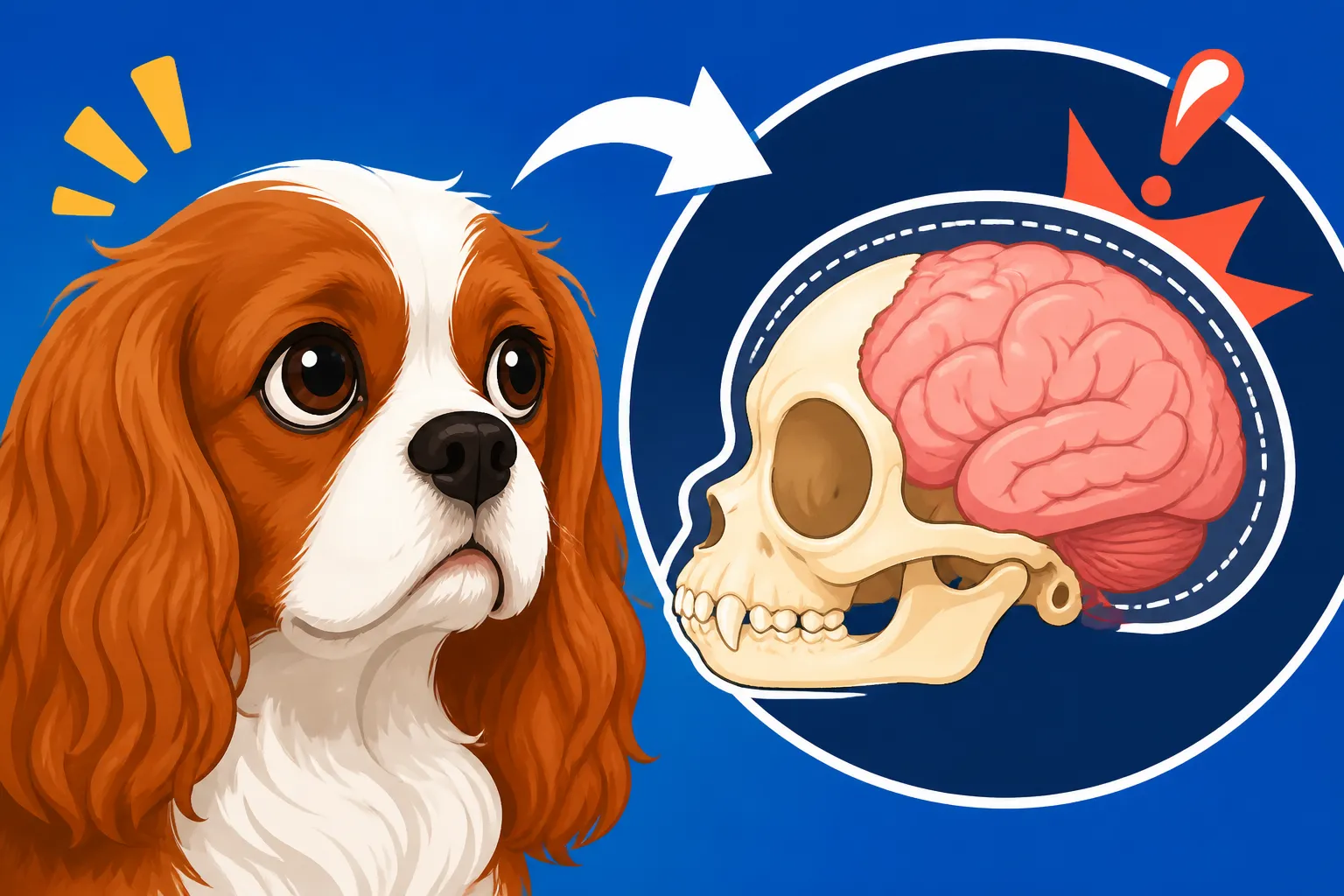
For a breed celebrated for its sweet, gentle nature and endearing personality, the underlying anatomical struggles are a stark contrast. Chiari-like Malformation is a structural defect of the skull and brain in Cavaliers that, simply put, means the back part of their brain, called the cerebellum, doesn't quite fit into the space provided by the skull. It's a bit like trying to squeeze a large, fluffy marshmallow into a too-small container—something has to give.
The Anatomy of a Mismatch: Skull vs. Brain
Imagine the base of your Cavalier's skull, where it meets the neck. In a healthy dog, there's ample room for the cerebellum and the brainstem, which are critical structures. However, in Cavaliers with Chiari-like Malformation, the bony compartment at the back of the skull (the occipital bone) is often malformed or too shallow. This means the cerebellum is essentially compressed and can even be pushed down, or herniated, into the opening where the spinal cord exits the skull (the foramen magnum).
This compression of the cerebellum and brainstem disrupts the normal flow of cerebrospinal fluid (CSF), which is the fluid that bathes and protects the brain and spinal cord. Think of it like a dam forming in a river; the fluid gets backed up and its usual, gentle pulse and flow are obstructed. This impaired flow is the critical step that often leads to the secondary and often more painful condition known as syringomyelia.
How CM Leads to Syringomyelia (SM)
When the CSF can't flow freely around the brain and spinal cord due to the anatomical squeeze of CM, it starts to look for alternative pathways. This abnormal pressure and flow can force the fluid directly into the spinal cord tissue itself, forming fluid-filled cavities or cysts known as syrinxes (pronounced sih-RIN-jeez). This condition is called Syringomyelia (SM).
Syrinxes can vary greatly in size and location. They might be small, solitary pockets, or they could be large and span multiple segments of the spinal cord, often in the neck region but sometimes extending further down the spine. The presence of these syrinxes within the spinal cord causes damage to nerve tissues, leading to a range of debilitating symptoms, primarily severe neuropathic pain. It’s important to understand that Syringomyelia and Chiari Malformation in Cavaliers are often discussed together because one so frequently leads to the other.
The Prevalence and Genetic Predisposition
It’s truly disheartening to consider How Common Chiari Malformation Is in Cavaliers. Studies show that a staggeringly high percentage of Cavaliers, upwards of 90%, may have some degree of Chiari-like Malformation, and a significant portion of those will go on to develop syringomyelia. This is largely due to the breed's history and the strong genetic component involved. Over generations, selective breeding for the "ideal" Cavalier head shape – a slightly domed skull with a shorter muzzle – inadvertently led to a skull that is often too small for its contents.
Despite the best efforts of responsible breeders today, who are trying to implement screening protocols, this condition is deeply embedded in the breed's genetic makeup. Breeders face immense challenges trying to reduce the incidence, especially since clinical signs of SM might not appear until a dog is several years old, by which time they might have already been bred. This complex genetic puzzle means that even with careful breeding, it can be hard to escape the shadow of this widespread issue, and it's a question many owners ponder, like How Many Cavaliers Actually Have Syringomyelia in the broader population.
Recognizing the Signs and Symptoms of CM/SM
One of the most frustrating aspects of Chiari-like Malformation and Syringomyelia is that the symptoms can be incredibly varied and sometimes subtle in the early stages, making them easy to miss or misinterpret. It's crucial for Cavalier owners to be vigilant and understand what to look for, as early intervention can make a significant difference in managing pain and improving quality of life.
Early Indicators and Behavioral Changes
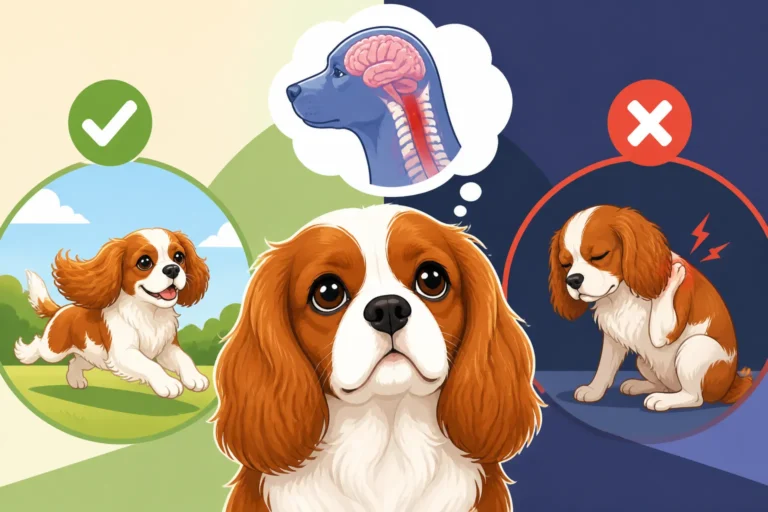
A hallmark sign, and often the one that first raises suspicion, is what's commonly referred to as "phantom scratching" or "air scratching." You might see your Cavalier scratching intensely at their shoulder, neck, or ear area, but without actually making contact with their skin. They're scratching at the air. This isn't an itch; it’s a neurological sensation, a manifestation of nerve pain caused by the syrinxes in their spinal cord. It can be quite distressing to watch, and owners often report seeing their dog performing Phantom Scratching in a Cavalier frequently, sometimes even waking them up at night.
Beyond scratching, pay close attention to other subtle behavioral shifts. Your once-cuddly Cavalier might suddenly become reluctant to be touched around their head, neck, or shoulders. They might start rubbing their head or ears against furniture more often. Some Cavaliers will also begin sleeping with their head elevated, perhaps resting it on a toy, a pillow, or even a raised dog bed, trying to alleviate pressure and pain. This unusual sleeping posture, a Cavalier That Sleeps With Its Head Raised, is another strong indicator. You might also notice a general increase in sensitivity, a yelp when picked up, or an overall change in temperament, such as A Cavalier That Yelps When Picked Up unexpectedly. They might become more withdrawn or even show signs of aggression if they're in severe pain.
Progressive Symptoms and Pain Levels
As CM and SM progress, the symptoms often become more pronounced and debilitating. The pain, which can range from mild discomfort to excruciating agony, tends to worsen over time. Cavaliers might exhibit more obvious signs of distress, such as crying out, whimpering, or shivering. They may become increasingly reluctant to engage in activities they once loved, like jumping on the sofa, playing, or even going for walks. Negotiating stairs or ramps can become a significant challenge, or they might refuse outright.
Neurological deficits can also develop. You might observe weakness in their limbs, particularly the front legs, or an unsteady gait. Some Cavaliers can develop what's called proprioceptive deficits, meaning they lose awareness of where their limbs are in space, leading to stumbling or dragging their paws. The pain associated with syringomyelia is notoriously unpredictable; a dog might seem relatively comfortable one day and be in severe distress the next, often triggered by excitement, exercise, changes in weather, or even subtle changes in head or neck position. It can be incredibly challenging for owners to differentiate early signs of CM/SM from other common issues, which is why understanding Syringomyelia Against Ear Pain in a Cavalier is so important, as ear infections can also cause head shaking and discomfort.
Diagnosing and Managing CM/SM
Facing the possibility of a serious neurological condition in your beloved Cavalier is daunting. However, with the right diagnostic tools and a proactive management plan, you can significantly improve your dog's comfort and quality of life. The journey begins with a definitive diagnosis and often requires a partnership with specialist veterinarians.
The Importance of an MRI Scan
If you suspect your Cavalier has CM/SM based on their symptoms, the absolute first step is a consultation with your regular veterinarian, who will likely refer you to a veterinary neurologist. There is only one definitive way to diagnose Chiari-like Malformation and Syringomyelia: a magnetic resonance imaging (MRI) scan. An MRI provides incredibly detailed images of the brain, spinal cord, and surrounding bony structures, allowing the neurologist to clearly visualize the extent of the skull malformation, the compression of the cerebellum, and the presence, size, and location of any syrinxes within the spinal cord.
It's natural to worry about the procedure itself. An MRI requires the dog to be completely still, which means general anesthesia. This can be a concern, especially if your Cavalier is older or has other health issues, such as a heart murmur. Your vet and neurologist will perform thorough pre-anesthetic blood work and a physical exam to ensure your dog is as safe as possible. While the cost can be significant, ranging from several thousand dollars depending on your location and the complexity of the scan, it is truly indispensable. Understanding What a Cavalier MRI Scan Costs and Shows is vital for owners to prepare financially and emotionally for this crucial diagnostic step. This is where having pet insurance, such as a policy from Healthy Paws, can be an absolute lifesaver, helping to cover a significant portion of these unexpected, high-cost diagnostics.
Medical Management and Pain Relief
Once CM/SM is diagnosed, the primary goal of medical management is to reduce pain, inflammation, and the production of cerebrospinal fluid, thereby hopefully reducing the size or progression of the syrinxes. There is no cure for CM/SM, but effective symptom management can dramatically improve your Cavalier's daily comfort.
Common medications often include:
- Gabapentin: This is a frequently prescribed medication for neuropathic pain. It works by calming overactive nerves, which can alleviate the characteristic 'phantom scratching' and general discomfort. Owners often see significant improvement in their Cavalier's pain levels with Gabapentin for a Cavalier With Neck Pain.
- Anti-inflammatory drugs: These can include non-steroidal anti-inflammatory drugs (NSAIDs) or corticosteroids (like prednisone), used to reduce inflammation around the brain and spinal cord, which can in turn lessen pain and fluid pressure.
- Diuretics: Sometimes, medications like omeprazole or furosemide may be used to help reduce the production of CSF, thereby potentially decreasing pressure within the skull and around the syrinxes.
Managing medication often involves a careful balancing act, with your neurologist adjusting dosages and combinations to find what works best for your individual Cavalier. Regular check-ups are essential to monitor their response and make any necessary changes. Beyond medication, supportive care is crucial. This includes using Harnesses Instead of Collars for a Cavalier to avoid any pressure on the neck, which can exacerbate pain.
Surgical Options and Prognosis
In severe cases where medical management isn't sufficient to control pain or neurological deficits, surgical intervention might be considered. The most common surgical procedure for CM/SM is called foramen magnum decompression. This surgery involves removing a small section of the bone at the back of the skull (the occipital bone) and sometimes a portion of the first cervical vertebra to create more space for the cerebellum and allow for better CSF flow. The surgeon might also perform a durotomy, which involves incising the dura mater (the membrane covering the brain and spinal cord) to further decompress the area.
While surgery can be highly effective for some Cavaliers, providing significant pain relief and halting the progression of neurological signs, it's not without risks. It's a major neurosurgical procedure requiring a skilled specialist, and recovery can be long and challenging. There's also the possibility that syrinxes may recur or new ones may form even after a successful decompression, though this is less common. Understanding Whether Decompression Surgery Helps a Cavalier is a critical discussion to have with your neurologist, weighing the potential benefits against the risks and significant cost. These surgeries often run into tens of thousands of dollars, making proper financial planning and pet insurance from providers like Healthy Paws even more important. The prognosis for Cavaliers with CM/SM varies greatly depending on the severity of the condition, the age of onset, and how well they respond to treatment, but with dedicated care, many can live comfortable lives for years after diagnosis.
Living with a Cavalier with CM/SM
Receiving a diagnosis of Chiari-like Malformation and Syringomyelia is a profound moment for any Cavalier owner. It marks the beginning of a new chapter where your focus shifts to managing comfort and ensuring the best possible quality of life for your furry family member. It truly means Living With a Cavalier That Has Syringomyelia is a commitment to understanding their needs and adapting your home and routines.
Adjusting Daily Life and Home Environment
Life with a Cavalier with CM/SM requires thoughtful adjustments to minimize pain and maximize comfort. Consider these practical steps:
- Ramps and Stairs: If your Cavalier loves jumping on furniture or going up stairs, provide ramps or steps to reduce sudden movements and neck strain. Even small jumps can trigger pain.
- Raised Food and Water Bowls: Bending the neck downwards to eat or drink can be uncomfortable. Elevated bowls can help keep their head and neck in a more neutral position.
- Soft Bedding and Resting Spots: Ensure they have plenty of comfortable, supportive bedding that cradles their body without putting pressure on sensitive areas. Some Cavaliers prefer sleeping with their head slightly elevated, so offer a variety of pillows or orthopedic beds.
- Harnesses Only: As mentioned earlier, never use a neck collar. Always opt for a well-fitting harness that distributes pressure across their chest, keeping any strain off their sensitive neck and throat area.
- Modified Exercise: While gentle exercise is important for overall health, high-impact activities, rough play, or anything that causes sudden head movements should be avoided. Short, frequent, leashed walks are usually best. Observe your Cavalier carefully for any signs of discomfort during or after activity.
- Temperature Regulation: Some Cavaliers with SM are sensitive to temperature changes. Protect them from extreme heat or cold, and try to maintain a comfortable indoor environment.
These adaptations aren't just about physical changes; they're about creating a peaceful, low-stress environment where your Cavalier feels safe and understood.
Emotional Support and Resources for Owners
Caring for a Cavalier with CM/SM can be emotionally draining. Watching your dog in pain, managing complex medication schedules, and facing significant veterinary bills can take a toll. It’s crucial to remember that you are not alone.
- Connect with Support Groups: Many online communities and local groups exist specifically for owners of Cavaliers with CM/SM. Sharing experiences, asking questions, and getting advice from others who truly understand can be incredibly validating and helpful. These groups often share insights on things like different medication protocols or home adaptations.
- Maintain Open Communication with Your Vet and Neurologist: Don't hesitate to ask questions, voice your concerns, or report any changes in your Cavalier's condition. Your veterinary team is your most valuable resource in managing this complex disease. They can help you understand the long-term prognosis, discuss options for pain management, and ensure you're doing everything you can to help your dog.
- Financial Planning: The costs associated with diagnosing and managing CM/SM can be substantial, as you now know from What a Cavalier MRI Scan Costs and Shows and ongoing medication needs. Having a pet insurance policy like Healthy Paws, ideally purchased before any symptoms appear (as conditions can become "pre-existing"), can significantly alleviate financial stress, allowing you to focus on your Cavalier's care rather than the cost. Even without insurance, creating an emergency fund or exploring payment plans with your vet can provide peace of mind.
- Educate Yourself: The more you understand about CM/SM, the better equipped you'll be to advocate for your Cavalier and recognize subtle changes. Topics like Whether Syringomyelia Changes a Cavalier's Temperament are important to research, so you can differentiate pain-related behavior from other issues. Knowledge truly is power in managing chronic conditions.
Ultimately, living with a Cavalier with CM/SM is a journey of unwavering love and dedication. By understanding the condition, recognizing its signs, and proactively managing their care, you can provide your precious companion with the comfort and happiness they deserve.
Disclaimer
Please note that the information provided in this guide is for informational purposes only and is not intended as a substitute for professional veterinary advice. Always consult with a qualified veterinarian or veterinary neurologist regarding any health concerns or before making any decisions about your Cavalier King Charles Spaniel's medical care. Individual cases of Chiari-like Malformation and Syringomyelia can vary, and a personalized treatment plan is essential.