A Cavalier That Refuses Stairs
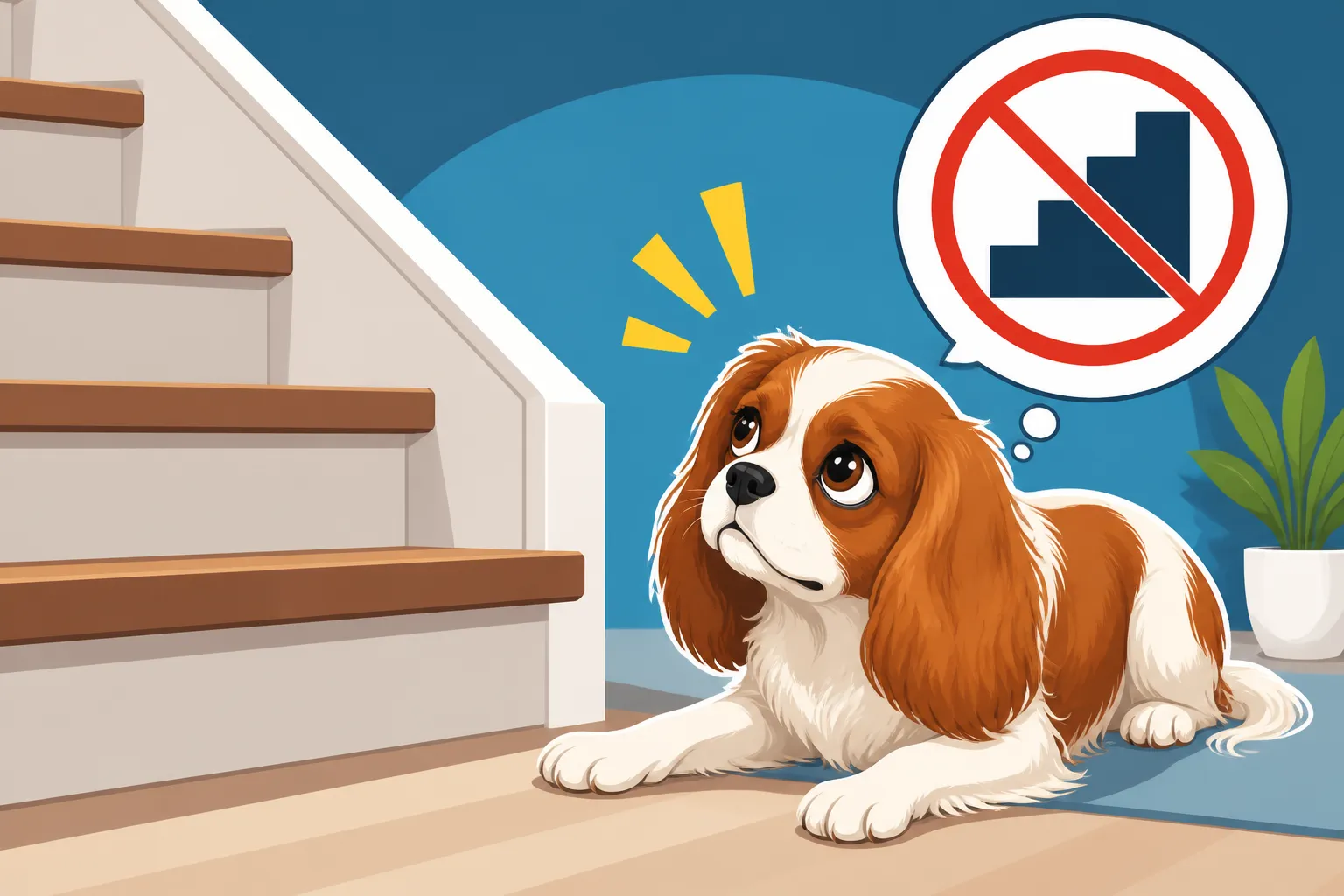
It can be incredibly disheartening, even alarming, when your once spry Cavalier King Charles Spaniel suddenly decides stairs are their personal Everest. One day they're bounding up and down without a thought, the next they're planted firmly at the bottom or top, giving you that look that says, "Nope, not happening." This isn't just stubbornness; it's a clear signal that something has changed for your beloved companion. This guide will walk you through understanding the common reasons behind this new aversion, how to investigate the cause, and practical steps you can take to help your Cavalier navigate their world more comfortably.
Understanding Why Your Cavalier Might Refuse Stairs
When a Cavalier, known for their affectionate and eager-to-please nature, suddenly starts refusing to do something they once did with ease, it’s rarely out of spite. More often than not, it points to an underlying issue that needs attention. Pinpointing the exact reason is the first step toward finding a solution and bringing back that confident bounce in their step.
Pain and Physical Discomfort
This is, by far, the most common and critical reason a Cavalier will shy away from stairs. Imagine trying to climb a flight of steps with a throbbing knee or a sharp ache in your back – you wouldn't want to either! Cavaliers are unfortunately predisposed to several conditions that can make such movements painful.
For instance, joint issues like Cavalier Knees, Hips and Joint Problems are prevalent. Patellar luxation, or "loose kneecaps," can cause a Cavalier's kneecap to slip out of place, leading to sudden lameness or a reluctance to put weight on a leg. Climbing stairs puts significant strain on these joints. Hip dysplasia, while less common in Cavaliers than in larger breeds, can still occur and cause chronic discomfort in the hip joint, making the upward and downward motion of stairs excruciating. You might notice them favoring a leg, or perhaps a subtle stiffness when they first get up after a nap. It might not be an obvious limp, but a general hesitation to move in certain ways.
Beyond the visible joints, spinal and neck issues are a huge concern for Cavaliers. Syringomyelia and Chiari Malformation in Cavaliers are conditions where the skull is too small for the brain, leading to compression and fluid-filled cavities (syrinxes) within the spinal cord. This can cause severe neck, shoulder, and limb pain, making any movement that flexes or extends the neck or back, such as climbing or descending stairs, incredibly painful. A Cavalier suffering from this might yelp if their neck is touched or if they are picked up, or you might notice a sudden aversion to jumping on furniture or going up stairs. The pressure changes involved in climbing can exacerbate their discomfort, leading to a complete shutdown when faced with steps. It’s not just a subtle ache; it can be an intense, burning, or tingling sensation that frightens them.
Even less obvious things, like a paw injury, a cracked nail, or a sore muscle from overexertion during a recent zoomies session, can make stairs unbearable. They might try to compensate by shifting their weight, which then puts strain on other parts of their body, creating a cascade of discomfort.
Fear and Anxiety
While physical pain is often the culprit, sometimes the issue is psychological. Cavaliers are sensitive souls, and fear can be a powerful motivator for avoidance.
A past negative experience on stairs can leave a lasting impression. Perhaps they slipped and tumbled down a few steps as a puppy, or a startling noise occurred while they were on the stairs, creating a strong negative association. They might have gotten a paw stuck, or simply misjudged a step, leading to a moment of panic. These memories can be deeply ingrained, and even if they weren't physically hurt, the emotional trauma can make them incredibly anxious about repeating the experience. This kind of fear isn't rational in our human sense, but it's very real for your dog. They might start panting, shaking, or try to hide when approached with the stairs.
Beyond specific incidents, general anxiety or a fear of heights can play a role. Some dogs are simply not comfortable with the open risers or the sensation of descending, which can feel like falling. This is particularly true for older Cavaliers whose vision might be declining, making depth perception more challenging. A staircase that once seemed normal might now appear as a treacherous, endless drop. If your Cavalier also shows general signs of anxiety, like excessive panting, pacing, or clinginess, the stairs might just be one manifestation of their overall unease.
Vision problems can certainly contribute to this fear. Cavaliers are prone to several eye conditions, including cataracts and progressive retinal atrophy, which can impair their sight, especially in dim light. Navigating uneven surfaces or perceived "gaps" on stairs becomes a terrifying prospect if they can't clearly see where they're placing their paws. Imagine trying to walk down a dimly lit staircase in a strange house – it's unsettling. For a dog with compromised vision, every step can feel like that.
Age-Related Changes
As our Cavaliers gracefully (or sometimes not-so-gracefully) enter their senior years, their bodies and minds undergo changes that can profoundly affect their ability and willingness to use stairs. It's a natural part of What Changes in a Cavalier After Eight, but it requires our understanding and adaptation.
Arthritis is a common companion to aging, and it doesn't just affect the big joints. Subtle stiffness in the spine, elbows, or even smaller joints in the paws can make bending and stretching to navigate stairs uncomfortable. They might not be in excruciating pain, but a dull, persistent ache can make every step feel like a chore. You might notice they move slower, take shorter steps, or need more time to get comfortable after lying down. The effort required to lift their body weight and maintain balance on each step becomes progressively harder.
Muscle weakness and loss of muscle mass (sarcopenia) are also normal parts of aging. Even a healthy senior Cavalier might simply lack the strength and stamina to propel themselves up a flight of stairs, or to control their descent safely. Their hind legs, in particular, may weaken, making the push-off for climbing or the braking action for descending much harder. This isn't just about pain; it's about pure physical capability.
Neurological changes can also contribute. Older dogs can experience cognitive dysfunction, a form of canine dementia, which can lead to confusion, disorientation, and a reluctance to engage in familiar activities. A staircase might suddenly seem alien or daunting, or they might simply forget the sequence of movements required to navigate it. Their balance and coordination can also decline, making the uneven terrain of stairs a fall risk.
Finally, as mentioned earlier, vision and hearing changes associated with age can heighten anxiety around stairs. If they can't see the steps clearly or hear approaching footsteps, their confidence plummets. It’s a multi-faceted challenge that often requires a multi-faceted approach.
Investigating the Root Cause: What to Do Next
When your Cavalier starts refusing stairs, it's a call to action. Don't simply dismiss it as a quirky new habit. A systematic approach to uncover the underlying reason will be your best path forward.
The Crucial Vet Visit
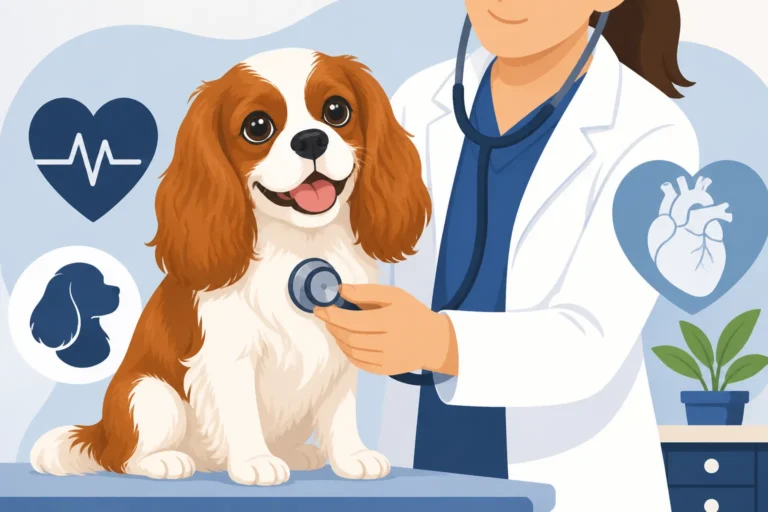
The absolute first step is a comprehensive veterinary examination. This isn't just a quick check-up; it needs to be thorough. Your regular vet is crucial, but don't hesitate to ask for a referral to a specialist if the issue persists or seems complex.
During the visit, your vet will perform a physical exam, meticulously checking your Cavalier's joints, spine, and paws for any signs of pain, swelling, or reduced range of motion. They’ll likely observe your dog walking, trotting, and possibly even attempting a few steps (if safe to do so) to assess their gait and posture. Don’t be surprised if they also ask detailed questions about when the behavior started, if it’s consistent, and if you’ve noticed any other changes like A Cavalier That Yelps When Picked Up.
To get a clearer picture, diagnostics are often necessary. X-rays are a common starting point. They can reveal evidence of arthritis, hip or elbow dysplasia, or other bone abnormalities that could be causing pain. However, X-rays only show bone. If neurological issues like Syringomyelia are suspected, an MRI (Magnetic Resonance Imaging) is the gold standard. This specialized scan provides detailed images of the brain and spinal cord, allowing vets to visualize conditions like Chiari Malformation and the presence of syrinxes. Getting a Cavalier Scanned for Syringomyelia is a significant step, but it provides invaluable information for accurate diagnosis and treatment.
Your vet might also suggest blood tests to rule out systemic diseases that could cause weakness or pain, such as thyroid issues or certain infections. These tests provide a broader look at your dog's overall health and can help ensure there aren't other contributing factors at play. Understanding the full picture is key to proper treatment. Pet insurance providers like Healthy Paws can be a tremendous help in covering the costs of these diagnostic procedures, which can quickly add up.
A skilled veterinarian can often differentiate between pain-induced reluctance and purely behavioral fear. Dogs in pain often show other subtle signs – a tense posture, rapid shallow breathing, a lack of appetite, or an unwillingness to play. They might flinch when certain areas are touched, or their eyes might look duller. Behavioral fear, while distressing, often doesn't come with these overt physical pain indicators, although extreme anxiety can manifest in physical ways too, like trembling or excessive drooling. The vet's experienced eye is vital in interpreting these subtle cues.
Observing Your Cavalier's Behavior
While the vet visit is paramount, your detailed observations at home are equally important. You spend the most time with your Cavalier, and you know their baseline behavior better than anyone.
Start keeping a log. Note down:
- When did the refusal begin? Was it sudden, or a gradual decline?
- Is it consistent? Do they refuse all stairs, or just certain ones (e.g., steep ones, dark ones, carpeted vs. bare wood)? Do they refuse going up but not down, or vice versa?
- Are there specific times of day? Are they worse in the morning, after exercise, or in the evening?
- What other behaviors do you notice? Are they limping, stiff, slow to rise, panting excessively, crying, or just standing there with a defiant look? Do they struggle with other movements, like jumping onto the sofa or into the car?
- Do they accept being carried up or down? If they are completely fine being carried, it leans more towards fear or mild discomfort. If carrying them elicits a yelp or extreme tension, it points strongly to pain.
- What happens when you encourage them? Do they try and then stop, or refuse outright? Do they seem genuinely distressed?
Pay close attention to subtle cues. A Cavalier might not overtly cry out in pain, but they might hesitate, take one step and then stop, or try to bypass the stairs by looking for an alternate route. They might hold their tail lower, flatten their ears, or avoid eye contact when you approach the stairs with them. A rigid body posture, or an unusual way of placing their paws on the steps, are also red flags. For instance, some dogs with back pain will "bunny hop" up stairs, using both hind legs simultaneously, rather than alternating. These small details can provide significant clues to your vet.
Assessing the Environment
Sometimes, the problem isn't your Cavalier, but the stairs themselves! A quick environmental assessment can reveal contributing factors.
- Slippery Surfaces: Bare wooden stairs, polished tiles, or even worn carpet can be incredibly slick, especially for dogs with less-than-perfect balance or strength. A slip or fall can make any dog wary, let alone one already experiencing discomfort. Their paw pads might not grip effectively, and the lack of traction can be genuinely frightening.
- Poor Lighting: Dark stairwells, or stairs in shadowy corners, can be difficult for dogs to navigate, especially if their vision isn't 20/20. Shadows can make steps blend together or create confusing illusions of depth, leading to hesitation. This is particularly true for older Cavaliers with diminishing eyesight.
- Steepness and Design: Some staircases are simply very steep, or have unusually deep or shallow treads. This can be physically demanding for any dog, and especially for a small breed like a Cavalier, or one with joint issues. The geometry of the stairs might just be beyond their comfortable physical capabilities. Open-riser stairs, where you can see through to the floor below, can be especially intimidating for dogs with a fear of heights, as it feels like they are walking on air.
- Noise and Distractions: Is there a loud appliance near the stairs? Is it a high-traffic area where they might be startled by people? Sometimes external factors, rather than the stairs themselves, create an anxious environment.
Taking photos or videos of your staircase and your Cavalier's behavior around them can be incredibly helpful for your vet to see what you're describing.
Practical Solutions and Management Strategies
Once you've worked with your vet to identify the root cause, you can implement targeted solutions to help your Cavalier. This often involves a multi-pronged approach combining medical, behavioral, and environmental strategies.
Addressing Pain and Medical Conditions
If your vet diagnoses a medical condition as the cause of stair refusal, treatment will be paramount.
- Medication: For conditions like arthritis, non-steroidal anti-inflammatory drugs (NSAIDs) can significantly reduce pain and inflammation, making movement more comfortable. For neurological pain from Syringomyelia and Chiari Malformation in Cavaliers, specific medications like Gabapentin or Amantadine might be prescribed to manage nerve pain. Your vet will tailor the medication regimen to your Cavalier’s specific needs. It's vital to follow the dosage and schedule precisely.
- Supplements: Joint supplements containing glucosamine, chondroitin, and MSM can help support cartilage health and reduce inflammation, especially beneficial for dogs with arthritis or joint issues. Fish oil (omega-3 fatty acids) also has anti-inflammatory properties that can be helpful. Always discuss supplements with your vet before adding them to your Cavalier's routine to ensure they don't interact with other medications or conditions.
- Physical Therapy & Rehabilitation: Just like in humans, physical therapy can be incredibly effective for dogs recovering from injuries or managing chronic conditions. This might include hydrotherapy (underwater treadmill), therapeutic exercises, massage, or even acupuncture. A certified canine rehabilitation therapist can develop a personalized plan to strengthen muscles, improve flexibility, and reduce pain. These therapies can dramatically improve your Cavalier's mobility and confidence, making once-daunting tasks like stair climbing more manageable.
- Weight Management: If your Cavalier is overweight, reducing their weight can significantly lessen the strain on their joints and spine. Even a few extra pounds can exacerbate conditions like arthritis or hip dysplasia. Your vet can help you create a safe and effective weight loss plan, which often involves a prescription diet and controlled exercise. Remember, Why an Overweight Cavalier Fails Faster applies to mobility as much as it does to heart health.
Managing these medical conditions can be an ongoing journey, and the costs can add up. This is where pet insurance, like Healthy Paws, really proves its worth. Having a good policy in place before a diagnosis ensures you can provide the best possible care without constant financial stress. They can help cover the costs of diagnostics, specialist visits, medications, and rehabilitation therapies, ensuring your Cavalier gets the continuous support they need.
Building Confidence and Training
If fear or mild reluctance is the primary issue, or once medical pain is managed, positive reinforcement training can work wonders. This isn't about forcing them; it's about building their confidence slowly and steadily.
-
Desensitization and Positive Reinforcement:
- Start small: Don't expect them to tackle a full flight of stairs right away. Begin by just rewarding them for being near the stairs. Place high-value treats (think cooked chicken or cheese, not just kibble) on the bottom step. Let them approach, sniff, and eat the treat at their own pace. Don't push.
- One step at a time: Once they're comfortable with the bottom step, place a treat on the second step. Lure them up one step, reward, and immediately let them come back down. Repeat this many times, gradually adding more steps. The key is to make it a positive, rewarding game, not a chore.
- Break it down: If descending is harder, start with just the top step. Lure them down one step, reward, then let them go back up. Gradually increase the number of steps.
- Use a leash/harness: A comfortable harness, like those recommended for Harnesses Instead of Collars for a Cavalier to protect their neck, can provide gentle guidance and a sense of security. Never pull them up or down; use the leash only for very light encouragement.
- Short, frequent sessions: Keep training sessions very short (2-5 minutes) and end on a positive note. You want them to always associate stairs with good things.
- Praise profusely: Every tiny step forward deserves enthusiastic verbal praise and a delicious treat. Make it clear they're doing a fantastic job.
-
Avoid negative associations: Never scold, push, or drag your Cavalier on the stairs. This will only increase their fear and set back your training significantly. Patience is key. If they show any signs of stress, take a break and return to an easier step.
Environmental Modifications and Aids
Making the stairs physically easier and safer can be a game-changer, especially for senior or medically challenged Cavaliers.
- Stair Runners or Carpet: Installing a carpet runner can provide much-needed traction on slippery stairs. Choose a non-slip runner that is securely fastened. This not only makes climbing easier but also boosts their confidence by reducing the fear of slipping.
- Ramps: For short flights of stairs or single steps leading to furniture, a portable dog ramp can be a fantastic alternative. Ramps offer a gentle incline, eliminating the need for climbing. This is particularly useful if your Cavalier has severe joint pain or is recovering from surgery. Many Cavaliers will readily use a ramp with a little positive reinforcement.
- Stair Gates: If you have multiple flights of stairs, or stairs leading to areas your Cavalier doesn't need to access, use baby gates to block them off. This prevents them from attempting the stairs when you're not there to supervise, potentially leading to a fall or reinforcement of their fear.
- Improved Lighting: Ensure stairwells are well-lit. Add night lights or motion-sensor lights if needed, especially for older Cavaliers with diminishing eyesight. Good lighting helps them see each step clearly and assess depth more accurately.
- Carrying Your Cavalier: For smaller, lighter Cavaliers, simply carrying them up and down the stairs might be the most practical and safest solution, especially if the stairs are particularly challenging or if they are in pain. Always support their body carefully, especially if they have spinal or joint issues. This is a common strategy for owners of older Cavaliers or those with conditions like Syringomyelia.
- Non-Slip Paw Grips: For dogs with very smooth paw pads, or those struggling with traction, consider dog boots with rubber soles or adhesive non-slip pads that stick to their paw pads. These can provide extra grip and confidence.
Remember, a combination of these strategies will likely yield the best results. What works for one Cavalier might not work for another, so be prepared to experiment and adjust your approach based on your dog's individual needs and responses.
Long-Term Care and Prevention
Helping your Cavalier overcome their fear or pain around stairs is often an ongoing process, requiring vigilance and proactive care. Long-term health management is paramount to keeping them comfortable and mobile.
Maintaining Overall Health and Fitness
A healthy Cavalier is a mobile Cavalier. Proactive steps in their younger and middle years can significantly reduce the likelihood of severe mobility issues as they age.
- Healthy Weight Management: This cannot be stressed enough. Excess weight puts immense strain on joints, exacerbates arthritis, and makes any movement, including stair climbing, more difficult and painful. It also increases the risk and severity of conditions like Mitral Valve Disease in the Cavalier King Charles Spaniel, which can lead to other health complications. Keep a close eye on your Cavalier's waistline and ribs. You should be able to easily feel their ribs without pressing hard, and they should have a discernible waist when viewed from above. If you're unsure, consult your vet for an ideal weight range and feeding plan. Managing their calorie intake and ensuring they get appropriate exercise are crucial.
- Regular, Appropriate Exercise: While you might think exercise is counterproductive for a dog with joint issues, controlled, low-impact activity is vital for maintaining muscle strength, flexibility, and joint health. Short, consistent walks on soft surfaces (like grass) are far better than infrequent, strenuous activity. Avoid high-impact activities like excessive jumping or running on hard surfaces, especially if you know your Cavalier has a predisposition to joint problems. For dogs with heart murmurs, your vet can advise on Whether Exercise Is Safe for a Cavalier With MVD. Swimming can be an excellent low-impact exercise for many dogs, building muscle without stressing joints.
- Joint Health Supplements (Proactive Use): Even before signs of joint pain appear, many vets recommend starting joint supplements like glucosamine and chondroitin for breeds prone to orthopedic issues, such as Cavaliers. These can help maintain cartilage integrity and reduce inflammation, potentially delaying the onset or severity of arthritis. Again, always consult your vet for appropriate dosages and product recommendations.
By focusing on these preventative measures, you're not just addressing a stair problem; you're investing in your Cavalier's overall quality of life and potentially extending their comfortable, active years.
Regular Health Check-ups
Routine veterinary care is your best defense against many health issues that can impact mobility. These appointments are not just for vaccinations; they are critical opportunities for early detection and intervention.
- Annual and Senior Wellness Exams: Your Cavalier should have at least one annual wellness exam. As they age, especially once they reach their senior years (typically around 8-9 for Cavaliers, as discussed in Caring for a Cavalier Past Nine), twice-yearly check-ups are often recommended. During these visits, your vet will perform a thorough physical, assess their gait, check for signs of pain, and discuss any changes in behavior or mobility you've observed. Early detection of conditions like arthritis, developing heart murmurs, or early signs of neurological issues can allow for timely intervention and better management.
- Specialist Consultations: If your regular vet identifies a potential orthopedic or neurological issue, they might recommend a referral to a veterinary orthopedic surgeon or neurologist. These specialists have advanced diagnostic tools and expertise to provide the most accurate diagnosis and cutting-edge treatment options. They can often provide a clearer prognosis and a more tailored management plan.
- Proactive Screening: For a breed like the Cavalier, proactive screening for common conditions is vital. This might include regular heart checks with a cardiologist, as detailed in Annual Cardiologist Exams for a Cavalier, given their high predisposition to Mitral Valve Disease. While not directly related to stair climbing, managing heart health ensures overall vitality. For neurological concerns, discussions about MRI screening for Syringomyelia, especially if early signs are present, can be crucial. Prompt diagnosis allows for Pain Relief for a Cavalier With Syringomyelia to begin sooner, improving their comfort.
Having pet insurance like Healthy Paws can significantly ease the financial burden of these regular check-ups, specialist visits, and any necessary treatments. It allows you to prioritize your Cavalier's health without constantly worrying about the cost, ensuring they receive the best possible preventative and ongoing care throughout their life. It means you can say "yes" to diagnostic tests and therapies that might otherwise be out of reach, helping your beloved companion stay comfortable and mobile for as long as possible.
Disclaimer
The information provided in this article is for general informational purposes only and is not a substitute for professional veterinary advice. Always consult with a qualified veterinarian for any health concerns or before making any decisions related to your pet's health and treatment.