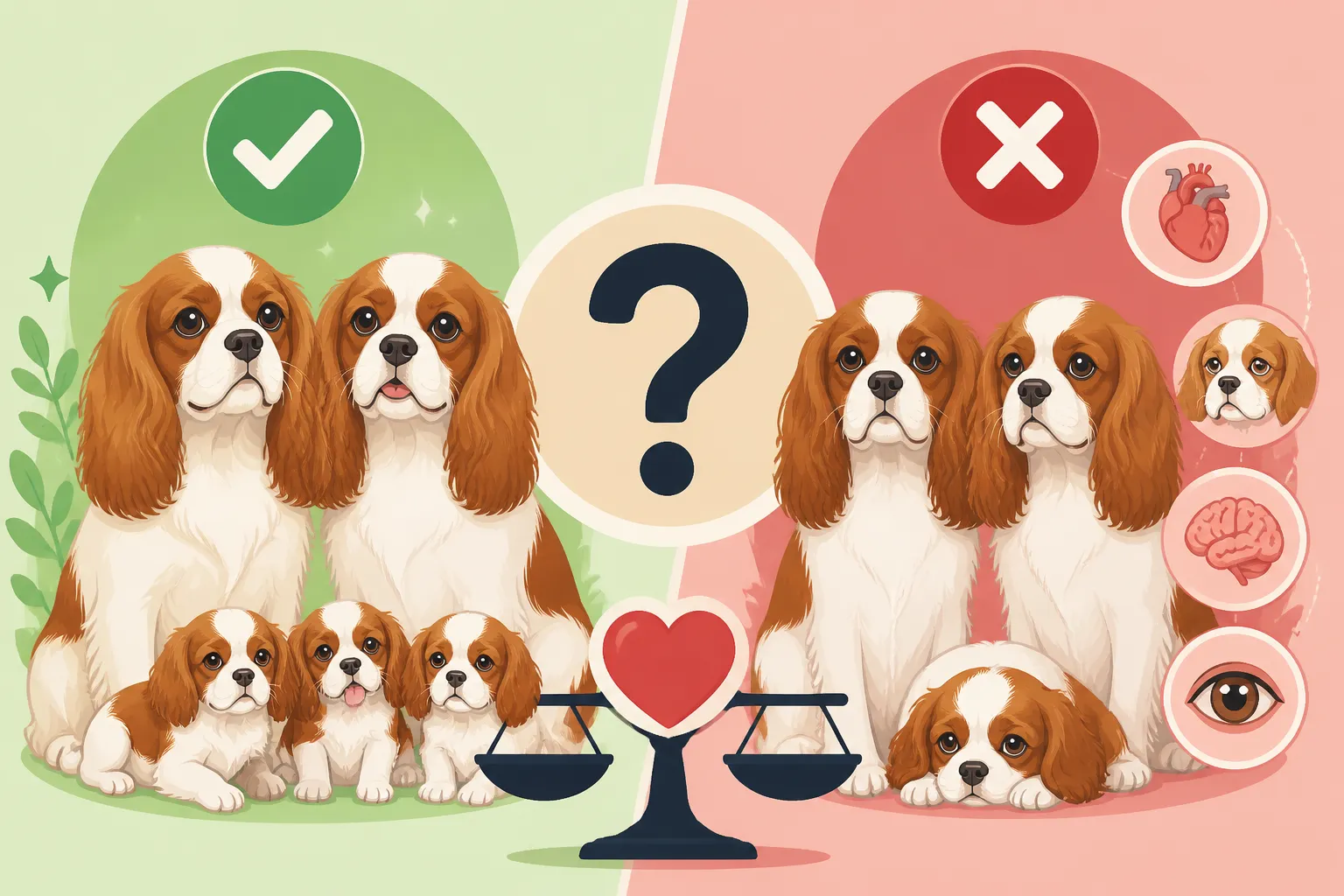
Whether Two Cavalier Carriers Should Be Bred
The decision to breed two Cavalier King Charles Spaniel carriers together can feel like navigating a minefield, fraught with the best intentions but potentially leading to heartbreaking health outcomes for future puppies. Many prospective breeders and even experienced ones wrestle with the ethical implications, wondering if it's truly responsible. This guide aims to unravel the complexities of breeding two carrier Cavaliers, shedding light on the genetic risks, responsible practices, and the broader impact on our beloved breed.
Understanding Autosomal Recessive Inheritance in Cavaliers
Before we dive into the specifics of breeding carriers, it’s crucial to understand the basics of how certain genetic conditions are passed down in Cavalier King Charles Spaniels. Many of the concerning health issues we see are inherited in an autosomal recessive pattern. This means a dog needs two copies of the faulty gene – one from each parent – to actually express the disease.
How Genetic Conditions Are Passed Down
Imagine genes as instructions for building a dog. For an autosomal recessive condition, there's a "normal" instruction and a "faulty" instruction.
- Clear dogs have two copies of the normal gene. They are healthy and cannot pass on the faulty gene.
- Affected dogs have two copies of the faulty gene. They will develop the disease.
- Carrier dogs have one normal gene and one faulty gene. They appear perfectly healthy because the normal gene usually compensates. They do not express the disease themselves, but they can pass that faulty gene on to their offspring. This is where the dilemma of "Whether a Carrier Cavalier Ever Shows Signs" comes into play – for recessive traits, they typically don't.
This hidden nature of carrier status is why genetic testing is so vital. Without it, a breeder might unknowingly pair two healthy-looking carriers, leading to devastating results. It’s a common frustration that you can have a dog that looks robust and healthy on the outside, but is carrying a hidden genetic burden.
Common Genetic Conditions in Cavaliers
Cavalier King Charles Spaniels are, unfortunately, predisposed to several genetic conditions that follow this autosomal recessive pattern. Two of the most well-known and diligently tested for are:
- Episodic Falling Syndrome (EFS): This neurological condition causes muscle stiffness and collapse, often triggered by excitement, exercise, or stress. It's not a seizure, but rather a temporary inability to relax muscles. Imagine your cheerful Cavalier suddenly stiffening and falling over mid-play – it's alarming for owners and distressing for the dog. Thankfully, there's a specific "The Episodic Falling DNA Test for Cavaliers" available.
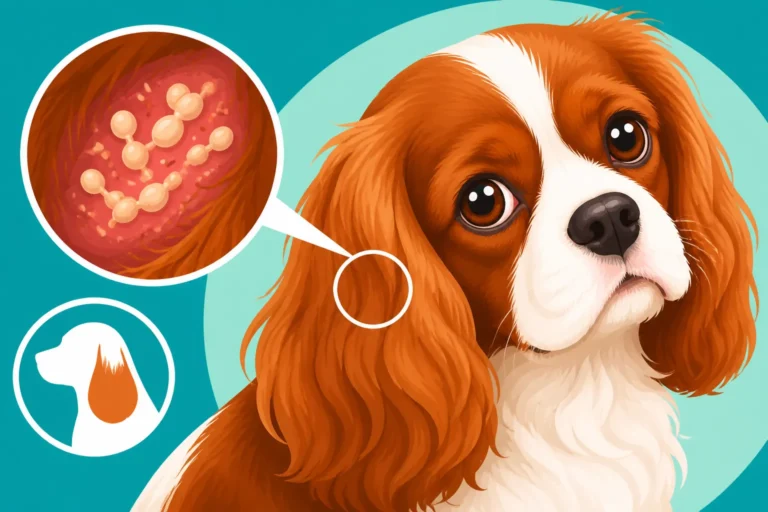
- Dry Eye and Curly Coat Syndrome (CKCSID): This is a severe condition affecting the skin, coat, and eyes. Affected puppies often suffer from extremely dry eyes, crusty skin, and a coarse, curly coat, leading to chronic pain and frequent infections. It’s truly heartbreaking to witness, and sadly, often has a poor prognosis. This also has a reliable DNA test.
Both of these conditions can be identified through DNA testing, which is part of "The DNA Tests Every Cavalier Should Have" before considering any breeding. Knowing a dog's genetic status for these conditions is a fundamental step in responsible breeding.
The Risks of Breeding Two Carriers Together
This is where the rubber meets the road, and the stark reality of genetics becomes clear. When you breed two dogs that are both carriers for the same autosomal recessive genetic condition, you are knowingly taking a significant risk that directly impacts the health and welfare of the resulting puppies.
Punnett Square and Predicted Outcomes
Let's use a simple genetic model, often called a Punnett Square, to visualize the possible outcomes when two carriers are bred. Let "N" represent the normal gene and "n" represent the faulty gene. A carrier dog has the genotype "Nn".
If we breed two carriers (Nn x Nn):
| N | n | |
|---|---|---|
| N | NN | Nn |
| n | Nn | nn |
As you can see from the table, for every four puppies, statistically, you would expect:
- 1 out of 4 (25%) to be NN (genetically clear)
- 2 out of 4 (50%) to be Nn (carriers, just like the parents)
- 1 out of 4 (25%) to be nn (affected by the disease)
This means that a quarter of the litter, on average, would be born with a debilitating genetic condition. It's a roll of the dice with profoundly serious consequences. Imagine the joy of a new litter, only to find some puppies will face a lifetime of struggle and pain, not to mention the immense emotional and financial burden on their future families. Even if you only get one affected puppy in a litter, that's one too many.
The Ethical Dilemma for Breeders
For any responsible breeder, the prospect of producing puppies with known, preventable genetic diseases is a profound ethical challenge. The goal of breeding should always be to improve the breed, ensuring health, temperament, and adherence to the standard. Deliberately breeding two carriers, knowing there's a 25% chance of creating affected puppies, goes against this fundamental principle.
This isn't just about the immediate litter; it's about the long-term health of the Cavalier King Charles Spaniel breed. Every affected puppy born potentially adds to the gene pool of issues, even if those puppies are spayed or neutered. It also sends a message that such risks are acceptable, which can inadvertently encourage less scrupulous breeders. Many dedicated breeders pour their hearts and souls into their lines, spending years carefully selecting pairings. To knowingly introduce a high risk of disease feels counterintuitive to that dedication. The "The Health Debate Around Breeding Cavaliers" is very real and emphasizes the responsibility breeders carry.
Responsible Breeding Practices for Carriers
Just because a Cavalier is a carrier doesn't mean they can't be part of a responsible breeding program. It simply means that careful consideration and strategic pairing are absolutely essential to prevent the birth of affected puppies.
The Importance of DNA Testing
This cannot be stressed enough: DNA testing for all breeding dogs is non-negotiable. Before any pairing is even considered, both prospective parents must undergo comprehensive genetic screening. Reputable labs like Embark or Canine HealthCheck offer panels that cover multiple genetic conditions, including EFS and CKCSID. Knowing a dog's status – clear, carrier, or affected – is the first step in making informed decisions.
When you receive a "Reading a Cavalier DNA Panel Result," it provides a clear roadmap. It removes the guesswork and allows breeders to make pairings based on scientific fact rather than hope. Without these tests, you're essentially breeding blind, a practice that leads to needless suffering and contributes to the proliferation of genetic diseases in the breed. This diligence also impacts "What Cavalier Health Testing Adds to a Puppy Price" for discerning buyers, ensuring a healthier start.
Choosing a "Clear" Partner for a Carrier
The solution to responsibly breeding a carrier Cavalier is straightforward: always pair a carrier with a dog that is genetically clear for that specific condition.
Let's revisit our genetic model. If you breed a carrier (Nn) with a clear dog (NN):
| N | N | |
|---|---|---|
| N | NN | NN |
| n | Nn | Nn |
In this scenario:
- 2 out of 4 (50%) would be NN (genetically clear)
- 2 out of 4 (50%) would be Nn (carriers)
- 0 out of 4 (0%) would be nn (affected by the disease)
This strategy completely eliminates the risk of producing affected puppies. Every single puppy in the litter will either be clear or a carrier, but none will suffer from the disease. This is the gold standard for breeding carriers responsibly. It allows valuable genetic lines to continue without compromising the health of the offspring. It’s a testament to how science and ethical practice can work hand-in-hand.
Managing Carrier Offspring
When you breed a carrier to a clear dog, you will produce some carrier puppies. This isn't a problem, as long as those puppies are also managed responsibly. It's crucial for the breeder to:
- Educate prospective owners: Clearly explain the genetic status of any puppy that is a carrier. Provide the DNA test results and explain what being a carrier means (i.e., they won't develop the disease but can pass it on).
- Require spaying/neutering for pet homes: If a carrier puppy is going to a pet home, a spay/neuter contract is essential to prevent them from inadvertently being bred later and potentially spreading the faulty gene.
- Future testing for breeding homes: If a carrier puppy is sold to another reputable breeder, that breeder must understand that the dog is a carrier and will need to be paired only with clear dogs in future generations. This ensures that the responsible practices continue down the line.
Insurance providers like Healthy Paws can be a lifesaver for owners, but the goal is to prevent the need for claims related to preventable genetic diseases in the first place. Proactive breeding decisions contribute to fewer health issues down the road.
The Broader Impact on the Cavalier Breed
Every breeding decision, whether conscious or unconscious, has ripple effects that extend far beyond a single litter. When we talk about breeding two Cavalier carriers, the discussion isn't just about two individual dogs; it's about the collective health and future of the entire Cavalier King Charles Spaniel breed.
Reducing the Incidence of Genetic Disease
By adhering to responsible breeding practices – specifically, not breeding two carriers together – breeders play a vital role in gradually reducing the prevalence of debilitating genetic diseases within the Cavalier population. Each generation of carefully planned litters, where carriers are paired only with clear mates, helps to dilute the concentration of faulty genes.
While completely eradicating these genes might be challenging due to population bottlenecks and the desire to preserve other desirable traits, diligent DNA testing and strategic breeding ensure that fewer and fewer affected dogs are born. This improves the overall health statistics for the breed, reduces suffering, and ultimately strengthens the genetic health of the Cavalier King Charles Spaniel. This proactive approach supports the breed's vitality for years to come, moving it towards a healthier future.
Supporting Reputable Breeders
Prospective puppy owners also have a significant role to play. By seeking out and supporting breeders who prioritize health testing and transparently discuss genetic results, you encourage responsible practices. A reputable breeder will always be open about the health clearances of their breeding dogs, including DNA test results for conditions like Episodic Falling Syndrome and Dry Eye/Curly Coat Syndrome. They will happily show you "The Cavalier Heart and MRI Papers to Ask For," along with genetic testing results.
Look for breeders who require genetic testing for both parents for relevant conditions and who never breed two carriers together. They will likely be able to tell you "Which Labs Run Cavalier Genetic Tests" and explain what the results mean. While a puppy from a reputable breeder might cost more upfront, it's an investment in a healthier companion and supports the breeders who are doing things right. This ensures you're "Buying a Cavalier From a Health-Testing Breeder" and avoiding future heartache.
In conclusion, while a Cavalier being a carrier for an autosomal recessive condition doesn't automatically exclude them from a breeding program, pairing them with another carrier is a gamble with a 25% chance of creating a sick puppy. Ethical and responsible breeding dictates that carriers should only be bred to genetically clear partners to ensure a healthy future for the Cavalier King Charles Spaniel. Always ask to see "Whether a Cavalier Breeder's Heart Clearance Is Current" and their DNA test results. This commitment to genetic health helps ensure that the delightful, affectionate nature of our Cavaliers can be enjoyed for generations to come, with fewer preventable health challenges. Remember, responsible breeding is not just about producing beautiful puppies; it's about producing healthy ones.
Genetic Breeding Outcomes Summary
To help clarify the different breeding scenarios and their genetic outcomes for autosomal recessive conditions (like Episodic Falling or Dry Eye/Curly Coat Syndrome), refer to the table below. This visual guide demonstrates why pairing a carrier with another carrier is the only scenario that produces affected puppies.
| Sire's Status | Dam's Status | Percentage of Clear Puppies | Percentage of Carrier Puppies | Percentage of Affected Puppies | Notes on Outcome |
|---|---|---|---|---|---|
| Clear (NN) | Clear (NN) | 100% | 0% | 0% | All puppies are genetically clear. This is the ideal pairing for genetic health. |
| Clear (NN) | Carrier (Nn) | 50% | 50% | 0% | No affected puppies. Half will be carriers, requiring testing if they are to be bred. |
| Carrier (Nn) | Clear (NN) | 50% | 50% | 0% | Same as above. No affected puppies. Half will be carriers. |
| Carrier (Nn) | Carrier (Nn) | 25% | 50% | 25% | High risk: 25% of puppies will be affected by the disease. This pairing should be avoided. |
| Affected (nn) | Clear (NN) | 0% | 100% | 0% | All puppies will be carriers. An affected dog is generally not recommended for breeding. |
| Affected (nn) | Carrier (Nn) | 0% | 50% | 50% | Very high risk: 50% of puppies will be affected. This pairing is highly irresponsible. |
| Affected (nn) | Affected (nn) | 0% | 0% | 100% | Guaranteed affected: All puppies will be affected. Never recommended. |
Disclaimer
This article is for general informational purposes only and does not constitute professional advice. Laws, prices and regulations vary by location and change over time. Consult a qualified professional for guidance on your specific situation.