Why Cavalier Prices Differ by State
It’s incredibly frustrating, isn't it, when you start looking for a Cavalier King Charles Spaniel puppy and find prices that swing wildly from one state to another? One moment you’re seeing quotes that seem almost reasonable, and the next you’re wondering if you accidentally clicked on a luxury car dealership website. This huge discrepancy in pricing can make the search for your perfect furry companion feel like a confusing, expensive labyrinth. This guide will break down exactly why Cavalier puppy prices differ so much by state, helping you understand the myriad factors at play so you can make an informed decision without getting caught off guard.
Understanding the Baseline Cost of a Well-Bred Cavalier
Before we dive into state-specific variations, it's crucial to understand what goes into the baseline price of a Cavalier King Charles Spaniel puppy from a truly reputable breeder. This isn't just a random number; it reflects significant investments in health, genetics, and responsible care. When you see a higher price, it's often an indicator of the foundational work that has gone into producing a healthy, well-socialized puppy, which ultimately saves you money and heartache in the long run.
The Investment in Health Testing for Parents
One of the biggest drivers of a reputable breeder's costs, and therefore the puppy's price, is comprehensive health testing. For Cavaliers, this isn't just a simple vet check-up. We're talking about rigorous screening for conditions like Mitral Valve Disease (MVD), Syringomyelia (SM), Episodic Falling Syndrome, and various eye and joint issues. A responsible breeder will have both parents of a litter undergo yearly cardiac clearances by a board-certified veterinary cardiologist, often starting from age two or three, and certainly before breeding. These cardiac exams are crucial because MVD is so prevalent in the breed. They might also get an MRI scan for Syringomyelia, which is a significant expense, as well as OFA (Orthopedic Foundation for Animals) certifications for hips and patellas, and eye clearances by an ophthalmologist.
Each of these tests costs money—hundreds, sometimes thousands, of dollars per dog, per year. And it’s not just the tests themselves; it’s the travel to specialist vets, the time taken, and the potential impact on breeding plans if a dog doesn't pass a clearance. Breeders committed to improving the breed's health absorb these costs, and they are reflected in the puppy's price. When you see a breeder whose puppies are significantly cheaper, it's highly likely they are skipping some or all of these vital health screenings, leaving you to potentially inherit those expensive health problems down the line. You can learn more about the importance of these tests in our guide on The Heart Testing a Cavalier Breeder Must Do.
Reputable Breeder Practices and Their Costs
Beyond health testing, reputable breeders invest heavily in the care and well-being of their adult dogs and puppies. This includes high-quality nutrition for the breeding dogs (especially during pregnancy and lactation), regular veterinary care, appropriate vaccinations and parasite control, and a clean, safe, enriching environment. They typically limit the number of litters a female has over her lifetime and ensure she is bred only after she is mature enough, often waiting until she is at least five years old before breeding her for the first time, as per the MVD breeding protocol recommendations. This is a very specific and strict standard in the Cavalier world to try and push back the onset of heart disease.
Puppies receive excellent care from birth, including early neurological stimulation, proper socialization, and careful weaning onto quality food, like those offered by Chewy or Ollie. They get their first vaccinations, deworming, and a thorough vet check before going to their new homes. The breeder spends countless hours nurturing these puppies, cleaning up after them, and interacting with them to ensure they are confident, friendly, and ready for family life. These practices are labor-intensive and costly. For instance, ensuring that a Cavalier Puppy is safely to full size requires careful monitoring and nutrition, and that takes resources. This dedicated care contrasts sharply with the minimal investment seen in "backyard breeders" or puppy mills, where profit is prioritized over welfare.
The True Value of a Well-Raised Puppy
Ultimately, a well-raised Cavalier puppy from a reputable breeder isn't just a pet; it's a testament to responsible breeding, health consciousness, and ethical practice. The initial sticker shock of a higher price is often a reflection of the reduced risk of future health issues, a stable temperament, and a lifetime of joy with a companion who has been given the best possible start. While you might be tempted by a lower-priced puppy, remember that the true cost of ownership extends far beyond the initial purchase price, and skimping on the front end can lead to astronomically higher vet bills later on for preventable conditions. Thinking about the long-term, our article on Budgeting a Cavalier From Puppy to Senior provides excellent insights into the full financial commitment.
Regional Economic Factors and Cost of Living
Just like the price of a gallon of milk or rent for an apartment can fluctuate wildly from one state to another, the cost of raising and selling Cavalier puppies is heavily influenced by the local economy and cost of living. A breeder in a high-cost metropolitan area faces very different financial realities than one operating in a more rural, affordable region. These economic disparities directly translate into the final price you’ll see for a puppy.
Impact of Local Veterinarian Fees
Veterinary care is a substantial ongoing expense for any breeder, and these costs are not uniform across the country. In states or cities with a high cost of living, veterinary clinics, specialists (like cardiologists and neurologists), and emergency animal hospitals often charge significantly more for their services. For example, a specialized cardiac ultrasound (echocardiogram) for a breeding Cavalier might cost several hundred dollars more in New York City or Los Angeles compared to a rural town in Oklahoma or Arkansas. These higher fees for essential health clearances, routine check-ups, vaccinations, and potential unexpected vet visits for the adult dogs or puppies directly impact a breeder’s overhead.
Consider the annual check-ups and specialized tests required for breeding dogs—these add up quickly. A breeder whose local specialist vet charges a premium for an MRI scan for Syringomyelia or an eye exam by a board-certified ophthalmologist will naturally need to factor those increased expenses into their puppy prices. They aren't trying to gouge you; they're simply covering their operational costs in their specific economic environment.
Breeder Operating Costs in High-Expense Areas
Beyond vet fees, nearly every aspect of a breeder's operation is subject to local economic pressures. This includes the cost of real estate, utilities, quality dog food, supplies (such as those you might find on Chewy or need for puppy pads and bedding), and even labor if they employ staff. Housing a kennel, even a small, home-based one, in an area where property taxes are sky-high, and minimum wage is significantly elevated, will obviously be more expensive than in a region with lower overheads.
Think about a breeder in a densely populated, expensive state like Massachusetts or California versus a breeder in a state with a lower cost of living like Texas or Florida. The daily expenses for food, cleaning supplies, training equipment, and even insurance (both for their property and potentially liability) will differ substantially. These operational costs are woven into the fabric of the puppy's price, explaining why Cavalier Puppy Prices in New York and Massachusetts might be higher than in other regions. It's not just about the profit margin; it's about the financial reality of running a responsible breeding program where they are located.
Supply and Demand in Different States
The classic economic principles of supply and demand also play a significant role. In certain states or metropolitan areas, the demand for Cavalier King Charles Spaniels might be exceptionally high, driven by population density, disposable income levels, and the breed's popularity. If there are fewer reputable breeders in that high-demand area, or if their waiting lists are exceptionally long, prices will naturally increase due to scarcity.
Conversely, in states where the breed might be less popular, or where there's a higher concentration of responsible breeders, the competition might keep prices slightly more moderate. It's a delicate balance. A breeder in a popular area like Southern California, where many people desire a Cavalier, can often command a higher price than a breeder in a less-populated state with lower overall demand. This isn't just about greed; it's a market response to what buyers are willing to pay for a well-bred companion in their particular locale.
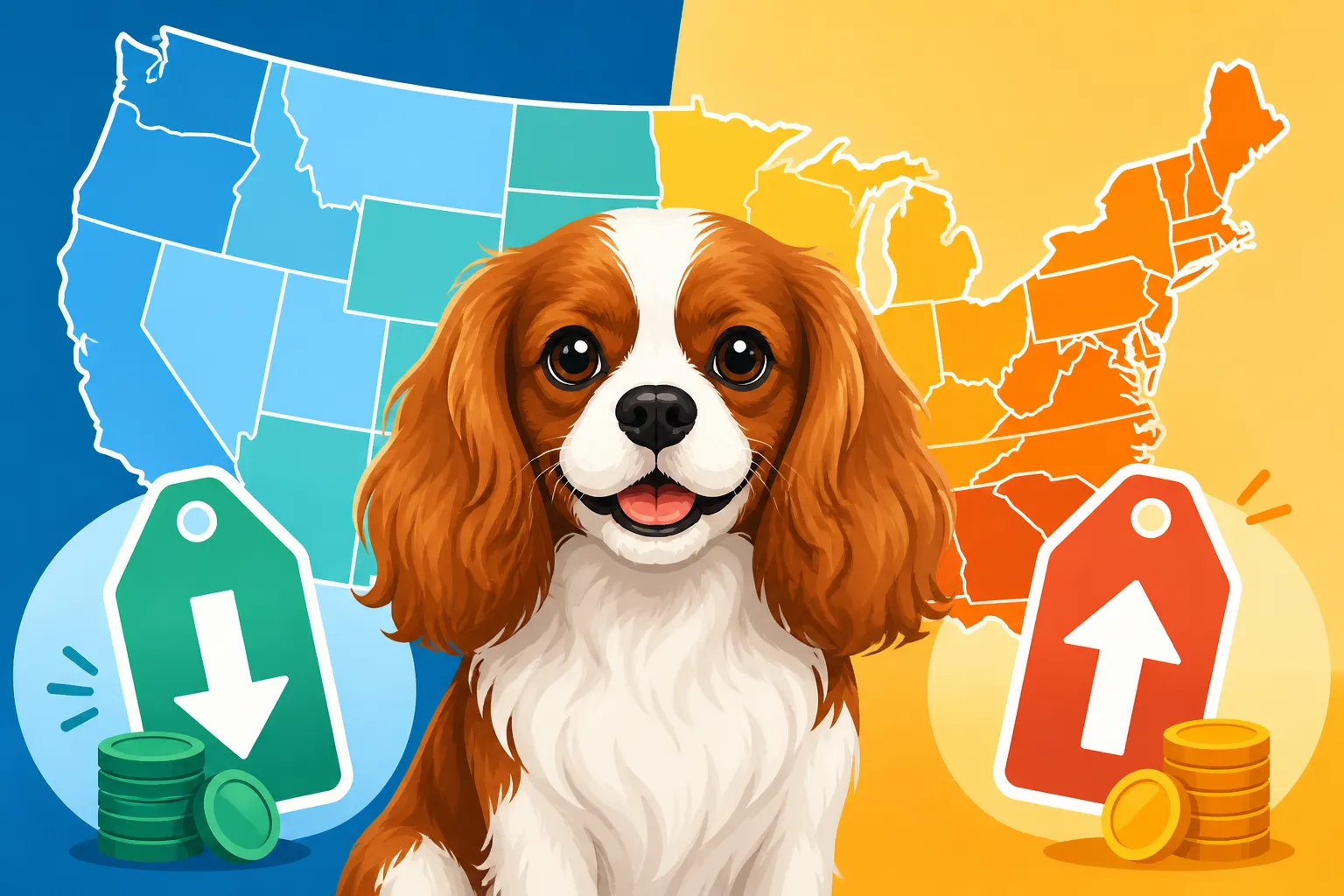
| State/Region | Estimated Puppy Price Range (Reputable Breeder) | Primary Contributing Factors |
|---|---|---|
| Northeast (e.g., NY, MA) | $3,500 – $5,000+ | High cost of living, specialized vet care, high demand |
| West Coast (e.g., CA) | $3,500 – $5,000+ | High cost of living, high demand, access to specialists |
| Midwest (e.g., OH, MO) | $2,500 – $4,000 | Moderate cost of living, reasonable vet fees, varied demand |
| Southeast (e.g., GA, NC) | $2,800 – $4,200 | Growing demand, moderate cost of living, good access to vets |
| South (e.g., TX, FL) | $3,000 – $4,500 | Mixed cost of living, strong demand in metropolitan areas |
| Mountain West (e.g., CO) | $3,000 – $4,500 | Growing demand, varying cost of living (city vs. rural) |
Note: These ranges are approximate and can vary significantly based on individual breeder reputation, specific health testing protocols, lineage, and current market dynamics. Always prioritize health and ethical practices over price.
State-Specific Breeding Regulations and Licensing
The patchwork of laws governing dog breeding and sales across the United States is another significant factor influencing Cavalier prices by state. While there are federal guidelines that large-scale commercial breeders must adhere to, individual states and even local municipalities can impose their own, often stricter, regulations. These laws can increase a reputable breeder's operational costs, but they are also crucial for consumer protection and animal welfare, effectively raising the bar for responsible breeding in some areas.
Varying Puppy Mill Laws and Their Influence
One of the most impactful legislative differences comes in the form of "puppy mill laws." Some states have robust regulations aimed at curbing the practices of large-scale commercial breeding operations, often referred to as puppy mills. These laws can dictate minimum kennel sizes, veterinary care requirements, exercise protocols, and limits on breeding frequency. For instance, states like Pennsylvania and Missouri have been at the forefront of implementing stricter oversight for commercial kennels. While a responsible, small-scale hobby breeder will likely already meet or exceed these standards, the very existence of such laws can drive up the general cost of compliance for all breeders in the state, even those operating ethically.
In states with laxer laws, or those where enforcement is weak, it can be easier for irresponsible breeders to operate with lower overheads. They might cut corners on veterinary care, housing, and sanitation, which allows them to offer puppies at a much lower price. This creates a dual effect: it can suppress prices overall in that state due to increased competition from unscrupulous sources, but it also means that genuinely responsible breeders in those states might need to charge more to distinguish themselves and cover their higher, ethical costs. Understanding the local landscape can help you avoid Cavalier Puppy Scams and Fake Heart Certificates that are unfortunately prevalent.
Health Certificate Requirements for Interstate Travel
When a puppy is sold across state lines, it typically requires a veterinary health certificate issued by a licensed veterinarian. This certificate confirms that the puppy has been examined, appears healthy, is free of communicable diseases, and is up-to-date on vaccinations and deworming. The specific requirements for these certificates can vary from state to state. Some states might have additional testing requirements for puppies entering their borders, or they might require the health certificate to be issued within a very specific timeframe before travel.
These requirements add another layer of cost and logistics for breeders who sell to out-of-state buyers. The vet visit for the health certificate, administrative fees, and sometimes additional testing all contribute to the final price. While this might seem like a minor expense, it's a non-negotiable step for legal and safe interstate puppy transport. It highlights the importance of asking for Reading a Cavalier Puppy's Health Certificates when picking up your new family member, especially if they traveled a distance.
Impact of Consumer Protection Laws
Some states offer stronger consumer protection laws related to pet sales, which can influence pricing. These laws might include mandated "lemon laws" for pets, requiring breeders to provide remedies (like refunds or replacement puppies) if a puppy is found to have certain health conditions within a specified period after purchase. While these laws are designed to protect buyers, they can also increase a breeder's perceived risk and thus their costs.
Breeders in states with strong consumer protection might invest more in pre-sale health screenings, written contracts, and follow-up care to minimize potential liabilities. This commitment to transparency and post-sale support is valuable but comes at a cost, which is ultimately reflected in the puppy's price. Conversely, breeders in states with weaker consumer protection might have less incentive to invest in these areas, potentially leading to lower prices but higher risks for the buyer. This is another reason why buying from a health-testing breeder is paramount, as discussed in Buying a Cavalier From a Health-Testing Breeder.
Demand and Availability of Cavaliers Across the US
The geography of Cavalier demand and the distribution of reputable breeders play a massive role in shaping prices across different states. It's not just about how many people want a Cavalier, but where those people are located and where the responsible breeders are raising their healthy litters. This creates a complex web of supply and demand that can lead to significant price discrepancies.
Popularity Hotspots and Waiting Lists
Certain states or metropolitan areas become "hotspots" for particular breeds. For Cavaliers, their charming temperament and manageable size make them incredibly popular in affluent, densely populated areas where apartment living is common, and families are looking for a gentle companion. Think coastal cities, bustling suburbs, and areas with a high concentration of dog lovers who appreciate the breed's specific qualities. In places like these, the demand for well-bred Cavaliers can far outstrip the local supply.
This high demand often results in long waiting lists for puppies from reputable breeders. It's not uncommon for prospective owners to wait 12-18 months, or even longer, for a puppy from a highly sought-after lineage or a breeder with an impeccable reputation. When demand is this strong, and the supply of ethically raised puppies is limited, prices naturally escalate. Breeders can justify a higher price because they know they have a consistent pool of buyers willing to pay for quality and the assurance that comes with a well-vetted puppy. This can be seen in Cavalier Puppy Prices in Texas and Florida, where population growth and affluence have driven demand.
Geographical Concentration of Reputable Breeders
Reputable breeders, those who adhere to strict health testing protocols and ethical practices, are not evenly distributed across the country. They often form communities, sharing knowledge and occasionally collaborating. Sometimes, a state might have a higher concentration of such breeders due to historical breeding lines, strong local breed clubs, or simply a legacy of dedicated fanciers.
If a state has many reputable breeders, there might be more competition, which could help stabilize prices or keep them from skyrocketing too much. However, if a state has very few responsible breeders, buyers in that state might have to look out of state, or local breeders might face less competition and can charge accordingly. It's a double-edged sword: a concentration of good breeders offers more choice but doesn't necessarily mean lower prices, especially if their standards are high. The key is finding a breeder who can show you The Cavalier Heart and MRI Papers to Ask For.
The Role of Online Search and Cross-State Purchases
In the age of the internet, geographic boundaries are less restrictive for puppy searches. Prospective owners often start their search online, casting a wide net across state lines. This means that a buyer in a high-cost, high-demand state might be willing to travel to a neighboring state with slightly lower prices, or vice-versa. This cross-state purchasing can impact prices in several ways.
Firstly, it can equalize prices to some extent, as breeders in different states become aware of what prices are being commanded elsewhere. If a breeder in a lower-cost state consistently sells puppies to buyers from higher-cost states, they might gradually increase their prices. Secondly, it can create a market where buyers are willing to pay for travel and transportation costs if it means securing a puppy from a highly reputable breeder, regardless of their location. This emphasizes that while state prices differ, the ultimate value comes from the breeder's commitment to health and temperament, not just proximity. When considering purchasing from another state, it's vital to research thoroughly to avoid puppy mill Cavaliers.
What 'Bargain' Cavalier Prices Often Hide
It's tempting, isn't it? You've seen those ads online or in local classifieds: "Cavalier Puppies, only $1,000!" or even less. When you're looking at prices that range from $2,500 to $5,000+, a "bargain" price can feel like a lifesaver for your wallet. But here's the hard truth, spoken from experience and observation: in the world of Cavaliers, a significantly lower price almost always comes with hidden costs. These aren't just minor inconveniences; they can lead to devastating health issues, heartbreaking behavioral problems, and ultimately, far greater financial burdens and emotional distress.
The Hidden Costs of Poor Breeding
A Cavalier puppy priced considerably below the typical range for a reputable breeder often signals that crucial steps in responsible breeding have been skipped. The most significant area where corners are cut is health testing. As we discussed, reputable breeders spend thousands annually on cardiac clearances, MRI scans for Syringomyelia, eye exams, and orthopedic evaluations for their breeding dogs. These tests are expensive, but they are absolutely essential for trying to reduce the incidence of debilitating, costly, and often painful genetic conditions in the puppies.
When a breeder foregoes these tests, they save a lot of money upfront, which allows them to sell puppies cheaply. However, this saving is passed onto you in the form of potential future vet bills. Imagine adopting a Cavalier puppy for $1,000, only to discover at age two that it has advanced Mitral Valve Disease requiring lifelong medication costing hundreds of dollars a month, or Syringomyelia that requires expensive diagnostics, pain management, and potentially even surgery. Suddenly, that initial "bargain" puppy costs you tens of thousands of dollars over its lifetime, not to mention the emotional toll of seeing your beloved pet suffer. This is why it’s critical to understand What a Puppy Mill Cavalier Really Costs You in the long run.
Puppy Mills and Backyard Breeders
The vast majority of "cheap" Cavalier puppies come from puppy mills or irresponsible backyard breeders. These operations prioritize profit above all else.
- Puppy Mills: These are commercial breeding facilities where dogs are often kept in inhumane conditions, with minimal veterinary care, poor nutrition, and inadequate socialization. Breeding dogs are often overbred, neglected, and live out their lives in cages. Puppies from these environments are frequently sickly, terrified, and prone to severe health and behavioral problems due to genetics, stress, and lack of early care. They might appear cheaper initially, but they are often riddled with parasites, viral infections, and congenital defects that lead to immediate, significant vet bills.
- Backyard Breeders: While not always as egregious as puppy mills, backyard breeders also cut corners. They might breed their family pet without understanding genetics, performing any health clearances, or providing proper pre-natal and post-natal care. These individuals often lack the knowledge, resources, and commitment to produce healthy, well-adjusted puppies. Their motivation might be to make a quick buck or simply "experience" a litter, without recognizing the profound responsibility involved.
Both types of breeders often sell puppies without proper documentation, health guarantees, or ongoing support, leaving new owners vulnerable and alone when problems arise.
When a Price Is Too Good to Be True
If you see a Cavalier puppy advertised for significantly less than the average reputable price in your area (generally below $2,500-$3,000, but certainly below $1,500), exercise extreme caution. This isn't usually a benevolent breeder trying to make puppies accessible; it's a massive red flag.
Ask yourself:
- Have the parents had all the recommended health clearances, including yearly cardiac exams by a cardiologist, MRI scans for SM, eye clearances, and orthopedic evaluations?
- Can the breeder provide proof of these clearances, not just a vet receipt for a basic check-up?
- Are the puppies raised in a clean, stimulating home environment, or do they seem shy, dirty, or sickly?
- Does the breeder ask you lots of questions about your lifestyle and home, showing they care where their puppies go?
- Do they offer a written health guarantee and a contract that outlines responsibilities?
If the answer to any of these is "no" or "I'm not sure," that low price is likely masking a future financial and emotional burden. It’s far better to invest a higher upfront cost in a puppy from a responsible breeder, ensuring a healthy start, than to face the inevitable high costs of medical intervention, specialized training, and heartache down the road from a poorly bred dog. Many people find themselves wishing they had opted for pet insurance like Healthy Paws, but often by the time symptoms appear, the conditions are considered pre-existing.
Navigating the Price Landscape and Making an Informed Decision
Finding a Cavalier King Charles Spaniel puppy can feel overwhelming, especially with the wide range of prices you'll encounter. However, by understanding the factors we've discussed, you can approach the search with confidence and make a decision that prioritizes the long-term well-being of your future companion over a tempting, but potentially risky, low upfront cost. The goal is to find a healthy, well-adjusted puppy, not just the cheapest one.
Researching Breeders in Your State and Beyond
Your first step should always be thorough research into reputable breeders. Don't limit yourself to breeders only within your immediate state, especially if you live in an area with a high cost of living or limited reputable options. Expanding your search to neighboring states or even further afield can open up more choices and sometimes more competitive pricing, without sacrificing quality.
- Start with National and Local Breed Clubs: Organizations like the Cavalier King Charles Spaniel Club, USA (CKCSC, USA) or the American Cavalier King Charles Spaniel Club (ACKCSC) are excellent resources. They often have breeder directories or lists of member breeders who adhere to their strict codes of ethics and health testing requirements.
- Ask for Referrals: Talk to other Cavalier owners, your veterinarian, or local dog trainers. Personal referrals can often lead you to excellent breeders who might not advertise widely.
- Visit in Person (if possible): If you can, visit the breeder's home or facility. This allows you to see the living conditions of the adult dogs and puppies, observe their temperament, and gauge the breeder's dedication. If an in-person visit isn't feasible due to distance, arrange video calls and ask for extensive photos and references.
- Ask Probing Questions: Don't be shy. Inquire about all health clearances for both parents (not just the sire, but the dam too!), their registration, and the socialization practices for the puppies. A reputable breeder will welcome your questions and be transparent. For a deeper dive into the questions to ask, see our article on What a Cavalier Breeder Should Show You Heart Papers.
Remember, a higher price from a reputable breeder is an investment in a healthier, happier dog and can actually be more economical in the long run than a cheaper puppy with hidden medical expenses.
Budgeting for Ongoing Cavalier Care
The purchase price of a Cavalier puppy is truly just the beginning of your financial commitment. A responsible owner understands that the ongoing care of a Cavalier involves significant costs throughout their life, which can easily overshadow the initial puppy price. This is particularly true for a breed prone to certain health conditions.
- Food and Supplies: High-quality food is essential for a Cavalier's health. Factor in the cost of premium kibble or fresh food, treats, toys, beds, and grooming supplies (brushes, combs, shampoo). Brands like Chewy and Ollie offer convenient delivery options for quality food.
- Veterinary Care: Routine vet visits, vaccinations, parasite prevention (flea, tick, heartworm), and annual check-ups are recurring expenses. As Cavaliers age, these costs can increase, especially if conditions like MVD develop. Regular care, including dental cleanings, is also crucial for their overall health and well-being.
- Pet Insurance: This is a crucial consideration for Cavaliers. Enrolling your puppy in a comprehensive pet insurance plan, such as Healthy Paws, before any health issues (like a heart murmur) are detected can save you thousands of dollars down the line. Many common Cavalier ailments, once diagnosed, become "pre-existing conditions" and won't be covered if you wait too long. Our guide on Insuring a Cavalier Before the Murmur Arrives offers valuable advice here.
- Grooming: While Cavaliers don't require elaborate grooming, regular brushing, nail trims, and occasional professional grooming appointments are necessary to keep their silky coats healthy and free of mats.
- Training and Socialization: Budget for puppy classes, socialization opportunities, and potentially professional training if behavioral challenges arise. Cavaliers thrive on positive reinforcement and early exposure to various sights and sounds.
A realistic understanding of What a Cavalier Costs a Year Before Any Heart Bills will help you prepare financially and ensure you can provide your Cavalier with the best possible care throughout their life.
Considering Adoption from a Rescue
If the price of a well-bred puppy feels prohibitive, or if you're open to an older dog, adopting a Cavalier from a reputable breed-specific rescue organization is an excellent option. While rescue fees are still present, they are typically lower than puppy prices, often ranging from a few hundred dollars to around a thousand.
- Rescue Benefits: Rescue organizations often provide extensive veterinary care, including spaying/neutering, vaccinations, dental work, and sometimes even addressing existing health conditions before adoption. They also thoroughly assess the dog's temperament and can offer valuable insights into their personality and needs, helping you find the perfect match. Many rescues will have detailed health histories, especially if the dog has been in their care for a while.
- Health Considerations: It's important to understand that many rescue Cavaliers, especially older ones, may come with existing health conditions like a heart murmur. Reputable rescues are transparent about these issues and will provide all available veterinary records. While you might still incur future vet bills, the rescue's initial investment in their health care can be substantial. For more details on what to expect, read What a Cavalier Rescue Asks Adopters to Pay.
- A Rewarding Experience: Adopting an older Cavalier can be incredibly rewarding. These dogs often settle into new homes quickly and are deeply appreciative of a second chance. It's a way to give a deserving Cavalier a loving home while potentially saving on the initial acquisition cost.
Ultimately, the decision of where to get your Cavalier is a personal one. By educating yourself on the factors influencing price, understanding the full scope of ownership costs, and exploring all reputable avenues, you can find a wonderful Cavalier companion that fits your family and your budget, ensuring a happy and healthy life together.
Disclaimer
This guide provides general information about Cavalier King Charles Spaniel pricing and ownership costs. Veterinary practices and prices can vary significantly by location and individual circumstances. Always consult with a qualified veterinarian or specialist for personalized advice regarding your Cavalier's health and care. The brand mentions are for illustrative purposes and do not constitute endorsements or guarantees.