Cavalier Prices at a Breeder Who Scans Hearts
It’s completely understandable to feel a bit of sticker shock when you first start looking at Cavalier King Charles Spaniel puppies, especially when you see the prices from breeders who are truly invested in the health of their dogs. We all want to bring home a healthy, happy puppy, but the difference in price tags can be bewildering. This guide will walk you through exactly why a reputable Cavalier breeder who diligently scans for health issues will charge what they do, and why that upfront investment is almost always worth it in the long run.
Understanding Why Health-Tested Cavalier Puppies Cost More
When you encounter a higher price tag for a Cavalier puppy from a reputable breeder, it’s not just about paying for a cute face. It’s an investment in a meticulously planned, responsibly raised puppy whose parents have undergone extensive, and often expensive, health screenings. Think of it as purchasing a vehicle with a full, documented service history versus one that’s a mystery. That comprehensive history, in the form of health clearances, dramatically reduces the risk of you inheriting significant and heartbreaking health issues down the line.
A dedicated breeder doesn't just wake up one day and decide to breed their Cavalier. They invest years in researching pedigrees, understanding genetic predispositions, and building relationships with other ethical breeders and veterinary specialists. This isn't a casual hobby; it's a commitment to improving the breed and ensuring the health and welfare of every puppy they bring into the world. They're often members of breed clubs, attend seminars, and stay current on the latest health recommendations. Their decisions are based on the health of the entire line, not just a single mating. This level of dedication translates directly into the quality and, yes, the price of their puppies.
The financial outlay for these breeders is considerable. They're paying for annual specialist vet visits, sometimes multiple times a year, for their breeding dogs. These aren't just routine check-ups; they are specialized screenings for breed-specific conditions that can literally cost thousands before a single puppy is even conceived. When you choose a puppy from a breeder like this, you're benefiting from all that foundational work. You're not just buying a puppy; you're buying peace of mind, knowing that a professional has done everything in their power to give your future companion the best possible start in life, free from easily preventable genetic diseases.
What Health Clearances Mean for a Cavalier Puppy's Price Tag
The core of a higher price from a reputable Cavalier breeder lies in the specific, in-depth health clearances performed on the parent dogs. Cavaliers, bless their sweet hearts, are prone to a few serious genetic conditions that can dramatically impact their lifespan and quality of life. Ethical breeders go above and beyond to screen for these, and these screenings aren't cheap for them.
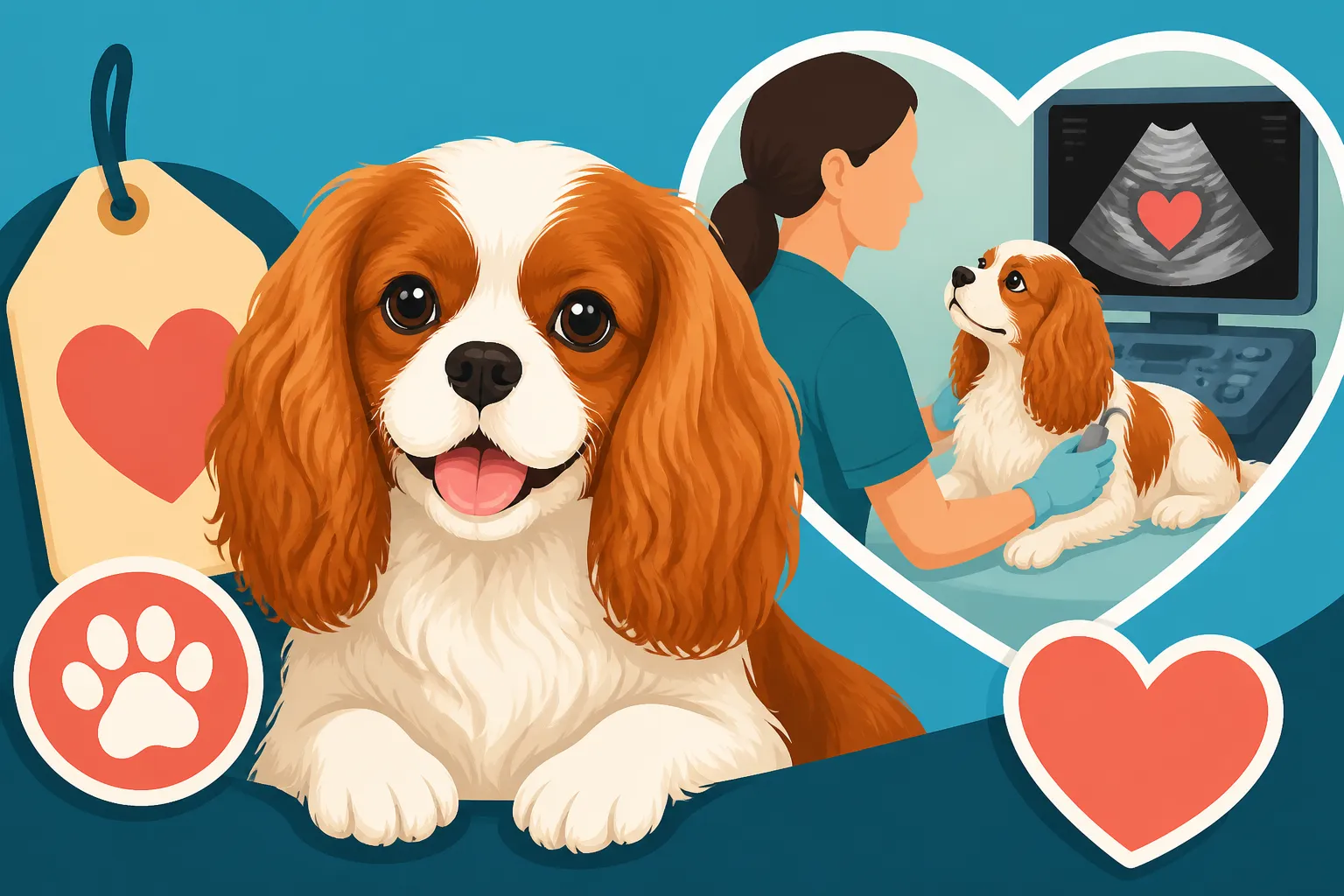
Let's talk about the big one: Mitral Valve Disease (MVD). This heart condition affects an alarmingly high percentage of Cavaliers. A responsible breeder will have their breeding dogs examined annually by a board-certified veterinary cardiologist, not just a regular vet, to listen for heart murmurs. More importantly, these cardiologists perform echocardiograms, which are ultrasound scans of the heart, to assess the valve's function and heart size. These scans are critical because a murmur might not always mean disease, but an echo provides definitive answers. These Annual Cardiologist Exams for a Cavalier for breeding dogs, especially when following specific breeding protocols like The Cavalier MVD Breeding Protocol which suggests waiting until a dog is five years old before breeding, add up significantly. The cost of a single echocardiogram can be substantial, and breeders often have several breeding animals that need this done year after year.
Then there's Syringomyelia (SM), a neurological condition where the brain is too large for the skull, leading to fluid-filled cavities in the spinal cord. Screening for SM requires an MRI scan of the brain and neck, performed by a veterinary neurologist. This is not a simple vet visit; it requires general anesthesia and specialized equipment. The price of What an MRI Costs to Rule Out Cavalier Syringomyelia is a huge investment for breeders, as it can be several thousand dollars per dog, and it's recommended to scan breeding dogs. These scans help breeders make informed decisions about who to breed to avoid passing on this painful condition.
Beyond MVD and SM, breeders also screen for other vital health issues. This includes comprehensive eye exams by a veterinary ophthalmologist to rule out inherited eye diseases like cataracts or retinal dysplasia. They'll also check for patellar luxation (loose kneecaps) and get hips evaluated for hip dysplasia, often through X-rays submitted to registries. Lastly, genetic DNA tests for conditions like Episodic Falling Syndrome in a Cavalier and Dry Eye/Curly Coat Syndrome are crucial. While these DNA tests are less expensive than specialist exams or MRIs, they're still an added cost. All these tests, documented in The DNA Tests Every Cavalier Should Have, are part of the due diligence.
Consider the following table summarizing typical health screening types and why they’re done:
| Health Test Category | Purpose | Performed By | Frequency | Impact on Puppy Price |
|---|---|---|---|---|
| Cardiac (MVD) | Detects heart murmurs & assesses valve function to prevent Mitral Valve Disease. | Board-Certified Cardiologist | Annually | High (Echocardiograms are costly) |
| Neurological (SM) | Screens for Syringomyelia, ensuring the brain fits the skull, preventing pain and neurological issues. | Board-Certified Neurologist | Once (MRI) | Very High (MRI with anesthesia is expensive) |
| Ophthalmological | Checks for inherited eye diseases (e.g., cataracts, retinal dysplasia). | Board-Certified Ophthalmologist | Annually | Moderate |
| Orthopedic | Evaluates hips (dysplasia) and patellas (luxation) for joint health. | Veterinarian, X-rays | Once (hips), Annually (patellas) | Moderate |
| DNA Tests | Identifies carriers for Episodic Falling, Dry Eye/Curly Coat Syndrome, and other genetic diseases. | Specialized Lab | Once | Low (per test) |
These aren't one-time expenses. Many of these tests are performed annually on breeding dogs to ensure their ongoing health status. A breeder who proudly shows you their The Heart Testing a Cavalier Breeder Must Do results and other health certificates is transparently demonstrating their investment. This commitment to health testing is ultimately what adds to the puppy's initial cost, as the breeder needs to recoup some of these significant expenses to continue their ethical breeding program.
The Long-Term Value of a Higher Initial Investment
While the initial price for a health-tested Cavalier puppy might feel like a stretch, it's crucial to consider this as a preventative measure, not just an expense. The alternative, a "bargain" puppy from an un-tested or poorly tested lineage, often ends up being far more expensive in the long run, both financially and emotionally.
Imagine bringing home a charming, adorable Cavalier puppy only to discover at two or three years old that it has severe Mitral Valve Disease, needing costly daily medications and specialized veterinary care. Or perhaps it starts showing signs of Syringomyelia, requiring expensive neurological consultations, MRIs, and a lifetime of pain management. These are not hypothetical situations; they are the devastating realities for many Cavalier owners who unwittingly purchased puppies from breeders who skipped essential health screenings. The emotional toll of watching your beloved pet suffer, coupled with the financial strain of managing chronic, serious illness, can be immense. Medications for MVD, for example, can be hundreds of dollars a month, not to mention repeat cardiologist visits and emergency care. A lifetime of vet bills for an un-tested Cavalier can easily run into the tens of thousands of dollars.
This is where that higher upfront cost truly shines as a long-term value. By getting a puppy from parents with clear health certifications, you're dramatically reducing the risk of these heartbreaking and budget-breaking conditions. It's like paying more for a house with a solid foundation and a clean bill of health versus one with hidden structural damage. The peace of mind alone is priceless. You're not just buying a dog; you're buying a higher probability of a healthy, happy life together, free from preventable suffering.
Furthermore, responsible ownership often includes considering pet insurance. Companies like Healthy Paws can be a lifesaver, but here's the catch: pre-existing conditions are rarely covered. If you buy a puppy whose parents weren't heart-clear, and your Cavalier develops a murmur young, that condition may be excluded from coverage if it showed up before or too soon after you enrolled. Getting Insuring a Cavalier Before the Murmur Arrives is a smart move, but a healthy start from a reputable breeder maximizes your chances of full coverage for any new conditions that might arise. This really highlights the foresight of a health-testing breeder.
Beyond potential illness, a healthy puppy means you can focus on the joys of ownership: providing quality nutrition, like options found on Chewy or personalized meal plans from Ollie, enjoying walks, and simply cherishing your companion, rather than stressing over continuous specialist appointments and mounting vet bills. The investment in a health-tested puppy is ultimately an investment in a fuller, less stressful life for both you and your Cavalier.
How to Navigate and Verify a Breeder's Health Claims
Alright, so you understand why health testing adds to the price and why it's so important. Now, how do you make sure the breeder you're considering is actually doing what they claim? This is where your due diligence comes in, and it's paramount to avoid potential scams or well-meaning but ill-informed breeders.
First and foremost, always, always ask for proof. A truly reputable breeder will not be offended; in fact, they'll welcome your questions and be eager to share their documentation. They should provide you with copies of health certificates for both parent dogs. For MVD, you should see reports from a board-certified veterinary cardiologist, detailing the echocardiogram results and the specific grade of any murmur found. For SM, ask for the MRI reports and ideally, a certificate from a qualified neurologist. These documents should clearly state the registered names of the parent dogs, matching the names on their pedigrees. Don't settle for a breeder simply saying, "Oh yes, they're perfectly healthy." You need to see the paperwork. You can often cross-reference these registered names in public databases run by breed clubs or health organizations to verify the results. This is part of Whether a Cavalier Breeder Should Show You Heart Papers.
Secondly, ask about the age of the breeding dogs. As mentioned, the MVD breeding protocol suggests waiting until a Cavalier is at least five years old before breeding to minimize the risk of early-onset MVD. A breeder who breeds dogs younger than this, particularly without extensive family history clearances, might be cutting corners. For more detail, you can read about Why a Cavalier Should Not Be Bred Before Five. Don't hesitate to inquire about the frequency of health testing as well; annual checks for eyes and hearts are the gold standard.
Third, visit the breeder's premises if at all possible. This allows you to observe the living conditions of the dogs, see the parent dogs (at least the mother, and hopefully the father if he lives there), and get a sense of their temperament and care. A clean, caring environment with well-socialized, happy dogs is a huge positive sign. You want to see puppies raised in a stimulating home environment, not in a kennel setting with little human interaction. This is also your chance to assess the parent dogs' overall health, energy levels, and personalities. Remember, temperament is often inherited, so you want to meet calm, friendly parents.
Finally, read the breeder's contract carefully. A good breeder will have a comprehensive contract that outlines health guarantees, spay/neuter clauses, and what happens if a serious genetic health issue arises that was supposed to be screened for. They should also provide you with Reading a Cavalier Puppy's Health Certificates when you take your puppy home, along with their registration papers and a clear feeding schedule. Be wary of breeders who offer puppies without documentation, rush you into a decision, or push for cash-only payments without proper receipts. These can be red flags for less-than-ethical operations, or even Cavalier Puppy Scams and Fake Heart Certificates. A responsible breeder wants to ensure their puppies go to loving, prepared homes, and they will likely have a waiting list, showing that their reputation precedes them.
Bringing home a Cavalier puppy is a significant, joyous event. By investing in a puppy from a health-tested lineage, you’re not just paying a higher price; you’re investing in a lifetime of love and minimizing the potential for heartache and astronomical vet bills down the road. It’s a choice that reflects a true understanding of the breed and a commitment to responsible pet ownership.
Disclaimer
This article is for general informational purposes only and does not constitute professional advice. Laws, prices and regulations vary by location and change over time. Consult a qualified professional for guidance on your specific situation.