Whether a Cavalier Is Worth Three Thousand Dollars
For many hopeful Cavalier King Charles Spaniel owners, the initial sticker shock of a puppy from a reputable breeder can be a real jolt. You see prices that can reach or even exceed three thousand dollars, and a natural question arises: "Is a Cavalier truly worth that kind of investment?" It’s a completely fair thought, especially when you encounter ads for seemingly identical puppies at much lower costs. This guide will walk you through what genuinely goes into that higher price tag, what you're really paying for, and the hidden costs and risks that can arise from trying to cut corners on the initial purchase.
Understanding the "Why" Behind Cavalier Puppy Pricing
When you first start looking for a Cavalier puppy, it’s easy to feel overwhelmed by the sheer range of prices. You might see adorable pictures online with wildly different numbers attached, and it can be incredibly confusing. It's not just about how cute the puppy is; that higher price tag from a responsible breeder isn't plucked out of thin air. It's a reflection of the significant investment, care, and dedication that goes into producing healthy, well-socialized puppies.
Think about it this way: a true enthusiast breeder isn’t running a puppy mill. They’re meticulously planning litters, often waiting years for the right pairings. This involves extensive health testing of both parent dogs, which can be quite costly. We're talking about yearly cardiologist exams to screen for Mitral Valve Disease in the Cavalier King Charles Spaniel, MRI scans to check for Syringomyelia and Chiari Malformation in Cavaliers, eye certifications, and DNA tests for conditions like Episodic Falling Syndrome in a Cavalier and Dry Eye and Curly Coat Syndrome in Cavaliers. Each of these tests, especially specialist scans, comes with its own substantial fee. These aren't just one-time checks; they're often repeated annually or multiple times throughout a breeding dog's life. The cost of just these health clearances can run into thousands of dollars per dog, and a breeder often has several breeding adults.
Beyond the medical bills for the parents, there’s the day-to-day care of adult dogs, quality food, supplements, routine vet visits, and proper housing. Then, when a litter arrives, the costs escalate further. Pregnancy care, potential emergency C-sections, puppy food, vaccinations, deworming, microchipping, and vet checks for each individual puppy add up. And let’s not forget the enormous amount of time and effort a breeder invests in early socialization, critical for developing a confident and stable temperament. They’re handling puppies daily, exposing them to different sounds, textures, and experiences, ensuring they're ready to integrate into a family home. This hands-on, dedicated care for both parents and puppies is what truly differentiates a responsible breeder from someone just looking to make a quick profit, and it's reflected in the price.
Beyond the Sticker Price: The True Cost of Cavalier Ownership
While three thousand dollars or more for a puppy can feel like a lot upfront, it's crucial to understand that this is just the entry fee into Cavalier ownership. Many new owners mistakenly focus solely on the initial purchase price, failing to budget for the ongoing costs that will inevitably follow. Cavaliers, like any purebred dog, come with certain predispositions, and being realistic about the potential financial commitment over their lifespan is key.
A healthy Cavalier, even one from rigorously health-tested parents, will still incur significant annual expenses. There's quality food (which can be pricier for smaller breeds or specialized diets from brands like Ollie or Chewy), routine veterinary check-ups, vaccinations, parasite prevention, grooming supplies, and professional grooming every six to eight weeks. Many owners underestimate What a Cavalier Costs a Year Before Any Heart Bills, often focusing on the dire health issues but forgetting the everyday expenses that add up. These routine costs alone can easily run into hundreds, if not a thousand or more, dollars annually.
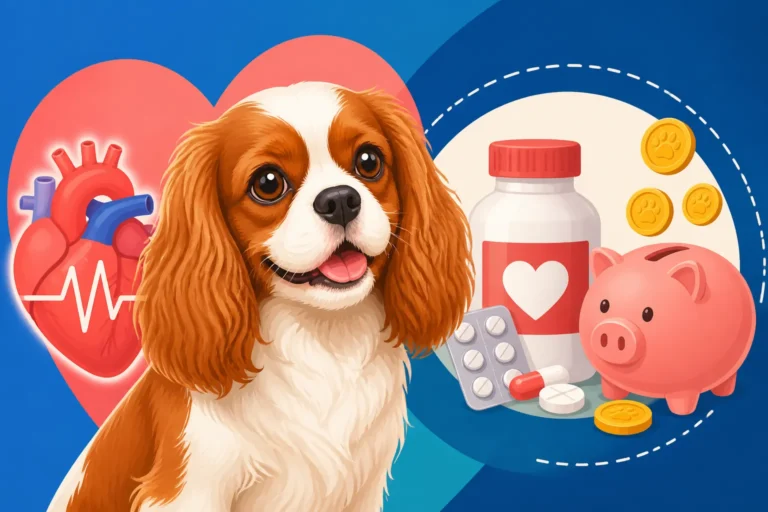
The real financial curveball, however, often comes with health issues. Cavaliers are sadly predisposed to several serious conditions, most notably Mitral Valve Disease in the Cavalier King Charles Spaniel and syringomyelia. Even with the best breeding practices, these conditions can manifest. When a Cavalier is diagnosed with MVD, for example, the treatment can become very expensive. You'll face cardiologist consultations, repeat echocardiograms, chest X-rays, and potentially a lifetime of multiple medications like Pimobendan and diuretics. These treatments are essential for managing the disease and improving your dog's quality of life, but they come at a significant cost. Similarly, a diagnosis of syringomyelia might involve expensive MRI scans, ongoing pain medication like Gabapentin, and potentially even surgery. Therefore, the upfront puppy price pales in comparison to What Cavalier Heart Disease Costs to Treat or Paying for a Cavalier Syringomyelia Workup can truly entail over the years.
The Risks of a "Bargain" Cavalier
It's tempting to look at a Cavalier priced significantly lower than the market average – say, under a thousand dollars – and see it as a savvy move. "Why pay more when I can get the same dog for less?" you might think. Unfortunately, this line of reasoning often leads to heartbreak and far greater expenses down the road. These "bargain" puppies are almost invariably from breeders who cut corners, and those corners are almost always related to health and ethical breeding practices.
Breeders selling puppies cheaply are often not performing the necessary health screenings on their parent dogs. This means you could be buying a puppy whose parents carry genes for serious conditions like MVD, syringomyelia, or Cavalier Eye Disease From Dry Eye to Cataracts. You might not see signs of these issues in a young puppy, but they can emerge as the dog ages, sometimes tragically early. When you buy a puppy without proper health clearances for the parents, you’re essentially rolling the dice with your future dog's health. You're bringing home a ticking time bomb, unaware of the genetic predispositions lurking beneath the surface. The money "saved" on the initial purchase quickly evaporates, and then some, when you face veterinary bills for complex, chronic conditions.
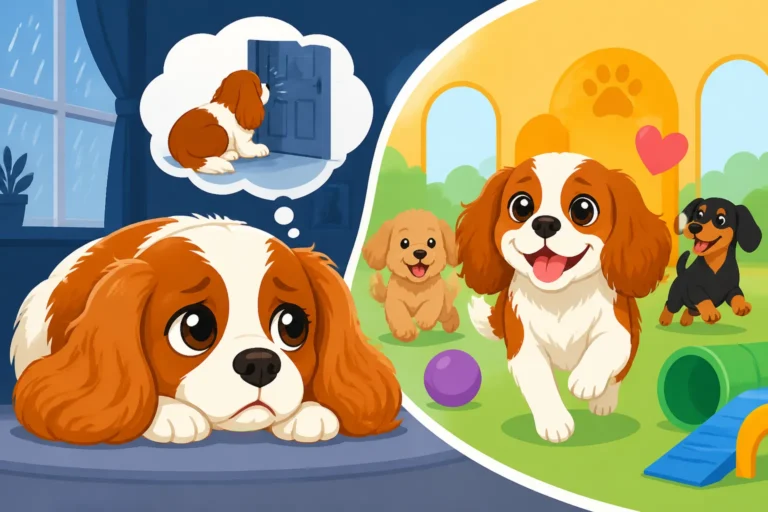
Furthermore, these breeders often prioritize quantity over quality, leading to less-than-ideal living conditions and insufficient socialization for puppies. A puppy raised in a chaotic, unsanitary, or isolated environment may develop behavioral issues such as extreme shyness, fear aggression, or severe Living With a Cavalier That Panics When Alone. Training and potentially behavioral therapy for these issues can add another layer of expense and emotional strain. It's a classic scenario: save a bit upfront, pay a lot later in both money and emotional toll. This is why many experienced Cavalier owners will tell you that Whether a Cheap Cavalier Saves You Money is almost always a resounding "no." You end up paying for it one way or another, and often the "bargain" becomes the most expensive dog you've ever owned.
Assessing Value: What a Reputable Breeder Offers for Your Investment
So, when you're looking at a Cavalier puppy from a reputable breeder priced at three thousand dollars or more, what exactly are you investing in? It's far more than just a cute face. It's an investment in a significantly better chance at a healthy start, robust genetics, and a well-adjusted temperament, all backed by a breeder who truly cares.
A responsible breeder openly shares the health clearances of both parent dogs. They welcome questions about their breeding philosophy and the health history of their lines. They should be able to show you the official certifications for heart, eye, patella, and MRI scans for syringomyelia. They follow recommended breeding protocols, such as The Cavalier MVD Breeding Protocol which advises against breeding dogs before a certain age to ensure their hearts are proven clear. This transparency provides immense peace of mind. Knowing that the breeder has done their utmost to mitigate known health risks means you're not just buying a puppy; you're buying into a legacy of careful selection and dedication to the breed's well-being. This is why Buying a Cavalier From a Health-Testing Breeder is the only recommendation from responsible experts.
Beyond the genetic groundwork, a reputable breeder offers invaluable ongoing support. They are a resource for life, ready to answer questions about everything from training tips to health concerns. Many offer comprehensive puppy packs, initial vet checks, and often a health guarantee that provides some protection against genetic diseases. They've also invested in early neurological stimulation and socialization, which are crucial for developing a confident and friendly companion.
Here’s a quick overview of what you often get for that higher price:
| Feature | Reputable Breeder (Higher Price) | "Bargain" Breeder (Lower Price) |
|---|---|---|
| Parent Health Testing | Extensive, documented heart, eye, patella, MRI, DNA clearances. | Often minimal to none; claims may be unverifiable or fraudulent. |
| Breeding Practices | Adheres to MVD protocol, careful genetic pairing, delayed breeding. | Breeds younger dogs, focuses on quick turnaround, less genetic consideration. |
| Puppy Care | Vet-checked, vaccinated, dewormed, microchipped, excellent nutrition. | May lack full vaccinations, deworming, or adequate vet care. |
| Socialization | Raised in home environment, exposed to sounds, people, experiences. | May be kennel-raised, limited human interaction, poor early stimulation. |
| Genetic Predisposition | Reduced risk for major genetic health issues. | Higher risk for MVD, Syringomyelia, eye diseases, etc. |
| Post-Sale Support | Lifelong resource, takes dog back if needed, health guarantee. | Often disappears after sale, no support or guarantee. |
| Long-Term Costs | Potentially lower vet bills for genetic conditions over time. | High likelihood of significant vet bills for preventable issues. |
| Emotional Toll | Greater peace of mind, less stress over health issues. | Frequent worry, potential heartbreak over sick or ill-tempered dog. |
For many Cavalier owners, the peace of mind that comes from knowing their puppy has the best possible start and that they have a responsible breeder's support throughout its life makes the initial investment worthwhile. It's about setting yourself and your future companion up for the healthiest, happiest life possible, potentially avoiding exorbitant veterinary bills and emotional distress down the line. You also need to consider pet insurance from providers like Healthy Paws as soon as you get your puppy, before any conditions manifest, as this is crucial for managing unexpected health costs later on.
The Long-Term Perspective on Value
Ultimately, deciding whether a Cavalier is "worth" three thousand dollars isn't just about the money; it’s about the value you place on health, temperament, and a secure start for your beloved companion. When you factor in the potential costs of treating serious genetic diseases that can arise from irresponsible breeding, that initial higher price tag for a puppy from a reputable breeder often looks like a sound investment.
It’s about more than just avoiding huge vet bills; it’s about the quality of life for your dog and the emotional well-being of your family. A Cavalier with a painful condition like syringomyelia or severe heart failure can be incredibly distressing for both the dog and its owners. The sleepless nights, the constant worry, the difficult decisions – these are the true costs of a "bargain" puppy.
Responsible breeders are working hard to preserve and improve the health of the Cavalier King Charles Spaniel. By supporting them, you're not only getting a puppy with a better chance at a long, healthy life, but you're also contributing to the future of the breed. It’s a choice that reflects a commitment to ethical pet ownership and a recognition that some things, especially the health and happiness of a family member, are truly priceless. Asking to see The Cavalier Heart and MRI Papers to Ask For from any breeder is a critical step in ensuring you're making a wise and informed decision.
Disclaimer
This article is for general informational purposes only and does not constitute professional advice. Laws, prices and regulations vary by location and change over time. Consult a qualified professional for guidance on your specific situation.