Cavalier Knees, Hips and Joint Problems
It's incredibly disheartening when your beloved Cavalier, known for their joyful bounce and boundless affection, starts to show signs of discomfort or pain. Watching them hesitate before jumping on the sofa, limp after a short walk, or struggle to get up after a nap can fill any owner with worry. Joint problems in Cavalier King Charles Spaniels are, unfortunately, not uncommon, and this guide is here to walk you through understanding, identifying, and managing these often-painful conditions, offering realistic solutions and a supportive voice.
Understanding Patellar Luxation in Cavaliers
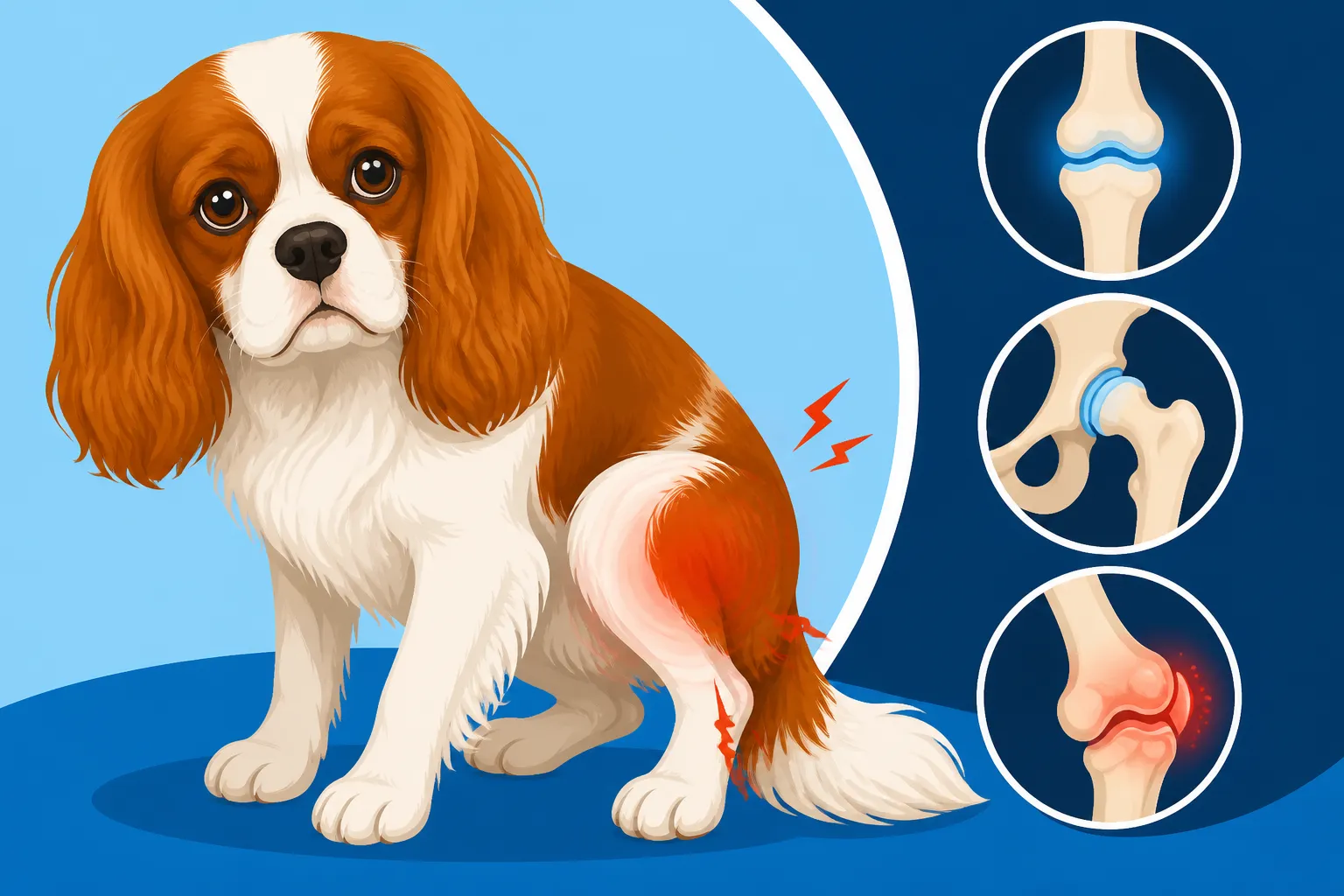
Patellar luxation, or "slipped kneecap," is one of the most frequently diagnosed orthopedic issues in small breeds like our Cavaliers. It sounds alarming, and in some cases, it can be quite painful and debilitating, but understanding what's happening can help you advocate for your pup. Imagine the patella, or kneecap, as a small bone that normally glides smoothly in a groove at the end of the thigh bone (femur) when the knee bends and straightens. In a Cavalier with patellar luxation, this kneecap pops out of that groove, usually towards the inside of the leg (medial luxation), but sometimes to the outside (lateral luxation). This sudden shift disrupts the smooth movement of the knee joint.
What is Patellar Luxation?
At its core, patellar luxation is a structural misalignment. It means that the bones, ligaments, and muscles around the knee aren't perfectly aligned, causing the kneecap to dislocate. This can happen due to a variety of factors, often genetic, which lead to a shallower-than-normal trochlear groove where the kneecap should sit, or an abnormal angle of the patellar ligament. When the kneecap pops out, it can range from a quick, almost unnoticeable slip that corrects itself, to a complete and painful dislocation that prevents the dog from bearing weight on the limb. Owners often describe their Cavalier doing a little "skip" or momentarily holding a back leg up, shaking it, and then putting it back down as if nothing happened. This is often the first, subtle sign that something isn't quite right with their knee.
The condition is often present from birth, though signs might not become apparent until a puppy is a few months old or even into adulthood. You might notice it more after vigorous play or a sudden turn. It's not always constant; some days your Cavalier might seem perfectly fine, only to have a noticeable limp the next. This on-again, off-again nature can make it frustrating for owners to pinpoint the exact issue, leading to delays in seeking veterinary advice. Don't second-guess yourself if you see these subtle signs; trust your instincts that something feels off with their movement.
Grades of Luxation and Their Impact
Veterinarians classify patellar luxation into four distinct grades, which describe the severity of the dislocation. Understanding The Four Grades of Cavalier Patellar Luxation can help you comprehend the diagnosis your vet provides and what it means for your Cavalier's future mobility. A Grade 1 luxation is the mildest, where the kneecap can be manually displaced from its groove but pops back into place on its own, and clinical signs are often minimal or intermittent. Your Cavalier might only show a slight skip occasionally, and many dogs with Grade 1 can live a full, happy life with proper management and without needing surgery.
As the grade increases, so does the frequency and severity of the luxation and its impact. In a Grade 2 luxation, the kneecap still slips out of the groove, but it doesn't always return on its own, sometimes requiring manipulation or a specific movement from the dog. Dogs with Grade 2 often have a more consistent skip or limp. Grade 3 means the kneecap is out of its groove most of the time but can be manually put back in, though it quickly pops out again. These dogs typically have a persistent limp and altered gait, making everyday activities uncomfortable. Finally, Grade 4 is the most severe, where the kneecap is permanently dislocated and cannot be manually repositioned. Dogs with Grade 4 often have significantly compromised mobility, a crouched stance, and severe lameness. The higher the grade, the greater the likelihood of secondary issues like arthritis developing due to the abnormal wear and tear on the joint.
Surgical Intervention for Loose Kneecaps
For Cavaliers with higher grades of patellar luxation, or those experiencing significant pain and mobility issues even at lower grades, surgical correction is often recommended. The goal of Surgery for a Cavalier Kneecap is to realign the structures of the knee so the kneecap stays securely in its groove. A common procedure involves deepening the trochlear groove, where the patella sits, so it has a more secure track. The surgeon might also move the attachment point of the patellar ligament on the tibia (tibial crest transposition) to correct the angle of pull on the kneecap. Additionally, any stretched or tight soft tissues around the knee might be adjusted to help stabilize the joint.
The decision for surgery isn't taken lightly, and your vet will consider your Cavalier's age, overall health, the specific grade of luxation, and how much it's affecting their quality of life. Recovery involves a period of restricted activity, pain management, and often physical therapy to rebuild strength and range of motion. It can be a demanding process for both you and your dog, requiring patience and dedication to ensure the best possible outcome. While the prospect of surgery can be daunting, many Cavaliers experience a significant improvement in comfort and mobility after a successful operation, allowing them to return to their playful selves. It's a testament to their resilience and your commitment to their well-being.
Deciphering Cavalier Hip Dysplasia
While patellar luxation often steals the spotlight when it comes to Cavalier joint issues, hip dysplasia is another significant concern that can severely impact their quality of life. It’s a condition that might conjure images of larger breeds, but smaller dogs, including Cavaliers, are absolutely susceptible. Unlike the immediate "pop" of a kneecap, hip dysplasia tends to be a more insidious problem, often developing over time and sometimes going unnoticed until it's quite advanced. It's a condition that impacts the ball-and-socket joint of the hip, where the thigh bone meets the pelvis, leading to discomfort, lameness, and ultimately, arthritis.
The Mechanics of Hip Dysplasia
Hip dysplasia is a developmental condition where the hip joint doesn't form correctly. Instead of a snug fit, the "ball" (head of the femur) and "socket" (acetabulum of the pelvis) fit together loosely. This laxity allows the joint to subluxate, or partially dislocate, during movement. Over time, this abnormal movement causes wear and tear on the cartilage and bone, leading to inflammation, pain, and degenerative joint disease – essentially, early onset arthritis. The severity can vary greatly, from mild laxity with minimal symptoms to severe malformation causing significant pain and lameness. It's largely a genetic condition, meaning it can be passed down from parent dogs, which is why responsible breeding practices are so crucial.
The constant grinding and rubbing in a dysplastic hip leads to the body trying to stabilize the joint by laying down new bone, which further restricts movement and increases pain. Think of it like a poorly designed hinge on a door that keeps catching and scraping, eventually damaging both the door and the frame. This progressive nature means that even if a Cavalier doesn't show signs as a puppy, the underlying structural issue is still present and will likely cause problems later in life. It’s a silent, persistent thief of comfort that many owners struggle to identify until their dog is already in considerable discomfort.
Signs and Symptoms of Hip Dysplasia
Recognizing the signs of hip dysplasia in your Cavalier can be tricky, as they often try to hide their pain, a common trait in many dogs. However, paying close attention to their movement and behavior can give you vital clues. Early on, you might notice subtle changes: a reluctance to jump, climb stairs, or engage in vigorous play. They might start favoring one leg, or you might observe a "bunny hop" gait when they run, where both back legs move together. As the condition progresses, you'll likely see more pronounced lameness, difficulty rising after rest, and a noticeable stiffness, especially in the mornings or after exercise. For more information on recognizing the condition, you can refer to Cavalier Hip Dysplasia and Early Arthritis.
Owners often report their Cavaliers becoming less enthusiastic about their usual walks or playtime in the yard. They might seem more tired, wanting to rest more often. You might even notice a change in their muscle mass, with their hindquarters appearing less developed due to them avoiding using those muscles fully. Some Cavaliers may show sensitivity or vocalize when their hips are touched or manipulated. It's important to remember that these signs can develop gradually, making it easy to dismiss them as simply "getting older" or "slowing down." Always consult your vet if you observe any persistent changes in your Cavalier's mobility or behavior, as early diagnosis can lead to more effective management strategies.
Screening and Evaluation for Hip Health
Given the genetic component of hip dysplasia, screening is a vital tool for both breeders and owners. For breeders, responsible practices involve evaluating parent dogs to minimize passing on the trait. The Orthopedic Foundation for Animals (OFA) and PennHIP are two well-known programs for evaluating hip health in dogs. OFA uses a single X-ray view to grade hips on a scale from excellent to dysplastic, providing a certification. PennHIP, on the other hand, uses multiple X-ray views to provide a quantitative measurement of hip laxity, offering a more precise assessment, often detectable at a younger age. These screenings are crucial, not just for potential breeding dogs, but for giving potential puppy owners peace of mind about their future companion's genetic predisposition.
For individual pet owners concerned about their Cavalier, diagnosis typically begins with a thorough physical examination by your veterinarian. They will manipulate your dog's hips to check for pain, range of motion, and signs of laxity. If hip dysplasia is suspected, X-rays are usually necessary to confirm the diagnosis and assess the severity. These X-rays often require light sedation or anesthesia to ensure the dog is perfectly still and positioned correctly for accurate imaging. While the diagnosis can be tough to hear, knowing what you're dealing with allows you to work with your vet to create a tailored management plan to improve your Cavalier's comfort and quality of life. This is where investing in pet insurance from providers like Healthy Paws can truly make a difference, covering a significant portion of these diagnostic and treatment costs.
Other Common Joint Concerns
While patellar luxation and hip dysplasia are frequently discussed, they are by no means the only joint issues that can affect a Cavalier King Charles Spaniel. Our little companions, despite their size, can face a range of orthopedic challenges that impact their comfort and mobility. It's important for owners to be aware of these other possibilities, as they can sometimes mimic symptoms of more common conditions, making accurate diagnosis crucial for effective treatment. Being vigilant about any changes in your Cavalier's movement or behavior is always the best approach.
Elbow Dysplasia and Its Presentation
Elbow dysplasia is another developmental orthopedic condition that can cause significant pain and lameness, though it is perhaps less common in Cavaliers than in some larger breeds. It's actually a complex condition encompassing several different abnormalities that can occur during the development of the elbow joint. These include ununited anconeal process (UAP), fragmented coronoid process (FCP), osteochondrosis dissecans (OCD) of the humeral condyle, and elbow incongruity. All of these result in an improperly formed joint, leading to abnormal weight distribution, wear and tear, and ultimately, arthritis. Just like hip dysplasia, genetics play a significant role, emphasizing the importance of responsible breeding.
Symptoms often begin to appear when a Cavalier is between 4 and 18 months of age, though subtle signs can be missed until later. You might notice your Cavalier showing lameness in one or both front limbs, especially after exercise. They might hold their elbow out, exhibit stiffness, or be reluctant to bend their elbow fully. Some dogs develop a characteristic "outward-turning" gait of the front paws to compensate for discomfort. Palpation of the elbow joint by a vet might reveal pain, swelling, or reduced range of motion. Early diagnosis through physical exam and X-rays is vital because intervention can help slow the progression of arthritis and improve the long-term prognosis, preserving more comfortable years for your furry friend.
Ligament Injuries and Their Management
Just like human athletes, dogs can suffer from ligament injuries, with the cranial cruciate ligament (CCL) being the most common culprit. This ligament is crucial for stabilizing the knee joint, preventing the tibia (shin bone) from sliding forward relative to the femur (thigh bone). A partial or complete tear of the CCL, often referred to as an ACL tear in humans, can occur due to sudden twisting movements, strenuous activity, or simply chronic degeneration over time. While more common in larger, active breeds, a smaller dog like a Cavalier can absolutely experience Cruciate Injury in a Small Cavalier, especially if they have underlying joint laxity or are prone to sudden bursts of activity.
The classic sign of a CCL tear is sudden, non-weight-bearing lameness in a hind leg. Your Cavalier might hold the leg up, reluctant to put any weight on it, or if it's a partial tear, they might limp intermittently. Over time, muscle atrophy may become noticeable in the affected leg. Diagnosis is typically made through a "cranial drawer test" performed by a vet, where they attempt to move the tibia forward relative to the femur, checking for instability. X-rays can help rule out other issues and assess for secondary arthritis. Treatment often involves surgical repair to stabilize the joint, particularly for complete tears. Post-operative rehabilitation is crucial for a successful recovery, helping your Cavalier regain strength and function, and the costs associated with these interventions are precisely why many owners choose to have pet insurance like Healthy Paws, which can significantly ease the financial burden.
Identifying Spinal Issues Affecting Mobility
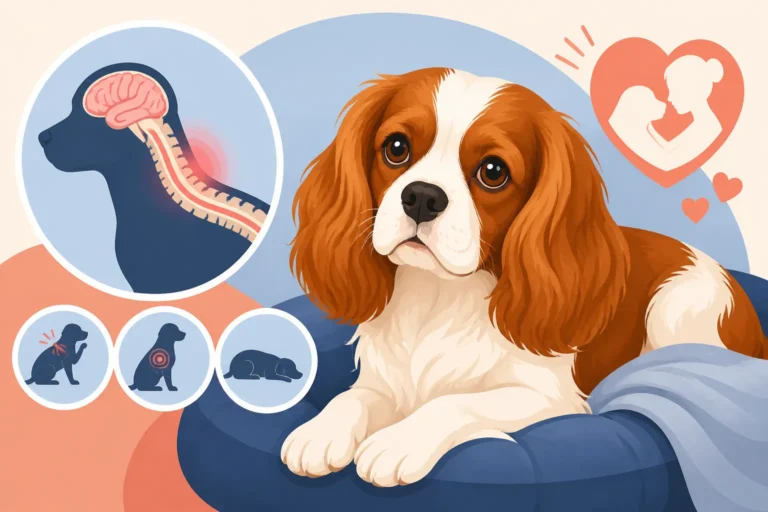
While not strictly a "joint problem" in the limbs, spinal issues can profoundly affect a Cavalier's mobility and are often mistaken for or contribute to lameness in the legs. Intervertebral Disc Disease (IVDD) is one such condition where the discs between the vertebrae in the spine degenerate and can bulge or rupture, pressing on the spinal cord. This can cause pain, weakness, incoordination, and even paralysis in the hind limbs. Given that Cavaliers are prone to Syringomyelia, a condition impacting the brain and spinal cord, it's particularly important to differentiate or consider spinal involvement in any mobility issues.
Signs of spinal discomfort can range from a reluctance to jump or use stairs, a change in gait, dragging of paws, or general weakness in the back legs. Some Cavaliers might show obvious pain, yelping when picked up or touched in certain areas of the back. More subtle signs could include changes in posture or a general stiffness. Diagnosis involves a neurological examination by your vet, followed by advanced imaging such as an MRI or CT scan to pinpoint the exact location and nature of the spinal compression. Treatment options vary from conservative management with rest and medication to surgical decompression, depending on the severity. It's a complex area, and always remember that a Cavalier that yelps when picked up might be experiencing pain originating from their neck or back, not just their limbs, underscoring the importance of a thorough veterinary investigation.
The Reality of Arthritis and Chronic Pain
Arthritis, or osteoarthritis, is a cruel reality for many dogs, especially as they age, and our beloved Cavaliers are certainly not immune. It's often the inevitable consequence of other joint problems like hip or elbow dysplasia, patellar luxation, or previous injuries, but it can also develop without any clear pre-existing condition. Watching your once-spry Cavalier struggle with the persistent ache of arthritis can be heartbreaking, as it slowly diminishes their joy in activities they once loved. Understanding this chronic condition is key to providing comfort and maintaining their quality of life for as long as possible.
How Arthritis Develops in Cavaliers
Arthritis is essentially the progressive degeneration of the cartilage that cushions the ends of bones within a joint. Healthy cartilage allows bones to glide smoothly against each other. When arthritis sets in, this cartilage becomes damaged, thins, and eventually erodes, leading to bone-on-bone friction. This causes inflammation, pain, and stiffness. In Cavaliers, especially those with conditions like luxating patellas or hip dysplasia, the abnormal mechanics of the joint lead to uneven wear and tear on the cartilage. The body tries to repair the damage by growing new bone around the joint (osteophytes, or bone spurs), which further reduces flexibility and increases discomfort. This cycle of damage, inflammation, and abnormal bone growth is what defines osteoarthritis. You can find more details on conditions like Early Arthritis in a Cavalier's Elbows to understand how this process begins.
The development of arthritis isn't an overnight event; it's a slow, progressive process. While it often begins with a specific injury or developmental abnormality, factors like age, obesity, and even genetics can accelerate its progression. An overweight Cavalier, for instance, puts additional stress on all their joints, exacerbating any existing issues and speeding up cartilage degeneration. This is why managing your Cavalier's weight is paramount in slowing the onset and progression of arthritis. The pain can vary day by day, influenced by weather, activity levels, and even their mood, making it a constant challenge for owners to manage and for dogs to endure.
Managing Chronic Joint Pain
Living with a Cavalier suffering from chronic joint pain due to arthritis requires a multi-faceted approach aimed at pain relief, reducing inflammation, and maintaining mobility. There's no single cure, but a combination of therapies can significantly improve their comfort. Non-steroidal anti-inflammatory drugs (NSAIDs) are a cornerstone of pain management, effectively reducing inflammation and pain. Your vet might also prescribe other pain medications, such as gabapentin or tramadol, especially for more severe or breakthrough pain. These medications can make a world of difference, allowing your Cavalier to move more freely and comfortably.
Beyond medication, there are numerous adjunctive therapies that can be incredibly beneficial. Joint supplements containing glucosamine, chondroitin, and MSM can help support cartilage health and reduce inflammation, though it's important to choose reputable brands and discuss them with your vet. Omega-3 fatty acids, often found in fish oil, also have anti-inflammatory properties. Physical therapy, including controlled exercise, massage, hydrotherapy (swimming or underwater treadmill), and therapeutic laser treatments, can improve muscle strength, flexibility, and overall joint function. Acupuncture is another option some owners explore. The key is to work closely with your veterinarian to develop a personalized Pain Management for a Senior Cavalier plan that addresses your Cavalier's specific needs and continuously adjust it as the disease progresses.
Lifestyle Adjustments for Arthritic Cavaliers
Adapting your home and your Cavalier's routine can make a huge difference in their comfort and safety when dealing with arthritis. Simple changes can prevent further strain on their already compromised joints. Think about ramps or pet stairs to help them access furniture like the sofa or bed, eliminating painful jumps. Non-slip rugs on slick floors can prevent slips and falls, which can be particularly dangerous for an arthritic dog. A comfortable, orthopedic dog bed provides crucial support and cushioning for their aching joints during rest. Consider raised food and water bowls to reduce neck and back strain, making meal times more comfortable.
Exercise is still important for arthritic Cavaliers, but it needs to be carefully managed. Instead of long, strenuous walks, opt for shorter, more frequent strolls on soft surfaces like grass. Avoid high-impact activities like jumping or running on hard pavement. Swimming can be an excellent low-impact exercise, building muscle strength without stressing the joints. Keeping your Cavalier at a healthy weight is paramount; even a few extra pounds can significantly worsen joint pain. Your vet can help you determine an ideal weight and suggest appropriate dietary changes. These thoughtful adjustments, combined with medical management, empower you to provide a more comfortable and fulfilling life for your arthritic Cavalier.
Many owners are naturally curious about the health journey of their Cavaliers, seeking clarity on conditions that could impact their furry family member. As a breed renowned for their affectionate nature, it is common to wonder about potential long-term care needs.
When considering the financial implications of unexpected health challenges, it's worth exploring options like pet insurance. For example, Healthy Paws is one of the providers that offers comprehensive coverage for accidents and illnesses, which can be immensely helpful for conditions ranging from the sudden lameness of a ligament tear to the ongoing management of arthritis.
Recognizing the Subtle Signs of Discomfort
Cavaliers are generally known for their stoic nature when it comes to pain, often trying to mask discomfort as long as possible. This evolutionary trait means that by the time you notice overt limping or yelping, the underlying issue might be quite advanced. This is why becoming attuned to subtle changes in their behavior, movement patterns, and daily routines is paramount for early detection and intervention. You are your Cavalier's most important advocate, and noticing these quiet cues can make all the difference.
Changes in Gait and Activity Levels
One of the most telling indicators of joint discomfort is a change in your Cavalier's gait. While an obvious limp is a clear signal, often it starts much more subtly. You might notice a slight unevenness when they walk or a reluctance to put full weight on one paw. Sometimes, it's a "head bob" – their head goes up when the painful leg bears weight and down when it's offloaded. They might start A Cavalier Limping After Play, which they used to do with boundless energy. Watch for a "bunny hop" when they run, where both hind legs move together, indicating discomfort in one or both hips. Their normally fluid, happy stride might become stiff, short-strided, or hesitant.
Beyond walking, pay attention to their overall activity levels. Has your Cavalier, who once greeted you with excited jumps and zoomies, become more reserved? Are they skipping their usual invitation to play fetch? Do they hesitate before jumping onto the sofa or into the car, or do they completely avoid stairs they once navigated with ease? A reduced willingness to engage in their favorite activities, or a general slowing down, especially in a younger dog, should always raise a red flag. It’s easy to dismiss these changes as just "getting older," but for a Cavalier, even a senior one, a significant drop in activity could signal underlying pain.
Behavioral Cues Indicating Pain
Beyond physical movement, a Cavalier's behavior can offer a window into their internal discomfort. Dogs communicate pain in many non-verbal ways. You might notice them becoming more irritable or withdrawn, preferring to be left alone rather than engaging in their usual cuddles. A Cavalier that normally loves being picked up might start to flinch, growl, or even nip, indicating they are A Cavalier That Yelps When Picked Up due to a sore joint or back. They might also become restless at night, struggling to find a comfortable position, or start licking excessively at a particular joint or paw, which can be an attempt to soothe themselves.
Observe their sleeping positions. Do they normally curl up tightly but now stretch out more, or vice versa? A change in how they rest could signify they're trying to alleviate pressure on a painful area. Some Cavaliers might show a reduced appetite or seem generally "off." They might also be more vocal, whining or whimpering more frequently, even if subtly. If you suddenly notice your normally cheerful Cavalier snapping at another pet or a child, it's important to rule out pain as the underlying cause before attributing it to temperament changes. Their sweet nature often makes these behavioral shifts particularly stark and warrants immediate attention from your vet.
Posture and Movement Abnormalities
Beyond gait, a Cavalier's posture itself can sometimes reveal joint discomfort. When standing, they might shift their weight, hunch their back, or stand with their legs unusually close together or splayed apart. A "downward dog" stretch, which is a common and natural behavior for dogs, might become difficult or less frequent. Watch how they lie down and get up; do they do it slowly, groan, or hesitate, especially when rising after a long rest? A healthy Cavalier should transition smoothly.
When your Cavalier moves, pay attention to their flexibility. Can they still easily turn their head to lick their side, or twist to scratch an ear? Stiffness in the neck or back can affect overall mobility and be indicative of spinal or underlying joint issues. A decreased range of motion in any limb during routine activities, like shaking their paw or stretching, could be a sign of pain or restricted joint movement. These subtle observations require you to be an attentive observer of your Cavalier's daily life, recognizing that even minor alterations in their usual graceful movements can be calls for help that should not be ignored.
Diagnosing Joint Problems Accurately
Once you've noticed those troubling signs in your Cavalier, the next crucial step is getting an accurate diagnosis from your veterinarian. This process can sometimes feel like a puzzle, as many different conditions can present with similar symptoms. However, a systematic approach, combining your observations with your vet's expertise and diagnostic tools, is the best way to uncover the root cause of your Cavalier's discomfort and pave the way for effective treatment. Don't be afraid to ask questions and take notes; this is a team effort.
The Initial Veterinary Examination
The diagnostic journey always begins with a comprehensive physical examination by your primary veterinarian. This isn't just a quick look; it's a detailed assessment of your Cavalier's overall health and, specifically, their orthopedic and neurological systems. Your vet will observe your Cavalier walking, trotting, and sometimes even running, assessing their gait for any lameness, stiffness, or asymmetry. They will then carefully palpate each joint, from their toes to their shoulders and hips, checking for pain, swelling, instability, or reduced range of motion. This might involve gently bending and extending limbs, and performing specific tests like the cranial drawer test for CCL tears or manipulating the kneecap to check for luxation.
During this examination, your vet will also perform a neurological assessment, checking reflexes, proprioception (awareness of limb position), and muscle tone, as spinal issues can often mimic or contribute to lameness. Your input is invaluable during this stage. Be prepared to describe in detail what you've observed: when the symptoms started, what makes them better or worse, what activities trigger them, and any behavioral changes you've noticed. This subjective history, combined with the objective findings from the physical exam, helps your vet narrow down the possibilities and decide on the next diagnostic steps. Sometimes, even a routine check-up can reveal early signs of issues, particularly for conditions like patellar luxation where a vet can physically feel the kneecap move.
Imaging Techniques: X-rays and Beyond
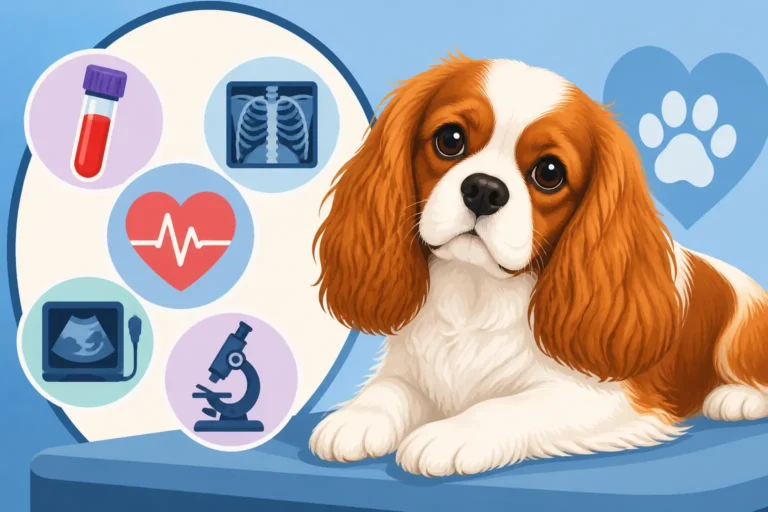
If the physical examination points towards a joint or bone issue, imaging techniques become essential for a definitive diagnosis. X-rays are usually the first line of diagnostic imaging. They provide detailed pictures of bones and joints, allowing your vet to assess bone structure, joint alignment, and the presence of any degenerative changes like arthritis (bone spurs, joint space narrowing). For conditions like hip or elbow dysplasia, specific views are taken, often requiring light sedation to ensure your Cavalier is still and positioned correctly for accurate results. X-rays can confirm fractures, reveal malformations, and show the extent of arthritic changes.
However, X-rays only show bone. For soft tissue structures like ligaments, tendons, or the spinal cord, more advanced imaging may be necessary. An MRI (Magnetic Resonance Imaging) provides highly detailed images of soft tissues, making it invaluable for diagnosing issues like intervertebral disc disease (IVDD), certain ligament tears, or conditions affecting the brain and spinal cord, such as Syringomyelia. CT (Computed Tomography) scans offer a detailed 3D view of bone structures, which can be useful for complex fractures or certain types of elbow dysplasia. These advanced imaging techniques provide crucial information for surgical planning and can also be quite costly, making pet insurance, like a policy from Healthy Paws, an important consideration for many owners.
Specialized Consultations with Orthopedic Vets
In some complex cases, or when a diagnosis isn't straightforward, your primary vet might recommend a referral to a board-certified veterinary orthopedic surgeon or neurologist. These specialists have extensive training and experience in diagnosing and treating specific conditions of the bones, joints, and nervous system. They have access to advanced diagnostic equipment and often see a higher volume of these specific cases, giving them a refined ability to interpret subtle findings. This specialized expertise can be crucial for an accurate diagnosis, especially for rarer conditions or those with overlapping symptoms.
During a specialist consultation, they will typically perform their own thorough examination and review all previous diagnostics. They might recommend additional, more specific tests. For instance, if patellar luxation is suspected but unusual, they might recommend a specialist view X-ray or even an MRI to rule out other concurrent issues. If a surgical intervention is being considered, the specialist will discuss the various surgical options, expected outcomes, potential risks, and the recovery process in detail. While specialist consultations involve additional fees, the peace of mind and the precision of their diagnosis and treatment recommendations can be invaluable, offering your Cavalier the best chance for recovery and improved quality of life.
Navigating Treatment and Support Options
Receiving a diagnosis of a joint problem in your Cavalier can feel overwhelming. There's often a mix of relief at finally knowing what's wrong and anxiety about what comes next. The good news is that for many conditions, there are a variety of treatment and support options available, ranging from conservative management to surgical solutions, all aimed at reducing pain, improving mobility, and enhancing your Cavalier's quality of life. It’s about creating a personalized plan that works best for your dog and your family.
Conservative Management Strategies
For many mild to moderate joint issues, particularly those that are not immediately life-threatening or severely debilitating, conservative management is often the first course of action. This approach focuses on alleviating pain and inflammation, supporting joint health, and preventing further deterioration without surgery. Key components include appropriate pain medication, such as NSAIDs, which reduce inflammation, and other analgesics as prescribed by your vet. These medications are crucial for making your Cavalier comfortable enough to engage in controlled, therapeutic exercise.
Weight management is absolutely critical. Excess weight puts immense strain on already compromised joints, exacerbating pain and accelerating the progression of conditions like arthritis. Your vet can help you determine an ideal weight for your Cavalier and recommend a diet plan. Controlled exercise, avoiding high-impact activities, and opting for short, frequent walks on soft surfaces are vital. Joint supplements containing ingredients like glucosamine, chondroitin, and omega-3 fatty acids can support joint cartilage and reduce inflammation. These supplements are not a cure, but they can contribute to overall joint health and comfort. Regular monitoring by your vet is essential to adjust the plan as needed, ensuring your Cavalier remains as comfortable as possible.
Surgical Solutions and Recovery
When conservative management isn't sufficient, or for severe cases of certain conditions like high-grade patellar luxation, hip dysplasia, or a complete CCL tear, surgical intervention becomes necessary. The type of surgery will depend entirely on the specific condition. For example, Knee Surgery Costs for a Cavalier can vary widely based on the complexity of the procedure (like deepening the trochlear groove or tibial crest transposition for a luxating patella) and the location. Hip dysplasia might require different procedures, from Femoral Head Ostectomy (FHO) for smaller dogs, which removes the painful ball part of the hip joint, to total hip replacement in some cases.
The decision for surgery is a significant one, weighing the potential benefits against the risks and the demanding recovery period. Post-operative care is just as crucial as the surgery itself. It typically involves strict activity restriction for several weeks, meaning no jumping, running, or stair climbing. Pain management will be ongoing, and you'll need to administer medications diligently. Regular follow-up appointments with your vet or surgeon are necessary to monitor healing. The recovery can be challenging, both physically for your Cavalier and emotionally for you, but seeing them regain their mobility and comfort makes it all worthwhile. Having pet insurance, like Healthy Paws, can certainly help with the substantial costs involved in complex surgeries and extended recovery periods.
The Role of Physical Therapy and Rehabilitation
Physical therapy and rehabilitation are increasingly recognized as indispensable components of joint problem management, both after surgery and for conservative treatment plans. Often referred to as "rehab," it focuses on restoring function, strength, and range of motion, reducing pain, and speeding up recovery. A certified canine rehabilitation therapist will design a customized program for your Cavalier, utilizing a variety of techniques. These might include therapeutic exercises to build muscle mass and strengthen supporting structures around the joint, often involving balance boards, cavaletti poles, or resistance bands.
Hydrotherapy, such as an underwater treadmill or swimming, is particularly effective as it allows for low-impact exercise, reducing stress on joints while building muscle. Other modalities include therapeutic laser, which reduces pain and inflammation and promotes healing, and massage, which improves circulation and reduces muscle tension. Acupuncture can also be integrated into a comprehensive rehab plan. Rehabilitation isn't just about recovering from an injury; it also plays a vital role in managing chronic conditions like arthritis by maintaining mobility and minimizing pain. It's an active partnership between you, your vet, and the rehab therapist, empowering your Cavalier to live their fullest, most comfortable life possible.
Proactive Steps for Joint Health
As Cavalier King Charles Spaniel owners, we always want to do everything in our power to keep our furry family members healthy and happy for as long as possible. While some joint problems have a strong genetic component that we can't directly control in an individual dog, there are many proactive steps we can take to support their joint health throughout their lives. These preventative measures can help mitigate risk, delay the onset of conditions, or lessen their severity, giving our Cavaliers the best possible chance at a comfortable, active life.
Nutritional Support and Weight Management
One of the most impactful things you can do for your Cavalier's joints is to maintain them at a healthy, lean weight. We touched on this when discussing arthritis, but it bears repeating: excess weight is incredibly detrimental to joint health. Every extra pound translates into significantly more stress on their hips, knees, and elbows, accelerating wear and tear and worsening any existing conditions. Many Cavaliers are prone to weight gain, and it's easy for those extra treats to add up. For instance, Why an Overweight Cavalier Fails Faster often comes down to the cumulative stress on their musculoskeletal system.
Work with your vet to determine your Cavalier's ideal body condition score and daily calorie needs. Weighing their food rather than simply scooping it can ensure accurate portions. Choose a high-quality dog food appropriate for their life stage and activity level. Consider adding joint-supporting supplements such as glucosamine, chondroitin, and omega-3 fatty acids, but always discuss these with your vet first to ensure they are appropriate and to get dosage recommendations. A healthy diet and rigorous weight management are foundational to lifelong joint health and can prevent countless aches and pains down the road.
Safe Exercise and Activity Guidelines
Appropriate and safe exercise is crucial for building and maintaining strong muscles that support healthy joints. However, for Cavaliers, moderation and careful consideration of activity type are key. Avoid high-impact activities that involve repetitive jumping or hard landings, especially during their puppyhood when growth plates are still open. While Cavaliers can be surprisingly agile, constantly pushing them in activities like intense agility training, especially if they have underlying joint issues, may not be advisable. You can read more about this in articles such as Whether Agility Is Safe for a Cavalier's Knees. Opt for regular, moderate walks on varied, soft surfaces like grass or dirt trails rather than harsh pavement.
Allow for plenty of short bursts of play throughout the day rather than one long, exhausting session. Pay attention to how your Cavalier feels after exercise; if they're stiff or sore, it might be a sign you're pushing them too hard. Swimming is an excellent low-impact exercise that builds muscle without stressing joints. During hot weather, ensure they don't overheat, as physical exertion can be tougher on their bodies. Providing a stimulating environment with puzzle toys and gentle play keeps their minds and bodies active without excessive joint strain.
Choosing a Breeder Who Prioritizes Joint Health
When bringing a Cavalier puppy into your family, one of the most proactive steps you can take is to choose a reputable breeder who prioritizes genetic health and screens their breeding dogs for common orthopedic conditions. Responsible breeders will not only perform heart and eye clearances but will also screen for patellar luxation and hip dysplasia. They should be transparent and willing to show you documentation, such as OFA or PennHIP certificates, for both the sire and dam of the litter. This demonstrates their commitment to reducing the incidence of these inheritable conditions.
Don't be shy about asking questions about the health history of the parent dogs and their ancestors. A good breeder will be knowledgeable about the health issues prevalent in the breed and openly discuss what steps they take to minimize risk. They should never breed a dog with known hip or elbow dysplasia or significant patellar luxation. While even the most diligent breeding practices can't guarantee a puppy will never develop a joint problem, choosing a breeder who health tests extensively significantly stacks the odds in your favor. Looking for breeders who adhere to comprehensive testing protocols, including specific The DNA Tests Every Cavalier Should Have, also helps ensure broader health considerations are met. It's an investment in your Cavalier's long-term well-being and can save you heartache and significant vet bills down the line.
Disclaimer
The information provided in this article is for general informational purposes only and is not intended as a substitute for professional veterinary advice, diagnosis, or treatment. Always seek the advice of your veterinarian or other qualified animal health provider with any questions you may have regarding a medical condition. Never disregard professional veterinary advice or delay in seeking it because of something you have read in this article.