Crate Training a Cavalier That Panics
It’s truly heartbreaking to watch your sweet Cavalier King Charles Spaniel dissolve into a shaking, howling, or frantically destructive mess the moment you try to use their crate. Many Cavalier owners experience this profound distress, often feeling like they've failed or that their dog is simply too anxious for crating. This guide isn't about forcing your Cavalier into a box; it’s about understanding why they might panic, setting up a comforting space, and gradually introducing it in a way that builds confidence, turning a dreaded enclosure into a peaceful sanctuary.
Understanding Cavalier Anxiety in the Crate
Cavalier King Charles Spaniels are renowned for their loving, affectionate, and utterly devoted nature. They thrive on companionship and often prefer to be right by your side, earning them the affectionate nickname "Velcro dogs." While this makes them wonderful family members, it also means they can be particularly prone to separation anxiety or general unease when left alone, especially in a confined space like a crate. Their strong desire for proximity can turn a simple crate, intended as a safe den, into a source of intense fear and isolation if not introduced carefully.
The Cavalier's Need for Proximity
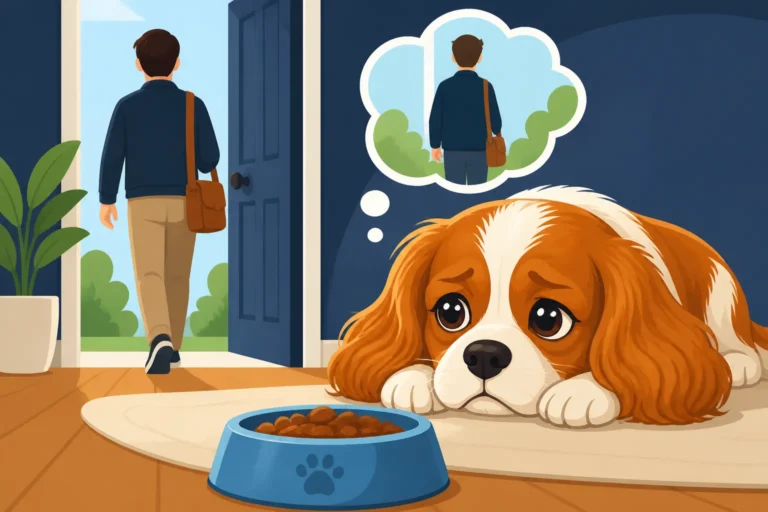
Imagine your Cavalier, whose entire world revolves around being near you, suddenly finding themselves alone behind bars. For many, this isn't just a minor inconvenience; it's a significant emotional challenge. Their breed history as companion animals, bred to sit on laps and be close to their humans, means they are genetically predisposed to seek connection. When that connection is severed, even temporarily, it can trigger a deep-seated panic. This isn't naughtiness or defiance; it's a genuine expression of distress. Their natural inclination is to be a part of your daily rhythm, to nap at your feet, or follow you from room to room. When you introduce a crate, especially too quickly or without sufficient positive association, it can feel like a punishment rather than a safe haven. This intense need for proximity is a key factor in why Why Cavaliers Are Called Velcro Dogs is such a common topic of discussion among owners.
It’s crucial to remember that a Cavalier's panic isn't a deliberate act to manipulate you. It's a physiological response to perceived abandonment or isolation. Their heart rate might increase, they might pant excessively, drool, or even lose bladder or bowel control. These are all signs of true fear and anxiety, not simply a dog who doesn't like their bed. They aren't trying to be "bad"; they are genuinely suffering. Understanding this perspective is the first step in approaching crate training with the empathy and patience your Cavalier deserves.
Distinguishing Anxiety from Dislike
Sometimes, a dog might dislike the crate without necessarily panicking. They might whine for a bit, try to get out, or look a little forlorn. With time and positive reinforcement, many dogs will eventually settle. A Cavalier experiencing true panic, however, displays much more severe symptoms. They might engage in frantic chewing or scratching at the crate door, attempting to break out, injuring themselves in the process. Excessive drooling, uncontrollable barking or howling that persists for extended periods, or eliminating in the crate (even if otherwise house-trained) are all strong indicators of genuine anxiety rather than mere annoyance. Some might even engage in what looks like self-mutilation, licking or chewing their paws relentlessly in their distress.
Observing your Cavalier's specific reactions is vital. If they merely grumble for a few minutes and then settle down, that might be a normal adjustment period. If, however, they are actively trying to destroy the crate, injuring their teeth or paws, shaking uncontrollably, or demonstrating obsessive behaviors like pacing or spinning, you are dealing with panic. Ignoring these signs can exacerbate the problem, turning a manageable situation into a severe behavioral issue. You might want to consider Filming a Cavalier While You Are Out to get an objective view of their behavior and duration of distress, as what sounds like a short fuss might actually be prolonged panic.
| Behavior Trait | Signs of Simple Dislike | Signs of True Panic/Anxiety |
|---|---|---|
| Vocalization | Whining or barking for a few minutes, then settles. | Persistent, high-pitched barking/howling, often non-stop. |
| Physical Activity | May stand at the door, try to dig a bit. | Frantic scratching, chewing, attempts to escape, pacing. |
| Body Language | Ears back, tail low, appears bored or slightly annoyed. | Trembling, excessive panting, drooling, wide eyes, tucked tail. |
| Elimination | Usually holds it, or has an accident only if left too long. | Urinating/defecating in the crate despite being house-trained. |
| Self-Harm | Generally none. | Chewing/licking paws, nose rubs that cause abrasions, injury attempts. |
| Response to Food | May eat treats, but might ignore regular meals. | Refuses high-value treats or toys left in the crate. |
This table can help you determine the severity of your Cavalier's discomfort and guide your approach.
Setting Up a Safe and Soothing Crate Environment
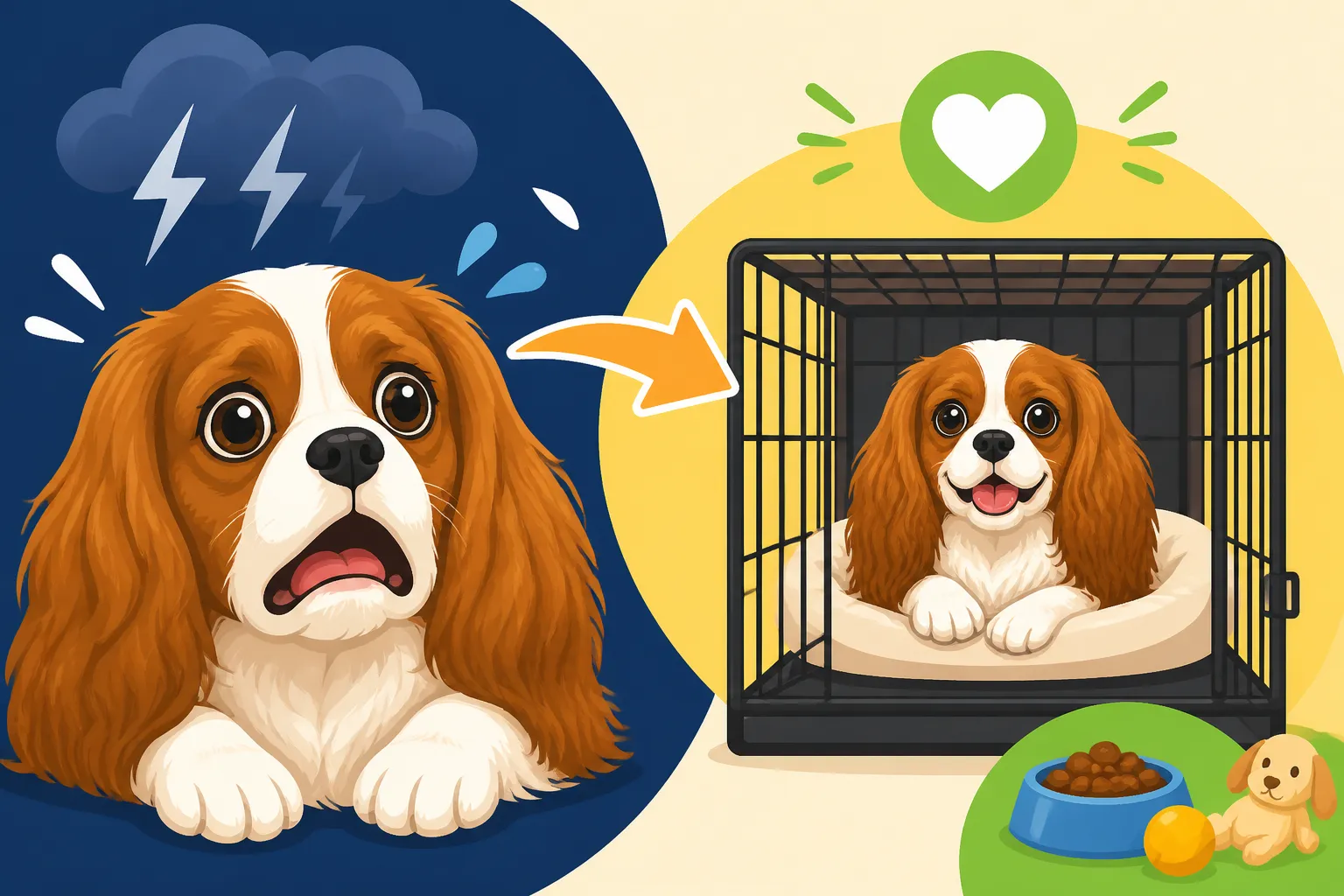
The goal with a Cavalier who panics in the crate is to transform it from a scary cage into their most cherished, secure space. This means going beyond just putting a bed in it. It's about creating an inviting den that appeals to their natural instincts for comfort and safety, while also considering their unique breed needs. A cold, barren metal box will only intensify feelings of isolation for a highly sensitive breed like the Cavalier.
Choosing the Right Crate and Location
First things first, let's talk about the crate itself. For a Cavalier, a wire crate can sometimes feel too open, exposing them to everything happening around them, which can heighten anxiety if they feel they need to be constantly vigilant. A solid-sided crate, or even covering a wire crate with a blanket, can mimic a natural den, offering a sense of enclosure and privacy. Make sure the crate is appropriately sized – large enough for your Cavalier to stand up, turn around, and lie down comfortably, but not so large that they can designate a "bathroom corner." Too much space can actually make them feel less secure.
When selecting the crate, look for options that prioritize comfort and safety. Many online retailers like Amazon offer a wide array of choices, from sturdy metal crates to more den-like plastic carriers.
The placement of the crate is just as important as the crate itself. For a Cavalier, who thrives on proximity, placing the crate in an isolated area like a laundry room or a distant corner of the house can feel like punishment. Instead, try to locate it in a central, yet quiet, part of your home where they can still feel connected to family activity without being overwhelmed. Your bedroom, a living room corner, or a quiet office space are often good choices. At night, especially during the initial stages, having the crate right next to your bed can provide immense comfort and reduce nighttime panic. This way, they can still hear and smell you, reassuring them that they're not truly alone. Choosing a Crate a Cavalier Will Rest In often details how to make these selections wisely.
Comfort and Enrichment Within the Crate
Once you have the right crate and location, the next step is to make it irresistibly comfortable and enriching. Think of it as their five-star hotel room. Start with a plush, soft bed or thick blankets. Many Cavaliers appreciate a soft, cozy surface to snuggle into. You can even include an item that smells like you – an old t-shirt, a blanket you've used – to provide a comforting scent cue when you're not around.
Enrichment is key to making the crate a positive space. This means high-value, long-lasting chews or puzzle toys that can keep them occupied and associate the crate with something incredibly rewarding. A KONG stuffed with peanut butter or cream cheese and frozen solid can provide a good 20-30 minutes of distraction. Ensure that any toys or chews you provide are safe for unsupervised use. Avoid anything that could be a choking hazard. You might also want to play calming music or white noise near the crate. Some owners find that a ticking clock under the bed can mimic a mother's heartbeat, providing a sense of security.
Consider a snood for their ears if you leave a water bowl in the crate to keep those beautiful long ears out of the water. For a Cavalier prone to ear infections, keeping them dry is paramount. Also, a light, breathable cover for a wire crate can provide that "den" feeling without making it stuffy. The goal is to create a space so appealing that your Cavalier wants to go in, not a place they are forced into. This positive association is foundational for overcoming panic.
The Gentle Art of Crate Introduction
Crate training a Cavalier who panics is a marathon, not a sprint. It requires immense patience, consistency, and a commitment to positive reinforcement. Forget everything you might have heard about just "letting them cry it out" – that approach can be traumatizing for an anxious Cavalier and only reinforces their fear of the crate. Instead, we're going to build up their comfort level in tiny, manageable increments, ensuring every interaction is positive and voluntary.
Starting with Short, Positive Interactions
The absolute first step is to make the crate a magnet for good things. Leave the crate door open and simply scatter high-value treats inside, or toss their favorite toy in there. Let them go in and out freely, exploring on their own terms. Never force them inside. When they voluntarily enter, even just to grab a treat, offer quiet praise and another treat. Associate the crate with deliciousness, not confinement. Meals are an excellent way to build this association. Start by feeding them just inside the crate door, then gradually move the bowl further back. If they are too anxious to eat inside, start with the bowl next to the crate. Over several days, slowly move the bowl closer, then just inside the door, and eventually to the back of the crate.
Once they are comfortably eating inside, you can start closing the door for very brief periods – literally a few seconds – while they are still focused on their food. Immediately open it before they finish eating and certainly before they show any signs of distress. The goal is for them to not even notice the door was closed. Gradually increase these brief periods, always opening the door before they finish their meal or treat, and before they start to whine or panic. The moment they show discomfort, you've gone too far, too fast. Think in terms of seconds, not minutes. This slow, deliberate process ensures that the crate remains a place of pleasant experiences. This approach is central to Reward-Based Training With a Cavalier and helps them form positive associations.
Gradual Increase in Crate Time
Once your Cavalier is comfortable with short, door-closed durations while eating, you can begin to extend the time slightly, still always associating it with something positive. Give them a special, long-lasting chew or a frozen KONG. Close the door, sit quietly next to the crate, maybe read a book. The key is to remain present and calm. After a few minutes of quiet chewing, open the door and let them out. Don't make a big fuss; keep it low-key. The crate is not a place for grand entrances or exits.
Over days and weeks, you'll gradually increase the time they spend in the crate while you are still in the room, then while you step out of sight for a minute or two, eventually building up to longer periods. This is where patience truly comes into play. If your Cavalier starts to show signs of anxiety at any point – panting, whining, scratching – you have increased the time too quickly. Go back to the previous step where they were comfortable and try again, decreasing the duration or increasing the reward.
Never use the crate for punishment. This will immediately negate all your positive efforts and reinforce their fear. The crate must remain their safe, happy place. Remember that Building a Cavalier's Tolerance for Being Left is a slow process, and the crate is just one tool in that journey. Consistency is key; brief, regular positive interactions with the crate throughout the day are far more effective than one long, stressful session.
Managing Panic Attacks in the Crate
Despite your best efforts, your Cavalier might still experience moments of panic in the crate. It's incredibly distressing for both of you, and knowing how to respond calmly and effectively is paramount. The temptation to immediately let them out might be strong, but it's important to navigate this carefully to avoid inadvertently reinforcing the panic.
Avoiding Reinforcement of Panic
This is a delicate balance. On one hand, you don't want your Cavalier to believe that if they just whine or scratch enough, you will let them out. This can teach them that panic is an effective tool to escape. On the other hand, you absolutely do not want to let them "cry it out" if it's true panic, as this can be severely traumatizing and deepen their fear. If your Cavalier is in a full-blown panic attack – frantic scratching, howling, drooling, possibly injuring themselves – you must intervene. Waiting for them to "calm down" in such a state isn't humane or effective.
The trick is how you intervene. If your Cavalier is actively panicking, approach the crate calmly. Do not rush, do not speak in a high-pitched, emotional voice. Acknowledge their distress with a quiet, soothing tone, but avoid overly effusive praise for their panicked state. The goal is to diffuse the situation, not reward the panic. If they are at risk of injury, let them out, but do so quietly. Immediately redirect them to a calming activity outside the crate, like a short, leashed walk or a quiet cuddle session on the sofa. Avoid making a big deal out of their release. After they've settled, analyze what went wrong – was the time too long? Was there a new trigger? This feedback loop is crucial for adjusting your training plan. Understanding What a Cavalier Does When Left Too Long can help you recognize the true extent of their anxiety and adjust your expectations.
Techniques to Calm and Reassure
For less severe agitation, or when you are trying to prevent a full panic attack, there are several techniques you can employ. First, ensure the crate setup is as comforting as possible, as discussed earlier. A soft bed, a familiar blanket, and a stuffed Kong can work wonders. Many Cavaliers respond well to calming music or classical music specifically designed for dogs. There are even playlists available on streaming services like Amazon Music dedicated to canine relaxation. White noise machines can also help muffle external sounds that might trigger anxiety.
Another powerful tool is your presence and calm energy. If you're building up crate time, remain nearby. Speak in soft, reassuring tones. You can also try giving them a high-value chew through the bars while speaking calmly. For some Cavaliers, simply placing your hand near the crate, allowing them to feel your presence without opening the door, can be incredibly comforting. Herbal calming supplements can also be helpful for some dogs, though these should always be discussed with your vet. Brands like Zesty Paws or VetriScience, often found on Amazon, offer various options. For more severe cases, your veterinarian might suggest Calming Supplements for an Anxious Cavalier or even prescription medication as a temporary aid to help them through the initial, most stressful phases of training. This isn't a permanent solution but can create a window where the dog is less anxious and more receptive to positive training.
Finally, consider implementing Departure Routines That Calm a Cavalier. This might involve a specific sequence of actions before you leave, such as a potty break, a quiet play session, then a special treat in the crate, followed by a calm goodbye. This routine can help signal to your Cavalier what's coming and reduce the shock of your departure.
Long-Term Strategies for Crate Success
Achieving crate success with a Cavalier who has a history of panic isn't just about getting them to tolerate it; it's about fostering a genuine love for their crate as a safe, comforting retreat. This requires consistent effort and integration into their daily life, ensuring the positive associations outweigh any lingering anxiety.
Incorporating Crate Time into Daily Routine
For crate training to stick, it needs to become a normal, positive part of your Cavalier's routine, not just something that happens when you're about to leave the house. Encourage voluntary crate use throughout the day. Leave the door open and scatter treats inside. If your Cavalier chooses to nap in their crate, quietly reward that behavior. Feed all meals in the crate, even if the door remains open. Make it their default sleeping spot at night, perhaps starting by having it next to your bed and gradually moving it to a desired location if that suits your household better.
Short, supervised crate sessions can be beneficial too. For example, if you're cooking dinner and want your Cavalier safely out from underfoot, give them a special chew and put them in the crate for 10-15 minutes. This teaches them that crate time isn't always associated with your absence, but rather with a peaceful, solitary activity. Consistency helps build a strong, positive habit. Remember, you're building a den, not a jail. The more normal and integrated it becomes, the less likely old panic behaviors are to resurface. The idea is to make their crate their safe zone, a place they willingly retreat to for naps and quiet time, even when you're home.
When to Consider Professional Help or Alternatives
If, despite all your diligent efforts with positive reinforcement, gradual introductions, and calming techniques, your Cavalier continues to experience severe panic in the crate, it's time to consider professional help. A certified professional dog trainer specializing in anxiety or a veterinary behaviorist can provide tailored strategies and support. They can help identify underlying causes for the panic, which might go beyond simple separation anxiety, and devise a comprehensive behavior modification plan. Sometimes, a severe case might require a combination of behavior modification and medication, prescribed by a vet, to help reduce the intensity of the anxiety. Medication for Cavalier Separation Anxiety can be a valuable tool when used in conjunction with training.
It's also important to acknowledge that not every dog will be a "crate dog," especially a Cavalier with deeply ingrained anxiety. If the crate continues to cause extreme distress, consider alternatives that still ensure their safety and your peace of mind. Options might include:
- Dog-proofed room: Setting up a secure, dog-proofed room with a baby gate can offer more space than a crate while still containing them. Make sure there are no hazards, and provide plenty of toys, a comfy bed, and water.
- Exercise pen: An exercise pen (often found on Amazon, just search "dog playpen") provides a larger enclosed area, which some Cavaliers find less confining than a crate. This can be particularly useful for dogs who tolerate a pen but panic in a smaller crate. Pens Instead of Crates for a Cavalier can offer more guidance on this.
- Dog walker or daycare: If the panic is primarily linked to your absence, hiring a dog walker to break up their day or enrolling them in a reputable doggy daycare a few times a week can provide much-needed companionship and stimulation. Whether Daycare Suits an Anxious Cavalier is a good read on this.
- Trusted pet sitter: For longer absences, a pet sitter who can stay in your home can offer continuous companionship.
Ultimately, your Cavalier's well-being is the top priority. While the crate can be a fantastic tool, it should never come at the cost of your dog's mental health. If it continues to be a source of profound panic, exploring alternatives with the guidance of a professional is a loving and responsible choice. The BAXTER & Bella online puppy school, for example, often has resources and trainers available to help guide owners through various training challenges, including separation anxiety.
Disclaimer
This article is for general informational purposes only and does not constitute professional advice. Laws, prices and regulations vary by location and change over time. Consult a qualified professional for guidance on your specific situation.