The Bird Chase a Cavalier Cannot Resist
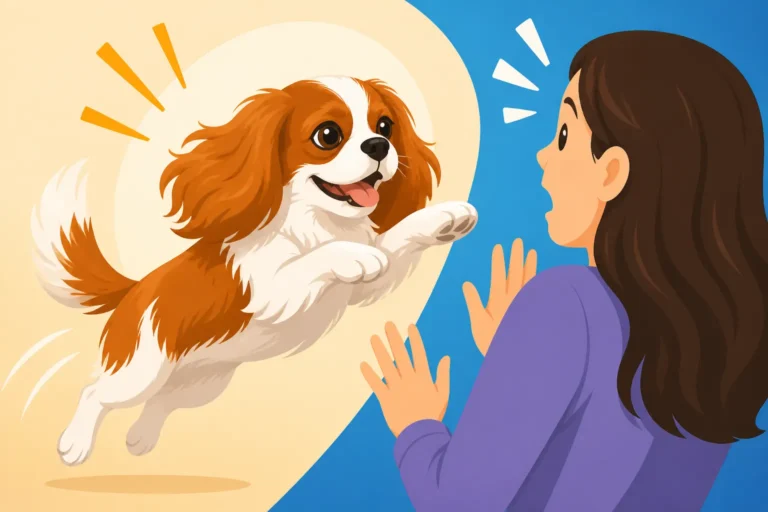
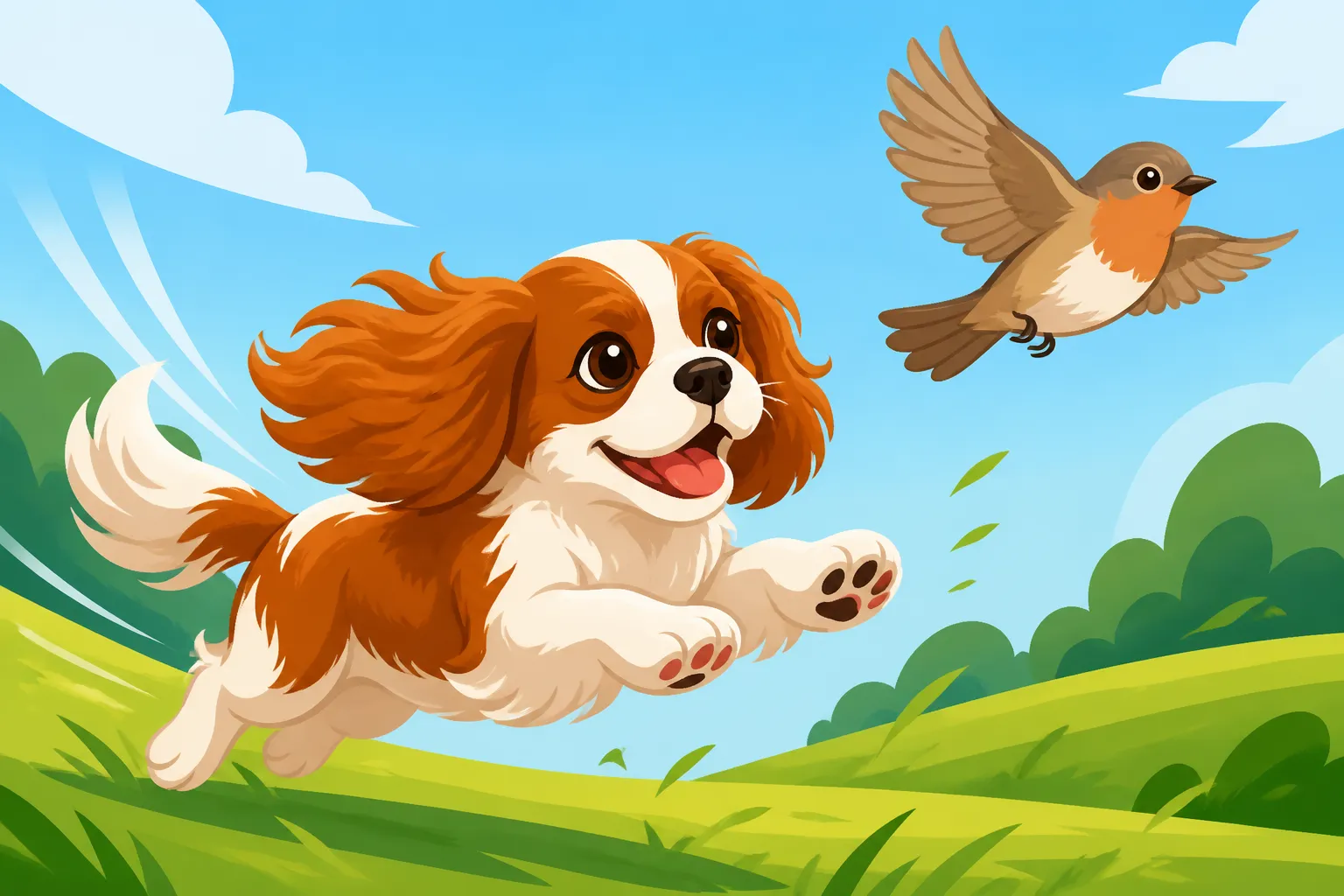
It’s a scenario many Cavalier King Charles Spaniel owners know all too well: one moment your sweet, biddable companion is trotting happily beside you, the next they’ve spotted a bird and taken off like a shot, deaf to your frantic calls. This sudden, powerful urge to chase can be incredibly frustrating and, more importantly, dangerous for your beloved companion. This comprehensive guide will delve into why Cavaliers have this ingrained instinct, the very real risks involved, and practical, empathetic training and management strategies to keep your little hunter safe.
Understanding the Cavalier's Prey Drive
Many people envision Cavaliers as purely lapdogs, content to snuggle on the sofa all day. While they certainly excel at companionship and snuggling, it's easy to forget the "Spaniel" part of their name. Cavaliers carry the legacy of generations of dogs bred for working alongside humans in the field, and that hunting instinct, particularly the prey drive, is still very much alive, even if it manifests differently in modern life.
The "Spaniel" in King Charles Spaniel
Before they became the quintessential lap warmers of royalty, the ancestors of today’s Cavalier King Charles Spaniel were active hunting dogs, primarily used for flushing small game birds out of dense undergrowth for hunters. Imagine a miniature spaniel, eager and driven, weaving through bushes, using its keen sense of smell and sight to locate and pursue prey. This heritage means that while your Cavalier might look like a fluffy, innocent teddy bear, their DNA is wired for action when a small, fast-moving creature crosses their path. The sight of a bird fluttering, the rustle in the leaves as one takes flight, even the scent carried on the breeze – these are all potent triggers for that deeply embedded hunting instinct. It’s not about them being disobedient; it’s about their ancient programming kicking in, overriding everything else in that moment.
Why Birds Are So Enticing
For a Cavalier, birds are often the perfect cocktail of stimuli to ignite their prey drive. The erratic, darting movements, the sudden burst of flight, the fluttering wings – all these things mimic the escape patterns of small prey animals their ancestors would have pursued. Think about it from your Cavalier's perspective: a bird is a living, breathing toy that moves in exciting, unpredictable ways. It's a chase, a puzzle, and an instinctual game all rolled into one. When a bird takes off, it triggers a rush of adrenaline and a strong desire to pursue, often making them temporarily deaf to your voice. This isn't a sign of a badly behaved dog, but rather a dog intensely focused on a very natural, deeply satisfying activity for their breed. Understanding this inherent drive is the first step toward managing it safely and effectively, rather than becoming frustrated by what feels like stubbornness.
The Dangers of the Bird Chase
While watching your Cavalier spring into action after a flock of pigeons might seem charmingly spirited, the reality of an unleashed bird chase, especially in suburban or urban environments, is anything but. The dangers are numerous and often severe, making strong preventive measures and training absolutely critical for any Cavalier owner.
Traffic and Other Outdoor Hazards
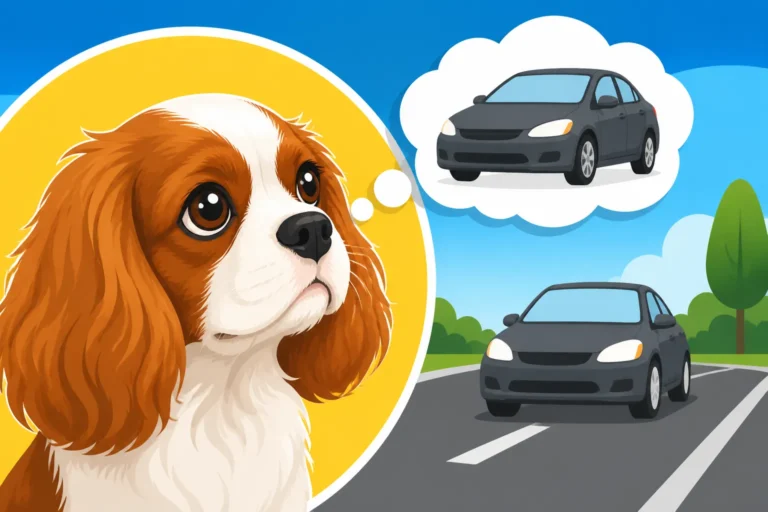
The most immediate and terrifying danger of a Cavalier bolting after a bird is the risk of them running into traffic. Cavaliers, due to their breeding and temperament, often have very little "traffic sense." They are so intently focused on their avian target that they are oblivious to cars, bicycles, or other hazards. A busy street that is usually a no-go zone suddenly becomes a wide-open field when a pigeon takes flight. I've heard countless heartbreaking stories from owners whose Cavaliers, despite years of being reliable off-leash in seemingly safe areas, have tragically run into the road after a bird. It's not just cars either; the chase can lead them into thorny bushes, sharp objects, or even encounters with less-than-friendly dogs who don't appreciate a small, exuberant spaniel suddenly invading their space. The sheer speed and single-mindedness of their pursuit mean they aren't looking where they're going, greatly increasing the risk of serious injury or worse. This is why for most Cavaliers, the thought of letting them off-leash near any road is a terrifying prospect, even for those who've mastered recall in a quiet park. The pull of the chase is just too strong, too instinctual to ignore. For a deeper understanding of these risks, you might want to read Losing a Cavalier to Traffic and How It Happens.
Risk of Injury and Getting Lost
Beyond traffic, the bird chase carries a significant risk of physical injury for your Cavalier. Imagine your small dog launching themselves full-speed, perhaps skidding on pavement, or twisting an ankle as they sharply change direction in pursuit. A friend's Cavalier once dove headfirst into a dense rose bush, convinced a bird was hiding there, emerging with scratches and thorns embedded in his delicate fur. These incidents can lead to veterinary emergencies, from cuts and scrapes to sprains, fractures, or even internal injuries if they collide with something unseen. Furthermore, a Cavalier totally consumed by the chase can become disoriented. They might run much further than they intend, losing track of you and their surroundings. What starts as a quick dart across the park can end with a lost dog, far from home, frightened, and vulnerable. Their small size and trusting nature make them particularly susceptible to getting truly lost or even being picked up by someone else. The sheer panic an owner feels when their Cavalier vanishes over a hill in pursuit of a bird is a feeling I wouldn't wish on anyone. It underscores the critical need to prevent these situations from happening in the first place, or to have iron-clad training in place to mitigate the risks.
Leash Training as the First Line of Defense
Given the inherent dangers of the bird chase, establishing excellent leash manners and always using appropriate equipment is non-negotiable for most Cavalier owners. This isn't just about politeness; it's about keeping your dog alive and safe in a world full of tempting distractions and potential hazards.
Choosing the Right Equipment
When it comes to walking your Cavalier, the right equipment can make all the difference. For a breed known for its delicate neck and potential for conditions like Syringomyelia, a collar attached to a leash can put undue pressure on their throat and spine, especially if they pull or lunge suddenly after a bird. This is why a well-fitting harness is almost always the superior choice. A harness distributes pressure across the chest and shoulders, reducing strain and offering better control. Look for a harness that fits snugly but comfortably, allowing full range of motion without chafing, particularly around the armpits where their delicate feathering can get rubbed.
There are many styles available, from front-clip harnesses that help reduce pulling by redirecting their momentum, to back-clip harnesses that are often more comfortable for dogs who don't pull much. Experimentation might be needed to find what works best for your individual Cavalier and provides you with the most control. Websites like Amazon offer a wide variety of harnesses that can be quickly ordered and tried. Remember, the goal is not to punish them for chasing, but to safely manage their instincts. For more on this, check out Harnesses Suited to a Cavalier's Neck.
Consistent Leash Manners
Even with the best harness, consistent training in leash manners is paramount. This means teaching your Cavalier to walk politely beside you without pulling, even when distractions are present. Start in a quiet environment, rewarding them frequently with high-value treats for walking with a loose leash. The moment they pull, stop dead. Only start walking again when the leash slackens. This teaches them that pulling gets them nowhere, while walking calmly keeps the adventure going.
When you encounter potential bird hotspots – like a park with many pigeons or a grassy area where sparrows gather – be extra vigilant. Shorten the leash slightly, increase your pace, and be ready to use a cheerful, attention-grabbing command to redirect their focus before they even notice the bird. For instance, if you see a bird before your Cavalier does, immediately say their name and offer a treat, creating a positive association with looking at you, not the bird. Consistency is key here. Every walk, every time, reinforcing good leash manners. It’s an ongoing process, not a one-time fix, especially with their ingrained spaniel instincts.
Building a Reliable Recall in a Cavalier
A reliable recall, where your Cavalier comes back to you promptly and enthusiastically every time you call, is one of the most vital commands any dog can learn, but it's especially critical for a breed with a strong prey drive. It's their lifeline when off-leash, and yours for peace of mind.
Starting Indoors, Then Outdoors
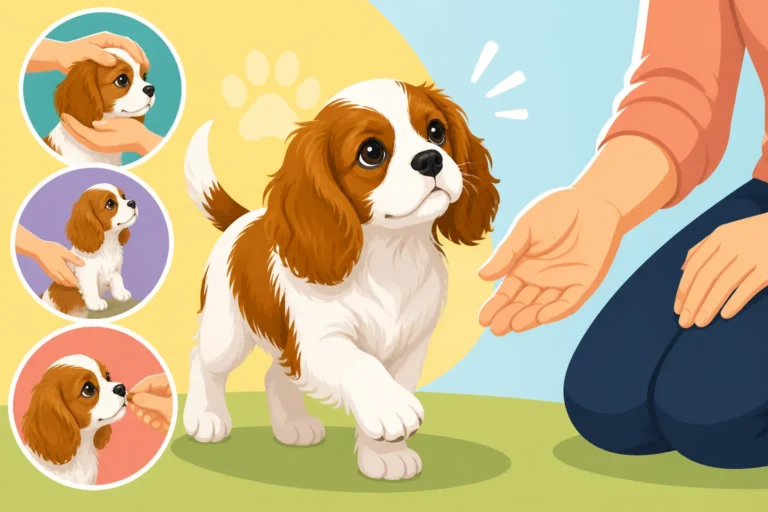
Building a solid recall starts in the most controlled environment possible: your home. Begin by calling your Cavalier's name with an enthusiastic, happy tone, and as they come to you, mark the moment with a cheerful "Yes!" or a clicker, then immediately reward them with a truly high-value treat – something they absolutely adore. This could be a tiny piece of cooked chicken, cheese, or a specialized training treat. Practice this many, many times a day, making it a fun game. Never call them to you for something unpleasant, like a bath they dislike, or they will learn to associate the recall word with negative experiences.
Once they're consistently running to you indoors with gusto, gradually introduce mild distractions. Try calling them when another family member is in the room, or when a toy is nearby. Only when they are rock-solid indoors should you move to a secure, enclosed outdoor area, like a fenced yard or a quiet, contained park. Here, distractions will be higher, and birds might even be present. Use a long line at this stage – a lightweight leash that is 15-30 feet long – so you can still prevent them from reaching a bird if their focus breaks. Practice calling them when there are no birds, then when birds are visible but far away, always using those irresistible treats. Companies like BAXTER & Bella offer excellent online resources for building recall step-by-step, including video tutorials that can guide you through the process. The key is to set them up for success, never for failure. For practical tips, consider reading Long Line Practice for a Cavalier.
High-Value Rewards and Consistency
The success of your Cavalier's recall, especially when birds are involved, hinges entirely on the value of your reward and the consistency of your training. For a Cavalier whose entire being is focused on that fluttering bird, a dry kibble or a pat on the head simply won't cut it. You need to be the single most exciting thing in their world at that moment. This means using treats that are truly exceptional – think smelly, soft, and utterly delicious. Cooked meat, certain cheeses, or commercially available training treats like freeze-dried liver are often highly effective.
Moreover, consistency isn't just about how often you practice; it's about making sure that every single time you call your Cavalier, you follow through. If you call and they ignore you, don't just give up. Use the long line to gently guide them back to you, then reward them as if they came willingly. Never chase them, as this often turns it into a game for them. Your recall word should always mean "come to me and get something amazing." Over time, the association between your call and a fantastic reward will strengthen, making you more appealing than even the most tantalizing bird. Remember, the stronger the distraction (like a bird taking flight!), the higher the value of the reward needs to be. Understanding Whether a Cavalier Works Better for Toys or Food can help you tailor your rewards perfectly. And for those crucial moments, having The Emergency Word That Stops a Cavalier can be a game-changer.
| Training Stage | Environment | Distractions | Reward Value | Equipment Recommended |
|---|---|---|---|---|
| Foundation | Indoors (quiet home) | Minimal (no people/toys) | Medium-High | Collar/Harness |
| Intermediate | Indoors (busy home) | Mild (family, quiet toys) | High | Collar/Harness |
| Advanced Part 1 | Secure, Fenced Yard | Moderate (distant sounds, static objects, distant birds) | Very High | Long Line, Harness |
| Advanced Part 2 | Controlled Outdoor Space | High (other dogs, people, present birds) | Extremely High | Long Line, Harness |
Management Strategies for Bird-Obsessed Cavaliers
Even with the best training, some Cavaliers will always retain a strong prey drive. In these cases, smart management strategies are crucial to prevent dangerous situations and allow your dog to enjoy the outdoors safely. Training helps, but management creates a foolproof safety net.
Secure Fencing and Long Lines
One of the most effective ways to manage a Cavalier's bird-chasing tendencies in your own yard is to ensure your fencing is absolutely secure. Cavaliers are small and can sometimes squeeze through surprisingly tight gaps, or if motivated enough, even dig under a fence if there’s a persistent bird on the other side. Regularly check for loose panels, gaps under gates, or areas where the ground has eroded. A solid, escape-proof fence gives you peace of mind that your Cavalier can't bolt after a robin and end up in a dangerous situation. For more detailed advice, refer to Fencing a Yard a Cavalier Will Not Leave.
When you're out in public, especially in unfenced parks or open spaces where you want to give your Cavalier a bit more freedom, a long line is an invaluable tool. This is a very long leash, typically 15 to 50 feet, that you keep hold of. It allows your Cavalier to explore, sniff, and even run a little, giving them a sense of freedom while still keeping them safely connected to you. If a bird appears and they start to bolt, you can step on the line or gently reel them in, preventing a full-blown chase. Make sure the long line is attached to a harness, not a collar, to avoid injury if they hit the end of the line. Practicing recall on a long line is also an excellent way to transition from indoor training to outdoor freedom, gradually building their reliability in more distracting environments. This way, they get to enjoy the smells and sights without the very real danger of running into harm's way.
Redirection and Engagement
Beyond physical barriers, actively redirecting your Cavalier's attention and engaging their mind can be powerful tools. If you spot a bird before your Cavalier does, immediately interrupt their focus with a fun game or a high-value treat. Bring out their favorite squeaky toy or a tug rope and engage them enthusiastically. The idea is to make you more interesting than the bird. Practice teaching your Cavalier a "watch me" command, where they make eye contact with you for a few seconds on cue, regardless of distractions. Reward this heavily. This command can be a fantastic "emergency brake" when a bird appears.
Another strategy is to channel their prey drive into appropriate outlets. Scent work, where they use their noses to find hidden treats or toys, can be incredibly satisfying for a spaniel. You can also play controlled "chase" games with a flirt pole (a pole with a lure attached to a string) in a safe, fenced area, allowing them to satisfy their urge to pursue without any risk. The key is to provide them with mental and physical stimulation that tires them out and fulfills their natural instincts, making them less likely to fixate on passing birds. Regular training sessions, even short ones, help to build a strong bond and keep them focused on you, making Teaching a Cavalier to Watch You on Walks a crucial skill.
When Professional Help Might Be Needed
While many Cavalier owners can make significant progress with consistent training and management, there are times when a bird-chasing habit feels insurmountable. This isn't a failure on your part; sometimes, an outside perspective and expert guidance are exactly what you need.
Recognizing When You're Stuck
You might be "stuck" if, despite diligent practice, your Cavalier's recall remains unreliable around birds, or if their lunging after birds is causing you physical discomfort or making walks stressful. Perhaps you feel overwhelmed by the sheer intensity of their drive, or you're simply unsure how to escalate training to the next level safely. Another sign is if you're constantly avoiding certain areas or times of day because of bird populations, feeling limited in where you can take your dog. If you find yourself consistently frustrated, anxious, or defeated after walks, it's a strong indicator that you could benefit from professional assistance.
It's also important to consider if the bird chasing is linked to other anxieties or over-excitement, which a trainer can help identify. Sometimes, what looks like pure prey drive can have underlying elements that respond well to specific behavioral interventions. Don't feel ashamed or embarrassed; seeking help is a responsible and loving decision that ultimately benefits both you and your Cavalier. It shows you're committed to their safety and well-being.
Finding a Positive Reinforcement Trainer
When looking for professional help, it is absolutely essential to choose a trainer who specializes in positive reinforcement methods. These trainers use rewards to encourage desired behaviors rather than punishment or intimidation, which can be damaging to a sensitive breed like the Cavalier. A harsh correction can not only suppress the behavior temporarily but can also damage your bond with your dog, making them less likely to come to you when called in the future, especially under stress.
Look for trainers certified by reputable organizations that emphasize ethical, force-free techniques. Ask about their methods, their experience with Cavaliers or dogs with strong prey drives, and how they handle real-world distractions like birds. A good trainer will often start with an in-home consultation to observe your Cavalier in their natural environment and develop a customized training plan. They might suggest specific games, exercises, or modifications to your routine to help manage the bird chase safely and effectively. They can also help you understand Reward-Based Training With a Cavalier in a deeper, more practical way. Investing in a few sessions with a qualified professional can make a world of difference, transforming stressful walks into enjoyable outings for both of you. You might even find some reputable online trainers, like those associated with BAXTER & Bella, who can provide personalized guidance without needing to visit in person.
Disclaimer
This article is for general informational purposes only and does not constitute professional advice. Laws, prices and regulations vary by location and change over time. Consult a qualified professional for guidance on your specific situation.