Socializing a Cavalier Puppy Gently
Bringing home a Cavalier puppy is such an exciting time, but it can also feel a bit overwhelming, especially when you think about all the things they need to learn and experience. One of the biggest worries new owners have is how to ensure their sweet, sensitive pup grows into a well-adjusted, confident adult without accidentally scaring them or creating bad habits. This guide will walk you through the gentle art of socializing your Cavalier puppy, focusing on positive experiences and building a strong, secure foundation for their future.
Understanding Cavalier Socialization: More Than Just Playdates
When we talk about "socializing" a puppy, many people immediately picture endless romps at the dog park. While interaction with other dogs is certainly a part of it, for a Cavalier King Charles Spaniel, true socialization is a much broader and more nuanced process. It's about helping your puppy comfortably navigate the human world, accepting new sights, sounds, textures, and people without fear or aggression. Given their inherently friendly but sometimes delicate nature, a Cavalier thrives on gentle, positive exposure rather than being thrown into the deep end.
Why Gentle Exposure Matters for a Cavalier
Cavaliers are renowned for their affectionate, eager-to-please temperaments, but they can also be quite sensitive. A negative or frightening experience during their crucial developmental period can have a lasting impact, leading to shyness, anxiety, or even fear-based reactivity later on. Gentle exposure means introducing new stimuli in controlled, positive ways, always ensuring your puppy feels safe and has the option to retreat if they're uncomfortable. It's about building resilience and confidence, not forcing interaction. Imagine a small child learning to swim – you wouldn't just toss them in the deep end. Instead, you'd start with shallow water, gentle splashes, and lots of encouragement. It's much the same for your Cavalier pup.
The Myth of "Bombardment" Socialization
There's an outdated school of thought that suggests puppies should be "bombarded" with as many new experiences as possible, as quickly as possible, to make them fearless. For a breed like the Cavalier, this approach can be incredibly detrimental. While variety is good, overwhelming a puppy can lead to stress, shutdown, or the development of fearful associations with new things. Instead of sheer quantity, focus on the quality of each interaction. A short, positive encounter with a calm, vaccinated dog is far more valuable than a chaotic free-for-all at a crowded park. Remember, you're aiming for neutrality and comfort, not necessarily excitement, especially with potentially scary things.
The Critical Window: When Socialization Is Most Effective
There's a specific period in a puppy's life when they are most receptive to new experiences and least likely to develop fears. Missing this window doesn't mean all hope is lost, but it does make the process significantly harder and longer. Understanding this timeframe is crucial for maximizing your socialization efforts.
The Puppy's Fear Imprint Period
The most critical socialization window for puppies typically runs from about 3 weeks to 16 weeks of age. During this time, puppies are naturally curious and open to novelty. Every experience, good or bad, leaves a strong impression. Around 8 to 11 weeks, puppies often enter a "fear imprint period," where a single traumatic event can create a lifelong phobia. This isn't to say you should cocoon your puppy, but rather that every interaction during this time needs to be carefully managed and positive. Vaccinations are still ongoing, so balancing exposure with safety is key. This is why many vets and breeders advocate for puppy classes that ensure all participants are age-appropriately vaccinated.
Continuing Socialization Beyond Four Months
While the critical window closes around 16 weeks, socialization is not a one-and-done event. It's an ongoing process that continues throughout your Cavalier's adolescence and into adulthood. As they mature, puppies will naturally become more cautious of new things. Think of it as solidifying the foundation you built. Continue to introduce them to new places, people, and experiences, albeit with a slightly different approach. At this stage, it's less about novelty and more about maintaining confidence and reinforcing positive associations. A weekly trip to a new, dog-friendly store, or a calm walk in a different neighborhood, can help keep their world wide and their confidence high. Consistent, gentle exposure helps to prevent regression and keeps your Cavalier adaptable.
Thoughtful Introductions: Sights, Sounds, and Environments
A big part of gentle socialization involves slowly and positively introducing your Cavalier to the everyday world around them. This isn't about grand adventures right away, but rather controlled, comforting exposures that build their confidence bit by bit.
Decompressing in a New Home
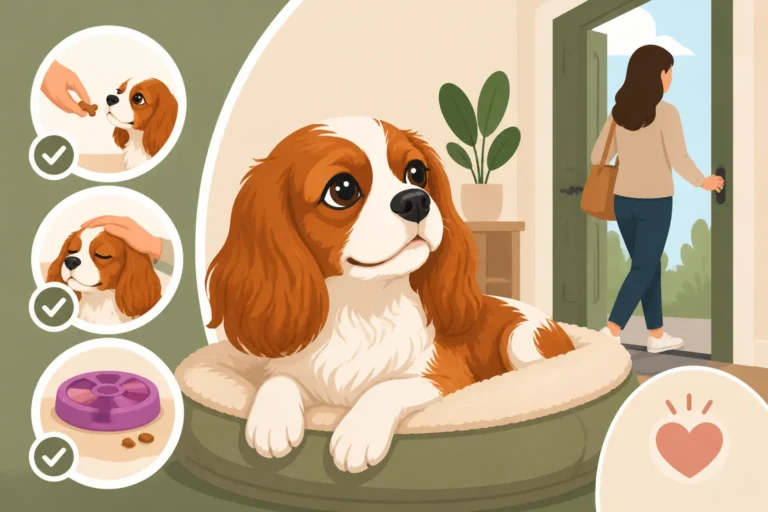
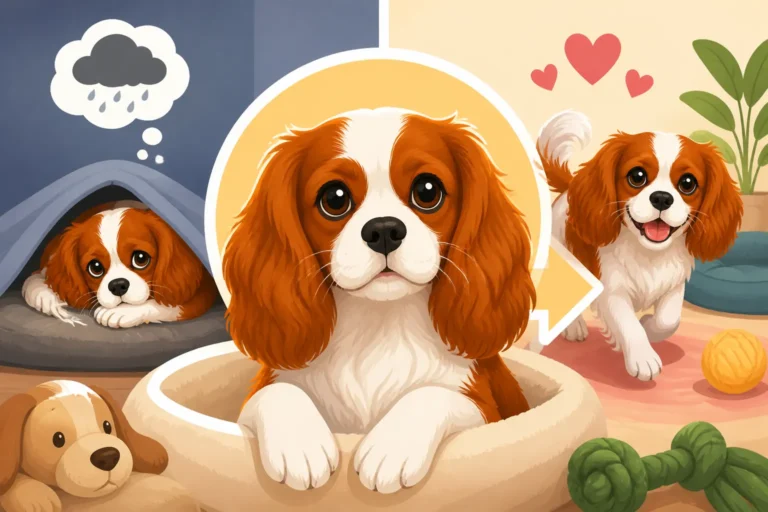
When your Cavalier puppy first arrives home, give them space and time to decompress. Their whole world has just been turned upside down! Let them explore their new, safe space at their own pace. Keep initial interactions calm and quiet. Overwhelming them with too many new people or too much excitement on day one can be counterproductive. Focus on establishing a routine, helping them feel secure, and building a bond with you. This initial sense of security is the bedrock for all future socialization. During this phase, you might consider setting up a comfortable crate where your puppy can retreat and feel safe, especially during busy times. Choosing a Crate a Cavalier Will Rest In can offer great advice on this.
Everyday Household Sounds and Textures
Your home itself is a socialization playground! Introduce your Cavalier puppy to all the normal household sounds: the vacuum cleaner, washing machine, television, doorbells, and even the clatter of pots and pans. Do this gradually and pair it with positive reinforcement, like treats or praise. For example, turn on the vacuum in a different room at a low setting while your puppy is happily munching on a treat. Gradually bring it closer over days or weeks. The same goes for textures: let them walk on carpet, hardwood, tile, and even a small patch of artificial turf if you have it. You can even make this fun by hiding treats on different surfaces. For more ideas, consider reading Sounds a Cavalier Puppy Should Meet Early.
Gentle Outdoor Exploration
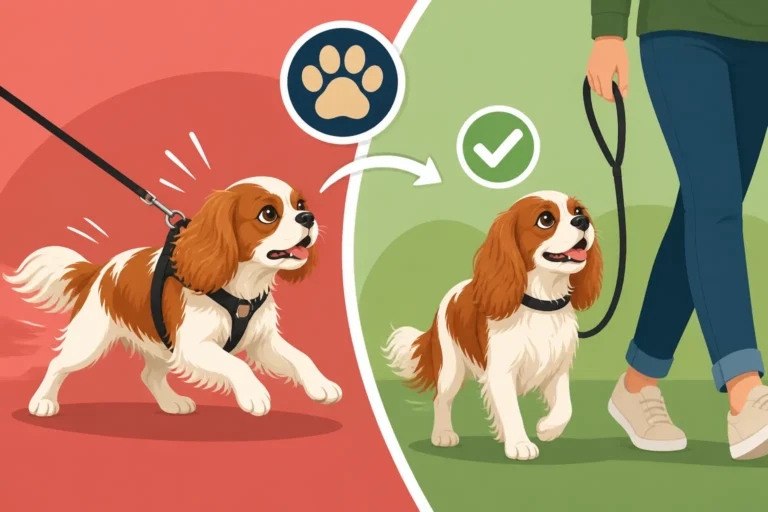
Once your puppy has had their initial vaccinations and your vet gives the all-clear for cautious outdoor adventures, start small. Think quiet, grassy areas away from high dog traffic. Let them sniff and explore. The feeling of grass under their paws, the rustle of leaves, the smell of fresh air – these are all new sensory experiences. Short, positive outings are key. Avoid crowded parks or busy streets initially. Gradually, you can introduce them to different surfaces like pavement, gravel, and even damp ground. Always ensure they are on a secure harness and leash. A well-fitting harness is important for their comfort and safety, and you might find helpful options on Amazon for Harnesses Suited to a Cavalier's Neck.
Positive Interactions: People, Dogs, and Other Animals
This is often the most thought-about aspect of socialization. For a Cavalier, positive interactions mean controlled, calm, and confidence-building encounters, never forced or frightening ones.
Meeting New People Calmly
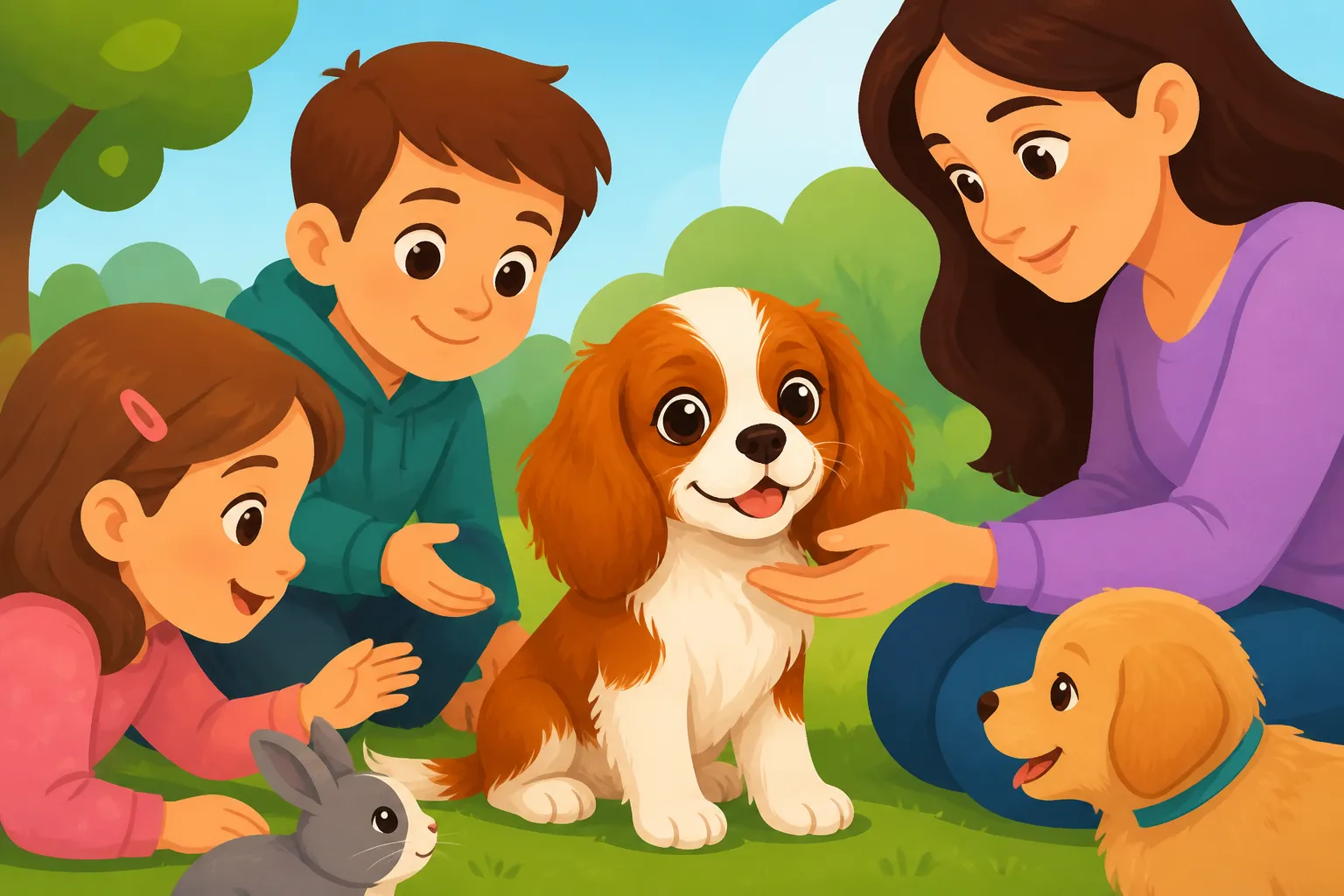
Cavaliers generally adore people, but it's important that they learn to greet calmly, rather than jumping or nipping. Invite a few calm, dog-savvy friends over one at a time. Ask them to ignore your puppy at first, allowing the pup to approach on their own terms. When the puppy does approach, ask your friend to offer a treat or gentle scratch under the chin, avoiding direct eye contact or towering over the small pup. This teaches your Cavalier that new people are sources of good things and that they don't need to be overly excitable to get attention. It’s a wonderful way to teach your pup that strangers are friends, but in a polite manner.
| Interaction Type | Good Approach | Avoid This |
|---|---|---|
| Meeting People | Guests ignore pup, offer treat when approached calmly. | Visitors rushing, picking up, or overly exciting the puppy. |
| Meeting Other Dogs | Calm, vaccinated, known friendly adult dogs in quiet space. | Dog parks with unknown dogs, chaotic play. |
| New Sounds | Gradual exposure, paired with treats/play, from a distance. | Sudden, loud noises up close without preparation. |
| New Environments | Short, quiet visits to low-traffic areas. | Overstimulating, crowded places like busy markets or street fairs. |
Controlled Dog-to-Dog Encounters
When it comes to other dogs, quality over quantity is paramount, especially during the crucial puppy window. Arrange playdates with known, vaccinated, gentle adult dogs or puppies who have a similar play style. A calm, well-mannered older dog can teach a young Cavalier so much about appropriate social cues. Supervise all interactions closely. If either dog seems overwhelmed or uncomfortable, separate them gently. Avoid dog parks where you don't know the vaccination status or temperament of the other dogs. Puppy classes are an excellent, controlled environment for supervised puppy play and are often recommended for Vaccinating a Cavalier Puppy to protect them in group settings.
Exposure to Other Animals (if appropriate)
If you have other pets in the household, introduce your Cavalier puppy slowly and under strict supervision. For example, a cat might be introduced through a baby gate initially, allowing them to smell and see each other without direct physical interaction. Always prioritize the safety and comfort of all animals involved. Remember, Cavaliers have that spaniel instinct, so while they are generally friendly, some may have a stronger prey drive than others, especially towards small, fast-moving critters. Careful, gradual introductions are key.
Managing Overwhelm and Fear Responses
Even with the most careful planning, your Cavalier puppy might occasionally show signs of being overwhelmed or fearful. Recognizing these signs and knowing how to respond gently is crucial for preventing negative associations from forming.
Recognizing Signs of Stress or Fear
Your Cavalier puppy communicates through body language. Learn to recognize the subtle signs of stress or fear:
- Lip licking: Often a sign of appeasement or anxiety.
- Yawning (when not tired): Another stress signal.
- Panting (when not hot or exerted): Can indicate anxiety.
- Tail tucked: A classic sign of fear.
- Ears flattened: Can suggest discomfort or fear.
- Avoiding eye contact or turning head away: Trying to disengage.
- Cowering or trying to hide: Clear signs of being overwhelmed.
- "Freezing" or becoming stiff: Indicates high stress.
If you see these signs, immediately remove your puppy from the situation, or create distance. Don't force them to "face their fears," as this can intensify the negative association. Instead, create a safe space and offer comfort.
Creating Positive Associations
When your puppy encounters something new or slightly unsettling, the goal is to pair it with something wonderfully positive. This is where high-value treats and favorite toys come in handy. For example, if your puppy is nervous about the sound of traffic, find a spot far enough away where the sound is just barely noticeable. As they hear it, offer them a delicious treat. Repeat this over many sessions, gradually moving a tiny bit closer as their comfort level increases. The focus is on them noticing the trigger, receiving a reward, and feeling safe, rather than reacting with fear. This type of Reward-Based Training With a Cavalier is highly effective and gentle.
The Role of Calm Leadership
Your calm demeanor is your Cavalier puppy's anchor. If you become anxious or tense in new situations, your puppy will pick up on it. Instead, project confidence and reassurance. Speak in a soothing voice, offer gentle pets, and act as their protector. This doesn't mean coddling or constantly picking them up, which can sometimes reinforce fear. It means being a consistent, reliable presence that helps them feel secure enough to explore. Think of it as being their confident guide through a big, new world. Building Confidence in a Cavalier From a Breeding Kennel can be particularly relevant for pups who might start with less exposure.
Continued Growth: Adolescence and Beyond
Socialization isn't just for puppies; it’s a lifelong journey. As your Cavalier enters adolescence, they might re-evaluate some of the things they previously took in stride. Continued gentle exposure helps solidify their confidence and adaptability.
Adolescent Fear Phases and Regression
Just like human teenagers, adolescent Cavaliers (roughly 6 months to 18 months) can go through fear phases. Things they were fine with as a puppy might suddenly seem scary. A new sound that never bothered them before could cause a fright. This is a normal part of development. Respond to these regressions with patience and the same gentle, positive techniques you used as a puppy. Go back to basics: introduce the scary thing from a distance, pair it with treats, and gradually reduce the distance. Never scold them for being fearful; it will only make things worse.
Maintaining and Expanding Positive Experiences
As your Cavalier matures, continue to expose them to new, positive experiences. This doesn't have to be a daily endeavor, but regular outings to different dog-friendly places can be incredibly beneficial. Maybe it's a quiet coffee shop patio, a friend's house, or a new walking trail. The goal is to keep their world rich and varied, reinforcing that new experiences are generally good and safe. If you're a working owner, consider Dog Walkers for a Cavalier in a Working Household who understand gentle socialization and can continue these experiences for your pup.
Group Training Classes and Canine Sports
Beyond puppy kindergarten, consider enrolling in obedience classes or even introductory canine sports like scent work or Rally. These provide structured socialization opportunities with other dogs and people, all while learning new skills. For a Cavalier, low-impact activities are often best to protect their joints and developing bodies. Scent Work as a Low-Impact Cavalier Sport can be a fantastic way to engage their minds and instincts without stressing their physical frame. These classes also help maintain a strong bond between you and your dog, fostering continued learning and positive interaction in a controlled environment.
Conclusion: A Well-Adjusted, Happy Cavalier
Socializing your Cavalier puppy gently is an investment in their future happiness and your peaceful coexistence. By focusing on positive, controlled exposures during their critical developmental windows and continuing these efforts throughout their life, you're not just creating a well-behaved dog; you're nurturing a confident, resilient companion who can comfortably share your world. Remember, patience, empathy, and positive reinforcement are your greatest tools. Building that strong, trusting bond with your Cavalier through gentle guidance will ensure they blossom into the charming, loving dog they were always meant to be.
Disclaimer
This article is for general informational purposes only and does not constitute professional advice. Laws, prices and regulations vary by location and change over time. Consult a qualified professional for guidance on your specific situation.