A Cavalier That Snaps Because Its Neck Hurts
It's incredibly jarring and heartbreaking when your usually sweet, gentle Cavalier King Charles Spaniel suddenly snaps, growls, or even nips without warning. This out-of-character aggression is rarely a sign of malice, but almost always a desperate plea for help, often stemming from excruciating neck pain that makes them fear any touch. This guide will walk you through understanding why your Cavalier might be lashing out, the common causes of neck pain in the breed, how to get a proper diagnosis, and effective strategies for managing their discomfort and restoring peace to your home.
The Unsettling Change in Temperament: When a Gentle Cavalier Turns Grumpy
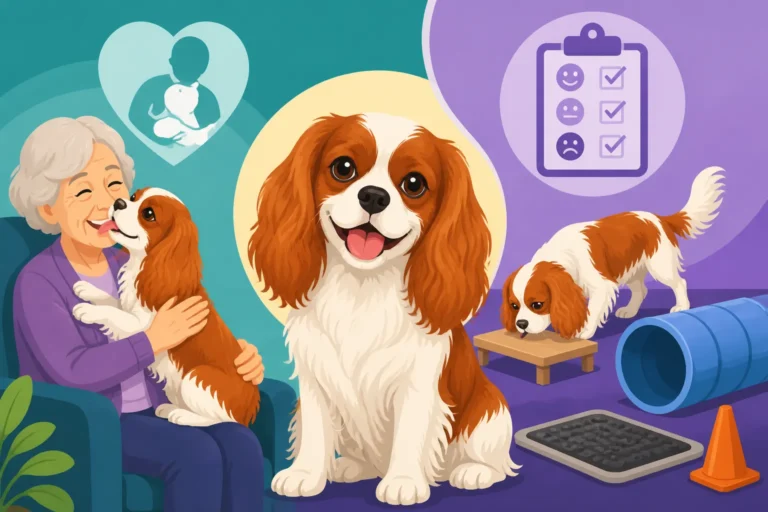
Cavalier King Charles Spaniels are renowned for their loving, gentle, and utterly devoted nature. They are, after all, "velcro dogs" who thrive on human companionship and are typically eager to please. This is why a sudden growl, a snarl, or a snap can feel like a betrayal, leaving owners confused, hurt, and sometimes even a little scared. It flies in the face of everything we know and love about the breed.
Understanding the Cavalier's Natural Disposition
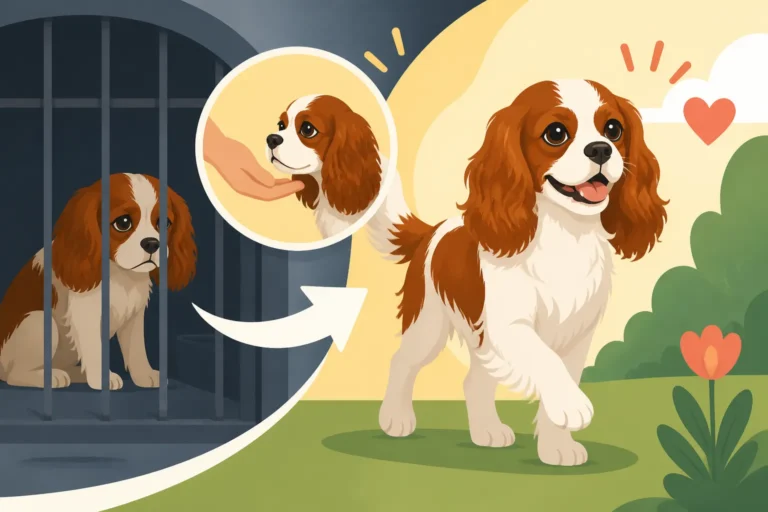
Think about the quintessential Cavalier. They're often described as happy-go-lucky, affectionate, and famously good with children and other pets. They live to be cuddled, to sit on laps, and to be involved in every aspect of family life. A true Cavalier is a picture of serene contentment, a wagging tail and soft gaze almost always at the ready. Their natural instinct is to de-escalate, to seek comfort, not to create conflict. This inherent sweetness is precisely what makes any sudden display of aggression so alarming and utterly out of character for the breed. When a dog with such a deep-seated desire for connection suddenly pushes you away with a warning, it's a profound sign that something is terribly wrong beneath the surface. It’s not just a momentary lapse in manners; it's a stark indicator that they're struggling, likely with pain that is overwhelming their natural good humor and tolerance.
Recognizing Subtle Signs Before the Snap
While a full-blown snap is undeniable, Cavaliers, being such stoic little dogs, often give a host of more subtle signals before they resort to such a dramatic defense mechanism. These might include a stiffening of their body when you reach for them, a quick dart of their eyes, or a slight flattening of their ears. Perhaps they begin to move away from you when you approach, or they avoid certain positions they once loved, like curling up on your lap or having their head stroked. You might notice them yelping softly when picked up, or being unusually irritable with other pets or even their favorite toys. A Cavalier That Yelps When Picked Up could be a clear sign.
They might even engage in what we call "phantom scratching" – scratching at their neck or shoulder area without actually making contact, or scratching air, which is a tell-tale sign of nerve pain commonly associated with certain neck conditions. They might sleep with their head raised on a pillow, or seek out cooler surfaces. They might become withdrawn, losing interest in walks or play, preferring to lie alone. Pay close attention to changes in their eating habits, their gait, or their overall demeanor. If they’re reluctant to jump on and off furniture, or they seem hesitant going up or down stairs, these are all clues. These smaller shifts are their early warnings, a quiet plea that they're hurting, and if these go unnoticed, the more overt aggressive display becomes their last resort. It's their way of saying, "Please, don't touch me there, it hurts too much."
Linking Neck Pain to Aggression: It's Not 'Bad Behavior'
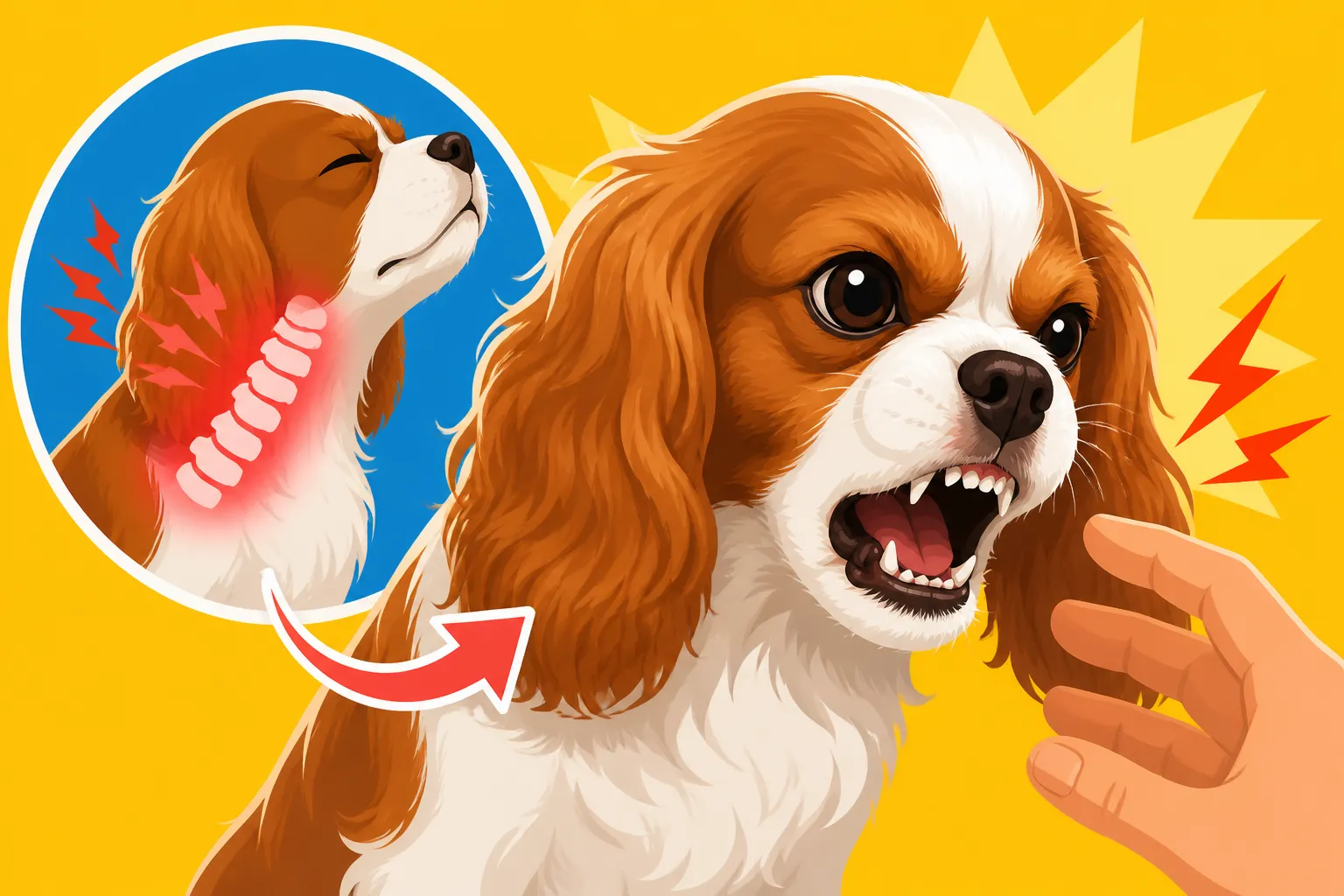
When a dog lashes out, especially one as gentle as a Cavalier, it’s easy to misinterpret it as a behavioral problem, a sign of defiance, or even a lack of training. However, this assumption often misses the mark entirely. In many cases, especially with sudden onset aggression in an otherwise sweet-natured dog, pain is the underlying culprit. Their snap isn't naughtiness; it's self-preservation.
The "Pain-Aggression" Connection in Dogs
Imagine yourself with a throbbing headache or a searing backache. You're likely to be more irritable, less tolerant of noise, and certainly not keen on someone poking or prodding at your sore spots. Dogs are no different, and in fact, their instinct to protect themselves when vulnerable is even stronger. Pain, particularly chronic or acute pain that makes movement agonizing, can push even the most placid dog to react defensively. They learn quickly that certain touches, movements, or interactions lead to intense discomfort. Their aggression, then, becomes a learned response: a growl or a snap successfully makes the pain-causing stimulus go away. It’s a communication signal, loud and clear, born not of malice but of overwhelming distress. It's crucial for us, as their guardians, to understand this link and reframe our perception of their behavior from "bad" to "distressed."
Why Neck Pain is Particularly Debilitating for Cavaliers
For a Cavalier, neck pain is particularly insidious because their entire world often revolves around head-to-neck movements. Think about how they greet you, looking up with their sweet eyes, or how they enthusiastically wag their tail while twisting their body. Eating from a bowl on the floor requires bending the neck down. Looking out the window, playing with a toy, receiving a comforting stroke – almost every interaction involves some degree of neck movement. When this area is compromised, every single one of these daily activities becomes a potential source of agony.
Furthermore, being a small breed, Cavaliers are often picked up, carried, or handled more frequently than larger dogs. A gentle scoop under the armpits, a lift onto the sofa, or even just adjusting their position on your lap can put immense pressure on an already inflamed or damaged neck, triggering a sharp jolt of pain. Because the neck houses the cervical spine and critical nerves, problems here can manifest as pain radiating down their front legs or even causing neurological symptoms. This constant, unavoidable discomfort means their threshold for tolerance drops dramatically, making them much more likely to react with a snap when they perceive a threat to their vulnerable neck area. It's a cruel irony that the very things that make Cavaliers so endearing – their desire for closeness and physical interaction – can become sources of intense fear and pain for a dog suffering from a neck issue.
Common Causes of Neck Pain in Cavalier King Charles Spaniels
When a Cavalier begins to show signs of neck pain, it’s not something to ignore. This breed is unfortunately predisposed to several conditions that can cause significant discomfort in this region. Understanding these potential culprits is the first step toward seeking appropriate veterinary care.
Syringomyelia and Chiari-like Malformation
Syringomyelia (SM) is arguably the most well-known and devastating neurological condition affecting Cavaliers, often leading to severe neck pain. It stems from a condition called Chiari-like Malformation (CM), where the Cavalier's skull is typically too small for its brain. This structural abnormality compresses the brainstem, obstructing the normal flow of cerebrospinal fluid (CSF) around the brain and spinal cord. When CSF flow is disrupted, it can force fluid into the spinal cord itself, creating fluid-filled cavities or cysts known as "syrinxes." What Chiari Malformation Does to a Cavalier Skull delves deeper into this anatomical issue.
These syrinxes expand over time, pressing on the delicate nerves within the spinal cord. The result is often excruciating neuropathic pain, manifesting as a hypersensitivity around the head, neck, and shoulders. Dogs with SM might yelp when picked up, cry out when their head or neck is touched, or display intense "phantom scratching" – where they scratch at the air or vigorously rub their face and neck without actually making contact with their skin. How Many Cavaliers Actually Have Syringomyelia explores the prevalence of this condition. The pain can be constant, or triggered by excitement, fear, or even changes in temperature or air pressure. This constant, unpredictable agony makes a Cavalier extremely defensive of their neck, leading to the sudden snaps we're discussing. It's not a behavioral issue; it’s a desperate attempt to protect themselves from overwhelming internal pain.
Intervertebral Disc Disease IVDD
Another significant cause of neck pain, particularly in breeds with longer backs or certain genetic predispositions (though not as famously linked to Cavaliers as SM), is Intervertebral Disc Disease (IVDD). Your dog's spine is made up of numerous vertebrae, with soft, jelly-filled discs acting as cushions between them. These discs absorb shock and allow for flexibility. With IVDD, these discs either bulge or rupture, pressing on the spinal cord and nerves.
In the neck (cervical) region, a bulging or herniated disc can cause intense localized pain, stiffness, and sometimes neurological deficits like weakness or incoordination in the front limbs. Imagine a pinched nerve that never quite goes away, and then suddenly gets worse with movement. The pain can range from mild discomfort to severe, debilitating agony, making the dog extremely reluctant to move their head or neck. They might hold their head low, cry out when turning, or become very defensive if someone tries to touch them near the affected area. Acute episodes can be incredibly painful, causing a dog to yelp, scream, and then become aggressively protective of their neck simply to avoid any further pain. This condition, like SM, requires prompt veterinary attention.
Muscle Strains, Sprains, and Other Injuries
Sometimes, the cause of neck pain isn't a complex neurological condition, but a more straightforward injury. Just like humans, dogs can pull muscles, strain ligaments, or suffer sprains from overexertion or trauma. A sudden awkward jump off the sofa, a slip and fall during playtime, a misstep while chasing a squirrel, or even rough housing with another dog can cause a whiplash-like injury or a muscle strain in the neck.
While these might seem less severe than SM or IVDD, they can be incredibly painful for your Cavalier. The muscles surrounding the cervical spine are extensive, and inflammation or injury there can cause significant stiffness and tenderness. Your dog might be reluctant to turn their head, hold it in an unusual position, or resist having a collar put on. The pain might not be constant but could flare up with specific movements or touches. If they are already feeling vulnerable and sore, an accidental bump or a friendly pat on the head could trigger a sharp, defensive snap. It's essential not to dismiss these possibilities, as even a seemingly minor soft tissue injury can lead to severe discomfort and behavioral changes if not properly addressed and given time to heal.
Diagnosing Neck Pain: What a Vet Will Look For
When your Cavalier suddenly exhibits out-of-character aggression, especially if you suspect neck pain, the very first step is a thorough veterinary examination. This isn't just about confirming pain, but about pinpointing the exact cause so that effective treatment can begin. It's a diagnostic journey that often starts with your observations and progresses to specialized imaging.
Initial Veterinary Examination and Observation
When you bring your Cavalier to the vet with concerns about neck pain or sudden grumpiness, the veterinarian will perform a comprehensive physical and neurological examination. This isn't just a quick look-over; they'll carefully palpate your dog's neck and spine, gently checking for any areas of tenderness, swelling, or muscle spasms. They'll also assess your Cavalier's range of motion, noting any stiffness or reluctance to move their head in certain directions. During this process, they'll be looking for pain responses, such as flinching, vocalizing, or even trying to pull away, which can indicate the location and severity of the discomfort.
Equally important is the detailed history you provide. Your vet will ask about when the symptoms started, what triggers the aggressive behavior, if there are any specific times of day it's worse, and if you've noticed any other changes in appetite, activity level, or bathroom habits. Have you seen them sleep differently, perhaps with their head elevated? Do they now refuse to jump on the sofa? Have they stopped playing with their favorite toys? All these pieces of information are crucial clues that help your vet narrow down the possibilities and decide which diagnostic tests are most appropriate. It's a detective process, and your observations are invaluable.
Advanced Imaging: X-rays, CT Scans, and MRI
While a physical exam can point to neck pain, truly diagnosing the underlying cause often requires advanced imaging. Plain X-rays are usually the first step, as they can reveal bone abnormalities, fractures, or significant changes in the spacing between vertebrae, which might indicate conditions like severe IVDD. However, X-rays are limited because they don't show soft tissues like the spinal cord, nerves, or intervertebral discs clearly. This means that conditions like Syringomyelia or even many cases of IVDD won't be visible on a standard X-ray.
For a definitive diagnosis of these complex conditions, a Magnetic Resonance Imaging (MRI) scan is the gold standard. An MRI provides highly detailed images of soft tissues, allowing veterinarians to visualize the brain, spinal cord, nerve roots, and intervertebral discs with incredible clarity. It can precisely show the presence and size of syrinxes in the spinal cord (confirming Syringomyelia), identify bulging or herniated discs, and reveal any inflammation or compression of the spinal cord. What a Cavalier MRI Scan Costs and Shows highlights the importance and process of this diagnostic tool. Because an MRI requires the dog to be completely still, it is always performed under general anesthesia. Sometimes, a CT (Computed Tomography) scan might be used, especially if bone involvement is suspected, but for soft tissue detail, MRI is typically preferred, particularly for suspected Syringomyelia. Getting a Cavalier Scanned for Syringomyelia is an important resource for understanding this process.
Neurologist Consultation
In many cases where neck pain is suspected, especially if neurological signs are present or if initial imaging is inconclusive, your primary care veterinarian might recommend a referral to a veterinary neurologist. These specialists have advanced training in diagnosing and treating conditions affecting the brain, spinal cord, and nerves. They possess an intricate understanding of complex neurological diseases like Syringomyelia, IVDD, and other less common but equally serious conditions.
A neurologist can offer a more in-depth neurological examination, interpret advanced imaging studies like MRIs with expert precision, and discuss the nuances of potential diagnoses with you. They are best equipped to formulate a comprehensive treatment plan, which might include specific medications, physical therapy, or even surgical options if necessary. Their expertise is invaluable for conditions that can be subtle, difficult to pinpoint, or require highly specialized management. Working with a veterinary neurologist ensures that your Cavalier receives the most accurate diagnosis and the most appropriate, cutting-edge care for their specific condition, which is paramount for improving their quality of life and alleviating their pain.
Here's a quick comparison of common neck pain causes and their diagnostic pathways:
| Condition | Common Symptoms | Key Diagnostic Method(s) |
|---|---|---|
| Syringomyelia (SM) | Neck pain, phantom scratching, yelping when touched/picked up, head sensitivity, reluctance to move head, weakness, scoliosis. | MRI (Gold Standard), Neurologist Consultation |
| Intervertebral Disc Disease (IVDD) | Neck pain, stiffness, head held low, reluctance to jump/use stairs, lameness in front limbs, ataxia, paralysis (severe cases). | X-rays (initial), MRI (definitive), CT Scan (for bone) |
| Muscle Strain/Sprain | Localized pain, stiffness, reluctance to move head, muscle spasms, crying out when touched, general lethargy. | Physical Exam, Palpation, Observation, Pain Response Trials |
| Cervical Vertebral Instability | Neck pain, wobbliness, ataxia in all four limbs (worse in hind), progressive neurological signs. | X-rays (dynamic views), MRI, CT Scan, Myelography |
Managing Neck Pain and Preventing Aggressive Outbursts
Once your Cavalier has received a diagnosis for their neck pain, the focus shifts to managing their discomfort effectively and preventing those distressing aggressive outbursts. This usually involves a combination of medication, careful lifestyle adjustments, and understanding how to handle your sensitive dog. It's a journey, and patience is key.
Pain Management Strategies
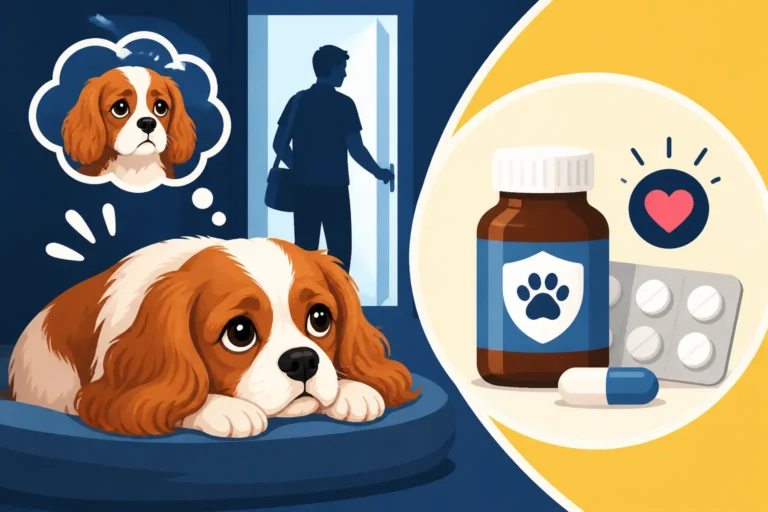
The cornerstone of managing neck pain is, naturally, pain relief. The specific medications your vet or neurologist prescribes will depend entirely on the underlying cause and severity of the pain. For neuropathic pain conditions like Syringomyelia, medications such as Gabapentin are frequently used to target nerve pain specifically. Gabapentin for a Cavalier With Neck Pain offers an in-depth look at this common treatment. Other medications like NSAIDs (non-steroidal anti-inflammatory drugs) might be prescribed for inflammation, while steroids may be used for acute flare-ups to quickly reduce swelling and pain. Amantadine is another medication sometimes used in conjunction with others to help modulate chronic pain.
It's crucial to adhere strictly to the prescribed dosage and schedule. Missing doses or giving too much can be detrimental. Never try to self-medicate your Cavalier with human pain relievers, as many are toxic to dogs. Your vet might also discuss alternative therapies like acupuncture or therapeutic laser, which can provide additional relief for some dogs. The goal is to find a multi-modal approach that keeps your Cavalier as comfortable as possible, allowing them to enjoy their daily life without constant agony. Pain Relief for a Cavalier With Syringomyelia is an essential read for anyone managing this condition.
Lifestyle Adjustments and Environmental Modifications
Beyond medication, making thoughtful adjustments to your Cavalier's environment can significantly reduce their pain and prevent triggers for defensive reactions. One of the most important changes is ditching the traditional collar for walks. A harness, particularly one with a Y-front design that distributes pressure across the chest and shoulders, completely removes any strain from the neck during walks or when pulling on the leash. Harnesses Instead of Collars for a Cavalier provides excellent guidance on this.
Consider ways to minimize jumping, which puts stress on the spine. Provide ramps or pet stairs for accessing furniture or beds. Elevate food and water bowls to a comfortable height so your Cavalier doesn't have to bend their neck downwards excessively while eating or drinking. A raised ceramic or stainless steel bowl from a brand you can find on Amazon can make a world of difference. Limit rough play, especially with other dogs or boisterous children, that could lead to sudden twists or impacts to the neck. Creating a calm, predictable home environment with comfortable, supportive bedding can also help reduce stress and allow your Cavalier to rest more comfortably. These small changes, combined with pain medication, create a much more comfortable and secure world for your furry friend.
Training and Handling for a Pain-Sensitive Cavalier
Living with a Cavalier who has neck pain means relearning how to interact with them, prioritizing their comfort and safety. Gentle handling is paramount. Avoid sudden movements, reaching over their head, or picking them up without warning. Always approach them from the front, speak softly, and let them know you're there before touching. Teach family members, especially children, how to interact respectfully and gently, explaining that your dog is hurting and needs extra space and care.
Consider incorporating positive reinforcement training to build trust and teach them "consent to touch" cues. This involves rewarding them with high-value treats (think a tiny piece of cooked chicken or cheese) when they allow gentle touch in non-painful areas, gradually working towards desensitizing them to touch near their neck, but always stopping if you see any signs of discomfort. Programs like BAXTER & Bella offer excellent online resources for positive, force-free training methods that emphasize building a strong bond and clear communication, which is vital when managing a pain-sensitive dog. If your Cavalier signals discomfort, even subtly, respect it immediately. This teaches them that you understand and will protect them, reducing their need to resort to snapping. Remember, their snapping is not a training failure but a profound plea for relief. Behavior Changes That Mean a Cavalier Hurts further elaborates on recognizing these signals.
Long-Term Outlook and Living with a Pain-Affected Cavalier
Discovering your beloved Cavalier is suffering from chronic neck pain, particularly due to conditions like Syringomyelia or IVDD, can be incredibly overwhelming. It shifts your perspective on their care and raises many questions about their future. While challenging, with dedicated management, many Cavaliers can still lead happy, comfortable lives.
Prognosis Based on Diagnosis
The long-term outlook for a Cavalier with neck pain is highly dependent on the underlying diagnosis, the severity of the condition, and how consistently and effectively it's managed. For minor muscle strains or sprains, with appropriate rest, pain medication, and gentle handling, the prognosis is usually excellent, with a full recovery expected. However, for more chronic and progressive conditions like Syringomyelia or advanced IVDD, the situation is often different.
Syringomyelia, for instance, is a lifelong condition for which there is currently no cure. The prognosis varies widely depending on the size and location of the syrinxes, the presence of concurrent Chiari-like Malformation, and the individual dog's response to medical management. Some Cavaliers may live for years with well-controlled pain, while others may experience progressive worsening of symptoms despite aggressive treatment. Surgical options, such as decompression surgery, exist for some cases of SM or IVDD, offering the potential for significant improvement but coming with their own risks and recovery periods. It's a complex picture, and regular consultations with your veterinary neurologist will be crucial for understanding your Cavalier's specific prognosis and adjusting treatment as needed. Whether Syringomyelia Changes a Cavalier's Temperament gives valuable insights into how these conditions impact their demeanor over time.
Advocating for Your Cavalier
Living with a pain-affected Cavalier means becoming their fiercest advocate. This involves being proactive with their veterinary care, scheduling regular follow-up appointments to monitor their pain levels and adjust medication dosages. Don't hesitate to ask your vet or neurologist plenty of questions, ensuring you fully understand the diagnosis, treatment plan, and what to expect. If something doesn't feel right, or your Cavalier's pain seems to be worsening, don't be afraid to seek a second opinion or push for further diagnostics. You know your dog best.
It's also important to acknowledge the emotional toll that caring for a chronically ill dog can take on you. Watching your once joyful Cavalier struggle with pain, and witnessing their defensive reactions, can be heartbreaking and frustrating. Seek support from online communities of Cavalier owners, many of whom are navigating similar challenges with SM or IVDD. Understanding that a snapping Cavalier is not "bad" but rather desperately trying to communicate their pain can help you approach them with more empathy and patience. By providing them with consistent pain management, a supportive environment, and unwavering love, you can significantly improve their quality of life, allowing them to find joy and comfort even with their chronic condition. Living With a Cavalier That Has Syringomyelia offers practical advice for day-to-day care.
Disclaimer
This article is for general informational purposes only and does not constitute professional advice. Laws, prices and regulations vary by location and change over time. Consult a qualified professional for guidance on your specific situation.