Caring for a Cavalier Past Nine
Seeing your beloved Cavalier King Charles Spaniel start to slow down, develop new aches, or show subtle changes in behavior can be incredibly heartbreaking and confusing. It's a natural part of life, but that doesn't make the worry any less real. This comprehensive guide is here to walk you through what to expect, how to best care for your Cavalier once they pass the nine-year mark, and how to ensure their golden years are filled with as much comfort and joy as possible.
Understanding the Cavalier Aging Process
Watching our Cavaliers age is a bittersweet journey. One day they're a bouncing, energetic puppy, and the next, you notice a little gray around the muzzle, a slower pace on walks, or a prolonged nap. While every dog is an individual, the nine-year mark often signals a significant transition for Cavaliers into their senior years, bringing with it a unique set of considerations.
The Nine-Year Mark: More Than Just a Number
For many Cavalier King Charles Spaniels, reaching the age of nine is like turning a corner into a new stage of life. While some breeds consider a dog "senior" much later, Cavaliers, unfortunately, are often prone to certain health conditions that can become more pronounced as they age. This isn't to say every nine-year-old Cavalier is infirm, far from it! Many are still vibrant and playful, but it's a critical time for us as owners to become more observant and proactive about their health. It's when those tiny quirks can start to become more persistent signs of underlying changes, and a time when their Cavalier Lifespan and What Cuts It Short often starts to truly reveal itself.
We might notice them sleeping more deeply or for longer stretches, or perhaps they're not quite as eager for that vigorous game of fetch they once adored. Their once-boundless enthusiasm for walks might be replaced by a preference for a leisurely sniff-a-thon around the block. This period is less about a sudden decline and more about a gradual shift, where their bodies and minds aren't quite as resilient as they once were. Think of it as their energy reserves simply taking longer to recharge. Understanding this allows us to adjust our expectations and, more importantly, our care routines, to better support their evolving needs.
Common Health Challenges in Senior Cavaliers
Cavaliers, as wonderful as they are, are predisposed to several significant health issues that tend to become more prevalent and impactful in their senior years. The most well-known, and often most heartbreaking, is Mitral Valve Disease (MVD), a progressive heart condition. While a murmur might have been present for years, it's often in their later life that the disease begins to truly impact their quality of life, potentially leading to heart failure. We'll delve much deeper into this, but it's crucial to acknowledge that heart health becomes paramount during this phase.
Beyond the heart, neurological issues can also intensify. Conditions like Syringomyelia and Chiari Malformation in Cavaliers, which might have been subtly present for years, can manifest with increased pain or more noticeable symptoms as their bodies age and potentially lose some cushioning or resilience. Arthritis and joint pain also become increasingly common, turning simple acts like jumping onto the sofa or climbing stairs into challenging endeavors. Dental disease, often an overlooked problem, can also reach critical stages, causing significant pain and impacting overall health. Recognizing these potential challenges isn't about fostering anxiety, but empowering us to be vigilant and work closely with our veterinarians to manage them effectively, ensuring our Cavaliers can truly thrive in their senior years.
Navigating Heart Health in the Golden Years
For Cavalier King Charles Spaniels, the topic of heart health is never far from an owner's mind, and it becomes even more critical as they enter their golden years. Mitral Valve Disease (MVD) is a reality for the vast majority of our beloved companions, and understanding how to manage its progression is key to providing them with the best possible quality of life.
Monitoring MVD Progression
By the age of nine, it's highly likely that your Cavalier will have some degree of MVD, even if it's currently asymptomatic. The real challenge in their senior years is that the disease tends to progress more rapidly, transitioning from a mild murmur to more significant heart changes. This often involves the mitral valve further degenerating, leading to more blood leaking backward into the left atrium with each heartbeat. This increased workload on the heart can cause it to enlarge, and eventually, fluid can build up in the lungs, leading to congestive heart failure.
This is precisely why routine veterinary check-ups are no longer just an annual affair but should ideally become bi-annual, or even more frequent if your vet recommends it. These visits should always include a thorough cardiac auscultation (listening to the heart) to assess any changes in the murmur's intensity or character. Beyond the general practitioner, regular visits to a board-certified veterinary cardiologist become indispensable. These specialists can perform echocardiograms, which are crucial for visualizing the heart's structure and function, measuring chamber sizes, and precisely assessing the blood flow through the valves. This provides the most accurate picture of how far the MVD has progressed and helps guide treatment decisions, as detailed in Annual Cardiologist Exams for a Cavalier. Your vigilance at home, noticing subtle changes in energy levels, appetite, or breathing, coupled with expert veterinary monitoring, forms the bedrock of managing MVD in your senior Cavalier.
Adjusting Medication and Diet
As MVD progresses in an older Cavalier, medication often becomes a necessary part of their daily routine. Drugs like Pimobendan (Vetmedin) are frequently prescribed when the heart starts to enlarge, helping it pump more efficiently and reducing the burden. Diuretics, such as Furosemide, become vital if fluid begins to accumulate in the lungs, helping to remove excess water from the body and ease breathing difficulties. ACE inhibitors, like Enalapril or Benazepril, are another common component, working to relax blood vessels and further reduce the heart's workload. These medications are not a cure, but they are incredibly effective at slowing progression, managing symptoms, and significantly improving quality of life.
However, medication isn't a "set it and forget it" situation, especially with a senior Cavalier. As the disease advances, dosages may need to be adjusted, or additional medications may be introduced. This is why close collaboration with your cardiologist is so important. They will use findings from echocardiograms and chest X-rays, alongside your observations, to fine-tune the treatment plan. Diet also plays a crucial, though often underestimated, role. A low-sodium diet is frequently recommended to help manage fluid retention and reduce strain on the heart. Your vet or cardiologist can recommend specific prescription cardiac diets or advise you on how to prepare homemade meals that meet these requirements. The careful balance of medication and a supportive diet, as outlined in Medication for a Cavalier With Heart Disease, can make a profound difference in the comfort and longevity of your senior Cavalier.
Recognizing Signs of Heart Failure
It's one of the toughest realities of MVD: recognizing the signs that your Cavalier's heart disease has progressed to heart failure. This stage means the heart is no longer able to pump enough blood to meet the body's needs, often leading to fluid accumulation in the lungs (pulmonary edema) or abdomen (ascites). The earliest signs can be subtle, easily mistaken for general aging, which is why heightened awareness is paramount. You might notice a persistent, soft cough, especially at night or when they first wake up. This cough is often due to fluid in the lungs irritating the airways, a topic explored further in Coughing at Night in a Cavalier.
As heart failure progresses, other symptoms become more apparent:
- Increased Respiratory Rate: Count their breaths while they're sleeping. A resting respiratory rate consistently above 20-30 breaths per minute could indicate fluid in the lungs.
- Difficulty Breathing: They might pant excessively even when at rest, struggle to catch their breath, or appear anxious and restless, particularly at night.
- Reduced Exercise Tolerance: They tire much more quickly on walks, are reluctant to play, or may collapse after minimal exertion.
- Loss of Appetite and Weight Loss: They might become picky eaters, lose interest in food, and you might notice muscle wasting, especially over their spine and hips.
- Restlessness/Inability to Get Comfortable: This can be a sign of discomfort, often related to difficulty breathing.
- Abdominal Distension: A swollen belly could indicate fluid accumulation.
- Pale or Bluish Gums: This is an emergency sign, indicating severe oxygen deprivation.
If you observe any of these symptoms, particularly a persistent cough or difficulty breathing, it's crucial to contact your veterinarian immediately. Heart failure is a serious condition that requires urgent medical attention to stabilize your Cavalier and initiate appropriate treatment, often involving potent diuretics and sometimes oxygen therapy. While terrifying, prompt intervention can significantly improve their comfort and give you more precious time together.
Supporting Mobility and Joint Comfort
Just like us, senior Cavaliers can experience stiffness, aches, and reduced mobility as they age. What was once a graceful leap onto the sofa might become a hesitant step, or even a complete refusal. Addressing these changes proactively can vastly improve their comfort and maintain their engagement with the world around them.
Addressing Arthritis and Joint Pain
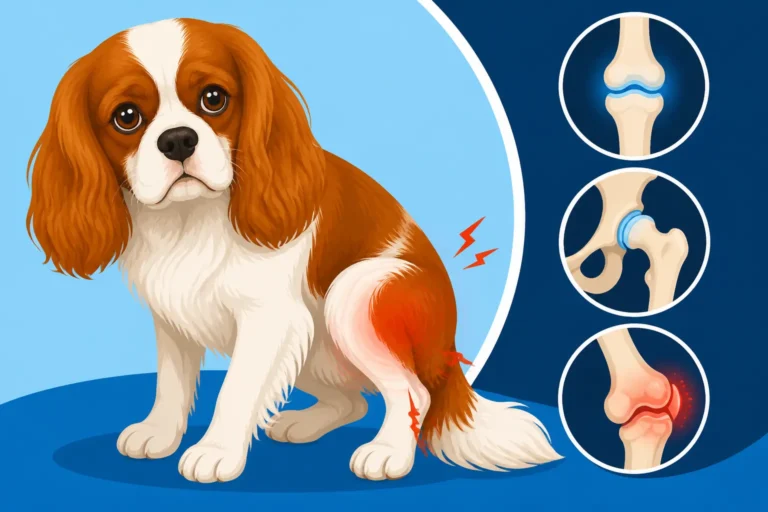
Arthritis, or osteoarthritis, is a common and often painful reality for many older dogs, and Cavaliers are no exception. Years of jumping, running, and simply living can take a toll on their joints, leading to cartilage degradation, inflammation, and pain. Common areas affected include the hips (especially if they have a history of hip dysplasia, though less common in Cavaliers than larger breeds), knees (patellar luxation, a common Cavalier issue, can lead to early arthritis), elbows, and spine. You might notice your Cavalier moving more slowly, struggling to get up after resting, limping, seeming stiff, or even yelping when touched in certain areas. They might also hesitate before using stairs or jumping.
The good news is that there are many effective ways to manage arthritis pain. Your veterinarian can recommend a comprehensive plan that often includes:
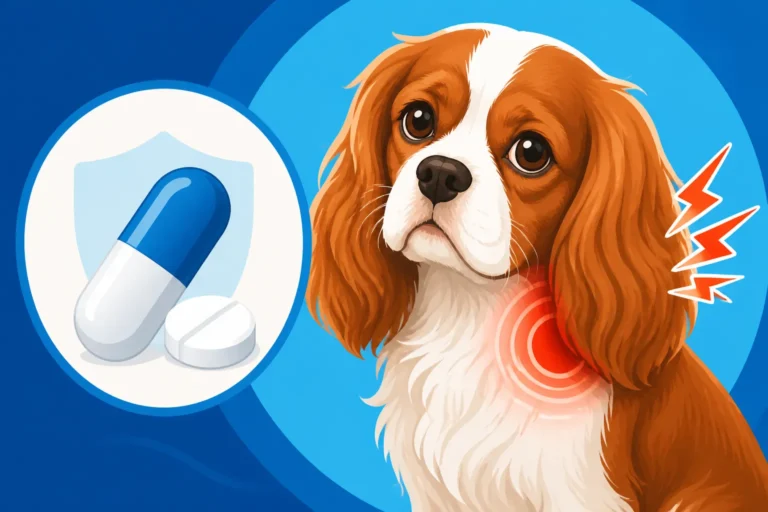
- Non-Steroidal Anti-Inflammatory Drugs (NSAIDs): These can significantly reduce pain and inflammation. Popular choices include Carprofen (Rimadyl), Meloxicam (Metacam), or Galliprant.
- Joint Supplements: Ingredients like glucosamine, chondroitin, and MSM can help support cartilage health and reduce inflammation. Omega-3 fatty acids, especially EPA and DHA, also have potent anti-inflammatory properties.
- Pain Medications: Other drugs, such as Gabapentin or Amantadine, might be added for more severe or chronic pain.
- Weight Management: Keeping your Cavalier at a healthy weight is paramount, as excess pounds put immense strain on already compromised joints.
- Physical Therapy: Gentle exercises, massage, and therapeutic modalities like laser therapy or acupuncture can be incredibly beneficial.
Always discuss these options with your vet to create a tailored pain management strategy. Regularly reassessing their comfort levels and adjusting treatment as needed is key to keeping your senior Cavalier as mobile and pain-free as possible.
Creating an Accessible Home Environment
As your Cavalier ages and experiences mobility challenges, their home environment, which once seemed perfectly fine, might become a landscape of obstacles. Simple modifications can make a world of difference in preventing injury, reducing pain, and preserving their independence. One of the most common difficulties seniors face is navigating stairs. Investing in Stair Ramps for an Aging Cavalier can be a game-changer, allowing them to access different levels of your home or get into and out of the car without painful jumps or strenuous climbs. These ramps should have a non-slip surface and be introduced gradually with positive reinforcement.
Beyond ramps, consider the flooring in your home. Slippery surfaces like hardwood, tile, or laminate can be treacherous for a dog with arthritic joints or weakened hindquarters. Laying down non-slip rugs or runners in high-traffic areas can provide much-needed traction and confidence. For eating and drinking, raised food and water bowls can alleviate strain on their neck and joints, making mealtime more comfortable. Also, ensure their bed is easily accessible and provides ample orthopedic support. A plush, memory foam bed can cradle aching joints and provide warmth, which is often soothing for arthritic dogs. Making these thoughtful adjustments not only enhances their physical comfort but also reinforces their sense of security and belonging within your home.
Gentle Exercise and Physical Therapy
While it might seem counterintuitive to exercise a dog with joint pain, appropriate, gentle movement is actually vital for senior Cavaliers. Regular, low-impact activity helps maintain muscle mass, which in turn supports their joints, and prevents stiffness. It also helps with weight management and provides crucial mental stimulation. Forget the long, strenuous hikes of their youth; think shorter, more frequent walks at a comfortable pace. Allow them to set the tempo, stopping for plenty of sniff breaks. Whether Exercise Is Safe for a Cavalier With MVD is always a concern, so your vet or cardiologist will advise on appropriate activity levels based on their heart health.
Beyond walks, consider other forms of gentle exercise. Hydrotherapy, or swimming in a heated pool under supervision, is a fantastic option as it provides buoyancy that reduces stress on joints while still allowing for a full range of motion. Many specialized canine rehabilitation centers offer this service. At home, you can incorporate gentle massage into your daily routine, focusing on their limbs and back. Passive range of motion exercises, guided by a vet or physical therapist, can also help maintain flexibility. The key is consistency and moderation, always listening to your Cavalier's cues. If they seem tired or sore, it's time to rest. The goal is to keep them moving comfortably, not to push them beyond their limits, ensuring their senior years remain active and engaging.
Managing Neurological Conditions
Cavaliers are unfortunately prone to several neurological conditions, and while some may appear earlier in life, their symptoms can often become more pronounced or complex as the dog ages. Understanding these conditions and how to manage them is a critical part of senior Cavalier care.
Syringomyelia and Chiari-like Malformation
Syringomyelia and Chiari Malformation in Cavaliers (SM/CM) is a painful neurological condition that many Cavaliers are genetically predisposed to. It involves the skull being too small for the brain, causing brain tissue to be pushed into the spinal canal, obstructing the flow of cerebrospinal fluid and leading to the formation of fluid-filled cavities (syringes) within the spinal cord. While symptoms can appear at any age, they can often worsen or become more debilitating in a senior Cavalier. You might see an increase in classic signs like phantom scratching (scratching in the air without touching their skin), extreme sensitivity around the neck, head, and shoulders, yelping when picked up, or a reluctance to use stairs. They might also develop an altered gait or weakness in their limbs.
Managing SM/CM in an older Cavalier focuses heavily on pain control and comfort. Medications such as Gabapentin, Pregabalin, and NSAIDs are commonly used to reduce nerve pain and inflammation. Steroids may be prescribed during flare-ups to reduce swelling. For senior Cavaliers, the side effects and interactions of multiple medications need to be carefully monitored. Beyond medication, providing a comfortable environment is crucial: avoiding neck pressure by using a harness instead of a collar, keeping them warm, and ensuring they have soft, supportive bedding. If their condition is severe, a neurologist might be consulted to discuss advanced treatments, though surgery is often considered riskier for older dogs with other comorbidities. The goal is to minimize discomfort and maximize their quality of life.
Cognitive Dysfunction Syndrome
Just like humans can experience dementia, older dogs can develop Cognitive Dysfunction Syndrome (CDS), often referred to as "doggy dementia." This condition affects their brain function and can lead to a range of behavioral changes that can be quite unsettling for owners. In senior Cavaliers, CDS might manifest as disorientation – they might get "stuck" in corners, stare blankly at walls, or seem confused about their surroundings, even in familiar environments. Their sleep-wake cycles can become disrupted, leading to restless nights and increased sleeping during the day.
You might also notice changes in their social interaction, perhaps becoming less engaged with family members or even a bit irritable. House-soiling, even in a previously perfectly house-trained dog, can be a frustrating but common symptom of CDS, as they may forget their training or not be aware of needing to go outside. Learning and memory capabilities often decline, making it harder for them to remember cues or routines. While there's no cure for CDS, there are management strategies that can help. Antioxidant supplements, prescription diets rich in brain-supporting nutrients, and certain medications (like Selegiline) can sometimes slow progression and alleviate symptoms. Maintaining a consistent routine, providing gentle mental stimulation with easy puzzle toys, and ensuring they have a safe, familiar environment are also key to supporting a Cavalier with CDS.
Seizures and Episodic Falling
Seizures and Episodic Falling Syndrome (EFS) are two distinct neurological events that can sometimes be confused, especially in a senior Cavalier, but they require different approaches to management. EFS, more accurately described as a paroxysmal exercise-induced dyskinesia, is a genetic condition almost exclusive to Cavaliers. It typically manifests as episodes of muscle rigidity or hypertonicity, causing the dog to stiffen and fall over, often triggered by excitement or exercise. Crucially, during an EFS episode, the dog remains fully conscious and aware, though they cannot move. While EFS usually starts in younger Cavaliers, these episodes can continue into old age. Management involves avoiding triggers and, in some cases, medication to reduce episode frequency, as detailed in Episodic Falling Syndrome in a Cavalier.
Seizures, on the other hand, are caused by abnormal electrical activity in the brain. They can present in various ways, from focal (partial) seizures involving twitching of a single limb or facial muscle, to generalized (grand mal) seizures where the dog loses consciousness, falls over, and paddles violently, often accompanied by drooling, urination, and defecation. While epilepsy usually starts in younger dogs, older Cavaliers can develop new-onset seizures due to underlying issues like brain tumors, strokes, or severe metabolic imbalances. If your senior Cavalier experiences a seizure, it's vital to seek immediate veterinary attention to determine the cause. Your vet will likely perform blood tests, and possibly recommend an MRI, to rule out treatable causes. Anticonvulsant medications, such as Phenobarbital or Levetiracetam, are used to control seizures. Differentiating between these two conditions is essential for proper diagnosis and effective treatment, ensuring your Cavalier receives the care they need for these sometimes frightening events.
Maintaining Overall Health and Comfort
Beyond the major breed-specific health challenges, the daily, routine care of a senior Cavalier takes on added importance. Small details can make a big difference in their overall comfort, health, and happiness as they age.
Dental Care in Senior Cavaliers
Dental disease is often called a "silent killer" in dogs, and it’s a particular concern for senior Cavaliers. Their charming, somewhat crowded jaws, while adorable, are prone to accumulating plaque and tartar. As they age, this process accelerates, leading to significant gum inflammation (gingivitis) and eventually periodontal disease, where the supporting structures of the teeth are damaged. This can result in painful infections, loose teeth, and even bone loss. The constant pain from dental disease can make them reluctant to eat, lead to weight loss, and seriously impact their quality of life. Furthermore, chronic bacterial infections in the mouth can spread to other organs, including the heart, kidneys, and liver, exacerbating existing conditions like MVD, a relationship touched upon in Cavalier Dental Disease in a Crowded Jaw.
While the thought of anesthesia for an older dog can be daunting, professional dental cleanings under anesthesia are often the only effective way to address advanced dental disease. Many vets now employ safer anesthetic protocols for seniors, including pre-anesthetic blood work, intravenous fluids, and close monitoring, to minimize risks. Ignoring severe dental disease can cause more harm than the anesthetic itself. Between professional cleanings, daily home care is crucial. Brushing your Cavalier's teeth with dog-specific toothpaste, offering dental chews approved by your vet, and using water additives can all help slow down plaque accumulation. Even if daily brushing isn't feasible, aiming for a few times a week can make a difference. Prioritizing their dental health is a gift you can give your senior Cavalier, ensuring they can eat comfortably and avoid systemic infections.
Weight Management and Nutrition
Maintaining a healthy weight is paramount for a senior Cavalier, even more so than in their younger years. Every extra pound puts additional strain on their heart, which is likely already working harder due to MVD, and exacerbates joint pain from arthritis. It can also make breathing more difficult and reduce their overall energy levels and mobility. Conversely, too much weight loss or muscle wasting, especially in Cavaliers with advanced MVD, can also be detrimental. The key is balance and careful monitoring.
As Cavaliers age, their metabolism often slows down, and their activity levels naturally decrease. This means their calorie needs will likely be lower than they were in their prime. It's easy to overfeed them out of habit or love, but measuring their food precisely on a kitchen scale is the best way to ensure they're getting the right amount, as advised in Keeping a Cavalier at a Weight Its Heart Can Carry. Your vet can help you determine an ideal weight for your individual Cavalier and calculate their daily caloric requirements. Many excellent senior dog foods are formulated with fewer calories, higher fiber, and joint-supporting supplements. For Cavaliers with MVD, a low-sodium diet might also be recommended to manage fluid retention. Healthy, low-calorie treats can still be part of their life, but in moderation. Regular weigh-ins at home or during vet visits will help you stay on track, ensuring your senior Cavalier maintains an optimal body condition, supporting their heart, joints, and overall vitality.
Grooming and Skin Care
Grooming a senior Cavalier isn't just about aesthetics; it's a vital part of their health and comfort. Their beautiful, silky coats can easily mat, especially behind the ears, in the armpits, and around their feathery legs and tail. Mats are not just unsightly; they can pull on the skin, causing pain, skin irritation, and even infections, particularly for an older dog whose skin might be more delicate. Regular, gentle brushing is essential, ideally several times a week, as discussed in Brushing a Cavalier's Feathering Three Times a Week. Use a soft slicker brush and a metal comb to work through tangles, being extra patient and gentle with any sensitive areas.
Beyond the coat, paying attention to their skin is crucial. Older dogs can develop various lumps and bumps – some benign, like fatty lipomas, and others more concerning. Regular grooming sessions are an excellent opportunity to perform a full body check, noting any new growths, scabs, or changes in skin texture. Keep their ears clean and dry, especially with their heavy drop ears, which are prone to infections. Regular cleaning with a vet-approved ear cleaner can help prevent issues. Their prominent eyes also need attention; gently wiping away any discharge or tear staining can prevent irritation. Finally, don't forget their paw pads and nails. Long nails can make walking painful and even affect their gait, so regular trims are essential. If your senior Cavalier finds grooming uncomfortable due to arthritis or other pains, consider breaking sessions into shorter intervals, using positive reinforcement, or seeking a professional groomer experienced with senior dogs. These attentive grooming routines provide comfort, maintain hygiene, and offer an invaluable chance to monitor their health up close.
The Emotional and Practical Aspects of Senior Cavalier Care
Caring for an aging Cavalier isn't just about managing physical ailments; it's also about nurturing their emotional well-being and adapting your life to meet their changing needs. This phase of their life brings unique emotional and practical considerations that require empathy and forethought.
Recognizing Quality of Life Changes
As your Cavalier ages, assessing their quality of life becomes a daily, evolving process. It's about looking beyond individual symptoms and evaluating their overall happiness and comfort. Are they still able to enjoy their favorite activities, even in a modified way? Do they still greet you with enthusiasm, wag their tail, or seek out cuddles? A significant decline in their desire to interact, play, or engage with the family can be a major red flag, potentially indicating pain, discomfort, or cognitive decline. It's a balance: some slowing down is normal, but a complete withdrawal or loss of joy is not.
Mental stimulation remains incredibly important for senior Cavaliers. Easy puzzle toys, gentle training sessions, or even just exploring new scents on a short walk can keep their minds sharp and engaged. They may not be able to retrieve a ball for hours, but a gentle game of "find the treat" or a simple brain game can still bring immense satisfaction. Provide plenty of opportunities for comfort and warmth, whether it's a cozy bed next to you or a favorite blanket. Remember that their world is shrinking, so what they can do, and what they can enjoy, becomes even more precious. Continually asking yourself if they are truly enjoying their days, and adapting your approach based on their answers, is the most loving thing you can do.
Supporting the Bond with Your Senior Cavalier
The bond we share with our Cavaliers deepens profoundly in their senior years. They have been our constant companions, and now, as they rely on us more, that connection becomes even more meaningful. It's crucial to continue to engage with them, even if the ways you interact need to change. Instead of vigorous play, perhaps it's more quiet cuddle time on the sofa, gentle grooming sessions, or simply sitting together in companionable silence. They still crave your presence and affection, perhaps even more so as they navigate discomfort or confusion.
One of the most powerful ways to support this bond is through patience and understanding. They might have accidents in the house, seem disoriented, or be less responsive to commands. It's easy to get frustrated, but remembering that these are often symptoms of aging, not defiance, allows us to respond with kindness. Adapt your daily routines to accommodate their slower pace. If they need to go out more frequently, build that into your schedule. If they struggle on walks, shorten them and make them more frequent. Continue to talk to them, offering reassurance and affection. Your unwavering love and consistent presence are their anchors in a world that might feel increasingly confusing or uncomfortable. This precious time is about cherishing every moment and validating their existence as a beloved family member, proving that they are just as cherished in their twilight years as they were as puppies.
Planning for End-of-Life Care
This is, without a doubt, the hardest conversation for any pet owner, but it's one we must have when caring for a senior Cavalier. Planning for end-of-life care is not about giving up; it's about being prepared and ensuring that when the time comes, your Cavalier experiences the most peaceful and dignified transition possible. Understanding the progression of severe diseases like End-Stage Heart Failure in a Cavalier helps us make informed, compassionate decisions. It involves assessing their quality of life, not just for a day, but consistently over time. Are their "good days" still outweighing their "bad days"? Are they still able to find joy, even in small moments? Is their pain manageable, or are they constantly uncomfortable despite medication?
Hospice care for pets is an increasingly available option, focusing on comfort, pain management, and maintaining the highest possible quality of life at home. This can involve regular veterinary visits, adjustments to medication, nutritional support, and emotional support for you as an owner. When the difficult decision of euthanasia arises, it's a conversation best had with your veterinarian well in advance, so you understand the process, your options (e.g., at home vs. clinic), and can make arrangements without added stress during an emotional crisis. It's about making a selfless choice to prevent suffering when medical interventions can no longer provide comfort. Discussing this openly with your family and vet can help you feel more at peace when the time comes to say goodbye, ensuring your Cavalier's final moments are filled with love and serenity.
Proactive Care: What You Can Do Now
While the challenges of caring for a senior Cavalier can feel overwhelming, there's immense power in proactive planning and consistent care. Taking steps now can profoundly impact their comfort, health, and your peace of mind in the years to come.
Regular Veterinary Check-ups
The importance of regular veterinary check-ups cannot be overstated, especially for a senior Cavalier. While an annual visit might suffice for a younger dog, once your Cavalier crosses the nine-year threshold, bi-annual (every six months) examinations become highly recommended. These more frequent visits allow your veterinarian to closely monitor any subtle changes in their health that might otherwise go unnoticed for longer periods. Early detection is absolutely critical for conditions like MVD, arthritis, or even early signs of cognitive decline.
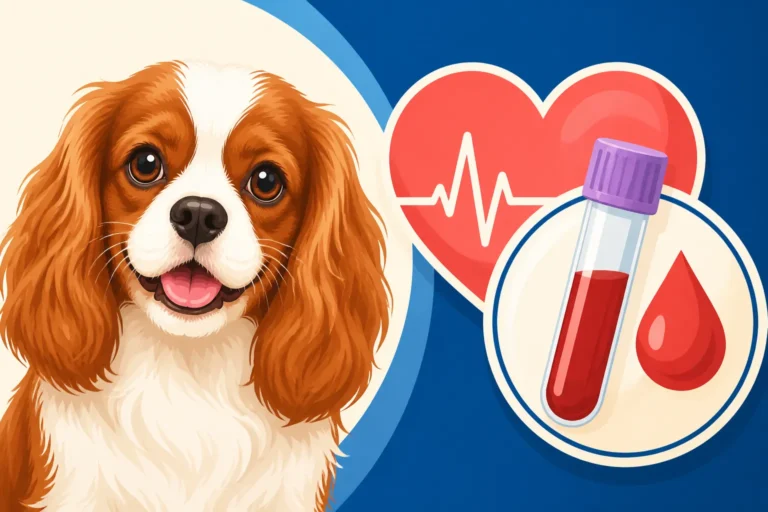
During these check-ups, your vet will perform a thorough physical examination, including listening to their heart and lungs, palpating their joints, and assessing their overall body condition. Blood work, including a complete blood count (CBC) and a chemistry panel, is often recommended annually or bi-annually for seniors. These tests can catch underlying issues like kidney disease, liver disease, thyroid problems, or infections before they become clinically apparent. Catching a problem early often means more effective, less invasive, and less expensive treatment options down the line. It's a foundational step in ensuring your senior Cavalier remains as healthy and comfortable as possible, giving you a clearer picture of their health status.
Pet Insurance for Senior Years
Navigating the costs associated with senior pet care can be a significant concern for many owners. While it's ideal to enroll your Cavalier in pet insurance when they are a puppy, before any conditions manifest, it's not entirely too late to consider it for an older dog. Many pet insurance providers, such as Healthy Paws, offer plans for senior pets, though it's important to understand the limitations. The biggest hurdle with older dogs is that any pre-existing conditions, such as an existing heart murmur, diagnosed arthritis, or a history of neurological issues, will typically not be covered. This is why getting coverage before these conditions arise is so vital.
However, even with pre-existing conditions, a robust pet insurance policy can still be incredibly valuable for a senior Cavalier. It can provide coverage for new illnesses or accidents that crop up in their later years. For instance, if your senior Cavalier develops an unrelated infection, breaks a bone, or is diagnosed with a new cancer, the insurance could help offset a significant portion of those unexpected veterinary bills. Comparing policies carefully, understanding what is considered a pre-existing condition, and looking at annual limits and deductibles are crucial steps. While it may not cover every aspect of their age-related health, pet insurance can offer a financial safety net for future unforeseen health challenges, allowing you to prioritize their care without the added burden of prohibitive costs.
Building a Support Network
Caring for a senior Cavalier, especially one with complex medical needs, can be a demanding and emotionally taxing journey. You don't have to do it alone. Building a strong support network is essential for both your well-being and that of your beloved companion. Your primary veterinarian is, of course, your first line of defense and trusted advisor. However, don't hesitate to seek referrals to specialists – a board-certified veterinary cardiologist for heart disease, a neurologist for conditions like SM/CM, or an orthopedic specialist for severe joint issues. These experts provide specialized knowledge and advanced treatment options that can significantly improve your Cavalier's quality of life.
Beyond medical professionals, consider practical support. If you work long hours or need to travel, finding a trusted pet sitter or dog walker who is experienced with senior dogs and comfortable administering medications is invaluable. Family members or close friends who understand your Cavalier's needs can also offer relief. Lastly, connect with online communities or local support groups for Cavalier owners or owners of senior pets. Sharing experiences, asking questions, and receiving empathy from others who understand the unique challenges can be incredibly comforting and informative. Remember, self-care is not selfish; it allows you to be the best possible caregiver for your cherished senior Cavalier.
Disclaimer
This article is intended for informational purposes only and does not constitute medical advice. Always consult with a qualified veterinarian for any health concerns or before making any decisions about your Cavalier King Charles Spaniel's care and treatment.