Why Half of Cavaliers Have a Murmur by Five
It's a heartbreaking reality that many Cavalier King Charles Spaniel owners face: the devastating news of a heart murmur, often when their beloved companion is still so young. Hearing that your vibrant, seemingly healthy Cavalier has a ticking time bomb in their chest by the age of five can feel like a punch to the gut, leaving you confused, anxious, and desperate for answers. This guide aims to shed light on why mitral valve disease (MVD) is so prevalent and early-onset in our sweet Cavaliers, what it means for their health, and how we, as owners, can navigate this challenging journey with as much understanding and preparation as possible.
Understanding Mitral Valve Disease in Cavaliers
Mitral Valve Disease (MVD) isn't just a generic heart condition; it's a specific, progressive illness that uniquely targets our Cavalier King Charles Spaniels. It’s the leading cause of death in the breed, and understanding its mechanisms is the first step in protecting our furry family members.
The Anatomy of a Cavalier's Heart Valve
Imagine your Cavalier's heart as a beautifully engineered, tireless pump, working day in and day out to circulate blood throughout their tiny body. Inside this pump are four valves, acting like one-way doors, ensuring blood flows in the correct direction. The mitral valve is particularly crucial; it's located on the left side of the heart, between the left atrium and the left ventricle. Its job is to open to let oxygen-rich blood flow from the lungs into the left ventricle, and then snap shut tightly when the ventricle contracts to pump that blood out to the rest of the body. When working perfectly, it creates a crisp, silent seal.
This intricate dance of opening and closing is vital for efficient blood flow and proper heart function. Without a perfectly sealed mitral valve, the entire system can become compromised, leading to significant health issues down the line. It's a testament to the complexity of life that such a small component can have such a profound impact.
How MVD Develops in Cavaliers
In most dog breeds, MVD is a disease of old age, typically appearing in senior dogs. But with Cavaliers, it’s a different story altogether. We're talking about a disease that can begin to manifest in dogs as young as a few years old, earning its unfortunate reputation for early onset.
The development of MVD in Cavaliers is a degenerative process. This means the mitral valve, instead of remaining supple and thin, gradually thickens and degenerates. The leaflets of the valve, which are supposed to meet perfectly, become nodular and stiff. The tiny, string-like tendons called chordae tendineae, which anchor the valve leaflets, can also thicken, stretch, or even rupture. Over time, this degeneration prevents the valve from closing completely, creating a gap. When the left ventricle contracts to push blood out to the body, some of that blood leaks backward into the left atrium through the faulty valve. This backward flow is known as regurgitation. The heart has to work harder to compensate for this inefficiency, eventually leading to enlargement and, tragically, heart failure. If you're looking for an in-depth dive into the progression of this illness, you might find our article on How Cavalier Heart Disease Progresses Stage by Stage particularly helpful.
The Connection Between MVD and Murmurs
This backward gush of blood through the leaky mitral valve creates turbulence, and it's this turbulent flow that a veterinarian hears as a heart murmur using a stethoscope. A murmur isn't a disease in itself; it's a sign of turbulent blood flow, and in the vast majority of Cavaliers, it's the first audible indication of MVD.
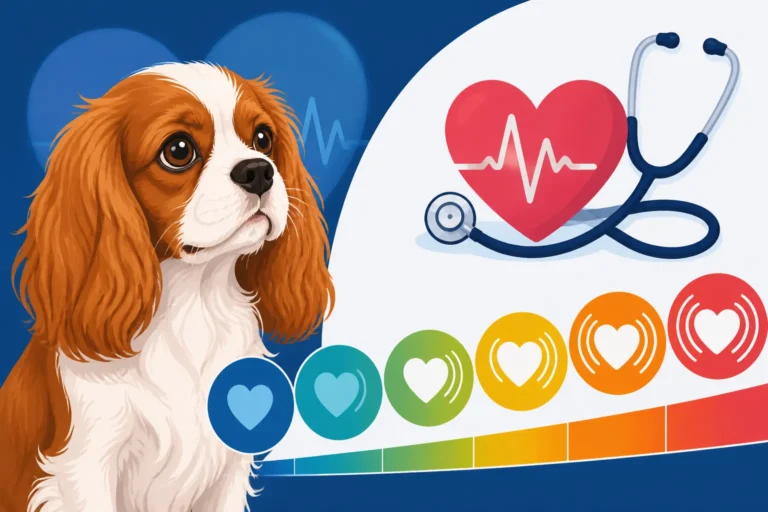
When your vet listens to your Cavalier's heart and detects a murmur, they're listening to the sound of blood leaking backward. The grading of this murmur (from a soft Grade I to a very loud Grade VI) gives an indication of the severity of the leak, though it’s important to remember that the intensity of the murmur doesn't always directly correlate with the severity of the underlying valve damage or the stage of heart disease. A louder murmur generally means more turbulence and a larger leak, but a comprehensive diagnosis requires further investigation beyond just listening. Understanding What a Heart Murmur Grade Means in a Cavalier can help you interpret your vet's findings. This initial detection, often at a routine check-up, is usually when the clock starts ticking for Cavalier owners.
Why Cavaliers Are So Susceptible: Genetics and Breed Predisposition
It’s truly unfair, isn't it? To have such a sweet, gentle breed burdened with a condition that cuts their precious lives short. But the sad truth lies deep within their genetic history.
The Genetic Bottleneck
The Cavalier King Charles Spaniel breed, as we know it today, went through what's called a "genetic bottleneck." This happened in the early 20th century when efforts were made to revive the older type of King Charles Spaniel, resembling the dogs seen in paintings from the time of King Charles II. A small number of dogs with specific traits were used to re-establish the breed. While this brought back the beautiful, long-nosed, floppy-eared dogs we adore, it also inadvertently concentrated certain genes, including those predisposing them to MVD.
Think of it like this: if you start with a very small pool of ingredients to bake a cake, and one of those ingredients has a slight flaw, that flaw is going to be present in all subsequent cakes made from that limited recipe. Breeders, perhaps unknowingly at the time, propagated a genetic vulnerability. Today, it's estimated that almost all Cavaliers carry the genes for MVD, making it incredibly difficult to breed out. This is a crucial topic for anyone considering breeding, and our article on The Cavalier MVD Breeding Protocol delves into how responsible breeders are trying to mitigate this risk.
Early Onset vs. Late Onset MVD
As mentioned earlier, MVD in most breeds is a condition of old age. For a Golden Retriever or a Labrador, you might see MVD pop up in their golden years, perhaps at 10 or 12 years old. This gives owners many years of healthy life before the disease truly takes hold.
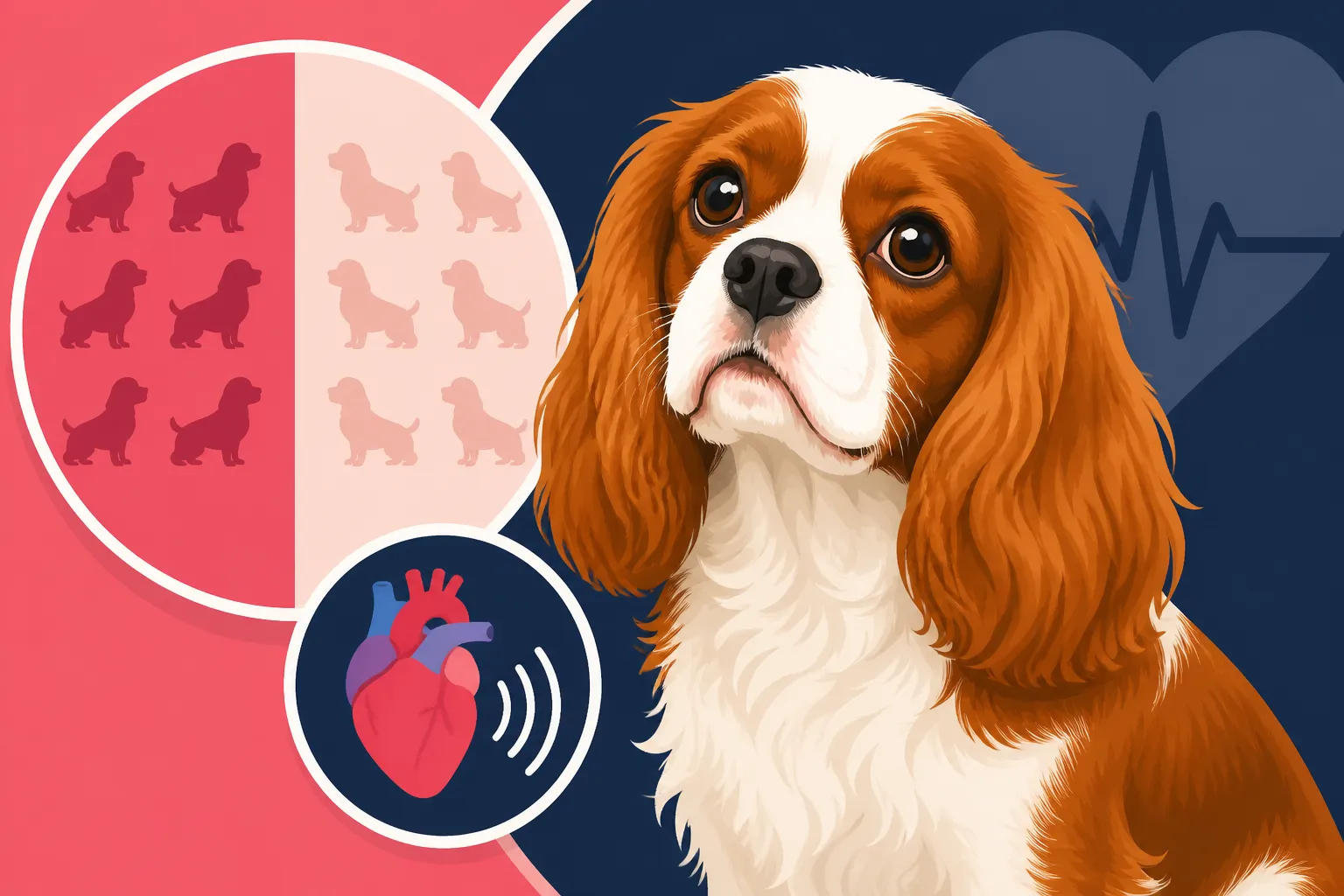
For Cavaliers, however, the genetic predisposition means the disease often starts much, much earlier. It’s not uncommon for half of Cavaliers to develop a murmur by five years of age, and tragically, a significant percentage will have signs of advanced disease or heart failure by the time they are eight or nine. This early onset means that many Cavaliers spend a substantial portion of their adult lives managing or progressing through heart disease. It robs them and their families of precious healthy years, making proactive care and early detection all the more critical. This stark contrast highlights the unique and severe challenge MVD poses to the Cavalier breed. If you're thinking about the bigger picture, our article on Cavalier Lifespan and What Cuts It Short offers a broader perspective.
The Role of Small Breed Size
While the genetic component is undoubtedly the primary driver, the small size of Cavaliers might also play a subtle, secondary role in the presentation or progression of MVD, though it's not the root cause. Smaller dogs often have faster metabolisms and sometimes different physiological stressors than larger breeds. However, it’s vital to distinguish that MVD in Cavaliers isn't just "small dog heart disease." It’s a specific breed-related degenerative condition that happens to affect a small breed.
Other small breeds might have different heart conditions, but the mitral valve degeneration seen so uniformly and at such an early age in Cavaliers is distinct. It’s a sad irony that these compact, affectionate dogs, bred for companionship and lap-warming, carry such a heavy genetic burden. Their size doesn't cause the disease, but it can influence how symptoms manifest and how quickly they progress, particularly when coupled with other factors like weight gain. For instance, Cavalier Weight Gain and What It Costs the Heart is a related concern where size and lifestyle intersect with heart health.
Recognizing the Signs and Stages of MVD Progression
Living with MVD means constantly being attuned to your Cavalier's subtle cues. Early detection and understanding the stages of progression are paramount to ensuring they receive timely and effective care.
The Silent Murmur: When it's First Detected
Often, the first sign of MVD is nothing you’ll notice at home. Your Cavalier will be running, playing, and acting completely normal. It’s usually during a routine veterinary check-up, when the vet places their stethoscope on your dog’s chest, that the tell-tale whooshing sound of a murmur is first heard. This can be shocking, especially if your dog is only three, four, or five years old. You might leave the vet’s office feeling a knot in your stomach, wondering what this means for your cheerful companion.
At this stage, known as Stage B1 (according to the American College of Veterinary Internal Medicine, or ACVIM, guidelines), the murmur is present, but there’s no evidence of heart enlargement or clinical signs. Your vet might recommend an initial consultation with a veterinary cardiologist. This step is incredibly important for establishing a baseline and getting an accurate diagnosis. The cardiologist will perform an echocardiogram, which is essentially an ultrasound of the heart, to visualize the valves and heart chambers. This early detection, even before symptoms appear, is key to monitoring the disease.
From Murmur to Clinical Signs
As MVD progresses, the heart works harder and harder to compensate for the leaky valve. Eventually, the left side of the heart begins to enlarge. This is Stage B2. While there are still no outward clinical signs you'd easily notice, an echocardiogram would show significant heart remodeling. This is often the stage where medications like Pimobendan are recommended, even before a cough starts.
If the disease continues to progress without intervention, or despite medication, the heart's ability to pump efficiently becomes severely compromised. This leads to fluid buildup, often in the lungs, which is called congestive heart failure. This is Stage C. At this point, you will definitely start noticing symptoms at home. These can include:
- A Persistent Cough: This is often the most common and noticeable sign. It might sound like a soft, moist cough, especially at night or when your dog is excited. It's the body's attempt to clear fluid from the lungs.
- Difficulty Breathing or Increased Breathing Rate: Your Cavalier might breathe faster than normal, even at rest, or show labored breathing.
- Exercise Intolerance: They might tire easily on walks, fall behind, or refuse to play as much as they used to. A Cavalier that tires on short walks is a major red flag.
- Lethargy or Weakness: A general decrease in energy levels, sleeping more, or being less enthusiastic about daily activities.
- Loss of Appetite and Weight Loss: Although this can be a later symptom, a dwindling appetite is always a concern.
- Fainting or Collapse: In severe cases, reduced blood flow to the brain can cause a Cavalier to faint, especially after excitement or exercise.
It's vital to keep a close eye on your Cavalier once a murmur has been detected. Subtle changes can indicate progression, and the sooner you act, the better their prognosis.
Understanding Heart Failure Stages
Veterinary cardiologists use the ACVIM staging system to categorize MVD, which helps guide treatment decisions. Understanding these stages can empower you as an owner:
- Stage A: This is for Cavaliers (and other breeds) at high risk of developing heart disease but currently show no structural changes or murmurs. All Cavaliers are technically in Stage A due to breed predisposition.
- Stage B1: A heart murmur is present, but there are no clinical signs of heart failure, and no evidence of significant heart enlargement on imaging (echocardiogram or X-rays). This is the "silent murmur" stage.
- Stage B2: A heart murmur is present, no clinical signs of heart failure, but there is evidence of significant left-sided heart enlargement on an echocardiogram. This is often when preventative medication, like Pimobendan, is started.
- Stage C: Clinical signs of congestive heart failure are present (e.g., coughing, labored breathing, exercise intolerance) and there's evidence of structural heart disease. This means fluid buildup is occurring. This stage requires aggressive medical management.
- Stage D: This is end-stage heart failure, where the condition is refractory to standard treatments. Sadly, the prognosis at this stage is very poor.
Knowing these stages helps you understand the gravity of each diagnosis and the importance of adhering to your vet's and cardiologist’s recommendations. It's a journey, and each stage requires careful monitoring and a tailored approach to care. Our article on Medication for a Cavalier With Heart Disease provides more information on treatment options at various stages.
Diagnostic Tools for Pinpointing Cavalier Heart Health
Getting a heart murmur diagnosis can be scary, but thankfully, veterinary medicine offers sophisticated tools to accurately assess your Cavalier's heart health and progression of MVD. These tools move beyond just the "ear" of a stethoscope, giving us a much clearer picture of what's happening inside.
The Importance of the Echocardiogram
When your vet first detects a murmur, the gold standard for definitive diagnosis and staging of MVD in a Cavalier is an echocardiogram. This is a non-invasive ultrasound of the heart, performed by a veterinary cardiologist. It’s absolutely crucial because it provides real-time images of the heart's structure and function.
During an echocardiogram, the cardiologist can:
- Visualize the Mitral Valve: They can see the thickening of the valve leaflets and assess how well they coapt (meet) during closure.
- Assess Blood Flow: They use Doppler technology to measure the speed and direction of blood flow, quantifying the amount of regurgitation (leakage) through the mitral valve.
- Measure Heart Chamber Sizes: They can accurately measure the size of the left atrium and left ventricle. This is incredibly important for staging the disease (determining if your Cavalier is in Stage B1 or B2, for example) and guiding treatment decisions. An enlarged left atrium is a key indicator of progressive MVD.
- Evaluate Heart Muscle Function: They can assess how effectively the heart muscle is contracting and pumping blood.
Unlike a stethoscope, which only tells you a murmur is present, an echocardiogram provides the detailed information needed to truly understand the extent of the disease. This is why annual or bi-annual cardiologist exams are so important for Cavaliers with murmurs. A visit to a specialist for Annual Cardiologist Exams for a Cavalier will always include an echo.
Beyond the Stethoscope: X-rays and Blood Tests
While the echocardiogram is king for structural assessment, other diagnostic tools play vital roles, especially as the disease progresses or if symptoms arise.
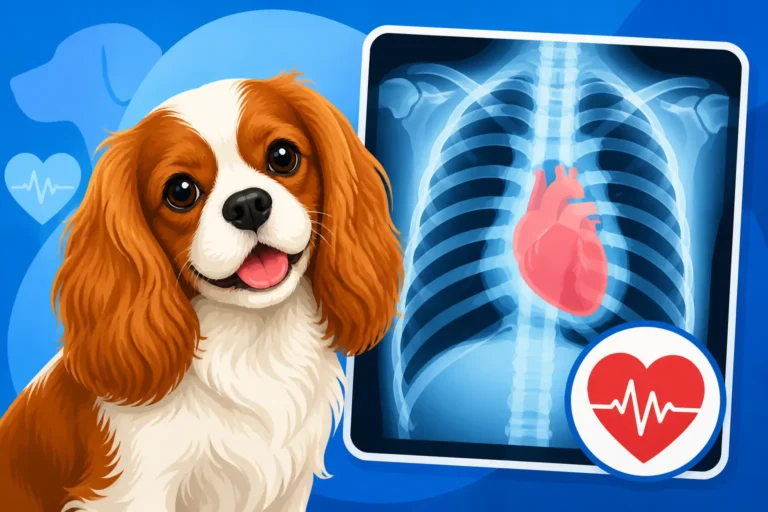
- Chest X-Rays: Once a Cavalier starts showing clinical signs like coughing or difficulty breathing, chest X-rays become invaluable. They help the vet visualize the size and shape of the heart within the chest cavity, confirming if it's enlarged. More importantly, X-rays are excellent for detecting fluid buildup in or around the lungs (pulmonary edema), which is a hallmark of congestive heart failure (Stage C). Seeing fluid in the lungs is a clear sign that aggressive treatment to remove that fluid is needed.
- NT-proBNP Blood Test: This is a blood test that measures a specific hormone (N-terminal pro-B-type natriuretic peptide) that is released in higher amounts when heart muscle cells are stretched or stressed. Elevated levels of NT-proBNP can indicate increased cardiac stress or dysfunction, even before obvious clinical signs appear. While not a standalone diagnostic, it can be a useful tool to assess the severity of heart disease and monitor response to treatment, particularly in helping to differentiate between respiratory and cardiac causes of coughing. It's another piece of the puzzle to assess A Cavalier Heart Blood Test Called NT-proBNP.
Combining these tools provides a holistic picture of your Cavalier's heart health, allowing your veterinary team to make the most informed decisions about their care.
Annual Screenings and Early Detection
Given the high prevalence and early onset of MVD in Cavaliers, annual cardiac screenings are not just recommended—they are essential. This means a thorough physical exam by your regular veterinarian, including careful auscultation (listening to the heart) with a stethoscope. Even if your Cavalier seems perfectly healthy, these yearly check-ups can catch a murmur at its earliest stage.
Once a murmur is detected, or if you acquire a Cavalier with a known murmur, then regular check-ups with a board-certified veterinary cardiologist become paramount. These specialists have advanced training and equipment (like echocardiograms) to precisely monitor the disease's progression. Early detection of heart enlargement (Stage B2) through regular echocardiograms can mean starting medication like Pimobendan earlier, which has been shown to significantly delay the onset of congestive heart failure and improve quality of life. Don’t wait for symptoms to appear; proactive monitoring can add precious months, even years, to your Cavalier’s life. Knowing The Heart Testing a Cavalier Breeder Must Do is a great example of preventative measures even before you bring your puppy home.
Managing MVD in Young Cavaliers: What Owners Can Do
Hearing your young Cavalier has a heart murmur is devastating, but it’s crucial to remember that a diagnosis isn’t a death sentence. There are many ways you can proactively manage their condition, slow its progression, and ensure they live the happiest, most comfortable life possible.
Proactive Measures Before Symptoms Appear
Even if your Cavalier has been diagnosed with a murmur but shows no signs of heart enlargement or clinical symptoms (Stage B1), there are still important things you can do. The goal at this stage is to keep them as healthy as possible and delay the progression of the disease.
- Maintain an Ideal Weight: This is absolutely critical for any Cavalier with a heart murmur, or indeed, any dog. Excess weight puts additional strain on the heart, making it work even harder. Talk to your vet about your Cavalier’s ideal body condition score and how to achieve it through diet and controlled exercise. Even a pound or two can make a significant difference to a small dog like a Cavalier.
- Regular, Moderate Exercise: Keep your Cavalier active, but avoid extreme exertion. Short, frequent walks are generally better than one long, strenuous hike, especially as they get older or if their murmur progresses. The key is to keep them moving to maintain muscle tone and a healthy weight without overtaxing their heart.
- Nutritional Support: While there isn't a "cure-all" diet, good quality, balanced nutrition is always important. Some vets may suggest diets with controlled sodium levels, especially as the disease progresses, but always consult your vet or cardiologist before making drastic dietary changes. Supplementation with Omega-3 fatty acids or CoQ10 is sometimes discussed, but their direct impact on MVD progression specifically in Cavaliers is not definitively proven.
- Regular Vet Check-ups: Stick to your scheduled vet visits and cardiologist appointments. These are your best defense for early detection of changes and timely intervention.
These proactive steps, even subtle ones, contribute significantly to your Cavalier's overall well-being and can help manage Mitral Valve Disease in the Cavalier King Charles Spaniel effectively.
Medication When the Time Is Right
Once your Cavalier's MVD progresses to Stage B2 (meaning they have a murmur and an enlarged heart, but no clinical signs of heart failure), medication typically becomes part of the management plan. The main hero here is often Pimobendan.
- Pimobendan (Vetmedin): This medication is a game-changer for Cavaliers with MVD. Studies have shown that starting Pimobendan at Stage B2 (before the onset of clinical signs) can significantly delay the progression to congestive heart failure and extend a Cavalier's lifespan by many months, even over a year. Pimobendan works in two ways: it helps the heart muscle contract more strongly and it dilates blood vessels, reducing the workload on the heart. It's truly incredible how much this drug has improved the prognosis for dogs with MVD.
- Diuretics (e.g., Furosemide): If your Cavalier progresses to Stage C (congestive heart failure with fluid in the lungs), diuretics become essential. These medications help the body remove excess fluid, reducing pulmonary edema and alleviating symptoms like coughing and difficulty breathing. Diuretics are often used in conjunction with Pimobendan and other medications.
- ACE Inhibitors (e.g., Enalapril, Benazepril): These drugs help relax blood vessels, reducing blood pressure and making it easier for the heart to pump blood. They are commonly prescribed alongside Pimobendan and diuretics in later stages of MVD.
The timing of medication is critical. Don't be surprised if your cardiologist recommends medication even if your Cavalier seems completely normal; this is often the most effective way to slow the disease. The costs of these medications, especially over a Cavalier's lifetime, can be substantial, making pet insurance, like a plan from Healthy Paws, a really smart consideration if you enroll before any murmur is detected. For more detail, our guide on Pimobendan for a Cavalier With an Enlarged Heart is a must-read.
Lifestyle Adjustments for a Heart-Healthy Life
Beyond medication, several lifestyle adjustments can help your Cavalier live more comfortably with MVD, especially as the disease progresses.
- Monitoring Breathing Rate: This is one of the most proactive things you can do at home. A normal resting respiratory rate for a dog is typically between 15-30 breaths per minute. An increase in this rate, especially while your Cavalier is sleeping peacefully, can be an early sign of fluid accumulation in the lungs. Learn to count your Cavalier's resting breaths regularly and report any significant, sustained increases to your vet immediately.
- Stress Reduction: Try to minimize stressful situations for your Cavalier. Excitement or anxiety can increase heart rate and put extra strain on their heart. Maintain a calm, consistent routine.
- Comfortable Sleeping Arrangements: Cavaliers with MVD might find it easier to breathe if they sleep with their head slightly elevated. A dog bed with a bolstered edge or a small pillow can make a difference.
- Avoid Overheating: Cavaliers can struggle in the heat anyway, but with MVD, their ability to regulate body temperature can be compromised. Avoid walks during the hottest parts of the day and always ensure they have access to cool water and shade.
- Regular Grooming and Dental Care: While seemingly unrelated, maintaining good overall health is crucial. Regular grooming prevents mats that can be uncomfortable, and good dental hygiene can prevent infections that might further stress the immune system. The link between Cavalier Dental Disease in a Crowded Jaw and heart health is often underestimated.
These adjustments, combined with medication, can greatly enhance your Cavalier’s quality of life. It requires diligence and a watchful eye, but your Cavalier is absolutely worth every effort.
The Future of Cavalier Heart Health and Responsible Breeding
The high incidence of MVD in Cavaliers is a collective challenge for breeders, owners, and veterinarians. While the past cannot be undone, ongoing efforts aim to improve the future for these wonderful dogs.
Breeding Protocols to Reduce Incidence
The most significant long-term strategy for reducing the prevalence of early-onset MVD is through responsible breeding practices. The Cavalier King Charles Spaniel Club, USA (CKCSC, USA) and other breed clubs advocate for strict MVD breeding protocols.
Key aspects of these protocols include:
- Age-Based Breeding Restrictions: Reputable breeders commit to not breeding Cavaliers before they are at least 2.5 years old, and ideally, not until they are five years old. This allows time for a potential murmur to develop and be detected, preventing the accidental breeding of a dog that develops early-onset MVD. Our article on Why a Cavalier Should Not Be Bred Before Five explains the rationale behind this crucial guideline.
- Annual Cardiac Clearances by a Cardiologist: Breeding stock should have annual cardiac examinations performed by a board-certified veterinary cardiologist, including an echocardiogram. Only those cleared without murmurs or heart enlargement should be bred.
- Pedigree Analysis: Breeders should also consider the cardiac history of the prospective parents' ancestors. Dogs with a strong family history of early-onset MVD should ideally be removed from breeding programs.
These protocols are designed to slowly, over generations, increase the age of MVD onset within the breed. Supporting breeders who adhere to these stringent health testing and breeding guidelines is critical for the future health of Cavaliers.
The Hope of Mitral Valve Repair Surgery
For dogs with advanced MVD that are rapidly progressing to heart failure despite optimal medical management, there is a groundbreaking, albeit highly specialized and expensive, option: mitral valve repair surgery. This complex procedure involves surgically repairing or replacing the faulty mitral valve.
- Procedure Details: Performed by highly specialized veterinary surgeons, typically in a few select veterinary hospitals worldwide (such as the University of Pennsylvania or MedVet in Ohio), this open-heart surgery requires a dedicated team and significant resources. The surgery involves opening the heart, repairing the valve leaflets, or sometimes replacing them with an artificial valve or a tissue graft.
- Success Rates and Risks: While highly successful in carefully selected candidates, it carries significant risks, including complications during and after surgery. The cost is also substantial, often ranging from $40,000 to $60,000 or more.
- Limited Availability: Due to its complexity and cost, it's not an option for every Cavalier or every owner. Waitlists can be long, and selection criteria are strict to maximize success.
Despite the challenges, this surgery offers a glimmer of hope for some Cavaliers, providing a chance for a significantly extended and improved quality of life. It’s a testament to the advancements in veterinary medicine, and another area where having robust pet insurance, like the comprehensive coverage offered by Healthy Paws, could potentially make a difference if such an extreme measure were ever considered. You can learn more about this by reading Mitral Valve Repair Surgery for a Cavalier.
Supporting Research and Advocacy
Beyond individual care and breeding efforts, broader research and advocacy are vital for the long-term health of the Cavalier King Charles Spaniel.
- Funding Research: Organizations like the Cavalier King Charles Spaniel Club Charitable Trust and the Canine Health Foundation support research into the genetics of MVD, new diagnostic methods, and improved treatments. Contributing to these funds helps scientists understand the disease better and develop innovative solutions.
- Spreading Awareness: Educating prospective Cavalier owners about MVD is crucial. Many people fall in love with the breed without fully understanding the health challenges they face. Responsible breeders and experienced owners have a role to play in ensuring new owners are prepared.
- Advocacy for Health Testing: Supporting legislation or advocating for stronger health testing requirements within breed registries can help ensure that breeding practices move towards healthier outcomes for future generations.
It's a collective responsibility to address the high incidence of MVD in Cavaliers. By understanding the disease, implementing best practices, and supporting scientific advancements, we can strive to give these delightful dogs the healthier future they so truly deserve.
| MVD Stage (ACVIM) | Description (Cavalier Specific) | Common Clinical Signs | Diagnostic Findings (Key) | Typical Treatment/Management |
|---|---|---|---|---|
| Stage A | High risk (all Cavaliers due to breed) | None | None (no murmur or structural changes) | Genetic testing, responsible breeding practices |
| Stage B1 | Heart murmur detected; no structural enlargement or clinical signs | None | Murmur on auscultation; normal heart size on echo/X-ray | Annual cardiologist exams, ideal weight, moderate exercise |
| Stage B2 | Heart murmur detected; significant heart enlargement present | None, but heart working harder | Murmur on auscultation; enlarged left atrium/ventricle on echo; normal X-ray | Pimobendan, ongoing cardiologist monitoring, ideal weight |
| Stage C | Clinical signs of congestive heart failure (fluid in lungs) | Coughing, difficulty breathing, exercise intolerance | Murmur; enlarged heart on echo/X-ray; fluid in lungs | Pimobendan, Furosemide (diuretic), ACE inhibitor, sodium restriction, frequent monitoring |
| Stage D | End-stage heart failure; refractory to standard treatment | Severe respiratory distress, weakness, poor quality of life | Very enlarged heart, significant fluid, organ compromise | Increased medication doses, advanced supportive care, hospice/palliative care |
Disclaimer
The information provided in this article is for educational purposes only and is not intended to be a substitute for professional veterinary advice, diagnosis, or treatment. Always seek the advice of your veterinarian or other qualified animal health provider with any questions you may have regarding a medical condition.