Cavalier Bathing and Drying a Single Coat
Oh, the glorious, silky coat of a Cavalier King Charles Spaniel! It's one of their most defining features, right up there with those soulful eyes and wagging tails. But let's be honest, keeping that beautiful coat clean and free of tangles, especially after a muddy walk or a vigorous session in the yard, can feel like a Herculean task. If you've ever wrestled a wriggly Cavalier into a tub, only to emerge dripping wet yourself and wondering how on earth to get that coat dry without creating a frizz bomb, you're certainly not alone. This guide is all about taking the stress out of bath time, teaching you how to properly bathe and dry your Cavalier's unique single coat, so they look and feel their absolute best.
Understanding Your Cavalier's Unique Single Coat
The Cavalier King Charles Spaniel is truly blessed with a gorgeous coat that is often described as silky, flowing, and moderate in length. It's one of the things that drew many of us to the breed in the first place, isn't it? But beyond its beauty, understanding the specific characteristics of this coat type is absolutely foundational to effective bathing and grooming. Without this knowledge, you might inadvertently cause more issues than you solve.
What Makes a Cavalier's Coat Different
Unlike many double-coated breeds, like Golden Retrievers or Huskies, your Cavalier possesses a single coat. This means they don't have that dense, insulating undercoat that typically sheds in big clumps seasonally. Instead, their coat consists of a single layer of guard hairs, which are generally finer, softer, and longer. These hairs give the Cavalier its characteristic elegant appearance, flowing beautifully over their body, ears, and tail.
This single layer also means their coat texture is often described as silky or slightly wavy, rather than coarse or wiry. Think of it like a beautiful human head of hair – it has a natural drape and movement. This difference in coat structure impacts everything from how frequently they shed (they do shed, just often less dramatically than double-coated breeds) to how quickly their coat can mat if neglected.
The feathering on their ears, chest, legs, and tail is a prime example of this single coat's beauty and its potential for trouble. These longer, delicate hairs can become absolute magnet for debris and tangles. A proper understanding of this single layer will guide your product choices and grooming techniques, ensuring you maintain its health and luster.
Why This Coat Type Influences Bathing
The single coat has a profound influence on your bathing strategy. Because there's no dense undercoat to protect the skin, you need to be mindful of using gentle, pH-balanced shampoos that won't strip natural oils or irritate sensitive skin. Harsh detergents can quickly lead to dry, itchy skin, which can then exacerbate shedding or cause your Cavalier to scratch excessively.
Furthermore, the silky texture and lack of an undercoat mean that Cavalier hair can be prone to static electricity, especially in dry environments, and can mat quite easily if not properly managed. When wet, these fine hairs tend to clump together, making detangling even more challenging if you haven't thoroughly brushed beforehand. The drying process is also impacted; you can't just rough-dry a Cavalier like you might a short-haired dog without ending up with a frizzy mess.
The absence of a thick undercoat also means Cavaliers are generally quicker to dry than many other breeds, which is a blessing, but still requires careful attention to prevent tangles. Their skin is more exposed, making a thorough, gentle wash and rinse crucial to avoid leaving any residue that could lead to skin irritation. It’s all about working with the coat, not against it, to preserve its natural beauty and protect their delicate skin.
Common Coat Problems Related to the Single Layer
While lovely, the Cavalier's single coat isn't without its challenges. One of the most common issues we face as Cavalier owners is matting. Those gorgeous, long featherings, particularly behind the ears, in the armpits, and on the breeches, are prime real estate for mats to form. These aren't just cosmetic issues; mats can pull on the skin, causing discomfort and even skin infections if moisture gets trapped underneath. A good starting point for understanding how to tackle this is our guide on Mats in a Cavalier's Armpits and Groin.
Another concern can be excessive dryness or dullness, particularly if the wrong bathing products are used or if they are bathed too frequently with harsh shampoos. Their skin can become flaky and itchy, leading to scratching that further damages the coat. This can also be a sign of underlying health issues or dietary deficiencies, so always keep an eye out for persistent problems.
Because their coat lacks the density of an undercoat, it also doesn't offer as much protection against the elements. This means they can get wet and cold more easily, and their delicate skin is more exposed to irritants like allergens or harsh weather. Understanding these vulnerabilities helps you choose appropriate grooming products and protective measures, ensuring their comfort and health.
Gathering Your Cavalier Bathing Arsenal
Before you even think about turning on the water, having all your supplies at arm's length is going to save you a world of stress. There's nothing worse than having a soaking wet, unhappy Cavalier in the tub and realizing you forgot the conditioner! A well-stocked bathing station transforms the experience from a wrestling match into a manageable, even enjoyable, routine for both of you.
Choosing the Right Shampoos and Conditioners
This is where quality really makes a difference for your Cavalier's delicate coat. You want to look for shampoos specifically formulated for dogs, ideally those that are soap-free, paraben-free, and pH-balanced. Avoid anything with harsh chemicals or strong artificial fragrances, as these can irritate your Cavalier's skin and strip natural oils, leading to dryness and dullness. Hypoallergenic or oatmeal-based shampoos are often excellent choices, especially for dogs with sensitive skin. Brands like Earthbath or Vet's Best offer gentle options that cleanse effectively without causing irritation.
Conditioner is not optional for a Cavalier. It's absolutely crucial for detangling, moisturizing, and maintaining that silky texture. A good conditioner will help seal the hair cuticle, reducing static and making brushing easier once your Cavalier is dry. You can even consider a leave-in conditioner or a detangling spray for post-bath touch-ups, especially on those glorious ear and tail feathers. For more insights on this, you might find Shampoo for a Cavalier's Silky Coat helpful.
If your Cavalier has specific skin concerns, such as allergies or dry skin, consult your vet for a therapeutic shampoo recommendation. They might suggest medicated shampoos that can address yeast, bacterial infections, or excessive flakiness. Always follow your vet's instructions carefully when using these specialized products to ensure maximum efficacy and safety.
Essential Brushes and Combs for Pre and Post-Bath
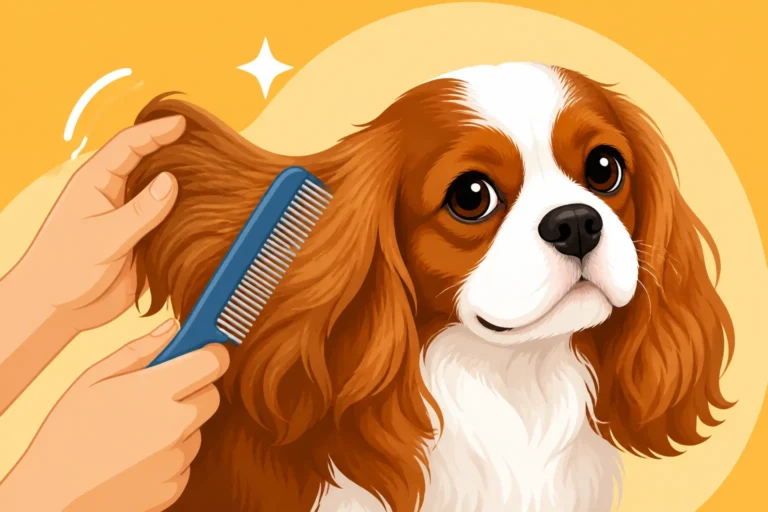
Brushing before the bath is probably the single most important step you can take to prevent matting and make the entire process smoother. You'll need a couple of key tools in your grooming kit. A slicker brush is excellent for removing loose hair and light tangles from the body and feathering. It has fine, wire bristles that gently separate the hairs.
For those persistent knots and for getting right down to the skin, a metal greyhound comb with both wide and fine teeth is indispensable. This will allow you to work through any smaller tangles the slicker brush might miss, particularly in sensitive areas like behind the ears, in the armpits, and on the tail. A good de-shedding tool, like a gentle rake or a Furminator for long-haired breeds, can also be used sparingly before the bath to remove excess dead hair, but be cautious not to pull or irritate the skin. We have a great resource on The Brush and Comb a Cavalier Coat Needs that dives deeper into these tools.
Post-bath, these same tools, especially the comb, will be crucial during the drying process to prevent new tangles from forming as the coat dries. Regular brushing, even daily, will keep their coat in top condition and make bath days significantly less challenging. This proactive approach saves time and discomfort in the long run.
The Unsung Heroes: Towels, Sprayers, and Non-Slip Mats
Beyond the obvious shampoo and brushes, there are a few other items that will elevate your bathing experience. Super absorbent towels are a game-changer. Microfiber towels designed for pets can wick away significantly more water than standard bath towels, drastically cutting down on drying time. Having at least two on hand is a good idea.
A sprayer attachment for your tub or shower faucet will make rinsing infinitely easier and more thorough. This allows you to direct water precisely, ensuring all shampoo and conditioner residue is completely washed out, which is vital for preventing skin irritation. These are readily available at most pet supply stores or online marketplaces like Amazon or Chewy.
A non-slip mat in the tub or sink is absolutely essential for your Cavalier's safety and comfort. A slippery surface can be terrifying for a dog, making them anxious and more likely to try to escape. A rubber mat provides traction, helping them feel secure and stable throughout the bath. Finally, don't forget some high-value treats to reward good behavior! A few tasty morsels can go a long way in making bath time a positive experience.
Here's a quick reference table for your bathing essentials:
| Item Type | Specific Tool/Product | Primary Use | Cavalier-Specific Tip |
|---|---|---|---|
| Shampoo & Conditioner | pH-balanced, gentle formula | Cleansing, moisturizing, detangling | Opt for hypoallergenic or oatmeal. Conditioner is a must! |
| Brushes & Combs | Slicker brush | Removing loose hair, initial detangling | Use gently, especially on feathering. |
| Metal greyhound comb | Working through knots, checking for mats | Essential for ears, armpits, and tail. | |
| Drying Aids | High-absorbency microfiber towels | Initial water removal, speed up drying | Have multiple on hand; blot, don't rub. |
| Pet-specific force dryer | Efficient, fluff-inducing drying | Use on a cool setting; helps prevent frizz. | |
| Safety & Comfort | Non-slip bath mat | Prevents slipping, reduces anxiety | Crucial for stability in the tub. |
| Shower sprayer attachment | Thorough rinsing, precise water direction | Ensures no residue is left behind. | |
| Miscellaneous | Cotton balls/ear covers | Protecting ears from water ingress | Crucial for Cavalier Ear Care Under a Heavy Drop Ear. |
| High-value treats | Reward good behavior, distraction | Makes bath time a positive experience. |
The Step-by-Step Cavalier Bathing Process
Alright, you've got your supplies, your Cavalier might be looking at you with a mix of suspicion and curiosity, but we're ready to dive in! Breaking the bath down into manageable steps makes it less overwhelming for both of you. Patience and a calm demeanor on your part will do wonders in reassuring your furry friend.
Pre-Bath Preparation: The Non-Negotiable First Step
Seriously, do not skip this step. This is where you address any existing mats and tangles, because trying to wash matted fur will only make the knots tighter and harder to remove, often leading to discomfort for your Cavalier and frustration for you. Use your slicker brush to go over their entire body, paying special attention to those areas prone to matting: behind the ears, under the chin, in the armpits, and on the feathering of the legs and tail.
Once you've done a general brush-through, grab your metal comb. This is your fine-tooth detective tool. Systematically comb through every section of their coat, ensuring there are no hidden tangles. If you encounter a mat, work it out gently with your fingers or a mat splitter, always working from the outside of the mat inwards, not pulling directly. A detangling spray can be a huge help here, lubricating the hair and making it easier to separate. Remember, if the comb can't glide easily through the coat before the bath, you're going to have a much bigger problem once it's wet. Our guide on Brushing a Cavalier's Feathering Three Times a Week offers more tips on this crucial daily habit.
You should also place cotton balls loosely in your Cavalier's ears before the bath. This helps prevent water from entering the ear canal, which can lead to uncomfortable ear infections. Just remember to remove them immediately after the bath! This small step can save a lot of trouble down the line and is part of good ear hygiene.
Wetting Down and Shampoos: Technique Matters
Once your Cavalier is mat-free and secured on their non-slip mat, it’s time for the water. Start with lukewarm water; test it with your elbow just as you would for a baby. Too hot or too cold can be a shock and make them more resistant. Gently wet your Cavalier's coat thoroughly, starting from the neck and working your way down to the tail, taking care to avoid spraying directly into their face or ears. A shower sprayer attachment is invaluable here for truly saturating the coat down to the skin.
Apply a small amount of shampoo, starting again from the neck and working backwards. Lather gently, massaging the shampoo into their coat and skin. Don't scrub vigorously, as this can tangle the hair. Pay close attention to areas that get particularly dirty, like their paws and belly. Be extremely careful around their face and eyes. For the face, it's often best to use a damp washcloth with a tiny drop of diluted tearless shampoo, gently wiping rather than directly wetting.
Once you've lathered them up, it's rinsing time. This needs to be thorough, even more so than the shampooing. Any shampoo residue left behind can irritate the skin, cause itching, and even lead to dull, flaky coats. Rinse, rinse, and rinse again until the water runs completely clear and you can't feel any slickness on their coat or skin. This might take longer than you expect, especially with their long feathering.
Conditioning and Rinsing Thoroughly
After the shampoo has been fully rinsed, it’s time for conditioner. This is a non-negotiable step for a Cavalier's single coat. Apply a generous amount of conditioner, working it gently through all the feathering and body coat. Think of it as moisturizing and softening their hair, just like you would your own. Let the conditioner sit for a few minutes, according to the product's instructions, to allow it to fully penetrate and do its work. This is a great time to offer some gentle praise and perhaps a small, high-value treat.
While the conditioner is sitting, you can use your fingers or a wide-toothed comb to gently work through any minor tangles that might have started to form. The conditioner will help lubricate the hair, making detangling much easier. Again, be gentle and patient, never pulling or tugging.
Once the conditioner has had enough time to work its magic, rinse it out thoroughly. Just like with the shampoo, any residue can cause issues, so keep rinsing until the coat feels clean and free of product. This double-rinsing step for both shampoo and conditioner is absolutely paramount for maintaining healthy skin and a beautiful, residue-free coat that's less prone to matting. When you're confident all product is gone, it’s time to get them out of the tub!
Mastering the Art of Drying a Cavalier's Coat
Successfully drying a Cavalier's coat is just as important as the bathing itself, if not more so, for achieving that soft, fluffy, and tangle-free finish. Haphazard drying can undo all your hard work, leaving you with frizz, mats, and a damp dog prone to chills. This stage requires patience and the right technique.
Towel Drying Techniques for Initial Moisture Removal
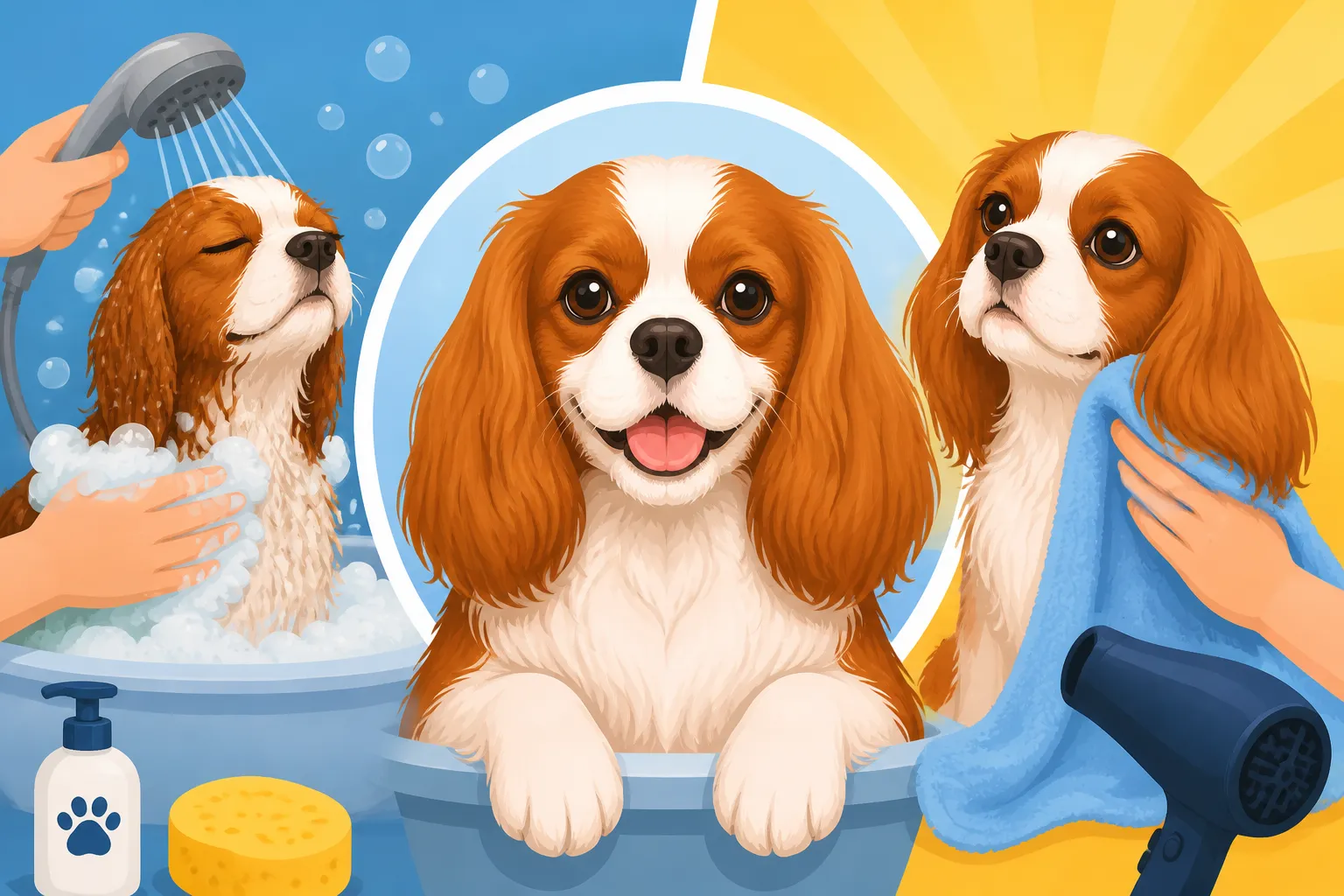
As soon as your Cavalier steps out of the tub (or is lifted out), grab those super absorbent towels. The goal here is to remove as much surface water as possible before you even think about a blow dryer. Rather than rubbing vigorously, which can create tangles and frizz, gently blot and squeeze the water out of their coat. Start with their body, then move to the legs, ears, and tail. You'll be amazed at how much water a good microfiber towel can absorb.
Wrap your Cavalier in a dry towel, almost like a little doggy burrito, and give them a gentle squeeze. Let them sit in the towel for a few minutes if they're cooperative, allowing the fabric to continue absorbing moisture. You might need to swap out for a second dry towel to get them as dry as possible. The less water left in the coat, the quicker and easier the blow-drying process will be. Remember, the less friction you create with rubbing, the fewer tangles you'll have to deal with later.
Pay particular attention to the ears and feet during this phase. Their long drop ears can retain a lot of moisture, and wet fur between their paw pads can become uncomfortable or lead to skin issues. Gently squeeze excess water from these areas. This initial towel-drying stage sets the foundation for a successful blow-dry.
The Art of Blow Drying for Volume and Smoothness
For that truly professional-looking, silky Cavalier coat, a blow dryer is your best friend. However, not just any blow dryer will do, and technique is key. A human hairdryer can work, but a pet-specific force dryer or a stand dryer is ideal. These dryers move a high volume of air at a lower heat, which is safer for their skin and more efficient for drying fur. Always use the coolest setting possible, or a low-to-medium heat setting if your dryer allows, to prevent skin burns or overheating.
As you dry, use your slicker brush or pin brush to gently brush the coat in the direction of hair growth. This helps to separate the hairs, encouraging them to dry straight and smooth, which is essential for preventing frizz and tangles. Work in sections, starting with the body, then moving to the legs, ears, and tail. Keep the dryer moving constantly, never concentrating the heat on one spot for too long. If your Cavalier is sensitive to the noise, start on the lowest setting and offer plenty of praise and treats. A resource on Drying Cavalier Feathering Properly will provide more detailed insights into this process.
The feathering on the ears and tail often benefits from being dried against the grain slightly to add volume, then brushed back into place as it dries. This gives that lovely, full, flowing look. Remember to keep checking the temperature of the air coming from the dryer on your own hand to ensure it’s comfortable for your dog's skin.
Finishing Touches: Brushing and Detangling Post-Dry
Once your Cavalier's coat feels completely dry, don't put away your tools just yet! This is the perfect time for a final, thorough brush and comb-through. The coat is now clean and fluffier, making it easier to spot and remove any last lingering tangles or loose hairs. Use your metal comb to do a "line comb" through their entire coat, ensuring the comb can easily glide from the root to the tip of the hair. If the comb snags, gently work out the tangle before moving on.
Pay extra attention to those areas that tend to mat, such as behind the ears and in the armpits. A spritz of a canine detangling spray or a light conditioning spray can add extra shine and further reduce static. This final brushing helps to distribute natural oils, leaving their coat looking and feeling incredibly soft and luxurious. It's the step that truly locks in that fresh, clean, and perfectly groomed appearance.
Beyond the aesthetics, a thoroughly dry and brushed coat is healthier for your Cavalier. It prevents skin irritation from dampness and reduces the chances of new mats forming. This post-dry grooming session is also a wonderful opportunity for a bonding experience, reinforcing all the positive associations with bath time.
Common Bathing Challenges and Solutions
Let's face it, not every Cavalier embraces bath time with joyous enthusiasm. Some tolerate it, some actively try to escape, and some develop mats the moment you look away. These challenges are normal, but with a few strategies, you can make the process smoother and less stressful for everyone involved.
Dealing with Mats and Tangles Before and During the Bath
We've already emphasized the critical importance of pre-bath brushing, but what if you still find a sneaky mat or two that somehow tightened during the wash? The key is patience and the right tools. Never try to cut out mats with scissors unless you are absolutely confident and have appropriate blunt-tipped grooming shears. It's incredibly easy to accidentally cut your dog's skin, especially with a wiggly Cavalier.
Instead, use a mat splitter or a dematting rake if the mat is large and tight. For smaller tangles, a detangling spray applied directly to the mat can work wonders. Spritz the area, let it sit for a minute, then gently work the mat apart with your fingers, starting from the outside edges. Once you've loosened it, use the fine teeth of your metal comb to meticulously comb through, a few hairs at a time. The conditioner during the bath can also help loosen these, but pre-bath removal is always preferred.
If you find a severe mat that's pulling on the skin or causing discomfort, and you can't safely remove it yourself, it's always best to consult a professional groomer. They have specialized tools and expertise to remove even the toughest mats without injuring your Cavalier. Don't feel bad if you need help; sometimes, it's just beyond a home groomer's capability.
Calming a Cavalier Who Hates the Bath
A Cavalier who dreads the tub can turn bath time into an ordeal. The good news is, you can often improve their attitude with positive reinforcement and a calm approach. Start by making the bath area a positive space before you even bring out the water. Let them explore the tub, give them treats for simply standing in it, and use plenty of praise. For a Cavalier that truly dislikes the process, our article on Grooming a Cavalier That Hates the Table offers some overlapping strategies.
During the bath itself, use a slow and gentle approach. Speak in a soothing voice, offer continuous small treats (peanut butter licked off the side of the tub can be a great distraction!), and keep the water temperature comfortable. If they're really struggling, consider a non-slip bath mat with suction cups; the security of stable footing can make a huge difference. You can also try a LickiMat stuck to the wall of the tub with some spreadable treat, which can keep them occupied.
For some deeply anxious Cavaliers, a thundershirt or calming wrap can provide a sense of security during stressful events. In extreme cases, where anxiety is severe and leads to aggression or extreme fear, consulting with your vet or a professional behaviorist might be beneficial. They can offer specific strategies or even discuss mild anti-anxiety aids if necessary.
Protecting Sensitive Areas: Ears and Eyes
The Cavalier's beautiful long, floppy ears are particularly vulnerable during bath time. As mentioned, placing cotton balls loosely in their ear canals before the bath is a simple yet effective way to prevent water from getting in, which can otherwise lead to painful ear infections. Just be sure not to push them in too deeply and always remember to remove them immediately after the bath.
After the bath, thoroughly dry the outer ear flap, but avoid probing deep into the ear canal with cotton swabs, as this can push debris further in or damage the delicate inner ear structures. For routine cleaning, use a veterinarian-approved ear cleaner and follow the instructions carefully. We have a detailed guide on Ear Cleaner Worth Using on a Cavalier that can help you choose the right product.
Their large, prominent eyes are also sensitive. Always use a tearless, gentle shampoo around the face, or better yet, use a damp washcloth to gently wipe the area without direct water contact. This minimizes the risk of soap getting into their eyes, which can cause irritation and discomfort. If you do notice any redness or irritation, a quick rinse with clean water is usually enough, but if it persists, consult your vet.
Frequency, Routine, and Seasonal Considerations
How often should you actually bathe your Cavalier? It's a question without a single, simple answer, as it depends on a few factors. Establishing a consistent routine that you can stick to will be beneficial for both you and your dog.
How Often Should You Bathe Your Cavalier?
For most Cavaliers, a full bath every 3 to 4 weeks is a good general guideline to keep their coat clean, healthy, and smelling fresh without stripping natural oils. If your Cavalier spends a lot of time outdoors, gets particularly dirty, or has skin allergies, you might find yourself needing to bathe them a little more frequently. Conversely, if your Cavalier is mostly an indoor couch potato and you are diligent with daily brushing, you might be able to stretch baths out to 6-8 weeks.
The key is to pay attention to your individual dog's coat and skin. Does their coat feel greasy or look dull? Are they starting to smell a bit "doggy"? Are they itchy? These are all signs that it might be time for a bath. Remember, over-bathing with harsh shampoos can lead to dry, flaky skin, while under-bathing can lead to greasy buildup, mats, and skin infections. It's a balance! Our article on Bathing a Cavalier Between Grooming Appointments delves into this more.
It's also worth noting that regular, thorough brushing between baths is your absolute best friend. It helps to remove dirt, distribute natural oils, and prevent matting, thereby extending the time between full baths. This daily maintenance is arguably more important than the bath itself for overall coat health.
Adapting Your Routine for Different Seasons
The seasons can definitely influence your Cavalier's bathing needs. In the spring and fall, when things tend to be wetter and muddier, you might find your Cavalier tracking in more dirt. This could necessitate more frequent paw washes or even full baths. If your Cavalier loves to splash in puddles, consider keeping their belly and paw feathering trimmed slightly to minimize mud collection.
During the hot summer months, some owners opt for a slightly more frequent rinse to help cool their dogs down, especially if they've been particularly active. However, still be mindful of using gentle, moisturizing products to prevent dryness from frequent wetting. Conversely, in dry winter months, you might want to slightly reduce bathing frequency or use more moisturizing shampoos and conditioners to combat static and dry skin exacerbated by indoor heating.
The goal is always to protect their skin and coat. If you live in an area with particularly harsh winters, a humidifier indoors can also help prevent static electricity and dry skin for both you and your Cavalier. Adjusting your routine based on environmental factors is a smart way to keep your Cavalier comfortable year-round.
Maintaining Freshness Between Full Baths
You don't need to do a full bath every time your Cavalier gets a little dirty. Spot cleaning is a lifesaver for busy owners. Did they roll in something smelly? Is their belly muddy after a walk? A quick wipe down with a damp cloth or a pet-safe grooming wipe can often do the trick. For particularly dirty paws, a quick rinse in a bowl of water or a dedicated paw washer can be incredibly effective.
Between baths, a spritz of a canine deodorizing spray or dry shampoo can help refresh their coat and keep them smelling sweet. These products aren't a substitute for a proper bath, but they can extend the time between washes. Just be sure to choose products that are specifically formulated for dogs and don't contain harsh chemicals or strong perfumes that might irritate their sensitive skin.
Daily brushing also goes a long way in maintaining freshness. It removes loose hair, dirt, and dander, and helps to distribute natural skin oils, which contributes to a healthier-looking and smelling coat. Consistent daily care means less intensive work on bath day and a happier, cleaner Cavalier.
The Link Between Diet and Coat Health
It's easy to focus solely on topical treatments when we talk about coat care, but the truth is, what goes into your Cavalier's body is just as, if not more, important than what goes on it. A healthy coat truly starts from the inside out, reflecting overall health and nutritional well-being.
How Nutrition Reflects in Coat Quality
Think of your Cavalier's coat as a direct mirror of their internal health. A shiny, soft, and well-maintained coat typically indicates a well-nourished dog. Conversely, a dull, dry, brittle, or excessively shedding coat can often be a tell-tale sign of nutritional deficiencies or an underlying health issue. Just like our hair, their fur needs specific nutrients to grow strong and vibrant.
High-quality dog food provides a balanced diet rich in essential fatty acids (like Omega-3 and Omega-6), proteins, vitamins, and minerals. These nutrients are crucial for healthy skin cell turnover and strong hair follicle production. For instance, lean protein is the building block of hair, while fats contribute to the skin's barrier function and the hair's luster. If their diet is lacking in these fundamental components, no amount of fancy shampoo will fully compensate.
It's not just about the type of food, but the quality. Look for dog foods where meat is the first ingredient, and avoid excessive fillers, artificial colors, or by-products. Companies like Ollie often focus on fresh, human-grade ingredients that can contribute to overall health, including coat quality. Discussing your Cavalier's diet with your vet can help ensure they're getting optimal nutrition for their age, activity level, and any specific health concerns. A good read is How Much to Feed an Adult Cavalier Daily.
Supplements for a Healthy Skin and Coat
Even with a good diet, some Cavaliers can benefit from targeted supplements to boost their skin and coat health. Omega-3 fatty acid supplements, derived from fish oil, are particularly beneficial. They have anti-inflammatory properties that can help soothe dry, itchy skin and promote a healthy, shiny coat. Many vets recommend fish oil for general skin and coat health, and it's something we even consider for conditions like heart disease, as outlined in Fish Oil for a Cavalier With Heart Disease.
Other supplements like biotin, zinc, and Vitamin E can also play a role in maintaining skin integrity and hair strength. However, it's crucial to consult with your veterinarian before adding any supplements to your Cavalier's diet. While many are beneficial, too much of certain vitamins or minerals can be detrimental, and your vet can help you choose the right product and dosage based on your dog's individual needs.
Remember, supplements are meant to supplement a good diet, not replace it. If your Cavalier's coat is persistently dry, dull, or problematic despite good nutrition and grooming, it's definitely time for a vet check-up to rule out any underlying medical conditions. Sometimes, skin and coat issues are the first visible signs of more systemic health problems.
Hydration: An Often Overlooked Factor
Just like humans, dogs need adequate hydration for overall health, and that includes the health of their skin and coat. Water plays a vital role in every bodily function, including maintaining skin elasticity and supporting healthy hair growth. A dehydrated dog may exhibit dry, flaky skin and a dull, brittle coat, regardless of how good their food is.
Always ensure your Cavalier has constant access to fresh, clean water. This means multiple water bowls around the house, especially if you have a larger home, and taking water with you on walks or outings. If you notice your Cavalier isn't drinking enough, you might try adding a little water to their kibble or offering a pet-friendly broth (ensure it's low sodium).
Some dogs prefer running water, so a pet drinking fountain could encourage them to drink more. Monitoring their water intake, especially in hot weather or if they are very active, is an important part of their daily care. Proper hydration supports skin health from within, making it more resilient and less prone to issues that can impact coat quality.
When to Call a Professional Groomer
While home grooming is absolutely possible and often enjoyable for Cavalier owners, there are times when a professional touch is simply invaluable. Knowing when to hand over the reins can save you stress, prevent discomfort for your dog, and ensure their coat remains in prime condition.
Recognizing When Mats Are Beyond Home Care
Despite your best efforts with pre-bath brushing and regular maintenance, sometimes mats happen. They can be particularly stubborn behind the ears, in the armpits, or in the delicate feathering of the breeches and tail. If you encounter a mat that is extremely tight, large, or located very close to the skin, and you find yourself struggling to remove it gently with your comb and detangling spray, it's a clear sign to seek professional help.
Trying to force out a severe mat can be incredibly painful for your Cavalier and can cause skin irritation, bruising, or even tears. A professional groomer has specialized tools, techniques, and experience in safely and humanely dematting dogs. They can often work out mats that seem impossible at home, or, if necessary, shave them out without causing injury. Don't let pride get in the way of your dog's comfort – a badly matted coat is more than just an aesthetic issue; it can be a health concern.
Remember, a matted coat can also hide skin problems, parasites, or even wounds. A groomer can assess the situation and ensure any underlying issues are brought to your attention so you can consult your vet.
The Benefits of Regular Professional Grooming
Even if you're diligent with home grooming, scheduling regular appointments with a professional groomer offers numerous benefits for your Cavalier. They have high-velocity dryers that can get a coat bone-dry and fluffy in a way that's difficult to replicate at home, significantly reducing drying time and preventing frizz. They also have specialized tables and restraints that make the process safer and more comfortable for both the dog and the groomer, particularly for sensitive or nervous Cavaliers.
Beyond bathing and drying, professional groomers can provide expert nail trims, ear cleaning, and sanitary trims that are difficult for many owners to do accurately at home. They can also perform light trimming of the foot feathering (though the Cavalier standard traditionally calls for untrimmed feet, many pet owners opt for a tidy-up to prevent debris collection) and neatening of other areas to maintain a tidy appearance. This attention to detail can keep your Cavalier looking their best and prevent common problems before they escalate.
Regular grooming appointments also provide an extra set of eyes on your Cavalier's overall health. Groomers are often the first to notice new lumps, skin abnormalities, changes in coat quality, or signs of discomfort that might warrant a vet visit. They are a valuable part of your Cavalier's wellness team.
Finding a Cavalier-Savvy Groomer
Not all groomers are created equal, and finding one who understands the unique needs of a Cavalier's single coat is paramount. When searching for a groomer, look for someone with experience specifically with Cavalier King Charles Spaniels or similar long-haired toy breeds. Ask about their grooming philosophy – do they prioritize comfort over speed? What methods do they use for dematting?
Ask for recommendations from other Cavalier owners in your area, or check with your local breed club. When you call or visit, ask about their experience with Cavaliers and their approach to drying the coat to prevent frizz and matting. A good groomer will be happy to discuss their methods and show you their facility. We have an article dedicated to Finding a Groomer Who Knows Cavalier Coats which can help you navigate this process.
A trial visit for a nail trim or an ear cleaning can be a great way to gauge how your Cavalier reacts to the groomer and the environment before committing to a full bath. A fantastic groomer will communicate openly, prioritize your dog's well-being, and send your Cavalier home looking beautiful, feeling happy, and smelling wonderfully fresh. It’s an investment in their health and happiness that truly pays off.
Disclaimer
This article is for general informational purposes only and does not constitute professional advice. Laws, prices and regulations vary by location and change over time. Consult a qualified professional for guidance on your specific situation.