What a Cavalier Sheds Without an Undercoat
It's a common misconception that because Cavalier King Charles Spaniels have such a lovely, silky single coat without a dense undercoat, they won't shed much. Many new Cavalier owners are often surprised to find hair clinging to their clothes and floating around the house, despite this 'advantage.' This guide will dive deep into the reality of Cavalier shedding, what their unique coat structure means for loose hair, and how you can effectively manage it to keep both your home and your beloved companion looking their best.
Understanding the Cavalier's Unique Coat Structure
The Cavalier King Charles Spaniel is known for its beautiful, flowing coat, which is often described as silky and moderate in length, with plenty of feathering on the ears, chest, legs, and tail. What many people don't realize, or perhaps misunderstand, is the specific construction of this coat and what that implies for shedding. Unlike many double-coated breeds, which have a dense, soft undercoat beneath a coarser outer layer, Cavaliers possess what is primarily a single coat.
This single coat characteristic is both a blessing and, in some ways, a subtle challenge. It means they don't go through those dramatic "coat blows" that breeds like Huskies or Golden Retrievers experience, where huge clumps of undercoat are shed seasonally. However, it certainly doesn't mean they are non-shedding. Rather, the shedding is a more consistent, year-round affair, with periods of slight increase.
The Single Coat Advantage and Disadvantage
On the one hand, the single coat can be seen as an advantage because it generally means less extreme seasonal shedding. You're unlikely to find tumbleweeds of fur rolling across your floor, or huge handfuls coming out with a single brush stroke, particularly if you’re used to a double-coated breed. This often leads prospective owners to believe they'll have a relatively hair-free home, which, while appealing, isn't quite accurate.
The disadvantage, however, lies in the continuous nature of the shedding. Instead of large, predictable seasonal dumps of fur, Cavaliers tend to shed a moderate amount of hair throughout the year. These hairs, being long and fine, can cling to fabrics and surfaces quite tenaciously. You might find individual strands woven into your carpet or artfully decorating your favorite black trousers, rather than large drifts. It's a different kind of shedding, one that requires consistent management rather than just seasonal interventions.
Dispelling the "Hypoallergenic" Myth
Given their single coat, some people mistakenly assume Cavaliers are "hypoallergenic" or a good choice for allergy sufferers. This is a myth that needs to be thoroughly dispelled. The term "hypoallergenic" is actually quite misleading in the dog world, as no dog is truly 100% allergen-free. Allergies to dogs are typically triggered by dander (dead skin cells), saliva, and urine, not just the hair itself. While some breeds that shed less might distribute fewer allergens around the home, a Cavalier is not one of them.
Even though they don't have a thick undercoat, Cavaliers still produce dander and shed hair. This means they can absolutely trigger allergies in sensitive individuals. The length and texture of their hair might actually make the dander cling to it and then disperse more readily as they move around, or as their hair collects on furniture. If you or a family member has dog allergies, it's crucial to understand that a Cavalier King Charles Spaniel is not typically recommended as a hypoallergenic breed. Whether a Cavalier Is Good for Allergy Sufferers dives deeper into this topic.
The Reality of Cavalier Shedding
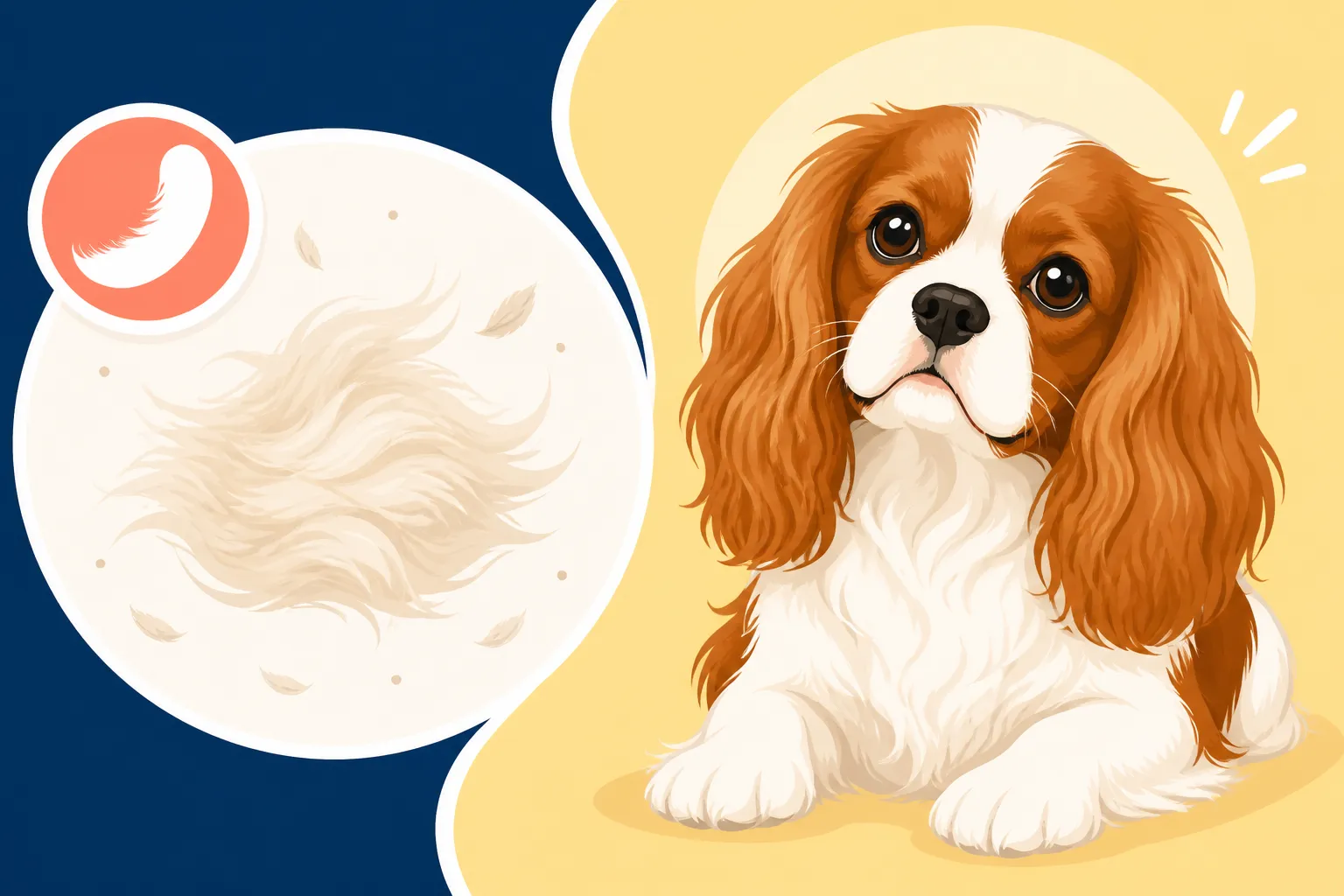
So, if Cavaliers don't have an undercoat, what exactly are they shedding? It's simply their regular hair. Just like human hair, dog hair has a growth cycle: it grows, rests, and then falls out to be replaced by new hair. With a single coat, this process is generally continuous, rather than concentrated into a massive seasonal event. Understanding this cycle helps manage expectations and establish effective grooming routines.
The amount of hair you find will vary, of course. Some Cavaliers seem to shed more than others, even within the same household. Factors like diet, health, and even environmental changes can play a significant role in how much loose hair your Cavalier distributes. It's rarely a sign of serious distress unless accompanied by other symptoms, but it does mean you'll need to stay on top of grooming.
Seasonal Shedding vs. Year-Round Hair Fall
While the primary characteristic of a Cavalier's single coat is continuous, year-round shedding, you might still notice a slight increase in loose hair during certain times of the year. This isn't the dramatic "blowing coat" seen in double-coated breeds, but rather a subtle uptick, often in spring and fall. These periods correspond with natural changes in daylight hours and temperature, signaling to the dog's body to adjust its coat.
For example, in spring, as the days get longer and warmer, your Cavalier might shed a bit more of their existing coat to make way for a lighter one. In fall, they might shed some of the lighter summer coat to prepare for a slightly denser winter coat. This seasonal adjustment is still a normal part of the hair growth cycle, even for single-coated breeds. It's simply less noticeable and less intense than what many other breeds experience. Keeping up with regular brushing during these times can make a significant difference in managing the loose hair before it ends up on your sofa. You can learn more about this in Seasonal Shedding in a Cavalier.
Factors Influencing Shedding Beyond the Coat Itself
It's easy to blame shedding solely on the breed or the coat type, but many other factors can influence how much hair your Cavalier loses. A dog's overall health and well-being are directly reflected in their coat quality and shedding patterns. A healthy dog typically has a shiny, strong coat, while an unhealthy one might show dullness, excessive shedding, or even bald patches.
Diet and Nutrition: What your Cavalier eats plays a massive role. A diet lacking essential fatty acids, vitamins, and minerals can lead to a dry, brittle coat and increased shedding. High-quality dog food, rich in omega-3 and omega-6 fatty acids, can promote a healthier coat and potentially reduce shedding. Brands like Ollie, which offer fresh, human-grade food, often highlight the benefits of their balanced nutrition for coat health. Conversely, a poor diet can quickly make shedding worse. Read more about What a Cavalier Eats in a Month.
Stress and Anxiety: Just like humans, dogs can shed more when stressed. A change in routine, a new environment, separation anxiety, or even a trip to the vet can cause a temporary increase in shedding. If you notice a sudden uptick in hair loss coinciding with a stressful event, it's worth considering anxiety as a contributing factor.
Health Conditions: Various underlying health issues can manifest as excessive shedding or poor coat quality. Skin allergies, parasitic infections (like fleas or mites), fungal infections, hormonal imbalances (e.g., thyroid issues), or even internal diseases can all contribute to hair loss. If shedding seems excessive, patchy, or is accompanied by itching, redness, or skin irritation, it's crucial to consult your veterinarian. Skin Allergies in a Cavalier can offer more insights into related issues.
Managing Cavalier Shedding Effectively
The key to managing Cavalier shedding isn't to stop it entirely – that's impossible – but to proactively remove the loose hair before it has a chance to settle on your furniture and clothes. This involves a consistent and thoughtful grooming routine, alongside attention to their overall health. Consistency is truly your best friend here.
Many owners find that incorporating a few simple habits into their daily or weekly routine makes a world of difference. It's much easier to deal with a small amount of loose hair regularly than to tackle a buildup after weeks of neglect. Plus, regular grooming is a wonderful bonding experience for you and your Cavalier.
The Right Tools for the Job
Having the correct grooming tools specifically designed for a Cavalier's coat type is paramount. Using the wrong brush can be ineffective at removing loose hair or, worse, can damage their delicate coat. You're looking for tools that can gently but effectively reach through their long, silky hair to the skin without pulling or causing discomfort.
A good quality slicker brush with fine, flexible pins is excellent for general brushing and removing tangles and loose hair. Follow this with a metal comb, particularly a greyhound comb with both wide and narrow teeth, to ensure you've worked through all the feathering and checked for any hidden mats. For the beautiful long feathering on their ears, legs, and tail, a pin brush can be very gentle. For those times when shedding feels a bit heavier, a deshedding tool like a Furminator (used gently and sparingly) can help, but be cautious not to overuse it on their single coat, as it can cut healthy hair if used improperly. Many of these tools can be found on online retailers like Amazon or Chewy. The Brush and Comb a Cavalier Coat Needs offers a detailed look at selecting the right tools.
Here’s a quick comparison of essential grooming tools for a Cavalier:
| Tool Type | Best For | Frequency of Use | Key Benefit | Caution |
|---|---|---|---|---|
| Slicker Brush | Removing loose hair, detangling light mats | Daily to 3x weekly | Effective, good for overall coat health | Can cause brush burn if too much pressure applied |
| Metal Comb | Checking for mats, feathering, face, ears | Daily to 3x weekly | Finds hidden tangles, separates feathering | Avoid harsh pulling on mats |
| Pin Brush | Long feathering on ears, legs, tail | As needed, gentle | Glides through long hair, prevents breakage | Less effective for deep deshedding |
| Deshedding Tool | Temporarily increasing shedding, dense areas | Sparingly, 1x month | Removes significant loose coat | Overuse can damage the single coat |
Grooming Routines to Minimize Loose Hair
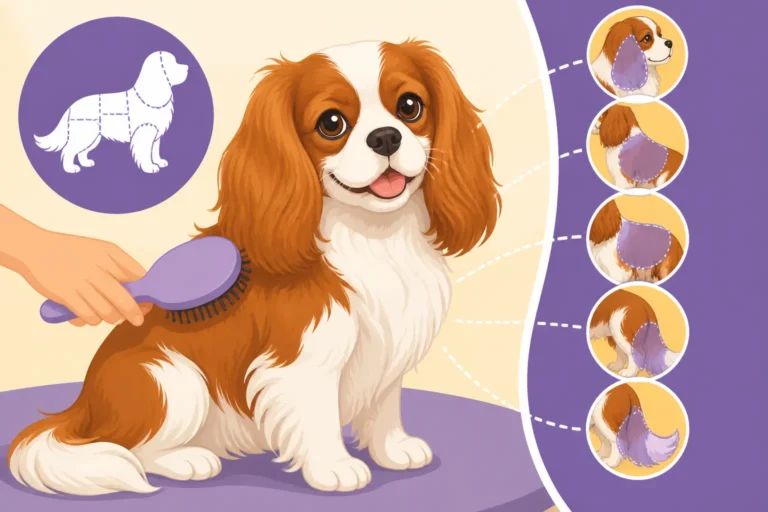
A consistent grooming routine is the most effective way to keep your Cavalier's shedding under control. For a Cavalier King Charles Spaniel, this often means daily or at least every-other-day brushing, particularly focusing on their long feathering where mats can quickly form.
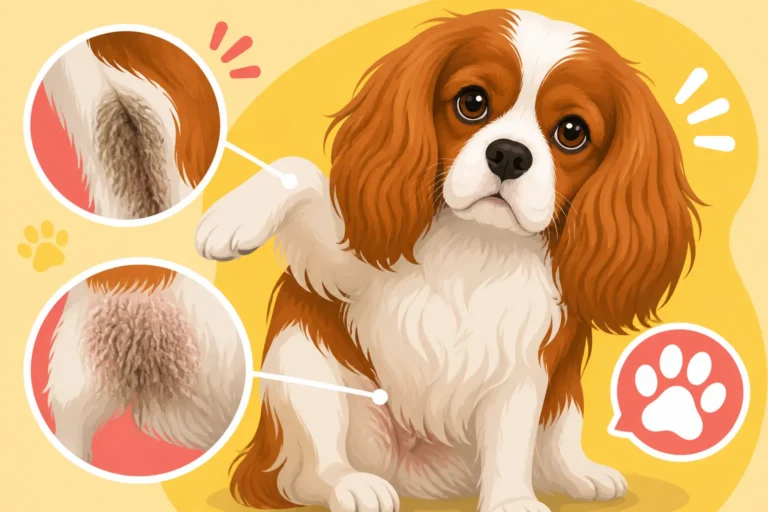
Start with a thorough brushing session, using your slicker brush to work through the coat in sections. Don't just brush the top layer; make sure you get down to the skin to capture all the loose hairs. Pay special attention to areas prone to matting, such as behind the ears, in the armpits, and on the feathering of their legs and tail. After the slicker brush, use your metal comb to double-check these areas, ensuring there are no tangles or mats that the brush might have missed. A full bath every 3-4 weeks with a good quality shampoo and conditioner can also help loosen dead hair and promote a healthy coat. Ensure thorough rinsing and drying, as damp coats can also lead to skin issues. Brushing a Cavalier's Feathering Three Times a Week is an excellent resource for detailed brushing instructions.
Remember, grooming isn't just about reducing shedding; it's also about preventing painful mats and keeping their skin healthy. A matted coat can pull on the skin, causing discomfort and even skin infections. Regular grooming also allows you to inspect your Cavalier for any lumps, bumps, or skin irritations that might otherwise go unnoticed.
Dietary Considerations for a Healthy Coat
As mentioned, diet plays a fundamental role in the health of your Cavalier's coat and, consequently, how much they shed. A well-balanced diet rich in high-quality protein, essential fatty acids (especially omega-3s and omega-6s), and vitamins is crucial. These nutrients are the building blocks for healthy skin and a shiny, strong coat.
Look for dog foods that list a named meat source as the first ingredient and contain healthy fats. Many owners find that supplementing their Cavalier's diet with fish oil can further enhance coat health and reduce shedding. Fish oil is a great source of omega-3 fatty acids, which are anti-inflammatory and promote skin and coat vitality. Always discuss any supplements with your veterinarian before adding them to your dog's regimen. Feeding a complete and balanced diet is one of the easiest ways to ensure your Cavalier's coat stays as healthy and manageable as possible. Whether Diet Slows a Cavalier's Heart Disease also touches on diet, highlighting its broader health impacts.
When Shedding Becomes a Concern
While some shedding is entirely normal for a Cavalier, there are times when it might signal an underlying issue that needs attention. It’s important for owners to recognize the difference between normal hair turnover and abnormal hair loss, which could indicate a health problem. Being observant of your dog's overall coat condition and behavior can help you catch potential issues early.
A healthy Cavalier's coat should be shiny, soft, and free of bare patches. If you notice a significant change in the amount or pattern of shedding, or if it's accompanied by other symptoms, it's time to consult your veterinarian. Don't hesitate to seek professional advice if you have concerns.
Identifying Abnormal Hair Loss
Abnormal hair loss in a Cavalier goes beyond the usual sprinkling of hair around the house. It might present as patchy hair loss, thinning areas, or a dull, brittle coat texture. If you notice any of these signs, it's worth a closer look:
- Bald spots or thinning: If hair is missing in distinct areas, or the coat appears noticeably thinner than usual, this is a red flag.
- Excessive scratching, licking, or chewing: This behavior often accompanies skin irritation, allergies, or parasites, which can lead to secondary hair loss.
- Redness, bumps, or scabs on the skin: These indicate skin problems that could be causing hair loss.
- Dull, dry, or brittle coat: A healthy coat should be shiny and soft. A change in texture could point to nutritional deficiencies or underlying health issues.
- Unusual odor: A strong, unpleasant smell from the skin or coat can indicate a skin infection.
If you observe any of these symptoms, especially if they appear suddenly or progressively worsen, schedule a vet visit. Early diagnosis and treatment can prevent more serious complications. Managing Dry Eye in a Cavalier highlights how eye conditions can sometimes lead to irritation around the face, potentially impacting hair in that area.
Health Issues That Can Increase Shedding
Several medical conditions can lead to increased or abnormal shedding in Cavaliers. Your veterinarian will likely conduct a thorough examination, and potentially run diagnostic tests, to pinpoint the cause.
- Allergies: Environmental allergies (pollen, dust mites), food allergies, or flea allergies are common causes of itching and subsequent hair loss from scratching and licking.
- Parasites: Fleas, mites (like Demodex or Sarcoptes), and ticks can cause intense itching, irritation, and hair loss.
- Hormonal Imbalances: Conditions like hypothyroidism (underactive thyroid) or Cushing's disease (overproduction of cortisol) can affect coat health, leading to symmetrical hair loss and a dull coat.
- Skin Infections: Bacterial or fungal infections (like ringworm) can cause localized hair loss, redness, and itching.
- Nutritional Deficiencies: While less common with high-quality commercial foods, severe deficiencies can impact coat quality.
- Stress: Chronic stress can sometimes manifest as a dull coat and increased shedding, as the body redirects resources.
- Certain Medications: Some medications can have side effects that include hair thinning or loss.
- Internal Organ Disease: Issues with the liver, kidneys, or other organs can sometimes present with poor coat quality as a secondary symptom.
Your vet might recommend blood tests, skin scrapings, allergy testing, or dietary changes to identify the root cause of the problem. For example, if your Cavalier is showing signs of discomfort or pain that may impact their grooming or coat, A Cavalier That Yelps When Picked Up could be a relevant read as it discusses pain related to neurological conditions which could indirectly affect coat care.
Living with Cavalier Hair in Your Home
Accepting that your Cavalier will shed, even without an undercoat, is the first step toward a harmonious home. The next is to implement practical strategies for managing that hair. It's not about achieving a sterile environment, but about making it manageable so you can enjoy your furry companion without being overwhelmed by loose hair.
A combination of consistent grooming, smart cleaning habits, and thoughtful choices about home furnishings can significantly reduce the impact of Cavalier hair on your living space. Remember, a little effort goes a long way!
Strategies for Keeping Your Home Tidy
Living with a shedding dog means adapting your cleaning routine. While you can't eliminate all hair, you can certainly minimize its presence.
- Regular Vacuuming: This is your best friend. Invest in a good quality vacuum cleaner designed for pet hair, and use it frequently – ideally daily or every other day, especially in high-traffic areas and on furniture your Cavalier loves to lounge on.
- Hard Floors Are Your Friend: If you're planning home renovations, consider hard floors (wood, laminate, tile) over wall-to-wall carpeting. Hair is much easier to sweep or vacuum from hard surfaces.
- Washable Covers: Use washable slipcovers on sofas and chairs. This makes it incredibly easy to strip them off and toss them in the laundry when needed, rather than constantly trying to de-hair upholstery. For pet beds, ensure they have removable, washable covers too.
- Lint Rollers and Pet Hair Removers: Keep lint rollers handy near the door, in your car, and in your laundry room. Fabric brushes designed to pick up pet hair can also be very effective for quick touch-ups on clothes and furniture. Many options are available from retailers like Amazon.
- Air Purifiers: While not directly removing hair, air purifiers can help filter out airborne dander, which might indirectly contribute to less "dust bunny" formation.
Implementing these strategies will help you stay on top of the hair without feeling like you're constantly fighting a losing battle.
Practical Tips for Clothing and Furniture
Cavalier hair has a knack for clinging to almost everything, especially certain fabrics. Being mindful of your clothing choices and how you protect your furniture can make a big difference.
- Fabric Choices: Certain fabrics act like hair magnets. Fleece, velvet, and some knits will attract and hold onto pet hair more readily. Smooth, tightly woven fabrics like denim, leather, or synthetic blends tend to repel hair better. If you have a favorite black sweater, you know the struggle is real!
- Designated Pet Blankets: Have specific blankets that are your Cavalier's to use on furniture. This creates a barrier between their fur and your upholstery. These blankets can be easily removed and washed. You can find many stylish and durable pet blankets on Chewy.
- Clothing Brushing: Before you leave the house, a quick brush-down with a lint roller can save you from arriving at your destination covered in pet hair. For items that have gone through the wash, a tumble in the dryer on a cool setting with a dryer sheet can sometimes help loosen stubborn hairs before they've had a chance to set in.
- Furniture Protection: Consider throws or custom slipcovers for your main seating areas. Not only do they protect against hair, but they also guard against paw prints and general wear and tear, extending the life of your furniture.
By taking these proactive steps, you can enjoy the companionship of your lovely Cavalier King Charles Spaniel without feeling like your entire home has turned into a giant fur ball.
Disclaimer
This article is for general informational purposes only and does not constitute professional advice. Laws, prices and regulations vary by location and change over time. Consult a qualified professional for guidance on your specific situation.