Seasonal Shedding in a Cavalier
It's completely normal to find Cavalier fur bunnies tumbling across your floors, or to notice a little extra fluff on your black trousers after a cuddle session. While Cavaliers aren't typically known as heavy shedders compared to some double-coated breeds, they absolutely do shed, and often, it feels like it picks up a notch during certain times of the year. If you've been wondering why your sweet companion seems to be leaving more of themselves around the house, this guide will walk you through the nuances of seasonal shedding in Cavaliers and how best to manage it.
Understanding Your Cavalier's Coat
Before we dive into the ebb and flow of seasonal shedding, let's really get to know that beautiful, silky coat your Cavalier sports. It's truly one of their crowning glories, isn't it? But understanding its unique characteristics is key to appreciating why they shed the way they do, and how to keep it looking its best.
The Single Coat Nature of a Cavalier
Unlike many breeds, Cavaliers possess a single coat, meaning they lack the dense, woolly undercoat that many working or cold-weather dogs have. Instead, their coat consists primarily of longer, silken guard hairs. This type of coat is designed more for comfort and warmth in a temperate climate, rather than extreme insulation or water repellency. Think of it as a finely spun silk shawl rather than a thick, insulating blanket. This single-coat structure means their shedding pattern differs significantly from breeds with a double coat. They don't "blow coat" in the dramatic way a Husky or a Golden Retriever might, but rather have a more continuous, albeit sometimes heavier, shedding cycle.
This fine, silky hair is also prone to matting if not regularly maintained. Those long feathers on their ears, legs, and tail are especially vulnerable to tangles, picking up debris, and just generally becoming a sticky mess after a walk in damp weather. A Cavalier's coat feels incredibly soft to the touch, and it's this very texture that can sometimes make the shedding feel more noticeable, as individual hairs are often quite long. You might notice them more on clothing and upholstery because they cling easily. You'll find more details on this in Why a Cavalier Has No Undercoat.
How a Cavalier's Coat Differs from Double-Coated Breeds
When you picture a dog shedding, you might imagine huge clumps of fluffy undercoat coming out in handfuls. That's typically the experience with double-coated breeds like German Shepherds, Labrador Retrievers, or Collies. These dogs have two distinct layers: a soft, insulating undercoat and a tougher, protective outer coat (guard hairs). The undercoat sheds heavily during seasonal changes to adapt to temperature shifts, allowing them to release winter fluff for summer lightness, or vice-versa.
Cavaliers, on the other hand, don't have that big "coat blow." Because they primarily have guard hairs, their shedding tends to be a more constant, lower-level affair, punctuated by periods where it might increase. You're not going to be pulling out vast clouds of fine, downy undercoat. Instead, you'll see more individual long hairs. This distinction is crucial because it informs how we approach grooming and management. While a double-coated dog might benefit from a deshedding tool designed to pull out undercoat, such tools aren't really appropriate for a Cavalier's delicate single coat and can actually damage it. Instead, regular brushing with the right tools is your best friend. For more on what to expect, check out What a Cavalier Sheds Without an Undercoat.
The Reality of Seasonal Shedding in Cavaliers
So, your Cavalier doesn't have a huge undercoat, but you're still seeing more hair around the house than usual. It's not your imagination! Even single-coated breeds like the Cavalier are influenced by natural cycles, and understanding these can help you anticipate and manage their shedding.
What Triggers Seasonal Shedding
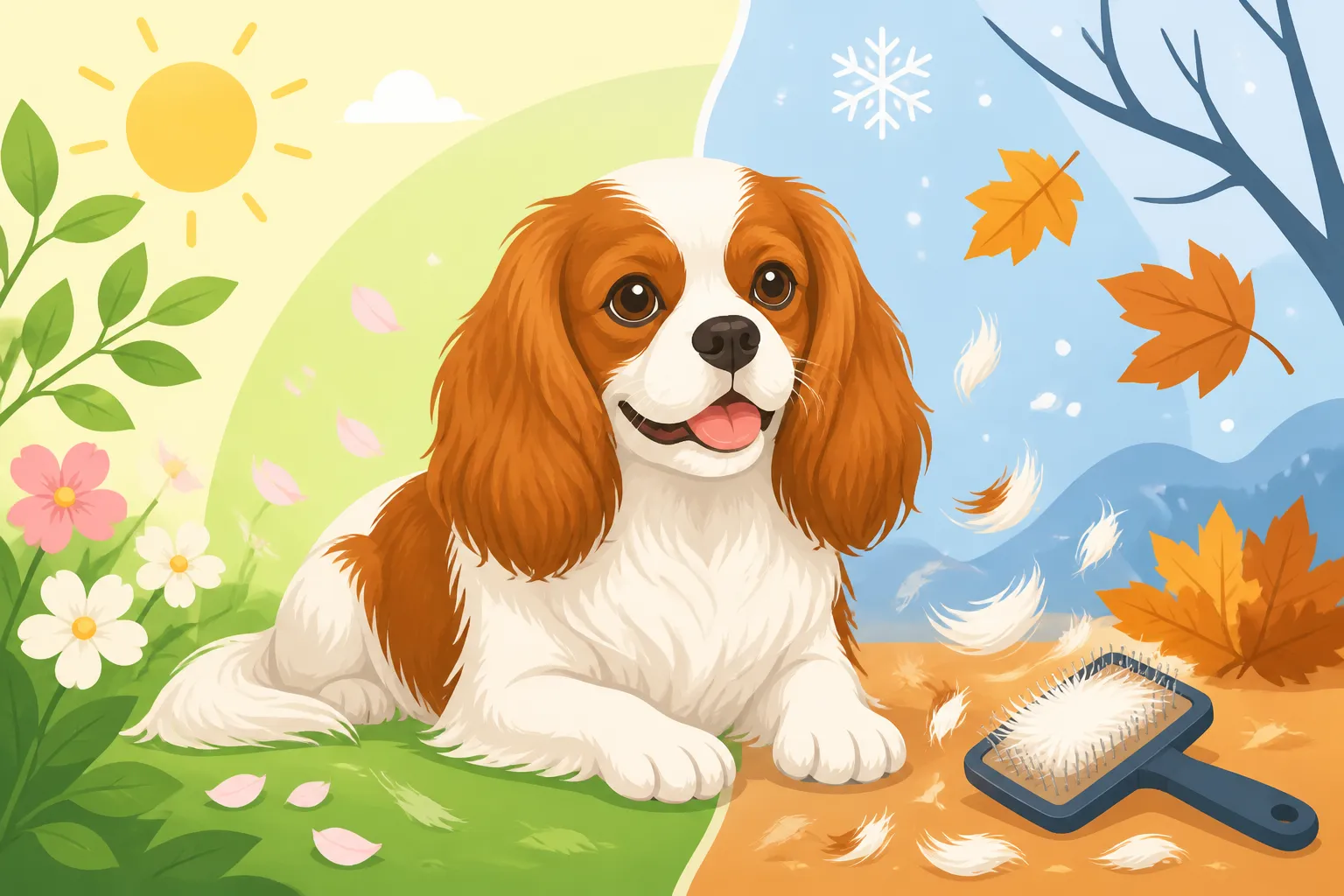
Even without an undercoat, environmental cues like changes in daylight hours and temperature fluctuations play a significant role in a Cavalier's shedding cycle. When the days start to lengthen in spring, or shorten in autumn, your dog's body responds by adjusting its coat. This is a leftover evolutionary trait from when dogs lived outdoors and needed to adapt their insulation. While our pampered Cavaliers often live in temperature-controlled homes, their internal clocks are still ticking to these ancient rhythms.
Think about it: in the spring, as the weather warms up, your Cavalier's body naturally wants to lighten its load, so to speak. Older, thicker hairs that might have offered a bit more warmth in winter are shed to make way for a lighter, thinner coat. Conversely, in the autumn, as days shorten and temperatures drop, they'll shed the existing lighter coat to prepare for a slightly denser, warmer one. This isn't a dramatic event like a "coat blow," but rather an increased turnover of individual hairs. Hormonal changes, stress, and even diet can also subtly influence this natural cycle, making some periods of shedding a bit more pronounced than others.
Recognizing "Normal" Seasonal Shed vs. Excessive Loss
How do you know if what you're seeing is just normal seasonal shedding or something more concerning? It's a common worry for Cavalier owners. Normal seasonal shedding in a Cavalier will typically manifest as a noticeable, but not alarming, increase in loose hairs. You'll find more hair on furniture, in their bed, and on your clothes. When you brush them, you'll gather more hair than usual, but their coat should still look full, healthy, and shiny. There shouldn't be any bald patches, thinning spots, or changes in skin color or texture.
A good way to gauge is to observe their overall coat health. Is it still soft and lustrous? Are there any visible flakes, redness, or signs of irritation when you part the fur? If the answer is yes to a healthy coat, then an increased amount of loose hair during spring and fall is likely just your Cavalier's natural response to the changing seasons. Keep a close eye on consistency; a steady increase for a few weeks, followed by a return to baseline, is usually fine. If the shedding is extreme, sudden, or accompanied by other symptoms, then it's time to consider other factors.
Practical Strategies for Managing Cavalier Shedding
Managing your Cavalier's shedding isn't just about keeping your home cleaner; it's also about maintaining their coat health and comfort. A well-cared-for coat sheds less and is less prone to matting and skin issues.
Essential Grooming Tools and Techniques
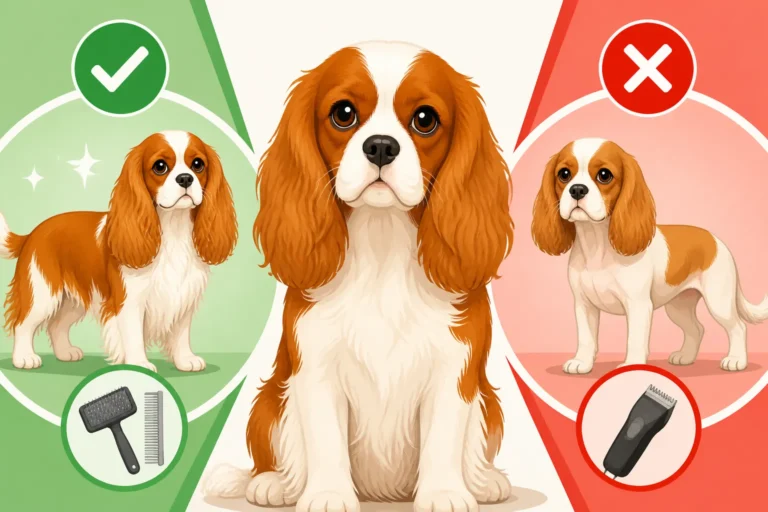
Regular grooming is paramount when it comes to managing Cavalier shedding. Those silky hairs love to tangle, and tangled hair tends to shed more and can even lead to skin irritation underneath. Your primary tools should be a good quality pin brush and a metal comb.
Aim for brushing your Cavalier at least three times a week, and ideally daily during peak shedding seasons. Start by gently misting their coat with a detangling spray to help prevent breakage and reduce static. Then, using your pin brush, work through their coat in sections. Don't just brush the top layer; you need to get down to the skin to remove loose hair and prevent mats from forming. Pay special attention to areas prone to matting, like behind their ears, in their armpits, and around their hindquarters.
After using the pin brush, follow up with a metal comb, especially in those feathered areas. The comb will help you find any small tangles the brush missed. When you encounter a mat, don't just pull! Gently work it apart with your fingers, then use the comb, starting from the outside of the mat and working your way in. Patience is key here. Regular professional grooming appointments can also be a huge help, ensuring their feathering is tidied and any deep mats are addressed safely. For a deep dive into daily care, consider Brushing a Cavalier's Feathering Three Times a Week and The Brush and Comb a Cavalier Coat Needs. You can find excellent grooming tools, from pin brushes to metal combs and detangling sprays, on platforms like Amazon or Chewy.
Nutritional Support for a Healthy Coat
What goes into your Cavalier's body directly impacts the health of their coat, and by extension, their shedding. A diet rich in high-quality protein and essential fatty acids can make a world of difference.
Look for dog foods that list a named meat source as the first ingredient. High-quality protein provides the building blocks for healthy hair growth. Beyond protein, omega-3 and omega-6 fatty acids are crucial for skin and coat health. These can be found in fish oils or flaxseed oil supplements. Many owners add a spoonful of fish oil to their Cavalier's food daily, which not only helps with shedding but can also benefit their overall health, including heart health. For more on dietary choices, Fish Oil for a Cavalier With Heart Disease talks about the benefits of good fats.
Be mindful of generic, filler-heavy foods, as these often lack the nutrients needed for a truly healthy coat, which can sometimes lead to dullness and increased shedding. If you're considering a diet change, always introduce new foods gradually over several days to avoid upsetting your Cavalier's stomach. Brands like Ollie offer fresh, human-grade food options that can provide excellent nutritional support for coat health, and many other premium brands are available on Chewy.
Environmental Factors to Consider
Even your home environment can play a role in your Cavalier's shedding. Indoor heating and air conditioning, while keeping us comfortable, can dry out your dog's skin, potentially leading to more shedding.
Consider using a humidifier, especially during dry winter months, to add moisture back into the air. This can help keep your Cavalier's skin and coat from becoming too dry. Additionally, ensuring your Cavalier has access to fresh, clean water at all times is fundamental. Proper hydration is critical for healthy skin and hair follicles.
Minimizing stress can also have a subtle impact. A stressed or anxious dog might shed more than usual. Creating a calm, consistent environment, and providing plenty of exercise and mental stimulation, contributes to overall well-being, which in turn can reflect in a healthier coat. Keep their bedding clean, too, as loose hair and dander can build up, potentially contributing to skin irritation.
Here's a quick comparison of seasonal shedding management:
| Aspect | Non-Shedding Season | Peak Shedding Season (Spring/Autumn) |
|---|---|---|
| Brushing Frequency | 2-3 times per week | Daily or every other day |
| Tool Focus | Pin brush & comb for maintenance, detangling | Pin brush & comb for loose hair removal & mat prevention |
| Bathing | Monthly or as needed | Can increase slightly to loosen dead hair |
| Dietary Focus | Balanced, high-quality food | Ensure adequate Omega-3/6, high-quality protein |
| Environmental | Standard indoor comfort | Consider humidifiers, ensure hydration |
| Observation | Look for mats, dullness | Monitor for excessive thinning, irritation |
When to Worry: Signs Your Cavalier's Shedding Isn't Normal
While some seasonal shedding is completely normal for your Cavalier, there are definitely times when shedding indicates something more serious is going on. It’s important to be vigilant and know when to seek professional advice.
Identifying Underlying Health Issues
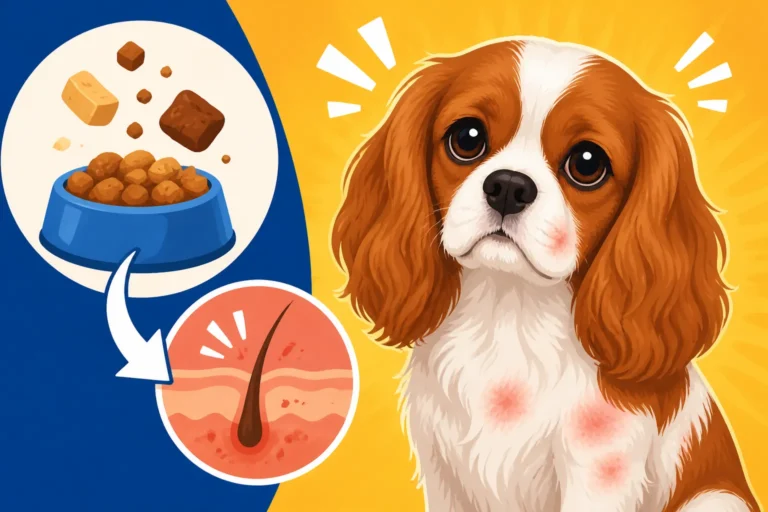
If your Cavalier's shedding suddenly becomes excessive, or if it's accompanied by other worrying symptoms, it's a red flag. Normal shedding involves a uniform loss of hair, with new hair growth filling in naturally. However, if you notice bald patches, redness, flaky skin, scabs, or a dull, brittle coat, these are signs that something is amiss.
Several health issues can manifest through changes in coat and skin:
- Allergies: Environmental, food, or flea allergies can cause intense itching, leading to your Cavalier scratching, licking, or chewing excessively, which then causes hair loss and skin irritation. Skin Allergies in a Cavalier is a great resource if you suspect this.
- Parasites: Fleas, mites (like Sarcoptes or Demodex), and other external parasites can cause severe itching and subsequent hair loss.
- Hormonal Imbalances: Conditions like hypothyroidism (underactive thyroid) or Cushing's disease (overproduction of cortisol) can lead to symmetrical hair loss, often starting on the flanks and body, with the remaining hair feeling dry and brittle.
- Infections: Bacterial or fungal skin infections can cause localized hair loss, redness, and inflammation.
- Stress or Anxiety: While not a physical illness, chronic stress can weaken the immune system and lead to increased shedding. Dogs with separation anxiety, for example, might over-groom or shed more.
- Poor Nutrition: A diet lacking essential nutrients can lead to a dull coat and excessive shedding.
If you observe any of these symptoms alongside heavy shedding, don't hesitate to reach out to your veterinarian. Early diagnosis and treatment are crucial for your Cavalier's comfort and long-term health.
The Importance of Veterinary Consultation
When in doubt, a trip to the vet is always the best course of action. You know your Cavalier better than anyone, and if their shedding pattern just doesn't feel right to you, trust your instincts. Your veterinarian can perform a thorough physical examination, looking at their skin, coat, and overall body condition. They might also recommend diagnostic tests, such as:
- Skin scrapings or hair plucks: To check for mites or fungal infections.
- Blood tests: To evaluate thyroid function, check for underlying systemic illnesses, or assess for nutritional deficiencies.
- Allergy testing: If allergies are suspected.
- Dietary trials: If a food allergy is a concern.
Remember, addressing underlying health issues isn't just about stopping the shedding; it's about improving your Cavalier's quality of life. A healthy coat is a reflection of a healthy dog. While you might try some basic home grooming adjustments first, if shedding persists or worsens, especially with other symptoms, your vet is your most valuable partner in getting to the bottom of it. They can provide tailored advice and treatment plans to get your Cavalier's coat, and their health, back on track.
Disclaimer
This article is for general informational purposes only and does not constitute professional advice. Laws, prices and regulations vary by location and change over time. Consult a qualified professional for guidance on your specific situation.