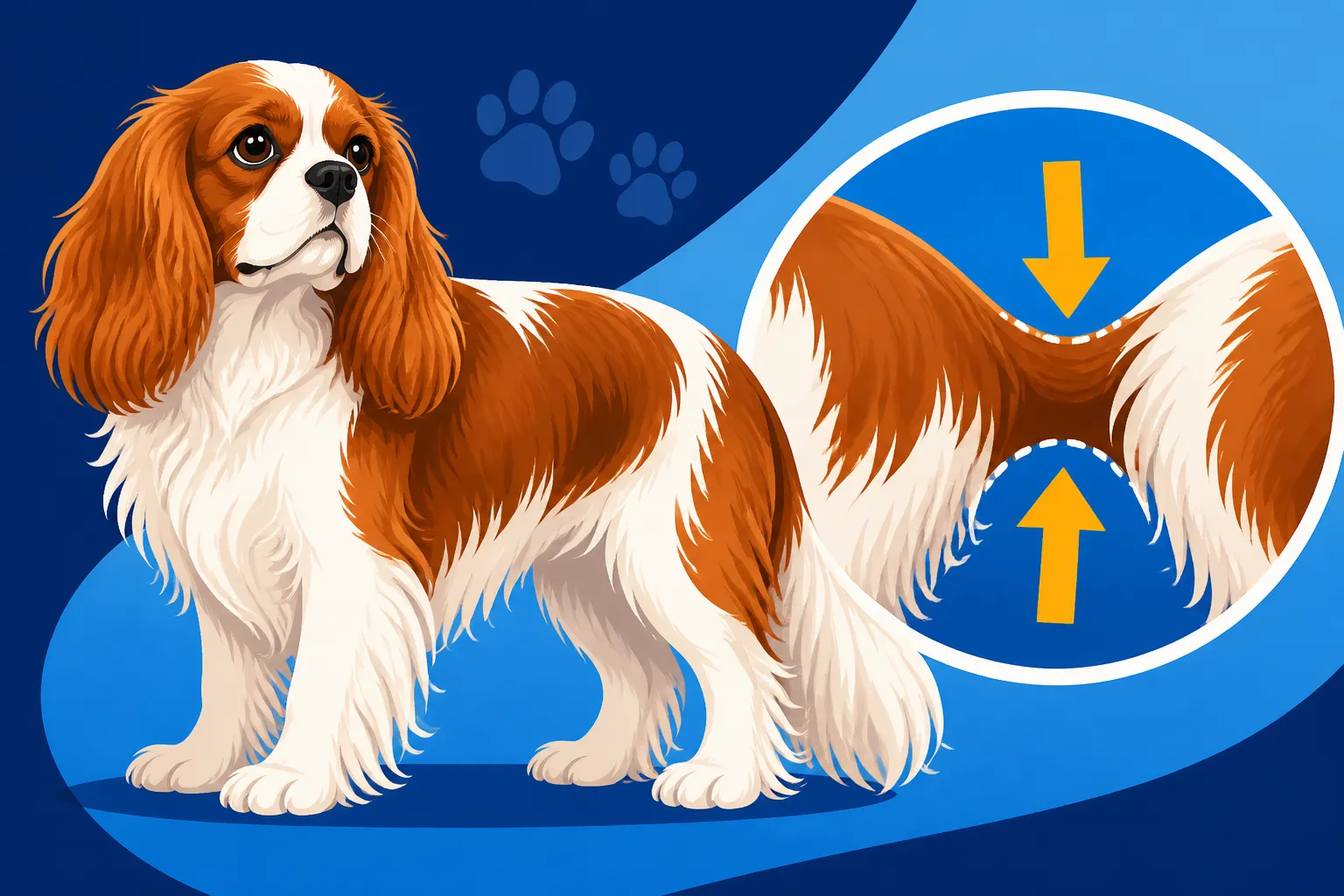
Finding a Cavalier’s Waist Under the Feathering
Cavaliers are masters of disguise, especially when it comes to packing on a few extra pounds. With their luxurious, flowing feathering, it's incredibly easy for a loving owner to look at their slightly pudgy pup and mistakenly attribute their roundness to nothing more than a magnificent coat. This guide is here to unravel that fluffy illusion, offering you hands-on techniques and keen observations to accurately assess your Cavalier's body condition and find that all-important waist, ensuring they stay at a healthy weight for a long, joyful life.
The Deceptive Charm of Cavalier Feathering: Why Weight Creeps Up Unnoticed
It's a common dilemma for Cavalier King Charles Spaniel owners: you love their fluffy ears and their beautifully feathered legs, but all that glorious hair can make it incredibly difficult to tell if your beloved companion is carrying a healthy amount of weight or if they've crossed into "overweight" territory. This isn't just about vanity; for a breed predisposed to certain health conditions, maintaining an ideal weight is paramount.
The Illusion of "Fluffiness" Over Fatness
We've all been there, right? You look at your Cavalier, a soft, cuddly bundle of joy, and think, "Oh, they're just fluffy!" That roundness, that extra bit of softness you feel when you give them a hug, it’s easy to dismiss. Their long, silky fur drapes so gracefully that it can effortlessly conceal the subtle changes in body shape that would be obvious in a short-coated breed. This illusion can be a real trap, leading us to believe our dogs are perfectly healthy when, in reality, their weight is slowly creeping up behind the curtain of their beautiful coat. It makes proactive health management a real challenge because the visual cues we often rely on are simply not there.
Understanding the Cavalier's Single Coat
The Cavalier King Charles Spaniel boasts a single coat, meaning they lack the dense undercoat found in many other breeds. While this often means less shedding for owners (a small win!), its fine, silky texture, coupled with its length, can drape over their physique in a way that smooths out any developing rolls or the loss of a distinct waistline. Imagine trying to discern the exact shape of a small, elegant piece of furniture when it's covered by a soft, flowing throw blanket. The true contours are completely obscured by the fabric. This is exactly what happens with your Cavalier's coat, making it tricky to assess their true physical form without a hands-on approach.
The Hidden Dangers of Overlooked Weight Gain
Beyond simply making it harder to spot, overlooked weight gain in a Cavalier has significant health implications. Extra weight puts undue strain on their delicate joints, potentially exacerbating issues like Cavalier Knees, Hips and Joint Problems. It also contributes to a general decrease in energy levels, making them less inclined to play and exercise, which creates a vicious cycle. Perhaps most critically for this breed, excess weight forces their heart to work harder. Given that many Cavaliers are prone to Mitral Valve Disease in the Cavalier King Charles Spaniel, this added stress can be particularly detrimental, potentially accelerating the progression of heart disease. As caring owners, understanding Cavalier Weight Gain and What It Costs the Heart is a crucial step in ensuring our beloved companions live the longest, healthiest, and happiest lives possible.
The Hands-On Approach: Palpating for the Ideal Body Shape
To truly know what's going on under all that fluff, you've got to get your hands on your Cavalier. This isn't just about looking; it's about feeling, learning the landscape of their ribs, their spine, and that elusive waist. This tactile assessment is often the most accurate way to judge their body condition.
Starting With the Ribs: Your First Benchmark
Before you even think about finding a waist, you need to feel for the ribs. This is your initial, critical step in assessing your Cavalier's body condition. Gently place both of your open palms along the side of your Cavalier's chest, just behind their front legs. Now, with a light but firm touch, run your fingers across their rib cage. You should be able to feel their ribs quite easily, almost like the individual knuckles on your hand, without having to press hard. You shouldn't see them prominently sticking out, but you should definitely feel them distinctively beneath the skin and a thin layer of muscle. If you have to dig your fingers in, or if there's a noticeable cushion of fat over them, that's your first indicator that your Cavalier might be carrying too much weight. Conversely, if the ribs are extremely prominent and sharply defined without any discernible fat or muscle covering, your Cavalier might be underweight.
My own Cavalier, Ruby, developed a slight potbelly in her senior years. I used to just pat her, feeling her soft coat. It wasn't until the vet patiently showed me how to run my hands over her ribs that I truly understood. I couldn't feel them at all! It was a real wake-up call and proof that a visual check alone wasn't enough.
Tracing the Waist and Abdominal Tuck-Up
Once you've felt for the ribs, continue your hands backward along your Cavalier's sides, moving towards their hips. As you move past the end of their rib cage and before their hind legs, you should encounter a distinct inward curve or indentation – this is their waist! It should narrow perceptibly, creating a gentle "cinch" in their body outline.
Next, you need to assess the "abdominal tuck-up." While your Cavalier is standing, gently cup your hand underneath their belly, from just behind the rib cage to their groin area. A healthy Cavalier should have a belly that rises slightly from their chest to their hind legs, creating a graceful upward slope. It should not sag, hang low, or present as a straight line across the underside of their body. If you feel a drooping abdomen or if there's no visible or palpable tuck-up, this can be a strong indicator of excess weight.
Here's a step-by-step guide for this hands-on check:
- Prepare Your Cavalier: Ensure your dog is standing comfortably and calmly on a flat surface. A quick fuss and a gentle stroke will help them relax.
- Locate the Ribs: Place both hands flat on their chest, just behind the front legs. Gently sweep your fingers back and forth over the rib cage. You should feel individual ribs, not a smooth, uninterrupted layer of flesh.
- Move to the Waist: Continue sliding your hands along their sides, moving backward from the ribs towards their hips.
- Feel for the Indentation: As your hands move past the last rib, you should feel their body narrow significantly. This inward curve is their waist. It should be distinct and palpable.
- Assess the Tuck-Up: While your hands are still on their sides, gently bring them underneath their belly. You should feel an upward slope from the bottom of their rib cage towards their hind legs. If it feels flat or even bulging, the tuck-up is absent or diminished.
What an Ideal Cavalier Waist Feels and Looks Like
When your Cavalier is at their ideal body weight, those ribs are easily palpable with just a light touch, not visible, but certainly distinguishable. There's no thick layer of fat obscuring them. When you run your hands along their sides, you'll clearly feel that distinct, gentle inward curve of their waist. From an overhead view, you would visually appreciate a subtle yet clear hourglass figure, where their body is widest at the chest, narrows gracefully at the waist, and then slightly flares over the hips. From the side, the abdominal tuck-up is evident; their belly doesn't hang low but rather rises elegantly from the chest to the groin.
Achieving this isn't about aiming for a skinny dog; it's about promoting a lean, healthy physique with good muscle tone. A veterinarian will often refer to a Body Condition Score (BCS) chart, typically aiming for a 4 or 5 on a 9-point scale. This balance means your Cavalier has enough energy reserves, but no excess fat to burden their organs or joints. Don't fall into the trap of equating a rounder, softer shape with more cuddles; a healthy, lean shape is truly the kindest and most loving thing you can provide for your Cavalier's long-term well-being.
Visual Cues: Your Cavalier's Silhouette Tells a Story
While the hands-on approach is crucial, visual cues are still important. Knowing what to look for, even through the feathering, can give you immediate insights into your Cavalier's body condition. Sometimes, a subtle change in their outline can be the first hint that a more thorough physical check is needed.
The Overhead Glance: Searching for the Hourglass
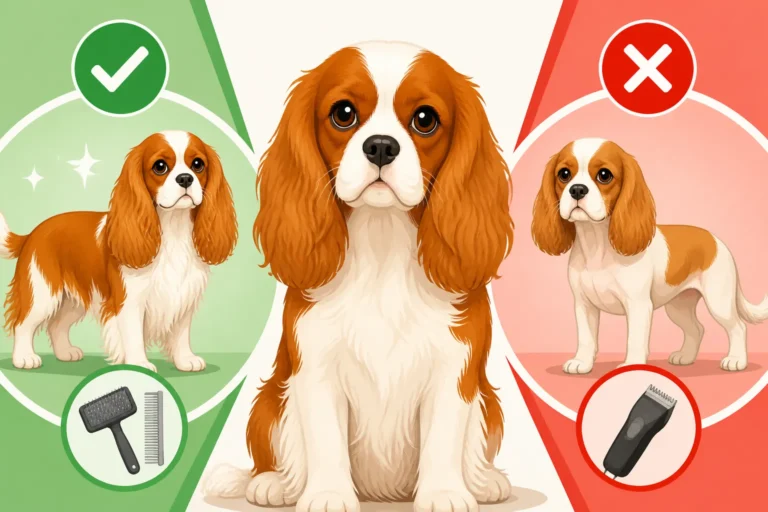
This visual check requires you to step back and observe your Cavalier from a different perspective. Have them stand squarely, with all four paws beneath them, and then stand directly over them, looking down at their back. What shape do you see? Ideally, you should be able to make out an "hourglass" figure. Their body should appear widest at the shoulders and chest, then gently narrow at the waist area, and finally widen again slightly over their hips. If, from this overhead vantage point, your Cavalier appears more like a straight block, a perfect rectangle, or even bulging outwards at the waist, then it's a strong indicator that their beautiful coat is doing an excellent job of concealing some extra pounds. The absence of that waist definition is a clear sign that they are likely carrying more weight than is ideal.
The Side Profile: Assessing the Abdominal Tuck
Another key visual assessment comes from observing your Cavalier's side profile. Again, ensure they are standing naturally. From this angle, you're looking specifically for the "abdominal tuck-up." This should manifest as a gentle upward slope from the bottom of their rib cage towards their hind legs. A healthy Cavalier will not have a straight line from their chest to their tail along their underside, nor will their belly appear saggy or distended. If their belly hangs low, is noticeably round, or even seems to droop, it's a red flag that their weight might be creeping up. This visual cue, combined with the hands-on test, provides a comprehensive picture. Understanding Why a Cavalier Gains Weight So Easily often comes down to these subtle, cumulative changes.
Utilizing Body Condition Score Charts for Reference
While I can't visually show you images, many veterinary clinics, pet nutrition websites, and breed club resources offer "Body Condition Score" (BCS) charts. These charts typically display outlines or illustrations of dogs at various weight stages, from underweight to ideal to obese, often accompanied by descriptive text explaining what to look and feel for at each stage. Comparing your Cavalier visually to these charts can be an incredibly helpful tool. It reinforces what you're feeling for with your hands and provides a standardized reference point. Think of it as a visual dictionary for your dog's physique, helping you translate what you see and feel into an objective assessment of their body condition. It's a great way to solidify your understanding of an ideal body shape.
Here's a quick comparison of what to look and feel for:
| Feature | Underweight (Too Thin) | Ideal Weight (Just Right) | Overweight (Too Heavy) |
|---|---|---|---|
| Ribs (Touch) | Very easily felt, possibly visible, sharp | Easily felt without excessive pressure, slight fat cover | Difficult to feel or not palpable, significant fat cover |
| Waist (Overhead) | Extremely pronounced, sharp tuck-in | Clearly visible hourglass shape, distinct narrow | Little to no waist, broad or bulging |
| Abdominal Tuck (Side) | Very defined, marked upward slope | Good tuck-up, belly rises from chest | Flat or sagging belly, no discernible tuck-up |
| Energy Level | May be lethargic, prone to shivering | Active, playful, good stamina, eager to engage | Often sluggish, tires quickly, reluctant to play |
The Unbiased Truth: Regular Weigh-Ins Are Non-Negotiable
While developing your observational and tactile skills is incredibly valuable, nothing beats the objective data provided by a scale. For a breed like the Cavalier, where cosmetic fluff can hide actual fat, regular weigh-ins are your ultimate defense against insidious weight gain.
Why the Scale is Your Most Objective Tool
Your eyes and hands are fantastic tools, but they can sometimes be tricked by thick feathering or our own hopeful perception. The number on a scale, however, is a cold, hard fact. It provides an objective, consistent measurement that no amount of luxurious fur can conceal. For a small breed like a Cavalier, even a half-pound increase over a few months can represent a significant percentage of their body weight and signal a worrying trend. This objective data allows you to catch minor weight fluctuations early, long before they become a significant health issue. When trying to determine What an Overweight Cavalier Weighs, consistent scale measurements are paramount. It empowers you to be proactive rather than reactive, making tiny adjustments to diet or exercise before a serious problem develops.
Establishing a Weigh-In Routine
To make the most of your scale, establish a consistent weigh-in routine. I recommend weighing your Cavalier at least once a month, ideally at the same time of day (before their morning meal is often easiest and most consistent). For puppies and smaller adult Cavaliers, a baby scale can be incredibly accurate. For larger adults, you can simply weigh yourself, then weigh yourself holding your Cavalier, and subtract your weight from the total. Keep a simple log on your phone, a calendar, or even a small notebook. This habit allows you to track trends over time, providing crucial data that mere observation cannot. Many dedicated pet owners find investing in a specific pet scale, readily available from online retailers like Amazon, to be a valuable tool for consistent and accurate measurements right at home.
Interpreting Weight Changes and When to Consult Your Vet
Once you have a baseline and a routine, you'll start to see patterns. If you notice a consistent upward trend – even just 5-10% of their ideal body weight creeping on over a few months – it’s a clear signal that it's time to make adjustments. This might involve slightly reducing their food portions, increasing their exercise, or being more vigilant about treats.
More importantly, any significant or consistent weight change warrants a discussion with your veterinarian. Don't wait until your annual check-up if you have concerns. Your vet can offer tailored advice, rule out any underlying medical conditions (as sometimes weight gain or loss can indicate a health issue), and help you create a safe and effective weight management plan. For instance, The Yearly Checkup That Listens to a Cavalier's Heart is an excellent opportunity to review their weight history and discuss any concerns. Being proactive and seeking professional guidance early can make a huge difference in your Cavalier's long-term health.
Practical Steps for Proactive Weight Management in Cavaliers
Knowing how to assess your Cavalier's weight is only half the battle. The other half involves putting practical strategies into place to ensure they stay at that ideal weight. These daily habits make a significant difference.
The Power of Precise Portion Control
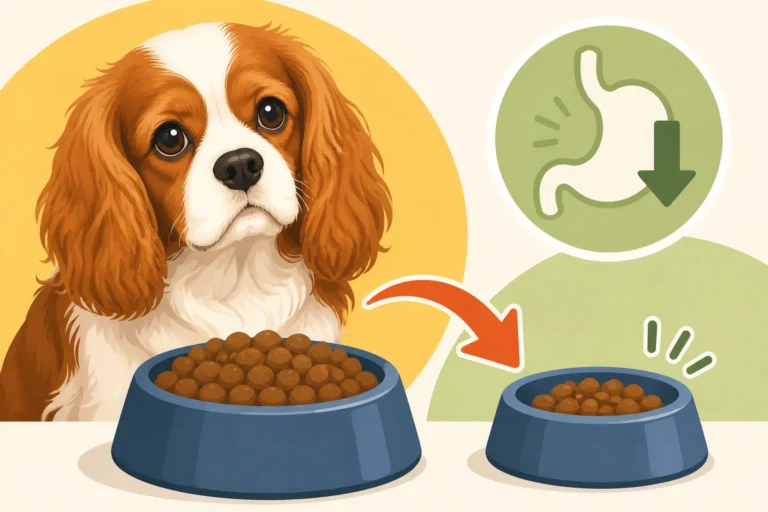
This is arguably the most impactful strategy for managing your Cavalier's weight. Those convenient kibble scoops and measuring cups? They're often notoriously inaccurate, with variations that can easily lead to overfeeding for a small dog like a Cavalier. Your best friend here is a simple digital kitchen scale. Invest in one (they're widely available from retailers like Amazon for a very reasonable price) and use it to weigh out your Cavalier's food at every single meal. Even a few extra grams of kibble a day add up significantly over weeks and months for a fifteen-pound dog. For example, if your vet recommends your Cavalier eats 100 grams of food daily, a kitchen scale ensures you're hitting that exact mark every time, making all the difference in achieving and maintaining a healthy weight. This precise measurement is vital when you are Weighing a Cavalier's Ration on a Kitchen Scale.
Mindful Treat Selection and Integration
Treats are wonderful for training, positive reinforcement, and just showering your Cavalier with love, but they are frequently calorie-dense. It's easy to inadvertently sabotage a healthy diet with too many or the wrong kind of treats. The key is mindful treat selection and ensuring they are factored into your Cavalier's total daily caloric intake. Opt for low-calorie alternatives such as small pieces of steamed green beans, plain carrots, or apple slices (always remove seeds and core). If you prefer commercial treats, actively seek out options specifically designed to be low in calories. Many excellent brands available through online pet supply stores like Chewy offer smaller, lower-calorie training treats or dental chews that fit perfectly into a Cavalier's limited daily allowance without derailing their diet. These are perfect for Low-Calorie Treats for a Cavalier That Gains Easily.
Ensuring Consistent and Appropriate Exercise
Cavaliers might be small, but they absolutely thrive on consistent daily exercise. Regular physical activity not only burns calories but also helps build and maintain lean muscle mass, which is crucial for a healthy metabolism and joint support. While they aren't built for extreme sports, two moderate walks a day, combined with some engaging indoor play sessions, are usually sufficient to keep them active and stimulated. Remember, always be mindful of your individual Cavalier's health status. A Cavalier with a diagnosed heart murmur, for instance, might require a more gentle or modified exercise regimen. Always consult your veterinarian for guidance on the appropriate Walk Length for a Cavalier With a Murmur to ensure their activity level is safe and beneficial. Regular movement also prevents A Cavalier That Tires on Short Walks and helps them build stamina.
Exploring Quality Food Options and Veterinary Guidance
The type of food you feed your Cavalier plays a fundamental role in their overall health and weight management. Higher-quality dog foods often provide better nutrition, leading to increased satiety even with smaller portions, and can support a healthier metabolism. It's always a good idea to discuss diet options thoroughly with your veterinarian, especially if your Cavalier needs to lose weight or has specific health concerns that might necessitate a specialized diet. There are many reputable dog food brands available through major retailers like Chewy or convenient subscription services like Ollie, which can often be tailored to your dog's specific caloric needs and life stage. Understanding How Much to Feed an Adult Cavalier Daily is paramount, and your vet can help determine if a prescription weight management or cardiac diet might be beneficial, particularly if you are working towards Slimming a Cavalier Without Cutting Meals.
Preventing and Addressing Weight-Related Health Issues
Proactively managing your Cavalier's weight is truly one of the most significant preventative measures you can take against a cascade of potential health problems. Obesity isn't just an aesthetic issue; it can exacerbate existing joint problems, increase the risk of developing pancreatitis, contribute to respiratory issues, and significantly impact their quality of life. By keeping your Cavalier at a healthy weight, you are actively working to protect their heart, joints, and overall vitality. This proactive approach now can potentially save you and your furry friend from significant heartache, expensive veterinary bills, and discomfort down the line. While diet alone isn't a cure-all, understanding Whether Diet Slows a Cavalier's Heart Disease and implementing a healthy eating plan absolutely supports their cardiac health. Aiming for the ideal Feeding a Cavalier on Fifteen Pounds is a great goal for most adults.
Disclaimer
This article is for general informational purposes only and does not constitute professional advice. Laws, prices and regulations vary by location and change over time. Consult a qualified professional for guidance on your specific situation.