Feeding a Cavalier That Is Losing Muscle
It’s truly disheartening when you start to notice your beloved Cavalier, once so robust and full of playful energy, beginning to look a little thinner, especially over their spine or hips. This isn't just about weight loss; it's often about muscle mass diminishing, which can happen for a number of reasons as they age or face health challenges. This guide will walk you through why your Cavalier might be losing muscle, how to recognize the signs, and most importantly, how to adjust their diet to help them regain strength and maintain their precious quality of life.
Understanding Muscle Loss in Cavaliers: Why It Happens
When our Cavaliers start to lose muscle mass, it's not always as simple as "they're getting old." While age certainly plays a role, several factors contribute to this decline, and understanding them is the first step toward effective intervention. It's a complex interplay of natural aging, underlying health conditions, and sometimes, a diet that just isn't meeting their changing needs.
Age-Related Sarcopenia and Its Impact
Just like humans, dogs experience age-related muscle loss, a condition known as sarcopenia. For our Cavaliers, who often live well into their senior years, this process can become quite noticeable. You might start seeing their once well-rounded hindquarters become a bit flatter, or feel their spine more distinctly under your fingertips. This isn't just an aesthetic change; it genuinely impacts their strength, balance, and overall mobility.
Imagine your Cavalier struggling to hop onto their favorite sofa, or finding it harder to navigate stairs they once bounded up with ease. That's sarcopenia at work. It's a gradual, insidious process where muscle fibers naturally decrease in number and size. This makes daily activities more challenging and can reduce their confidence and enjoyment of life. It also means they might be more prone to injuries from falls, as their stabilizing muscles aren't as strong. Recognizing this as a normal part of aging doesn't mean we just accept it; it means we need to be proactive in supporting their muscle health through diet and appropriate exercise. Caring for a Cavalier Past Nine becomes even more critical when muscle loss starts.
Chronic Illnesses and Muscle Wasting
Beyond natural aging, many chronic health conditions common in Cavaliers can significantly contribute to muscle wasting, medically known as cachexia. This is different from sarcopenia because it's driven by disease processes that actively break down muscle tissue, often due to inflammation or increased metabolic demands.
Take Mitral Valve Disease (MVD), for example. As a Cavalier's heart disease progresses, their body has to work harder to maintain circulation. This increased metabolic effort, coupled with potential appetite changes or even side effects from necessary medications like diuretics, can lead to muscle loss. A Cavalier with advanced Mitral Valve Disease in the Cavalier King Charles Spaniel might appear frail, not just from weight loss but from true muscle atrophy. Similarly, conditions that cause chronic pain, such as Cavalier Knees, Hips and Joint Problems or even the discomfort from Syringomyelia and Chiari Malformation in Cavaliers, can lead to reduced activity. When a dog doesn't use their muscles, those muscles begin to weaken and shrink, creating a vicious cycle where pain leads to inactivity, which leads to more muscle loss and potentially more pain. Even seemingly unrelated issues like chronic dental disease, common in Cavaliers, can make eating painful, leading to reduced food intake and subsequent muscle loss. Cavalier Dental Disease in a Crowded Jaw can have far-reaching effects on their overall health and ability to maintain muscle mass.
Inadequate Nutrition and Activity Levels
Sometimes, the culprit behind muscle loss is simpler: the diet isn't quite right, or their activity levels have dropped. Many owners don't realize that as dogs age or develop certain health conditions, their nutritional needs can shift dramatically. A diet that was perfectly fine for a young, active Cavalier might not provide enough high-quality protein or the right balance of calories for an older dog who needs to preserve muscle.
If a Cavalier isn't getting enough protein, their body will start to break down its own muscle tissue to get the amino acids it needs for essential bodily functions. It's like trying to build a house without enough bricks – eventually, you'll start pulling bricks from existing walls. Furthermore, if your Cavalier is less active, perhaps due to pain, age, or simply a sedentary lifestyle, their muscles won't be stimulated enough to maintain their mass. A lack of regular, appropriate exercise can accelerate muscle loss, even if their diet is otherwise adequate. Stress can also play a subtle role; chronic stress can suppress appetite and affect nutrient absorption, indirectly contributing to a decline in muscle mass. It's crucial to ensure their food is both palatable and nutrient-dense, especially when facing these challenges.
Identifying Muscle Loss in Your Cavalier
Spotting muscle loss isn't always obvious at first glance, especially with a Cavalier's lovely long coat, which can hide a multitude of changes. However, once you know what to look for, you can often catch it early and start making supportive changes. Don't just rely on the scale; a good look and a gentle feel can tell you a lot.
Visual Cues and Physical Examination
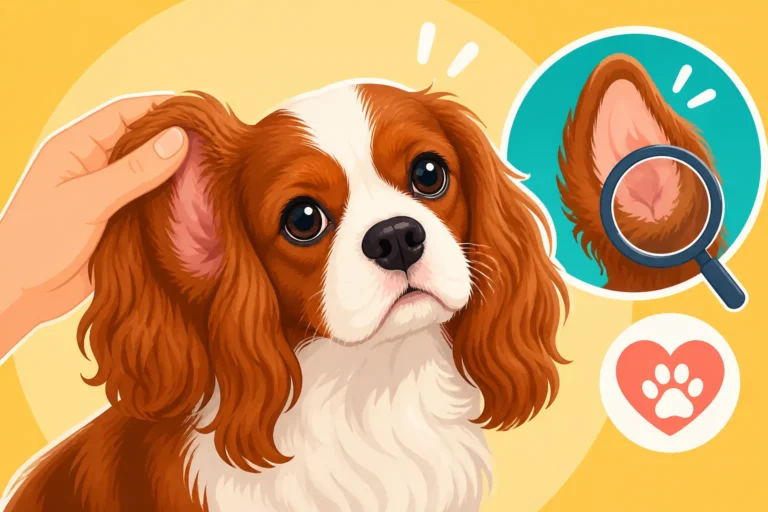
The most straightforward way to identify muscle loss is through careful observation and touch. Start by looking at your Cavalier from above and from the side. Are their hips, spine, or shoulder blades becoming more prominent? You should be able to feel their ribs easily, but they shouldn't be sticking out sharply. If you can see or feel their vertebrae, hip bones, or shoulder blades more distinctly than before, it's a red flag.
Pay particular attention to their hindquarters. Muscle loss often shows up first and most noticeably in the large muscles of the thighs. What was once a rounded, strong hind leg might now look thinner or less defined. You might even notice a dip or hollow on either side of their spine just above their hips. The muscles over their skull can also thin, making their temples appear sunken. To feel for muscle atrophy, run your hands gently but firmly over these areas. Compare one side of their body to the other. Is one hind leg noticeably thinner than the other? This could indicate a localized issue, such as an old injury or a developing joint problem, rather than generalized muscle loss. Don't be afraid to get hands-on; it's the best way to monitor these subtle changes.
Behavioral Changes and Reduced Activity
Sometimes, the first signs of muscle loss aren't visible, but rather manifest in your Cavalier's behavior. A decrease in muscle strength naturally leads to changes in how they move and what they're willing to do. Has your Cavalier stopped jumping onto the sofa, or do they hesitate before tackling a flight of stairs? Perhaps they're struggling to get up from a lying position, or they seem to wobble a bit when standing.
You might notice they're slowing down on walks, needing more breaks, or simply not wanting to play as much. What used to be a brisk trot might now be a slower, more deliberate walk, and they might tire on short walks. These subtle shifts can easily be attributed to "just getting older," but they often point to underlying muscle weakness or discomfort. If your Cavalier, who once loved to chase squirrels in the yard, now prefers to watch from a comfortable spot, it's worth investigating. Any reluctance to engage in activities they once enjoyed, or difficulty with common movements, warrants a closer look at their muscle condition and overall health. Pain Management for a Senior Cavalier often involves addressing the physical limitations that come with muscle weakness.
Tracking Weight and Body Condition Score
While weight loss isn't always muscle loss, tracking both can give you a clearer picture. Weigh your Cavalier regularly, ideally on the same scale at the same time of day. Keep a record so you can spot any trends. However, a significant drop in weight, especially without a corresponding decrease in fat, is a strong indicator of muscle wasting.
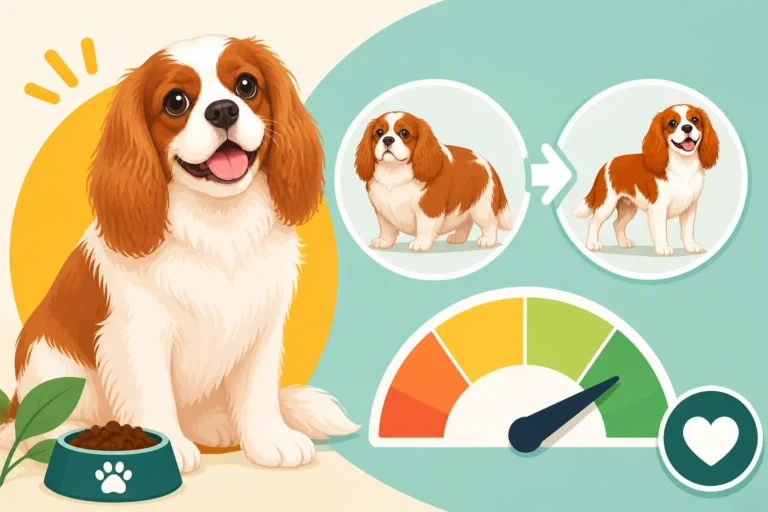
Even more useful than just weighing is using a Body Condition Score (BCS) chart. This is a visual and tactile assessment that helps you determine if your dog is underweight, ideal, or overweight. Most vets use a 1-5 or 1-9 scale. For a Cavalier losing muscle, you'll likely see signs of a low BCS (e.g., 2/5 or 3/9), where ribs, spine, and hip bones are easily palpable or visible, and there's a definite "tuck up" in their abdomen. The key is to distinguish between fat loss and muscle loss. A dog can be at an ideal weight overall but still be losing muscle if their fat stores are stable or increasing. A dog that is losing muscle will feel "bony" under the skin, even if they still have a bit of a belly. Learning to use a BCS chart (many are available online) can be incredibly empowering for owners in monitoring their dog's health at home.
| Body Condition Score | Description | Appearance |
|---|---|---|
| 1 – Emaciated | Ribs, vertebrae, pelvic bones, and all bony prominences evident from a distance. | No discernible body fat. Obvious loss of muscle mass. |
| 2 – Underweight | Ribs, vertebrae, and pelvic bones easily visible. | Minimal fat. Obvious waist and abdominal tuck. Slight loss of muscle mass. |
| 3 – Ideal | Ribs palpable without excess fat covering. | Waist noted when viewed from above. Abdominal tuck evident. |
| 4 – Overweight | Ribs palpable with slight excess fat. | Waist discernible but not prominent. Abdominal tuck apparent. |
| 5 – Obese | Ribs not palpable under heavy fat cover. | No waist or abdominal tuck. Obvious abdominal distention. Massive fat deposits. |
Note: For muscle loss, you're looking at the signs of 1-2, particularly with "obvious loss of muscle mass" or "slight loss of muscle mass," even if the overall fat might still be present.
Dietary Strategies to Combat Muscle Loss
Once you've identified that your Cavalier is indeed losing muscle, dietary changes are often the most effective intervention. The goal isn't just to add calories, but to provide the right kind of calories and nutrients to support muscle protein synthesis and overall health. This means focusing on quality, not just quantity.
Prioritizing High-Quality Protein
Protein is the building block of muscle, and for a Cavalier losing muscle, increasing their intake of high-quality protein is paramount. High-quality protein sources contain all the essential amino acids your dog needs to repair and build muscle tissue. Don't be tempted to simply feed more of their existing food if it's not already protein-rich; this can lead to excessive calorie intake without the necessary building blocks.
Look for lean animal proteins like chicken breast, turkey, lean beef, fish (cooked and boneless), and eggs. These can be added as toppers to their existing diet, or you might consider switching to a diet specifically formulated for active or senior dogs with higher protein content. Many reputable pet food brands offer lines designed to support aging dogs, often with increased protein and easily digestible ingredients. When browsing options on platforms like Chewy or at your local pet store, check the guaranteed analysis for protein percentages. A common guideline for a dog with muscle loss is to aim for a diet where protein makes up a significant portion of their calorie intake, but always discuss specific percentages with your veterinarian, especially if your Cavalier has other health conditions like kidney disease. Your vet can help you find the sweet spot between sufficient protein and other dietary considerations.
Balancing Calories and Other Nutrients
While protein is king, it's not the only player. Your Cavalier still needs a balanced diet, which means ensuring adequate calories from healthy fats and carbohydrates, along with essential vitamins and minerals. The trick is to provide enough energy for their body to recover and build muscle without leading to unhealthy fat gain, which can be particularly detrimental for a Cavalier Weight Gain and What It Costs the Heart.
Healthy fats, such as those found in fish oil or flaxseed, provide a concentrated source of calories and are crucial for overall health, skin, and coat, as well as providing anti-inflammatory benefits. Omega-3 fatty acids, in particular, can help reduce inflammation, which often accompanies chronic illness and muscle wasting. Complex carbohydrates like sweet potato or brown rice can offer sustained energy without spiking blood sugar, providing the fuel their body needs to utilize the protein. Ensure their food also contains a good range of vitamins and minerals, as deficiencies can hinder muscle repair and overall vitality. Some owners opt for fresh-cooked meal services, such as Ollie, which can often be customized with higher protein ratios and specific calorie needs, giving peace of mind that ingredients are fresh and nutrient-dense.
Considering Supplements and Palatability
Sometimes, diet alone isn't quite enough, or your Cavalier might be a picky eater. This is where supplements and palatability tricks come in. Certain supplements might offer additional support, but always discuss them with your vet first. For instance, fish oil, rich in Omega-3s, is widely recommended for its anti-inflammatory properties and benefits for heart and joint health. Other supplements, like creatine or HMB (beta-hydroxy-beta-methylbutyrate), are sometimes explored to support muscle mass, but their efficacy and safety for individual dogs need veterinary guidance. For a good quality fish oil or specific supplements, a quick search on Amazon or a reputable pet store online will yield many options, but again, vet consultation is key.
Equally important is making sure your Cavalier actually eats the food. A dog losing muscle often has a reduced appetite, especially if they are feeling unwell. Warming their food slightly, adding a spoonful of low-sodium chicken broth, or incorporating small amounts of highly palatable, cooked lean meats (like shredded chicken) can encourage them to eat. If your Cavalier typically struggles with dry kibble, you might find that adding a little wet food or a fresh food topper makes a huge difference. Don't underestimate the power of making mealtime enjoyable and enticing for them. An Old Cavalier That Struggles With Dry Kibble is a common issue that often needs creative solutions.
Practical Feeding Tips and Lifestyle Adjustments
Feeding a Cavalier who is losing muscle isn't just about what they eat, but also how and when. Small adjustments to their routine and environment can make a big difference in their ability to maintain or even regain muscle mass. It's about creating a supportive, holistic approach.
Meal Frequency and Timing
Instead of two large meals a day, consider feeding your Cavalier smaller, more frequent meals. This can be easier on their digestive system, reduce the risk of upsetting a sensitive stomach, and ensure a more consistent supply of nutrients for muscle synthesis throughout the day. For an older Cavalier with a reduced appetite, offering four smaller meals might be more effective than trying to get them to eat two large ones. Consistency is also key; try to feed them at roughly the same times each day to establish a routine.
If your Cavalier is a picky eater, leaving a bowl of food down all day can sometimes backfire, as the food can become stale or unappealing. Instead, offer the meal for 15-20 minutes, then remove it until the next feeding time. This can help stimulate their appetite and reinforce that mealtime is a specific event. Always ensure they have access to fresh water, especially if they are on any medications that might increase thirst.
Tailoring Diet to Underlying Health Conditions
It's vital to remember that muscle loss rarely happens in isolation; it's often linked to other health concerns common in Cavaliers. Therefore, any dietary changes must be carefully tailored to their specific needs. For example, if your Cavalier has early-stage heart disease, a lower-sodium diet is often recommended. This means carefully checking food labels and avoiding high-sodium treats or human foods. While you're trying to increase protein, you must ensure it doesn't conflict with other medical dietary requirements. Whether Diet Slows a Cavalier's Heart Disease is a question many owners grapple with, and balancing protein needs with heart-healthy guidelines is a prime example of why veterinary guidance is so important.
If your Cavalier has sensitive digestion, choosing highly digestible protein sources and avoiding common allergens is critical. This complex balancing act is why working closely with your veterinarian or a board-certified veterinary nutritionist is so crucial. They can help you navigate these often-conflicting dietary demands, ensuring that you're supporting muscle health without exacerbating other conditions. They might recommend specific therapeutic diets that are formulated to meet multiple needs simultaneously.
Gentle Exercise and Environmental Support
Dietary changes alone won't fully address muscle loss if your Cavalier isn't also moving their body. While strenuous exercise might be out of the question, maintaining appropriate, gentle activity is incredibly important for stimulating muscle maintenance and growth. Short, frequent, low-impact walks are far better than no exercise at all. Think about walks around the block rather than long hikes. Swimming, if accessible and your Cavalier enjoys it, can be an excellent low-impact exercise that works many muscle groups.
Furthermore, consider modifications to their living environment to make movement easier and safer. Provide ramps or steps for them to get onto furniture they enjoy, reducing the strain on their joints and muscles. Invest in orthopedic beds that offer good support and make it easier for them to get up after resting. Keep their favorite toys accessible and encourage short, gentle play sessions that don't overexert them. The goal is to keep them moving and engaged without causing pain or fatigue. Remember, even small, consistent efforts can have a cumulative positive effect on their muscle mass and overall well-being. A Cavalier who is comfortable and able to move around is a happier, healthier Cavalier.
Disclaimer
This article is for general informational purposes only and does not constitute professional advice. Laws, prices and regulations vary by location and change over time. Consult a qualified professional for guidance on your specific situation.