Fresh Delivered Food Portioned for a Cavalier
For Cavalier King Charles Spaniel owners, the dilemma of finding the perfect food is a constant source of worry. Many of us grapple with kibble that just doesn't seem right, whether it's leading to unexplained digestive upsets, dull coats, or that creeping weight gain we all dread. This comprehensive guide will explore the world of fresh, delivered food services, uncovering how these personalized meal plans can offer a tailored, convenient, and potentially transformative dietary solution for your precious Cavalier.
Why Fresh, Portioned Food is Gaining Traction for Cavaliers
Let's be honest, we all want the best for our Cavaliers, and that often starts with what's in their bowl. The rise of fresh, delivered dog food isn't just a trendy fad; it's a response to a growing desire for more transparency and control over what our pets consume. For a breed like the Cavalier, with their specific predispositions and often sensitive tummies, moving away from mass-produced, shelf-stable kibble can feel like a breath of fresh air. Many owners feel frustrated by ingredient lists they can barely pronounce, let alone understand, and the generic "one-size-fits-all" approach of traditional pet food.
Addressing the Cavalier's Unique Nutritional Needs
Cavaliers, bless their sweet hearts, are a breed with some specific health considerations that can greatly influence their dietary requirements. Their small stature means they have a relatively fast metabolism but also that every single calorie counts. Overfeeding, even slightly, can quickly lead to excess weight, which is particularly concerning given their predisposition to conditions like Mitral Valve Disease. You see, extra weight puts additional strain on their tiny hearts, potentially accelerating the progression of heart disease. This is why paying close attention to their diet is so critical.
Traditional kibble often contains a lot of filler ingredients, which might not provide the most bioavailable nutrients for a Cavalier's system. With fresh food, the focus is typically on whole, identifiable ingredients like real meat, vegetables, and fruits. This can be a game-changer for Cavaliers who struggle with allergies or digestive sensitivities, as it's easier to pinpoint and avoid problematic ingredients. Some fresh food services also formulate with specific breed needs in mind, which can be invaluable for long-term health. For instance, some blends might naturally be lower in sodium, a crucial consideration for a breed known for its cardiac vulnerabilities, addressing a concern often discussed in resources like Low-Sodium Feeding for a Cavalier Heart Patient.
The Appeal of Transparency and Quality Ingredients
One of the biggest draws of fresh delivered food is the unparalleled transparency it offers. When you're feeding your Cavalier, you want to know exactly what they're eating, right? With many conventional kibbles, the ingredients can be vague – "meat meal," "animal fat," "by-products." While these aren't always inherently bad, they certainly don't inspire the same confidence as seeing "USDA chicken breast," "carrots," and "spinach" on a label. This clarity allows owners to feel more connected to their pet's health journey.
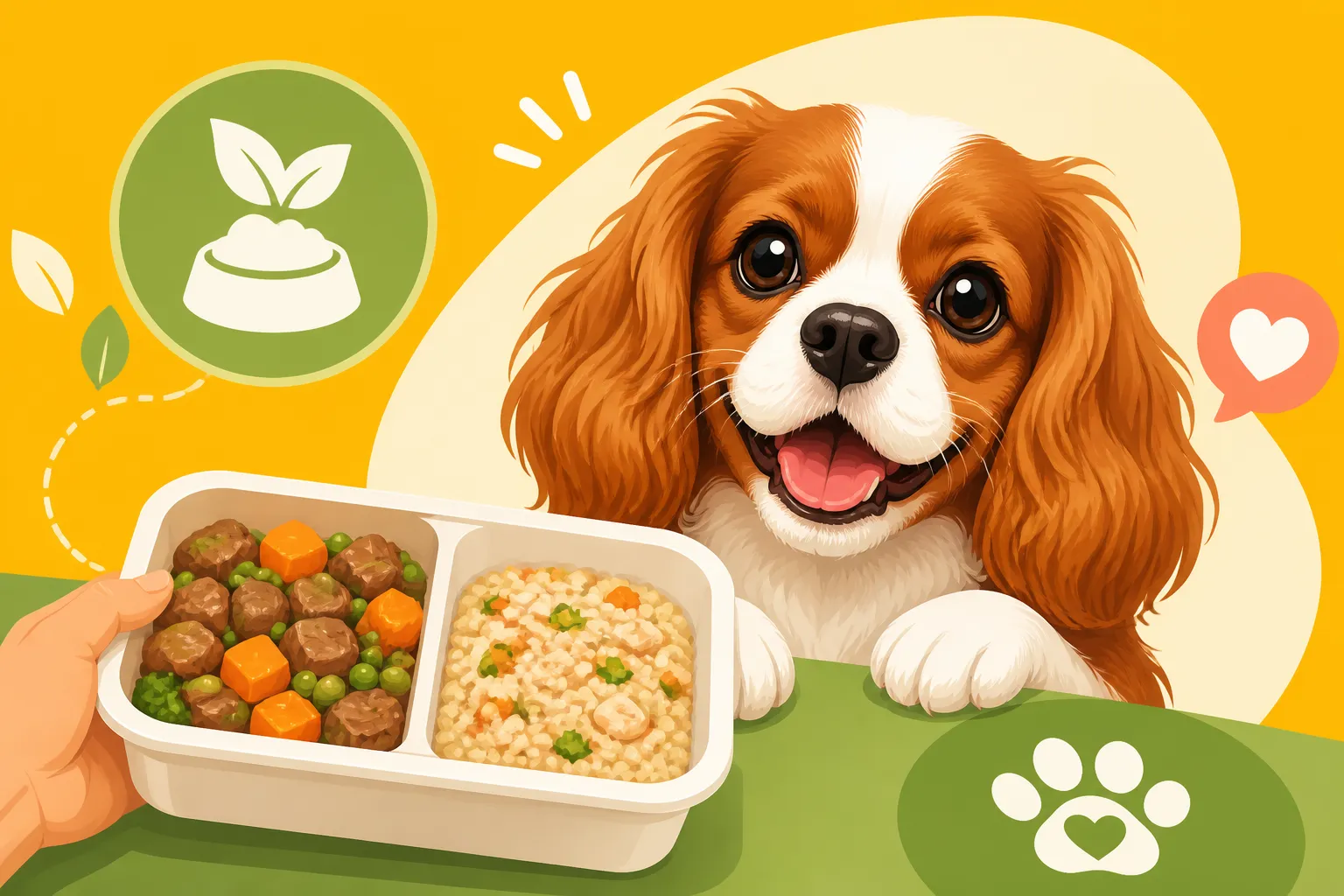
Fresh food services typically use human-grade ingredients, meaning they're fit for human consumption before being cooked and packaged for pets. This commitment to quality goes a long way in assuaging owner anxieties about questionable sourcing or manufacturing processes. Imagine cooking a meal for your family; that's the level of care and quality that many fresh dog food brands aim to replicate. They often avoid artificial preservatives, colors, and flavors, relying instead on natural methods to keep the food fresh until it reaches your doorstep. This can be especially comforting for owners concerned about the potential long-term effects of highly processed foods on their beloved companions.
Managing Weight and Health Concerns with Precision
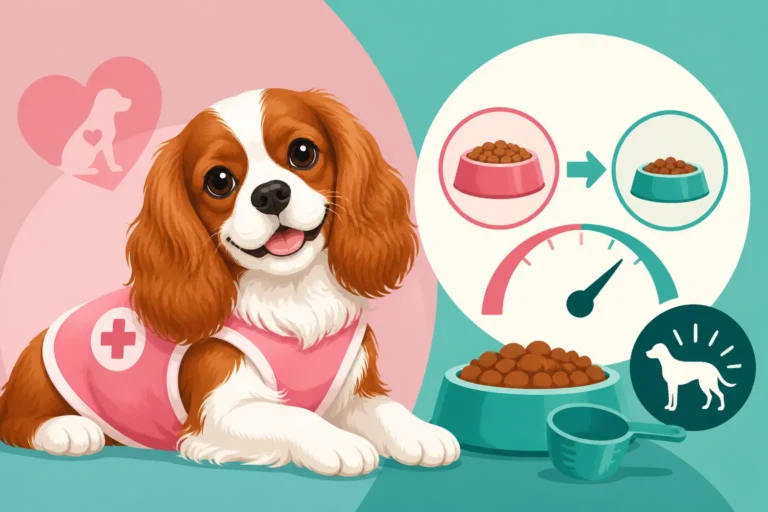
Portion control is an absolute cornerstone of managing a Cavalier's weight and overall health. It's so easy to accidentally overfeed a small dog, and those extra pounds can quickly add up, leading to issues like Cavalier Weight Gain and What It Costs the Heart. This is where fresh, portioned meals truly shine. These services calculate the exact caloric needs for your specific Cavalier, taking into account their age, weight, activity level, and any underlying health conditions. Instead of you guessing with a scoop, they send precisely measured meals.
This precision is invaluable. For a Cavalier that's a bit on the pudgy side, the service can formulate a diet for gradual, healthy weight loss. For an active, younger Cavalier, it can provide the energy needed without going overboard. And for a senior Cavalier, the nutrient density can support their aging body without unnecessary calories. The idea is to take the guesswork out of feeding, allowing you to trust that each meal is perfectly balanced for your dog's unique profile. This targeted approach can make a significant difference in preventative care and in managing existing health concerns, complementing discussions around Whether Diet Slows a Cavalier's Heart Disease.
Understanding How Fresh Food Delivery Services Work
The concept of fresh dog food delivered to your door might sound a bit futuristic, but it's remarkably straightforward and designed for modern pet parents who are short on time but big on care. It's essentially a subscription service, much like many human meal kits, but specifically tailored for our canine companions. The entire process aims to remove the common hurdles associated with preparing fresh meals at home, offering convenience without compromising on nutritional quality.
The Customization Process: Tailoring to Your Cavalier
When you sign up for a fresh food delivery service, the first step is usually a detailed questionnaire. This isn't just a quick "what breed is your dog?" kind of form; it delves deep into your Cavalier's specifics. You'll typically input their age, current weight, ideal weight, activity level (are they a couch potato or a backyard zoomie enthusiast?), any known allergies or sensitivities, and even their body condition score if you know it. This information is crucial for the service to build a profile.
Based on this data, the service's algorithms, often overseen by veterinary nutritionists, formulate a personalized meal plan. This plan specifies the exact recipes and portion sizes. For example, if your Cavalier is a 15-pound adult with moderate activity and no allergies, they might be recommended a specific blend of turkey and sweet potato, portioned precisely for their daily caloric needs. If they're a puppy still growing, the portions will reflect their rapid development, perhaps drawing parallels to advice found in The Age a Cavalier Reaches Full Size. Some services, like Ollie, even offer different protein options so you can rotate or find the perfect fit if your Cavalier has specific preferences or needs. This level of customization ensures that the food isn't just "fresh," but fresh and right for your individual dog.
The Convenience Factor: From Kitchen to Doorstep
Let's face it, life is busy. Between work, family, and keeping up with the endless demands of a beloved Cavalier, who has time to shop for, prepare, and perfectly portion fresh dog food every single day? This is where the delivery model truly shines. Once your customized plan is set, fresh food is cooked, portioned into individual serving sizes, and flash-frozen (or refrigerated, depending on the service) before being packed and shipped directly to your home on a recurring schedule.
You typically receive a supply that lasts anywhere from a week to a month, depending on your preferences and the service. The packaging is designed to keep the food fresh during transit, usually using insulated boxes with dry ice or gel packs. All you have to do is store it in your fridge or freezer, and then simply open a packet and serve at meal times. No more trying to figure out how many cups of kibble from a giant bag, or wrestling with measuring cups. This convenience saves precious time and mental energy, making it easier to maintain a consistent, healthy diet for your Cavalier without feeling overwhelmed. It integrates seamlessly into a busy household, simplifying your daily routine.
Reading Labels and Understanding Nutritional Content
Even with fresh food, it's vital to be an informed consumer. While the transparency is usually much higher, understanding nutritional labels is still key. Look for services that clearly list ingredients and provide a guaranteed analysis. This analysis will show the minimum percentages of crude protein and fat, and maximum percentages of crude fiber and moisture. Higher moisture content is typical for fresh food compared to kibble, which is beneficial for hydration.
Beyond the basic percentages, consider the source of ingredients and whether the recipes are formulated to meet the nutritional levels established by the AAFCO (Association of American Feed Control Officials) Dog Food Nutrient Profiles for your Cavalier's life stage (e.g., "for growth and reproduction" or "for maintenance"). This certification indicates that the food is nutritionally complete and balanced. Don't be afraid to ask questions of the fresh food company's customer service if anything is unclear. Understanding these details helps ensure you're providing not just tasty meals, but truly wholesome and balanced nutrition that supports your Cavalier's health from the inside out.
Potential Benefits for Your Cavalier King Charles Spaniel
Switching to fresh, portioned food can bring a whole host of positive changes for your Cavalier, going beyond just a shinier coat (though that's often a lovely bonus!). Many owners report noticeable improvements in their dogs' energy levels, digestion, and overall well-being. These benefits are often directly linked to the higher quality, more digestible ingredients, and the precise nutritional balance that these diets provide. It’s about giving their bodies the best fuel possible to thrive.
Supporting a Healthy Weight and Mitigating Heart Risks
As we've touched upon, maintaining an ideal weight is paramount for Cavaliers, especially given their genetic predisposition to heart conditions like Mitral Valve Disease in the Cavalier King Charles Spaniel. Fresh, portioned meals tackle this challenge head-on. By removing the guesswork from feeding, these services ensure your Cavalier receives exactly the right amount of calories for their needs, preventing both underfeeding and, more commonly, overfeeding. You're not relying on vague "cups per day" guidelines on a kibble bag; instead, each meal is designed to be complete and balanced in itself.
The focus on whole, lean proteins and digestible carbohydrates in fresh food can also help your Cavalier feel more satiated, reducing constant hunger and begging, which can be a real struggle for many owners. Less processed ingredients often mean fewer empty calories. This dedicated approach to portion control, combined with nutrient-rich food, can significantly contribute to keeping your Cavalier at a healthy weight, thereby reducing the strain on their heart and potentially supporting their overall cardiac health. It's a proactive step in managing a key health vulnerability for the breed.
Improved Digestion and Coat Health
One of the most frequently cited benefits by owners who switch to fresh food is a dramatic improvement in their Cavalier's digestion. If your dog has ever experienced chronic soft stools, excessive gas, or frequent stomach upsets, a fresh diet could be the answer. The easily digestible nature of whole, minimally processed ingredients means your Cavalier's digestive system doesn't have to work as hard to extract nutrients. This often leads to smaller, firmer, and less odorous stools – a win for both you and your pup!
Beyond the digestive tract, many owners also notice remarkable changes in their Cavalier's coat and skin. Fresh food, rich in essential fatty acids from sources like fish oil (often included in formulations), can lead to a softer, shinier coat and healthier, less itchy skin. If your Cavalier struggles with dry skin, dandruff, or dull fur, a diet packed with bioavailable nutrients can make a real difference. Think about it: a healthy body reflects externally, and the quality of their food is a primary driver of that internal health. It’s like switching from fast food to home-cooked meals for ourselves – we often look and feel better.
Enhanced Palatability for Picky Eaters
Cavaliers, for all their charm, can sometimes be surprisingly picky eaters. You might have tried various kibble brands, toppers, and tricks, only to have them turn their nose up at mealtime. This can be incredibly frustrating and even worrying, especially when you need them to eat for health reasons, or to take medication hidden in food. Fresh food often solves this problem simply because it smells and tastes much more appealing. Imagine choosing between a dry, crunchy biscuit and a delicious, warm, human-grade meal – the choice is usually pretty clear for our dogs too!
The aroma alone is often enough to entice even the most reluctant eater. The variety of recipes offered by fresh food services can also keep things interesting, preventing mealtime boredom. This improved palatability isn't just about making your Cavalier happy; it's also practical. If your dog is a picky eater, ensuring they consistently consume a complete and balanced diet is much easier with food they genuinely enjoy. This can be particularly helpful if you need to administer medication, as the appealing taste of fresh food makes it far simpler to hide pills, often discussed in guides like Getting Pills Into a Cavalier at Mealtime.
Considerations Before Switching Your Cavalier's Diet
While the benefits of fresh, portioned delivered food are compelling, it's important to approach a dietary change with a clear understanding of all the factors involved. This isn't just about picking the prettiest packaging; it's about making an informed decision that suits your Cavalier's needs, your lifestyle, and your budget. Just as you might budget for What a Healthy Adult Cavalier Costs Each Month, food is a major part of that equation.
Cost Implications of Fresh Delivered Meals
Let's be upfront: fresh delivered food is typically more expensive than conventional kibble. This is understandable, given the higher quality, human-grade ingredients, the cooking process, the personalization, and the convenience of delivery. You're paying for a premium product and service, and that comes with a higher price tag. The exact cost will vary significantly depending on the service you choose, your Cavalier's size, and their caloric needs. A smaller Cavalier will naturally cost less to feed than a larger breed.
It's crucial to factor this into your monthly budget. While some owners find the peace of mind and health benefits justify the expense, it's not a feasible option for everyone. It's wise to get a quote from a few different fresh food services, like Ollie, to compare. Sometimes, pet parents might choose a hybrid approach, feeding fresh food for one meal and high-quality kibble for another, or using fresh food as a topper. Consider this an investment in your Cavalier's long-term health, but one that requires careful financial planning. Thinking about What a Cavalier Eats in a Month will give you a good benchmark.
Storage and Preparation Logistics
While fresh food delivery offers incredible convenience, it does come with specific storage and preparation logistics that differ from a bag of kibble. You'll need adequate freezer space for the bulk deliveries, and enough refrigerator space for the portioned meals you'll be feeding over the next few days. The food arrives frozen or refrigerated and needs to maintain its temperature.
Each meal packet will need to be thawed before serving. This usually means transferring a portion from the freezer to the fridge the night before, or perhaps a quick thaw in a bowl of warm water for a few minutes if you forget. This isn't a huge chore, but it does require a bit more planning than simply scooping kibble from a bin. You'll also need to consider how to handle the packaging. Most services use recyclable materials, which is great, but it still means managing boxes, insulation, and individual meal pouches. While significantly less effort than cooking from scratch, it’s not entirely hands-off.
Consulting Your Vet and Gradual Transition
Before making any significant changes to your Cavalier's diet, always, always consult your veterinarian. They know your dog's full health history, current conditions, and can offer personalized advice on whether a fresh food diet is appropriate and which formulations might be best. This is especially true if your Cavalier has existing health issues or is on medication. For example, if your Cavalier has an existing heart murmur, your vet can advise on suitable sodium levels and overall dietary goals. This proactive step can prevent any unforeseen complications.
Once you've got the green light, a gradual transition is absolutely essential to avoid digestive upset. Switching abruptly from one food to another can lead to diarrhea, vomiting, and discomfort for your Cavalier. The general recommendation is to slowly introduce the new fresh food over a period of 7-10 days, mixing increasing amounts of the fresh food with decreasing amounts of their old food. This allows your Cavalier's digestive system to adjust to the new ingredients and consistency. This tried-and-true method is covered in detail in resources like The Ten Days It Takes to Change Cavalier Food and ensures a smooth, happy transition for your furry friend.
| Feature / Consideration | Traditional Kibble | Fresh Delivered Food |
|---|---|---|
| Ingredient Quality | Variable, often processed meals | Human-grade, whole ingredients |
| Transparency | Can be vague, ingredient "meals" | Clear, identifiable ingredients |
| Nutritional Balance | Generic "complete & balanced" | Personalized, vet-formulated |
| Portion Control | Manual scooping, easy to overfeed | Pre-portioned, precise calories |
| Cost | Generally lower | Generally higher, premium price |
| Storage | Shelf-stable, bag/bin | Freezer/refrigerator space needed |
| Preparation | Scoop and serve | Thaw and serve |
| Palatability | Variable, can be bland | Highly palatable, appealing aroma |
| Digestibility | Can be challenging for some | Generally highly digestible |
| Environmental Impact | Less packaging per meal | More packaging for delivery, often recyclable |
Disclaimer
This article is for general informational purposes only and does not constitute professional advice. Laws, prices and regulations vary by location and change over time. Consult a qualified professional for guidance on your specific situation.